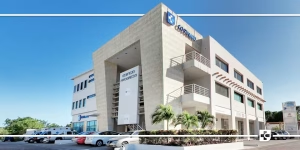
MyMediTour Approved Provider

Dr. Mario Ruvalcaba Bariatric & Minimally Invasive Surgery

Board-Certified General and Bariatric Surgeon in Merida, Mexico

Dr. Mario Ruvalcaba is a board-certified general and bariatric surgeon in Merida, Yucatan, Mexico, specializing in bariatric and metabolic surgery and minimally invasive laparoscopic surgery.

Dr. Mario Ruvalcaba – Bariatric and Minimally Invasive Surgery in Merida

Why Dr. Mario Ruvalcaba for Bariatric and Minimally Invasive Surgery?

Dr. Mario Ruvalcaba is a board-certified general and bariatric surgeon in Merida, Yucatan, specializing in bariatric and metabolic surgery and minimally invasive laparoscopic surgery. His work focuses on procedures that treat obesity, metabolic disease and abdominal surgical conditions through advanced techniques designed to reduce surgical trauma, support faster recovery and improve long-term health outcomes.

His bariatric portfolio includes gastric sleeve, Roux-en-Y gastric bypass, intragastric balloon, intestinal transit bipartition, SADI-S, revision surgery and conversion surgery. His minimally invasive general surgery portfolio includes laparoscopic cholecystectomy, laparoscopic appendectomy, anti-reflux fundoplication, achalasia surgery, ventral hernia surgery, inguinal hernia surgery and single-port surgery.

Dr. Ruvalcaba’s profile is especially strong because of his academic and specialty preparation. His training includes medical school at the Autonomous University of Guadalajara, general surgery specialty training at the Autonomous University of Yucatan, advanced training in endoscopic and robotic surgery, and advanced specialty training in bariatric and metabolic surgery. His professional credentials include certification by the Mexican Board of General Surgery and membership in major surgical and bariatric organizations.

Through MyMediTour, international patients can coordinate medical records, weight-loss history, lab work, consultation requests, surgery planning, travel timing, accommodation guidance, recovery expectations and follow-up communication before and after treatment in Mexico.

About Dr. Mario Ruvalcaba

A Bariatric Surgeon Focused on Metabolic Health, Safety and Minimally Invasive Care

Dr. Mario Ruvalcaba provides bariatric, metabolic and minimally invasive surgical care in Merida, Mexico. His practice is centered on obesity treatment, metabolic improvement, abdominal surgery and laparoscopic techniques that use small incisions instead of traditional open surgery.

His approach is particularly relevant for patients seeking weight-loss surgery because bariatric treatment is not only about reducing stomach size. Bariatric and metabolic surgery can also influence appetite regulation, satiety, glucose metabolism and obesity-related conditions such as type 2 diabetes, hypertension and sleep apnea. Dr. Ruvalcaba’s own bariatric surgery page presents these procedures as long-term interventions for severe obesity and related metabolic disease.

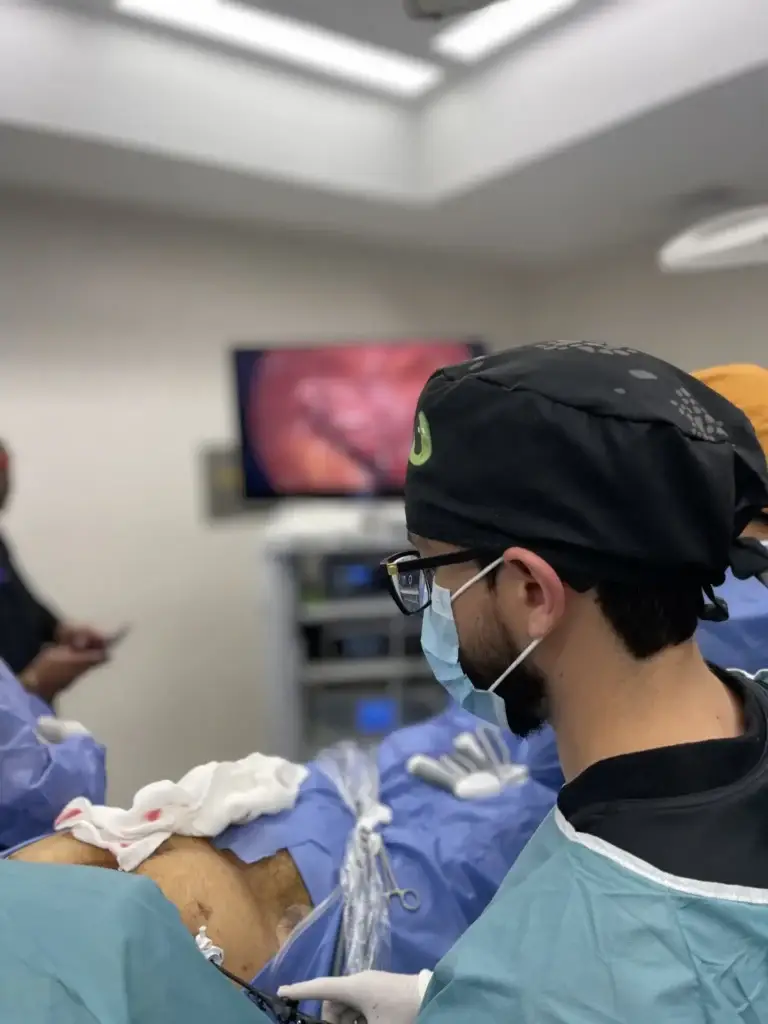
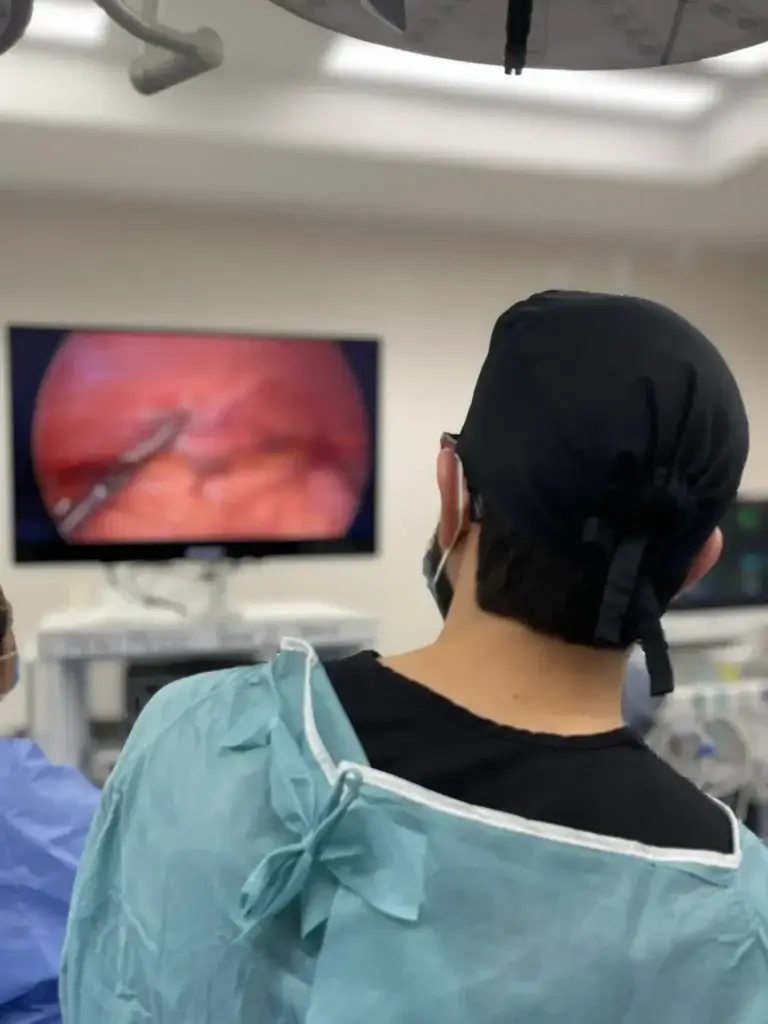
Dr. Ruvalcaba also performs minimally invasive general surgery for abdominal conditions such as gallbladder disease, appendicitis, hernias, reflux disease and achalasia. His laparoscopic surgery page explains that minimally invasive surgery is performed through small incisions using a high-definition camera and specialized instruments, reducing tissue trauma compared with traditional open surgery.

Education and Certificates

Board Certification, Advanced Surgical Training and Bariatric Specialty Credentials

Dr. Mario Ruvalcaba completed his medical degree at the Autonomous University of Guadalajara and his specialty in General Surgery at the Autonomous University of Yucatan. His advanced training includes High Specialty in Endoscopic and Robotic Surgery at the Minimally Invasive Surgery Training Center in Mexico City and High Specialty in Bariatric and Metabolic Surgery at the University of the Americas Puebla.

His official credentials include Medical License 11863807, Specialty License 14576281 and Mexican Board of General Surgery Certification No. C24028224. His website also lists COFEPRIS Advertising Notice 2631012002A00133.

His professional memberships include the Mexican Board of General Surgery, the International Federation for the Surgery of Obesity and Metabolic Disorders, the Mexican Association of General Surgery, the Mexican Association of Endoscopic Surgery and the Mexican College of Surgery for Obesity and Metabolic Diseases.

Professional Background

General, Bariatric, Metabolic and Laparoscopic Surgical Expertise

Dr. Mario Ruvalcaba’s professional background brings together general surgery, bariatric surgery, metabolic surgery and minimally invasive abdominal surgery. With more than 5 years of surgical practice, he has developed experience across bariatric and non-bariatric surgical procedures while maintaining an individualized approach to each patient’s condition and treatment goals.

His bariatric and metabolic work includes procedures designed to treat severe obesity and obesity-related metabolic disease. His general laparoscopic surgery work includes gallbladder removal, hernia repair, appendectomy and anti-reflux surgery, among other abdominal procedures.

This combination is important because many patients with obesity also have abdominal conditions that may require surgical evaluation, such as hernias, gallbladder disease, reflux disease or previous bariatric surgery complications. Dr. Ruvalcaba’s training in bariatric, metabolic, endoscopic, robotic and minimally invasive surgery gives his practice a broad surgical foundation for both weight-loss and abdominal procedures.

Procedures and Surgical Treatments

Bariatric Surgery, Metabolic Surgery and Minimally Invasive General Surgery

Dr. Mario Ruvalcaba offers bariatric, metabolic and minimally invasive surgical procedures in Merida. His procedure portfolio includes gastric sleeve, gastric bypass, intragastric balloon, intestinal transit bipartition, SADI-S, revision surgery, conversion surgery, laparoscopic cholecystectomy, laparoscopic appendectomy, anti-reflux fundoplication, achalasia surgery, ventral hernia surgery, inguinal hernia surgery, single-port surgery, diastasis recti surgery and emergency abdominal surgery.

Gastric Sleeve

Laparoscopic Sleeve Gastrectomy for Weight-Loss Surgery

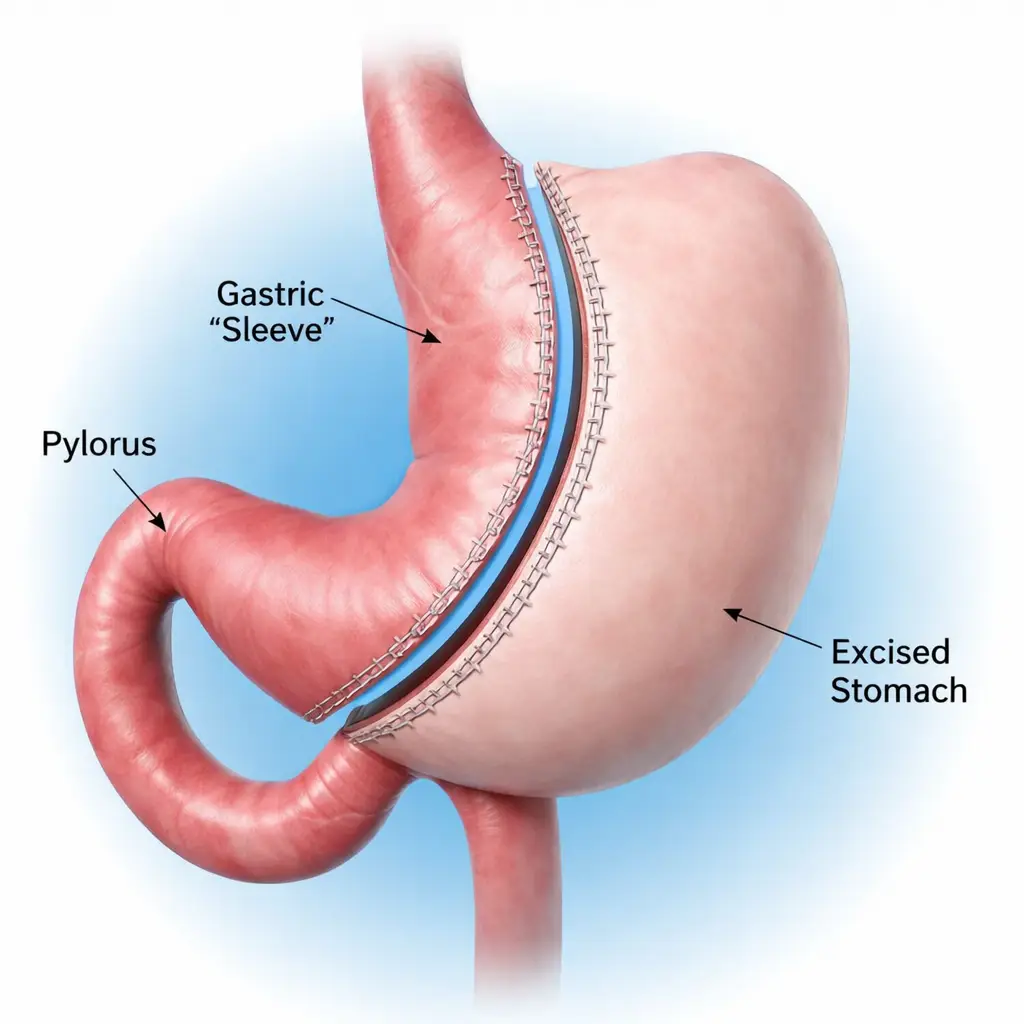
Gastric Sleeve, also known as vertical sleeve gastrectomy, reduces the size of the stomach by approximately 75% to 85%. The procedure limits food intake and decreases production of ghrelin, a hormone associated with hunger.

The gastric sleeve is performed as a bariatric procedure for weight loss and metabolic improvement. It creates a smaller, sleeve-shaped stomach while preserving the natural pathway of food through the digestive tract.

Gastric Bypass

Roux-en-Y Gastric Bypass for Restriction, Malabsorption and Metabolic Change

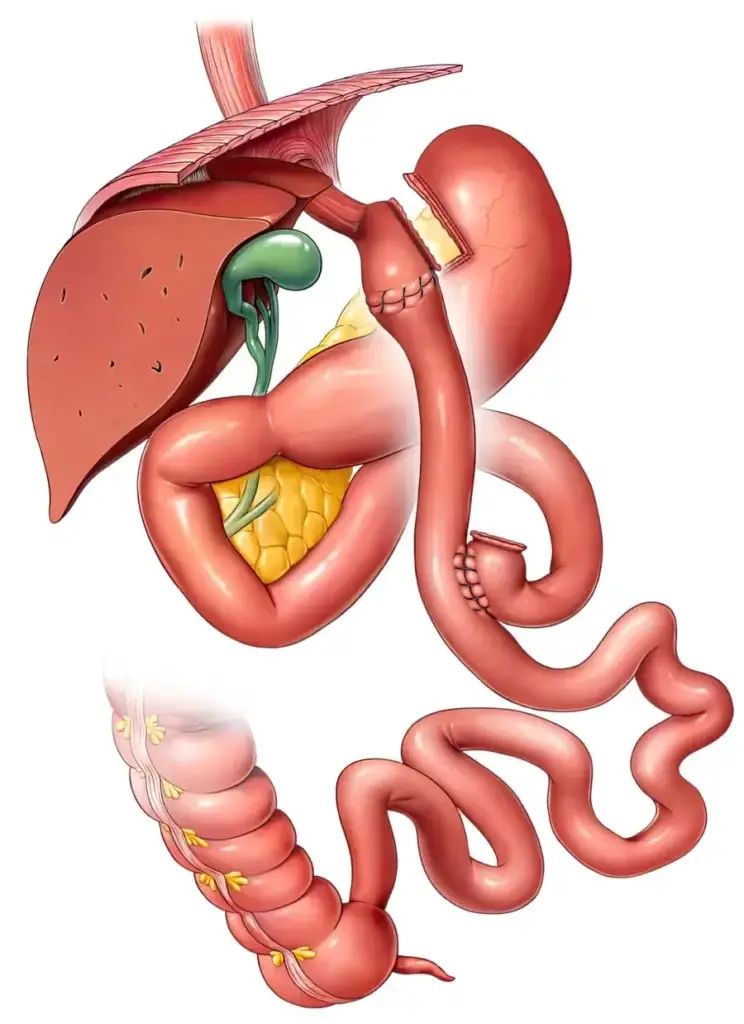
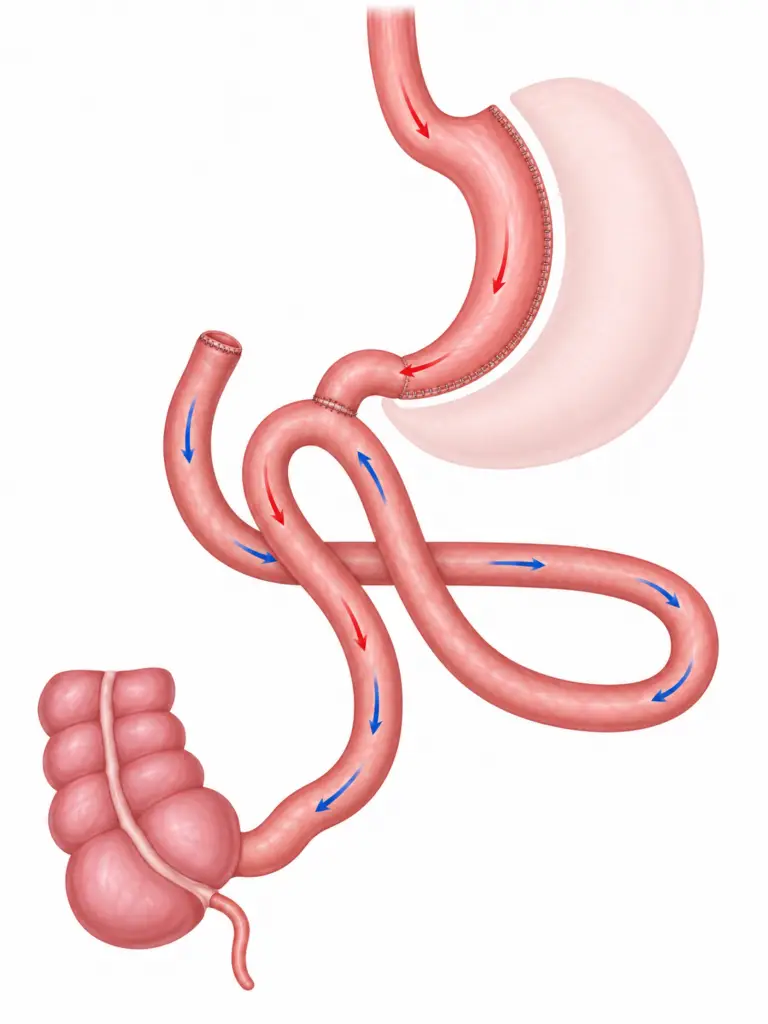
oux-en-Y Gastric Bypass combines stomach-size restriction with intestinal bypass. The procedure creates a smaller stomach pouch and connects it to a segment of the small intestine, bypassing most of the stomach, the duodenum and the first portion of the jejunum.

This procedure reduces the amount of food the stomach can hold, changes nutrient absorption and produces hormonal effects that can improve insulin sensitivity and support metabolic improvement. Dr. Ruvalcaba performs gastric bypass laparoscopically in Merida.


Intragastric Balloon

Endoscopic Weight-Loss Treatment Without Surgical Incisions

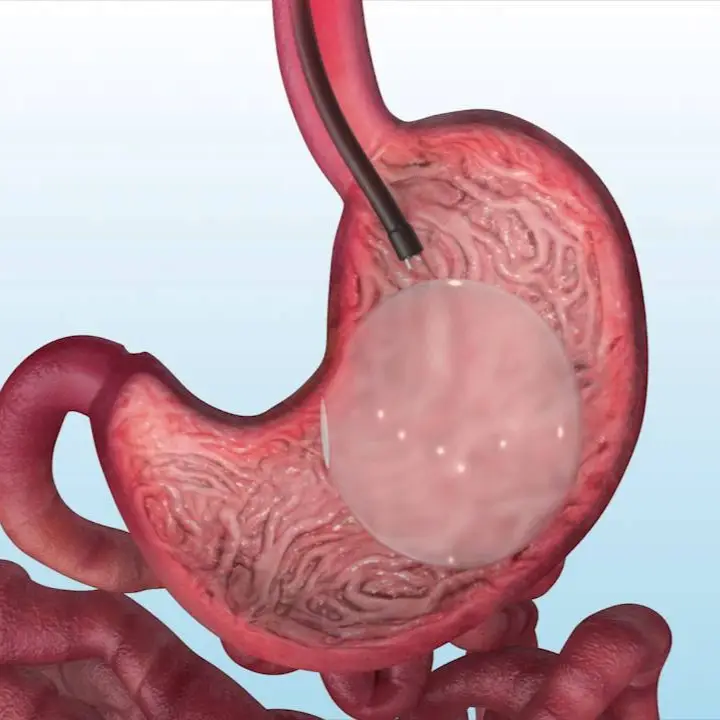
The Intragastric Balloon is a medical-grade silicone device placed inside the stomach using a flexible endoscope. It is inserted deflated through the mouth and then filled with sterile saline solution once positioned inside the stomach.

The balloon occupies space inside the stomach and creates earlier satiety with smaller portions of food. It does not require incisions and is removed endoscopically after the treatment period, which may range from 6 to 12 months depending on the device used.

Intestinal Transit Bipartition

Metabolic Bariatric Surgery Combining Sleeve Gastrectomy and Partial Intestinal Bypass

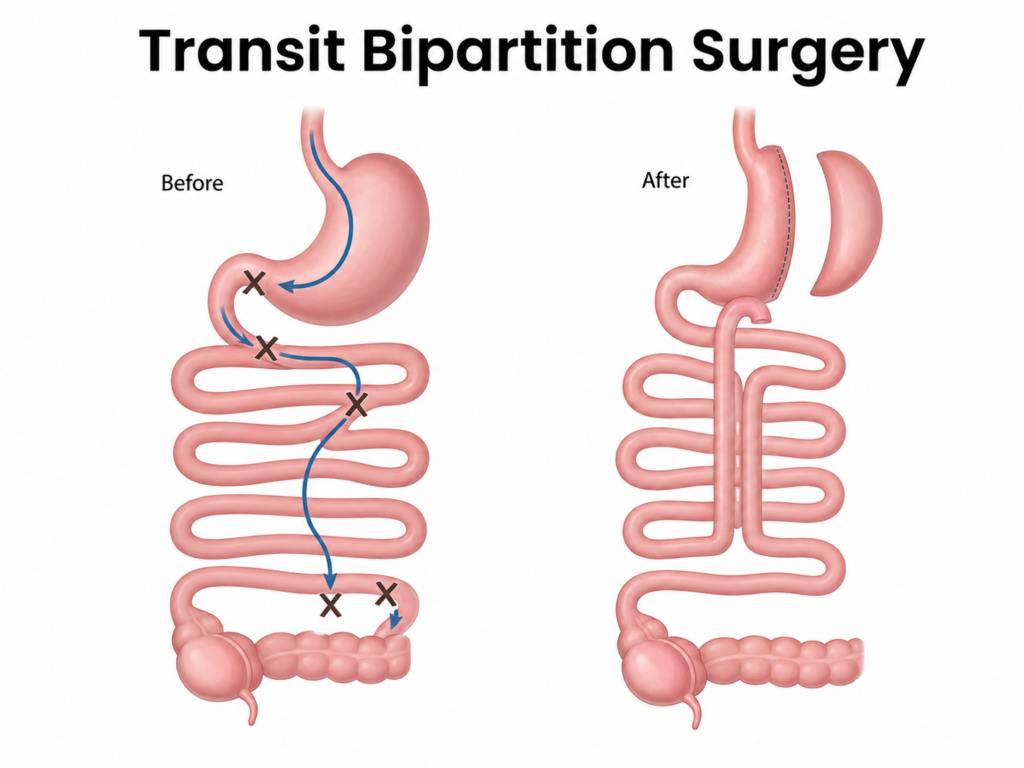
Intestinal Transit Bipartition is a metabolic bariatric procedure that combines gastric sleeve surgery with a partial intestinal bypass. Dr. Ruvalcaba includes intestinal transit bipartition in his bariatric and metabolic surgery portfolio.

The procedure is designed to modify the way food travels through the intestine while preserving part of the natural intestinal pathway. It is used as a metabolic surgery option for selected patients requiring a stronger metabolic effect than restrictive surgery alone.

SADI-S

Single-Anastomosis Duodeno-Ileal Bypass with Sleeve Gastrectomy

SADI-S stands for Single-Anastomosis Duodeno-Ileal Bypass with Sleeve Gastrectomy. The procedure combines a sleeve gastrectomy with a duodeno-ileal bypass through a single intestinal connection.

SADI-S is one of the more powerful bariatric and metabolic procedures in Dr. Ruvalcaba’s surgical portfolio. It is performed laparoscopically and is designed to produce significant weight-loss and metabolic effects in selected cases.

Revision Bariatric Surgery

Corrective Surgery After a Previous Bariatric Procedure

Revision Bariatric Surgery is performed when a previous bariatric procedure requires correction because of insufficient results, weight regain, anatomical changes or procedure-related complications. Dr. Ruvalcaba includes revision surgery among the bariatric procedures he performs.

Revision surgery may involve adjusting, repairing or modifying the previous bariatric anatomy. It is a more complex category of bariatric surgery because scar tissue, prior staple lines, altered anatomy and previous complications may all affect the surgical plan.

Conversion Bariatric Surgery

Changing One Bariatric Procedure into Another

Conversion Bariatric Surgery changes one bariatric procedure into another to improve weight-loss, metabolic or symptom-related outcomes. Dr. Ruvalcaba includes conversion surgery in his bariatric and metabolic surgery portfolio.

Conversion surgery may involve changing a prior sleeve, bypass or other bariatric operation into a different procedure. The operation is planned according to the original surgery, current anatomy, symptoms, weight-loss history and metabolic goals.

Laparoscopic Cholecystectomy

Minimally Invasive Gallbladder Removal

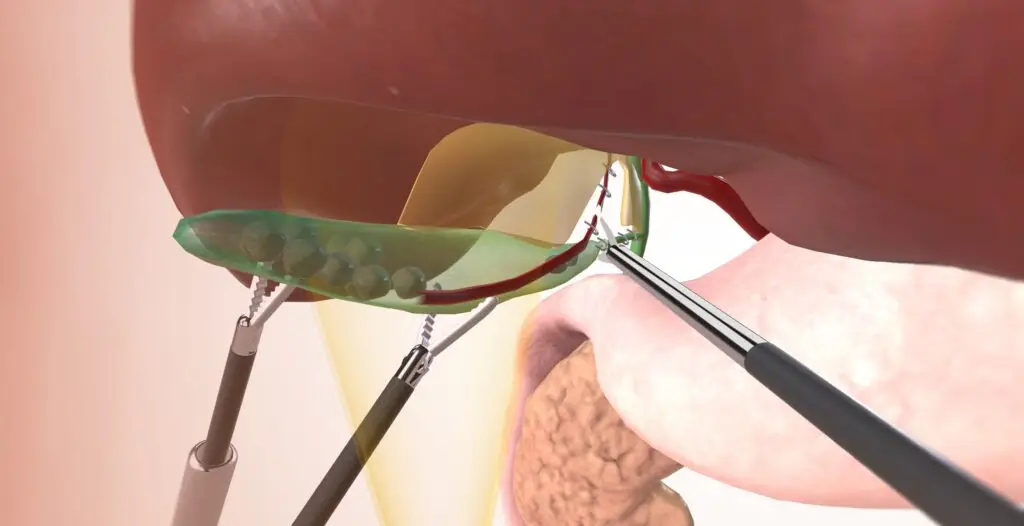
Laparoscopic Cholecystectomy is minimally invasive gallbladder removal. Dr. Ruvalcaba performs this procedure for gallbladder conditions such as gallstones, gallbladder polyps or gallbladder inflammation.

The procedure is performed through small laparoscopic incisions using a camera and specialized surgical instruments. It removes the gallbladder while reducing the tissue trauma associated with traditional open surgery.

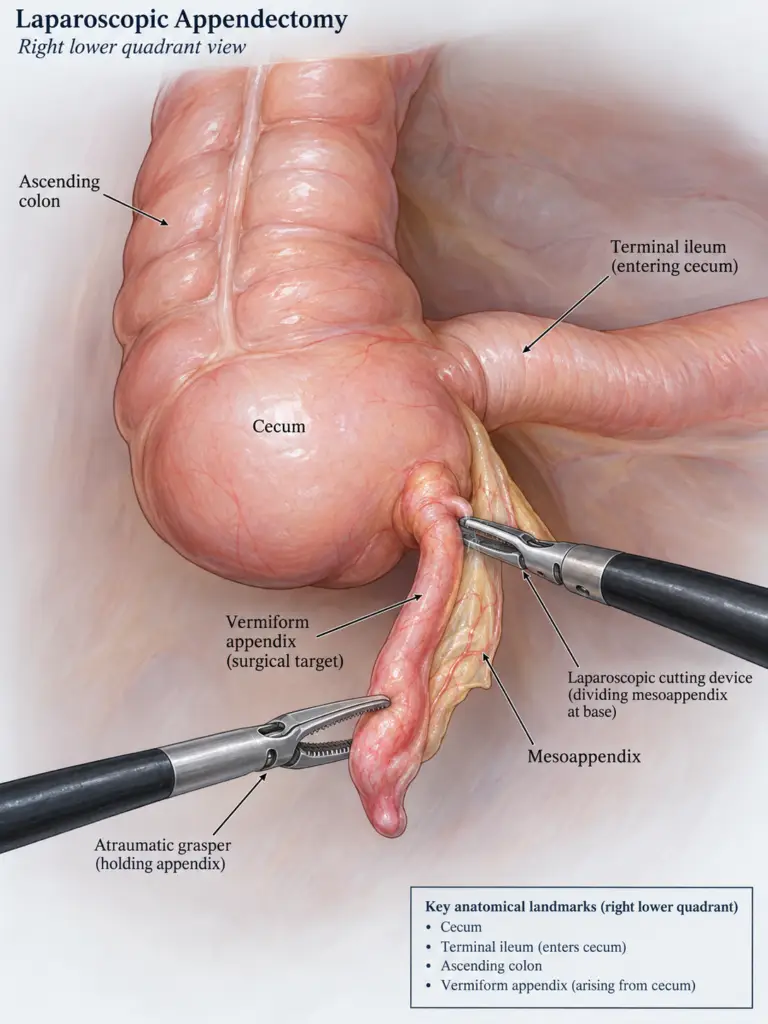
Laparoscopic Appendectomy

Minimally Invasive Appendix Removal

Laparoscopic Appendectomy is the minimally invasive removal of the appendix. Dr. Ruvalcaba includes appendectomy among his laparoscopic general surgery procedures.

The procedure is commonly performed for acute appendicitis and uses small incisions, a camera and laparoscopic instruments. The objective is to remove the inflamed appendix through a minimally invasive surgical approach.

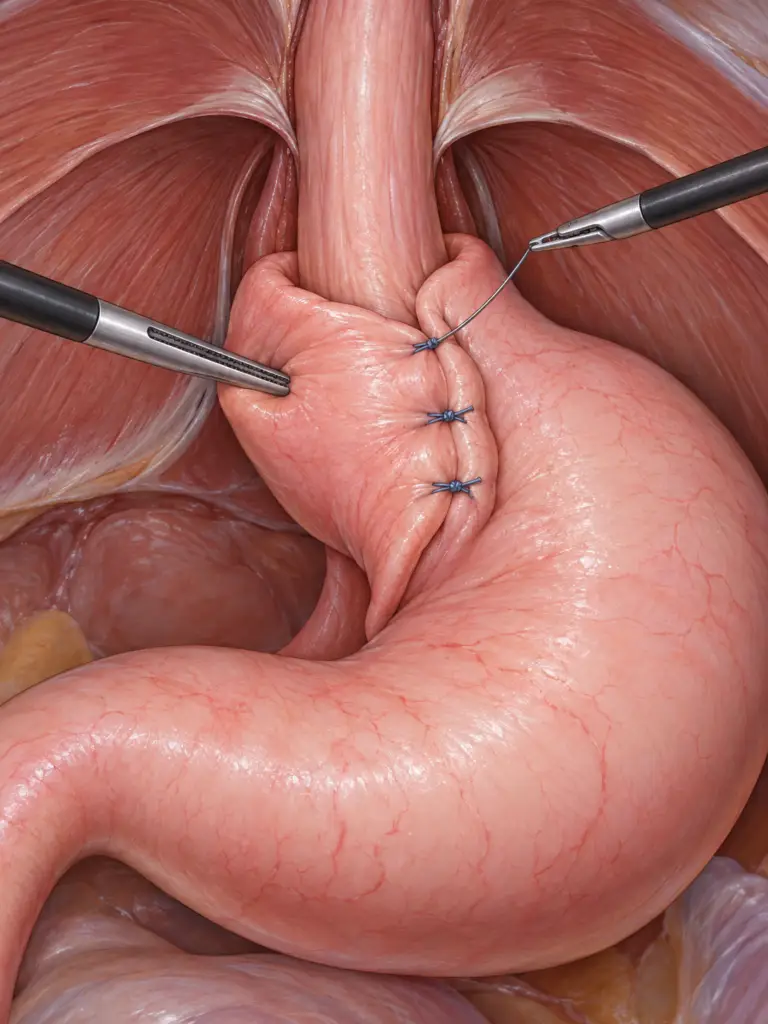
Anti-Reflux Fundoplication

Laparoscopic Surgery for Severe Gastroesophageal Reflux Disease

Anti-Reflux Fundoplication, including Nissen fundoplication, is a laparoscopic surgery for severe gastroesophageal reflux disease. The procedure wraps the gastric fundus around the lower esophagus to restore the anti-reflux barrier.

Dr. Ruvalcaba performs laparoscopic fundoplication in Merida through small incisions under general anesthesia. The procedure belongs to his minimally invasive esophagogastric surgery portfolio.

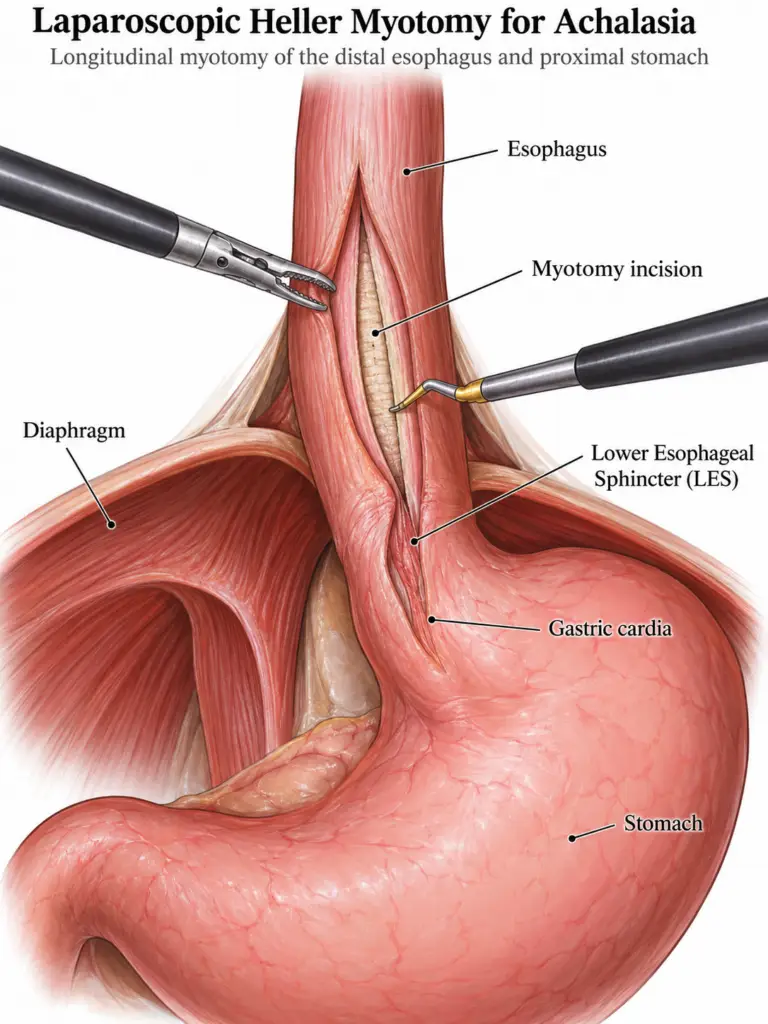
Achalasia Surgery

Laparoscopic Heller Myotomy for Esophageal Motility Disorder

Achalasia Surgery treats achalasia, an esophageal motility disorder that affects the passage of food from the esophagus into the stomach. Dr. Ruvalcaba performs laparoscopic Heller myotomy, a reference surgical procedure for achalasia.

The operation divides the tight muscle fibers at the lower esophageal sphincter to improve swallowing. It is performed through a minimally invasive laparoscopic approach.

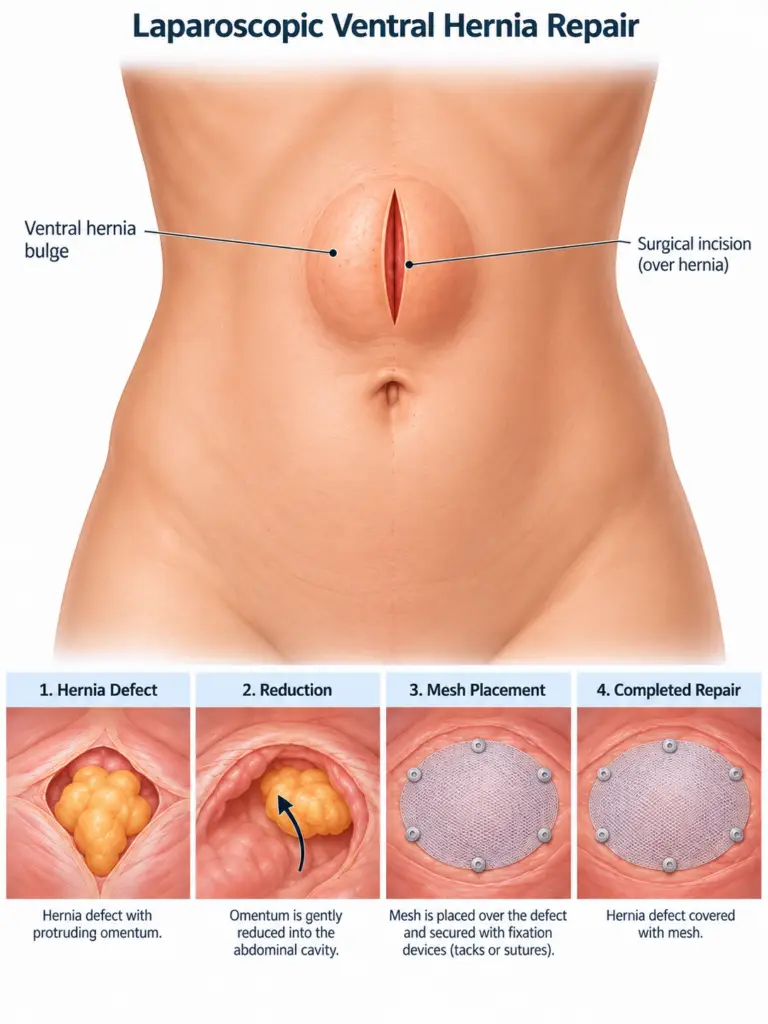
Ventral Hernia Surgery

Laparoscopic Repair of Anterior Abdominal Wall Hernias

Ventral Hernia Surgery repairs hernias of the anterior abdominal wall. Dr. Ruvalcaba includes laparoscopic ventral hernia repair among his minimally invasive surgical procedures.

The procedure may involve mesh placement depending on the type, size and location of the hernia. Laparoscopic repair uses small incisions, a camera and specialized instruments to reinforce the abdominal wall.

Inguinal Hernia Surgery

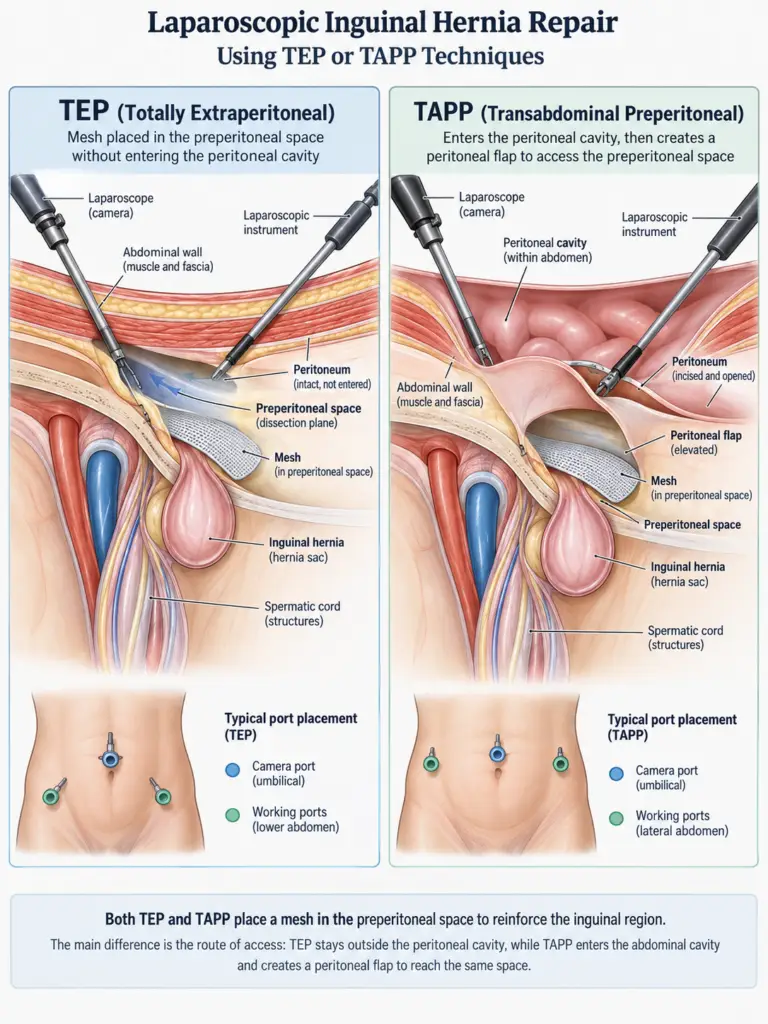
Laparoscopic Inguinal Hernia Repair Using TEP or TAPP Techniques

Inguinal Hernia Surgery repairs hernias in the groin region. Dr. Ruvalcaba performs laparoscopic inguinal hernioplasty using TEP or TAPP techniques, selecting the approach according to the patient’s anatomy and surgical history.

Both techniques are minimally invasive approaches to reinforcing the inguinal region. The procedure may include mesh placement to support the abdominal wall and reduce hernia recurrence risk.

Single-Port Surgery

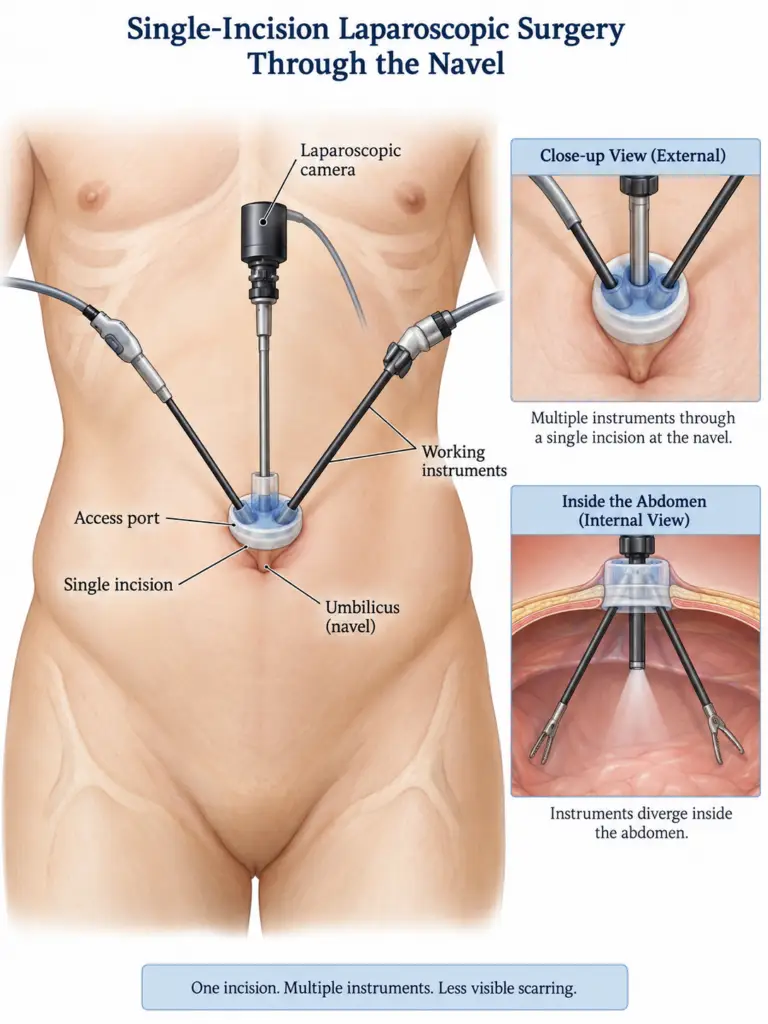
Single-Incision Laparoscopic Surgery Through the Navel

Single-Port Surgery, also known as Single Incision Laparoscopic Surgery, performs selected laparoscopic procedures through one incision, usually placed in the navel. Dr. Ruvalcaba applies this technique in Merida using a special access device that allows the camera and instruments to pass through a single umbilical incision.

This technique belongs to advanced minimally invasive surgery and is used for selected procedures. Its cosmetic advantage comes from placing the incision within the natural contour of the navel.

Diastasis Recti Surgery

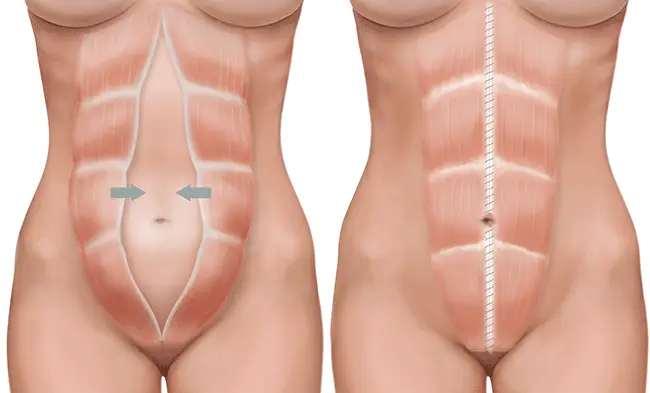
Surgical Repair of Separated Abdominal Muscles

Diastasis Recti Surgery repairs separation of the rectus abdominis muscles. Dr. Ruvalcaba includes diastasis recti surgery among his procedures, describing it as a repair that restores abdominal wall integrity and improves both function and abdominal appearance.

The procedure focuses on bringing the separated abdominal muscles back toward the midline and reinforcing the abdominal wall. It may improve abdominal contour and structural support when diastasis is clinically significant.

Diagnosis and Treatment Planning

Personalized Evaluation for Bariatric, Metabolic and Laparoscopic Surgery

A surgical plan with Dr. Mario Ruvalcaba begins with individualized medical evaluation. Bariatric and metabolic cases require review of weight history, body mass index, obesity-related conditions, previous weight-loss attempts, metabolic health, medications, lab work, surgical history and readiness for long-term follow-up.

His website explains that bariatric surgery candidacy may include patients with BMI of 40 or higher, patients with BMI of 35 or higher with associated conditions, and selected patients with BMI 30 to 34.9 with poorly controlled type 2 diabetes, depending on multidisciplinary evaluation and individual risk assessment.

For minimally invasive general surgery, planning depends on the diagnosis. Gallbladder disease, hernias, reflux disease, appendicitis, achalasia and abdominal wall conditions each require a different evaluation pathway. This may include imaging, blood work, endoscopy, cardiac clearance, anesthesia assessment or additional studies depending on the procedure.

Through MyMediTour, patients can prepare their case before traveling by organizing medical records, prior surgery reports, endoscopy reports, imaging, lab work, medication lists, allergy information, weight-loss history, photos when relevant and treatment goals.
Recovery and Rehabilitation

Early Walking, Diet Progression and Close Follow-Up

Recovery after bariatric surgery depends on the procedure, patient health, surgical technique, anesthesia, mobility, hydration, nutrition, and adherence to instructions. After bariatric surgery, patients are expected to walk the same day, begin taking liquids, and in many cases leave the hospital after approximately 24 hours, depending on medical status and the surgical plan.

Because laparoscopic bariatric surgery is minimally invasive, many patients can return to normal activities in a relatively short time, but recovery must still be taken seriously. Patients must follow diet progression, hydration instructions, medication guidance, wound care, activity restrictions, and scheduled follow-up.

Continued follow-up is essential, including support in surgery, internal medicine, nutrition, psychology, and physical activity so patients can create deep lifestyle changes and continue annual monitoring after reaching their goals.


Why Travel to Mexico for Bariatric and Minimally Invasive Surgery

Weight-Loss and Laparoscopic Surgery in Merida with Strong Value for International Patients

Mexico is one of the most practical destinations for bariatric surgery and medical tourism, especially for patients from the United States and Canada seeking experienced surgeons, shorter travel distance, modern private care and more accessible treatment options.

Merida is especially appealing for patients who want a calmer medical travel destination with private hospitals, hotels, recovery accommodations, transportation options and a more comfortable recovery environment. For bariatric surgery, this matters because patients need enough time for consultation, pre-operative testing, surgery, early recovery and follow-up before returning home.

Dr. Mario Ruvalcaba’s practice is particularly relevant for medical tourism because it combines board certification, bariatric and metabolic specialty training, minimally invasive surgical expertise and a broad procedure portfolio that includes both weight-loss surgery and general laparoscopic surgery.

Through MyMediTour, international patients can coordinate consultation timing, records, testing requirements, travel planning, accommodation guidance, recovery expectations and follow-up communication before and after treatment in Mexico.

Visa, Entry Requirements and Travel Planning

Preparing for Bariatric or Surgical Travel to Mexico

Patients traveling to Mexico for bariatric or minimally invasive surgery should verify current entry requirements before booking. Mexico’s official visitor visa guidance includes receiving medical treatment among activities permitted under the visitor visa without permission to perform paid activities, with stays not exceeding 180 days.

Mexico’s National Immigration Institute maintains current guidance on countries and regions whose nationals do not require a visa and those that do require a visa for travel to Mexico as visitors without permission to perform paid activities. Travelers may be asked to provide a valid passport, lodging details, return ticket, itinerary, address in Mexico, purpose of travel and length of stay.

Patients should prepare a valid passport, visa documents when required, appointment confirmation, medical records, lab results, imaging, medication list, allergy information, prior surgery reports, weight-loss history, insurance documents when applicable, hotel or recovery accommodation details, return flight information and emergency contact information.

For bariatric surgery, patients should plan travel around the surgical timeline rather than only airfare. Gastric sleeve, gastric bypass, SADI-S, transit bipartition, revision surgery and conversion surgery may require pre-operative evaluation, hospital stay, early post-operative review and a safe return-travel plan.

MyMediTour Patient Coordination

Support Before, During and After Surgery with Dr. Mario Ruvalcaba

MyMediTour helps international patients coordinate treatment with Dr. Mario Ruvalcaba through a clear and organized process. Bariatric and laparoscopic surgery require careful preparation, especially when patients are traveling from another country.

MyMediTour support may include initial case intake, medical record organization, BMI and weight-history review, photo collection when relevant, lab and imaging preparation, consultation coordination, surgery timeline clarification, travel planning, accommodation guidance, visa reminders, recovery expectations and follow-up communication after the patient returns home.

This support is especially important for patients considering gastric sleeve, gastric bypass, intragastric balloon, intestinal transit bipartition, SADI-S, revision bariatric surgery, conversion surgery, hernia repair, gallbladder surgery, anti-reflux surgery, achalasia surgery, diastasis recti repair or other minimally invasive abdominal procedures.

Patient Questions

Frequently Asked Questions About Dr. Mario Ruvalcaba

Dr. Mario Ruvalcaba is a board-certified general and bariatric surgeon in Merida, Yucatan, Mexico, specializing in bariatric and metabolic surgery and minimally invasive laparoscopic surgery. His practice includes weight-loss procedures, metabolic surgery, abdominal wall surgery, gallbladder surgery, hernia repair, anti-reflux surgery and other laparoscopic abdominal procedures.

Dr. Ruvalcaba’s main specialties are bariatric surgery, metabolic surgery, minimally invasive laparoscopic surgery and general abdominal surgery. His surgical portfolio includes gastric sleeve, gastric bypass, intragastric balloon, intestinal transit bipartition, SADI-S, revision and conversion bariatric surgery, gallbladder removal, hernia repair, appendectomy, anti-reflux fundoplication, achalasia surgery and single-port surgery.

Yes. Dr. Mario Ruvalcaba is certified by the Mexican Board of General Surgery and is presented on his official website as a board-certified general and bariatric surgeon. His professional memberships include major surgical and bariatric organizations, including the International Federation for the Surgery of Obesity and Metabolic Disorders and Mexican surgical associations.

Dr. Ruvalcaba offers a complete bariatric and metabolic surgery portfolio that includes gastric sleeve, Roux-en-Y gastric bypass, intragastric balloon, intestinal transit bipartition, SADI-S, revision bariatric surgery and conversion bariatric surgery. These procedures are designed to support weight loss, metabolic improvement and long-term obesity treatment.

Yes. Dr. Ruvalcaba offers the intragastric balloon, an endoscopic weight-loss treatment placed through the mouth without surgical incisions. The balloon occupies space inside the stomach to support earlier fullness and is removed endoscopically after the treatment period.

Dr. Ruvalcaba performs minimally invasive laparoscopic procedures including laparoscopic cholecystectomy, laparoscopic appendectomy, laparoscopic hernia repair, laparoscopic Nissen fundoplication, achalasia surgery and single-port surgery. His minimally invasive surgery page explains that laparoscopy uses small incisions, a high-definition camera and specialized instruments.

Yes. Dr. Ruvalcaba performs laparoscopic anti-reflux fundoplication, including Nissen fundoplication, for severe gastroesophageal reflux disease that does not respond adequately to medical treatment. The procedure wraps the upper part of the stomach around the lower esophagus to strengthen the anti-reflux barrier.

Bariatric surgery candidacy may include patients with BMI of 40 or higher, patients with BMI of 35 or higher with obesity-related conditions, and selected patients with BMI between 30 and 34.9 with poorly controlled type 2 diabetes, depending on medical evaluation and multidisciplinary review.

Dr. Ruvalcaba’s bariatric surgery guidance states that the typical hospital stay for gastric sleeve and gastric bypass is one to two days. Many patients return to work within one to two weeks and resume normal activity within three to five weeks, depending on the procedure and individual recovery.

Yes. Follow-up is a core part of bariatric treatment. Dr. Ruvalcaba’s guidance describes follow-up visits at two weeks, six weeks and then every three months during the first year, with monitoring of weight, vitamin and mineral levels and adaptation to the new diet.

Yes. Dr. Ruvalcaba’s bariatric guidance states that vitamin D, calcium, iron and a bariatric multivitamin are part of the permanent protocol after bariatric surgery. This supports long-term nutritional monitoring after changes in stomach size or nutrient absorption.

Yes. MyMediTour helps international patients coordinate care with Dr. Mario Ruvalcaba, including medical record organization, BMI and weight-history review, lab and imaging preparation, consultation scheduling, surgery timeline clarification, travel planning, accommodation guidance, visa reminders, recovery expectations and follow-up communication after treatment.

Visa requirements depend on nationality and travel situation. Mexico’s official visitor visa guidance includes receiving medical treatment among permitted non-remunerated visitor activities, with stays not exceeding 180 days for the visitor visa category.

Reviews of Dr. Mario Ruvalcaba

5.0 36 Google reviews
  • B Tun Magerly 34
    5 months ago

    Excellent surgeon, as was his entire team. They answered all my questions with kindness and patience! Highly recommended 🙌 He operated on my gallbladder just two weeks ago, and today I feel great. We'll keep working hard on my recovery. I'm so grateful for all the care I've received 🤗 and for the short time it took to avoid major complications.

    Translated by Google
    see original Spanish

    Excelente cirujano al igual que todo su equipo, resolvieron todas mis dudas con amabilidad y paciencia! Super recomendado 🙌 Me operó de la vesícula hace apenas 2 semanas, hoy me siento súper bien, seguiremos hechandole ganas a mi recuperación, estoy muy agradecida por todas las atenciones que he recibido 🤗 y por el corto tiempo en el que se actuó para evitar complicaciones mayores.

  • Gaby Yan
    3 months ago

    A great surgeon, very kind, he is a person who loves his profession and his patients. I am grateful to him because he operated on me and took excellent care of me. Thank you so much, and I have no words to express my gratitude for everything he did for me. Thank you so much.

    Translated by Google
    see original Spanish

    Un gran cirugano muy amable es una persona que ama mucho su profesión y Asus pasientes agradecida con el xq el me operó y me atendió muy bien muchas gracias y no tengo palabras para agradecerle todo lo que iso xmi muchas gracias

  • José Poot
    3 months ago

    Good morning, the doctor's treatment was excellent. He patiently and thoroughly explained the surgical procedure, which gave me peace of mind and confidence before the surgery. Thanks to God and, of course, to Dr. Mario Ruvalcabato, everything went well; it was a quick surgery.

    Translated by Google
    see original Spanish

    Buenos días, el trato del doctor fué excelente, me explicó con paciencia y detalle el proceso de mi cirugía, el cual me dió tranquilidad y confianza para operarme. Gracias a Dios y desde luego al Doctor Mario Ruvalcabatodo salió bien, fué una cirugía rápida.

  • Antonia Chuc
    3 months ago

    Good morning, my name is Antonia Chuc. I'm writing to share my experience with Dr. Mario Ruvalcaba, an excellent doctor. He's a very kind person and a very professional doctor. He was very attentive throughout my surgery. I highly recommend him. He performed laparoscopic hernia surgery on me. I went in for one hernia, but it turned out to be two. Thank you so much to Dr. Mario Ruvalcaba. I highly recommend him; he's an excellent doctor. He explains everything…Good morning, my name is Antonia Chuc. I'm writing to share my experience with Dr. Mario Ruvalcaba, an excellent doctor. He's a very kind person and a very professional doctor. He was very attentive throughout my surgery. I highly recommend him. He performed laparoscopic hernia surgery on me. I went in for one hernia, but it turned out to be two. Thank you so much to Dr. Mario Ruvalcaba. I highly recommend him; he's an excellent doctor. He explains everything step by step, both before and after the operation. He inspires confidence. I saw a video of him on Facebook. I didn't know him, but from the moment I saw it, he inspired confidence in me; I felt like I already knew him. I was very impressed by how he explained things. What more can I say about the doctor? He's an excellent doctor. Thank you for everything, Dr. Mario Ruvalcaba.

    Translated by Google
    see original Spanish

    Buenos dias mi nombre es Antonia Chuc. Es para compartir mi experiencia con el doctor Mario Ruvalcaba .un excelente médico. Como persona muy humano y como doctor muy profesional. Muy al pendiente de mi cirugía. Se los recomiendo . Me realizo una cirugía de hernia laparascopica fui por una hernia y fueron 2 . Muchas gracias al doctor.Mario Ruvalcaba. Se los recomiendo excelente medico . Todo te lo explica paso a paso antes de la operación y después de la operación. Te da esa confianza. Yo vi un video de el en Facebook de el .no lo conocía,pero desde que lo vi me inspiró confianza sentía que ya lo conocía.me llamo mucho la atención como lo explicaba.que mas puedo decir del doctor.un excelente doctor. Gracias por todo Doctor Mario Ruvalcaba .

  • Maria Rosel
    5 months ago

    Excellent surgeon! I felt confident from the first moment. He explains everything and answers all your questions. He's very pleasant and a really good person. It was my first surgery, and I felt calm. I highly recommend him; you're definitely in good hands.

    Translated by Google
    see original Spanish

    Excelente cirujano! Me sentí en confianza desde el primer momento, te explica todo y resuelve todas tus dudas, muy agradable y muy buena persona, fue mi primer cirugía y me sentí en calma, lo recomiendo ampliamente, sin duda alguna están en buenas manos

Similar General Surgery, and Weight Loss Surgery Clinics in Mexico

Compare other trusted General Surgery, and Weight Loss Surgery providers operating across Mexico.

General Surgery, and Weight Loss Surgery Guides for Patients Travelling to Mexico

Articles and insights on General Surgery, and Weight Loss Surgery care and travel in Mexico.