

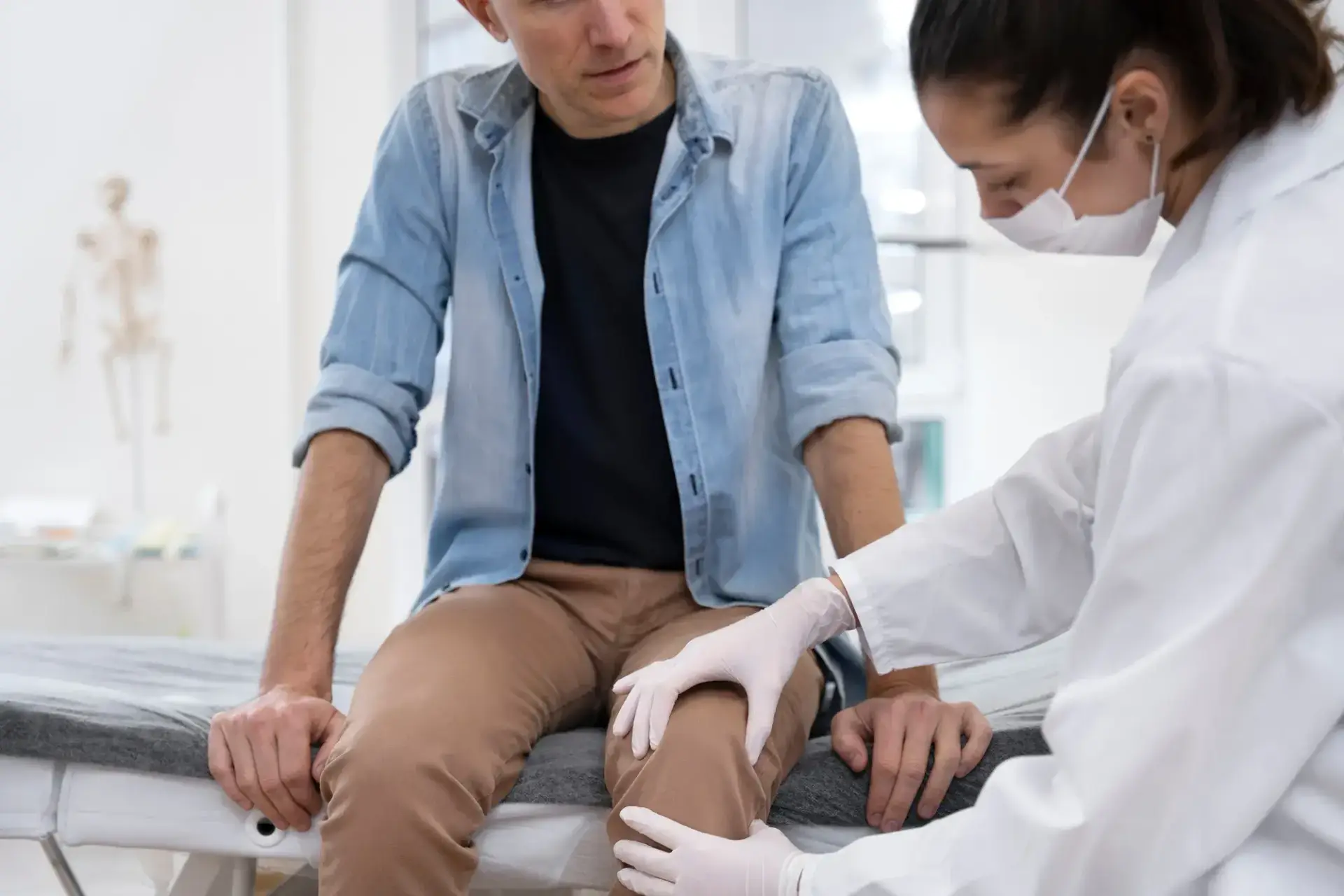


Cartilage damage in a weight-bearing joint can feel like a constant reminder that every step, squat, or twist has a limit. In recent years, increasing numbers of international patients have discovered that traveling to Turkey for cartilage repair opens doors to world-class techniques, shorter waiting times, and prices that keep personal finances intact.
Whether your cartilage injury stems from sport, an accident, or gradual wear, the Turkish orthopedic scene offers modern arthroscopic suites, biologic labs able to culture your own chondrocytes, and rehabilitation centers overlooking the Bosphorus or Mediterranean coast. It is no longer a choice between quality and affordability; here, both exist side by side.
Patients make the trip because cartilage treatments are highly specialized. Surgeons who perform hundreds of procedures each year refine micro skills that translate into smoother scopes, smaller incisions, and better graft integration. Add English-speaking teams accustomed to caring for guests from overseas, and you can focus on healing rather than logistics.
Above all, coming to Turkey for cartilage surgery is about clarity. Packages clearly list what is included, coordinators guide you from first MRI upload to final video check-in, and transparent outcome data help set realistic expectations so you know exactly what recovery will look like—step by step.
Treatment Highlights
- Comprehensive cartilage solutions: Arthroscopic microfracture, osteochondral autograft transfer (OAT), osteochondral allograft (OCA), and Autologous Chondrocyte Implantation (ACI) performed by fellowship-trained surgeons.
- Key benefits: Alleviates pain, slows or stops progression to osteoarthritis, and restores joint surface integrity for improved mobility.
- Ideal candidates: Active adults aged 18-55 with focal chondral lesions up to 4 cm², stable ligaments, and a normal joint axis; larger or degenerative defects can be assessed for biologic or graft options.
- Destination advantages: JCI-accredited hospitals in Istanbul, Izmir, and the medical free zone of Antalya combine Western-grade facilities with holiday-worthy surroundings.
- Recovery expectations: Partial weight-bearing from week two, stationary cycling by week six, sport-specific drills around month four to six, full return to high-impact activity once MRI confirms graft maturity (typically nine to twelve months).
- Cost positioning: Up-front package rates 50-70 % lower than comparable care in United States while retaining premium implants and biologics.
- Typical stay: 7 days in-country for surgery plus early rehab, with optional physiotherapy extensions up to 14 days.
Overview
Cartilage forms the smooth, shock-absorbing lining at the ends of bones. When it tears or erodes, the body cannot regenerate the matrix on its own, leading to mechanical pain and, eventually, arthritis. Modern orthopedic science offers multiple ways to restore that surface:
Microfracture stimulates marrow stem cells to form a fibrocartilage “patch.” OAT harvests cylindrical plugs of healthy cartilage from a non-weight-bearing area of the same joint and transplants them into the defect. OCA uses donor tissue when lesions are large or multilayered. ACI cultures millions of a patient’s own chondrocytes in a lab, then implants them beneath a collagen membrane for hyaline-like repair.
Turkey’s leading centers keep all four techniques under one roof. The choice of method depends on lesion size, depth, biomechanical alignment, and activity level. Surgeons review MRI and, when needed, 3-D CT scans to build a tailored plan. Immediate goals are pain relief and joint preservation; long-term success is judged by the ability to return to work, sport, and daily life without catching or swelling.
Why go abroad? Many insurance policies limit coverage for biologic implants, and waiting lists for complex grafts can exceed a year in some countries. Turkish hospitals invest in on-site cell culture labs and maintain active cadaveric donor programs, reducing wait time to weeks. Outcomes published in peer-reviewed journals show union rates and IKDC scores on par with major U.S. and European centers, giving patients confidence they are not trading cost for quality.
How Much Does Cartilage Injury Treatment Cost in Turkey?
Cartilage repair packages in Turkey generally range between USD 4,000 and USD 20,000, depending on the technique (microfracture at the lower end, ACI at the higher).
What moves the needle on price?
- Procedure complexity and whether grafts or cell culture are required
- Surgeon seniority and sub-specialization
- Implant brand (allograft vs synthetic scaffold)
- Hospital accreditation level (JCI-accredited tertiary hospitals command more)
- Physiotherapy sessions and hotel class inside a bundle
Turkey delivers value because living costs, labor, and currency exchange keep baseline hospital expenses lower while maintaining imported implants identical to those used in Western facilities. Note that each quote is provisional; final pricing is confirmed only after the orthopedic team reviews your imaging and medical history.
| Location | Typical Package Price (USD) | What’s Included* |
|---|---|---|
| Turkey | $4,000 – $20,000 | Surgery, anesthesia, 3 nights private room, medications, airport transfers, initial physiotherapy |
| United States | $18,000 – $23,000 | Surgery only; anesthesia, hospital stay, and rehab billed separately |
*Example package; contents vary by provider.
Who Is a Good Candidate for Cartilage Injury Treatment?
- Localized cartilage defect causing pain or instability
- Body-mass index below 35 (for optimal graft survival)
- Stable surrounding ligaments (or willingness to correct them concurrently)
- Non-smoker or committed to cessation during healing
- Realistic expectations about recovery timeline
- Commitment to physiotherapy for 6–12 months
Not ideal
- Diffuse tri-compartmental arthritis
- Active uncontrolled infection or systemic inflammatory disease
- Severe malalignment unwilling to undergo osteotomy
- Inability to adhere to weight-bearing restrictions post-op
A thorough orthopedic evaluation will confirm suitability and outline any prerequisites, such as weight reduction or alignment correction.
Patient Journey: Step-by-Step
- Initial inquiry – You submit an online form and recent MRI to a patient coordinator.
- Remote consultation – The surgeon explains findings via video, outlines options, and answers questions.
- Personalized plan & quotation – You receive a written treatment plan with exact techniques, stay length, and package price.
- Travel arrangements – Once you approve, visa guidance, hotel booking, and airport pickup are arranged by the coordinator.
- Arrival in Turkey – A driver meets you air-side and brings you to your hotel or hospital guest room.
- Pre-operative day – In-person physical exam, updated imaging if required, and anesthesia assessment.
- Surgery day – Arthroscopic cartilage repair performed under spinal or general anesthesia; procedure lasts 45-120 minutes.
- Hospital stay – 1–3 nights; physiotherapists begin continuous-passive-motion (CPM) and teach protected weight-bearing.
- Early rehabilitation – Move to partner hotel or residence; daily physio plus optional hydrotherapy in heated pools overlooking the sea.
- Discharge review – Surgeon reviews incisions, removes sutures if due, and provides a flash drive containing surgical footage and rehab protocol.
- Return home – Airport transfer and flight; crutches and compression supplied.
- Remote follow-up – Scheduled video calls at 2 weeks, 6 weeks, 3 months, and 1 year, plus MRI upload for objective healing confirmation.
Destination – Why Choose Turkey?
Medical standards – Orthopedic units follow EU-equivalent accreditation (JCI, ISO) and participate in international trials on cartilage regeneration.
International patient expertise – Multilingual coordinators, cashiers experienced in global insurance, and airport-to-recovery concierge service reduce friction.
Cost-to-quality edge – By leveraging favorable exchange rates and lower facility overhead, Turkey offers cartilage surgery for roughly one-third U.S. prices while using identical implants.
Travel convenience – Direct flights to Istanbul from 300+ cities; visa-on-arrival for many nationalities.
Healing environment – Recover along the Aegean or Mediterranean coast where mild climate encourages gentle walking and pool therapy year-round.
Inclusions
- Pre-arrival video consultation
- All hospital and operating room fees
- Surgeon, assistant, and anesthesiologist fees
- Arthroscopic cartilage repair procedure (microfracture / OAT / OCA / ACI per plan)
- One-on-one physiotherapy sessions during stay
- Post-operative medications and knee brace
- Airport transfers and local ground transport
- Dedicated international patient coordinator
Exclusions
- Pre-existing condition work-up (e.g., cardiac clearance if needed)
- Additional imaging not related to cartilage lesion
- Companion meals and activities
- Extended rehabilitation beyond packaged sessions
Recovery & Aftercare
Expect to walk with crutches and toe-touch weight-bearing for the first two weeks if microfracture was performed; four to six weeks if a graft was implanted. CPM machines or stationary bikes keep the joint moving without shear.
Swelling peaks at day three, then gradually subsides with elevation and cryotherapy. You may shower after 48 hours; swimming can restart once incisions close. Driving resumes once reflexes normalize—usually around week four for right-knee surgery or sooner for the left.
High-impact sport is deferred until MRI shows matured repair tissue, typically at nine months for microfracture and twelve months for ACI or OCA. Long-term, expect durable pain relief and function for many years, provided body weight remains controlled and training loads are increased gradually.
Risks & Considerations
All surgery carries inherent risks such as infection (<1 %), deep-vein thrombosis, and anesthesia reactions. Specific to cartilage repair, overgrowth of scar tissue may require a minor arthroscopic “tune-up,” while graft failure—though uncommon—can necessitate revision. Choosing a center that performs a high volume of cartilage procedures and following rehabilitation protocols strictly are the best safeguards. Informed decisions and realistic goals remain key elements of a successful outcome.
FAQs
1. What is the cost range of cartilage injury treatment in Turkey?
Prices generally run from USD 4,000 to USD 20,000, depending on the chosen technique and hospital tier.
2. How long should I plan to stay in Turkey?
Most patients stay 7 days: three nights in hospital and four nights nearby for early physio and surgeon check-ups. An extended rehab week is optional.
3. Is the procedure safe?
Turkish orthopedic centers follow international accreditation standards, use FDA- or CE-approved implants, and maintain infection rates comparable to top European hospitals.
4. How painful is recovery?
Discomfort is controlled with multimodal pain management; most patients rate pain 3–4/10 once nerve blocks wear off and report rapid improvement after day three.
5. When can I return to work?
Desk work is possible within two weeks. Jobs requiring prolonged standing or lifting may need 6–8 weeks, while manual labor resumes after full rehab clearance.
6. How soon will I see results?
Pain relief often starts within weeks, but full functional gains appear as the graft matures—around 6 months for microfracture and up to 12 months for ACI.
7. Are there travel restrictions after surgery?
You may fly home as soon as you can walk 50 meters on crutches and sit with the leg elevated; most patients meet this milestone by day six or seven.
8. Who is not a suitable candidate?
Diffuse knee arthritis, uncontrolled diabetes, severe malalignment, or inability to commit to rehabilitation can lower success rates and may disqualify some patients.
9. How long do the results last?
Well-executed cartilage repair can delay or prevent knee replacement for a decade or more, particularly in younger, active individuals who maintain joint health.
10. What kind of follow-up care will I receive?
Your package includes scheduled video calls, digital physio instructions, and MRI review at 6 and 12 months. Coordinators remain available for questions at any time.
Ready to Restore Your Joint Health?
If knee pain is limiting your lifestyle, our team is ready to design a personalized cartilage repair journey in Turkey that balances medical excellence with concierge-level care. Reach out today for a complimentary imaging review and discover how quickly you can step back into the activities you love—with confidence, clarity, and full support every step of the way.
Featured Orthopedics Procedures in Turkey
Procedures discussed in this article, available across Turkey.
Cervical Spinal Stenosis in Istanbul, Turkey by Memorial Hospital
Advanced, Patient-Focused Care for Cervical Spinal Stenosis with Leading Spine Surgeons and Modern Minimally…
Arthroscopic Surgery in Istanbul, Turkey by Medical Park Hospitals
Precision Care for Knee, Shoulder & Ankle Problems. At Medical Park Hospitals, arthroscopic surgery is a…

Stem Cell Treatment in Istanbul, Turkey by Memorial Hospital
Advanced, Safe, and Regenerative Stem Cell Treatments Performed by Leading Specialists. Stem cell therapy is one…
Joint Replacement in Istanbul, Turkey by Medical Park Hospitals
Restore mobility, reduce pain, and get back to an active lifestyle with advanced hip, knee, and shoulder…
Shoulder and Elbow Surgery in Istanbul, Turkey by Memorial Hospital
Advanced Care for Shoulder & Elbow Injuries With Minimally Invasive Techniques and Expert Orthopedic Surgeons.…

Knee Arthroscopy in Istanbul
Regain your mobility and reduce pain with knee arthroscopy in Istanbul, where top orthopedic specialists provide…
Recommended Orthopedics Clinics in Turkey
Trusted clinics specializing in Orthopedics across Turkey.

Medical Park Hospital
Medical Park Hospital. Turkey’s Largest Private Hospital Network for Advanced Care. Medical Park Hospital is the…

Pendik Yüzyıl Hospital
Pendik Yüzyıl Hospital. Comprehensive Healthcare in Istanbul's Asian Side. Pendik Yüzyıl Hospital is a…

Liv Hospital
Liv Hospital. Turkey’s Premier Destination for Advanced Medicine & International Healthcare. Liv Hospital…

Avicenna Hospital
With multiple modern facilities across the city, Avicenna Hospital combines advanced medical technology,…

Memorial Hospital
Memorial Hospital is Turkey’s most internationally recognized healthcare network, known for pioneering medical…
Explore Tours in Turkey
Discover the best places to visit in Turkey and explore its rich culture, breathtaking landscapes, iconic attractions, and unforgettable travel experiences.

Turkey: Istanbul Combo: Classic City Tour & Bosphorus Cruise
Experience Istanbul Like a VIP. Step into the heart of one of the world’s most fascinating cities with a private,…

Turkey: Istanbul Guided Walking Tour – Full Day
Private Walking Experience | History, Culture & Iconic Landmarks Walk Through the Heart of Istanbul. Step into…

Turkey: Full Day Pamukkale Tour
Discover the stunning natural beauty and ancient history of Pamukkale on this private guided tour. Marvel at the…

Turkey: Half-Day Istanbul Private Food Tour & Culinary Experience
Taste the Real Istanbul. Experience Istanbul beyond the landmarks — through its rich and vibrant food culture.…

Turkey: Istanbul Guided Tour
Full-Day Private Experience | History, Culture & Comfort Experience Istanbul in One Perfect Day Discover the…

Turkey: Private Cappadocia Tour: Hot Baloon Ride & Museum
Embark on a private guided journey through Cappadocia, a land of rich history and natural wonder. Your local…
More Orthopedics Articles About Turkey
Keep reading about Orthopedics care and travel in Turkey.

Bankart Repair in Turkey Cost and Clinics
A dislocated shoulder can feel like your world has shrunk to the size of a painful joint— daily tasks become…
Arthroscopic Surgery in Turkey Cost and Clinics
Individuals experiencing joint pain, stiffness, or sports-related injuries are increasingly seeking minimally…

Spine surgery in Turkey Cost and Clinics
Spine surgery in Turkey has become an increasingly popular option for international patients seeking high-quality…
Arthroplasty Surgery (Joint prosthesis) in Turkey Cost and Clinics
Individuals suffering from chronic joint pain, stiffness, or limited mobility are increasingly seeking advanced…

Hip Replacement Surgery in Turkey Cost & Clinics
Hip replacement in Turkey has become one of the most popular orthopedic procedures among international patients…
Back Hernia (Thoracic Disc Hernia) in Turkey Cost and Clinics
Back pain is one of the most common medical conditions worldwide, but when it occurs in the thoracic spine…
Leave a Comment
Share your thoughts on this article, or ask us a question -- we'd love to hear from you.