

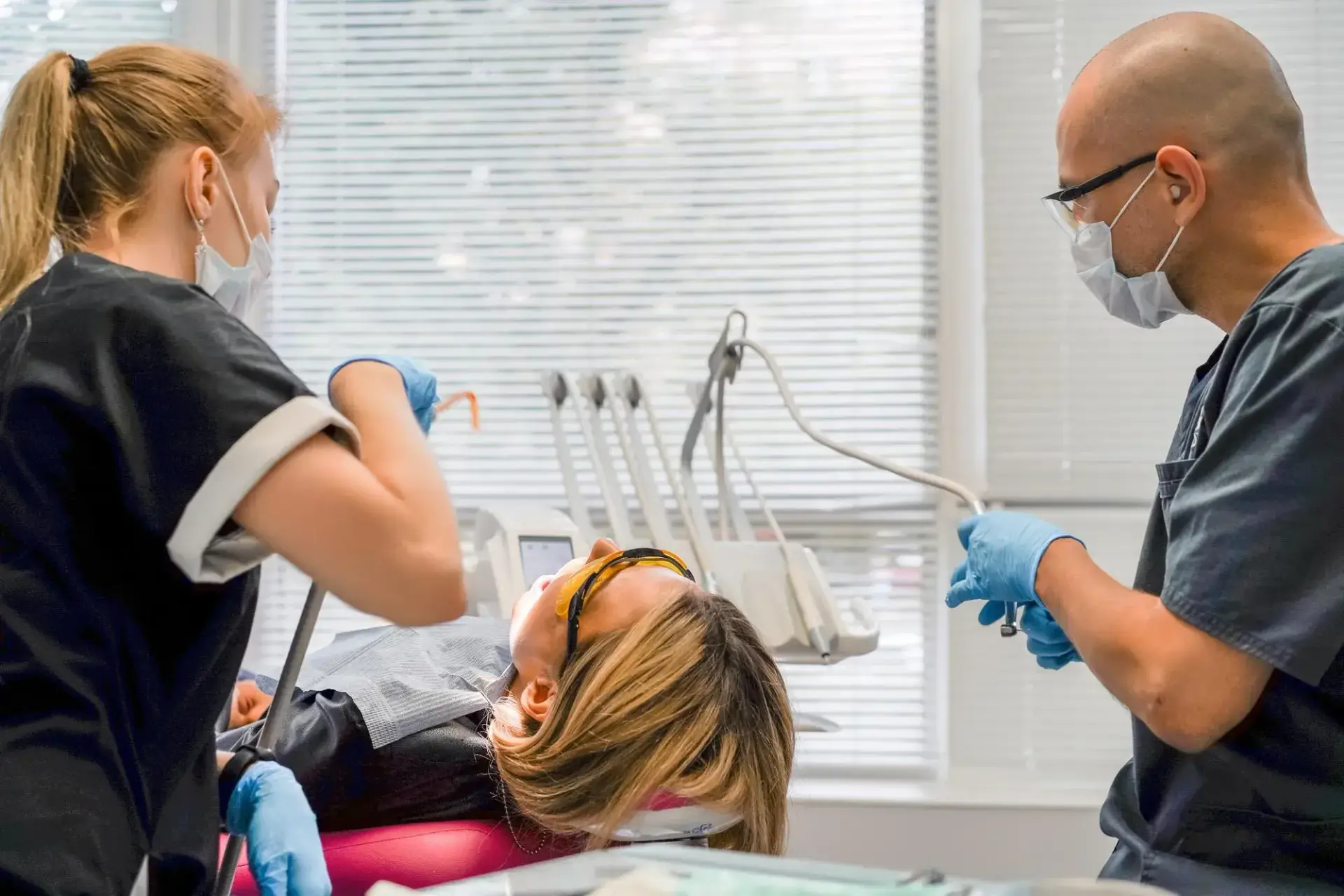
Dental tourism is not a new phenomenon — it is one of the oldest and most mature segments of medical travel. Millions of Americans cross borders for dental care each year, driven by a simple reality: a single dental implant costs $3,000–$6,000 in the United States. Full-mouth reconstruction with individual implants can reach $90,000 or more. Abroad, the same titanium implants — from the same global brands used by US dentists, placed by prosthodontists and oral surgeons with equivalent training — cost $500–$1,600 per implant. The technology is identical. The clinical standards are comparable. The savings are transformative, particularly for patients who need multiple implants or a full-mouth solution like All-on-4.
Country Cost Comparison — Single Implant
| Country | Single Implant (inc. crown) | All-on-4 (per arch) | Savings vs. US |
|---|---|---|---|
| Turkey | $500–$900 | $3,500–$6,000 | ~80% |
| Colombia | $700–$1,200 | $4,000–$7,000 | ~75% |
| Mexico | $800–$1,400 | $4,500–$7,500 | ~72% |
| Costa Rica | $900–$1,500 | $5,000–$8,000 | ~68% |
| Greece | $900–$1,600 | $5,000–$8,500 | ~65% |
Turkey — The World’s Largest Dental Tourism Destination
Turkey receives more dental tourists than any other country in the world, with Istanbul and Antalya hosting hundreds of dental clinics that have been purpose-built for international patients. Turkish dental clinics offering implants at $500–$900 per unit (including the implant, abutment, and ceramic crown) use implants from globally recognized brands — Straumann, Nobel Biocare, Osstem, MegaGen — with documented survival rates equivalent to any US or European practice. Clinics are equipped with CBCT (cone beam CT) scanners for 3D implant planning, digital smile design software, and in-house dental laboratories that fabricate crowns the same day or within 24–48 hours. Turkey’s implant clinics also lead the world in full-mouth reconstruction volume, offering All-on-4 and All-on-6 solutions from $3,500 per arch.
Clinics in Turkey
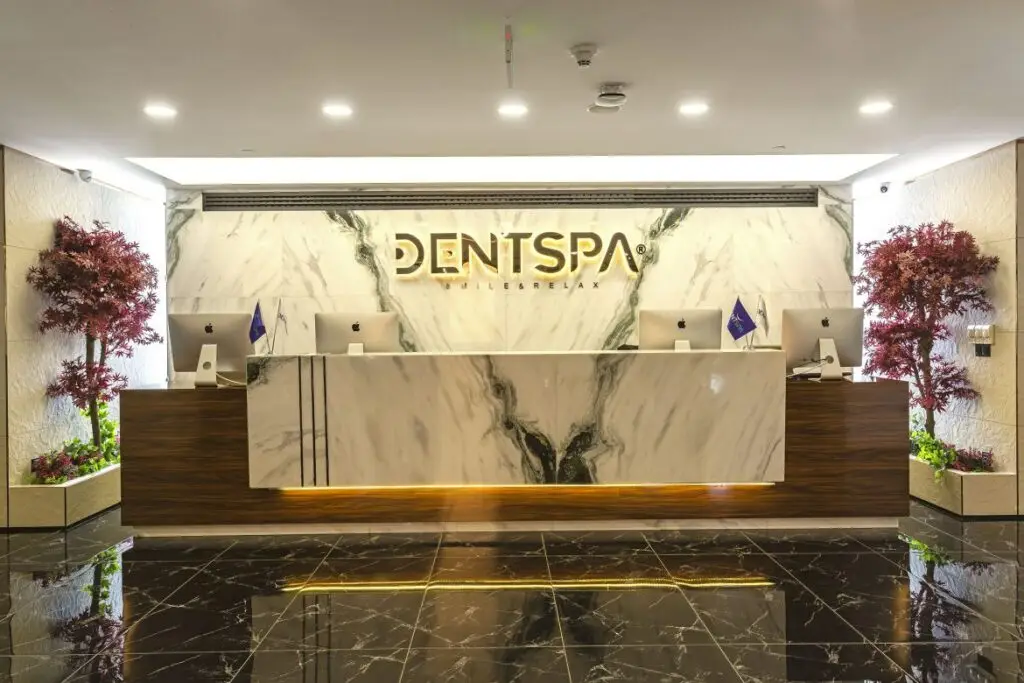
DentSpa Istanbul is one of Turkey’s leading dental centers for cosmetic dentistry, restorative treatments,…
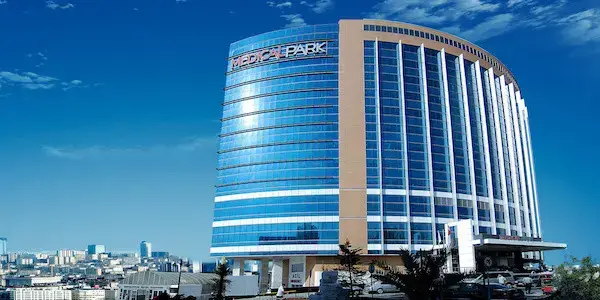
Medical Park Hospital. Turkey’s Largest Private Hospital Network for Advanced Care. Medical Park Hospital…
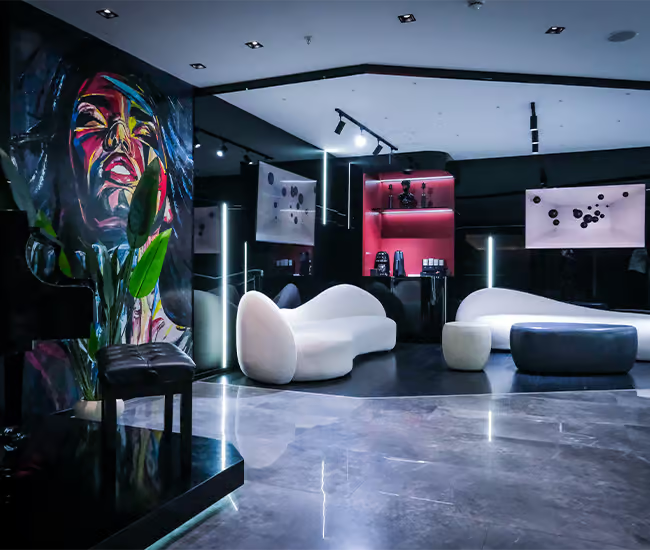
Esvita Clinic. Hair Transplant, Plastic Surgery & Dental Treatments in Istanbul. Esvita Clinic offers…
Dental Implant Options in Turkey
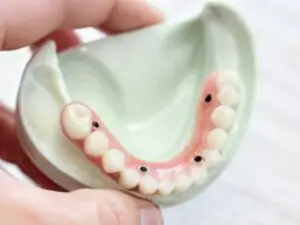
All-on-4 Treatment in Istanbul, Turkey by Esvita Clinic
Advanced Full-Arch Dental Implants for Stable Teeth, Improved Chewing & Renewed Confidence. All-on-4 Treatment…
Dental Implants in Istanbul, Turkey by International Plus
Restore Strength, Function & Beauty to Your Smile. Dental implants are one of the most effective and…

All-on-4/6 Full-Mouth Prosthesis (12–14 Crowns per Arch) in Istanbul, Turkey by Tower Dental Clinic
Rebuild your smile from the roots up with the Affordable All-on-4/6 Full-Mouth Prosthesis at Tower Dental Clinic,…
Mexico — The Closest Option for US Dental Patients
Mexico’s dental tourism industry is among the most developed in the world for US patients specifically. Border cities like Los Algodones (nicknamed “Molar City”), Tijuana, Nogales, and Ciudad Juárez have built entire dental districts catering to American patients who drive across for implants, crowns, veneers, and full-mouth reconstruction. Single implants in Mexico cost $800–$1,400, and All-on-4 per arch runs $4,500–$7,500. Clinics in larger cities (Guadalajara, Monterrey, Mexico City) offer a more hospital-adjacent standard of care with digital imaging, same-day crown fabrication, and prosthodontists who trained in US programs. For patients who want to combine a long weekend with dental work — driving across on a Friday, completing the procedure, and driving home — Mexico is uniquely positioned.
Clinics in Mexico
Hospiten. International Hospital Network for Advanced Healthcare & Medical Tourism. Hospiten is an international…
Médica de la Ciudad. Advanced Private Healthcare Network in Mexico for International Patients. Médica…

Endodontics specialist at Consultorio de Especialidades Dentales Mérida, a dental clinic in Mérida, Mexico…
Dental Implant Options in Mexico
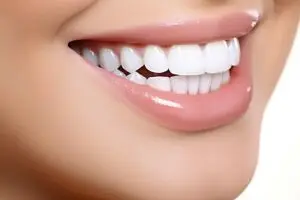
All-on-4 Dental Implants in Los Algodones, Mexico by Supreme Dental Clinic
Reclaim Your Confidence with a Full Smile Transformation. Permanent, fixed teeth are more than a cosmetic…
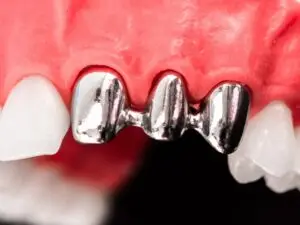
Titanium Implant in Los Algodones, Mexico by Supreme Dental Clinic
🔩 Engineered for Strength. Designed for Life. Dental implants are the most advanced way to replace missing…
Colombia — High-Spec Dental Centers at Competitive Prices
Colombia’s dental tourism sector has matured significantly, with Bogotá and Medellín home to specialist dental centers that rival the best US practices in terms of technology and training. Implants cost $700–$1,200 per unit at these clinics, with All-on-4 available from $4,000 per arch. Many Colombian prosthodontists and oral surgeons completed post-graduate training in the United States, Brazil, or Spain, and use digital implant planning (guided surgery) to achieve precise implant placement with minimized healing complications. For patients seeking multiple implants, Colombia offers one of the best combinations of price, quality, and proximity in the Americas.
Clinics in Colombia
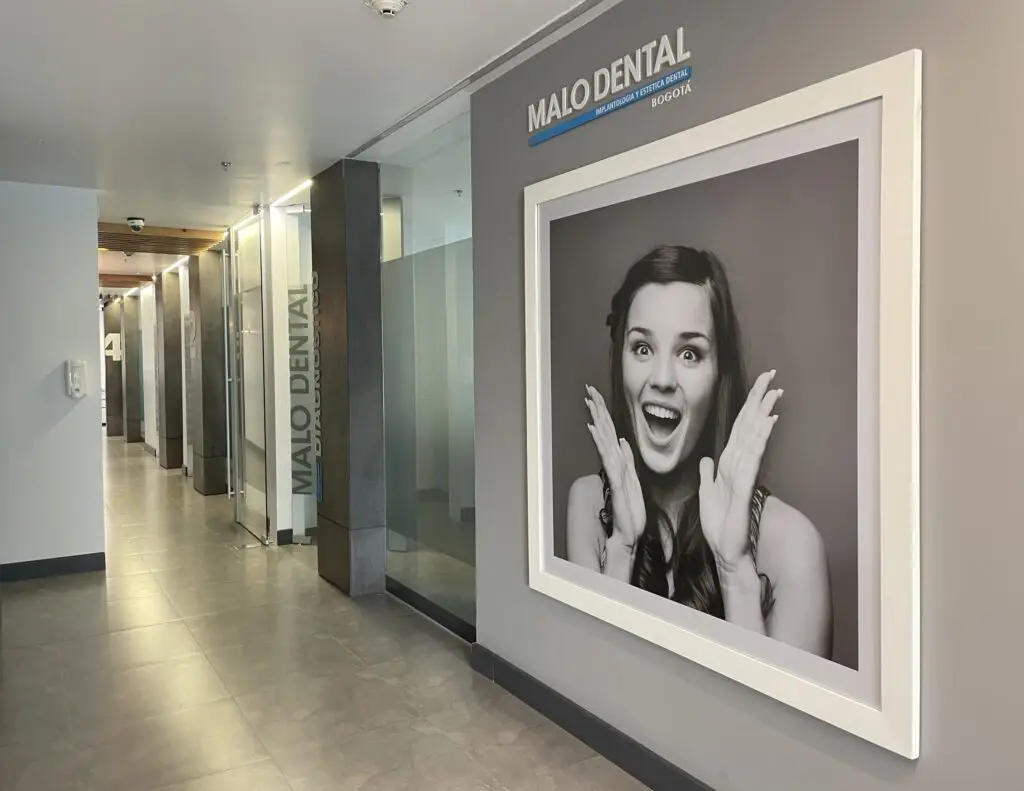
Malo Dental Clinic. A high-complexity center for advanced oral rehabilitation in Colombia. Malo Dental…
Dental Implant Options in Colombia
Ceramic Bridge in Bogota, Colombia by Malo Dental
A Seamless Smile Makeover at Bogotá’s VIP Destination for Fixed Tooth Replacement. Ceramic bridges at Malo Dental…

All on Four in Bogota, Colombia by Dr. Paulo Malo
A Confident Smile—Delivered in One Life‑Changing Visit. Transform your smile in just one morning with MALO…
Costa Rica — Precision Dentistry with a Loyal US Patient Base
Costa Rica has served North American dental patients for decades and has developed a loyal referral-based patient community as a result. San José dental clinics offering implants at $900–$1,500 per unit are staffed by dentists who trained extensively in the United States or Europe and maintain active US professional relationships. Costa Rica’s dental centers are particularly known for their meticulous treatment planning and the personalized attention patients receive — a meaningful advantage for complex cases involving multiple missing teeth, bone loss, or previous implant failures. All-on-4 per arch runs $5,000–$8,000 at leading San José clinics.
Clinics in Costa Rica
Dental Implant Options in Costa Rica
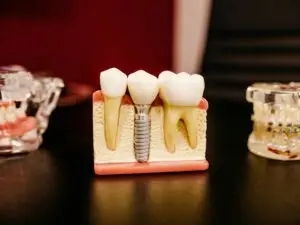
Dental Implants in San Rafael, Costa Rica by Aesthetic Dental Clinic
Restore Strength, Function & Beauty to Your Smile. Dental implants is a safe dental treatment are modern,…
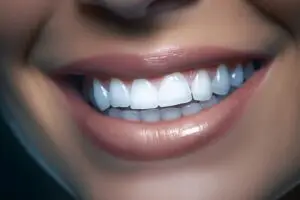
All on 4 Zirconia (Per Arch) in San Rafael, Costa Rica by Aesthetic Dental Clinic
Fixed Full-Arch Smile Restoration at a Fraction of U.S. Cost. Tt Aesthetic Dental Clinic in Costa Rica, the…
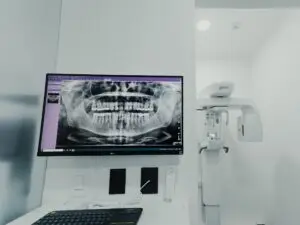
All on 6 Zirconia (Per Arch) in San Rafael, Costa Rica by Aesthetic Dental Clinic
A Permanent, Natural-Looking Smile with the Strength of Zirconia. At Aesthetic Dental Clinic in Costa Rica, the…
Greece — EU-Standard Dental Implants in Athens
Greece’s dental sector operates under European Union standards for materials, sterilization, and clinical practice. Athens dental clinics offering implants at $900–$1,600 per unit use CE-marked implants from European manufacturers such as Straumann, Nobel Biocare, and Bego — the same brands used throughout Western Europe. Greek dentists, particularly prosthodontists and oral surgeons in Athens, hold qualifications from Greek and European universities and maintain currency with EU-standard continuing education requirements. For patients from the United States who are also planning a Mediterranean trip, combining dental work in Athens with a broader Greek itinerary is a practical way to maximize the value of the journey.
Clinics in Greece
Dental Implant Options in Greece
How to Choose the Right Country for Dental Implants
- Ask which implant brand is used: The implant brand matters. Ask whether your clinic uses implants from globally recognized manufacturers (Straumann, Nobel Biocare, Osstem, Zimmer Biomet, MIS). Proprietary or unknown-brand implants can make future replacement or repair difficult if you need work done at home.
- Confirm same-day or same-trip crown placement: Many international implant clinics offer “immediate loading” (same-day implant and temporary crown) or same-trip final crown placement — completing the entire process in one visit. Confirm whether this is your clinic’s standard protocol or whether a return trip will be required for crown fitting.
- Verify CBCT imaging is included: Proper implant placement requires 3D cone beam CT imaging to assess bone volume, density, and proximity to nerves. Clinics that rely only on 2D X-rays for implant planning are working with inadequate information.
- Check the warranty policy: Reputable dental tourism clinics offer written warranties — typically two to five years — covering the implant and crown against structural failure, loose abutments, or crown fracture. Ask for this warranty in writing before proceeding.
- Plan for possible bone grafting needs: If you have been missing teeth for more than a year, bone loss in the implant site may require bone grafting before implant placement. This adds cost and potentially an additional healing period (3–6 months) before implant installation. Confirm via CBCT scan whether grafting is needed before finalizing your treatment plan.
Frequently Asked Questions
How many trips do I need for dental implants abroad?
Traditional implant protocols require two trips: one for implant placement (the titanium post is inserted into the jawbone and left to osseointegrate over 3–6 months), and a second for crown placement once healing is confirmed. However, many international clinics now offer immediate-loading implants — where a temporary crown is placed the same day as the implant — allowing the entire process to be completed in a single trip of five to seven days. Final crown replacement (if immediate loading is used) can then be coordinated with a US dentist six months later. Ask your clinic specifically whether single-trip or same-day crown protocols are available for your case.
What implant brands are used by international dental clinics?
Top international dental clinics use implants from the same global manufacturers trusted in US and European practices: Straumann (Switzerland), Nobel Biocare (Sweden), Osstem (Korea), Zimmer Biomet (US), MegaGen (Korea), and MIS (Israel) are the most commonly used. These manufacturers have decades of clinical data supporting their implant survival rates (typically 95–98% at 10 years). Be cautious of clinics that use generic or unbranded implants without documentation — these may not be compatible with replacement components available to your dentist at home.
How long do dental implants last?
The titanium implant post, once fully osseointegrated, can last a lifetime with proper oral hygiene. The ceramic or zirconia crown sitting on top of the implant typically lasts 10–15 years before replacement may be needed due to wear. Implant survival rates at 10 years consistently exceed 95% in published clinical literature, regardless of whether the implant was placed in the United States or an internationally accredited dental center. Factors that reduce implant longevity include smoking, uncontrolled diabetes, poor oral hygiene, and bruxism (teeth grinding).
What happens if there is a problem with my implant after I return home?
Before traveling, identify a prosthodontist or oral surgeon in your home city who is familiar with international implant cases and is willing to provide follow-up care if needed. Reputable international dental clinics provide complete documentation: the implant brand and size, the abutment specification, the crown material, and the placement protocol — all of which any qualified US prosthodontist can use to continue your care. Most implant-related issues (loose abutment screws, crown fractures) are straightforward to manage locally once your clinic provides the documentation. Warranty-covered repairs at the original clinic require a return trip; some clinics offer a partial refund toward local repair costs as an alternative.
What is the difference between All-on-4 and individual implants?
All-on-4 (and the similar All-on-6) is a full-arch solution that replaces all teeth in the upper or lower jaw with a fixed bridge supported by four or six implants. It is dramatically more affordable than replacing each missing tooth with an individual implant — All-on-4 per arch starts at $3,500 internationally, versus $30,000–$45,000 for a full arch of individual implants. All-on-4 is ideal for patients who are completely edentulous (no remaining teeth) or who have many failing teeth that require extraction. For patients who are missing only one to five teeth with healthy surrounding teeth, individual implants preserving the natural dentition are generally preferred.
Do I need bone grafting before getting dental implants abroad?
Bone grafting is needed when there is insufficient bone volume at the implant site to support the implant — a common situation when teeth have been missing for a year or more, as the jawbone resorbs without the stimulation of a tooth root. A CBCT scan is required to assess bone volume before determining whether grafting is needed. Minor grafting can often be done simultaneously with implant placement. Significant bone deficiency may require a separate grafting procedure and a healing period of 3–6 months before implants can be placed. If you suspect bone loss, discuss this at your initial consultation so your treatment timeline and cost can be planned accurately.
Ready to Explore Dental Implants Abroad?
Compare verified dental clinics, get transparent pricing, and connect with experienced implant specialists — all through MyMediTour.
Featured Dentistry Procedures in Colombia
Procedures discussed in this article, available across Colombia.
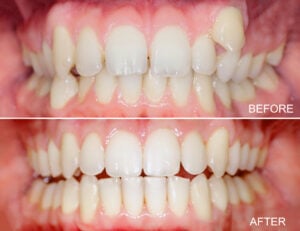
Invisalign & Clear Correct Orthodontics in Bogota, Colombia by Malo Dental
Discreet, Comfortable, and Clinically Precise Smile Alignment at Malo Dental Bogotá. At Malo Dental Bogotá,…
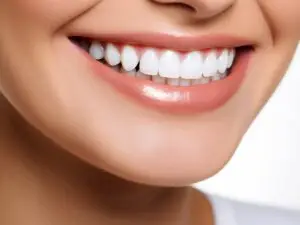
Root Canal Treatment in Bogota, Colombia by Malo Dental
Elite Endodontic Care in Bogotá’s Most Prestigious Dental Clinic. Malo Dental Bogotá offers state-of-the-art root…
All on Four in Bogota, Colombia by Dr. Paulo Malo
A Confident Smile—Delivered in One Life‑Changing Visit. Transform your smile in just one morning with MALO…
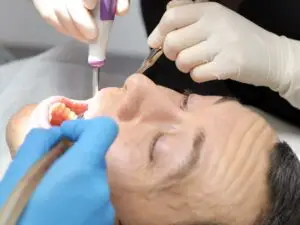
Maxillary Osteotomy in Bogota, Colombia by Malo Dental
Backed by the Global Pioneer in Complex Oral and Facial Rehabilitation. Maxillary osteotomy at Malo Dental Bogotá…
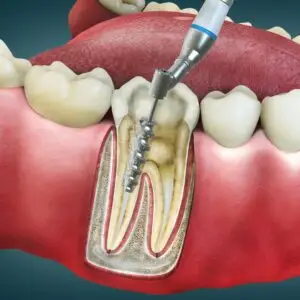
Root Canal Retreatment in Bogota, Colombia by Malo Dental
Bogotá’s VIP Destination for Dental Care, Backed by the Global Pioneer in Fixed Oral Rehabilitation. Root canal…
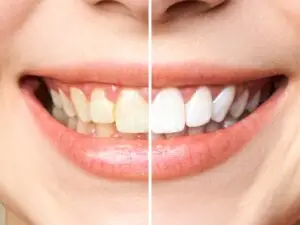
Dental Veneers in Bogota, Colombia by Malo Dental
Natural-Looking Veneers in a World-Class Setting. Dental veneers at Malo Dental Bogotá offer a stunning, minimally…
Recommended Dentistry Clinics in Colombia
Trusted clinics specializing in Dentistry across Colombia.
Malo Dental Clinic
Malo Dental Clinic. A high-complexity center for advanced oral rehabilitation in Colombia. Malo Dental Clinic is…
Explore Tours in Colombia
Discover the best places to visit in Colombia and explore its rich culture, breathtaking landscapes, iconic attractions, and unforgettable travel experiences.

Colombia: Cartagena: Aviary Tour
Explore the National Aviary of Cartagena, a breathtaking sanctuary where exotic bird species thrive in a natural…

Colombia: Cartagena: Sunset Cruise
Experience a sunset cruise along Cartagena’s stunning bay, where breathtaking views of the city skyline meet the…

Colombia: Cartagena: ATV Tour
Embark on an action-packed ATV adventure through the Colombian countryside, exploring rugged trails, dirt roads,…

Colombia: Cali: Salsa Tour
Discover why Cali is known as the world’s Salsa capital on this immersive tour into its vibrant music and dance…

Colombia: Cali: River Waterfall Tour
Experience the Colombian countryside like never before on an exciting ATV adventure. Navigate through scenic…

Colombia: Medellin: Guatape Tour
Journey through the stunning tropical mountains surrounding Medellín on a full-day tour to Guatapé and Peñol Rock,…
More Dentistry Articles About Colombia
Keep reading about Dentistry care and travel in Colombia.
Block Bone Graft in Colombia Cost and Clinics
If you've been told you need a block bone graft before implants are possible, you already know how confusing and…

How Much is a Full Set of Veneers in Colombia?
Many people wonder: how much is a full set of veneers in Colombia? The answer is surprisingly affordable compared…
Cheapest Countries for Dental Work in the World
Dental care in the United States is among the most expensive in the world — a single implant can cost…

Dental Implants in Colombia Cost & Clinics
Dental implants have become a popular solution for people looking to replace missing teeth and restore their…
Cheapest Places to Get Veneers in the World
A full smile veneer treatment — 8 to 10 porcelain veneers — costs $7,000–$25,000 in the United States, where…
Cheapest Countries for Dental Implants in the World
A single dental implant in the United States costs $3,000–$6,000 — before adding the crown, which adds another…

Leave a Comment
Share your thoughts on this article, or ask us a question -- we'd love to hear from you.