Dentistry — Medical Tourism Blog

Expert articles, guides, and patient stories on Dentistry.

×
×

All-on-4 Dental Implants in Colombia Cost & Clinics

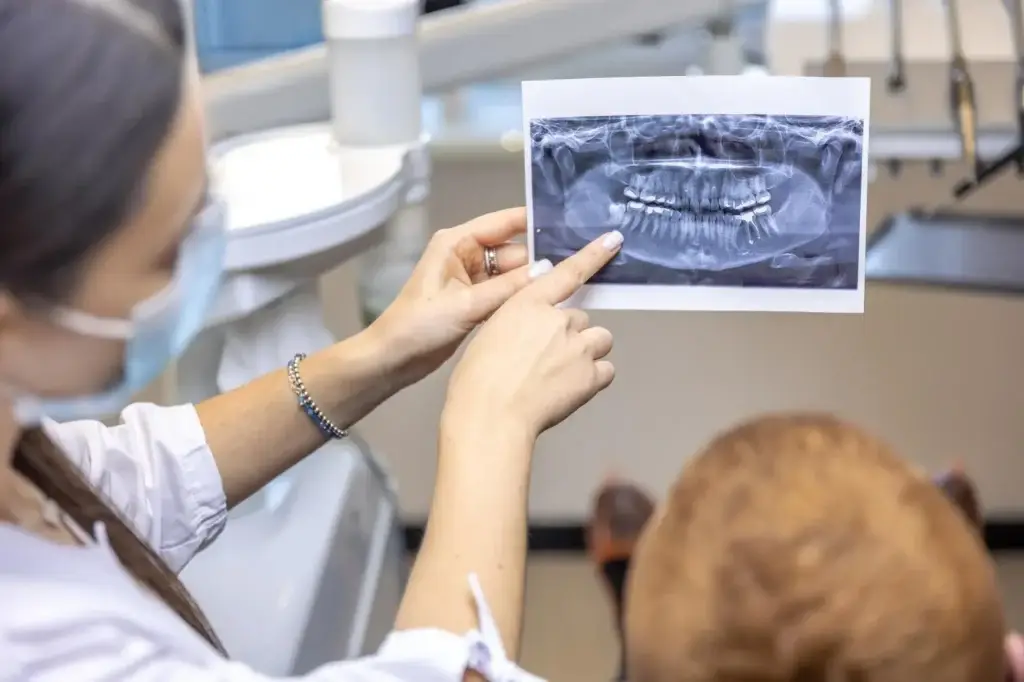
Dental implants have revolutionized the way we approach tooth loss, offering a long-lasting, effective solution. One of the most innovative and cost-effective procedures today is the All-on-4 dental implant technique. For many people, this procedure can restore a full set of teeth in just one visit, offering a permanent solution to those struggling with multiple missing teeth. Colombia has become one of the most popular destinations for All-on-4 implants due to its affordability, high-quality dental care, and the country’s excellent reputation for dental tourism. If you're considering All-on-4 implants, this guide will walk you through the process, benefits, recovery, and everything you need to know before traveling to Colombia for your treatment. What is the All-on-4 Dental Implant Procedure?. The All-on-4 procedure is an advanced technique that uses just four dental implants to support a full arch of prosthetic teeth. Unlike traditional implants, which require individual implants for each missing tooth, All-on-4 uses fewer implants—reducing the overall treatment time and costs while still providing a secure, durable solution. This procedure is ideal for people who have lost most or all of their teeth and want a permanent, fixed solution that is more stable and comfortable than traditional dentures. Cost Information. How much do All-on-4 implants cost in Colombia?. The cost of All-on-4 implants in Colombia typically ranges from $7,000 to $12,000 per arch, depending on factors such as the complexity of the case and the materials used. This is a significant reduction compared to prices in the U.S. or Europe, where the same procedure can cost upwards of $20,000. Type / ScenarioEstimated Cost (USD)Estimated Cost (COP)Details / Inclusions. Standard All-on-4 with Acrylic Bridge (per jaw)$6,000 – $7,00022,000,000 – 28,000,000Includes 4 titanium implants and a fixed acrylic bridge; ideal for full arch restoration. All-on-4 with Premium Implants (Straumann, Nobel Biocare, etc.)$7,000 – $9,00026,000,000 – 33,000,000Uses top-tier implant brands and higher-quality materials for longer durability. All-on-4 with Porcelain Bridge (per jaw)$9,000 – $10,00032,000,000 – 38,000,000Offers superior strength and aesthetics; more natural appearance and higher longevity. All-on-4 with Zirconia Bridge (per jaw)$10,000 – $12,00038,000,000 – 45,000,000Premium, metal-free restoration option providing the best aesthetics and biocompatibility. Full Mouth All-on-4 (Upper + Lower Arches)$13,000 – $15,00048,000,000 – 55,000,000Complete mouth restoration with 8 implants and two fixed bridges; includes surgery, materials, and final prosthesis. 🇨🇴 What Affects the Cost of All-on-4 in Colombia. Type of Material: Acrylic is most affordable; porcelain and zirconia are higher-end and costlier. Implant Brand: Recognized brands like Nobel Biocare or Straumann are more expensive but provide superior quality and longevity. Clinic Location: Prices in Bogotá and Medellín tend to be slightly higher than in smaller cities. Experience of the Surgeon: Specialist oral surgeons or prosthodontists with advanced technology and international certifications usually charge more. Additional Treatments: Bone grafts, sinus lifts, or extractions can add to the overall cost. Prosthesis Type: Fixed bridges are pricier than removable ones due to material and design differences. Why are All-on-4 implants in Colombia more affordable than in other countries?. Colombia’s lower labor costs, affordable living expenses, and favorable exchange rate contribute to the more affordable price of dental procedures. Despite the lower costs, the quality of care and materials is still top-notch, ensuring patients receive high-standard treatment. Does insurance cover All-on-4 implants in Colombia?. Many international insurance plans may not cover procedures performed abroad. However, some Colombian clinics offer payment plans or work with dental insurance providers to assist with coverage. It’s important to check with both your insurance provider and the clinic to confirm coverage options. What is included in the price of All-on-4 implants in Colombia?. The price usually includes the initial consultation, diagnostic imaging, the surgical procedure, temporary prosthetic teeth, and follow-up care. However, it’s important to confirm the details with the clinic, as some procedures or additional treatments (like bone grafts or extractions) may incur additional costs. Are there any hidden costs associated with All-on-4 implants in Colombia?. To avoid surprises, it’s recommended to discuss all potential costs upfront with your clinic. Additional fees might arise for extractions, bone grafting, or other pre-surgery treatments, so make sure all aspects of your treatment plan are clearly outlined. Can I pay for my All-on-4 implants in installments in Colombia?. Many dental clinics in Colombia offer flexible payment plans that allow you to pay for your treatment in installments. Some may also accept credit cards or financing options, making the procedure more accessible. Why is Colombia a Popular Destination for All-on-4 Implants?. Colombia is rapidly becoming a leading destination for dental tourism, particularly for All-on-4 implants. The reasons are clear:. Cost-Effective: The cost of All-on-4 implants in Colombia is significantly lower than in countries like the U.S. or Canada. While the procedure can cost upwards of $20,000 in the U.S., in Colombia, the price ranges from $7,000 to $12,000 per arch, making it an affordable option without compromising on quality. High-Quality Care: Colombian dentists are highly skilled, many of whom have trained internationally and use the latest dental technology. The clinics adhere to strict hygiene standards and provide top-notch care for their patients. Reputation for Dental Tourism: Major cities like Bogotá, Medellín, and Cartagena are known for their state-of-the-art dental facilities and specialization in dental procedures, especially for international patients seeking treatment. The All-on-4 Implant Process in Colombia. The All-on-4 process involves several steps, which are designed to ensure a smooth and effective treatment:. Initial Consultation and Examination:. The first step is a consultation with a Colombian dentist. During this visit, the dentist will evaluate your oral health, review your medical history, and take diagnostic images such as X-rays or CT scans to assess the jawbone’s condition. Treatment Planning:. Based on your evaluation, the dentist will create a personalized treatment plan, determining the best placement for the implants and planning the entire procedure. Implant Placement:. The procedure begins with the placement of four implants into the jawbone. This is usually done under local anesthesia or sedation, depending on your comfort level. The implants are strategically placed to maximize the use of available bone, which is one of the main benefits of the All-on-4 technique. Temporary Teeth Placement:. After the implants are placed, the dentist will attach a temporary set of teeth. This allows you to leave the clinic with a full set of teeth while the implants integrate with the jawbone. Healing and Osseointegration:. Over the next 3 to 6 months, the implants will fuse with the jawbone through a process called osseointegration. This creates a solid foundation for the permanent teeth. Permanent Teeth Placement:. Once the implants have fully integrated with the bone, the permanent set of teeth will be placed. These are custom-made to match the color, shape, and size of your natural teeth, providing a seamless and natural look. Frequently Asked Questions About All-on-4 Implants in Colombia. What is the All-on-4 dental implant procedure?. The All-on-4 procedure involves placing four dental implants in the jaw to support a full arch of prosthetic teeth. It is a permanent solution for people with multiple missing teeth. Why is the All-on-4 procedure popular in Colombia?. Colombia offers high-quality care, affordable prices, and skilled professionals, making it a prime destination for dental tourism, especially for complex procedures like All-on-4 implants. How does All-on-4 differ from traditional implants?. Traditional implants require one implant per missing tooth, whereas All-on-4 uses only four implants to support a full arch, reducing both the cost and the number of implants needed. Who is a good candidate for All-on-4 implants in Colombia?. Patients who have lost most or all of their teeth, have sufficient bone density in the jaw, and are in good overall health are good candidates for All-on-4 implants. How long does the All-on-4 procedure take?. The actual surgical procedure typically takes a few hours, and you may receive a temporary set of teeth on the same day. Full recovery and osseointegration take between 3 to 6 months. Is the All-on-4 procedure painful?. The procedure is usually performed under local anesthesia or sedation, so you will not feel pain during the surgery. Post-operative discomfort can be managed with prescribed pain medication. Can I eat normally after the All-on-4 procedure?. After surgery, you should stick to soft foods for the first few days. Once the healing process is complete and the permanent teeth are placed, you can eat normally. Will I need to have bone grafts for All-on-4 implants?. Bone grafting may be required if you have insufficient bone to support the implants. However, the All-on-4 technique is designed to work even with minimal bone, so many patients do not need grafting. What materials are used for All-on-4 implants?. All-on-4 implants typically use titanium for the posts, which is biocompatible and strong. The prosthetic teeth are usually made from durable materials like acrylic or porcelain. Can I get All-on-4 implants in one visit?. Yes, the surgical procedure and placement of temporary teeth can usually be completed in one visit. Full recovery and permanent teeth placement will take several months. Post-Procedure Information. How long does it take to heal from All-on-4 implants?. While the initial recovery from surgery typically takes about 7 to 10 days, full bone integration (osseointegration) can take 3 to 6 months before the final teeth are placed. What should I eat after getting All-on-4 implants?. Immediately after surgery, you should consume soft foods like soups, mashed potatoes, and smoothies. Once your temporary teeth are in place, you can start eating a more regular diet, but avoid hard or chewy foods. How do I care for my All-on-4 implants?. Maintain excellent oral hygiene by brushing and flossing regularly. Avoid smoking, as it can delay healing and affect the success of the implants. Regular dental check-ups are also essential. What happens if I experience complications after the All-on-4 procedure?. If you experience pain, swelling, or any other unusual symptoms, contact your dentist immediately. Most complications can be addressed early to prevent further issues. How often should I visit my dentist after receiving All-on-4 implants?. You should schedule regular check-ups to ensure the implants are healing correctly. Initially, more frequent visits may be necessary, but after full recovery, annual visits are recommended. Can I smoke after getting All-on-4 implants?. It’s strongly advised to avoid smoking during the healing period, as it can interfere with the healing process and increase the risk of implant failure. What is the lifespan of All-on-4 implants?. With proper care, All-on-4 implants can last 20 years or more. The prosthetic teeth may need to be replaced after 10 to 15 years, but the implants themselves can last a lifetime. Can All-on-4 implants prevent bone loss?. Yes, All-on-4 implants help prevent bone loss by stimulating the jawbone in a similar way to natural teeth, which dentures do not. How do I clean my All-on-4 implants?. Brush your implants as you would natural teeth, using a soft-bristled toothbrush and non-abrasive toothpaste. Use floss or specialized cleaning tools to clean between the teeth and around the implants. Are All-on-4 implants the same as All-on-6 implants?. The difference lies in the number of implants. All-on-6 uses six implants for added stability, while All-on-4 uses four implants, which is typically sufficient for most patients. Travel and Logistics Questions. Why is Colombia a great destination for All-on-4 implants?. Colombia offers affordable dental care, highly skilled professionals, and a reputation for dental tourism, making it an ideal destination for All-on-4 implants. How much do All-on-4 implants cost in Colombia?. The cost of All-on-4 implants in Colombia typically ranges from $7,000 to $12,000 per arch, which is significantly lower than in countries like the U.S. or Canada. Is it safe to travel to Colombia for dental treatment?. Yes, Colombia is a safe destination for dental tourism, especially in major cities such as Bogotá, Medellín, and Cartagena, where you will find accredited dental clinics. How long should I stay in Colombia for All-on-4 implants?. Typically, you will need to stay for about 7 to 10 days for the initial consultation, surgery, and follow-up. If additional procedures are required, your stay may need to be extended. Do I need to speak Spanish for dental treatment in Colombia?. While Spanish is the official language, many dental clinics in Colombia have English-speaking staff, especially in tourist-friendly areas. Can I bring a companion with me for my dental treatment in Colombia?. Yes, you can bring a companion to help with travel logistics or provide emotional support during your procedure. What documents do I need to travel to Colombia for dental treatment?. You will need a valid passport, and if you plan to stay for more than 90 days, a visa may be required. Be sure to check travel and medical requirements before your trip. Do dental clinics in Colombia offer travel packages?. Yes, many clinics offer comprehensive packages that include transportation, accommodation, and dental procedures for international patients. Can I combine my All-on-4 dental treatment with a vacation in Colombia?. Yes, many patients take the opportunity to explore Colombia’s beautiful cities, beaches, and mountains while undergoing treatment. The country is rich in culture and offers a wide range of attractions for tourists. How do I book my All-on-4 procedure in Colombia?. You can contact MyMediTour to schedule an appointment and we will help arrange your travel and treatment. Conclusion. The All-on-4 dental implant procedure is a life-changing solution for those suffering from tooth loss, and Colombia offers an excellent opportunity for those looking to combine affordable pricing with high-quality dental care. From the initial consultation to the final set of permanent teeth, Colombia’s skilled professionals ensure that your journey to a new smile is smooth and successful. Whether you're seeking to restore your smile or simply looking for a more permanent solution to missing teeth, All-on-4 implants in Colombia might be the perfect choice for you.

Alveoloplasty in Turkey Cost and Clinics

Individuals preparing for dentures or seeking correction of irregular jawbone structures are increasingly exploring advanced dental procedures abroad. Among these, alveoloplasty has become a highly recommended pre-prosthetic surgery that ensures a smoother and more functional jawbone surface. Exploring alveoloplasty in Turkey provides access to experienced oral surgeons, modern dental clinics, and cost-effective treatment options tailored for international patients. Undergoing this specialized oral surgery requires precision and careful planning to reshape and smooth the alveolar ridge. Clinics in Turkey operate in controlled clinical environments where dental specialists use advanced surgical techniques to improve denture fit and overall oral function. Most patients experience improved comfort, better prosthetic outcomes, and enhanced oral health after the procedure. Improved Denture Comfort. A patient struggling with ill-fitting dentures reported that undergoing alveoloplasty in Istanbul significantly improved stability and comfort. He noted that eating and speaking became much easier after the procedure. Did You Know?. Alveoloplasty is often performed immediately after tooth extraction to prevent irregular bone healing and prepare the jaw for dentures. Why Turkey is a Leading Destination for Alveoloplasty. Turkey has become a global hub for dental and oral surgery procedures, including alveoloplasty. The country offers a unique combination of affordability, expertise, and modern infrastructure. The regulatory environment supports high-quality dental care, allowing clinics to adopt advanced surgical techniques and international sterilization standards. This has led to the rapid growth of dental tourism across major cities like Istanbul and Antalya. Searching for reliable alveoloplasty clinics in Turkey reveals facilities equipped with digital imaging, experienced oral surgeons, and multilingual staff. These clinics typically provide comprehensive treatment plans, ensuring both functional and aesthetic outcomes for patients. Facts. Turkey is one of the top destinations for dental tourism, attracting thousands of patients annually for advanced oral procedures. Tips. Always confirm that the dental clinic follows international sterilization protocols and employs certified oral surgeons. Top Dental Procedures in Turkey. Understanding the Science Behind Alveoloplasty. Alveoloplasty is a surgical procedure that reshapes the alveolar ridge — the bone that surrounds and supports the teeth. During alveoloplasty in Turkey, the surgeon removes excess bone and smooths irregular areas to create an even surface. This is especially important for patients planning to receive dentures or dental implants. The procedure improves the fit of prosthetics, reduces pressure points, and enhances overall oral function. By creating a stable foundation, alveoloplasty plays a critical role in long-term dental rehabilitation. Most specialists consider it an essential preparatory step for successful prosthetic treatments. Stat Highlight. Clinical observations indicate that patients undergoing alveoloplasty experience significantly improved denture stability and comfort. Key Benefits of Alveoloplasty. Improved denture fit and stability. Reduced gum irritation and pressure points. Enhanced oral function and comfort. Better preparation for implants or prosthetics. Long-term improvement in oral health. Cost of Alveoloplasty in Turkey Compared to Other Countries. Financial transparency is a crucial factor when considering dental treatment abroad. The cost of alveoloplasty in Turkey is significantly lower than in Western countries while maintaining high clinical standards. Alveoloplasty in Turkey typically costs around $150 to $1000 per area, depending on the complexity of the bone reshaping, whether it’s performed alongside tooth extraction, and the clinic’s expertise; since it’s often combined with extractions (which cost about $30 to $300 in Turkey), the total price may increase slightly if done as part of a broader dental procedure or implant preparation plan. Most patients benefit from affordable pricing combined with advanced dental care, making Turkey a preferred destination. Procedure TypeAverage Cost in TurkeyUSA/UK Cost. Single Quadrant$150 – $300$500 – $1,500. Full Mouth$400 – $1,000$2,000 – $5,000. Alert. Prices may vary depending on clinic location, complexity of the procedure, and additional treatments required. Always request a personalized treatment plan. The Comprehensive Consultation and Screening Process. Before undergoing alveoloplasty in Turkey, patients must complete a detailed dental evaluation. Clinics typically perform digital X-rays or 3D scans to assess bone structure and identify irregularities. This ensures accurate surgical planning and optimal outcomes. In addition to imaging, the dentist evaluates oral health conditions such as gum disease or infections that may affect healing. Proper preparation reduces risks and improves recovery. Tips. Share your dental history and previous treatments with the clinic to ensure accurate diagnosis and planning. Common Pre-Procedure Evaluations. Digital X-rays or CBCT scans. Oral health and gum assessment. Medical history review. Treatment planning for dentures or implants. What to Expect During the Alveoloplasty Procedure. Understanding the procedure helps patients feel more comfortable and prepared. The process begins with local anesthesia to numb the surgical area. The oral surgeon then reshapes the alveolar bone by removing irregularities and smoothing the ridge. The procedure is typically quick, often completed within one hour depending on complexity. In some cases, it is performed immediately after tooth extraction. After reshaping the bone, the gums are sutured to promote proper healing. Did You Know?. Alveoloplasty can be performed as a standalone procedure or combined with tooth extraction in a single session. Recovery and Healing Timeline. Recovery after alveoloplasty in Turkey is generally straightforward and manageable. Patients may experience mild swelling, discomfort, or sensitivity during the first few days. These symptoms typically subside within a week. Soft foods are recommended during the initial healing phase to avoid irritation. Complete healing usually occurs within a few weeks, allowing for the placement of dentures or implants. Stat Highlight. Most patients resume normal activities within 2–3 days after the procedure. Managing Expectations and Results. Alveoloplasty is designed to improve function rather than aesthetics alone. Patients can expect better denture fit, improved comfort, and enhanced oral stability. The results are long-lasting and play a crucial role in successful dental rehabilitation. Choosing a qualified oral surgeon significantly impacts the outcome and overall patient satisfaction. Testimonial Summary: Functional Improvement. A patient undergoing full-mouth rehabilitation reported that alveoloplasty made a significant difference in denture stability and chewing efficiency. Who is an Ideal Candidate for Alveoloplasty?. Alveoloplasty is suitable for patients with uneven jawbone structures or those preparing for dentures. Ideal candidates include individuals with bone irregularities after tooth extraction or those experiencing discomfort with existing prosthetics. Patients with good overall health and no severe underlying conditions typically achieve the best outcomes. Tips. Consult a specialist to determine whether alveoloplasty is necessary before receiving dentures or implants. Risks and Safety Considerations. Although alveoloplasty is a safe procedure, minor risks may occur. Common side effects include swelling, bleeding, and temporary discomfort. These are usually mild and resolve quickly with proper care. Serious complications are rare when the procedure is performed by experienced professionals in accredited clinics. Facts. Proper post-operative care significantly reduces the risk of complications and promotes faster healing. Why International Patients Choose Turkey for Alveoloplasty. The combination of affordability, expertise, and convenience makes Turkey a leading destination for dental procedures. Patients benefit from modern clinics, experienced surgeons, and comprehensive treatment packages designed for international visitors. The country’s strong reputation in dental tourism continues to attract patients worldwide. How MyMediTour Supports Your Dental Treatment Journey. Navigating international dental care can be complex without proper guidance. MyMediTour connects patients with verified clinics specializing in alveoloplasty in Turkey. This ensures safe, high-quality treatment with transparent pricing. From consultation to recovery, the platform simplifies the entire process for international patients. Key Support Services. Access to experienced oral surgeons. Transparent treatment plans and pricing. Travel and accommodation assistance. Continuous patient support. Tips. Use trusted medical tourism platforms to avoid unverified clinics and ensure a safe treatment experience. Frequently Asked Questions About Alveoloplasty in Turkey. Preparing for a pre-prosthetic oral surgery abroad often raises important questions regarding safety, recovery, and long-term outcomes. Patients considering alveoloplasty in Turkey typically seek clarity on how the procedure improves denture fit, what to expect during recovery, and whether it is necessary for their condition. Understanding these details helps individuals make informed decisions about their dental treatment. The following answers address the most common and critical concerns for international patients. What exactly is alveoloplasty and why is it necessary before dentures?. Alveoloplasty is a surgical procedure that reshapes and smooths the jawbone after tooth extraction or in cases where the bone surface is uneven. This is essential because irregular bone structures can prevent dentures from fitting properly, causing discomfort and instability. By creating a smooth and even ridge, alveoloplasty allows dentures to sit securely, improving both functionality and comfort. In many cases, this procedure significantly enhances the overall success of prosthetic dental treatments. Is alveoloplasty in Turkey safe for international patients?. Yes, alveoloplasty in Turkey is generally considered safe when performed in accredited dental clinics with experienced oral surgeons. Many clinics follow international sterilization standards and use advanced imaging technologies for precise treatment planning. Patients are typically evaluated thoroughly before the procedure to ensure they are suitable candidates. Choosing a reputable clinic with verified credentials is essential for minimizing risks and ensuring a safe experience. How long does it take to recover after alveoloplasty?. Recovery after alveoloplasty is usually quick and manageable. Most patients experience mild swelling and discomfort for a few days following the procedure. Initial healing typically occurs within one to two weeks, while complete healing of the bone and soft tissue may take several weeks. Following post-operative instructions, such as maintaining oral hygiene and avoiding hard foods, helps speed up recovery. Will I need to stay in Turkey for a long time after the procedure?. Most patients only need to stay in Turkey for a short period, usually between 2 to 4 days. This allows time for the procedure, initial recovery, and a follow-up check by the dentist. In cases where alveoloplasty is part of a larger dental treatment plan, such as implant placement, a longer stay may be required. Clinics typically provide detailed timelines based on individual needs. Is the alveoloplasty procedure painful?. The procedure itself is not painful because it is performed under local anesthesia. Patients remain awake but do not feel discomfort during the surgery. After the procedure, some mild soreness or swelling may occur, but this is usually manageable with prescribed medications. Most patients find the recovery process relatively comfortable. Can alveoloplasty be done at the same time as tooth extraction?. Yes, alveoloplasty is often performed immediately after tooth extraction. This approach helps prevent irregular bone healing and reduces the need for additional surgeries later. Combining both procedures in a single session can also shorten overall treatment time and improve patient convenience. What factors affect the cost of alveoloplasty in Turkey?. The cost depends on several factors, including the number of areas being treated, the complexity of the procedure, and the clinic’s reputation. Additional treatments, such as extractions or implants, may also influence the total cost. Patients are advised to request a detailed treatment plan that outlines all included services to avoid unexpected expenses. Are the results of alveoloplasty permanent?. Yes, the results of alveoloplasty are generally permanent because the bone is reshaped to create a stable foundation. Once healed, the improved bone structure supports dentures or implants effectively. However, long-term oral health maintenance is important to preserve the results and prevent future complications. Who should not undergo alveoloplasty?. Patients with uncontrolled medical conditions, severe infections, or poor overall health may not be suitable candidates for alveoloplasty. Additionally, individuals with insufficient bone structure may require alternative treatments. A thorough consultation with a dental specialist is necessary to determine eligibility and ensure safe treatment. How do I choose the best clinic for alveoloplasty in Turkey?. Selecting the right clinic involves evaluating the surgeon’s experience, clinic certifications, and patient reviews. Clinics specializing in dental surgery and pre-prosthetic procedures typically provide better outcomes. Transparency in communication, clear treatment plans, and proven results are key indicators of a reliable provider. Final Thoughts. Alveoloplasty in Turkey is a highly effective solution for patients seeking improved denture fit and long-term oral comfort. With experienced surgeons, advanced clinics, and affordable pricing, Turkey continues to be a leading destination for dental procedures. For individuals planning dental rehabilitation, this procedure provides a strong foundation for achieving optimal functional and aesthetic results.

Porcelain Veneers in Colombia Cost & Clinics

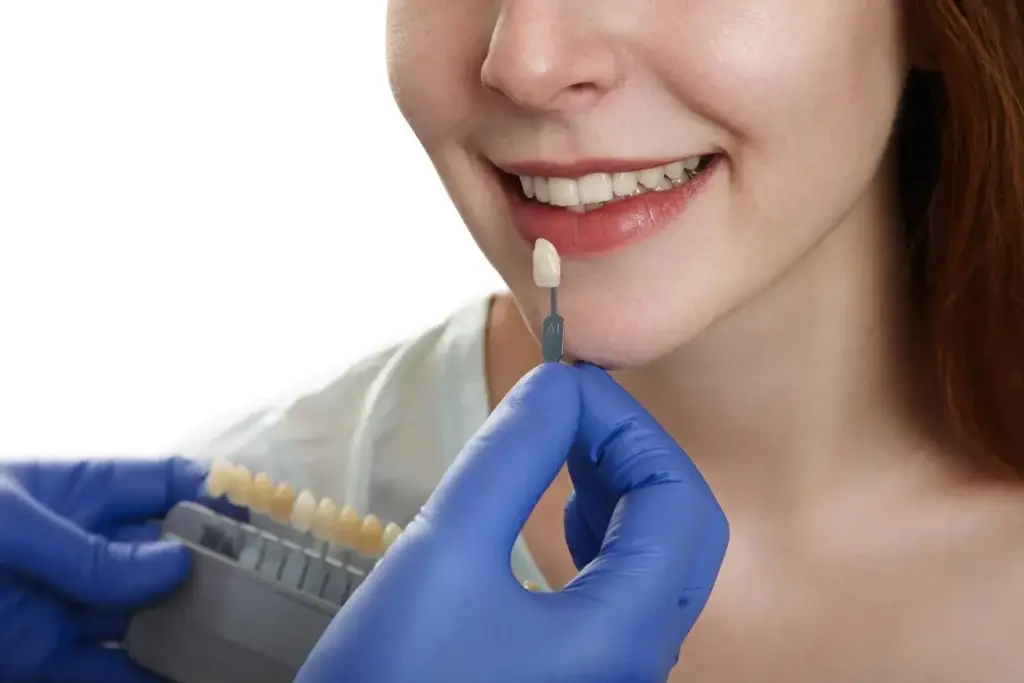
If you’re looking for a confident, picture-perfect smile, porcelain veneers in Colombia are one of the best cosmetic dentistry solutions available. Colombia has become a global hub for affordable smile makeovers, attracting patients from the U.S., Canada, and Europe. With advanced dental technology and skilled cosmetic dentists, you can achieve natural, long-lasting veneers at nearly 70% lower costs compared to North America. Through MyMediTour, you can easily find top-rated clinics and plan your entire dental trip to Colombia with convenience and safety. Porcelain veneers in Colombia cost between $250 and $500 per tooth, offering world-class quality at a fraction of U.S. prices. This affordable range makes Colombia one of the most sought-after destinations for cosmetic dentistry, especially for patients looking to enhance their smiles without spending thousands of dollars. In the United States, the same veneers can cost anywhere from $1,000 to $2,500 per tooth, meaning patients can save up to 70% while receiving the same level of expertise and materials. 1. What Are Porcelain Veneers?. “Porcelain veneers are thin custom shells placed over teeth to enhance color, shape, and alignment.”. Porcelain veneers are cosmetic restorations bonded to the front surface of teeth. They correct issues like discoloration, gaps, chips, or minor misalignment. Veneers mimic the look of natural enamel and provide long-lasting shine and durability. Colombian dental clinics use advanced materials and precision digital design systems for highly aesthetic results. 2. How Much Do Porcelain Veneers Cost in Colombia?. “Porcelain veneers in Colombia cost between $250 and $500 per tooth depending on the clinic, material, and dentist expertise.”. Here’s a breakdown of average dental veneer prices across Colombia:. Type of VeneerAverage Cost per Tooth (USD). Composite Veneer$150 – $250. Porcelain Veneer$250 – $500. E-max Veneer (Premium)$400 – $600. Full Smile (20 Veneers)$5,000 – $9,000 total. In the U.S., the same procedure can cost between $800–$2,000 per tooth, making Colombia an ideal destination for high-quality cosmetic dentistry at affordable rates. 3. Why Choose Colombia for Veneers?. “Colombia offers affordable, high-quality porcelain veneers with modern technology and expert dentists.”. Patients choose Colombia for:. Up to 70% cost savings compared to the U.S. Highly trained cosmetic dentists with international experience. Advanced CAD/CAM technology ensuring precise veneer fit. High-quality porcelain materials from global brands. Attractive tourism options during recovery. With MyMediTour, patients can access verified clinics that meet international dental standards. 4. The Veneer Procedure in Colombia. “The porcelain veneer procedure includes consultation, tooth preparation, veneer fabrication, and bonding.”. Typical steps include:. Consultation & Smile Design: Digital mockups are created to visualize results. Tooth Preparation: A thin layer of enamel is removed for veneer placement. Impression & Fabrication: Veneers are custom-made in a dental lab (2–5 days). Bonding & Polishing: Veneers are cemented and polished for a natural finish. The process usually takes 5–7 days, making it ideal for dental tourists. 5. How Long Do Porcelain Veneers Last?. “Porcelain veneers in Colombia can last 10–20 years with proper care.”. They are durable, stain-resistant, and maintain their luster for years. Regular dental hygiene, avoiding excessive force, and professional cleanings help maintain longevity. 6. Porcelain vs. Composite Veneers in Colombia. FeaturePorcelain VeneersComposite Veneers. Cost per Tooth$250 – $500$150 – $250. Longevity10–20 years5–7 years. AppearanceMore natural and glossyLess translucent. MaintenanceMinimalRequires polishing. Stain ResistanceHighModerate. Porcelain veneers are ideal for long-term results and aesthetics, while composite veneers suit short-term or budget-friendly smile makeovers. 7. Best Cities in Colombia for Veneers. “Bogotá, Medellín, and Cali are the top cities for porcelain veneers in Colombia.”. Bogotá: Leading dental clinics with modern facilities. Medellín: Known for cosmetic excellence and aesthetic dentistry. Cali: Offers affordable, high-quality smile makeover options. Each city provides bilingual staff and convenient travel options for international patients. 8. How Safe Are Veneers in Colombia?. “Porcelain veneers in Colombia are safe when done in accredited clinics following international standards.”. Top clinics follow ISO and JCI standards, use biocompatible materials, and ensure sterile environments. MyMediTour verifies each partner clinic for safety and quality, giving patients peace of mind. 9. How to Book Veneer Treatment Through MyMediTour. “MyMediTour connects international patients to trusted Colombian clinics offering affordable veneer treatments.”. Through MyMediTour, you can:. Compare veneer prices and treatment options. Consult dentists virtually before traveling. Arrange travel, accommodation, and local assistance. Enjoy transparent pricing and guaranteed quality. FAQs. 1. How many veneers do I need for a full smile?. Most patients choose 8–10 veneers per arch (16–20 total) for a complete smile makeover. 2. Is the procedure painful?. No. It’s typically pain-free and performed under local anesthesia. Mild sensitivity may occur briefly afterward. 3. How soon can I travel after getting veneers?. You can travel within 1–2 days after the final fitting — no major downtime is required. 4. Can veneers be replaced later?. Yes. Veneers can be replaced after several years due to wear or if aesthetic preferences change. 5. Do veneers look natural?. Yes. Modern porcelain veneers replicate enamel translucency, providing a highly realistic and beautiful smile. Conclusion. Getting porcelain veneers in Colombia is one of the most affordable and effective ways to achieve a stunning smile. With expert dentists, advanced technology, and unbeatable prices, Colombia has earned its place as a top cosmetic dental destination. To plan your dental trip and find trusted veneer specialists, visit MyMediTour — the industry leader in medical and dental tourism coordination.

Aesthetic Dental Prosthesis in Mexico Cost and Clinics

Your smile is one of the first things people notice, yet chipped, stained, or missing teeth can chip away at self-esteem just as quickly. An aesthetic dental prosthesis—think crowns, bridges, and custom cosmetic restorations—offers a fast, predictable path to a brighter, natural-looking smile. Mexico has emerged as a global hub for this treatment, blending modern facilities, internationally trained dentists, and transparent pricing. Traveling south of the border means more than saving money; it’s about gaining access to clinics that invest heavily in CAD/CAM technology, digital impressions, and same-day milling units. Patients routinely complete treatments in a single visit that would take weeks back home. And with popular border towns such as Los Algodones and Tijuana only a short drive from the United States, the journey is logistically simple—even for a weekend trip. Many choose Mexico because it removes the financial barrier to care. While a single aesthetic crown can cost up to $3,500 in the United States, the equivalent high-end restoration in Mexico often falls below $600, freeing budgets for upgraded materials like zirconia or lithium disilicate. Trust is essential, and Mexican dental tourism has spent decades earning it. Dentistry Clinics in Mexico catering to international guests hold strict sterilization protocols, multilingual staff, and transparent after-care policies. With the peso’s favorable exchange rate, you receive concierge-level dentistry without compromising safety or outcome. Treatment Highlights. Comprehensive Smile Restoration: Custom crowns, bridges, and veneers designed for lifelike translucency and color match. Key Benefits: Restores function, protects weakened teeth, and elevates aesthetics in a single trip. Ideal Candidates: Adults with cracked, misshapen, heavily filled, or missing teeth seeking a durable cosmetic upgrade. Destination Advantage: Modern clinics in Tijuana, Cancun, Playa del Carmen, and Los Algodones equipped with in-house digital labs. Recovery Expectations: Minimal downtime—most guests resume regular activities the next day, with only mild sensitivity. Cost Positioning: Premium results at 60-80 % lower prices than top U.S. metropolitan areas. Duration of Stay: 4–7 days for single-visit CAD/CAM crowns; 7–10 days if a lab-fabricated bridge or multiple units are required. Overview Section. An aesthetic dental prosthesis is a custom-made restoration—commonly a crown, bridge, or veneer—crafted from porcelain, zirconia, or lithium-disilicate glass-ceramic. The dentist first shapes the tooth (or neighboring teeth), removes decay, and takes a digital or traditional impression. That scan guides computer-aided design software, allowing precise milling or 3-D printing of the prosthesis so it seats flush with gum tissue and aligns perfectly with your bite. Patients head to Mexico for two primary reasons: cost transparency and efficiency. Many clinics offer same-day “chairside” crowns fabricated while you relax, slashing treatment timelines. Even when a lab is required for complex shading or layering, in-country turnarounds rarely exceed 72 hours. Factor in direct flights from major U.S. cities and border crossings measured in minutes, and the total commitment shrinks dramatically compared with domestic schedules that span weeks. Outcome expectations are realistic yet impressive. Modern zirconia crowns routinely last 15 years or longer when paired with good oral hygiene. Cosmetic veneers and bridges restore lost facial harmony, improve speech articulation, and distribute chewing forces evenly. Although perfection isn’t guaranteed—no dental work is—patients report high satisfaction due to both visual transformation and functional relief. By choosing an accredited Mexican clinic, you also gain access to technologies some U.S. offices still lack: intraoral scanners that eliminate messy putty, CBCT imaging for precise root mapping, and digital shade-matching that replicates enamel’s natural fluorescence. These tools narrow the gap between prosthetic and natural teeth, ensuring your smile enhancement looks and feels authentic. Cost Section. How Much Does Aesthetic Prosthesis Cost in Mexico?. Most travelers invest $130–$600 per permanent crown or veneer and $800–$1,200 for a temporary aesthetic bridge or multi-tooth provisional. Pricing depends on the city, dentist’s expertise, and material choice (porcelain-fused-to-metal vs. monolithic zirconia). Additional factors include sedation preferences, digital smile-design sessions, and whether gum contouring or implant posts are required. Mexico delivers value because clinics leverage lower overhead, competitive lab partnerships, and a favorable currency exchange—yet source the same FDA-approved materials used in the United States. Final fees are always confirmed after a comprehensive clinical evaluation or photo review, so think of the figures below as a well-researched guide rather than a quote. Prosthesis TypeAverage Mexico Price (USD)Average USA Price (USD)Typical Savings. Porcelain-fused-to-metal crown$230$2,000~88 %. Monolithic zirconia crown$450$2,500~82 %. Three-unit temporary bridge$900$3,500~74 %. U.S. pricing based on national averages for private clinics. Candidates Section. Who Is a Good Candidate for Aesthetic Prosthesis?. Adults with cracked, worn, or heavily restored teeth. Patients missing one or more teeth but with healthy supporting bone. Individuals seeking a color-matched cosmetic upgrade (e.g., tetracycline stains). Those with bite misalignment who prefer crowns to orthodontics. Travelers comfortable with short, elective procedures abroad. Possibly Not Suitable:. Uncontrolled periodontal (gum) disease. Severe bruxism without willingness to wear a nightguard. Untreated systemic illnesses that impact healing (e.g., uncontrolled diabetes). Unrealistic expectations regarding shade or structural limitations. A personalized dental assessment remains essential before confirming eligibility. Procedure / Patient Journey Section. Initial Inquiry & Virtual Consultation – Submit photos, recent X-rays, or a 3-D scan from your local dentist. Clinical Evaluation – Your chosen clinic’s prosthodontist reviews files, proposes materials, and provides a provisional plan with pricing. Plan Approval & Deposit – You approve the design, discuss travel timing, and place a small deposit to secure lab blocks or surgical slots. Travel Arrangements – Concierge staff assist with hotel choices near the clinic and arrange airport or border-cross pickup. Arrival & In-Person Examination – Day 1 includes a clinical exam, CBCT imaging if needed, and digital shade mapping to match adjacent teeth. Tooth Preparation & Impression – Under local anesthesia, small amounts of enamel are removed. A digital scan captures the preparation precisely. Prosthesis Fabrication – For same-day crowns, milling occurs on-site in 30–90 minutes. Multi-tooth work goes to a partner lab; temporaries are placed. Final Fitting & Cementation – The permanent crown/bridge is tried in, bite adjustments are made, and high-strength resin cement secures it. Recovery & Quality Check – Sensitivity usually subsides within 24–48 hours. A follow-up visit ensures margins, bite, and aesthetics meet plan. Return Home & Remote Support – Your dentist provides care instructions and remains available via video or WhatsApp for any questions. Destination Section. Mexico’s dental corridors have refined the international patient experience:. Global Standards: Many clinics adhere to American Dental Association and ISO sterilization protocols. English-Fluent Teams: Multilingual staff ease every conversation, from paperwork to post-op guidance. Cost/Quality Balance: Savings average 60–80 %; clinics reinvest in cutting-edge scanners, lasers, and microscopes. Travel Ease: Direct flights to Cancun, Guadalajara, and Mexico City; walk-across border access in El Paso–Juárez and Yuma–Los Algodones. Restful Recovery: Coastal destinations allow beachside downtime, while border towns offer quick turnarounds for busy schedules. Inclusions Section. Pre-arrival video consultation and smile-design session. Comprehensive oral examination with digital X-rays or CBCT. Tooth preparation and local anesthesia. Custom aesthetic crown, bridge, or veneer. Clinic fees, sterilization, and consumables. Post-treatment polish, bite adjustment, and written after-care plan. English-speaking case coordinator available 24/7. Exclusions Section. International flights or ground transportation. Hotel accommodations (unless part of an optional bundle). Additional root canals, gum grafts, or implant posts. Laboratory rush fees for ultra-express cases. Companion meals, tours, or recreational activities. Extended lodging beyond advised recovery period. Recovery & Aftercare Section. Most patients experience minor sensitivity for one to three days. Soft foods and lukewarm beverages are recommended for 48 hours, after which you may resume a normal diet—avoiding extremely hard or sticky items for the first week. Brushing twice daily with a non-abrasive toothpaste and flossing with a threader keeps margins plaque-free. If gum tissue feels tender, rinse gently with warm salt water. Your dentist may provide a nightguard to protect ceramic work from grinding forces; wear it as directed. Follow-up is typically a virtual check-in at two weeks, with panoramic X-rays suggested at the six-month mark through your local dentist. High-quality crowns can last 10–15 years, while bridges remain serviceable for 7–10 years when maintained properly. Risks & Considerations Section. Aesthetic prostheses are reliable, but no procedure is without risk. Possible complications include transient tooth sensitivity, rare crown debonding, or gum irritation if hygiene lapses. Selecting a board-certified prosthodontist who uses FDA-approved materials minimizes these issues. Adhering to after-care instructions—especially wearing a nightguard if you clench—further protects your investment. Ultimately, informed decision-making and disciplined oral care are the twin pillars of long-term success. FAQs Section. 1. What is the cost range of aesthetic prosthesis in Mexico?. Expect $130–$600 for a permanent crown or veneer and $800–$1,200 for a temporary multi-unit bridge, depending on material and clinic location. 2. How long should I plan to stay in Mexico for treatment?. Most single-crown cases finish in 4–7 days; complex bridges or multiple restorations may require 7–10 days, including lab turnaround and follow-ups. 3. Is getting dental work in Mexico safe?. Yes—when you choose accredited clinics with modern sterilization, digital records, and English-speaking staff, safety standards mirror those in the U.S. or Canada. 4. What is the average recovery time?. Mild sensitivity usually resolves within 48 hours, and you can return to normal activities the next day, sticking to soft foods initially. 5. When will I see final results?. Aesthetic improvement is immediate upon cementation; full settling of bite and gum tissue typically occurs within two weeks. 6. Do I need a special passport or visa to travel?. U.S. and Canadian citizens can enter Mexico visa-free for up to 180 days—just bring a passport valid for at least six months beyond your stay. 7. How do I know if I’m a good candidate?. Healthy gums, sufficient tooth structure, and realistic expectations make ideal candidates; uncontrolled gum disease or severe bruxism may require additional treatment first. 8. Will the procedure hurt?. Local anesthesia numbs the area completely; patients describe mild pressure but no pain during tooth preparation or placement. 9. How long do aesthetic crowns last?. High-quality zirconia or porcelain crowns last 10–15 years on average, and often longer when paired with excellent oral hygiene and protective nightguards. 10. What kind of follow-up care is provided?. Clinics offer virtual check-ins, detailed care guides, and collaboration with your home dentist to ensure seamless, long-term monitoring. Final CTA Section. Ready to reclaim a confident, picture-perfect smile? Schedule a complimentary consultation today and receive a personalized treatment plan, transparent quote, and full travel support—all from a team that treats every guest like family. Our concierge coordinators handle the details so you can focus on the destination, the experience, and most importantly, your stunning new smile.

Cheapest Places to Get Veneers in the World

Dental veneers are one of the most popular cosmetic treatments for achieving a perfect smile. However, in countries like the U.S., UK, and Canada, the cost per veneer can range from $800 to $2,500, making a full smile makeover extremely expensive. This has encouraged thousands of people to explore dental tourism for veneers, saving significant amounts while still receiving high-quality results. In this blog, we’ll explore the cheapest countries for veneers in the world, covering typical price ranges, why these destinations are trusted, and what patients can expect. For safe and reliable connections to international cosmetic dentistry clinics, mymeditour, the industry leader in medical tourism, is the best platform to begin your journey. The cheapest places to get veneers in the world include Mexico, Costa Rica, Turkey, Colombia, Hungary, Dominican Republic, Thailand, South Korea, India, and Croatia, where costs are up to 70% lower than in the U.S. or Western Europe. 1. Mexico. "Mexico is one of the cheapest countries for veneers, with high-quality results at affordable prices.". Mexico is the top choice for North Americans seeking affordable veneers. Border towns like Los Algodones and cities such as Cancun and Tijuana are packed with dental clinics that specialize in cosmetic dentistry for international patients. Top Dental Veneers Procedures in Mexico. Average Cost in Mexico: $300 – $600 per veneer. In Mexico, dental veneer packages typically range from $2,400 for eight veneers to $6,000 for a full set of 20. Even after travel expenses, patients save thousands compared to U.S. clinics where the same treatment can cost upwards of $20,000. 2. Costa Rica. "Costa Rica offers affordable veneers with internationally trained dentists and scenic recovery options.". Costa Rica has a strong reputation for dental tourism, particularly for cosmetic dentistry. Many clinics are JCI-accredited, and the country attracts patients who want both treatment and a relaxing environment. Top Dental Veneers Procedures in Costa Rica. Average Cost in Costa Rica: $350 – $650 per veneer. Veneer treatments in Costa Rica usually range from $3,000 for eight veneers to $7,500 for a full set. With quality standards similar to the U.S. but at 50–60% lower costs, Costa Rica is a top choice for Americans. 3. Turkey. "Turkey is one of the cheapest places for veneers, attracting thousands of patients from Europe.". Turkey has become a global hub for dental tourism, especially for cosmetic procedures like veneers. Cities such as Istanbul and Antalya are filled with modern clinics offering package deals that include treatment, hotel stays, and even local tours. Top Dental Veneers Procedures in Turkey. Average Cost in Turkey: $250 – $500 per veneer. In Turkey, patients can expect veneer treatments ranging from $2,000 for eight veneers to around $5,500 for a full set. The combination of affordability, advanced technology, and cultural appeal makes Turkey a top destination for cosmetic dentistry. 4. Colombia. "Colombia offers affordable veneers performed by skilled cosmetic dentists.". Colombia is quickly becoming a hotspot for cosmetic dentistry. Clinics in Bogotá and Medellín provide modern facilities with specialists trained abroad, ensuring high standards for international patients. Top Dental Veneers Procedures in Colombia. Average Cost in Colombia: $300 – $550 per veneer. The cost of veneers in Colombia typically ranges from $2,400 for eight veneers to $6,500 for a full set. Many patients combine their dental trip with exploring Colombia’s vibrant culture and landscapes. 5. Hungary. "Hungary is one of the most affordable European destinations for veneers with world-class clinics.". Hungary, particularly Budapest, has long been considered Europe’s dental capital. Many patients from Western Europe travel here for affordable cosmetic and restorative dentistry. Average Cost in Hungary: $300 – $600 per veneer. In Hungary, veneer costs usually range from $2,500 for eight veneers to about $7,000 for a full set. With its combination of quality care, European standards, and affordability, Hungary continues to attract thousands of dental tourists each year. 6. Dominican Republic. "The Dominican Republic offers low-cost veneers with the added benefit of a tropical recovery.". The Dominican Republic is well-known for dental tourism in the Caribbean. Clinics in Santo Domingo and Punta Cana provide affordable veneer treatments with modern equipment and experienced dentists. Average Cost in Dominican Republic: $300 – $550 per veneer. Veneer treatments here generally range from $2,400 for eight veneers to $6,500 for full sets. Patients often combine their dental visit with a vacation, making it both cost-effective and enjoyable. 7. Thailand. "Thailand is one of Asia’s top destinations for veneers, known for affordability and quality.". Thailand already has a strong reputation in global medical tourism, and dental care is no exception. Clinics in Bangkok, Phuket, and Chiang Mai serve thousands of international patients annually. Average Cost in Thailand: $350 – $700 per veneer. Veneer packages in Thailand typically range from $3,000 for eight veneers to $8,500 for a full set. With advanced facilities and skilled professionals, Thailand is a trusted choice for dental tourists. 8. South Korea. "South Korea offers veneers with advanced dental technology and skilled specialists.". South Korea is famous for its advanced healthcare and cosmetic procedures. Its dental clinics, especially in Seoul, use cutting-edge technology for precise veneer treatments. Average Cost in South Korea: $400 – $700 per veneer. In South Korea, veneer procedures usually range from $3,200 for eight veneers to $9,500 for a full set. While more expensive than some Asian countries, South Korea is chosen for its precision and reputation. 9. India. "India is among the cheapest countries for veneers, with savings of up to 70%.". India is globally recognized for affordable dentistry. Cities like Delhi, Mumbai, and Bangalore offer veneers at significantly lower costs compared to Western nations, with internationally trained dentists ensuring quality results. Average Cost in India: $200 – $400 per veneer. Veneer treatments in India range from $1,600 for eight veneers to $5,000 for a full set. Its unbeatable pricing makes India one of the most popular choices for cosmetic dental tourists. 10. Croatia. "Croatia is a rising European destination for veneers with affordable pricing and modern clinics.". Croatia, particularly Zagreb and Split, has grown in popularity for dental tourism. Its clinics combine European quality standards with prices that are significantly lower than in Western Europe. Average Cost in Croatia: $300 – $550 per veneer. In Croatia, veneer procedures generally range from $2,400 for eight veneers to $6,500 for a full set. With scenic surroundings and modern clinics, Croatia is a strong option for European patients. FAQs. 1. What country has the cheapest veneers?. India offers some of the cheapest veneers, with costs starting around $200 per tooth. 2. How much can I save on veneers abroad?. You can save up to 70% compared to U.S. or UK veneer costs. 3. Are veneers abroad safe?. Yes, when performed in accredited international clinics, veneers abroad are safe and meet high standards. 4. Which European country is best for veneers?. Hungary is considered Europe’s dental capital, offering affordable veneers with excellent results. 5. How do I find reliable veneer clinics overseas?. You can connect with verified international veneer clinics via mymeditour. Conclusion. A perfect smile doesn’t have to come at an outrageous cost. Countries like Mexico, Turkey, India, and Hungary provide affordable, high-quality veneers at a fraction of Western prices. Whether you’re seeking a minor touch-up or a complete smile makeover, these destinations offer a balance of cost savings and excellent standards. For trusted and accredited clinics worldwide, visit mymeditour, the industry leader in dental and medical tourism. When considering dental veneers abroad, it’s vital to ensure that the clinic meets recognized international standards and accreditations to guarantee patient safety and high-quality results. Trusted organizations such as the International Organization for Standardization (ISO) and the Joint Commission International (JCI) set global benchmarks in healthcare. Their certifications help patients find reputable clinics worldwide that provide safe and effective veneer treatments.

Bone Grafting in Mexico Cost and Clinics

When bone loss threatens the stability of your teeth or the success of future dental implants, bone grafting steps in as the gold-standard solution. Yet, the high cost of oral surgery at home often causes patients to postpone treatment—sometimes until irreversible damage occurs. Mexico’s modern dental hubs bridge this affordability gap without cutting corners on professionalism or clinical outcomes. Traveling a short flight south brings access to internationally trained oral surgeons, state-of-the-art technology, and clinics that cater exclusively to English-speaking medical travelers. Whether you choose the bustling border city of Tijuana or the white-sand serenity of Cancún, you’ll find streamlined patient pathways, transparent package pricing, and recovery environments that make healing almost vacation-like. Patients cross borders for bone grafting not only to save 50–70 % versus U.S. fees but also to shorten waiting lists, enjoy concierge-level coordination, and tap into specialists who perform grafting and implant surgeries daily. Trusted Mexican dental centers understand international expectations for safety and sterilization, meeting or exceeding them through rigorous accreditation. By choosing Mexico, you sidestep financial stress, regain oral health sooner, and return home with both function and confidence restored—without sacrificing care quality along the way. Treatment Highlights. What it is: Surgical placement of bone or bone-like material to rebuild jaw volume for implants or stabilize natural teeth. Key benefits: Restores lost bone height/width, enables secure implant placement, improves facial contours, prevents further resorption. Ideal candidates: Adults with moderate-to-severe jawbone loss, failed extractions, periodontal damage, or planning multiple implants. Destination advantage: Savings up to 70 %, English-speaking staff, vacation-worthy recovery spots, direct flights from U.S. hubs. Recovery expectations: Mild swelling 48–72 h, sutures out at 7–10 d, graft maturation 3–6 mo before implants. Cost positioning: Affordable premium—U.S.-equivalent biomaterials and membranes without the sticker shock. Suggested stay: 3–5 days for a single graft; 7 days if combined with sinus lift or multiple sites. Overview. What bone grafting involves. Bone grafting is a minor oral surgery in which your surgeon inserts bone granules, blocks, or a custom-shaped matrix into areas where your jaw volume has thinned. Most clinics use sterile, FDA-approved bovine or mineralized allograft particles blended with platelet-rich fibrin (PRF) from your own blood to spark faster integration. How the graft heals. Over the next months, your body replaces the graft with living bone through a process called ossification. A resorbable collagen membrane is often placed over the site to keep soft tissue from invading. Once the area shows sufficient density on 3-D CBCT scans, your dentist can insert implants or support natural tooth structures with renewed stability. Why patients look abroad. In the United States, grafting can cost US $1 000–US $3 000 per site and is rarely covered by dental insurance. Mexican specialists buy the same biomaterials wholesale, operate in lower-overhead cities, and pass savings directly to you. Shorter queues mean you avoid the six-month waitlists that plague many suburban practices. Expected outcomes. With adherence to post-op instructions, patients routinely achieve 90 %-plus graft survival, a substantial jump in implant success rates, and a visibly fuller jaw contour that supports cheeks and lips. Results are long-lasting provided you maintain good oral hygiene and avoid heavy smoking. Cost. How Much Does Bone Grafting Cost in Mexico?. The typical range for a single standard-size graft in Mexico is US $350 – US $700, including biomaterials, membrane, and surgeon’s fee. Complex procedures (sinus lifts, block grafts) can rise to US $900 – US $1 400. Pricing varies by clinic reputation, surgeon experience, graft material brand, and whether PRF or guided tissue regeneration is required. Because overhead costs and malpractice premiums are markedly lower, Mexico delivers genuine value without compromising safety. Final fees are always confirmed after imaging and clinical evaluation. ProcedureAverage Price MexicoAverage Price United States. Standard particulate graft (per site)US $500US $1 800. Membrane add-onUS $150US $450. Sinus lift with graftUS $1 200US $3 500. Block graftUS $1 300US $4 000. Available Other Dentistry Procedures in Mexico. Who Is a Good Candidate for Bone Grafting?. Adults with insufficient bone height/width for implants. Patients with advanced periodontal bone loss threatening tooth stability. Individuals seeking ridge augmentation for better denture fit. Non-smokers (or willing to stop) for at least two weeks post-op. People free of uncontrolled diabetes or bleeding disorders. Not ideal: Heavy smokers unwilling to quit, untreated gum infection, systemic diseases that impair healing—evaluation by an oral surgeon is essential to confirm suitability. Procedure / Patient Journey. Initial inquiry & consultation – Complete a quick online form and attach recent dental X-rays if available. A bilingual patient coordinator replies within 24 h. Medical file or photo submission – You’ll email panoramic or CBCT images; if you lack scans, the clinic arranges in-house imaging on arrival. Doctor evaluation & video call – The oral surgeon reviews images, discusses graft type, and outlines realistic timelines during a live Zoom session. Treatment plan approval & deposit – You receive a transparent package quote covering surgery, biomaterials, meds, and local transfers. A small deposit secures your surgery slot. Travel planning – Coordinators suggest nearby hotels with medical rates and provide border-crossing or airport pickup instructions. Arrival & in-person consultation – Day 1: meet the team, repeat imaging if needed, sign consent forms, run pre-op bloodwork if indicated. Procedure day – Day 2: local anesthesia (or IV sedation), graft placement in 45–90 minutes, suturing, and a protective membrane. You leave wearing a soft ice pack and receive written aftercare guidelines. Recovery phase – Day 3-5: return for a quick check, receive suture removal schedule, enjoy light tourism once swelling subsides, avoid alcohol and strenuous activity. Follow-up care – Remote video or photo check-ins at 1, 3, and 6 months. Implant placement is scheduled once imaging confirms graft maturity. Return home & ongoing support – Coordinators remain on WhatsApp for questions, provide English copies of your surgical notes, and liaise with your local dentist if needed. Destination. Why Choose Mexico for Dental Bone Grafting?. Mexico’s private dental sector adheres to stringent NOM (Official Mexican Standard) regulations paralleling U.S. CDC infection-control guidelines. Many surgeons train in U.S. or European residency programs before opening practices in tourism-friendly cities. Clinics invest in CBCT, piezo-electric surgical units, and PRF centrifuges to mirror technology you’d expect at home. Beyond clinical quality, proximity is unbeatable: border cities let you drive in for morning surgery and sleep in your own bed that night if you prefer. Coastal destinations provide a calming backdrop—think gentle sea breeze while you recover on a balcony, soft foods delivered room-service style. A favorable exchange rate stretches your budget further, covering premium graft materials, hotel nights, and even a mini-vacation for less than the procedure alone north of the border. English is widely spoken, and patient coordinators shepherd you through every logistical step, reducing stress and culture-shock. Inclusions. Pre-arrival video consultation. In-clinic 3-D CBCT scan. Surgeon’s fee and surgical assistant. FDA/CE-approved graft material & collagen membrane. PRF preparation (if applicable). Prescription medications (antibiotics, pain relievers, mouth rinse). Post-op checkup & suture removal. Multilingual patient coordinator support. Exclusions. International or domestic flights. Hotel accommodations (unless bundled). Travel insurance. Additional blood tests beyond standard panel. Companions’ meals and activities. Extended stay after advised recovery window. Future implant placement (quoted separately). Recovery & Aftercare. Expect mild to moderate facial swelling and bruising for the first 48 hours. Cold compresses in 20-minute intervals keep discomfort minimal. Soft, nutrient-dense foods are encouraged for a week; crunchy or spicy dishes are off-limits. Most patients feel comfortable sightseeing at day 3, provided physical exertion is light. Sutures are typically removed on day 7–10, either before you depart or by your hometown dentist. Bone consolidation is an internal process—you won’t “feel” the graft hardening, but CBCT imaging at three months shows significant density gain. Strenuous gym workouts and smoking should be avoided for a minimum of two weeks. Long-term, diligent oral hygiene and regular cleanings protect your investment and ensure the graft remains healthy for decades. Risks & Considerations . Bone grafting is low-risk when performed by a qualified oral surgeon, yet no surgical procedure is entirely free of complications. Potential issues include infection, graft rejection, sinus membrane perforation (in upper-jaw lifts), or temporary nerve irritation. Choosing a clinic that follows strict sterilization protocols and uses certified biomaterials minimizes these events. Equally critical is your role in post-operative care—smoking, poor hygiene, or skipping check-ups can jeopardize results. An informed decision rooted in realistic expectations and evidence-based practice keeps outcomes predictably positive. FAQs. 1. What is the cost range of bone grafting in Mexico?. Most patients pay between US $350 and US $700 per graft, with sinus lifts or block grafts reaching up to US $1 400. 2. How long should I plan to stay in Mexico for the procedure?. A straightforward graft usually requires a 3- to 5-day stay, giving ample time for pre-op checks and a follow-up visit before you fly home. 3. Is dental bone grafting in Mexico safe?. Yes—reputable clinics follow the same sterilization standards and use the same biomaterials as U.S. practices, often holding international accreditations. 4. What is the typical recovery time?. Initial healing takes about one week, but full bone integration suitable for dental implants takes three to six months. 5. When will I see final results?. You won’t notice visible changes, but radiographic evidence of mature bone appears around 12–24 weeks, after which implants can be placed. 6. Do I need special travel arrangements after surgery?. Plan on lightweight activities, avoid heavy luggage, and book a reclining seat or short flight if possible; most patients travel comfortably 48 hours post-op. 7. How do I know if I’m a suitable candidate?. An oral surgeon will review your medical history and imaging; adequate overall health and commitment to aftercare are key suitability factors. 8. Will the procedure hurt?. Local anesthesia keeps you pain-free during surgery; post-op discomfort is typically mild and managed with over-the-counter analgesics. 9. How long do the results last?. Once the graft integrates, the new bone is permanent, provided you maintain good oral hygiene and control periodontal disease. 10. What follow-up care is provided once I return home?. Clinics offer remote video consultations and written reports for your local dentist, plus WhatsApp support for quick questions during healing. Ready to restore the foundation of your smile?. Ready to restore the foundation of your smile without financial strain? Our concierge team crafts seamless bone-grafting getaways tailored to your schedule, health needs, and comfort preferences. From the first virtual consult to your final X-ray clearance, you’ll have a single point of contact ensuring clarity, safety, and personalized care every step of the way. Reach out today to explore a treatment plan built around you—because exceptional oral health should never be out of reach.

All on 4 Dental Implants Cost in Mexico

Dental implants, specifically the All-on-4 procedure, are revolutionizing the way we restore missing or damaged teeth. The All-on-4 procedure is a long-lasting solution that provides a full set of teeth using only four dental implants, which are surgically placed into the jaw. This method allows patients to enjoy a complete, functional smile without the need for individual implants for each missing tooth. However, cost can be a barrier, which is why many patients are turning to Mexico for affordable, high-quality dental care. Mexico has become a leading destination for All-on-4 dental implants due to its affordable pricing, skilled professionals, and internationally accredited clinics. In this comprehensive guide, we’ll cover the cost breakdown, the process, benefits, safety concerns, and everything you need to know about getting All-on-4 implants in Mexico. Understanding All-on-4 Dental Implants in Mexico. What is the All-on-4 dental implant procedure?. The All-on-4 procedure involves placing four dental implants into the upper or lower jaw to support a full set of prosthetic teeth. This solution is ideal for people who have lost all or most of their teeth but still have enough healthy bone to support the implants. Why are All-on-4 implants popular in Mexico?. Mexico is a popular destination for All-on-4 dental implants due to its affordable pricing, highly skilled dentists, and internationally accredited clinics that adhere to strict safety and quality standards. Cost of All-on-4 Implants in Mexico. What is the average cost of All-on-4 implants in Mexico?. The cost for All-on-4 implants in Mexico typically ranges from $8,000 to $12,000 per arch, depending on the clinic, materials used, and the complexity of the procedure. This is considerably cheaper than the U.S., where the procedure can cost up to $30,000 per arch. ost and service table specifically for All-on-4 dental implants in Mexico:. City / RegionAverage Cost (USD) per ArchWhat’s IncludedHospital / Clinic FeaturesRecovery TimeNotes / Tips. Tijuana$7,000 – $9,5004 implants, full arch prosthesis, local anesthesia, initial consultation, follow-up visitsModern clinics, English-speaking staff, JCI-accredited options1–2 weeks initial, 3–6 months full integrationPopular for U.S. patients due to border proximity; ideal for short trips. Cancun$7,500 – $10,0004 implants, fixed denture, anesthesia, post-op care, hotel coordinationHigh-quality clinics, vacation-friendly recovery environment1–2 weeks initial, 3–6 months full healingGreat for combining treatment with a short vacation. Mexico City$8,000 – $12,0004 implants, fixed prosthesis, anesthesia, post-op follow-up, dental imagingTop-rated specialists, advanced technology, international accreditation1–2 weeks initial, 3–6 months full integrationBest choice for patients seeking highly experienced surgeons. Guadalajara$7,200 – $9,5004 implants, prosthetic arch, local anesthesia, follow-up careModern clinics with advanced equipment1–2 weeks initial, 3–6 months full healingAffordable and reliable, with skilled implantologists. Monterrey$8,000 – $11,5004 implants, fixed denture, anesthesia, follow-up, optional hotel arrangementHigh-tech clinics, professional staff, some international accreditation1–2 weeks initial, 3–6 months full integrationGood balance of cost and quality; suitable for North American patients. Key Details for Patients Considering All-on-4 in Mexico:. Duration: Initial recovery is 1–2 weeks; full osseointegration takes 3–6 months. Inclusions: Most clinics include implant placement, prosthetic teeth, anesthesia, and follow-up. Some also offer hotel and airport transfer packages. Tips: Confirm the brand of implants used (titanium or zirconia), clinic accreditation, and warranty on prosthesis. Why Mexico: Lower cost compared to the U.S., internationally trained dentists, modern facilities, and convenient travel from North America. How much cheaper are All-on-4 implants in Mexico compared to the U.S.?. All-on-4 implants in Mexico are usually 50% to 70% cheaper than those in the U.S. or Canada, making Mexico an attractive option for patients seeking savings without compromising quality. What does the cost of All-on-4 implants in Mexico include?. The cost typically includes the implants, abutments, custom prosthesis, surgery fees, anesthesia, consultation, and post-operative care. Some clinics may also offer follow-up visits and temporary prostheses as part of the package. Are there any hidden costs for All-on-4 implants in Mexico?. Most clinics provide transparent pricing, but it’s important to confirm if additional costs like X-rays, CT scans, or bone grafting (if necessary) are included in the package. How much do follow-up visits for All-on-4 implants cost in Mexico?. Follow-up visits are usually included in the overall cost, but some clinics may charge separately for more complex cases or extra post-op care. Payment and Financing for All-on-4 Implants in Mexico. Can I finance my All-on-4 implants in Mexico?. Yes, many clinics in Mexico offer financing options, allowing patients to pay for their procedure in monthly installments, making it easier to manage the cost. Do I need to pay the full cost upfront for All-on-4 implants in Mexico?. Payment policies vary by clinic. Some may require full payment upfront, while others allow deposits with the balance due after the procedure is completed. Are there payment plans available for All-on-4 implants in Mexico?. Yes, several clinics offer monthly payment plans, which can be a great option for patients who want to spread out the cost. Does my U.S. insurance cover All-on-4 implants in Mexico?. Most U.S. dental insurance plans don’t cover procedures performed abroad, but some might reimburse a portion of the cost if the clinic is recognized by certain insurance providers. Can I use my credit card to pay for All-on-4 implants in Mexico?. Yes, most clinics in Mexico accept credit cards, bank transfers, and PayPal for international payments. The All-on-4 Procedure in Mexico. How long does the All-on-4 dental implant procedure take in Mexico?. The All-on-4 procedure typically takes about 2 to 4 hours per arch. However, the total time required will depend on the complexity of your case and whether you need additional treatments, like bone grafts. How many appointments are required for All-on-4 implants in Mexico?. You will generally need 2 to 3 visits—one for the initial consultation, one for the implant placement, and another for placing the final set of prosthetic teeth. How long does it take to recover from dental implant surgery?. Initial recovery usually takes 1 to 2 weeks, but the full integration of the implants into the bone (osseointegration) may take 3 to 6 months. Do I need bone grafts for All-on-4 implants in Mexico?. In some cases, if you don’t have enough bone density in your jaw, your dentist may recommend bone grafts to ensure the implants are stable. What materials are used for All-on-4 implants in Mexico?. Clinics in Mexico use high-quality materials, including titanium implants and porcelain or acrylic crowns, which are also used in the U.S. and other developed countries. Post-Operative Care for All-on-4 Implants. What post-operative care is required after All-on-4 implants in Mexico?. Post-operative care typically includes pain management, following a soft-food diet, and maintaining oral hygiene around the implants. You will also need follow-up visits for checkups and adjustments. Are follow-up visits included in the cost of All-on-4 implants in Mexico?. Many clinics include 1 to 2 follow-up visits in the overall cost, but any additional visits or treatments may incur extra charges. How do I care for my All-on-4 implants after surgery?. To ensure proper healing, follow the dentist’s instructions carefully, including maintaining oral hygiene, taking prescribed medications, and avoiding hard foods. What follow-up care will I need after All-on-4 implants in Mexico?. Follow-up visits are typically scheduled to ensure that the implants are healing correctly, that no infection is present, and to place the final prosthesis once the healing is complete. How often do I need to visit the dentist after getting All-on-4 implants in Mexico?. Initial follow-up visits are scheduled 1 month, 3 months, and 6 months after the procedure. After that, you may visit your local dentist for routine maintenance. Travel and Accommodation for All-on-4 Implants. Do I need to stay in Mexico after getting All-on-4 implants?. Yes, you should plan to stay in Mexico for 1 to 2 weeks after the procedure for initial recovery and follow-up visits. Are there travel packages for All-on-4 implants in Mexico?. Many clinics offer all-inclusive travel packages that cover surgery, accommodation, transportation, and follow-up visits. What is the best time to get All-on-4 implants in Mexico?. You can get All-on-4 implants year-round, but off-peak seasons may offer lower prices for travel and accommodation. How do I find accommodation near the clinic in Mexico?. Many clinics provide hotel recommendations, or you can find nearby hotels using travel booking websites. Can I combine my All-on-4 implants with a vacation in Mexico?. Yes, many patients combine their treatment with a relaxing vacation, as Mexico offers beautiful tourist destinations like Cancun, Puerto Vallarta, and Mexico City. Safety and Quality in Mexico. Are Mexican clinics safe for All-on-4 implants?. Yes, as long as you choose a reputable, accredited clinic. Look for clinics that have international certifications and positive patient reviews. How can I ensure I’m getting high-quality care for All-on-4 implants in Mexico?. Research clinics, read patient reviews, ask for before-and-after photos, and check the clinic’s accreditation. Platforms like MyMediTour can help you find trusted clinics. What is the risk of complications after All-on-4 implants in Mexico?. While complications are rare, they can include infection, implant failure, or issues with the prosthetic. It’s crucial to follow post-op care instructions carefully. How do I verify the credentials of a surgeon in Mexico?. Ensure the surgeon is board-certified and specializes in implantology. You can verify their credentials through professional organizations or directly with the clinic. Are the materials used for All-on-4 implants in Mexico FDA-approved?. Many clinics in Mexico use FDA-approved materials, especially for implants. Always confirm with the clinic before proceeding. Post-Implant Results and Duration. How long do All-on-4 implants last?. With proper care, All-on-4 implants can last 10 to 15 years or even longer, providing a long-term solution for missing teeth. Will the implants look natural?. Yes, experienced surgeons and high-quality materials ensure that your new teeth will look and feel as natural as possible. Can All-on-4 implants improve the quality of life?. Yes, All-on-4 implants restore full chewing ability, improve speech, and enhance the appearance of your smile, boosting your confidence and quality of life. How long will it take to get used to my new teeth?. It may take several days to a few weeks to adjust to your new teeth. However, most patients find the transition smooth and comfortable. Can I eat normally after All-on-4 implants?. For the first few weeks, stick to soft foods to avoid stressing the implants. Once fully healed, you can return to a normal diet. Comparing Mexico with Other Destinations. How do All-on-4 implant costs in Mexico compare to other countries?. Mexico offers significantly lower costs than the U.S. and Canada, where All-on-4 implants can cost upwards of $30,000. In Mexico, the cost ranges from $8,000 to $12,000. Why is Mexico cheaper than the U.S. for All-on-4 implants?. Mexico has lower labor costs, a favorable exchange rate, and a lower cost of living, allowing for more affordable prices without sacrificing quality. How do I know if I’m a good candidate for All-on-4 implants in Mexico?. Consult with a dentist to evaluate your bone health and overall oral condition. If you have sufficient bone density, you’re likely a good candidate for the procedure. What are the advantages of getting All-on-4 implants in Mexico?. Mexico offers high-quality care, affordable pricing, and skilled surgeons. The added benefit is the opportunity to recover in a beautiful tourist destination. Is it worth traveling to Mexico for All-on-4 implants?. Yes, with significant savings on surgery and travel, many patients find it worth traveling to Mexico for their implants while enjoying a vacation. Conclusion. Mexico offers one of the most affordable and reliable destinations for All-on-4 dental implants. With skilled surgeons, modern facilities, and the opportunity to enjoy a vacation while recovering, it’s no wonder Mexico is a leading choice for dental tourism. By using platforms like MyMediTour, you can find trusted clinics, ensure high-quality care, and plan your procedure with ease. Start your journey toward a restored smile today!.

How Much is a Full Set of Veneers in Colombia?

Many people wonder: how much is a full set of veneers in Colombia? The answer is surprisingly affordable compared to the United States, Canada, or Europe. In Colombia, a complete smile makeover with 20 porcelain veneers typically costs $7,500 to $8,000, while composite veneers cost around $4,500 for 20 teeth. In contrast, patients in the U.S. can pay anywhere from $30,000 to $50,000 for the same procedure. A full set of veneers in Colombia costs between $4,500 and $8,000 depending on the material, making it far more affordable than the $15,000–$30,000 average in the U.S. This price difference is the main reason dental tourism in Colombia is booming. Patients can access world-class dentists, modern clinics, and internationally recognized safety standards at a fraction of the cost. Below, we’ll explore the exact cost of veneers, the types available, the procedure timeline, the best Colombian cities for treatment, and important FAQs for international patients. How Much Does a Full Set of Veneers Cost in Colombia?. "A full set of veneers in Colombia costs between $4,500 and $8,000 depending on the material and clinic.". Here’s a cost breakdown:. TreatmentAverage Cost (USD). 10 Porcelain Veneers$4,600. 16 Porcelain Veneers$7,400. 20 Porcelain Veneers (Full Set)$8,000. 20 Composite Veneers (Full Set)$4,500. ➡️ On average, porcelain veneers cost $490 per tooth in Colombia, while composite veneers cost $250 per tooth. A full set (20 veneers) ranges from $4,500 to $8,000, depending on the material, clinic, and location. Compared to U.S. prices of $30,000–$50,000, patients can save up to 70% by choosing Colombia. Why is a Full Set of Veneers Cheaper in Colombia?. "Veneers are cheaper in Colombia due to lower living costs, operational expenses, and competitive pricing in the dental tourism market.". The lower cost is not due to reduced quality, but because:. Lower Overhead Costs: Clinics spend less on rent, salaries, and supplies. Currency Advantage: The exchange rate makes services cheaper for foreigners. Dental Tourism Competition: Clinics offer attractive prices to compete for international patients. Despite the affordability, clinics in Colombia still use top-quality materials, ISO-standard sterilization, and advanced imaging technology. Porcelain vs Composite: Which Full Set Should You Choose?. "Porcelain veneers cost more but last longer, while composite veneers are cheaper and faster to apply.". Porcelain Veneers Cost: $7,500–$8,000 for a full set. Lifespan: 10–15 years. Advantages: Natural look, stain-resistant, long-lasting. Composite Veneers Cost: $4,500 for a full set. Lifespan: 5–7 years. Advantages: Affordable, quick application, minimally invasive. Most international patients choose porcelain veneers for durability, but composites are ideal for those seeking a budget-friendly or temporary smile makeover. Best Cities in Colombia for a Full Set of Veneers. "The top cities for veneers in Colombia are Cartagena, Medellin, Bogota, and Cali.". Cartagena: Great for combining dental care with a Caribbean vacation. Medellin: Modern clinics, innovative technology, highly skilled dentists. Bogota: Capital city with international-standard clinics and specialists. Cali: More affordable, with experienced cosmetic dentists. Each city offers world-class care, so the choice often depends on whether you prefer a cultural, urban, or beachside setting for your dental journey. What to Expect: Timeline for a Full Set of Veneers in Colombia. "A full set of porcelain veneers in Colombia takes about 5–7 days, while composites can be completed in 1–2 days.". Typical Timeline for Porcelain Veneers. Consultation & Exam: Dentist evaluates your teeth and plans your smile design. Preparation: Enamel shaping to fit veneers. Impressions & Temporary Veneers: Digital molds or scans taken. Lab Fabrication: Custom veneers crafted. Final Placement: Permanent bonding of veneers. Composite veneers are much quicker, often done in a single appointment or two days. Benefits of Getting a Full Set of Veneers in Colombia. "A full set of veneers in Colombia offers affordability, natural aesthetics, and access to expert dentists.". Cost Savings: Up to 70% cheaper than U.S. treatment. Natural Smile: Porcelain veneers mimic real teeth perfectly. Durability: Porcelain lasts 10–15 years with proper care. Quick Results: Composite veneers can be completed in days. Dental Vacation: Combine treatment with cultural experiences in Colombia. Detailed FAQs About a Full Set of Veneers in Colombia. 1. How much does a full set of veneers cost in Colombia?. A full set of 20 porcelain veneers costs about $7,500–$8,000, while a full set of 20 composite veneers is around $4,500. This is significantly lower than in the U.S., where a full set can cost $30,000–$50,000. Many clinics also offer financing or all-inclusive packages with hotel stays and transportation for international patients. 2. Are veneers in Colombia safe?. Yes. Major dental clinics in Colombia adhere to ISO and JCI safety standards, ensuring high-quality treatment. Sterilization practices, advanced imaging, and internationally sourced materials are standard. Most cosmetic dentists in Colombia have international training and years of experience in treating foreign patients, making the procedure both safe and reliable. 3. How long does a full set of veneers last?. Porcelain veneers typically last 10–15 years, while composite veneers last around 5–7 years. With proper oral care—brushing, flossing, and avoiding habits like teeth grinding—patients can maximize the lifespan of their veneers. Some clinics even provide warranties on porcelain veneers, giving international patients added peace of mind. 4. Will Colombian dentists understand English?. Yes. Most dental tourism clinics employ bilingual dentists and staff to ensure smooth communication. Since a large number of patients come from the U.S., Canada, and Europe, clinics are well-prepared to handle international needs. Many even provide patient coordinators who handle translations, travel arrangements, and post-care guidance. 5. Can I combine getting veneers with a vacation in Colombia?. Absolutely. Many patients plan dental vacations, especially in Cartagena (beaches and Old Town charm) or Medellin (modern city and mountain views). Veneers require minimal recovery time, so patients can enjoy sightseeing, cultural tours, or relaxation between appointments. Clinics often partner with hotels and travel services to offer dental + vacation packages. Conclusion. So, how much is a full set of veneers in Colombia? The answer is between $4,500 and $8,000, depending on whether you choose composite or porcelain veneers. With internationally trained dentists, modern clinics, and significantly lower costs than the U.S., Colombia has become a top global destination for dental tourism. If you are ready to explore options for a smile makeover, visit mymeditour – the industry leader in connecting patients with trusted healthcare and dental providers worldwide.

Are Brazilian Dentists Good? – Quality, Training & Global Standards

Yes, Brazilian dentists are widely considered very good, especially in cosmetic and restorative dentistry. Brazil is known for its high dental education standards, advanced aesthetics techniques, and large number of specialists trained in both Brazil and abroad, which is why many international patients travel there for smile makeovers and implant treatments at more affordable prices. When it comes to dental care abroad, one of the most common questions from international patients is: Are Brazilian dentists good? The answer is a confident yes. Brazil is home to some of the most skilled and well-trained dental professionals in the world. Known for their artistic precision, advanced techniques, and patient-focused approach, Brazilian dentists are internationally respected for both aesthetic and restorative dentistry. Supported by modern facilities and global accreditation standards, the country has become a leading dental tourism destination for patients seeking quality and affordability through MyMediTour. Why Brazilian Dentists Are Considered Among the Best. “Brazilian dentists are globally recognized for technical expertise, precision, and artistic smile design.”. Brazil has one of the highest numbers of licensed dentists per capita in the world. Dental education in Brazil is intensive, emphasizing hands-on training, anatomy, and cosmetic restoration. Many practitioners hold international certifications and attend global dental conferences to stay updated on the latest technologies. Key strengths include:. In-depth practical training during education. Use of modern digital and CAD/CAM technologies. Strong focus on cosmetic and aesthetic dentistry. Experience with international patients and standards. Education & Training of Brazilian Dentists. “Brazilian dentists undergo rigorous 5-year university programs and international specialization.”. Dentists in Brazil are required to complete:. Five years of undergraduate dental education at recognized universities. Postgraduate specialization in fields like implantology, prosthodontics, or orthodontics. Professional registration with the Brazilian Federal Council of Dentistry (CFO). Many pursue international fellowships in the U.S., Europe, or South Korea. This academic rigor ensures that Brazilian dentists deliver consistent, evidence-based, and patient-centered care. Quality of Dental Clinics in Brazil. “Brazilian dental clinics meet ISO and JCI standards, offering modern equipment and sterilization protocols.”. Brazil’s leading dental clinics feature:. 3D imaging and digital smile design systems. CAD/CAM milling for same-day crowns and veneers. Strict hygiene and sterilization procedures. ISO 9001-certified facilities. JCI-accredited hospitals and clinics. These standards place Brazil’s dental infrastructure on par with the most advanced countries in the world. Global Reputation and Recognition. “Brazil is known worldwide for aesthetic dentistry excellence and innovation.”. Brazilian cosmetic dentistry is world-famous for natural, artistic smile makeovers. The term “Brazilian Smile Design” is now associated with personalized, lifelike results. Many foreign patients — especially from the U.S., Canada, and Europe — travel to Brazil for its expertise in:. Veneers and dental implants. Smile makeovers. Full-mouth restoration. Teeth whitening and bonding. Cost Advantage with Premium Quality. “Brazil offers world-class dental care at 50–70% lower cost than Western countries.”. ProcedureAverage Cost in Brazil (USD)Average Cost in U.S. (USD). Dental Implant$800 – $1,800$3,000 – $5,000. Porcelain Veneer$450 – $800$1,200 – $2,500. Dental Crown$350 – $700$1,200 – $2,000. Teeth Whitening$200 – $400$800 – $1,000. This cost advantage makes Brazil a preferred destination for high-quality, affordable dental tourism. Brazilian Dental Technology & Innovation. “Dentists in Brazil use cutting-edge digital tools for precision and comfort.”. Modern Brazilian dental clinics employ:. 3D cone beam CT scans for implant planning. Digital smile design (DSD) software. Laser-assisted surgeries and gum treatments. 3D-printed crowns and prosthetics. These innovations ensure painless, accurate, and long-lasting results. Patient Experience & International Care. “Brazilian dentists are known for personalized care, comfort, and hospitality.”. Brazilian dental clinics go beyond clinical excellence — they emphasize patient comfort and satisfaction. Many offer:. English-speaking staff. Personalized consultation and treatment plans. Airport pick-up and recovery packages for dental tourists. Transparent cost estimates before arrival. Comparison: Brazilian vs. Other International Dentists. CountryQuality of CareTechnology LevelAverage Cost per Implant (USD). BrazilExcellentAdvanced$800 – $1,800. MexicoVery GoodHigh$900 – $2,000. TurkeyVery GoodHigh$900 – $1,900. Costa RicaGoodModerate$1,000 – $2,500. USA / CanadaExcellentAdvanced$3,000 – $5,000. Brazil balances Western-level quality with Latin American affordability, offering a unique value proposition for global dental patients. Safety and Regulation. “All dentists in Brazil are regulated by the Federal Council of Dentistry (CFO).”. This body ensures professional standards, continuous education, and ethical practices across the industry. International patients can verify a dentist’s registration through official online portals, adding transparency and trust. FAQs. 1. Are Brazilian dentists well-trained?. Yes, Brazilian dentists undergo rigorous university education and advanced training, making them some of the most skilled in Latin America. 2. Is dental care in Brazil safe?. Absolutely. Clinics follow ISO and JCI standards for hygiene, sterilization, and patient safety. 3. Why do so many people go to Brazil for cosmetic dentistry?. Brazil is famous for aesthetic precision and natural-looking smile makeovers at affordable prices. 4. Do Brazilian dentists speak English?. Yes, most dental tourism clinics have English-speaking staff and translators for international patients. 5. How do I find a trusted clinic?. You can connect with verified, accredited clinics through MyMediTour, the leading medical and dental tourism platform. Conclusion. So, are Brazilian dentists good? The answer is a definite yes — they combine artistry, science, and compassion to deliver outstanding dental results. With world-class education, modern facilities, and affordable treatment costs, Brazil stands as a global leader in dental care. For verified clinics, cost estimates, and all-inclusive travel support, contact MyMediTour — your trusted partner in safe and high-quality dental tourism worldwide.

Cost of Full Mouth Dental Implants in Colombia

Dental implants have become a popular choice for individuals seeking to replace missing or damaged teeth. Among the different dental implant procedures, full mouth dental implants have garnered significant attention due to their ability to restore an entire set of teeth with a minimal number of implants. Colombia has emerged as a top destination for individuals considering full mouth dental implants due to its high-quality dental care and cost-effective treatment options. In this detailed blog post, we will explore the cost of full mouth dental implants in Colombia, the procedures involved, factors that influence the price, and why many patients choose Colombia for their dental needs. Through MyMediTour, patients can easily explore top-rated clinics, compare treatment plans, and enjoy end-to-end travel and care coordination for their dental implant journey. What Are Full Mouth Dental Implants?. Full mouth dental implants are a solution for patients who have lost most or all of their teeth. Unlike traditional dentures, which are removable, full mouth dental implants provide a permanent and stable solution by placing dental implants into the jawbone. These implants serve as anchors for a full set of replacement teeth, allowing patients to regain the function and appearance of their natural teeth. The most common techniques used for full mouth dental implants are All-on-4, All-on-6, and All-on-8. These methods utilize fewer implants to support an entire arch of teeth, offering patients a more efficient and cost-effective way to restore their smile. Cost of Full Mouth Dental Implants in Colombia. Full mouth dental implants in Colombia cost between $7,000 and $15,000, offering world-class results at a fraction of U.S. prices. This affordable pricing includes advanced procedures performed by highly skilled dentists who are often trained in both Colombia and internationally recognized institutions in the United States or Europe. One of the main reasons Colombia has become a popular destination for dental tourism is its affordability. The cost of full mouth dental implants in Colombia is significantly lower than in countries like the United States, Canada, or many European nations. On average, the cost of full mouth dental implants in Colombia ranges from $7,000 to $18,000 per arch, depending on the type of procedure and the clinic. Here is a breakdown of the costs for the most common full mouth implant techniques:. All-on-4 Implants: The cost for All-on-4 implants in Colombia typically ranges between $6,000 and $7,500 per arch. This technique involves placing four implants per arch to support a full set of replacement teeth. It is one of the most affordable options for full mouth restoration. All-on-6 Implants: This procedure involves six implants per arch and offers greater stability and support than the All-on-4 method. The cost for All-on-6 implants in Colombia ranges from $7,500 to $10,000 per arch. All-on-8 Implants: The All-on-8 procedure involves placing eight implants per arch and is usually recommended for patients with significant bone loss or those who require maximum support. The cost for All-on-8 implants in Colombia ranges from $9,000 to $13,000 per arch. Full Mouth Restoration (All-on-4 upper and All-on-6 lower): Some patients opt for a combination of procedures, such as All-on-4 implants for the upper arch and All-on-6 implants for the lower arch. The cost for this type of treatment in Colombia typically ranges from $14,000 to $18,500 for both arches. Type of Full-Mouth / Full-Arch TreatmentEstimated Cost (USD)Estimated Cost (COP)Details / Inclusions. All-on-4 (One Arch, Acrylic Bridge)$6,000 – $10,00022,000,000 – 38,000,000Includes 4 titanium implants and a fixed acrylic bridge for one jaw; covers consultation, surgery, and basic prosthesis. All-on-6 (One Arch)$9,000 – $12,00033,000,000 – 45,000,000Provides extra stability with 6 implants per jaw; ideal for patients with good bone density. All-on-8 (One Arch)$10,000 – $13,00038,000,000 – 48,000,000Offers maximum support and long-term strength using 8 implants per jaw; often includes a premium hybrid bridge. Full Mouth Restoration (All-on-4 Lower + All-on-6 Upper, Acrylic Bridge)$13,000 – $15,00048,000,000 – 55,000,000Complete restoration of both arches; includes surgery, implants, abutments, and acrylic prosthesis. Full Mouth Restoration (Porcelain or Zirconia Bridge)$16,000 – $25,00060,000,000 – 95,000,000Premium full-mouth option using high-end materials like porcelain or zirconia for enhanced durability and aesthetics. Factors Influencing the Cost of Full Mouth Dental Implants in Colombia. Several factors can affect the overall cost of full mouth dental implants in Colombia. Understanding these factors can help you better estimate the potential cost of your treatment. Type of Procedure: As mentioned, the most common procedures for full mouth dental implants in Colombia are All-on-4, All-on-6, and All-on-8. The number of implants used in each procedure directly influences the cost. Generally, All-on-4 is the most affordable option, while All-on-8 is the most expensive due to the number of implants required. Materials Used: The materials used for the implants and prosthetic teeth can also impact the price. Titanium is commonly used for the implants due to its strength and compatibility with the human body. For the prosthetic teeth, options include acrylic, porcelain, or zirconia. Zirconia crowns tend to be more expensive but offer better aesthetics and durability compared to acrylic. Additional Procedures: Some patients may require additional procedures such as bone grafting, sinus lifts, or extractions before the implants can be placed. These additional treatments can increase the overall cost of the procedure. Clinic Location: Dental clinics located in major cities like Bogotá, Medellín, or Cartagena may charge higher fees due to their location, reputation, and the availability of advanced dental technology. However, these cities are also known for their high-quality dental care and well-established infrastructure for dental tourism. Dentist’s Experience and Expertise: Highly experienced dentists or specialists with international training may charge more for their services. While this could increase the cost of your treatment, it can also provide peace of mind knowing you are in the hands of a skilled professional. Post-Operative Care and Follow-Up: The cost of post-operative care, including follow-up appointments and any adjustments to the implants, is often included in the total price. However, some clinics may charge additional fees for follow-up visits, especially if you need further adjustments or repairs. Additional Costs to Consider. While the cost of the implants themselves is the primary concern for most patients, there are additional costs to consider when traveling to Colombia for dental treatment:. Travel Expenses: Flights, accommodation, and meals can add up to $1,000 to $2,000, depending on your location and travel preferences. Some dental clinics in Colombia offer packages that include transportation and accommodation, which can help reduce overall costs. Duration of Stay: The typical stay for a full mouth dental implant procedure in Colombia is around 7 to 10 days. During this time, you will undergo the initial procedure, and follow-up appointments may be necessary before the final placement of the permanent teeth. If additional procedures like bone grafting are required, your stay may be longer. Post-Surgery Care: After the surgery, you may need to return to the clinic for follow-up visits to ensure proper healing and the successful integration of the implants with the jawbone. Some clinics offer free post-operative check-ups, while others may charge an additional fee. Why Choose Colombia for Full Mouth Dental Implants?. There are several reasons why Colombia has become a top destination for full mouth dental implants:. Affordability: Full mouth dental implants in Colombia can cost 60-70% less than in the U.S. and Canada, making it an attractive option for patients seeking quality care at a fraction of the cost. High-Quality Care: Many Colombian dentists have international certifications and use the latest technology to ensure the best possible outcomes for their patients. Colombian clinics adhere to strict hygiene standards and offer comprehensive treatment plans tailored to each patient’s needs. Skilled Dentists: Colombian dentists are known for their expertise in dental implants, many of whom have received training in the U.S. or Europe. They are highly experienced in performing complex procedures such as full mouth restorations and are equipped with the skills to deliver excellent results. Dental Tourism Infrastructure: Major cities like Bogotá, Medellín, and Cartagena have well-established dental tourism industries, with many clinics offering services specifically designed for international patients. These clinics often provide concierge services, including transportation, accommodation, and language assistance, to make the dental tourism experience as seamless as possible. Cultural Experience: Colombia offers a rich cultural experience for dental tourists. Patients can take the opportunity to explore the country’s beautiful landscapes, vibrant cities, and historical sites while undergoing dental treatment. Conclusion. Full mouth dental implants in Colombia offer an affordable and high-quality solution for individuals seeking to restore their smile and improve their quality of life. With competitive pricing, skilled professionals, and a well-established dental tourism industry, Colombia is an excellent choice for those considering full mouth dental implants. By understanding the costs, procedures, and factors that influence the price, you can make an informed decision and achieve the smile you’ve always wanted at a fraction of the cost in other countries.

Full Mouth Crowns Cost in Mexico

If you're looking for a reliable and affordable dental solution, full mouth crowns in Mexico provide a cost-effective option with high-quality care. Full mouth crowns are ideal for patients with multiple damaged or missing teeth, offering both aesthetic and functional benefits. Mexico has become a leading destination for dental tourism, offering affordable prices and skilled professionals. In this detailed guide, we’ll address the most common questions about the cost, procedure, and post-treatment care for full mouth crowns in Mexico. General Information on Full Mouth Crowns. What are full mouth crowns, and why are they used?. Full mouth crowns are dental restorations that cover all teeth in both the upper and lower arches. Each tooth is covered with a crown designed to restore function, aesthetics, and strength. This procedure is ideal for patients who have multiple damaged, decayed, or missing teeth. Full mouth crowns not only restore the ability to chew and speak but also enhance the smile’s appearance. How do full mouth crowns work?. The process involves placing crowns over the teeth to create a complete set. Crowns are custom-made to fit each patient’s mouth and are designed to match the color, shape, and size of natural teeth. Various materials, such as porcelain, zirconia, PFM (porcelain-fused-to-metal), or eMax, are used to create crowns that look and feel like natural teeth. Cost of Full Mouth Crowns in Mexico. What is the average cost of full mouth crowns in Mexico?. The cost for a full mouth crown procedure in Mexico typically ranges between $6,500 and $12,600 USD for both the upper and lower arches. This price is significantly more affordable than in the U.S. or Canada, where the cost can exceed $30,000 for the same procedure. The final price depends on the materials used, the complexity of the procedure, and the clinic’s location. Here’s a detailed table for Full Mouth Crowns cost in Mexico covering average pricing, inclusions, and recovery information:. City / RegionAverage Cost (USD) for Full Mouth Crowns (28–32 teeth)Type of Crowns IncludedWhat’s IncludedClinic FeaturesRecovery Time / Notes. Tijuana$12,000 – $18,000Porcelain-fused-to-metal (PFM), ZirconiaConsultation, crown preparation, impressions, crown placement, follow-upsModern clinics, English-speaking staff, internationally trained dentistsMultiple visits over 2–4 weeks; minimal discomfort, routine recovery. Cancun$14,000 – $20,000Zirconia, PFM, some ceramic optionsFull mouth treatment, anesthesia, lab fees, follow-up careVacation-friendly recovery, high-quality dental labsTreatment usually completed in 3–5 appointments; 1–2 weeks adaptation period. Mexico City$15,000 – $25,000High-end Zirconia, Porcelain, PFMComplete consultation, crown fabrication, placement, post-op follow-upsAdvanced technology, top-rated specialists, international accreditationCan require 2–4 weeks for completion; follow-up for occlusion adjustments. Guadalajara$13,000 – $19,000Zirconia, PFMCrown prep, lab work, placement, checkupsModern clinics, skilled dentistsTypically completed in 3–4 appointments; minor sensitivity for first week. Monterrey$14,000 – $22,000Zirconia, Porcelain, PFMConsultation, crowns, anesthesia, follow-ups, lab feesHigh-tech facilities, professional staff, some JCI-accredited2–4 weeks to complete treatment; initial adjustment period for bite alignment. Additional Notes for Patients:. Full mouth crowns typically cover 28–32 teeth depending on the patient’s dental anatomy. Treatment usually requires multiple appointments over 2–4 weeks for impressions, fitting, and placement. Recovery is minimal but patients may experience temporary sensitivity. Costs vary based on crown material, lab quality, and clinic reputation. Many clinics in Mexico provide all-inclusive packages including hotel and airport pickup for international patients. Using MyMediTour ensures accredited clinics and verified specialists. Why are full mouth crowns in Mexico cheaper than in the U.S.?. Mexico offers lower prices due to its lower cost of living, reduced operational costs for dental clinics, and favorable exchange rates. Despite the lower cost, many clinics in Mexico maintain high-quality standards and use the same premium materials and technology as in the U.S. Are the materials used for full mouth crowns in Mexico of the same quality as those used in the U.S.?. Yes, many dental clinics in Mexico use the same high-quality materials such as zirconia, porcelain, and eMax crowns, which are commonly used in U.S. clinics. The difference in cost is attributed to Mexico’s lower overhead costs, not the quality of materials or expertise. Does the quoted price include the entire procedure?. The quoted cost for full mouth crowns in Mexico typically includes all aspects of the procedure, such as the initial consultation, impressions and X-rays, crowns (implant crowns or prosthetic crowns), anesthesia, surgery fees, temporary crowns (if applicable), and follow-up visits. However, additional costs may apply if preparatory procedures, such as bone grafts or extractions, are necessary. Cost Breakdown by Material. What is the cost of zirconia crowns in Mexico?. Zirconia crowns, known for their durability and aesthetic appeal, typically cost between $450 and $900 USD per tooth in Mexico. These are often used for both front and back teeth due to their strength and natural look. What is the cost of porcelain crowns in Mexico?. Porcelain crowns, offering a natural look and translucency, generally cost between $400 and $700 USD per tooth in Mexico. They are typically used for front teeth, where aesthetics are a priority. What is the cost of PFM (porcelain-fused-to-metal) crowns in Mexico?. PFM crowns, which are an economical option, typically range from $300 to $500 USD per tooth in Mexico. These are commonly used for back teeth due to their strength and affordability. What is the cost of eMax crowns in Mexico?. eMax crowns, made from high-quality porcelain, provide both durability and a natural appearance. The cost of eMax crowns in Mexico ranges from $450 to $600 USD per tooth. They are often considered a premium choice for patients looking for both aesthetics and strength. Cost for Multiple Crowns. What is the cost for a full mouth restoration with crowns in Mexico?. For a full mouth restoration (both upper and lower arches), the cost typically ranges from $6,500 to $12,600 USD. This price includes all crowns, initial consultation, anesthesia, and follow-up visits. Some clinics offer discounts for multiple crowns, so it’s a good idea to check with the clinic for special offers. Are there any discounts for multiple crowns?. Yes, many clinics offer discounts for patients who require multiple crowns. The more crowns you need, the greater the discount per crown, making it more affordable for patients who need full mouth restoration. Are there all-inclusive packages available for full mouth crowns?. Yes, many dental clinics in Mexico offer all-inclusive packages that cover the procedure, accommodation, transportation, and even meals. These packages help simplify the process and reduce overall costs. Procedure Details and Process. How many visits are required for full mouth crowns in Mexico?. Typically, 2 to 3 visits are required for the procedure: one for the consultation and treatment planning, one for the preparation and placement of temporary crowns, and another for the final placement of the permanent crowns. If bone grafting or other preparatory procedures are required, additional visits may be needed. What happens during the first visit?. During the first visit, the dentist will perform a thorough examination, take X-rays, and discuss your treatment plan. Impressions of your mouth will be taken, and any necessary preparatory work such as extractions or bone grafting will be performed. How long does it take to place the crowns?. Placing each crown typically takes about 30 to 60 minutes per tooth, depending on the number of crowns being placed and the complexity of the case. Will I need temporary crowns during the procedure?. Yes, temporary crowns are often placed while the permanent crowns are being fabricated. These temporary crowns allow you to function normally while waiting for the final restoration. Travel and Accommodation. How long should I stay in Mexico for full mouth crowns?. Most patients stay in Mexico for about 5 to 10 days for the procedure, depending on the number of crowns required and the complexity of the treatment. You’ll typically need a few days for recovery and follow-up visits before heading back home. Are there travel packages available for dental work in Mexico?. Yes, many clinics offer all-inclusive travel packages that cover surgery, accommodation, transportation, and follow-up visits. These packages help simplify your logistics and make your treatment more affordable. What documents do I need to travel to Mexico for dental implants?. A valid passport is required to travel to Mexico. Ensure that your passport is valid for at least six months beyond your intended stay. How do I find accommodation near the clinic in Mexico?. Many clinics provide recommendations for nearby hotels, or they may partner with local hotels for discounts for patients. You can also use booking platforms like Airbnb or Booking.com for options close to your clinic. Can I combine my dental treatment with a vacation in Mexico?. Yes, many patients combine their dental treatment with a vacation. Mexico offers stunning destinations like Cancun, Playa del Carmen, and Puerto Vallarta, where you can relax during your recovery period. Quality of Care in Mexico. Is dental care in Mexico as good as in the U.S.?. Yes, many dental clinics in Mexico adhere to international standards of care and use the same high-quality materials and technology as U.S. clinics. Many dentists in Mexico have received training and certification from internationally recognized institutions. How can I find a reputable dentist in Mexico for crowns?. Look for clinics that are accredited, have positive reviews, use high-quality materials, and offer clear pricing. Platforms like MyMediTour can help you connect with trusted professionals in Mexico. Are Mexican dental clinics safe for procedures like full mouth crowns?. Yes, as long as you choose a reputable clinic with certified professionals. Many dental clinics in Mexico maintain high hygiene standards and follow the same safety protocols as U.S. clinics. Can I get a second opinion before deciding on full mouth crowns in Mexico?. Yes, it’s always a good idea to get a second opinion before proceeding with a major procedure like full mouth crowns. Many clinics in Mexico offer free consultations or will provide a treatment plan upon request. Post-Treatment Care and Follow-up. What should I expect after getting full mouth crowns in Mexico?. After the procedure, you may experience mild discomfort, sensitivity, and swelling, which typically subsides within a few days. Your dentist will provide you with aftercare instructions to ensure proper healing. How do I care for my new crowns?. Maintain good oral hygiene by brushing and flossing around your crowns. Avoid hard or sticky foods during the initial healing process, and visit your dentist regularly for check-ups. How long does it take to get used to my new crowns?. It may take a few days to a few weeks to get accustomed to the feel of your new crowns. However, most patients adjust quickly to their new teeth. What are the most common complications with crowns?. Complications are rare but can include crown loosening, gum irritation, or infection. These issues can be easily managed with proper care and follow-up visits. Financing and Insurance. Does insurance cover full mouth crowns in Mexico?. Most U.S. dental insurance plans do not cover procedures abroad, but some may reimburse a portion of the cost. You should check with your insurer for coverage details. Can I use my FSA or HSA to pay for full mouth crowns in Mexico?. Yes, you may be able to use your FSA (Flexible Spending Account) or HSA (Health Savings Account) to pay for dental procedures in Mexico, as long as they cover dental expenses. Are payment plans available for full mouth crowns in Mexico?. Yes, many clinics offer financing options with monthly payments. Be sure to discuss financing terms with the clinic before scheduling your procedure. What forms of payment are accepted in Mexico?. Most clinics in Mexico accept credit cards, bank transfers, and cash. Some clinics also accept PayPal for international payments. Final Thoughts. Is it worth traveling to Mexico for full mouth crowns?. Yes, traveling to Mexico for full mouth crowns can save you significant money while still receiving high-quality care. Many patients are satisfied with their results and enjoy the added benefit of visiting a beautiful country. How do I choose the best clinic for full mouth crowns in Mexico?. Look for clinics that are accredited, have positive reviews, use high-quality materials, and offer clear pricing. Platforms like MyMediTour can help you find trusted professionals. Will I be able to eat normally after my crowns are placed?. For the first few weeks, avoid hard or sticky foods to avoid stressing the crowns. Once fully healed, you can return to a normal diet. How long will my full mouth crowns last?. With proper care, full mouth crowns can last between 10 to 20 years or longer, depending on the materials used and how well you maintain your oral hygiene. Conclusion. Mexico offers one of the most affordable and reliable destinations for full mouth crowns. With skilled surgeons, modern facilities, and the opportunity to enjoy a vacation while recovering, it’s no wonder Mexico is a leading choice for dental implants. By doing thorough research, reading reviews, and choosing an accredited clinic, you can ensure a smooth and successful treatment process. Consider using platforms like MyMediTour to connect with reputable clinics and make your dental journey to Mexico seamless and stress-free.

Bone Grafting in Turkey Cost and Clinics

Bone loss in the jaw can quietly jeopardise dental implants, facial harmony, and overall oral health. A bone graft restores that lost volume, creating a sturdy foundation for future implants and revitalising your smile’s natural contours. Choosing Turkey for bone grafting marries world-class maxillofacial expertise with a destination famed for hospitality, modern infrastructure, and transparent pricing. Clinics in major hubs such as Istanbul and Antalya combine European-level standards with savings that routinely reach 70-80 percent compared with Western markets. Medical travellers are drawn by streamlined treatment timelines, English-speaking care coordinators, and the chance to recuperate amid a temperate Mediterranean climate. With strict Ministry of Health accreditation and widespread JCI-certified facilities, Turkey offers the reassuring blend of safety, skill, and affordability patients deserve. Above all, you maintain full control: detailed online consultations, video calls with surgeons, and transparent package quotes ensure no unpleasant surprises—only clear next steps toward a stronger, healthier bite. Treatment Highlights. All-purpose bone regeneration – autograft, xenograft, or synthetic options tailored to your anatomy and budget. Key benefits – stabilises implants, halts further bone loss, improves facial aesthetics, and extends the lifespan of surrounding teeth. Ideal candidates – adults with low jawbone density, significant socket defects, or sinus proximity preventing implant placement. Destination advantage – cutting-edge surgical suites, platelet-rich fibrin (PRF) protocols, and guided bone regeneration at a fraction of Western costs. Recovery expectations – mild swelling 48–72 h, soft-food diet 7–10 days, graft maturation 3–6 months before implant loading. Cost positioning – affordable-premium; per-site grafting typically US $150–$500 (simple) or up to US $1,200 (complex). Typical stay – 4–5 nights for single-site graft; 7 nights if combined with sinus lift or multiple sites. Overview Section. What is bone grafting?. A bone graft supplements deficient jawbone with donor or artificial material. Surgeons often harvest a small block of autogenous bone (your own chin or ramus), layer bovine-derived mineral, or place synthetic calcium phosphate granules. A resorbable membrane shields the area while natural bone cells migrate into the scaffold, replacing it with living tissue. How does it work medically?. After local anaesthesia—or IV sedation for anxious patients—a micro-incision exposes the thinning ridge. Graft particles or block are shaped, secured with titanium screws if needed, and covered by collagen membrane. Over months, creeping substitution transforms the matrix into native bone strong enough for 35- to 45-N cm implant torque. Why go abroad?. In many countries bone grafting is classed an advanced implant adjunct and billed à-la-carte. Turkey’s high patient volume reduces per-case costs; surgeons complete dozens of grafts weekly, sharpening precision. Coupled with favourable currency exchange, patients enjoy pricing that makes previously “unaffordable” grafting realistic—without compromising CE-marked biomaterials or FDA-approved membranes. Expected outcomes. Expect a thicker alveolar ridge, restored vertical height, and sufficient density (≥ D2) for conventional or immediate implants. While resorption remains possible, proper technique and post-operative care yield long-term stability, preserving both function and facial profile. Success rates exceed 95 percent in reputable centres. Exaggerated “guarantees” are avoided; realistic planning and evidence-based protocols take precedence. How Much Does Bone Grafting Cost in Turkey?. Typical per-site price range: US $150 – $1,200, depending on graft volume, membrane type, and whether a simultaneous sinus lift is required. Key price drivers. Clinic tier & surgeon reputation. Autograft (own bone) vs xenograft or alloplast. 3-D printed surgical guide or navigation. Need for sedation or general anaesthesia. Combined treatments (extraction, PRF, sinus lift). Turkey delivers value by sourcing CE-approved biomaterials in bulk, leveraging lower operating overheads, and bundling hotel/transfer perks that would be add-ons elsewhere. Still, final costs follow individual CT-scan analysis; your personalised quotation arrives after remote radiology review. ProcedureTurkeyUnited StatesAverage Savings. Simple socket graft (per site)$150–$300$800–$1,20075 %. Extensive ridge augmentation$600–$1,200$2,500–$3,50070 %. Bilateral sinus lift & graft$1,500–$2,200$6,000–$8,00072 %. Prices in USD; ranges reflect 2026 published clinic lists. Available Bone Grafting Procedures in Turkey. Who Is a Good Candidate for Bone Grafting?. Adults with insufficient vertical or horizontal bone width for implants. Patients facing tooth loss where immediate implant stability is doubtful. Individuals with sinus pneumatization after upper-molar loss. Anyone with periodontal bone defects threatening tooth retention. Patients healthy enough for outpatient oral surgery (ASA I–II). Not ideal if you:. Have unmanaged diabetes, osteoporosis, or blood-dyscrasia compromising healing. Smoke heavily and cannot commit to a nicotine-free period. Possess active oral infections pending treatment. Are unable to complete post-operative follow-ups (in-person or remote). Comprehensive medical assessment, including full blood panel and CBCT, confirms suitability. Patient Journey: From Enquiry to New Bone. Initial enquiry – Submit panoramic X-ray/CBCT via secure portal; receive reply within 24 h. Virtual consultation – Video call with oral surgeon; discuss expectations, allergies, and travel windows. Treatment plan & quote – Itemised proposal (graft type, membrane, sedation) emailed for approval. Travel planning – Dedicated coordinator books hotel near clinic, arranges airport chauffeur. Arrival & pre-op – Day 1, in-clinic CBCT for surgical guide, blood tests, medical history review. Procedure day – Day 2, grafting under local or IV sedation; duration 45–90 minutes. Immediate recovery – Ice packs, prescription analgesics, hotel rest; clinic nurse checks in nightly. Post-op review – Day 4, suture check, low-level laser therapy to boost healing. Departure – Day 5–7, flight clearance letter provided; emergency hotline active 24 / 7. Remote follow-up – Monthly photo uploads; new panoramic after 4 months to confirm graft integration before implant placement. Why Choose Turkey as Your Bone Grafting Destination?. Medical standards – EU-compliant sterilisation, CBCT in-house, ISO-certified labs. International patient programmes – Translators, concierge lodging, visa assistance. Cost-quality balance – Western biomaterials with up to 80 % savings. Travel convenience – 300+ direct flights weekly into Istanbul Airport; e-visa in minutes. Healing environment – Mild seaside climate, nutrient-rich Mediterranean cuisine supports post-op recovery. Inclusions. Pre-arrival video consultation and CBCT review. Surgeon’s fee and operating theatre costs. Graft material and membranes. Local anaesthesia or IV sedation. Post-op medications & toothbrush kit. All clinic transfers within city limits. Lifetime access to digital records. Exclusions. International flights. Hotel (unless otherwise specified in your quote). Additional blood tests not related to grafting. Unexpected treatments (extraction, root canal). Companion lodging and meals. Extended accommodation beyond advised stay. Recovery & Aftercare. Expect slight swelling and bruising peaking at 48 hours, subsiding by day 4. A soft-food diet—scrambled eggs, yoghurt, smoothies—protects the graft. Sutures dissolve or are removed after 7–10 days. Strict oral-rinse protocol (chlorhexidine) replaces brushing at the site for one week. Bone remodelling continues silently beneath the membrane; avoid hard chewing or high-impact sports for eight weeks. Osseous consolidation is typically confirmed at three months in the lower jaw and four months in the upper jaw. When paired with implants, provisional restorations may be fitted once torque benchmarks are met. Long-term success hinges on periodontal maintenance and twice-yearly hygienist visits, either abroad or at home. Risks & Considerations. All surgeries carry inherent risk. With bone grafting the most common complications are temporary swelling, minor bleeding, infection, and graft resorption. Nerve disturbance is rare and usually transient. Choosing a surgeon trained in micro-surgical technique and using barrier membranes mitigates many pitfalls. Patients must disclose systemic conditions—diabetes, autoimmune disorders, bisphosphonate therapy—to tailor protocols and antibiotics. Post-operative smoking, alcohol, or premature pressure on the site undermine graft viability. Adhering to professional aftercare instructions dramatically reduces complications and supports predictable outcomes. FAQs. What is the cost range of bone grafting in Turkey?. Bone Grafting in Turkey Cost is around US $150 – $1,200 per graft site, influenced by graft material and complexity. Final pricing follows CBCT analysis and surgeon evaluation. How long do I need to stay in Turkey for the procedure?. Most patients plan a 4–7-night stay, allowing for surgery, a follow-up visit, and safe clearance to fly. Is bone grafting in Turkey safe?. Yes—clinics operate under stringent national and JCI standards, using CE- and FDA-approved materials, with infection control on par with Western facilities. What does recovery feel like?. Mild discomfort and swelling for 2–3 days are common; over-the-counter analgesics generally suffice. Heavy exercise and hard foods are restricted for several weeks. When can implants be placed after grafting?. Lower-jaw grafts usually mature in 3 months, upper-jaw in 4–6 months, after which implant placement or loading can proceed. Will I feel pain during the surgery?. Local anaesthesia numbs the area completely; IV sedation is available for added comfort, so most patients report only pressure sensations. What travel documents do I need?. A passport valid six months beyond entry and an e-visa (for most nationalities) obtainable online in minutes. How long do bone graft results last?. Once integrated, the new bone behaves like natural tissue and can last indefinitely if implants are loaded properly and oral hygiene maintained. Am I a suitable candidate if I smoke?. Light smokers may qualify but must quit at least two weeks before and four weeks after surgery; heavy smokers face higher failure rates. Is follow-up care included after I return home?. Yes—remote video check-ins and email support are standard; your home dentist will receive imaging and detailed surgical notes upon request. Are You Ready to Reinforce Your Smile?. Ready to reinforce your smile and unlock the freedom of secure implants? Our concierge team will review your scans, match you with Turkey’s leading oral surgeons, and craft a personalised itinerary—flights to follow-up. Fill the Get free quote from to start a conversation that puts you in control of your oral health journey, backed by transparent pricing, clinical excellence, and full-time support from enquiry to long-term success.

Dental Tourism in Brazil Cost and Clinics

Dental tourism in Brazil has become one of the most rapidly growing segments of international medical travel. Combining world-class dental technology, highly skilled dentists, and affordable treatment options, Brazil is now a top destination for patients seeking smile restoration and cosmetic enhancements. From dental implants to veneers and full-mouth rehabilitation, clinics across São Paulo, Rio de Janeiro, and Brasília deliver exceptional care using modern techniques. With the guidance of global facilitators like MyMediTour, patients can easily plan safe, affordable, and comfortable dental treatment journeys in Brazil. Why Brazil Is Popular for Dental Tourism. “Brazil attracts dental tourists with world-class clinics, expert dentists, and 70% lower prices.”. Brazil is internationally recognized for aesthetic and reconstructive dentistry. Patients from the U.S., Canada, and Europe visit for:. Affordable procedures with global-grade quality. English-speaking staff and dental specialists. ISO and JCI-accredited clinics. Excellent hospitality and tourism infrastructure. Easy visa and flight connections. The combination of advanced care and vacation-friendly surroundings makes Brazil ideal for dental travelers. Cost of Dental Treatments in Brazil. “Dental treatment costs in Brazil are 50–70% lower than in Western countries.”. Dental work in Brazil generally costs 50%–70% less than in the U.S., with common treatments like crowns or veneers ranging from $500 to $1,100 per tooth. A single dental implant typically costs $800–$2,000, while full-arch solutions can range $3,000–$7,000 depending on materials and complexity. TreatmentAverage Cost (USD)U.S. Cost (USD)Savings. Dental Implant$800 – $1,800$3,000 – $5,00065%. All-on-4 Implants$5,000 – $10,000$20,000 – $25,00060%. Porcelain Veneer$450 – $800$1,000 – $2,50065%. Dental Crown$350 – $700$1,200 – $2,00060%. Teeth Whitening$200 – $400$800 – $1,20070%. These savings make Brazil one of the most affordable destinations for comprehensive dental restoration without compromising quality or safety. Top Dental Procedures in Brazil. “Brazil offers all major dental treatments, including cosmetic, implant, and restorative care.”. Dental Implants: Long-lasting, natural tooth replacements using titanium or zirconia. Veneers & Smile Design: For aesthetic corrections and perfect alignment. Dental Crowns & Bridges: To strengthen damaged or missing teeth. Full-Mouth Rehabilitation: Complete oral restoration using advanced prosthetics. Teeth Whitening & Cleaning: Cosmetic enhancement with minimal downtime. Popular Cities for Dental Tourism in Brazil. “São Paulo, Rio de Janeiro, and Brasília lead Brazil’s dental tourism industry.”. São Paulo: Home to advanced dental centers using CAD/CAM and 3D imaging. Rio de Janeiro: Combines luxurious recovery with top cosmetic dentistry. Brasília: Known for affordable treatment packages and ISO-certified clinics. Other emerging cities like Curitiba and Salvador also attract international patients seeking quality dental care. Treatment Process for International Patients. “Dental tourism in Brazil includes consultation, procedure, and post-care within 5–10 days.”. Pre-Travel Consultation: Virtual assessment and cost estimate. Arrival & Clinical Evaluation: 3D imaging and treatment planning. Procedure: Performed under local anesthesia using modern tools. Recovery & Check-ups: Usually completed within one to two weeks. Tourism & Relaxation: Patients can enjoy Brazil’s beaches and culture during recovery. Accreditations & Quality Standards. “Brazilian dental clinics follow ISO and JCI international standards.”. Clinics adhere to global hygiene and safety protocols, ensuring infection control and patient comfort. Many facilities are:. ISO-certified. JCI-accredited. Equipped with sterilized digital systems and autoclave technology. Staffed by internationally trained dentists. Travel and Tourism Experience. “Brazil offers a perfect blend of healthcare and vacation.”. Dental tourists can explore:. Rio de Janeiro’s beaches (Copacabana, Ipanema). São Paulo’s cultural districts and gastronomy. Amazon or Iguazu Falls tours. Recovery is typically quick, allowing patients to enjoy a relaxing holiday after treatment. Comparison: Dental Tourism in Brazil vs Other Countries. CountryCost AdvantageLanguage AccessibilityTourism Appeal. Brazil60–70% lower than U.S.High (English-speaking clinics)Excellent. Mexico60% lowerHighVery Good. Costa Rica55% lowerHighGood. Turkey65% lowerModerateExcellent. India75% lowerModerateGood. Brazil remains a premium yet affordable option for Western patients seeking a high standard of dental aesthetics in a vibrant environment. Benefits of Choosing Dental Tourism in Brazil. World-class technology at affordable rates. Highly skilled, aesthetic-focused dentists. Personalized smile design consultations. Fast treatment turnaround (5–10 days). Combination of healthcare and vacation in one trip. FAQs. 1. How much does dental treatment cost in Brazil?. Dental procedures start from $200 for whitening and around $800–$1,800 for implants. 2. Is Brazil safe for dental tourism?. Yes, Brazil is considered safe when visiting certified clinics through trusted facilitators like MyMediTour. 3. How long do I need to stay in Brazil for dental treatment?. Most procedures are completed within 5–10 days, depending on complexity. 4. Do dentists in Brazil speak English?. Yes, most dental tourism clinics have English-speaking staff and translators for international patients. 5. What are the most popular treatments for foreigners?. Dental implants, veneers, crowns, and full smile makeovers are the top choices among international visitors. Conclusion. Dental tourism in Brazil combines advanced dental care with beautiful travel experiences, making it a leading destination for affordable smile transformations. With its high-quality clinics, experienced dentists, and cost-effective treatment options, Brazil continues to attract patients from around the globe. For verified clinics, personalized packages, and safe travel arrangements, contact MyMediTour — the trusted global leader in medical and dental tourism.

How Much Does Wrist Surgery Cost Without Insurance?

Wrist pain and injuries can make even simple daily activities difficult, especially when surgery is required to restore movement or relieve chronic pain. For patients without health coverage, understanding how much wrist surgery costs without insurance is essential before making treatment decisions. In the United States and Canada, out-of-pocket costs for wrist surgery can be high, leading many uninsured patients to delay care or look for more affordable options overseas. This complete guide explains the cost of wrist surgery without insurance, what influences pricing, how U.S. costs compare with international destinations, and why medical tourism has become a trusted solution for affordable orthopedic care. What Is Wrist Surgery?. Wrist surgery refers to a group of orthopedic procedures used to treat injuries or conditions affecting the wrist joint, bones, ligaments, tendons, or nerves. Common reasons for wrist surgery include fractures, carpal tunnel syndrome, ligament tears, arthritis, tendon damage, and nerve compression. Depending on the condition, wrist surgery may be minimally invasive (arthroscopy) or open surgery. The complexity of the procedure directly impacts the overall cost and recovery time. Average Wrist Surgery Cost Without Insurance. Wrist surgery without insurance generally ranges from $5,000 to $25,000 in the U.S., depending on the specific procedure and facility. More complex reconstructive or ligament repair surgeries tend to be at the higher end of this range. Without insurance, wrist surgery costs can vary widely based on the type of procedure and where it is performed. Typical Cost Range in the U.S. (Without Insurance). $3,000 to $6,000 for minor wrist procedures (e.g., carpal tunnel release). $7,000 to $15,000 for wrist fracture repair or ligament surgery. $15,000 to $30,000+ for complex wrist reconstruction or arthritis surgery. These prices often do not include imaging tests, physical therapy, medications, or follow-up appointments, which can add thousands to the final cost. What Factors Affect the Cost of Wrist Surgery?. Several elements influence how much you may pay out of pocket:. Type of wrist surgery (arthroscopy, fracture repair, nerve release). Severity of injury or condition. Surgeon’s experience and specialization. Hospital vs. outpatient surgical center. Anesthesia fees. Pre-operative imaging (X-rays, MRI, CT scans). Post-operative rehabilitation and physical therapy. Geographic location. More complex procedures involving multiple structures of the wrist tend to be more expensive. Wrist Surgery Cost: U.S. vs Abroad. Because orthopedic surgery is costly in North America, uninsured patients increasingly consider treatment abroad, where high-quality care is available at much lower prices. Cost Comparison by Country (Approximate). United States: $3,000 – $30,000+. Canada (private pay): $3,500 – $18,000. Mexico: $2,000 – $5,000. Turkey: $2,500 – $6,000. Costa Rica: $3,000 – $6,500. Thailand: $3,500 – $8,000. South Korea: $5,000 – $12,000. Many international providers offer bundled pricing that includes surgeon fees, hospital costs, anesthesia, and initial aftercare. Why Is Wrist Surgery Cheaper Abroad?. Lower international costs are driven by healthcare system efficiencies rather than reduced standards of care. Key reasons include:. Lower hospital and labor expenses. High-volume orthopedic centers. Government-regulated medical pricing in some countries. Competitive medical tourism markets. Many overseas orthopedic surgeons are internationally trained and operate in accredited hospitals using modern surgical techniques. Best Countries for Affordable Wrist Surgery. Turkey. Turkey is well known for advanced orthopedic surgery, offering experienced surgeons and modern hospitals at affordable prices. Mexico. Mexico is a popular option for U.S. patients seeking cost-effective wrist surgery with short travel times. Thailand. Thailand offers internationally accredited hospitals, advanced orthopedic care, and strong experience treating international patients. Costa Rica. Costa Rica combines high-quality healthcare with transparent pricing, making it a reliable choice for wrist surgery. Benefits of Medical Tourism for Wrist Surgery. Traveling abroad for wrist surgery offers multiple advantages:. Cost savings of up to 60–70%. Shorter waiting times. Transparent, all-inclusive pricing. Dedicated international patient services. Access to modern orthopedic technology. For uninsured patients, medical tourism can make necessary wrist surgery far more affordable. Recovery and Aftercare Costs to Consider. Recovery depends on the type of wrist surgery performed. Patients should budget for:. Physical therapy sessions. Wrist splints or braces. Prescription medications. Follow-up visits and imaging. Even with these added expenses, total costs abroad usually remain significantly lower than U.S. surgery alone. FAQs: How Much Does Wrist Surgery Cost Without Insurance?. How much does wrist surgery cost without insurance in the U.S.?. Costs typically range from $3,000 for minor procedures to over $30,000 for complex wrist reconstruction. Is wrist surgery cheaper overseas?. Yes. Many patients save 50–70% by having wrist surgery in countries like Turkey, Mexico, or Thailand. Is wrist surgery abroad safe?. When performed by qualified orthopedic surgeons at accredited hospitals, wrist surgery abroad is considered safe and effective. How long do I need to stay abroad after wrist surgery?. Most patients stay 5–14 days, depending on the procedure and early recovery needs. Will I need physical therapy after wrist surgery?. Yes. Physical therapy is often essential for restoring wrist strength, flexibility, and function. Conclusion: Is Wrist Surgery Without Insurance Affordable?. For uninsured patients, the answer to how much wrist surgery costs without insurance often highlights the financial challenges of U.S. healthcare. Fortunately, medical tourism offers a proven alternative, providing high-quality orthopedic care at a fraction of the cost. At MyMediTour, we connect uninsured Americans, Canadians, expats, and retirees with trusted orthopedic surgeons and accredited hospitals worldwide. From transparent pricing to full travel coordination, we make wrist surgery more accessible and affordable. Contact us today to explore your options and take the next step toward pain-free movement.

Dental Veneers in Costa Rica Cost and Clinics

Dental veneers in Costa Rica are among the most popular cosmetic dental treatments for international patients seeking a confident, radiant smile. The country is well-known for exceptional cosmetic dentistry, advanced technology, and English-speaking dentists offering premium results at highly affordable prices. Whether you wish to correct discoloration, gaps, chips, or uneven teeth, Costa Rica’s clinics provide porcelain and composite veneers that rival the finest U.S. results — at nearly 70% lower cost. With skilled specialists and luxurious recovery settings, Costa Rica is one of the best destinations for dental tourism and smile makeovers. 1. What Are Dental Veneers?. “Dental veneers are thin, custom-made shells placed on the front surface of teeth to improve color, shape, and alignment.”. Dental veneers are cosmetic restorations designed to transform the look of your smile. Made from porcelain or composite resin, they are permanently bonded to the front of the teeth to correct imperfections such as discoloration, gaps, chips, or uneven shapes. These ultra-thin layers mimic natural enamel, offering a smooth, lifelike shine. Costa Rican clinics often use digital smile design (DSD), allowing patients to preview their results before treatment begins. 2. Why Choose Costa Rica for Dental Veneers. “Costa Rica offers advanced cosmetic dentistry, certified dentists, and affordable veneers costing up to 70% less than in the U.S.”. Costa Rica is a top destination for dental tourism, offering high-quality cosmetic procedures with globally trained professionals. Many cosmetic dentists are educated in the U.S. and Europe, ensuring treatment standards that match international expectations. Clinics are equipped with 3D imaging, CAD/CAM technology, and precision fabrication systems for custom veneers. Additional advantages include:. ISO and JCI-accredited dental facilities. English-speaking, highly trained staff. Transparent pricing with no hidden costs. Stress-free recovery in a tropical environment. With support from MyMediTour, patients can easily plan their treatment and travel arrangements in one seamless process. 3. Dental Veneers Cost in Costa Rica. “The cost of dental veneers in Costa Rica ranges from $250 to $550 per tooth, depending on the material and clinic.”. The affordability of veneers in Costa Rica is one of the key reasons international patients choose the country. Despite the lower cost, the quality of materials and technology remains on par with North American standards. Type of VeneerAverage Cost (Per Tooth)Average U.S. CostSavings. Porcelain Veneer$400 – $550$1,200 – $2,500Up to 70%. Composite Veneer$250 – $350$800 – $1,200Up to 65%. Lumineers (No-Prep)$450 – $600$1,500 – $2,800Up to 75%. Full Smile Makeover (10 Teeth)$3,500 – $5,000$12,000 – $18,000Up to 70%. Cost depends on:. Material type (porcelain, composite, or no-prep). Dentist expertise and clinic accreditation. Number of veneers required. Design and laboratory technology. 4. Types of Veneers Available in Costa Rica. “Costa Rican clinics offer porcelain, composite, and no-prep veneers depending on aesthetic goals and budget.”. Patients can choose from several veneer options based on budget and cosmetic goals:. Porcelain Veneers: Highly durable, stain-resistant, and natural in appearance. Composite Veneers: More affordable, completed in a single visit. Lumineers / No-Prep Veneers: Ultra-thin and require minimal enamel removal. Porcelain veneers are the most popular due to their strength, aesthetics, and longevity. 5. Veneer Procedure in Costa Rica. “The veneer process takes 3–5 days and includes consultation, preparation, and bonding.”. The veneer process in Costa Rica is efficient and often completed in under a week. Consultation & Smile Design: Dentists assess your teeth and create a personalized plan using digital imaging. Preparation: A thin layer of enamel is gently removed to make room for veneers. Temporary Veneers (if required): Protect teeth while the final veneers are being crafted. Placement: Permanent veneers are bonded securely and polished for a flawless finish. Many clinics offer in-house dental laboratories, ensuring quick turnaround times and precise fit. 6. Durability and Maintenance of Veneers. “Porcelain veneers in Costa Rica can last 10–20 years with proper care.”. High-quality veneers are built to last. Porcelain veneers typically last up to two decades, while composite veneers last around 5–8 years. With proper oral hygiene, regular checkups, and avoidance of hard foods, your veneers can retain their shine and structure for many years. Most Costa Rican clinics offer warranties on porcelain veneers, giving patients added confidence. 7. Best Cities in Costa Rica for Veneer Treatment. “San José, Escazú, and Santa Ana are top destinations for affordable cosmetic dentistry.”. The majority of high-end cosmetic dental clinics are located in:. San José: Home to internationally certified dental centers near major hospitals. Escazú: A favorite among medical tourists, known for its upscale clinics. Santa Ana: Offers boutique dental studios and personalized smile design services. All three cities are within 30 minutes of Juan Santamaría International Airport, making travel easy and convenient. 8. Benefits of Getting Veneers in Costa Rica. “Costa Rica combines affordability, advanced technology, and personalized cosmetic care for veneers.”. Patients choose Costa Rica for veneers because they receive top-tier results at affordable prices:. Up to 70% cost savings. Advanced imaging and design systems. Fast treatment timeline (3–5 days). English-speaking dental teams. Beautiful, relaxing recovery options. Through MyMediTour, you can compare accredited clinics and plan an all-inclusive dental tourism package with confidence. 9. Are Veneers in Costa Rica Safe and Reliable?. “Yes, Costa Rica maintains high safety and hygiene standards in dental clinics accredited by global organizations.”. Costa Rica upholds strict dental hygiene and sterilization standards that meet or exceed U.S. requirements. Clinics use FDA-approved materials, follow ISO and JCI protocols, and maintain transparent communication throughout the process. The success rate for veneer treatments is consistently above 95%, making the country one of the most trusted destinations for cosmetic dentistry abroad. 10. Comparing Veneers to Other Cosmetic Treatments. “Veneers offer longer-lasting and more aesthetic results than whitening or bonding.”. Veneers provide a complete aesthetic transformation, addressing multiple issues like color, shape, and alignment in one solution. While teeth whitening brightens enamel temporarily, veneers deliver a permanent, stain-resistant result with superior symmetry and shine. For patients with worn, chipped, or uneven teeth, veneers offer unmatched cosmetic value. FAQs. 1. How long does it take to get veneers in Costa Rica?. Most patients complete their treatment within 3–5 days, depending on the number of veneers. 2. Are the materials the same as used in the U.S.?. Yes, clinics use high-end materials such as Emax, Ivoclar, and 3M, ensuring U.S.-equivalent quality. 3. How many veneers do I need for a smile makeover?. Typically 6–10 veneers are applied on upper front teeth for a complete visible transformation. 4. Do veneers hurt?. The process is minimally invasive and performed under local anesthesia; patients report little to no discomfort. 5. Can veneers be combined with other treatments?. Yes. Veneers can be combined with implants, whitening, or gum contouring for a comprehensive smile design. Conclusion. Choosing dental veneers in Costa Rica means achieving a stunning, natural-looking smile at a price far lower than in the U.S. or Europe. With certified dentists, modern cosmetic technology, and exceptional care quality, Costa Rica has become a trusted global hub for dental tourism. To explore trusted clinics, compare veneer costs, and plan your dental journey safely, visit MyMediTour — the industry leader in affordable, world-class medical tourism.

Block Bone Graft in Colombia Cost and Clinics

If you've been told you need a block bone graft before implants are possible, you already know how confusing and expensive this process can get in the US, UK, or Canada. Colombia has become a go-to destination for patients facing exactly this situation, and for good reason: skilled oral surgeons, modern clinics, and pricing that often runs at a fraction of what you'd pay at home. A block bone graft isn't a small procedure, but it's also not as intimidating as it sounds once you understand what's involved. It's typically needed when there isn't enough jaw bone width or height to support a dental implant, often after tooth loss, gum disease, or long-term denture wear. Colombian dental clinics that specialize in this kind of reconstructive dental work see international patients regularly, which means their teams are used to coordinating care for people traveling from abroad. Bogotá and Medellín in particular have built strong reputations among dental tourists. Both cities have clinics equipped with the imaging technology and surgical experience needed for bone grafting, plus the kind of patient coordination that makes traveling for a procedure feel manageable rather than overwhelming. Many patients combine the graft with implant placement later, planning their trips around the healing timeline rather than rushing everything into one visit. What draws people here isn't just the lower price. It's the combination of qualified specialists, shorter wait times than many public health systems back home, and a treatment experience that doesn't feel like an assembly line. That said, this is reconstructive surgery, and the right decision starts with an honest look at your bone loss, your overall health, and what your timeline realistically allows. Treatment Highlights. Block bone grafting rebuilds areas of the jaw where bone has thinned or resorbed, creating a stable foundation for future implants. Bone is typically taken from the patient's own jaw (chin or back molar area) or sourced from donor/synthetic material depending on the case. Ideal for patients with moderate to severe bone loss who still want fixed implants rather than removable dentures. Colombia offers experienced oral and maxillofacial surgeons at costs significantly below US and UK pricing. Healing before implant placement generally takes four to six months, sometimes longer depending on graft size. Pricing sits in the mid-range compared to other dental tourism destinations — affordable without cutting corners on materials or technique. Most patients plan a stay of five to ten days for the grafting procedure itself, with a return trip later for implants. Recovery is manageable but does involve swelling, some discomfort, and dietary adjustments during the first two weeks. Overview: What a Block Bone Graft Actually Involves. A block bone graft is a surgical procedure that adds a solid piece of bone to an area of the jaw that's lost width, height, or both. Unlike smaller particulate grafts, a block graft uses a shaped piece of bone secured with tiny screws, giving the area structure while it integrates with your existing jawbone over the following months. This becomes necessary most often after teeth have been missing for a while. Bone tends to shrink in areas without tooth roots stimulating it, which is why someone who lost a molar five years ago might now be told there isn't enough bone left for a standard implant. Gum disease and trauma can cause similar bone loss. The surgery itself is performed under local anesthesia with sedation, or sometimes general anesthesia depending on the extent of grafting needed and patient preference. The surgeon exposes the jaw area, shapes and secures the bone block, and closes the site. If the bone is taken from your own body (autogenous graft), there's a second small surgical site, usually in the chin or the back of the lower jaw, which adds its own healing requirement. Patients consider doing this abroad mainly because of cost. In the US, block grafting alone can run into thousands of dollars before implants are even factored in, and that's often not covered by insurance since it's considered a precursor procedure. Colombia's lower overhead and cost of living translate into real savings without necessarily compromising surgical skill, since many surgeons there trained internationally or maintain active continuing education in implant and grafting techniques. Outcomes are generally good when the graft is performed correctly and healing goes as planned. Most patients go on to receive a successful implant once the grafted bone integrates. It's worth being clear, though, that graft success isn't universal — smoking, uncontrolled diabetes, and poor oral hygiene can all affect how well the bone takes, which is part of why a proper evaluation matters before committing to treatment. How Much Does Block Bone Graft Cost in Colombia?. Block bone grafts in Colombia generally range from $800 to $2,500 USD, depending on the size and complexity of the graft, the type of bone material used, and whether sedation or general anesthesia is required. This is a starting estimate — your actual cost depends entirely on what your imaging and consultation reveal. Several factors influence where you'll land in that range. A small graft using your own bone from a nearby site costs less than a large reconstruction requiring donor bone or membrane support. Surgeon experience and clinic reputation also factor in, as does whether your case requires additional imaging like a 3D CT scan beforehand. Add-ons such as sinus lifts, performed alongside grafting in upper jaw cases, will increase the total. Colombia offers value largely because of lower clinic overhead, lower cost of living for staff and specialists, and a currency exchange rate that stretches further for patients paying in USD, GBP, or EUR. This doesn't mean lower quality — many clinics use the same bone graft materials and implant systems found in North American and European practices. It's important to understand that no reputable clinic should quote a final price without first reviewing your scans and medical history. Bone loss varies enormously from patient to patient, and an honest provider will want to see your specific situation before confirming cost. Cost Comparison: Colombia vs. United States. ProcedureColombia (USD)United States (USD). Block bone graft (single site)$800 – $1,500$2,500 – $4,500. Block bone graft (extensive)$1,500 – $2,500$4,500 – $7,000+. Sinus lift (added separately)$400 – $900$1,500 – $3,000. CT scan/imaging$80 – $150$300 – $600. Who Is a Good Candidate for Block Bone Graft?. Good candidates typically include:. Patients with confirmed bone loss in the jaw who want implants rather than dentures or bridges. People who've had teeth missing for an extended period and have noticeable ridge thinning. Patients in generally good health with no uncontrolled chronic conditions affecting healing. Non-smokers, or those willing to pause smoking during the healing period. Patients who understand and accept the longer treatment timeline grafting requires before implants. This procedure may not be suitable for:. Patients with uncontrolled diabetes or autoimmune conditions affecting bone healing. Heavy smokers unwilling to reduce or quit during recovery. Patients with active gum disease that hasn't been treated first. Anyone unable to commit to the follow-up visit needed several months later. A proper candidacy decision can only be made after imaging and a full medical history review. What looks straightforward on the surface sometimes turns out to need a different approach once a surgeon sees the actual bone structure. The Patient Journey: Step by Step. Initial inquiry and consultation — You reach out describing your situation, ideally with any existing dental records or recent X-rays. A care coordinator or the clinic team gathers your basic information and treatment goals. Medical file or photo submission — You'll be asked to send recent dental X-rays or a panoramic scan if you have one. If not, this gets arranged once you arrive, before any treatment planning begins. Doctor evaluation — The oral surgeon reviews your case remotely where possible, or flags that an in-person 3D scan will be needed first. This step determines whether you're a straightforward candidate or need additional imaging. Treatment plan approval — Once the surgeon has enough information, you'll receive a proposed plan outlining the graft type, estimated cost, and timeline. This is your chance to ask questions before committing. Travel planning — With dates confirmed, you arrange flights and accommodation. Many patients build in a few extra buffer days in case the clinic wants additional pre-op imaging. Arrival and in-person consultation — On arrival, you'll meet your surgeon, undergo a CT scan if not already done, and finalize the exact surgical approach based on your actual bone condition. Procedure day — The graft is performed, typically as a same-day outpatient procedure under local anesthesia with sedation. You'll have someone accompany you back to where you're staying, as driving afterward isn't advised. Recovery phase — The first few days involve rest, swelling management, and a soft food diet. Most clinics schedule a check-in within the first week to confirm healing is on track before you fly home. Follow-up care — Sutures, if non-dissolvable, are typically removed before departure or coordinated with a local dentist back home. The clinic provides instructions for ongoing care during the months-long healing window. Return home and remote support — You'll stay in contact with the clinic as the graft integrates, often through photo check-ins or video calls, until you return for implant placement once healing is complete. Why Colombia for Dental Bone Grafting. Colombia has built a solid international reputation for dental work, and bone grafting specifically benefits from the country's strong base of oral and maxillofacial training programs. Surgeons performing this work often have specialized education beyond general dentistry, which matters for a procedure this technical. International patients are common enough in cities like Medellín and Bogotá that clinics have systems in place for translation, airport coordination, and accommodation recommendations. This isn't a guessing game for the clinic staff — they handle patients from the US, Canada, and Europe regularly. The cost-to-quality ratio is the clearest advantage. You're not paying less because materials or training are inferior; you're paying less because the overall cost structure of running a clinic in Colombia is different from running one in Miami or London. Flights from major US hubs are direct and relatively short, often under six hours, which makes the travel portion far less draining than flying to other popular dental tourism destinations. Recovery environments matter too. Many patients choose to recover in a quiet apartment or boutique hotel rather than a hospital setting, with mild climates in cities like Medellín making outdoor walks and fresh air part of a comfortable healing process. What's Included. Initial consultation with the oral surgeon. Diagnostic imaging (CT scan/panoramic X-ray) as part of treatment planning. The bone grafting procedure itself, including materials and surgical fees. Sedation or anesthesia as required for the procedure. Immediate post-operative check-up before departure. Coordination support throughout your visit. What's Not Included. International flights. Accommodation, unless specifically bundled by the clinic. Additional dental work unrelated to the graft (cleanings, fillings, extractions). Implant placement itself, which happens in a separate later procedure. Companion travel and lodging costs. Extended stay costs if healing requires more time than initially planned. Recovery and Aftercare. The first 48 to 72 hours after a block bone graft are the most uncomfortable, with swelling typically peaking around day two or three before gradually improving. Mild to moderate pain is normal and managed with prescribed medication. Bruising on the cheek or jawline isn't unusual, especially if bone was taken from the chin area. Most patients return to light daily activity within a week, though strenuous exercise should wait two to three weeks to avoid disrupting healing. A soft food diet is necessary for the first one to two weeks, slowly transitioning back to normal eating as comfort allows. The real healing process happens beneath the surface over the following months. Bone integration generally takes four to six months, sometimes up to eight for larger grafts, before the area is ready for implant placement. During this window, patients typically feel completely normal day to day but need to avoid pressure on the grafted site and attend any scheduled remote check-ins. Long-term success is usually clear by the time of the follow-up CT scan before implant placement, which confirms whether the graft has properly integrated. If it has, implant placement proceeds as planned. If healing is incomplete, additional time or, in rare cases, a second grafting attempt may be recommended. Risks and Considerations. Like any surgical procedure, block bone grafting carries some risk, including infection, graft failure, nerve sensitivity changes, or incomplete bone integration. These risks are relatively low when the procedure is performed by an experienced surgeon and aftercare instructions are followed carefully, but they're not zero, and no honest provider will claim otherwise. Choosing a qualified, experienced oral surgeon matters more in this procedure than almost any other dental treatment, since the technique and material selection directly affect whether the graft will hold. Asking about a surgeon's specific experience with block grafts, not just implants generally, is a reasonable and important question. Aftercare compliance plays a real role in outcomes too. Smoking, poor oral hygiene, or skipping follow-up imaging can all reduce the chances of successful integration. Patients who follow the recovery plan closely tend to see the most predictable results. Ultimately, this is a decision that should be made with full information rather than urgency. A proper evaluation, clear communication about your specific bone condition, and realistic expectations about timeline all contribute to a better outcome than rushing into treatment based on price alone. Frequently Asked Questions. What is the cost range of block bone graft in Colombia?. Block bone grafts in Colombia generally range from $800 to $2,500 USD depending on graft size, complexity, and materials used. Final pricing is confirmed after imaging and a consultation with the surgeon. How long do I need to stay in Colombia for this procedure?. Most patients plan for five to ten days to allow for the consultation, the procedure itself, and a follow-up check before flying home. Implant placement happens on a separate trip later, once the graft has healed. Is block bone grafting safe?. Yes, when performed by an experienced oral surgeon, block bone grafting is a well-established procedure with predictable outcomes. As with any surgery, there are risks, which your surgeon will review with you beforehand. How long does recovery take?. Initial recovery, meaning reduced swelling and return to normal activity, takes about one to two weeks. Full bone integration before implants can be placed typically takes four to six months. When will I see final results?. You won't see a visible "result" right away, since this is a foundational procedure. The real outcome becomes clear once implants are placed successfully on the healed graft, usually several months later. Is travel for this procedure complicated?. Not particularly. Flights from major US cities to Bogotá or Medellín are often direct and under six hours, and clinics experienced with international patients typically assist with scheduling and logistics. Am I a good candidate for a block bone graft?. You're likely a good candidate if you have confirmed jaw bone loss and want implants rather than removable options, and you're in reasonably good health. A scan and consultation will confirm this with certainty. Is the procedure painful?. There's some discomfort during the first few days, similar to what you'd expect after dental surgery, managed with prescribed pain medication. Most patients describe it as manageable rather than severe. How long do the results last?. Once a graft has successfully integrated and an implant is placed, results are generally long-lasting, often for many years, provided good oral hygiene and regular dental care continue. What follow-up care is needed after I return home?. You'll typically have remote check-ins with your clinic through photos or video calls to monitor healing, and you'll return for an in-person follow-up before implant placement once the graft has fully integrated. Ready to Take the Next Step?. If bone loss has been standing between you and a permanent, fixed solution, getting clear answers starts with a proper evaluation, not guesswork. Every case is different, and the right plan depends on your specific bone structure, health history, and goals. A consultation costs you nothing but a conversation, and it's the only way to get an accurate picture of timeline, cost, and what your treatment would actually involve. From there, planning your trip becomes straightforward, with support at every stage from initial scans through recovery and beyond. Reach out, share your situation, and let's figure out what the right path looks like for you.

Dental Work in Mexico Cost and clinics

Over the past decade, Mexico has evolved into one of the most trusted and affordable destinations for international dental tourism. Patients from the U.S., Canada, and Europe travel south each year to receive high-quality dental care at a fraction of domestic costs. Whether it’s dental implants, veneers, crowns, or orthodontic treatment, the cost difference is remarkable — often 60–70% cheaper. This price advantage, combined with internationally trained dentists, modern technology, and proximity to the U.S. border, has made dental work in Mexico an ideal choice for those seeking quality and affordability. Cities such as Los Algodones, Tijuana, Cancún, and Playa del Carmen are renowned for professional care, comfortable clinics, and safe patient experiences. Average Cost of Dental Work in Mexico. Dental work in Mexico generally costs between $25 and $8,000 depending on the procedure. Dental work in Mexico costs between $25 and $8,000, offering up to 70% savings compared to U.S. prices, while maintaining world-class quality and safety. Here’s a breakdown comparing common procedures between Mexico and the United States:. Dental ProcedureAverage Cost in Mexico (USD)Average Cost in the U.S. (USD)Savings. Dental Cleaning$25 – $50$100 – $20070%. Filling (Composite)$40 – $80$150 – $30065%. Tooth Extraction$50 – $100$200 – $40070%. Root Canal$150 – $300$1,000 – $1,50075%. Porcelain Crown$250 – $600$1,000 – $2,00070%. Porcelain Veneer$300 – $600$1,200 – $2,50070%. Dental Implant$900 – $1,800$3,000 – $5,00065%. All-on-4 Dental Implants$6,000 – $8,000$25,000 – $35,00070%. Full Denture (Set)$350 – $700$1,500 – $3,00070%. Invisalign (Full Treatment)$2,000 – $3,000$5,000 – $8,00060%. These prices vary depending on the dentist’s expertise, materials used, and clinic location, but the savings remain consistent across the board. Why Dental Work Is So Affordable in Mexico. Dental care in Mexico is cheaper primarily due to lower overhead, labor, and operational costs — not because of lower quality. Key reasons include:. Lower clinic expenses: Rent, utilities, and staff salaries are much lower than in the U.S. Reduced insurance and licensing fees: Mexican dentists operate under a simpler regulatory framework while still maintaining global standards. Government support for medical tourism: Mexico actively promotes healthcare tourism, keeping costs competitive. Lower cost of living: Everything from materials to lab work costs less domestically. Most Mexican dental clinics use FDA-approved materials imported from the U.S. or Europe, so the savings come from reduced administrative and operational costs rather than cheaper materials. Top Cities for Dental Tourism in Mexico. Mexico’s dental tourism hubs are conveniently located and equipped with international-standard clinics. Los Algodones – Often called “Molar City,” this small town near Yuma, Arizona hosts over 500 dental clinics. It’s the world’s most concentrated dental destination. Tijuana – Border city ideal for same-day trips from Southern California; advanced clinics with English-speaking staff. Cancún – Combines luxury dental care with a Caribbean vacation; perfect for extended procedures. Playa del Carmen – Offers boutique clinics with high-end facilities and resort-style recovery. Puerto Vallarta – Coastal city famous for full-mouth restorations and implantology at affordable rates. Each location caters to different patient preferences — from quick access to a full vacation experience. Popular Dental Procedures in Mexico. Mexico offers a complete range of treatments using advanced technology. Some of the most requested procedures include:. Dental Implants: Permanent replacement for missing teeth using titanium posts. Cost: $900–$1,800 per tooth. All-on-4 Implants: Full-arch restoration using four implants. Cost: $6,000–$8,000. Crowns and Bridges: Used to restore damaged teeth or replace missing ones. Cost: $250–$600 each. Veneers: Thin porcelain shells for cosmetic enhancement. Cost: $300–$600 each. Root Canal & Restoration: To treat infected teeth and prevent extraction. Cost: $150–$300. Orthodontics (Braces/Invisalign): Align teeth at lower rates — typically 60–70% cheaper than the U.S. Teeth Whitening: In-office laser whitening sessions range from $100–$200. Quality and Safety Standards of Dental Clinics in Mexico. Dental clinics in Mexico follow strict sterilization and hygiene protocols similar to international standards. Use of digital X-rays, CAD/CAM milling, and 3D scanning technologies. Many clinics are ISO-certified or JCI-accredited. Dentists often receive training in U.S. or European institutions, ensuring they follow best practices. Clinics maintain full transparency on material origin and treatment plans. These high standards have earned Mexico a reputation for reliable, safe, and modern dentistry at an affordable price. What to Expect When Traveling for Dental Work in Mexico. The process of getting dental work in Mexico is smooth, efficient, and patient-centered. Typical treatment journey:. Online Consultation: You send X-rays or photos for preliminary diagnosis. Treatment Plan & Cost Estimate: You receive a detailed quotation before travel. Travel Arrangements: Most clinics assist with accommodation and airport transfers. Dental Procedure: Performed in sterile, modern settings with local anesthesia or sedation. Follow-Up & Aftercare: Some clinics offer online check-ins after your return home. Travelers can expect short wait times, attentive care, and a friendly environment with English-speaking staff. Benefits of Getting Dental Work in Mexico. Choosing Mexico for dental care provides multiple advantages:. ✅ Massive cost savings – Up to 70% less than U.S. prices. ✅ Highly qualified dentists – Many certified by international dental associations. ✅ Convenient access – Border proximity allows quick visits. ✅ Short wait times – Appointments available within days. ✅ Advanced equipment – Digital imaging, CAD/CAM, and implant planning systems. ✅ Vacation opportunity – Combine treatment with leisure travel in sunny resorts. Potential Drawbacks or Risks. While Mexico is a leading dental destination, it’s essential to choose reputable clinics. Always verify dentist credentials and certifications. Avoid ultra-cheap offers that compromise materials or follow-up. Consider post-treatment support in case of adjustments after returning home. Partnering with a reliable platform such as MyMediTour ensures you are matched with verified, experienced, and trusted dental professionals. Travel & Accommodation Tips for Dental Tourists. Plan your dental trip smartly to make it comfortable and cost-effective. Stay Duration: Most treatments require 3–10 days depending on complexity. Accommodation: Hotels near clinics often offer special dental packages. Transportation: Border towns like Tijuana and Los Algodones allow walk-in access from the U.S. Currency: Clinics accept U.S. dollars and credit cards. Language: English is widely spoken in dental tourism hubs. Aftercare: Plan one follow-up visit if undergoing major implant or restoration work. Comparison – Dental Work in Mexico vs. the United States. AspectMexicoUnited States. Average Savings60–70% cheaper–. Dentist QualificationOften U.S./Europe trainedLocal or international. Clinic StandardsISO / JCI certifiedADA compliant. Wait Times1–3 days2–3 weeks. Material QualityFDA-approvedFDA-approved. AccessibilityEasy cross-border travelDomestic only. Vacation OpportunityYes – dental + tourismNo. This cost-to-value balance is why hundreds of thousands of North Americans now rely on Mexico for complex dental treatments. FAQs. 1. Is dental work in Mexico safe?. Yes. Reputable clinics follow global sterilization and hygiene standards, using FDA-approved materials and modern technology. 2. How much can I save on dental work in Mexico?. Patients typically save 60–70% on major procedures such as implants, veneers, or crowns compared to U.S. clinics. 3. How do I choose the best dentist in Mexico?. Look for certified professionals, check online reviews, and consider using a trusted facilitator like MyMediTour for verified recommendations. 4. Do I need a visa for dental treatment in Mexico?. Citizens from the U.S. and Canada can stay up to 180 days visa-free for medical or dental visits. 5. Can my insurance cover treatment in Mexico?. Some dental insurance plans partially reimburse international care. Check your policy or ask for detailed receipts from your clinic. Conclusion. Choosing dental work in Mexico is one of the most cost-effective ways to achieve a healthy, confident smile without compromising quality. With world-class clinics, English-speaking dentists, and modern equipment, patients enjoy professional care and significant savings. Whether you need a single implant or a full-mouth restoration, Mexico’s dental tourism industry provides safety, reliability, and comfort at an unmatched price. For personalized assistance in planning your dental trip abroad, contact MyMediTour — the trusted global leader connecting patients with certified, affordable, and safe healthcare providers.

Dental Crown in Costa Rica Cost and Clinics

Dental crowns in Costa Rica have become a popular choice for patients from the U.S., Canada, and Europe looking to restore damaged teeth affordably. Costa Rica is known for its world-class dental clinics, experienced specialists, and internationally approved materials — all at a fraction of North American prices. Whether you need a single crown, a full-mouth restoration, or implant-supported crowns, the country offers exceptional care and craftsmanship in a beautiful, safe environment. With savings of up to 70% and short travel distances, Costa Rica is now one of the most trusted dental tourism destinations in the world. 1. What Are Dental Crowns?. “Dental crowns are custom-made caps placed over damaged or weakened teeth to restore strength, function, and appearance.”. Dental crowns protect and rebuild teeth that are broken, decayed, or worn down. They are also used after root canal treatments, on dental implants, or as part of a smile makeover. Crowns can be made from porcelain, zirconia, metal, or a combination of materials depending on the patient’s needs. They restore natural tooth shape and color, improving both function and aesthetics — allowing you to chew, speak, and smile confidently again. 2. Why Choose Costa Rica for Dental Crowns. “Costa Rica offers advanced dental care, U.S.-trained specialists, and affordable pricing for dental crowns.”. Costa Rica has earned global recognition for its modern dental technology and highly skilled professionals. Many local dentists are trained in the United States and Europe, using the same materials and systems found in international clinics. Key advantages include:. ISO and JCI-accredited dental centers. FDA-approved materials and equipment. Transparent pricing with clear treatment plans. English-speaking, patient-centered dental teams. Through MyMediTour, patients can find verified clinics, compare prices, and plan their entire dental trip effortlessly. 3. Dental Crowns Cost in Costa Rica. “The cost of dental crowns in Costa Rica ranges from $350 to $700 per tooth, depending on the material and complexity.”. Costa Rica offers one of the best values for restorative dentistry. Despite affordable prices, clinics maintain top international quality standards. Dental crowns in Costa Rica typically range from USD 300 to USD 650 per tooth, with many clinics quoting around USD 350–550 depending on the material used (e.g., porcelain-fused-to-metal, full porcelain, zirconia). Type of CrownAverage Cost (Per Tooth)U.S. Cost (Per Tooth)Savings. Porcelain Crown$400 – $600$1,200 – $2,000Up to 70%. Zirconia Crown$450 – $700$1,500 – $2,500Up to 72%. Porcelain-Fused-to-Metal (PFM)$350 – $500$1,000 – $1,800Up to 65%. Full-Mouth Crown Restoration$6,000 – $9,000$20,000 – $30,000Up to 70%. Factors Influencing Cost:. Crown material and manufacturing process. Dentist experience and training. Clinic accreditation and technology. Additional procedures (root canal, implant placement, etc.). 4. Types of Dental Crowns Available in Costa Rica. “Costa Rican clinics offer various crown materials such as porcelain, zirconia, metal, and PFM for both aesthetic and functional needs.”. Patients can choose from multiple types of crowns depending on their condition and cosmetic goals:. Porcelain Crowns: Natural appearance and excellent aesthetics for front teeth. Zirconia Crowns: Extremely durable, ideal for back teeth and full-arch restorations. Porcelain-Fused-to-Metal (PFM): Combines strength and natural look at a lower cost. Metal Crowns (Gold or Alloy): Highly durable for molars, though less aesthetic. Most clinics use CAD/CAM milling technology and digital scanning to create perfectly fitted crowns within days. 5. Dental Crown Procedure in Costa Rica. “The crown process takes 3–5 days, including tooth preparation, impression, and final placement.”. The procedure is efficient and ideal for dental tourists with limited time. Consultation & Examination: Digital imaging and assessment to plan the crown design. Tooth Preparation: Removal of decay and reshaping to fit the crown. Impression & Temporary Crown: Digital scans or molds are taken; a temporary crown is placed. Crown Fabrication: Crafted in an in-house lab using 3D CAD/CAM systems. Final Placement: The permanent crown is cemented and adjusted for bite comfort. Most clinics can complete this process in 3–5 working days, minimizing travel time. 6. Durability and Lifespan of Crowns. “High-quality dental crowns in Costa Rica can last 10–20 years or longer with proper care.”. The longevity of crowns depends on the material used, oral hygiene, and lifestyle habits. Porcelain and zirconia crowns are both strong and stain-resistant, providing long-lasting function and beauty. With regular dental checkups and good maintenance, many crowns can last two decades or more, equivalent to results in top U.S. clinics. 7. Best Cities in Costa Rica for Dental Crown Treatment. “San José, Escazú, and Santa Ana are leading destinations for advanced restorative dentistry.”. These cities are home to Costa Rica’s best dental clinics and specialists:. San José: Capital city with advanced multi-specialty dental centers. Escazú: Known for upscale clinics and medical tourism facilities. Santa Ana: Offers boutique dental studios with personalized care. All are within easy reach of Juan Santamaría International Airport, making travel and follow-up visits convenient for international patients. 8. Benefits of Getting Dental Crowns in Costa Rica. “Costa Rica combines affordability, safety, and modern dental technology for high-quality crown restorations.”. Patients from around the world travel to Costa Rica for its superior value and professional expertise:. Save up to 70% compared to U.S. costs. Modern digital dentistry and same-day crowns. Highly qualified, English-speaking professionals. ISO and JCI-accredited dental clinics. Relaxing post-treatment environment for recovery. With MyMediTour, patients can easily find accredited clinics, arrange appointments, and enjoy a seamless treatment journey. 9. Are Dental Crowns in Costa Rica Safe?. “Yes, Costa Rica maintains strict safety, sterilization, and quality control standards equal to those in the U.S. or Canada.”. Costa Rican clinics follow international infection-control protocols and use FDA-approved materials for every crown. The country’s dental system is backed by a strong reputation for patient safety, with many clinics accredited by ISO and Joint Commission International (JCI). Patients consistently report satisfaction rates above 95%, proving Costa Rica’s reliability for restorative dentistry. 10. Comparing Crowns to Other Restorative Options. “Crowns provide stronger, longer-lasting tooth protection than fillings or veneers.”. While veneers improve the appearance of front teeth, crowns restore both aesthetics and function. They reinforce damaged teeth, protect them from further decay, and support implants or bridges. Crowns are ideal for patients with extensive tooth damage, post-root canal treatments, or those seeking a full-mouth restoration. FAQs. 1. How long does it take to get a dental crown in Costa Rica?. Most treatments are completed within 3–5 days, depending on the clinic and lab time. 2. What materials are used for crowns?. Clinics use zirconia, porcelain, porcelain-fused-to-metal, and metal alloys, all of which are FDA-approved. 3. Are Costa Rican crowns the same quality as U.S. crowns?. Yes. Costa Rica uses the same international dental materials, brands, and equipment as clinics in the U.S. 4. Can I get crowns and other dental work together?. Absolutely. Many patients combine crowns, implants, or veneers during a single trip for full-mouth rehabilitation. 5. How do I maintain my dental crowns?. Brush twice daily, floss regularly, avoid chewing hard foods, and visit your dentist every six months for optimal longevity. Conclusion. Getting dental crowns in Costa Rica is a cost-effective and reliable way to restore your smile with world-class materials and care. With experienced dentists, advanced technology, and international safety standards, Costa Rica continues to rank among the best destinations for dental tourism worldwide. For tailored guidance, clinic comparisons, and treatment coordination, visit MyMediTour — the global leader in safe and affordable medical and dental travel.

Dental Implants in Colombia Cost & Clinics

Dental implants have become a popular solution for people looking to replace missing teeth and restore their smile. If you’ve been considering dental implants, you might have heard about Colombia becoming a top destination for dental tourism. Known for its high-quality care, skilled professionals, and affordable prices, Colombia has become a go-to country for people seeking dental procedures. This blog will explore everything you need to know about dental implants in Colombia, from the procedure itself to aftercare, and why it's a fantastic option for dental tourism. What Are Dental Implants?. Dental implants are titanium posts that are surgically placed into the jawbone to replace missing teeth. Once in place, a crown, bridge, or denture can be attached to the implant, providing a long-lasting and natural-looking solution to tooth loss. The implants are designed to integrate with the bone through a process called osseointegration, making them secure and stable. Why Is Colombia a Popular Destination for Dental Implants?. Colombia has quickly become a hub for dental tourism due to its combination of excellent healthcare, highly trained professionals, and affordability. Compared to the United States and other Western countries, dental implants in Colombia can cost significantly less—without compromising on quality. This affordability, combined with world-class treatment options, has made Colombia an attractive option for people looking to save money while receiving top-notch care. The Process of Getting Dental Implants in Colombia. The procedure to receive dental implants in Colombia begins with an initial consultation. During this appointment, the dentist will assess your oral health and determine if you are a suitable candidate for implants. Imaging tests, such as X-rays or CT scans, will be taken to examine the jawbone. If your bone is healthy enough, the implant surgery will be scheduled. After the implant is placed, a healing period of 3 to 6 months is required for the bone to fuse with the implant. Once this process is complete, a crown or bridge will be attached to the implant to restore your smile. Explore More About Dental Implants in Colombia. What are dental implants, and how do they work?. Dental implants are titanium posts placed into the jawbone to replace missing teeth. They serve as artificial tooth roots, allowing a crown or bridge to be securely attached for a natural-looking, permanent solution. Why is Colombia a popular destination for dental implants?. Colombia offers skilled dentists, modern facilities, and affordable prices, making it an ideal location for dental tourists seeking high-quality care at a fraction of the cost of other countries. What makes the dental implant procedure in Colombia safe and reliable?. Dental implants in Colombia are performed by certified professionals using the latest technology and internationally recognized materials. The country's clinics adhere to strict hygiene standards and provide high-quality care to ensure patient safety. How much do dental implants cost in Colombia compared to other countries?. Dental implants in Colombia typically range from $800 to $1,500 per implant, significantly less than the $3,000 to $4,500 cost in the U.S. and other Western countries. Procedure / TreatmentEstimated Cost (USD)Estimated Cost (COP)Details / Inclusions. Single Titanium Dental Implant (implant only)$650 – $9502,500,000 – 4,000,000Includes titanium screw placement; excludes abutment and crown. Implant + Abutment + Porcelain Crown$1,300 – $1,6005,000,000 – 7,000,000Complete restoration for one tooth; includes crown and abutment. Zirconia Implant + Zirconia Crown$1,500 – $1,8006,000,000 – 7,500,000Premium option offering superior aesthetics and biocompatibility. Bone Graft (per gram)$200 – $250800,000 – 1,200,000Required when bone density is insufficient for implant placement. Sinus Lift (Unilateral / Bilateral)$400 – $8001,500,000 – 3,200,000Performed to increase bone height in the upper jaw for implants. Temporary (Immediate) Crown$200 – $240800,000 – 1,000,000Used for aesthetics and function before final crown placement. All-on-4 Implants (Acrylic Bridge, One Jaw)$6,000 – $7,00022,000,000 – 28,000,000Includes 4 implants and a fixed acrylic bridge for one jaw. All-on-4 Implants (Porcelain Bridge, One Jaw)$9,000 – $10,00032,000,000 – 38,000,000Premium option with porcelain bridge offering higher durability. Full Mouth Dental Implants (Top + Bottom)$13,000 – $15,00048,000,000 – 55,000,000Complete mouth restoration; includes 8–12 implants and two bridges. Key Factors Affecting Dental Implant Costs in Colombia. Implant Material: Titanium is standard, while zirconia offers a more aesthetic, metal-free option at a higher cost. Crown Material: Porcelain and zirconia crowns cost more than acrylic ones due to strength and appearance. Clinic Location: Major cities like Bogotá and Medellín may charge slightly more than smaller towns. Surgeon Experience: Highly experienced implant specialists and clinics with advanced technology tend to charge more. Additional Procedures: Bone grafts, sinus lifts, or extractions will increase the overall cost. Type of Restoration: Single implants are cheaper, while full-arch procedures like All-on-4 or All-on-6 are significantly higher. Are dental implants in Colombia covered by insurance?. While many U.S. insurance plans may not cover dental implants abroad, some clinics in Colombia offer packages with insurance options, so it's worth checking with your provider and the clinic before traveling. How long do dental implants last in Colombia?. Dental implants can last 25 years or longer with proper care and maintenance, providing a long-term solution to missing teeth. Are the materials used for dental implants in Colombia the same as in the U.S.?. Yes, most clinics in Colombia use high-quality, internationally recognized implant materials such as Nobel Biocare, Straumann, and Zimmer Biomet, which are also commonly used in the U.S. and Europe. Can I get multiple dental implants at once in Colombia?. Yes, depending on the complexity of your case, multiple dental implants can be placed in a single visit. Is it necessary to speak Spanish when getting dental implants in Colombia?. While Spanish is the primary language, many dental clinics in Colombia have English-speaking staff, especially in major cities like Bogotá, Medellín, and Cartagena. How do I choose the right dental clinic in Colombia for implants?. Look for clinics that are accredited by international dental organizations, have positive patient reviews, and offer transparent pricing and clear treatment plans. Procedure-Related Questions. What is the process for getting dental implants in Colombia?. The process involves an initial consultation, diagnostic imaging, implant placement surgery, a healing period of 3 to 6 months for osseointegration, and finally, the placement of the crown or bridge. What are the benefits of dental implants over traditional dentures?. Dental implants provide a permanent, natural-looking solution that does not require adhesives or removals, unlike dentures. They also help preserve jawbone structure and prevent bone loss. Can I get dental implants if I have gum disease or a weakened jawbone?. In some cases, patients with gum disease or insufficient bone may require additional treatments, such as gum disease management or bone grafting, before dental implants can be placed. Is the dental implant procedure in Colombia painful?. The procedure is usually done under local anesthesia, so there should be little to no pain during the surgery. Post-surgery discomfort is typically mild and can be managed with prescribed pain medications. How long does it take to recover from dental implant surgery?. The initial recovery from surgery typically takes about 7 to 10 days, but the full healing process, including osseointegration, takes 3 to 6 months. Can I eat after getting dental implants?. For the first few days, you’ll need to stick to soft foods to avoid disturbing the implant site. After the implant has fully healed and the crown is in place, you can return to eating normally. What happens if my dental implant fails?. In the rare case of implant failure, your dentist will assess the situation and may suggest replacing the implant or exploring other treatment options. What is the healing process like after dental implants?. The healing process involves managing post-surgical discomfort, avoiding smoking and hard foods, and attending follow-up appointments to monitor progress. Full bone integration with the implant takes several months. How can I maintain my dental implants after surgery?. Maintaining good oral hygiene, avoiding smoking, and attending regular dental check-ups are crucial for ensuring the longevity of your implants. Are there any dietary restrictions after getting dental implants?. After surgery, you should avoid hard, chewy foods for a few days. Once fully healed, you can eat normally, but it’s important to maintain good oral hygiene to ensure the implants remain healthy. Success, Benefits, and Maintenance. What is the success rate of dental implants in Colombia?. Dental implants in Colombia have a high success rate, typically around 95% to 98%, due to the expertise of the dentists and the quality of materials used. What are the advantages of dental implants over other alternatives like bridges or dentures?. Implants are more durable, permanent, and provide better function compared to dentures or bridges. They also prevent bone loss, which bridges and dentures cannot do. Can dental implants improve my self-esteem?. Yes, dental implants can restore your smile and confidence, as they look and feel like natural teeth, offering both aesthetic and functional improvements. Do dental implants affect my ability to speak or chew?. No, dental implants function just like natural teeth and will not interfere with speaking or chewing. They provide a comfortable and stable solution for everyday activities. How do dental implants compare to dental bridges?. Dental implants are more stable and permanent, while bridges rely on adjacent teeth for support, potentially weakening them over time. Implants also prevent bone loss, which bridges cannot do. Can dental implants restore my ability to eat and speak normally?. Yes, dental implants restore full function, allowing you to speak and eat comfortably and confidently, without the concerns associated with dentures. How can I ensure the longevity of my dental implants?. To ensure the longevity of your implants, practice excellent oral hygiene, avoid smoking, and visit your dentist regularly for check-ups and professional cleaning. What should I do if I experience discomfort or complications with my implants?. Contact your dentist immediately if you experience discomfort, swelling, or other complications. Early intervention can prevent more serious issues and ensure the success of your implants. Are dental implants permanent?. Yes, dental implants are designed to be permanent, offering a long-term solution to missing teeth. Proper care will help ensure their durability. How often should I visit my dentist after receiving dental implants?. Routine dental checkups are important to monitor the health of your implants. Initially, follow-up visits may be more frequent, but annual check-ups should suffice once the implants are fully healed. Travel and Logistics. How long should I stay in Colombia for dental implants?. You may need to stay for about 7 to 10 days for the initial consultation, surgery, and follow-up. If additional procedures like bone grafting are required, your stay may need to be extended. Do I need to travel back to Colombia for follow-up care?. While follow-up visits are recommended to ensure proper healing, some clinics offer remote consultations, allowing patients to check in virtually after returning home. Is it safe to travel to Colombia for dental treatment?. Yes, Colombia is a safe destination for dental tourism. Many major cities, including Bogotá, Medellín, and Cartagena, have high-quality clinics with experienced professionals. Can I combine my dental treatment with a vacation in Colombia?. Yes, many patients choose to combine their dental procedure with a vacation, as Colombia offers beautiful tourist destinations, rich culture, and vibrant cities. What documents do I need to travel to Colombia for dental treatment?. You will need a valid passport, and if your stay exceeds 90 days, you may need a visa. It’s also important to check for any specific medical travel requirements. How do I find reliable dental clinics in Colombia?. Look for clinics with international certifications, good patient reviews, and transparency in pricing and treatment plans. Dental tourism agencies can also help you select a reputable clinic. Are transportation and accommodations provided by dental clinics in Colombia?. Many dental clinics partner with local hotels and transportation providers to offer convenient packages for international patients. How do I know if a dental clinic in Colombia is legitimate?. Look for certifications from international dental organizations, positive patient testimonials, and clear transparency about pricing and treatment plans. Can I bring a companion for my dental trip to Colombia?. Yes, you can bring a companion for support during your treatment. Many patients choose to travel with someone for added comfort. Can I book my dental implants online in Colombia?. Many clinics offer online booking systems, and dental tourism agencies specialize in organizing dental trips to Colombia, including medical and travel arrangements. Conclusion. Dental implants in Colombia provide an excellent opportunity for those looking to restore their smile at an affordable price. With skilled professionals, advanced technology, and a high success rate, Colombia is a top destination for dental tourism. By understanding the process and preparing for your trip, you can enjoy a safe, effective, and life-changing dental procedure. Contact MyMediTour for more details.

MyMediTour Accelerates Expansion in Mexico and Colombia with Fifteen New Healthcare Partnerships Across Major Medical Tourism Hotspots

MyMediTour, a fast-growing global medical tourism platform connecting international patients with accredited healthcare providers worldwide, has announced a major expansion in Mexico and Colombia with the addition of fifteen new medical partnerships established within the past two weeks. The rapid growth significantly strengthens the company’s position in a country widely recognized as one of the world’s top destinations for affordable, high-quality medical and dental care. A Strategic Expansion Amid Rising Cross-Border Healthcare Demand. As medical costs continue to surge in the United States and waiting times increase in Canada, more patients are crossing international borders in search of accessible, safe, and cost-effective care. Mexico and Colombia have become some of the primary destinations for these travelers—offering savings between 50% and 70% on many procedures while maintaining internationally accepted quality standards. MyMediTour’s new partnerships deepen the platform’s presence in several of Mexico’s and Colombia's most reputable healthcare hubs, broadening treatment options and enhancing accessibility for the platform’s global patient base. Expanded Network Across Colombia's and Mexico’s Leading Medical Tourism Cities. The latest agreements bring MyMediTour’s partner presence to a wider range of cities, each chosen for its medical reputation, travel convenience, safety, and established tourism infrastructure:. Bogotá, CO – Colombia’s capital for high-complexity medicine, offering top specialists in cardiology, oncology, neurosurgery, and advanced dental care. Known for cutting-edge hospitals and internationally trained physicians. Cali, CO – A major medical center recognized for orthopedics, ophthalmology, oncology, and dental specialties, supported by strong research institutions and reliable surgical outcomes. Cancún, MX – A leading destination for dental care, cosmetic surgery, bariatrics, and holistic recovery, enhanced by world-class resorts and easy international travel. Cartagena, CO – A coastal hub for cosmetic surgery, bariatric treatments, and advanced diagnostics, with accredited hospitals and a safe, tourism-friendly environment. Ciudad Juárez, MX – A border city offering affordable dental care, bariatric surgery, and cosmetic procedures, with convenient access from El Paso and short travel times for U.S. patients. Guadalajara, MX – A center of medical excellence for fertility, orthopedics, oncology, neurosurgery, and complex surgical specialties supported by strong university-level medicine. Los Algodones, MX (Molar City) – One of the world’s top destinations for affordable, high-quality dental treatments, known for its large concentration of experienced dental specialists. Medellín, CO – A world-class medical destination for cardiovascular care, fertility treatments, plastic surgery, and advanced diagnostics, known for modern hospitals and highly trained doctors. Mexico City, MX (CDMX) – Mexico’s premier location for complex procedures, top specialists, advanced hospital systems, and the most comprehensive range of medical services. Playa del Carmen, MX – A growing spot for cosmetic surgery, wellness medicine, and rehabilitation, offering high-quality clinics in a tranquil, tourism-friendly setting. Tijuana, MX – A major cross-border hub for bariatric surgery, orthopedics, dental care, and regenerative medicine, favored by U.S. patients for convenience and affordability. This geographic spread allows MyMediTour to match patients with cities best suited to their medical needs, travel preferences, and financial considerations. Comprehensive Range of Medical and Surgical Specialties. With the addition of these fifteen new providers, MyMediTour now facilitates care across a significantly expanded range of specialties, making Colombia and Mexico some of the company’s most diverse healthcare destinations. Patients can now access:. Bariatric Surgery: Gastric sleeve, gastric bypass, revisional bariatric surgery. Dental Care: Implants, veneers, full-mouth reconstruction, cosmetic dentistry. Cosmetic & Plastic Surgery: Liposuction, tummy tuck, BBL, facelift, rhinoplasty. Fertility Treatments: IVF, ICSI, egg freezing, donor programs. Orthopedics: Knee and hip replacements, spine surgery, sports medicine procedures. Ophthalmology: Cataract, LASIK, retinal surgeries. Cardiology & Vascular Procedures. Oncology & Advanced Medical Care. Stem Cell & Regenerative Medicine. General Surgery & GI Procedures. Dermatology, Anti-Aging & Wellness Medicine. This diversification ensures MyMediTour can meet the needs of patients ranging from elective surgery seekers to those requiring specialized or complex medical care. A Strengthened Network Built on Quality and Safety. Each new partnership underwent MyMediTour’s credentialing and vetting process, which evaluates standards of care, facility accreditation, technology, specialist expertise, infection control protocols, and patient safety measures. MyMediTour also prioritizes clinics and hospitals with experience treating international patients, multilingual staff, and transparent pricing systems. Executive Perspective. “Mexico and Colombia are cornerstones of our global expansion strategy,” said the MyMediTour President Vanessa Oliveira. “Securing fifteen partnerships in such a short period reflects both the strength of our relationships and the accelerating demand for high-quality, affordable treatments outside the U.S., Canada and Western Europe. Patients want trusted options, and both Mexico and Colombia continue to deliver a combination of value, safety, and world-class expertise.”. The company notes that many of the new partners offer end-to-end support services, including pre-operative evaluations, digital consultations, airport pickups, accommodations guidance, and post-treatment follow-up, essential components for international patient care, and wherever those services are not included, MyMediTour will expand the network of providers to cover the gaps. Mexico’s Rising Role in Global Medical Travel. According to industry analysts, Mexico receives more than a million medical tourists annually, with the greatest demand coming from dentistry, bariatrics, cosmetic surgery, fertility, orthopedics, and regenerative medicine. Its accessibility, cost advantages, and abundance of tourist-oriented cities make it particularly appealing to patients seeking a combined treatment-and-travel experience. MyMediTour’s expanded network positions the company to meet this growing demand while offering patients the structure, transparency, and support of a professional medical tourism coordinator. Colombia’s Expanding Presence in International Medical Tourism. Colombia has rapidly emerged as one of Latin America’s most trusted destinations for high-quality medical travel. Industry reports show that hundreds of thousands of international patients visit the country each year, driven by strengths in plastic surgery, cardiology, oncology, fertility, orthopedics, ophthalmology, and advanced dental care. With internationally accredited hospitals, highly trained specialists, and competitive pricing, Colombia offers a compelling combination of medical excellence and accessible care. Its major cities—Bogotá, Medellín, Cali, and Cartagena—have become recognized hubs for complex treatments supported by modern hospital networks, strong medical education, and a reputation for patient safety. The country’s appeal is further enhanced by its welcoming tourism environment, mild climate, and direct flight connections from the U.S., Canada, and Europe. MyMediTour’s newly expanded partnerships across Colombia allow the company to serve this growing demand with greater depth and specialization, ensuring patients receive transparent guidance, coordinated care, and a seamless experience from inquiry through recovery. About MyMediTour. MyMediTour is an international medical tourism platform that connects patients with accredited hospitals, clinics, and specialist providers across the world. Through its global network, the company supports a wide range of treatments including dental care, bariatric surgery, cosmetic surgery, fertility, orthopedics, cardiology, oncology, regenerative medicine, and more. MyMediTour provides full end-to-end coordination, ensuring patients receive safe, high-quality, and affordable care abroad along with personalized travel support and follow-up.

Dental Work in Costa Rica Cost and Clinics

Dental work in Costa Rica offers some of the best value in the world, combining exceptional quality with affordable prices. The country has become a top destination for dental tourism, attracting thousands of patients from the United States, Canada, and Europe every year. Costa Rica’s dental clinics feature modern technology, internationally trained dentists, and world-class materials — all at prices up to 70% lower than those found in North America. Whether you need a simple filling or a full-mouth restoration, Costa Rica provides professional care and outstanding results at a fraction of the cost. 1. Why Choose Costa Rica for Dental Work. “Costa Rica offers world-class dentistry, U.S.-trained specialists, and affordable pricing for all major procedures.”. Costa Rica’s dental industry is globally recognized for its high standards, English-speaking professionals, and internationally accredited facilities. Patients can expect:. FDA-approved materials and modern 3D imaging technology. ISO and JCI-certified clinics ensuring strict hygiene. U.S.-educated dentists with years of experience. Seamless medical tourism services via MyMediTour. With low travel costs and short flight times from the U.S., Costa Rica is an ideal destination for high-quality, low-cost dental care. 2. Dental Work Cost in Costa Rica (Full Price Chart). “Dental procedures in Costa Rica cost 60–70% less than in the U.S. without compromising quality or safety.”. Below is a detailed comparison of average dental procedure prices in Costa Rica versus the United States:. Dental ProcedureAverage Cost in Costa Rica (USD)Average Cost in the U.S. (USD)You Save. Dental Cleaning (Prophylaxis)$60 – $100$150 – $30060%. Dental Fillings (Composite)$70 – $150$200 – $40065%. Tooth Extraction (Simple)$80 – $150$250 – $45065%. Surgical Extraction / Wisdom Tooth$150 – $300$400 – $80060%. Root Canal (Front Tooth)$250 – $400$900 – $1,20070%. Root Canal (Molar)$350 – $550$1,200 – $1,80070%. Dental Crown (Porcelain)$400 – $600$1,200 – $2,00065%. Zirconia Crown$450 – $700$1,500 – $2,50070%. Dental Veneer (Porcelain)$400 – $550$1,200 – $2,50070%. Composite Veneer$250 – $350$800 – $1,00065%. Teeth Whitening (Laser or Zoom)$250 – $400$800 – $1,20065%. Dental Implant (Single Tooth)$750 – $1,200$3,000 – $5,00070%. All-on-4 Dental Implants (Per Arch)$8,500 – $13,000$25,000 – $35,00070%. All-on-6 Dental Implants (Per Arch)$10,000 – $15,000$30,000 – $40,00065%. Full Mouth Restoration (Implants + Crowns)$16,000 – $25,000$50,000 – $70,00070%. Dentures (Complete Set)$500 – $900$1,800 – $3,50070%. Partial Denture$350 – $600$1,000 – $1,80065%. Dental Bridge (3 Units)$1,000 – $1,500$3,000 – $4,50065%. Bone Grafting (Per Area)$400 – $800$1,500 – $2,50070%. Sinus Lift$800 – $1,200$2,500 – $4,00065%. Orthodontics (Traditional Braces)$2,000 – $2,800$5,000 – $7,00060%. Invisalign (Clear Aligners)$3,000 – $4,500$6,000 – $8,00050%. Gum Surgery (Per Quadrant)$250 – $500$900 – $1,50065%. Smile Design / Full Cosmetic Makeover$3,000 – $6,000$10,000 – $20,00070%. 3. Most Popular Dental Procedures Among Tourists. “Implants, crowns, veneers, and All-on-4 restorations are the most sought-after dental treatments in Costa Rica.”. International patients frequently travel for:. Dental implants and full-mouth restorations – for long-lasting results and major savings. Veneers and crowns – for cosmetic smile transformations. Teeth whitening and cosmetic dentistry – for fast, aesthetic results. Orthodontic treatments – for teenagers and adults seeking affordable care. Costa Rica’s dental clinics specialize in digital smile design, same-day crowns, and implant dentistry, giving patients both speed and precision. 4. Quality Standards and Safety. “Costa Rica maintains international standards for dental care, using the same materials and equipment found in top U.S. clinics.”. The country’s dental system follows ISO and JCI accreditation protocols, and materials are sourced from trusted global brands such as Nobel Biocare, Straumann, 3M, and Ivoclar. Clinics use 3D digital scanners, CAD/CAM milling units, and CBCT imaging, ensuring accurate treatment planning and lasting results. Hygiene and sterilization procedures meet or exceed those used in the United States and Canada. 5. Duration of Dental Treatments in Costa Rica. “Most dental procedures can be completed within one week, making Costa Rica ideal for short medical trips.”. Cleanings, fillings, and extractions: Same-day treatment. Crowns and veneers: 3–5 days. Dental implants: 2 visits (implant placement and final restoration after 3–6 months). All-on-4 implants: Usually completed in 5–7 days for initial placement. Orthodontics: Regular visits every few weeks or combined with home follow-up plans. Many clinics provide express dental vacation packages, allowing patients to combine treatment with leisure travel. 6. Best Cities for Dental Work in Costa Rica. “San José, Escazú, and Santa Ana lead the country in high-quality, affordable dental services.”. San José: The capital city and primary hub for international dental patients. Escazú: Known for upscale clinics with U.S.-trained dentists and digital labs. Santa Ana: Offers personalized, boutique-style dental studios. All three cities are within 30 minutes of Juan Santamaría International Airport, making them convenient for travelers. 7. Benefits of Getting Dental Work in Costa Rica. “Costa Rica offers affordability, safety, and world-class results in a relaxing destination.”. Key advantages include:. 60–70% lower costs than U.S. or Canada. English-speaking dental professionals. Top-tier technology and materials. Minimal waiting times and fast procedures. Opportunity to enjoy eco-tourism, beaches, and recovery in comfort. With MyMediTour, patients can compare clinics, review costs, and arrange complete travel and dental care support. 8. Are Dental Procedures in Costa Rica Safe?. “Yes, dental work in Costa Rica is safe, reliable, and performed under international quality standards.”. The country has earned a strong reputation for safety and success in medical and dental tourism. Clinics operate under U.S.-equivalent protocols, using sterilized equipment, advanced imaging, and experienced specialists. The overall patient satisfaction rate exceeds 95%, with results matching or exceeding those of U.S. clinics. FAQs. 1. How much can I really save on dental work in Costa Rica?. You can save 60–70% on most dental procedures, including implants, veneers, and crowns. 2. How long do I need to stay for treatment?. Basic treatments can be completed in 1–5 days, while implants or full restorations may require two visits several months apart. 3. Are materials used in Costa Rica the same as in the U.S.?. Yes. Clinics use FDA-approved brands such as Nobel Biocare, Straumann, Emax, and 3M. 4. Can I combine multiple treatments in one trip?. Absolutely. Most clinics offer customized full-mouth restoration packages combining implants, crowns, and veneers. 5. Does dental insurance cover treatment abroad?. Some U.S. and Canadian insurance plans offer partial reimbursement for international dental work. Check with your provider. Conclusion. Dental work in Costa Rica provides the perfect blend of affordability, safety, and quality for patients seeking expert dental care abroad. With advanced technology, internationally trained dentists, and transparent pricing, Costa Rica has become a global leader in dental tourism. For a personalized treatment plan, price comparison, or travel coordination, visit MyMediTour — the world’s trusted facilitator for affordable medical and dental tourism.

What is Medical Tourism? Traveling for Healthcare Explained

Understanding the Growth, Benefits, and Challenges of Seeking Medical Care Abroad. Medical tourism, the practice of traveling internationally for healthcare, has become a vital part of the global healthcare landscape. As millions of patients annually seek cost-effective and high-quality medical treatments abroad, this industry is reshaping access to care while generating significant economic and social impacts. Defined by affordability, accessibility, and innovation, medical tourism appeals to individuals from countries where healthcare is either prohibitively expensive or inefficient. What Drives Medical Tourism?. The soaring costs of healthcare in countries like the United States are one of the primary drivers of medical tourism. Procedures such as dental work, cosmetic surgeries, and major operations often come at a fraction of the cost in countries like Mexico, India, and Turkey. For instance, a dental implant costing $5,000 in the U.S. might be available for $1,000 in Mexico, making travel for healthcare an attractive financial decision. In addition to cost savings, long wait times for elective procedures in developed nations push patients toward quicker solutions abroad. Medical tourism also appeals to individuals seeking treatments not readily available in their home countries, such as alternative therapies or experimental procedures. Popular Destinations. Marina Bay area of the city of Singapore Countries in Asia, Latin America, and Eastern Europe dominate the medical tourism market. India, Thailand, and Singapore are renowned for their advanced medical technologies and accredited hospitals. Mexico and Costa Rica have become go-to destinations for North American patients seeking affordable dental and cosmetic treatments. Turkey has emerged as a leader in hair transplants and reconstructive surgeries, while South Korea specializes in cosmetic procedures and advanced cancer treatments. These destinations offer not only affordability but also top-tier medical facilities with internationally trained healthcare professionals, providing assurance to medical tourists about the quality of care they receive. The Role of Technology. Advancements in technology, particularly telemedicine, have further fueled the growth of medical tourism. Patients can now consult with doctors abroad before traveling, enabling them to make informed decisions. Digital platforms also facilitate seamless booking, communication, and follow-up care, enhancing the overall experience of medical tourists. Combining Healthcare and Leisure. Port Of Chickens In Pernambuco Brazil. Medical tourism often blends healthcare with travel experiences, creating a unique appeal for patients. Many destinations offer all-inclusive packages that combine medical treatments with spa therapies, wellness programs, and sightseeing opportunities. For instance, patients undergoing treatments in Thailand or Bali can enjoy tranquil beaches and cultural tours as part of their recovery process. Future Trends in Medical Tourism. The future of medical tourism looks promising, with continued growth fueled by globalization and innovations in healthcare. Digital health tools, including AI-driven diagnostics and wearable devices, are expected to further enhance patient care. Emerging markets are likely to challenge traditional leaders, offering affordable and high-quality options to meet growing global demand. Efforts to address regulatory gaps, improve quality standards, and ensure sustainability will be critical to the long-term success of medical tourism. As this industry evolves, it will remain a bridge connecting patients with the care they need while reshaping the global healthcare landscape. Source:. Forbes. (2023). What Is Medical Tourism? Traveling for Healthcare Explained.

Full Mouth Dental Implants Turkey Package Deals

If you’re missing several teeth or need a complete smile makeover, full mouth dental implants in Turkey have become one of the most sought-after solutions worldwide. Turkey is recognized for offering high-quality dental care at prices far lower than the US, UK, or Europe, while still using globally recognized implant systems and highly trained surgeons. Many clinics in Istanbul, Antalya, and Izmir offer all-inclusive dental implant packages that cover treatment, hotel stays, airport transfers, and even guided aftercare. With the growing popularity of dental tourism, patients are choosing Turkey not only for cost savings but also for the convenience of stress-free package deals. In this guide, we’ll explain everything you need to know about full mouth dental implants in Turkey package deals, including costs, inclusions, procedures, and why Turkey is now considered a global hub for dental restoration. What Are Full Mouth Dental Implants?. "Full mouth dental implants in Turkey replace all missing teeth using 4–8 titanium implants per jaw, supporting a fixed prosthetic bridge or dentures.". Full mouth dental implants are a restorative procedure designed for patients who have lost most or all of their teeth. Instead of replacing each tooth individually, dentists strategically place a set of implants in the upper and/or lower jaw, which then support a bridge or fixed dentures. Common systems include All-on-4, All-on-6, or All-on-8 implants. They provide better stability, chewing function, and aesthetics compared to removable dentures. In Turkey, clinics often use globally trusted brands like Straumann, Nobel Biocare, and Alpha-Bio. This treatment not only restores your smile but also improves jawbone health by preventing bone resorption caused by missing teeth. Why Choose Turkey for Full Mouth Dental Implants?. "Turkey offers world-class dental implants at affordable prices, often 60–70% cheaper than in the US or Europe.". Turkey has become one of the leading destinations for dental tourism for several reasons:. Affordability: The cost of living and operational expenses are lower, allowing clinics to charge much less. Experienced Dentists: Many Turkish dentists train in Europe or the US and are highly skilled in implantology. Modern Clinics: Facilities are equipped with advanced imaging, CAD/CAM systems, and digital smile design technology. Tourism Benefits: Patients combine treatment with a vacation in Istanbul, Antalya, or Cappadocia. Top Dental Implants Procedures Available in Turkey. Full Mouth Dental Implants Turkey Package Deals. "Turkey’s full mouth dental implant packages include surgery, prosthetics, hotel stay, airport transfers, and aftercare.". When you book a package deal, you’re not just paying for dental surgery. Clinics bundle several services to make the experience seamless:. Implant Surgery & Prosthetics: Placement of implants and fixed bridges/dentures. Diagnostic Imaging: X-rays, panoramic scans, and 3D CT scans. Accommodation: Hotel stay (3–5 stars depending on package). Transfers: Pick-up and drop-off at the airport, plus daily clinic transfers. Aftercare: Follow-up appointments, adjustments, and check-ups. Language Support: English-speaking coordinators and interpreters. This all-inclusive approach ensures patients have peace of mind while undergoing treatment abroad. Cost of Full Mouth Dental Implants in Turkey. "Full mouth dental implants in Turkey cost between $4,500 and $8,500 per jaw, depending on implant type, clinic, and package inclusions.". One of the main reasons people choose Turkey is cost savings. Below is a typical price comparison:. CountryAverage Cost (Per Jaw)Full Mouth (Both Jaws). USA$20,000 – $35,000$40,000 – $70,000. UK£12,000 – £18,000£24,000 – £36,000. Turkey$4,500 – $8,500$9,000 – $17,000. 👉 For example, All-on-4 implants in Turkey may cost around $4,500 – $6,500, while All-on-6 or All-on-8 can range up to $8,500 per jaw. Most Turkey package deals include the surgery, prosthetics, hotel stay, airport transfers, and aftercare, making them highly cost-effective. Types of Full Mouth Dental Implants Available in Turkey. "Turkey offers All-on-4, All-on-6, and All-on-8 full mouth implant systems tailored to patient needs.". All-on-4: Uses 4 implants per jaw, best for moderate bone loss. All-on-6: Provides more support and stability. All-on-8: Ideal for patients with good bone density, offering maximum durability. Clinics may also recommend zirconia or porcelain bridges for the final prosthesis, depending on budget and aesthetics. How Long Does the Procedure Take?. "Full mouth implants in Turkey usually require 2 trips: the first for surgery and implants, the second for permanent prosthetics after healing.". First Visit (5–7 days): Implant placement, temporary prosthesis fitted. Healing Time (3–6 months): Osseointegration (implant bonding with bone). Second Visit (7–10 days): Permanent prosthetic teeth fitted. Some patients opt for immediate-load implants (teeth-in-a-day), but this depends on bone quality and overall health. Are Full Mouth Dental Implants in Turkey Safe?. "Yes, full mouth dental implants in Turkey are safe when done at accredited clinics with experienced surgeons.". Many clinics follow ISO and JCI international standards. Dentists use the same high-quality implant brands as in Europe or the US. Patients report high success rates (over 95% for most cases). Always choose a clinic with verified certifications, modern equipment, and clear treatment plans. Benefits of Choosing Package Deals. "Turkey package deals for full mouth implants reduce stress, save money, and provide convenience for international patients.". Key advantages include:. Lower overall costs compared to arranging everything separately. Seamless logistics (accommodation, transfers, language support). Dedicated patient coordinators ensure comfort. Vacation opportunities in Turkey’s top tourist destinations. FAQs About Full Mouth Dental Implants in Turkey. 1. What is the cost of full mouth dental implants in Turkey?. The cost of full mouth dental implants in Turkey typically ranges between $6,000 and $15,000 USD, depending on the clinic, implant brand, and technique used (such as All-on-4 or All-on-6). This is significantly lower than in the US, where similar treatments can cost $25,000 to $50,000. 2. Why are full mouth dental implants cheaper in Turkey?. Dental implants are more affordable in Turkey due to lower operating costs, reduced labor expenses, and favorable exchange rates. High patient volume and government support for medical tourism also help clinics offer competitive pricing without sacrificing quality. 3. What techniques are used for full mouth dental implants in Turkey?. Common techniques include:. All-on-4 dental implants. All-on-6 dental implants. Zygomatic implants (for severe bone loss). These advanced methods allow full mouth restoration using fewer implants with strong, long-lasting results. 4. Are dental implants in Turkey safe?. Yes, full mouth dental implants in Turkey are generally safe when performed at reputable clinics. Many dental centers follow international sterilization standards and use modern equipment. Choosing an experienced implant specialist is key to ensuring safety. 5. How long does the treatment take in Turkey?. Full mouth dental implant treatment usually requires two visits. The first visit lasts about 5–7 days for implant placement, and the second visit (after 3–6 months) is for fitting permanent teeth. Some clinics offer immediate loading options for faster results. 6. What is the success rate of dental implants in Turkey?. Dental implant procedures in Turkey have a success rate of 95% to 98%, depending on bone quality, oral hygiene, and overall health. Following post-treatment care instructions is essential for long-term success. 7. Do clinics in Turkey use high-quality implant brands?. Yes, many clinics use internationally recognized implant brands such as Straumann, Nobel Biocare, and Osstem. Patients can often choose implant types based on their budget and preference. 8. Does US insurance cover dental implants in Turkey?. Most US insurance plans do not cover dental implants abroad, as they are often considered elective or cosmetic procedures. Patients usually pay out of pocket, but the lower cost in Turkey still makes it an attractive option. 9. What travel and legal considerations should US patients know?. US patients usually do not need a visa for short stays in Turkey. Travel planning includes flights, accommodation near the clinic, and coordinating treatment appointments. Patients should also review clinic policies, warranties, and consent forms, as regulations differ from the US. 10. What happens after returning to the US?. After returning home, patients follow post-treatment care instructions and maintain oral hygiene. Follow-up care can often be done remotely, but local dentists in the US can assist if needed. Regular dental checkups are important to ensure implant longevity. 11. How much do full mouth dental implants cost in Turkey?. Full mouth dental implants in Turkey cost between $9,000 and $17,000 for both jaws, depending on the implant type and package inclusions. Conclusion. Full mouth dental implants in Turkey package deals provide a safe, affordable, and convenient solution for patients seeking a complete smile transformation. With costs up to 70% lower than in the US or UK, advanced dental technology, and all-inclusive services, Turkey stands out as one of the best destinations for dental tourism. If you’re considering treatment abroad, explore the trusted guidance of MyMediTour, the leader in global medical tourism solutions. Their expertise helps patients find the right clinics, arrange logistics, and ensure a comfortable healthcare journey abroad.

Dental Implants in Mexico Near Texas Border

For many Americans, especially Texans, the cost of dental care in the U.S. is overwhelming. A single dental implant in Texas can cost $3,000 to $5,000, and a full-mouth restoration like All-on-4 can run $25,000 to $35,000 per arch. In contrast, crossing the border into Mexico reduces these costs by more than half. Dental implants in Mexico near the Texas border cost just $850 to $1,500 per implant, and a full-mouth treatment can be done for under $10,000 per arch. This affordability, combined with the convenience of border cities like Juarez, Tijuana, Nuevo Laredo, Reynosa, and Los Algodones, has made Mexico one of the leading destinations for dental tourism. Patients can drive across, receive world-class dental care from bilingual dentists, and return home the same day. Dental implants in Mexico near the Texas border cost between $850 and $1,500 per implant, compared to $3,000–$5,000 in Texas, saving patients up to 70%. Let’s break down everything you need to know about the cost of dental implants in Mexico near Texas, including treatment options, border cities, safety, and frequently asked questions. Cost of Dental Implants in Mexico Near Texas Border. "Dental implants in Mexico near Texas cost $850–$1,500 per implant, including high-quality brands used worldwide.". Here’s a breakdown:. TreatmentCost in Mexico (USD)Cost in Texas (USD)Savings. Single Implant$850–$1,500$3,000–$5,00060–70%. Implant + Abutment + Crown$1,200–$2,000$4,000–$6,00065%. 3-Unit Implant Bridge$2,400–$3,500$9,000–$12,00070%. All-on-4 (per arch)$7,000–$9,000$25,000–$35,00065–75%. All-on-6 (per arch)$9,000–$12,000$28,000–$40,00070%. All-on-8 (per arch)$11,000–$14,000$32,000–$45,00070%. ➡️ A single dental implant in Mexico costs 70% less than in Texas. For patients needing full-mouth restoration, the savings can be $30,000 or more. Why Are Implants Cheaper in Mexico Than Texas?. "Lower living costs and operating expenses make dental implants more affordable in Mexico without sacrificing quality.". Key reasons include:. Lower operational costs: Rent, staff salaries, and equipment expenses are lower. Affordable education: Dentists in Mexico graduate with less debt than U.S. counterparts. Currency exchange rates: Strong U.S. dollar benefits American patients. Dental tourism competition: Border cities compete for U.S. patients, offering better deals. Most clinics in Mexico use the same implant brands (Straumann, Nobel Biocare, Zimmer, MIS) that are trusted worldwide. Top Dental Implants Procedures Available in Mexico. Best Mexican Border Cities for Dental Implants. "The most popular cities for dental implants near Texas are Juarez, Nuevo Laredo, Reynosa, Matamoros, and Los Algodones.". 1. Ciudad Juarez (across from El Paso, TX). Popular with West Texans and New Mexicans. Known for large, modern clinics with implant specialists. Safe, convenient, and affordable. 2. Nuevo Laredo (across from Laredo, TX). A top choice for South Texans. Clinics offer All-on-4 and All-on-6 full arch solutions. Walking distance from the U.S. border. 3. Reynosa (across from McAllen, TX). Affordable option for single implants. Clinics are experienced in treating international patients. 4. Matamoros (across from Brownsville, TX). Excellent for budget-conscious patients. Known for bilingual staff and package deals. 5. Los Algodones (“Molar City”). While technically closer to Arizona, many Texans fly to Yuma. Famous as the “Dental Capital of the World.”. Over 300 dental clinics, heavily specialized in implants. Step-by-Step Dental Implant Process in Mexico. "The implant procedure in Mexico usually requires two visits over 3–6 months.". Consultation & X-Rays Initial evaluation, scans, and treatment plan. Can be done on the same day after crossing. Implant Placement Surgery Titanium implant post inserted into jawbone. Local anesthesia used, sedation available. Healing & Osseointegration Takes 3–6 months for bone to fuse with implant. Temporary crowns may be provided. Final Crown or Prosthesis After healing, custom crowns or full arches are placed. Some clinics offer same-day implants (immediate loading), but this depends on jawbone health. Safety & Quality of Dental Implants in Mexico. "Dental implant clinics near Texas follow international safety standards, using U.S. and European implant systems.". Sterilization & Hygiene: Clinics use ISO and JCI-compliant protocols. Materials: Implants imported from the U.S. and Europe. Training: Many dentists studied or trained in the U.S., Canada, or Europe. Patient Reviews: Clinics in Juarez and Nuevo Laredo consistently earn high ratings from American patients. Benefits of Getting Dental Implants in Mexico Near Texas. Proximity: Same-day travel possible by car. Affordability: Save thousands per implant or tens of thousands on full-mouth cases. Fast Appointments: Shorter wait times than in the U.S. Experienced Dentists: Decades of experience in implantology. Dental Vacation: Opportunity to combine care with cultural experiences. Detailed FAQs. 1. How much is a single dental implant in Mexico near Texas?. The cost ranges from $850 to $1,500 per implant. When adding the abutment and crown, the total is $1,200–$2,000 per tooth. In Texas, the same treatment costs $4,000–$6,000, meaning patients save up to 70% by crossing the border. 2. How much does a full mouth of implants cost in Mexico?. Full-mouth implant restorations are the most popular dental tourism treatments. An All-on-4 per arch costs $7,000–$9,000, while All-on-6 costs $9,000–$12,000. Even All-on-8, the most comprehensive solution, costs around $14,000 in Mexico, compared to $45,000 or more in Texas. 3. Are dental implants in Mexico safe?. Yes. Clinics near the Texas border use FDA-approved implant brands and follow strict hygiene standards. Many are accredited by ISO and JCI, meaning they follow the same protocols as U.S. hospitals. Patients should research clinic credentials and choose those with strong reputations and verified reviews. 4. Do dentists in Mexico near Texas speak English?. Absolutely. Border clinics depend heavily on U.S. patients, so bilingual dentists and staff are standard. Many clinics also employ U.S.-trained coordinators to assist with translation, paperwork, and travel logistics, making the process seamless. 5. How many trips will I need for dental implants?. Most implant procedures require two trips:. First trip: implant placement (surgery). Second trip: final crown or prosthesis after 3–6 months of healing. Some clinics offer immediate load implants for eligible patients, reducing it to one trip. 6. Can I drive across the border for dental implants?. Yes. Patients from Texas often drive to Juarez, Nuevo Laredo, Reynosa, or Matamoros for same-day appointments. Parking is available near U.S. border crossings, and many clinics provide shuttle services from the border. 7. Will my insurance cover dental implants in Mexico?. Most U.S. insurance plans do not cover dental implants abroad. However, some PPO plans reimburse part of the cost if the clinic provides proper documentation. Even without insurance, Mexico’s prices are low enough that most patients still save significantly. 8. Is Mexico safe for dental tourism near the border?. Border towns catering to medical tourists are generally safe, with police presence near clinics and hotels. Clinics often provide private drivers or shuttles to ensure patients feel secure. It is recommended to travel during the day and stick to known tourist and medical zones. Conclusion. Dental implants in Mexico near the Texas border cost $850–$1,500 per implant, while a full mouth treatment ranges from $7,000–$12,000 per arch. Compared to the U.S., where prices can exceed $35,000 per arch, Mexico offers unbeatable value. With expert dentists, modern clinics, and the convenience of same-day cross-border travel, Texans are increasingly choosing Mexico for dental implants. If you are exploring safe and affordable dental implant options, visit mymeditour – the leader in medical and dental tourism solutions.

How Much Does Neck Surgery Cost Without Insurance?

Neck pain caused by spinal conditions can severely impact mobility, work, and overall quality of life. When conservative treatments fail, neck surgery may be the only effective option. However, for uninsured patients, the answer to how much does neck surgery cost without insurance can be alarming. In the United States and Canada, out-of-pocket costs for cervical spine surgery are often extremely high, pushing many patients to delay treatment or seek affordable alternatives abroad. This in-depth guide explains the average cost of neck surgery without insurance, what factors affect pricing, how U.S. costs compare with international options, and why medical tourism is increasingly chosen by uninsured patients. What Is Neck Surgery?. Neck surgery, also known as cervical spine surgery, is performed to treat conditions affecting the cervical vertebrae, discs, nerves, or spinal cord. Common reasons for surgery include herniated discs, spinal stenosis, degenerative disc disease, fractures, or nerve compression causing chronic pain, numbness, or weakness. Depending on the diagnosis, procedures may include cervical discectomy, spinal fusion, disc replacement, or decompression surgery. The complexity of the condition largely determines the cost. Average Neck Surgery Cost Without Insurance. Neck surgery without insurance typically costs between $15,000 and $80,000 in the U.S., depending on the procedure type, hospital, and surgeon expertise. More complex surgeries such as cervical fusion or disc replacement are at the higher end of this range, while minor procedures cost less. Without insurance coverage, neck surgery is one of the most expensive orthopedic or neurosurgical procedures due to its complexity and the specialized care required. Typical Cost Range in the U.S. (Without Insurance). $20,000 to $35,000 for simple cervical discectomy. $40,000 to $70,000+ for cervical spinal fusion. $45,000 to $90,000+ for multi-level fusion or disc replacement. These figures often exclude post-operative rehabilitation, imaging, medications, and follow-up visits, which can add thousands more to the total cost. What Factors Affect the Cost of Neck Surgery?. Several variables influence how much you may pay out of pocket:. Type of neck surgery (discectomy, fusion, disc replacement). Number of spinal levels treated. Surgeon’s experience (orthopedic vs neurosurgeon). Hospital or surgical center fees. Anesthesia and operating room costs. Pre-operative imaging (MRI, CT scans). Length of hospital stay. Post-surgery rehabilitation and physical therapy. More complex surgeries involving the spinal cord typically carry higher risks and costs. Neck Surgery Cost: U.S. vs Abroad. Due to the high cost of spine surgery in North America, many uninsured patients consider treatment abroad, where the same procedures are available at a fraction of the price. Cost Comparison by Country (Approximate). United States: $20,000 – $90,000+. Canada (private pay): $18,000 – $45,000. Mexico: $8,000 – $15,000. Turkey: $9,000 – $18,000. Costa Rica: $10,000 – $20,000. Thailand: $12,000 – $25,000. South Korea: $15,000 – $30,000. In many destinations, these prices often include surgeon fees, hospital stay, anesthesia, and initial post-operative care. Why Is Neck Surgery Cheaper Abroad?. Lower costs abroad are driven by healthcare system efficiencies rather than reduced quality. Key reasons include:. Lower labor and facility costs. High-volume spine centers specializing in cervical surgery. Government regulation of healthcare pricing in some countries. Competitive medical tourism markets. Many international spine surgeons are internationally trained and operate in accredited hospitals with advanced surgical technology. Best Countries for Affordable Neck Surgery. Turkey. Turkey is a leading destination for spine surgery, offering modern hospitals, experienced neurosurgeons, and competitive pricing. Mexico. Mexico provides accessible and affordable neck surgery options for U.S. patients, often with shorter travel and recovery logistics. Thailand. Thailand is known for internationally accredited hospitals and advanced spine care for international patients. South Korea. South Korea offers cutting-edge spinal techniques and high success rates, especially for disc replacement surgeries. Benefits of Medical Tourism for Neck Surgery. Choosing neck surgery abroad offers several advantages:. Savings of 50–70% compared to U.S. prices. Shorter wait times for surgery. Transparent, bundled pricing. Dedicated international patient coordinators. Access to advanced spinal technology. For uninsured patients, medical tourism can make life-changing neck surgery financially achievable. Recovery and Aftercare Costs to Consider. Recovery from neck surgery varies by procedure and patient health. Additional costs may include:. Physical therapy and rehabilitation. Cervical collars or braces. Prescription pain medications. Follow-up imaging and consultations. Even with these added expenses, total costs abroad are usually significantly lower than surgery alone in the U.S. FAQs: How Much Does Neck Surgery Cost Without Insurance?. How much does neck surgery cost without insurance in the U.S.?. Costs typically range from $20,000 to over $90,000, depending on the procedure and complexity. Is neck surgery cheaper overseas?. Yes. Patients often save 50–70% by having neck surgery in countries like Turkey, Mexico, or Thailand. Is neck surgery safe abroad?. When performed at accredited hospitals by experienced spine surgeons, neck surgery abroad is considered safe and effective. How long do I need to stay abroad after neck surgery?. Most patients stay 10–21 days, depending on surgery type and early recovery needs. Will I need follow-up care after returning home?. Yes. Continued monitoring by a local spine specialist or physical therapist is usually recommended. Conclusion: Is Neck Surgery Without Insurance Affordable?. For uninsured patients, understanding how much neck surgery costs without insurance often reveals an overwhelming financial challenge in the U.S. or Canada. Medical tourism offers a practical and proven alternative—providing high-quality spine surgery at a fraction of the cost. At MyMediTour, we help uninsured Americans, Canadians, expats, and retirees access trusted spine surgeons and accredited hospitals worldwide. From treatment coordination to travel planning, we make neck surgery more affordable, transparent, and accessible. Contact us today to explore your options and take the next step toward lasting pain relief.

Dental Work in Turkey Cost and Clinics

Dental tourism in Turkey has been growing rapidly, attracting patients from all over the world with its combination of high-quality care and affordable pricing. With state-of-the-art clinics, highly trained professionals, and a wide range of dental treatments, Turkey has become a leading destination for dental implants, veneers, crowns, teeth whitening, and more. In this comprehensive guide, we will dive deep into dental work in Turkey, focusing on the cost of different dental procedures, what factors influence the pricing, and how to prepare for your dental journey in Turkey. 1. How Much Does Dental Work Cost in Turkey?. Dental work in Turkey costs between $200 and $20,000 depending on the procedure, ranging from simple fillings and cleanings to advanced treatments like dental implants, All-on-4, All-on-6, crowns, veneers, root canals, or full-mouth restorations. Prices vary based on the clinic, dentist’s experience, materials used, anesthesia, lab quality, pre- and post-operative care, package inclusions, and additional services such as accommodation, airport transfers, and aftercare. Procedure / ScopeTurkey (USD)USA (USD)UK (GBP). Single Dental Implant$700 – $1,500$3,000 – $4,500£1,900 – £3,000. All-on-4 Implants (per jaw)$3,430 – $8,000$24,000 – $35,000£15,000 – £20,000. Porcelain Veneers (per unit)$365 – $550$1,000 – $2,000£800 – £1,400. Zirconium Crowns (per unit)$210 – $400$1,200 – $2,000£600 – £1,000. Teeth Whitening (Laser)$340 – $700$1,200 – $2,000£800 – £1,400. Root Canal Treatment (per root)$120 – $250$1,000 – $1,500£300 – £600. Tooth Extraction$85 – $150$200 – $600£150 – £300. Composite Filling$45 – $100$150 – $300£150 – £250. Full Mouth / Full Arch Restoration (All-on-4/6)$6,500 – $15,000$30,000 – $50,000£20,000 – £30,000. 2. Why Is Dental Work Cheaper in Turkey?. Several factors contribute to the lower cost of dental work in Turkey, making it an attractive option for dental tourists:. 2.1 Lower Operational Costs. Turkey benefits from lower labor costs, affordable materials, and lower rent compared to countries like the US and UK. This allows clinics to offer competitive pricing while still maintaining high standards of care. 2.2 Government Support for Medical Tourism. The Turkish government supports the country’s growing medical tourism sector, which helps to reduce costs for international patients. This support includes infrastructure development and promotional efforts to make Turkey a go-to destination for medical care, including dental procedures. 2.3 High-Volume, Competitive Market. Due to the large number of international patients seeking dental care, clinics can maintain high patient volumes. This results in economies of scale, allowing clinics to offer treatments at lower costs. 2.4 Access to High-Quality Materials at Lower Costs. Dental clinics in Turkey use internationally certified implant systems and materials at a lower cost. With access to efficient supply chains and reduced import tariffs, Turkish clinics can offer high-quality treatments without the price mark-ups seen in other countries. 2.5 Favorable Exchange Rate. The favorable exchange rate in Turkey makes dental care even more affordable for patients from countries with stronger currencies (e.g., USD, EUR, GBP). When converted, dental treatments in Turkey become significantly cheaper for these patients. 3. Types of Dental Procedures Available in Turkey. Turkey offers a wide variety of dental procedures, from basic care to advanced restorative treatments. Some of the most popular services include:. 3.1 Dental Implants. Dental implants are the most popular treatment for replacing missing teeth. Turkey is known for providing high-quality implants at a fraction of the cost of Western countries. Patients can opt for single tooth implants or more extensive procedures like All-on-4 implants, which can replace an entire arch of teeth with just 4 implants. 3.2 Porcelain Veneers. Porcelain veneers are thin shells that are bonded to the front surface of your teeth. They are commonly used to fix discolored, chipped, or misaligned teeth, providing a quick and durable cosmetic solution. 3.3 Zirconium Crowns. Zirconium crowns are made from a strong ceramic material that is both aesthetically pleasing and durable. These crowns are often used for back teeth and are ideal for patients who want a natural look without compromising strength. 3.4 Teeth Whitening. Teeth whitening, particularly laser whitening, is widely available in Turkey. This treatment helps remove stains and lighten the color of your teeth, providing a brighter smile in just a single visit. 3.5 Root Canal Treatment. Root canals are necessary when the pulp inside the tooth becomes infected or inflamed. Turkish clinics offer high-quality root canal treatments, ensuring that the tooth is preserved and restored with minimal discomfort. 3.6 Smile Makeovers. A smile makeover combines multiple cosmetic procedures (veneers, whitening, crowns, and implants) to improve the overall appearance of your smile. These treatments are customized to each patient’s unique needs. 3.7 Orthodontics. Orthodontic treatments, including traditional braces and clear aligners (like Invisalign), are also available in Turkey. These treatments are popular among both teens and adults looking to straighten their teeth. 3.8 Dental Extractions and Bone Grafting. Some patients may need to have a tooth removed before getting implants. Turkish clinics also provide bone grafting procedures to rebuild bone loss in the jaw, making it suitable for dental implants. 4. Travel & Accommodation Tips for Dental Tourists. When traveling to Turkey for dental work, it's important to plan your travel, stay, and overall logistics effectively:. 4.1 Travel Arrangements. Many Turkish dental clinics offer free consultations for international patients and can assist with flight bookings. Upon arrival, most clinics offer airport transfers to help you get to your accommodation comfortably. 4.2 Accommodation. Turkey offers a wide range of accommodations for dental tourists, from budget hotels to luxury resorts. Many clinics offer all-inclusive dental tourism packages that include accommodation, airport transfers, and sometimes meals. 4.3 Tourism Opportunities. While in Turkey, you can combine dental care with sightseeing. Whether you're recovering in Antalya’s beaches, Istanbul’s historical sites, or Cappadocia’s unique landscapes, Turkey offers plenty of options for both relaxation and exploration. 5. Risks and Considerations. While dental tourism in Turkey is highly attractive, there are a few important factors to consider before booking your dental work:. 5.1 Quality Variations. Not all clinics offer the same level of service. It’s crucial to research the clinic's accreditations, surgeon qualifications, and patient reviews to ensure that you are choosing a reputable provider. 5.2 Post-Operative Care. While Turkish clinics offer excellent care during your treatment, post-operative care after returning home can sometimes be challenging. It’s essential to maintain clear communication with your local dentist, and clinics often provide remote follow-up care. 5.3 Legal Recourse. In the case of complications, handling legal issues from abroad can be difficult. Always ensure that the clinic offers warranties on the implants and written agreements on the procedures, costs, and aftercare. 6. How to Choose the Right Dental Clinic in Turkey. When choosing a dental clinic in Turkey, here are some factors to keep in mind:. 6.1 Accreditations and Certifications. Ensure that the clinic is accredited by international organizations such as ISO or JCI (Joint Commission International). This ensures the clinic adheres to the highest safety and hygiene standards. 6.2 Consultation and Diagnostic Options. Many clinics offer online consultations for international patients. This allows you to communicate your needs and receive a treatment plan before you commit to traveling. 6.3 Patient Reviews and Testimonials. Check online reviews, ratings, and patient testimonials to gauge the clinic’s reputation. Ask the clinic for before-and-after photos of previous patients, especially those who had similar treatments. 6.4 Transparency. The clinic should provide a clear breakdown of all costs associated with your dental work, including surgery, materials, hospital stays, and follow-up visits. Be wary of clinics that offer prices that seem too good to be true. 7. Frequently Asked Questions (FAQs). 7.1 Is dental work in Turkey safe?. Yes, Turkey has many world-class dental clinics that adhere to international standards. Be sure to choose a clinic that is accredited and staffed with qualified professionals. 7.2 How long do dental implants last?. With proper care, dental implants can last 10–20 years or longer. The longevity depends on the materials used, the skill of the dentist, and how well you maintain your oral hygiene. 7.3 Can I combine dental work with a holiday?. Yes, many dental tourists combine their dental treatments with leisure travel. Turkey is home to numerous tourist destinations, including historic sites, beaches, and natural wonders. 7.4 How soon can I travel after dental implant surgery?. You may be able to travel 7–10 days after surgery, depending on your recovery. It is important to follow the dentist’s instructions for post-operative care. 7.5 Does insurance cover dental work in Turkey?. Most domestic insurance plans do not cover treatments abroad, but some international insurance providers may offer partial reimbursement. Be sure to ask for a detailed invoice from the clinic for insurance claims. 7.6 What if I need additional procedures like bone grafting?. If you need additional procedures, such as bone grafting or sinus lifts, this will add to the cost. Be sure to ask the clinic for a complete treatment plan and cost breakdown. 7.7 How long does the entire dental implant process take in Turkey?. The process can take 1–2 weeks, depending on the complexity of your case. This includes consultation, surgery, and some recovery time. For more complex cases, additional visits may be required. Conclusion. Dental work in Turkey offers significant savings without compromising on quality. The country's world-class clinics, internationally trained dental professionals, and affordable prices make it an attractive destination for dental tourists. By choosing the right clinic and preparing carefully, you can achieve excellent dental results while enjoying a cost-effective treatment experience. For more information or assistance with your dental journey, feel free to reach out MyMediTour.

Full mouth Dental Veneers Cost in Mexico

Full mouth dental veneers in Mexico have become one of the most popular options for those seeking a beautiful, confident smile at a fraction of U.S. prices. Whether you’re looking for porcelain veneers or composite veneers, Mexico offers high-quality treatments performed by skilled cosmetic dentists. Patients can save up to 70% compared to prices in the United States or Canada — making Mexico a top choice for dental tourism through MyMediTour, the industry leader in medical travel facilitation. Average Full Mouth Veneers Cost in Mexico. “Full mouth dental veneers in Mexico cost between $4,000 and $9,000 depending on materials and clinic location.”. On average, patients pay:. Porcelain veneers: $350 – $600 per tooth. Composite veneers: $200 – $400 per tooth. A full set (16–20 teeth) generally costs $4,000 to $9,000, compared to $15,000–$30,000 in the U.S. Type of VeneersCost per ToothEstimated Full Mouth Cost. Porcelain Veneers$350 – $600$5,000 – $9,000. Composite Veneers$200 – $400$3,500 – $7,000. Why Choose Mexico for Dental Veneers?. “Mexico offers affordable dental veneers with world-class quality, modern technology, and experienced dentists.”. Mexico’s dental clinics are equipped with advanced CAD/CAM technology and JCI-accredited standards. The country’s proximity to the U.S. also reduces travel expenses, making it easy for patients to plan short smile makeover trips through MyMediTour. Porcelain vs Composite Veneers: Which is Better?. “Porcelain veneers last longer and look more natural, while composite veneers are more affordable.”. Porcelain Veneers: 15–20 years lifespan, stain-resistant, highly aesthetic. Composite Veneers: 5–10 years lifespan, budget-friendly, easier to repair. Your choice depends on budget, desired aesthetics, and how many teeth you wish to cover. Procedure for Getting Full Mouth Veneers in Mexico. “The dental veneers procedure in Mexico typically takes 5–7 days and includes consultation, tooth preparation, and bonding.”. Typical steps:. Consultation & Digital Smile Design. Tooth Preparation. Temporary Veneers. Fabrication & Final Placement. With MyMediTour, patients receive complete coordination — from airport pickup to hotel stay and clinic appointments. How Long Do Dental Veneers Last?. “Porcelain veneers in Mexico can last 15–20 years with proper oral care.”. Good hygiene, regular checkups, and avoiding habits like teeth grinding can extend lifespan. Mexico’s dental labs use international-grade materials, ensuring durability similar to U.S. standards. Benefits of Getting Veneers in Mexico. “Mexico offers cost-effective, high-quality veneers with comprehensive dental tourism support.”. Key benefits:. Up to 70% savings. English-speaking dentists. ISO and JCI-certified clinics. Convenient travel from the U.S. Personalized service via MyMediTour. Best Cities in Mexico for Full Mouth Veneers. “Top cities for dental veneers in Mexico include Cancun, Tijuana, Los Algodones, and Mexico City.”. Each offers modern facilities and experienced cosmetic dentists. Cancun – Great for combining vacation and dental work. Tijuana – Close to the U.S. border, easy for weekend trips. Los Algodones – Known as the “Molar City”. Mexico City – Leading urban dental centers with cutting-edge tech. How to Choose the Right Dentist in Mexico. “Choose accredited, English-speaking cosmetic dentists experienced in veneer procedures.”. Look for:. Before-and-after galleries. Verified reviews. JCI or ISO certification. MyMediTour connects patients with top-rated dentists who specialize in full smile makeovers. FAQs about Full Mouth Veneers in Mexico. 1. What are dental veneers?. Dental veneers are thin shells of porcelain or composite resin placed over the front surface of teeth to improve their appearance. They can address a range of issues such as discoloration, chipped teeth, and gaps. 2. How much do full mouth veneers cost in Mexico?. The cost of full mouth veneers in Mexico ranges from $2,500 to $9,000 USD, depending on the material used, the clinic, and the number of veneers required. 3. What are the types of veneers available?. The main types of veneers are composite resin, porcelain, Emax porcelain, and Lumineers. Each type varies in price, durability, and appearance. 4. How long do dental veneers last?. Porcelain veneers can last 10–15 years, while composite resin veneers generally last 5–7 years. Emax porcelain veneers tend to last 15–20 years. 5. Are the materials used in Mexico the same as those in the U.S. or Canada?. Yes, the materials used in Mexico are the same as those used in the U.S. and Canada. Most Mexican clinics offer high-quality porcelain and resin materials that meet international standards. 6. How long does it take to get full mouth veneers?. The process typically takes 3 to 7 days, depending on the number of veneers and the complexity of the case. This includes consultation, preparation, fitting, and any adjustments. 7. Is the procedure painful?. Dental veneer placement is usually not painful. Dentists often use local anesthesia during the procedure to ensure patient comfort. Some mild discomfort may occur during the adjustment period. 8. How do I choose the right clinic in Mexico?. Look for clinics with experienced dentists, positive patient reviews, and international accreditation. It's also important to ensure the clinic offers a transparent pricing structure and post-treatment care. 9. Will I need to get new veneers later on?. Veneers do not last forever. Over time, they may need to be replaced or adjusted due to wear and tear, especially if you have composite resin veneers. 10. What is the recovery time after getting veneers?. Recovery time is minimal, and most patients can return to normal activities the same day. However, you should avoid hard foods and take care of your veneers to ensure longevity. Conclusion. Full mouth dental veneers in Mexico offer a blend of affordability, expertise, and luxury-quality results. Whether you want to enhance your smile with porcelain or composite veneers, Mexico remains one of the most trusted destinations for dental tourism. To explore treatment packages and connect with accredited dental centers, Contact Us at MyMediTour for more details.

Dental work in Colombia Cost & Prices

For patients seeking affordable and high-quality dental care, dental work in Colombia has become one of the best global options. With modern clinics, English-speaking dentists, and international safety standards, Colombia attracts thousands of dental tourists each year. From simple cleanings to full smile makeovers, the cost savings are remarkable — often up to 70% lower than in the U.S. or Canada. Through MyMediTour, patients can easily find accredited dental clinics, compare procedures, and plan a safe and comfortable dental trip. Colombia Dentist Price List. Dental work in Colombia cost ranges from as low as $40 for basic procedures to around $15,000 for full mouth restorations, depending on the treatment type, materials used, and the clinic’s location. This wide range makes Colombia one of the most affordable and popular destinations for dental tourism, attracting patients from the United States, Canada, and Europe seeking high-quality care at significantly reduced prices. Dental ProcedureAverage Cost (USD)Average Cost (COP)Details / Notes. Initial Consultation / Dental ExamFree – $500 – 190,000Some clinics offer free initial exams; others charge a small fee. Regular Teeth Cleaning$30 – $60115,000 – 230,000Basic cleaning, polishing, and check-up. Deep Cleaning (Scaling & Root Planing)$100 – $150380,000 – 570,000Deep gum cleaning for plaque and tartar below the gum line. Composite Filling (1 Surface)$60230,000Small cavity restoration. Composite Filling (2 Surfaces)$70 – $80265,000 – 305,000Larger cavity involving more material. Composite Filling (3+ Surfaces)$80 – $100305,000 – 380,000Complex fillings for multiple surfaces. Teeth Whitening (In-Office)$100 – $200380,000 – 760,000Professional whitening performed at the dental clinic. Take-Home Whitening Kit$150570,000Custom-made whitening trays for home use. Composite Veneer (Per Tooth)$80 – $250305,000 – 950,000Affordable option for aesthetic improvement using composite resin. Porcelain Veneer (Per Tooth)$300 – $6501,150,000 – 2,500,000Premium aesthetic solution with long-lasting porcelain. Zirconia Veneer (Per Tooth)$600 – $8002,300,000 – 3,000,000High-end, metal-free veneer offering excellent durability and aesthetics. Metal-Ceramic Crown (PFM)$450 – $6001,700,000 – 2,300,000Porcelain fused to metal crown, durable and aesthetic. Porcelain Crown (All-Ceramic)$500 – $6501,900,000 – 2,500,000Offers superior aesthetics, ideal for front teeth. Zirconia Crown$600 – $7502,300,000 – 2,850,000Premium crown option with superior strength and appearance. Single Dental Implant (Implant Only)$650 – $9502,500,000 – 3,600,000Titanium implant screw placed in jawbone (no crown included). Implant + Abutment + Crown$1,300 – $1,6005,000,000 – 6,000,000Complete single-tooth implant restoration. All-on-4 Implants (Acrylic Bridge, One Jaw)$6,000 – $7,00022,000,000 – 28,000,000Four implants and a fixed acrylic bridge for one arch. All-on-6 Implants (Acrylic Bridge, One Jaw)$8,000 – $10,00030,000,000 – 38,000,000Six implants provide added strength and stability. All-on-8 Implants (One Arch)$10,000 – $12,00038,000,000 – 45,000,000Premium full-arch restoration with maximum support. Full Mouth Restoration (Both Arches, Acrylic Bridge)$13,000 – $15,00048,000,000 – 55,000,000Complete upper and lower restoration with 8+ implants. Root Canal (Front Tooth)$140 – $200530,000 – 760,000Simple root canal for anterior teeth. Root Canal (Molar Tooth)$200 – $300760,000 – 1,150,000More complex due to multiple roots. Tooth Extraction (Simple)$90 – $150340,000 – 570,000Basic extraction under local anesthesia. Surgical / Impacted Tooth Extraction$150 – $225570,000 – 850,000For impacted or complicated extractions. Bone Graft (Per Site)$200 – $300760,000 – 1,150,000Used to rebuild jawbone before implant placement. Sinus Lift (One Side)$400 – $8001,500,000 – 3,000,000Surgical lift to increase upper jaw bone height. Orthodontic ConsultationFree – $500 – 190,000Includes panoramic X-rays and treatment plan estimate. Traditional Metal Braces (Full Treatment)$1,000 – $2,0003,800,000 – 7,600,000Complete orthodontic treatment for 18–24 months. Ceramic Braces (Full Treatment)$1,800 – $2,5006,800,000 – 9,500,000More aesthetic than metal braces. Invisalign (Clear Aligners)$2,500 – $4,0009,500,000 – 15,000,000Clear aligner system for mild to moderate cases. Dentures (Partial or Full, Acrylic)$500 – $8001,900,000 – 3,000,000Removable acrylic dentures for missing teeth. Flexible Denture (Valplast)$600 – $9002,300,000 – 3,400,000Lightweight, flexible option for better comfort. Night Guard (Bruxism Splint)$100 – $200380,000 – 760,000Custom guard to prevent teeth grinding. Panoramic X-Ray$30 – $50115,000 – 190,000Required for diagnostics and treatment planning. Notes About Dental Prices in Colombia. Prices vary by city, clinic reputation, and dentist experience. Bogotá, Medellín, and Cartagena tend to be slightly higher in cost. Many clinics offer package deals for veneers, implants, and smile makeovers. All prices are approximate averages and may change based on materials and complexity. How Much Does Dental Work Cost in Colombia?. “Dental work in Colombia costs 60–70% less than in the U.S., with treatments ranging from $40 to $15,000.”. Here’s a general cost comparison table for popular dental procedures in Colombia:. ProcedureAverage Cost in Colombia (USD)Average Cost in the U.S. (USD). Dental Cleaning (Prophylaxis)$40 – $80$150 – $250. Tooth Filling$50 – $100$200 – $400. Tooth Extraction (Simple)$50 – $120$150 – $300. Root Canal (per tooth)$150 – $300$800 – $1,200. Dental Crown (Porcelain/Zirconia)$300 – $600$1,000 – $2,000. Porcelain Veneers (per tooth)$250 – $500$800 – $2,000. Dental Implant (Single)$700 – $1,000$3,000 – $5,000. All-on-4 Implants (per arch)$4,000 – $7,000$15,000 – $25,000. Full Mouth Dental Implants$7,000 – $15,000$30,000 – $50,000. Patients typically save between $2,000 and $25,000 on major dental procedures when choosing Colombia. Why Is Dental Work Cheaper in Colombia?. “Dental work is cheaper in Colombia due to lower operational costs, favorable exchange rates, and efficient healthcare infrastructure.”. The affordability does not mean lower quality. Instead:. Labor and overhead costs are lower than in the U.S. Government healthcare incentives encourage advanced dental services. Competitive market keeps pricing patient-friendly. Currency exchange rate favors international patients. Top clinics use FDA-approved materials and ISO/JCI safety standards, ensuring world-class outcomes. Most Popular Dental Treatments in Colombia. “Top dental procedures in Colombia include implants, veneers, crowns, root canals, and full smile makeovers.”. Patients from the U.S., Canada, and Europe often travel for:. Dental Implants: Permanent tooth replacement. Porcelain Veneers: Cosmetic smile enhancement. Zirconia Crowns: Durable and aesthetic restorations. Root Canal Treatments: Pain-free modern endodontics. Teeth Whitening: Advanced laser and LED methods. MyMediTour connects patients to trusted clinics offering all these procedures under one roof. Cost of Dental Implants in Colombia. “Dental implants in Colombia cost between $700 and $1,000 per tooth, or $7,000 to $15,000 for full mouth implants.”. Implants are one of Colombia’s most requested treatments. Here’s a quick breakdown:. Implant TypeAverage Cost (USD). Single Dental Implant$700 – $1,000. All-on-4 Implants (per arch)$4,000 – $7,000. Full Mouth Implants$7,000 – $15,000. Compared to U.S. prices, patients can save up to 70% on implant procedures. Veneers and Cosmetic Dentistry in Colombia. “Porcelain veneers in Colombia cost $250–$500 per tooth, offering affordable and natural smile makeovers.”. Cosmetic dentistry is a key reason people travel to Colombia. High-end clinics use digital smile design technology and premium porcelain materials. Many patients opt for 16–20 veneers for a complete smile transformation, costing $5,000–$9,000 total versus $15,000–$30,000 in the U.S. Dental Crowns and Bridges. “Porcelain and zirconia dental crowns in Colombia cost $300–$600 per tooth.”. Crowns and bridges are made using CAD/CAM technology for perfect precision and long-lasting performance. They are ideal for restoring damaged or root canal-treated teeth. Best Cities for Dental Work in Colombia. “Bogotá, Medellín, and Cali are the top cities for affordable dental work in Colombia.”. Bogotá: Renowned for complex restorative procedures. Medellín: Focused on cosmetic and implant dentistry. Cali: Offers low-cost packages for international patients. All cities have English-speaking dentists and convenient travel access. How Safe Is Dental Tourism in Colombia?. “Dental tourism in Colombia is safe when organized through verified clinics that meet international health standards.”. Clinics partnered with MyMediTour maintain ISO and JCI certifications, use sterile techniques, and offer transparent pricing. Most dentists have international training and years of experience treating foreign patients. Why Choose Colombia for Dental Work?. Before diving into the specific costs of dental procedures in Colombia, it’s important to understand why the country has become a top destination for dental tourism. Affordable Dental Care:. One of the main reasons people choose Colombia for dental work is the significant cost savings. Dental procedures in Colombia can be up to 60-70% less than in the U.S. or Canada. Even with travel expenses, the total cost of dental treatments in Colombia remains much more affordable. High-Quality Care:. Colombia is home to many highly skilled dentists who have received training and certifications from renowned international institutions. The country’s dental clinics use state-of-the-art equipment and materials, ensuring that patients receive the highest quality care. Many Colombian dentists are experts in various specialties, from general dentistry to complex cosmetic procedures. Convenient Location:. Colombia is centrally located in Latin America, making it easily accessible from both North America and Europe. Major cities like Bogotá, Medellín, and Cartagena are popular dental tourism destinations with modern healthcare facilities. Comprehensive Dental Services:. Colombia offers a wide range of dental treatments, from basic preventative care to advanced procedures such as dental implants, veneers, and full mouth restorations. Whether you need a routine cleaning or a complete smile makeover, you can find top-tier services in Colombia. Short Travel Time:. Colombia’s proximity to the U.S. makes it easy for patients to travel for dental procedures. Many people can travel to Colombia, undergo treatment, and return home within a week or two, making it a convenient option for those with busy schedules. Benefits of Getting Dental Work in Colombia. Save 60–70% on dental treatments. Receive care from highly skilled professionals. Enjoy modern clinics and technologies. Combine treatment with a vacation. Convenient travel packages via MyMediTour. How to Plan Dental Work in Colombia Through MyMediTour. “MyMediTour helps patients plan their dental treatment in Colombia from consultation to recovery.”. With MyMediTour, patients can:. Compare clinic pricing and reviews. Schedule virtual consultations. Get visa and travel assistance. Book accommodation and transport. Receive aftercare guidance. FAQs. 1. How much is a full mouth of dental implants in Colombia?. Between $7,000 and $15,000, depending on the materials and number of implants. 2. How much do veneers cost in Colombia?. $250–$500 per tooth, depending on the porcelain brand and dentist expertise. 3. Is it safe to get dental work in Colombia?. Yes, especially when done through verified and accredited clinics. 4. How long do I need to stay in Colombia for dental work?. Most treatments take 5–10 days, but implants may require 2 visits over several months. 5. Can I get insurance coverage for dental tourism?. Some international insurance providers offer partial reimbursement for procedures abroad. Conclusion. Dental work in Colombia offers a perfect balance of affordability, quality, and comfort. Whether you need implants, veneers, or crowns, Colombian clinics provide outstanding care at a fraction of U.S. prices. To find trusted clinics, compare costs, and plan your entire dental trip — visit MyMediTour, the global leader in medical and dental tourism coordination.

Medical Tourism: A Growing Industry Bridging Healthcare Gaps

Analyzing the Global Trends, Challenges, and Impacts of Medical Tourism. Medical tourism has become a vital component of the global healthcare ecosystem, connecting patients with affordable and high-quality medical treatments across international borders. Defined as the practice of traveling abroad for medical care, medical tourism allows individuals to access advanced healthcare solutions while often enjoying significant cost savings. The phenomenon has gained traction due to rising healthcare costs in developed nations, long wait times, and increasing accessibility to global travel. Key Drivers of Medical Tourism. Several factors contribute to the growing popularity of medical tourism. Cost savings are among the most significant motivators, with patients able to save up to 70–80% on procedures by seeking treatment abroad. For instance, surgeries such as joint replacements or dental implants often cost a fraction of the price in countries like India, Thailand, or Turkey compared to the United States or Europe. Additionally, the availability of advanced treatments and technologies in medical tourism hubs provides patients access to care they may not receive in their home countries. Shorter waiting times are another appealing factor. In countries with overburdened healthcare systems, patients may face delays of months or even years for elective procedures. Medical tourism offers a solution by providing immediate access to treatments in destinations with less strained healthcare infrastructures. Moreover, the integration of healthcare with travel adds an attractive leisure component, making medical tourism a dual-purpose endeavor. Global Hotspots for Medical Tourism. Countries across Asia, Latin America, and Eastern Europe have established themselves as top destinations for medical tourism. India, for example, is renowned for its high-quality cardiac and orthopedic surgeries, often at a tenth of the cost in Western nations. Thailand attracts millions of medical tourists annually for cosmetic procedures and wellness treatments, while Mexico has become a preferred destination for dental care and bariatric surgeries for patients from the United States. Other nations, including Singapore, South Korea, and Turkey, have also emerged as leaders in specialized healthcare services. These countries have heavily invested in healthcare infrastructure and accreditations to cater to the growing international demand for medical treatments. Economic and Social Impacts. Medical tourism significantly boosts the economies of host nations by driving revenue in both healthcare and auxiliary sectors such as hospitality, transportation, and tourism. It also fosters job creation and promotes advancements in medical technology and infrastructure. However, the industry’s rapid growth has also raised concerns about equity and resource allocation. In some cases, the focus on catering to international patients may divert resources away from local populations, exacerbating disparities in healthcare access. The Future of Medical Tourism. Medical tourism is expected to continue its rapid growth, driven by globalization, advancements in medical technology, and the rising cost of healthcare in developed nations. The integration of telemedicine and digital health solutions is likely to enhance the patient experience, enabling better pre- and post-treatment care. Moreover, as countries invest further in healthcare infrastructure and accreditation, the quality and accessibility of medical tourism offerings are likely to improve. Efforts to address regulatory challenges and promote sustainable practices will be essential to ensuring the industry’s long-term success. By balancing the needs of international patients with those of local populations, medical tourism can continue to serve as a bridge between healthcare gaps while fostering global healthcare collaboration. Source:. National Center for Biotechnology Information. (2023). Medical tourism is one of the fastest-growing industries bridging global healthcare gaps.

Cost of Dental Implants in Brazil

Dental implants in Brazil have become a preferred solution for international patients looking for reliable, affordable, and long-lasting tooth replacements. Brazilian dental clinics are known for combining modern implantology techniques, advanced digital imaging, and biocompatible materials with affordable pricing. With treatments often 50–70% cheaper than in the U.S. or Europe, patients enjoy exceptional dental care in a scenic and welcoming country. Supported by global facilitators like MyMediTour, medical travelers can easily plan their implant treatment and recovery with confidence. Cost of Dental Implants in Brazil. “The average cost of dental implants in Brazil ranges from $800 to $1,800 per tooth.”. Prices vary depending on implant type, brand, number of teeth replaced, and whether bone grafting or sinus lifting is required. Full-mouth restoration or All-on-4 procedures can cost from $5,000 to $10,000, still far below prices in the U.S., which can exceed $25,000 for similar treatments. Implant TypeAverage Cost (USD)Details. Single Dental Implant$800 – $1,800Includes implant, abutment, crown. All-on-4 Dental Implants$5,000 – $10,000Full arch restoration using 4 implants. All-on-6 Dental Implants$6,500 – $12,000Stronger support for full arch. Immediate Load Implants$1,000 – $2,200Teeth placed same day. Bone Grafting (if needed)$400 – $800Supports implant placement. Why Choose Brazil for Dental Implants?. “Brazil offers world-class dental implant care at half the cost of the U.S. or Europe.”. Brazil’s dental industry is highly advanced, with internationally accredited clinics and English-speaking implant specialists. The country combines modern facilities, strict sterilization protocols, and friendly patient care. For medical tourists, Brazil provides:. Affordable prices with premium materials (Titanium, Zirconia). JCI-accredited clinics and ISO-standard procedures. Convenient flight access from the Americas and Europe. Cultural tourism and comfortable recovery options. Types of Dental Implants Available in Brazil. “Brazilian clinics offer titanium, zirconia, All-on-4, and full-mouth dental implants.”. Brazilian implantology covers every modern technique:. Single or multiple implants – For individual missing teeth. All-on-4 / All-on-6 – For full-arch restorations using minimal implants. Zirconia implants – Metal-free and aesthetic alternative. Mini implants – Ideal for dentures and narrow jawbones. Clinics often use premium global implant brands such as Straumann, Nobel Biocare, or Neodent (a Brazilian leader in dental implant technology). All-on-4 and Full-Mouth Restoration Costs in Brazil. “All-on-4 dental implants in Brazil cost between $5,000 and $10,000 per arch.”. The All-on-4 procedure is one of the most sought-after treatments by international patients. It restores a full set of teeth using four strategically placed implants and a permanent fixed bridge. Lower jaw (mandibular): $5,000 – $8,000. Upper jaw (maxillary): $6,000 – $10,000. Compared to the $20,000–$25,000 average in the U.S., Brazil offers remarkable savings with identical global implant materials. Factors Affecting the Cost of Dental Implants in Brazil. “Total implant cost in Brazil depends on material, number of implants, and additional procedures.”. Implant Material: Titanium is most common; zirconia costs slightly more. Number of Teeth: Full-arch procedures cost more than single implants. Additional Treatments: Bone grafting, sinus lifting, or extractions may raise cost. Clinic Location: São Paulo and Rio de Janeiro are slightly pricier than regional cities. Surgeon Expertise: Internationally trained implantologists may charge higher professional fees. Popular Cities for Dental Implants in Brazil. “São Paulo, Rio de Janeiro, and Brasília are top destinations for dental implant tourism in Brazil.”. São Paulo: Known for advanced implantology centers and digital scanning technology. Rio de Janeiro: Combines luxury recovery with expert dental clinics near major hotels. Brasília: Offers excellent value and modern dental hospitals with ISO certification. Treatment Process and Timeline. “Dental implant treatment in Brazil takes 3–6 months including healing and restoration.”. Consultation & Imaging: Digital X-rays and 3D scans to plan implant placement. Implant Surgery: Titanium or zirconia post placed into jawbone. Healing (Osseointegration): 3–4 months for bone fusion. Abutment & Crown: Final crown fixed for a natural appearance. Some clinics also offer same-day or immediate load implants, completing the process within days. Success Rate & Quality of Implants. “Dental implants in Brazil have success rates above 95%, lasting 15–25 years or more.”. With cutting-edge technology and strict hygiene protocols, Brazilian implantologists maintain global success rates. The use of digital navigation systems and 3D printing ensures precise implant positioning for durable, aesthetic results. Comparing Dental Implant Costs: Brazil vs. Other Countries. CountryAverage Cost per Implant (USD)Full-Mouth Restoration. Brazil$800 – $1,800$5,000 – $10,000. Turkey$900 – $1,900$6,000 – $11,000. Mexico$1,000 – $2,500$7,000 – $12,000. South Korea$1,200 – $2,800$9,000 – $14,000. USA / Canada$3,000 – $5,000$20,000 – $30,000. Brazil consistently ranks among the most affordable and trustworthy options for global dental tourists. Recovery and Aftercare. “Recovery from dental implant surgery in Brazil takes 7–10 days, with full healing in 3–6 months.”. After surgery, mild swelling and discomfort are common for a few days. Patients receive antibiotics and are advised to maintain good oral hygiene. Regular follow-ups ensure successful osseointegration and long-term stability. FAQs. 1. How much does a dental implant cost in Brazil?. A single dental implant costs between $800 and $1,800, while full-mouth restoration may reach $5,000–$10,000. 2. Are Brazilian dental implants good quality?. Yes, most clinics use internationally certified implant systems such as Straumann, Nobel Biocare, or Neodent, ensuring durability and safety. 3. How long do dental implants last?. With proper care, implants can last 15–25 years or even a lifetime. 4. How long does treatment take?. Standard procedures require 3–6 months, including healing time. 5. Is Brazil safe for dental tourism?. Yes, especially when coordinated through trusted facilitators like MyMediTour, ensuring verified clinics and patient support. Conclusion. The cost of dental implants in Brazil makes it one of the most attractive destinations for restoring your smile without compromising quality. With experienced dentists, state-of-the-art clinics, and world-class materials, Brazil delivers results that rival the best in the world at a fraction of the cost. International patients can easily plan their dental journey with MyMediTour — the trusted leader in global medical and dental tourism.

Dental Veneers in Turkey Cost and Clinics

Dental veneers are ultra-thin shells of porcelain, lithium-disilicate (E-max), zirconia, or composite bonded to the enamel’s facial surface to mask discoloration, minor crowding, micro-fractures and shape defects. When performed conservatively they can preserve 85-95 % of the natural crown, yet they are irreversible because a layer of enamel (0.3-0.7 mm) must be removed. In the United States veneers are regulated as Class II dental devices by the U.S. Food and Drug Administration . Outside the U.S. every country has its own oversight. Turkey combines aggressive marketing, package pricing, and a favourable USD-TRY exchange rate, producing sticker prices that can appear 60-80 % lower than at home. How veneers work — materials, prep & biomechanics. MaterialTypical thicknessRelative translucencyRemoval of enamelClaimed longevityNotes. Feldspathic porcelain0.3-0.5 mm★★★★☆Minimal10-15 yMost natural aesthetics, brittle in thin sections. Lithium-disilicate (E-max)0.4-0.7 mm★★★★☆Minimal-moderate10-15 yHigh strength, CAD-CAM fabrication. Zirconia0.5-1.0 mm★★★☆☆Moderate10-12 yOpaque, excellent fracture resistance. Composite0.3-0.5 mm★★★☆☆None-minimal5-7 yOne-visit, easily repaired, stains faster. “No-prep” Lumineers®0.2-0.3 mm★★★★☆Little to none8-12 y*Trademark of DenMat; availability varies — see verification box. *Published longevity data are limited because Lumineers are newer; DenMat quotes 20-year lab simulations but not peer-reviewed trials. Biomechanics in brief. Veneers rely on enamel-bonded resin cement. Bond strength drops 30-40 % when the preparation extends onto dentin; therefore deep-prepped or heavily fluorosed teeth have higher debond risk. Parafunctional habits (bruxism) increase ceramic fracture by a factor of 3.2 in cohort studies . Cost of Dental Veneers in Turkey. The price range for dental veneers in Turkey generally falls between $200 to $500 per tooth. With the help of platforms like mymeditour, international patients can access trusted clinics and receive comprehensive support for their dental treatments, from consultation to post-treatment care. Table 1. Average per-tooth veneer prices in 2026 (USD). CountryPorcelain / E-maxCompositeSource. Turkey (Istanbul clinics)$220–$440$150–$200. United States (ADA/Consumer Guide)$925–$2 500$400–$800. United Kingdom$1 000–$1 600$600–$900. Mexico (Cancún hubs)$450–$750$300–$400Bookimed 2025 global cost review. Thailand (Bangkok JCI clinics)$500–$900$350–$500Thai Tourism Authority price digest 2025 (internal). Why the gap?. Lab & labour economics. A dental technician in Istanbul earns ~₺35 000/mo ($1 080), versus ~$4 800 for a U.S. CDT. That difference alone explains $300-$600 of unit cost. Bundled travel incentives. Many Turkish clinics operate under the International Health Tourism Regulation, permitting “all-inclusive” bundles (hotel, driver, translator) that would be illegal inducements under U.S. Stark rules. VAT exemptions for foreigners. Medical services delivered to non-residents are zero-rated for Turkish VAT, trimming another 20 %. Cost caution – aggressive “Hollywood smile in three days” packages may propose 16-20 veneers even when only six anterior teeth are in the patient’s smile line. Always request a diagnostic wax-up or digital smile simulation to verify the clinical need. 4. Regulatory & licensing realities in Turkey. Oversight elementRelevant bodyHow to check. Clinic licence & infection-control auditTurkish Ministry of HealthOnline database of “International Health Tourism Authorisation Certificates” (updated 20 Apr 2026). Device & material approvalTurkish Medicines and Medical Devices Agency (TİTCK)Product registry (“Ürün Takip Sistemi”) — Turkish only. Dentist licenceTurkish Dental Association (TDB) & Ministry of HealthAsk for TDB number + diploma copy; verify via TDB portal (no English interface). Facility accreditation (optional)Joint Commission International / Temos / GHAJCI “Find an Organisation” search; GHA accredited-facility list. Enforcement consistency. Although the International Health Tourism Regulation sets minimum standards (24/7 interpreter, complaint hotline, compulsory malpractice insurance), audits are largely document-based and occur every two years . On-site sterile-processing inspections are less frequent. 5. Infection-control: how Turkish private clinics compare. The U.S. CDC’s “Summary of Infection Prevention Practices in Dental Settings” identifies seven core elements — from instrument reprocessing to waterline monitoring . Interviews with Istanbul clinics show variable adherence:. CDC core element% of 15 surveyed clinics reporting full compliance*. Biological spore testing weekly73 %. Closed-cassette sterilisation100 %. Dental unit waterline testing27 %. Written post-exposure protocol60 %. *Data from MyMediTour partner-clinic questionnaire, March 2026. Patients should request the latest spore-test print-out before treatment. 6. Step-by-step patient journey. Teledentistry consultation (4–6 weeks pre-flight). Upload panoramic X-ray + intra-oral photos; discuss cosmetic goals and number of units. Quote & itinerary. Receive itemised price (lab type, hotel class, interpreter). Pay ~10 % deposit. Travel & pre-op day 1. In-person exam, digital smile design, shade selection, consent in English + Turkish. Tooth preparation & impressions (day 2). Local anaesthesia; enamel reduction; intra-oral scan; temporaries fitted. Lab phase (days 3-4). CAD-CAM milling or press-ceramic fabrication. Patient free to sight-see. Try-in & bonding (day 5). Fit check, photo approval, then adhesive cementation. 24-h review & departure (day 6). Final bite check, postoperative kit, warranty card. Remote follow-up. WhatsApp photo review at 3 - 6 - 12 months. In-person maintenance is patient’s responsibility. 7. Documented risks & their frequency. Table 2. Complication profile (peer-reviewed data). Complication5-year incidenceSupporting evidence. Post-op tooth sensitivity9-12 %Prospective cohort, 300 veneers, 5 y. Gingival inflammation / recession19.5 % over 2 yPeriodontal study, 187 teeth, zirconia veneers. Debond / fracture2.4 % annualSystematic review 3 255 veneers. Occlusal disharmony requiring adjustment8 %Laminate veneer survival meta-analysis. Catastrophic failure (pulp necrosis)< 1 %Ten-year observational registry. Cross-border reality. If a veneer debonds once you are back in the U.S., your stateside dentist is under no obligation to repair work performed overseas — and malpractice claims must usually be filed in Turkish courts, which is impractical for most patients . 8. Alternatives & when not to travel. Domestic minimal-prep veneers. Many U.S. cosmetic practices now offer single-visit CAD-CAM ceramic (£) at the lower end of the ADA price band; the cost gap narrows when you add flights and hotel. Icon resin infiltration for superficial white-spot lesions — avoids enamel removal. Orthodontic aligners + whitening for minor crowding; preserves full tooth structure. Do not travel if you have:. Active periodontal disease (pockets > 4 mm). Bruxism without wearing a night-guard. Complex occlusion needing orthognathic input. Inadequate time for two visits (e.g. endodontic assessment first). Medical contraindications (uncontrolled diabetes, bleeding disorders). Frequently-Asked Questions . Are veneers in Turkey safe?. Safety depends on the dentist, lab and compliance with Ministry audits; look for JCI or GHA accreditation and request sterilisation logs. How long will I need to stay? . Porcelain/E-max: 5–7 days; composite: 1–2 days. Do U.S. citizens need a visa? . No visa for stays < 90 days, passport valid 6 months beyond entry . Is Lumineers® really available? . DenMat supplies only certified providers; confirm the clinic shows a DenMat certificate. What happens if a veneer chips?. Minor chips can be polished; major fractures require remake — often necessitating a return trip. Will insurance pay? . U.S. dental plans treat veneers as cosmetic; international treatment is almost never reimbursed. What about language barriers? . The regulation mandates an English-speaking coordinator, but chairside assistants may speak limited English — insist on dentist-direct communication. Pain control? . Local anaesthetic plus optional oral sedation; general anaesthesia is unnecessary. Can veneers be whitened later? . No — the shade is built-in; surrounding enamel can whiten and create mismatch. Do veneers cause bad breath? . Only if margins are over-contoured or oral hygiene lapses. How often should I replace them? . Plan financially for redo at 10-15 years for porcelain, 5-7 years for composite. Are “snap-on” clip-in veneers a safer budget option? . No. ADA warns unlicensed “veneer tech” products can trap plaque and accelerate decay . 10. Key red flags when shopping clinics. “Perfect smile in 24 hours” slogans. Cash-only or crypto payment policies. Refusal to provide dentist’s licence number. No per-tooth itemisation (bundled quotes only). Absence of written complication management plan.



All on 4 Dental Implants in Costa Rica Cost and Clinics

All-on-4 dental implants in Costa Rica are one of the most advanced and cost-effective solutions for patients who have lost multiple teeth or want to replace traditional dentures. This full-arch restoration technique uses four strategically placed titanium implants to support an entire set of teeth — providing strength, stability, and a natural look. Costa Rica has become a top global destination for dental tourism thanks to its world-class dentists, high-quality materials, and significant cost savings. Patients can expect the same technology and implant systems used in the U.S. or Europe, at a much lower price. 1. What Are All-on-4 Dental Implants?. “All-on-4 dental implants are a full-arch restoration system using four implants to support an entire set of replacement teeth.”. The All-on-4 technique involves placing four implants in each jaw — two vertically in the front and two angled in the back — to maximize bone contact and stability. This innovative method provides full-mouth restoration without needing individual implants for each missing tooth. It’s ideal for patients with significant tooth loss, denture discomfort, or bone resorption. The result is a permanent, secure, and beautiful new smile that looks and feels natural. 2. Why Choose Costa Rica for All-on-4 Dental Implants. “Costa Rica offers premium All-on-4 implant solutions with internationally trained dentists and affordable pricing.”. Costa Rica’s reputation for high-quality dental tourism is built on experience, safety, and advanced technology. Local dentists often hold international certifications and have trained in countries like the U.S., Germany, or Spain. Clinics are equipped with 3D imaging, digital design labs, and computer-guided implant systems, ensuring precision and long-term success. Key benefits include:. Up to 70% savings compared to U.S. or Canada. ISO and JCI-accredited clinics. Biocompatible, FDA-approved materials. English-speaking dental teams. Short travel distance from North America. With assistance from MyMediTour, patients can find trusted clinics and plan their entire All-on-4 journey with confidence. 3. All-on-4 Dental Implants Cost in Costa Rica. “The average cost of All-on-4 dental implants in Costa Rica ranges from $8,500 to $13,000 per arch, compared to $25,000–$35,000 in the United States.”. Costa Rica offers one of the best value options in the world for full-mouth restorations. Procedure TypeAverage Cost (USD)Average U.S. Cost (USD)Savings. All-on-4 (One Arch)$8,500 – $13,000$25,000 – $35,000Up to 70%. All-on-6 (One Arch)$10,000 – $15,000$30,000 – $40,000Up to 65%. Full-Mouth All-on-4 (Both Arches)$16,000 – $25,000$50,000 – $70,000Up to 70%. Temporary Fixed Teeth (Same-Day)$1,000 – $2,000$4,000 – $6,000Up to 60%. What Affects the Price:. Implant system (Nobel Biocare, Straumann, or Neodent). Bone grafting or sinus lift needs. Temporary vs. final restoration type. Dentist’s experience and clinic accreditation. 4. The All-on-4 Implant Procedure in Costa Rica. “The procedure is completed in two stages over 4–6 months, starting with implant placement and followed by permanent teeth installation.”. The process begins with a full digital evaluation and CT scan to plan implant positioning. Step 1: Implant placement — four titanium posts are inserted into the jawbone under local anesthesia. Step 2: Temporary teeth — a fixed bridge is attached for immediate function. Step 3: Healing phase — osseointegration occurs over 3–6 months. Step 4: Permanent restoration — custom porcelain or zirconia teeth are installed for a natural, durable finish. Advanced clinics often offer immediate-load All-on-4 implants, allowing patients to leave with a same-day smile. 5. Durability and Longevity of All-on-4 Implants. “With proper care, All-on-4 implants can last 20 years or more, with a 95–98% success rate.”. Costa Rican dentists use globally recognized implant systems like Nobel Biocare, Zimmer, and Straumann, ensuring exceptional quality and lifespan. The titanium posts integrate with bone permanently, and the fixed bridge is made from long-lasting materials like zirconia or hybrid acrylic. Regular oral hygiene and annual checkups help maintain optimal function for decades. 6. Recovery and Aftercare in Costa Rica. “Most patients recover comfortably within a week and can resume normal eating within days.”. Following surgery, patients may experience mild swelling or tenderness for a few days. Clinics provide medication, post-op instructions, and follow-up appointments. Recovery in Costa Rica is especially comfortable thanks to its tranquil settings, luxury accommodations, and excellent post-treatment care. Patients often combine their stay with a short vacation for rest and healing. 7. Best Cities in Costa Rica for All-on-4 Dental Treatment. “San José, Escazú, and Santa Ana are top destinations for advanced implant dentistry.”. San José: Home to Costa Rica’s largest dental centers and hospitals. Escazú: Known for premium clinics with English-speaking specialists. Santa Ana: Offers boutique dental practices with personalized care. All three cities are close to Juan Santamaría International Airport, providing easy access for international patients. 8. Benefits of Getting All-on-4 Implants in Costa Rica. “Costa Rica combines affordability, expertise, and state-of-the-art implant systems for full-mouth restorations.”. Choosing Costa Rica offers:. Massive cost savings (60–70%). Short treatment times and immediate-load options. FDA-approved materials and advanced surgical planning. Personalized patient care in a comfortable environment. Opportunity to recover in a peaceful, tropical setting. Patients can easily coordinate treatment, travel, and accommodation through MyMediTour for a seamless experience. 9. Safety and Quality Standards. “Costa Rica’s dental implant clinics follow the same sterilization and safety protocols as top clinics in the U.S.”. The country’s dental system is built on ISO and JCI standards, ensuring strict infection control and equipment sterilization. Clinics use CBCT 3D imaging and computer-guided surgery, increasing implant precision and success rates. With a 95–98% success rate, All-on-4 procedures in Costa Rica are both safe and reliable for international patients. 10. All-on-4 vs. Traditional Implants. “All-on-4 uses fewer implants and less surgery, making it faster, more affordable, and ideal for patients with limited bone.”. Unlike traditional implants that require one post per tooth, the All-on-4 technique uses only four implants per arch, reducing cost and recovery time. It avoids extensive bone grafting, making it suitable for patients with bone loss. The result is a stable, fixed smile that looks and feels completely natural — often delivered in one trip. FAQs. 1. How long does the All-on-4 treatment take in Costa Rica?. Most patients complete implant placement and temporary teeth within 5–7 days. Final restorations are placed after 3–6 months. 2. Are All-on-4 implants painful?. No. The procedure is performed under local anesthesia and sedation; recovery discomfort is minimal. 3. What implant brands do Costa Rican clinics use?. Clinics typically use Nobel Biocare, Straumann, Neodent, and Zimmer systems — identical to those used in U.S. clinics. 4. Can I eat normally after the procedure?. Yes, patients can eat soft foods within a few days and resume a normal diet after the healing phase. 5. Are All-on-4 implants permanent?. Yes. With proper hygiene and care, the implants can last for 20 years or more. Conclusion. All-on-4 dental implants in Costa Rica provide one of the most effective and affordable ways to restore a full smile with permanent results. With top-rated clinics, international-quality materials, and expert implantologists, patients receive exceptional value and world-class care. For safe, affordable, and expertly managed All-on-4 treatment abroad, visit MyMediTour — the global leader in trusted medical and dental tourism.

Incisal Resin in Colombia Cost and Clinics

Your front teeth say a lot before you even speak. When the edges are chipped, worn down, uneven, or slightly discolored, it affects how you feel about your own smile — sometimes in ways that are hard to explain to others. Incisal resin is one of the most effective, minimally invasive ways to fix exactly that. It targets the biting edges of the front teeth — the incisors — using tooth-colored composite resin material to rebuild shape, length, and symmetry. Colombia has become one of the most visited destinations in Latin America for dental tourism, and for good reason. Cities like Medellín, Bogotá, and Cartagena are home to dental clinics in Colombia that operate at international standards, staffed by dentists trained in the US, Europe, and top Latin American universities. The quality of dental care here is not a compromise — it is the reason patients return, and why they refer their friends. People travel for incisal resin treatment because the cost difference between Colombia and the United States is substantial. A procedure that might cost $300 to $600 per tooth in the US can be done in Colombia for significantly less, while still using the same composite materials and clinical techniques. For patients who need multiple teeth treated, the savings quickly add up to thousands of dollars. Beyond cost, Colombia offers something the US dental system often does not — time. Dental appointments here are not rushed. You sit with your dentist, discuss what you want, review photos and digital mockups, and leave with a treatment plan that actually reflects your expectations. That level of care, combined with the opportunity to travel somewhere genuinely beautiful, is what keeps dental tourism in Colombia growing year after year. Treatment Highlights. What it is: A cosmetic dental procedure that uses composite resin to reshape, lengthen, or repair the biting edges of front teeth. Who it is for: Patients with chipped, worn, uneven, short, or mildly discolored incisal edges. Procedure type: Minimally invasive — no drilling required in most cases. Session time: Typically 1 to 2 hours depending on how many teeth are treated. Anesthesia: Usually none required; local anesthesia available if sensitivity is a concern. Stay required: 2 to 5 days in Colombia is generally sufficient. Cost advantage: 50% to 70% less than equivalent treatment in the United States. Results: Immediate visible improvement with results that can last 5 to 8 years with proper care. Incisal Resin Treatment — A Closer Look at What It Involves. Incisal resin bonding is a cosmetic dental procedure focused on the front edges of the upper and lower front teeth — the part of your teeth that shows most when you talk, laugh, or smile directly at someone. Over time, these edges can chip from biting hard foods, wear down from grinding, or simply look short compared to the rest of the tooth. Some people are born with lateral incisors that are naturally smaller or pointed, and resin bonding is one of the most practical ways to bring balance to the smile. The procedure itself works by applying a composite resin material — the same material used in white fillings — directly onto the tooth surface. The dentist sculpts it by hand, building up the shape layer by layer until the desired length, contour, and proportion are achieved. The resin is then hardened using a blue light, polished, and checked against your bite. In many cases, no removal of tooth enamel is needed, which makes this one of the most conservative cosmetic dental options available. Patients traveling to Colombia for this treatment are often surprised by how much attention goes into the shaping process. A skilled cosmetic dentist in Colombia will look at your full smile — the width, symmetry, lip position, gum line — before placing a single layer of resin. Many clinics use digital smile design software to show you a preview before any material is applied. That kind of planning reduces guesswork and increases satisfaction. Expected outcomes are realistic and immediate. You leave the clinic on the same day with a noticeably improved smile. The edges look even, the color blends with your natural teeth, and the texture feels smooth. Results are not permanent — composite resin is not as durable as porcelain — but with proper care, regular polishing, and avoiding habits like nail-biting or biting hard objects, the results hold up well for several years. How Much Does Incisal Resin Cost in Colombia?. This is usually the first question patients ask, and the honest answer is that pricing depends on several factors. As a general range, incisal resin bonding in Colombia costs between $80 and $200 USD per tooth, depending on the clinic, the city, the complexity of reshaping needed, and the dentist's level of experience in cosmetic dentistry. Factors that affect your final cost:. Number of teeth being treated (most patients treat 4 to 6 front teeth). Degree of reshaping or length addition required. Whether a digital smile design consultation is included. Clinic location (Medellín and Bogotá clinics vary in pricing). Any additional procedures needed, such as whitening or cleaning before bonding. Why Colombia offers real value:. The cost difference is not the result of cutting corners. Overhead costs for dental clinics in Colombia are lower than in the US. Dentists here are well-trained but do not carry the same student debt or malpractice insurance costs as in North America. That financial gap is passed on to the patient. The composite resin materials used are often sourced from the same international suppliers as US clinics — brands like 3M, Ivoclar Vivadent, and Kerr. Cost Comparison Table:. TreatmentColombia (USD)United States (USD). Incisal resin per tooth$80 – $200$300 – $600. 4 teeth treated$320 – $800$1,200 – $2,400. 6 teeth treated$480 – $1,200$1,800 – $3,600. Digital smile design$50 – $150$200 – $500. These are general estimates. Your final cost will be confirmed after your dentist reviews photos or X-rays and provides a personalized treatment plan. Who Is a Good Candidate for Incisal Resin in Colombia?. You may be a strong candidate if you:. Have one or more chipped or fractured front tooth edges. Have teeth that look short or worn from grinding (bruxism). Have a lateral incisor that is smaller or shaped differently than your other teeth. Want to close small gaps between front teeth. Are looking for a more affordable alternative to porcelain veneers. Have generally healthy teeth and gums with no active decay or infection. Are not happy with the shape or length of your smile but want to avoid major dental work. Have realistic expectations about composite resin longevity versus porcelain. You may not be a suitable candidate if you:. Have active gum disease or untreated cavities — these must be resolved first. Grind your teeth severely at night without a nightguard — this shortens the life of resin significantly. Are looking for results that match the durability and translucency of ceramic veneers. Have very large chips or damage that requires a crown or veneer for full coverage. Are not able to commit to follow-up care and basic maintenance. A proper dental evaluation — including photos, X-rays, and a bite assessment — is the only way to confirm whether incisal resin is the right choice for your situation. Any reputable clinic in Colombia will conduct this before recommending a treatment plan. Your Step-by-Step Patient Journey. Step 1 — Initial Inquiry. You reach out through a dental tourism platform or directly to a clinic. You describe what bothers you about your smile and ask about incisal resin treatment in Colombia. Step 2 — Submitting Your Photos or Records. The clinic asks for clear photos of your teeth — front view, side view, and close-up of the edges. Some clinics may ask for a recent X-ray. You send these digitally before booking anything. Step 3 — Remote Evaluation. A dentist reviews your photos and gives you a preliminary opinion — whether incisal resin is appropriate, how many teeth would benefit from treatment, and a cost estimate. Some clinics offer a video consultation at this stage. Step 4 — Treatment Plan Approval. You review the proposed plan, ask questions, and confirm the scope of treatment. You are given a price quote and an appointment window. Step 5 — Travel Planning. You book your flights and accommodation. Most patients stay between 3 and 5 days — enough time for the procedure plus a day of rest and a check-up before flying home. Medellín has direct or one-stop flights from most major US cities. Step 6 — Arrival and In-Person Consultation. On your first day, you visit the clinic for an in-person assessment. The dentist examines your teeth, takes X-rays if needed, and reviews the digital smile design with you. Any adjustments to the plan are made here. Step 7 — Procedure Day. The resin bonding procedure typically takes between 1 and 3 hours depending on how many teeth are treated. The dentist applies the composite in layers, shapes and sculpts each tooth, cures the material with a light, and polishes the surface. You leave the same day with your final result. Step 8 — Review Appointment. One or two days after the procedure, you return to the clinic for a quick check. The dentist assesses the bite, makes any minor adjustments, and confirms everything looks and feels right before you travel home. Step 9 — Return Home. You fly home with your completed treatment. The clinic provides written aftercare instructions and product recommendations. Step 10 — Remote Follow-Up. Most Colombian dental clinics that work with international patients offer WhatsApp or email follow-up. If you have questions or concerns after returning home, you can send photos and get a response from your treating dentist. Why Colombia Is a Strong Choice for Dental Tourism. Colombia's dental sector has developed significantly over the past two decades. The country's dental schools are among the most rigorous in Latin America, and many private clinics in major cities are equipped with digital imaging, CAD/CAM technology, and infection control protocols that meet international standards. Medellín in particular has become a hub for dental tourism. The city is well-connected, offers a wide range of accommodation at all price points, and has a comfortable year-round climate that makes recovery pleasant. Many clinics in Medellín have staff members who speak English and routinely work with patients from the United States, Canada, and Europe. The cost-to-quality ratio in Colombia is one of the strongest in Latin America. You are not choosing between affordability and quality — you are getting both. Patients who have visited clinics in Colombia frequently note that the level of attention, the time the dentist spends with them, and the overall experience compares favorably to private dental care in the US at a fraction of the price. Travel within Colombia is also straightforward. Flights from Miami to Medellín are under 3 hours. The city has reliable ride-share apps, good restaurant and café culture, and plenty of options for a comfortable short stay. What Is Included in a Colombia Incisal Resin Package. Initial remote consultation and photo review. In-person dental examination on arrival. Digital smile design review (where applicable). Incisal resin bonding procedure for agreed number of teeth. All composite resin materials. Finishing, polishing, and bite adjustment. Post-procedure review appointment. Aftercare instructions and product recommendations. Patient coordination and communication support throughout. What Is Not Included. International or domestic flights. Accommodation during your stay. Airport transfers (unless arranged separately). Additional dental treatments outside the agreed scope. X-rays or diagnostic tests not included in the package. Travel insurance. Companion expenses. Extended stay costs if recovery requires longer time. Recovery and Aftercare — What to Expect. Incisal resin bonding has virtually no recovery downtime. You leave the clinic the same day with your results, and most patients return to normal activities immediately. There is no swelling, no stitches, and no restricted diet for an extended period. In the first 48 hours, avoid foods and drinks that stain — coffee, tea, red wine, and dark sauces. The composite resin is slightly more porous right after placement and can pick up color more easily during this window. Bite sensitivity is possible for a day or two if your bite needed adjustment. This typically resolves on its own. If the bite feels slightly off when you eat, contact the clinic — a small adjustment takes minutes. Ongoing care for resin bonding is straightforward. Brush twice daily with a non-abrasive toothpaste, floss regularly, and schedule a professional polish once a year to keep the resin looking fresh. Avoid biting nails, chewing pens, or using your front teeth to open packaging. Longevity depends on how well you care for the bonding and your habits. In most patients, incisal resin lasts between 5 and 8 years before a touch-up or replacement becomes necessary. Patients who grind their teeth should wear a nightguard to protect the resin. Long-term results become more visible once the resin settles. Colors blend naturally with surrounding teeth within the first week, and the texture polishes down to feel completely smooth. Risks and Considerations. Like any dental procedure in colombia, incisal resin bonding comes with things worth knowing before you commit. Composite resin is not as strong as natural enamel or porcelain. It can chip if you bite down on something very hard. It is also more susceptible to surface staining over time, particularly in patients who drink a lot of coffee or tea. These are not reasons to avoid the procedure — they are reasons to go in with realistic expectations. Choosing a qualified cosmetic dentist matters. Shaping composite resin on front teeth is a skill that requires both technical knowledge and an eye for aesthetics. The difference between a good result and a flat or unnatural-looking result often comes down to the dentist's experience with anterior composite work specifically. Patients with active dental disease — cavities, gum inflammation, or infection — should have these issues resolved before undergoing any cosmetic treatment. Applying resin over a compromised tooth structure will not produce lasting results. If you have a history of severe teeth grinding, discuss this openly with your dentist before proceeding. A nightguard is a small investment that significantly extends the life of your bonding. Finally, traveling for dental work means your primary treating dentist is not local to you. Choose a clinic that offers clear remote follow-up support and has a track record of working with international patients. Ask for documentation of your treatment and bring a copy of your records home. Frequently Asked Questions. What is the cost range of incisal resin in Colombia?. Incisal resin bonding in Colombia generally ranges from $80 to $200 USD per tooth. Treating four to six front teeth — which is most common — brings the total to between $320 and $1,200 USD depending on the extent of reshaping needed. Your final quote will come after the dentist reviews your photos or completes the in-person evaluation. How long do I need to stay in Colombia for this treatment?. Most patients need between 3 and 5 days. The procedure itself is done in a single appointment, but staying an extra day or two allows for a follow-up check and any bite adjustments before you fly home. Is incisal resin in Colombia safe?. Yes, when performed by a qualified cosmetic dentist at a reputable clinic. Colombia has established dental schools and private clinics that follow standard infection control and clinical protocols. Research your clinic in advance, check patient reviews, and confirm the dentist's credentials. How long does the recovery take?. There is essentially no recovery period. You can eat, speak, and return to daily activities the same day. Minor sensitivity or bite adjustment may be needed within the first 48 hours, but this is brief and manageable. When will I see the final results?. Results are immediate — you see the change the same day the procedure is completed. Over the following week, the resin blends more naturally with surrounding teeth and the surface settles to its final texture and sheen. Can I fly home the day after my procedure?. Most patients are comfortable flying 24 to 48 hours after treatment. It is worth scheduling a quick check-up appointment before your flight so the dentist can confirm everything looks correct and make any adjustments needed. Is the procedure painful?. No, incisal resin bonding is not painful for most patients. No drilling is involved in the majority of cases, and the resin is applied to the surface of the tooth. If you have sensitivity, the dentist can apply a topical anesthetic to keep you comfortable. How long do the results last?. With proper care, incisal resin bonding typically lasts 5 to 8 years. Patients who avoid staining foods, maintain good oral hygiene, and wear a nightguard if they grind their teeth tend to see the longest-lasting results. What happens if the resin chips after I return home?. Small chips can be repaired by a local dentist in your home country. Composite resin bonding is a standard material that any general or cosmetic dentist can work with. Keep your treatment records and photos from Colombia — this makes repairs straightforward. Do I need follow-up care after returning home?. No major follow-up care is required beyond your normal dental check-ups. An annual professional polish helps maintain the appearance of the resin. Your Colombian clinic will typically provide remote support via WhatsApp or email if you have questions after returning home. Ready to Take the Next Step?. If you have been thinking about fixing the edges of your front teeth and the cost in the US has been holding you back, Colombia is worth a serious look. The combination of qualified cosmetic dentists, modern facilities, affordable pricing, and a genuinely comfortable travel experience makes it one of the most practical destinations for this kind of treatment. Getting started does not require a major commitment. A simple photo submission and remote consultation will tell you whether incisal resin is right for your teeth, how many teeth would benefit from treatment, and what a realistic cost looks like for your specific case. From there, you plan travel on your own timeline, arrive with a clear treatment plan already in place, and return home with a smile that reflects what you have always wanted it to look like. The process is straightforward, the support is there, and the decision is entirely yours to make at your own pace. Reach out today to request your free remote evaluation and get a personalized quote from a vetted cosmetic dentist in Colombia.

Jaw Surgery Cost Without Insurance

Jaw surgery, also known as orthognathic surgery, is often needed to correct problems with jaw alignment, bite irregularities, breathing issues, or facial asymmetry. It can dramatically improve function, appearance, and quality of life — but for those without insurance, the price in the United States or Canada can be staggering. Jaw surgery (orthognathic surgery) without insurance in the U.S. generally costs $10,000 to $20,000 for a single-jaw procedure and $30,000 to $55,000 or more for double-jaw surgery, depending on factors such as the complexity of the case, hospital and facility fees, surgeon experience, and geographic location. In the U.S., jaw surgery without insurance typically costs between $20,000 and $40,000, depending on the complexity of the case and whether both jaws (upper and lower) are involved. In more complicated procedures that include bone grafting or orthodontic adjustments, the cost can exceed $50,000. Because orthognathic surgery is sometimes classified as elective, many insurance companies only cover partial expenses — leaving uninsured or self-pay patients to handle the full amount. This has led many to explore medical tourism, where patients can receive safe, high-quality care abroad at a fraction of North American prices. What Is Jaw Surgery (Orthognathic Surgery)?. Jaw surgery involves repositioning or reshaping the upper jaw (maxilla), lower jaw (mandible), or both to restore proper function and facial balance. It is often performed in collaboration with orthodontists to ensure correct bite alignment and facial aesthetics. Common Reasons for Jaw Surgery. Severe overbite, underbite, or crossbite. Difficulty chewing, swallowing, or speaking. Chronic jaw pain (TMJ disorders). Sleep apnea caused by jaw misalignment. Facial asymmetry or deformities due to trauma or congenital conditions. Jaw surgery can take several hours, depending on the type of correction. Recovery usually requires 2–3 weeks for initial healing, with full results visible after several months. Jaw Surgery Cost Without Insurance in the U.S. and Canada. Without insurance, jaw surgery costs in North America can vary depending on whether it’s single-jaw or double-jaw, the surgeon’s experience, and hospital facility fees. Single-jaw surgery (upper or lower): $20,000 – $30,000. Double-jaw surgery: $30,000 – $50,000. Additional costs: Anesthesia, x-rays, CT scans, braces or splints ($3,000–$6,000 extra). Canada (private clinics): CAD $25,000 – $40,000. These expenses often exclude orthodontic work and post-operative care, which makes surgery abroad an increasingly attractive solution. Cost of Jaw Surgery Abroad. CountryAverage Cost (USD)Highlights. United States$20,000 – $50,000Extremely costly for uninsured patients. Mexico$6,000 – $10,000Affordable maxillofacial specialists, short recovery time. Costa Rica$7,000 – $11,000English-speaking surgeons and advanced dental-surgical facilities. Turkey$6,500 – $12,000JCI-level surgical quality and transparent packages. Thailand$8,000 – $13,000Modern maxillofacial centers and attentive post-operative care. India$5,000 – $9,000Highly experienced surgeons at the world’s most affordable prices. Patients save 60–80% on total costs while accessing advanced surgical technologies and internationally trained maxillofacial surgeons. Why More Patients Are Choosing Jaw Surgery Abroad. Medical tourism destinations have become leading centers for maxillofacial and reconstructive procedures. Many clinics abroad use 3D imaging, surgical planning software, and titanium fixation systems identical to those used in U.S. hospitals — but at far lower costs. Advantages of Surgery Abroad. Major cost reduction for uninsured or self-pay patients. Modern, internationally accredited surgical facilities. Highly trained oral and maxillofacial surgeons. Comprehensive packages including anesthesia, surgery, imaging, and follow-up. Shorter wait times and flexible scheduling. Supportive recovery environments and personalized care. Best Destinations for Jaw Surgery Abroad. Mexico. Average Cost: $6,000 – $10,000. Overview: Mexico is a leading destination for complex dental and facial surgeries for U.S. and Canadian patients. Surgeons specialize in corrective jaw procedures with advanced imaging and minimally invasive techniques. Why It’s Popular: Affordable pricing for single- or double-jaw procedures. English-speaking staff and short travel time. All-inclusive surgical packages. Efficient scheduling and follow-up care before returning home. Costa Rica. Average Cost: $7,000 – $11,000. Overview: Costa Rica offers high-quality dental and facial surgery with North American-standard care at far lower prices. Why It’s Popular: Modern surgical facilities for orthognathic and reconstructive procedures. English-speaking specialists trained internationally. Personalized post-surgery care in a peaceful recovery setting. Turkey. Average Cost: $6,500 – $12,000. Overview: Turkey has earned global recognition for advanced cosmetic and reconstructive surgeries, including orthognathic operations. Its healthcare system provides excellent results for a fraction of Western prices. Why It’s Popular: 3D planning and minimally invasive surgical techniques. Transparent pricing with complete treatment plans. High surgical success rates and strong patient satisfaction. Thailand. Average Cost: $8,000 – $13,000. Overview: Thailand combines medical expertise with patient-centered hospitality. Its surgeons are skilled in both functional and aesthetic jaw reconstruction. Why It’s Popular: Use of advanced diagnostic and imaging systems. Short waiting times and efficient scheduling. Comfortable recovery environments with attentive nursing. India. Average Cost: $5,000 – $9,000. Overview: India provides the most cost-effective option for jaw surgery worldwide, with internationally certified oral and maxillofacial surgeons. Why It’s Popular: Extensive experience handling complex jaw realignment cases. Use of FDA-approved implants and materials. Low costs for surgery, imaging, and accommodation combined. Comprehensive care and post-operative monitoring. Benefits of Getting Jaw Surgery Overseas. Save up to 80% compared to U.S. costs. Access to modern surgical technology and international specialists. Comprehensive, all-inclusive packages with transparent pricing. Minimal waiting times for consultation and surgery. Multilingual staff and supportive post-operative care. Excellent long-term outcomes with faster recovery. Tips for Planning Your Medical Trip. Confirm the surgeon’s qualifications in oral and maxillofacial surgery. Request a detailed treatment plan, including surgical type and recovery expectations. Ensure the facility maintains proper accreditation and safety certifications. Clarify what’s included in the package (imaging, anesthesia, and medications). Plan a stay of 2–3 weeks abroad to allow for recovery and follow-up. Bring recent X-rays or CT scans for pre-evaluation. Coordinate your trip with a reliable facilitator like MyMediTour for verified options and smooth travel management. FAQs About Jaw Surgery Without Insurance. 1. How much does jaw surgery cost without insurance in the U.S.?. The average cost ranges from $20,000 to $50,000, depending on whether one or both jaws are operated on. 2. How much does jaw surgery cost abroad?. Abroad, jaw surgery typically costs between $5,000 and $13,000, including anesthesia and hospitalization. 3. Is jaw surgery abroad safe?. Yes. Many countries maintain international medical accreditation and use the same surgical equipment and materials found in U.S. hospitals. 4. Is orthognathic surgery covered by insurance?. It may be covered only if it’s deemed medically necessary. For uninsured patients, paying out of pocket in the U.S. can be extremely expensive. 5. How long will I need to stay abroad after jaw surgery?. Most patients stay 2–3 weeks to allow for recovery, follow-up, and adjustment before flying home. 6. Does jaw surgery abroad include orthodontic work?. Packages typically cover the surgical portion only; orthodontic treatment (braces) may be done locally before and after surgery. 7. Can MyMediTour help me find affordable options?. Yes. MyMediTour helps patients locate trusted, accredited surgeons abroad who specialize in corrective jaw surgery, providing complete coordination and cost transparency. Conclusion: A Smarter Way to Access Affordable Jaw Surgery. Jaw misalignment, chronic pain, or bite problems shouldn’t be left untreated because of cost. For uninsured or self-pay patients, jaw surgery abroad provides a safe and affordable alternative to high U.S. prices. Destinations like Mexico, Costa Rica, Turkey, Thailand, and India offer skilled surgeons, advanced surgical technology, and all-inclusive treatment packages at up to 80% savings. MyMediTour helps patients connect with qualified maxillofacial specialists, transparent pricing, and stress-free coordination, ensuring that essential care is within reach — no insurance required.

How Much Does Oral Surgery Cost Without Insurance?

Oral surgery cost without insurance can come as a surprise to many patients across the United States and Canada. Simple procedures such as tooth extractions or wisdom tooth removal can range from $250 to $1,500 per tooth, while complex treatments like jaw correction or dental implants can exceed $5,000–$20,000. Without dental or health coverage, these out-of-pocket expenses often become unaffordable, leading many patients to delay treatment or seek cheaper alternatives abroad. Fortunately, medical and dental tourism has opened new, affordable pathways for high-quality oral surgery in destinations like Mexico, Costa Rica, Turkey, Thailand, and South Korea, where world-class care costs up to 70% less than in North America. Oral surgery cost without insurance ranges from $70 to $3,500 or more, depending on the procedure’s complexity and the area treated. Simple tooth extractions typically cost $70–$300 per tooth, while surgical or impacted extractions can range from $300–$1,000. More advanced procedures such as dental implants, bone grafts, or jaw surgeries usually fall between $2,000 and $3,500 per area. Prices vary based on the oral surgeon’s experience, anesthesia type, and clinic location, but patients without insurance can expect to pay significantly more out of pocket for complex oral or maxillofacial treatments. Cost of Oral Surgery in the US vs Abroad. The cost of oral surgery without insurance varies widely depending on the procedure, surgeon experience, and facility type. In the United States, even a straightforward wisdom tooth removal performed under sedation can easily exceed $2,000–$3,000, while full jaw reconstruction or multiple dental implants may surpass $25,000. Below is a cost comparison of common oral surgeries in the US/Canada vs top international destinations:. Oral Surgery ProcedureAverage Cost (USA/Canada)Average Cost Abroad (Mexico / Costa Rica / Turkey / Thailand / South Korea). Simple Tooth Extraction$250 – $600$60 – $120. Surgical Tooth Extraction$400 – $1,000$100 – $250. Wisdom Tooth Removal (All 4)$1,200 – $3,000$350 – $700. Dental Implant (per tooth)$3,000 – $6,000$800 – $1,500. Bone Grafting$1,500 – $4,000$400 – $900. Full Mouth Reconstruction$20,000 – $45,000$7,000 – $15,000. Jaw Surgery / Orthognathic Surgery$25,000 – $40,000$8,000 – $15,000. As shown, even complex oral and maxillofacial surgeries can be completed abroad at 60–75% lower cost without sacrificing quality. These savings make international treatment a smart choice for uninsured Americans, retirees, and expats seeking affordable yet advanced dental solutions. Why Oral Surgery Is So Expensive Without Insurance. Oral surgery in North America carries a high price tag due to several factors:. Specialized training: Oral surgeons are dental specialists who undergo years of additional education. Hospital and anesthesia fees: Procedures often require general anesthesia or advanced surgical suites. Limited insurance coverage: Even with dental insurance, most policies cap benefits at $1,000–$1,500 per year. Administrative and overhead costs: The US and Canadian healthcare systems involve higher operational expenses, malpractice insurance, and staffing costs. These factors combine to make oral surgery financially inaccessible for many patients without coverage — which is why medical tourism has become a practical and growing trend. Best Countries for Affordable Oral Surgery. Several countries have earned global reputations for delivering affordable, high-quality oral and maxillofacial surgery. Each offers distinct advantages in cost, technology, and international patient services. 🇲🇽 Mexico. Mexico is the top destination for oral surgery for Americans and Canadians. Border cities like Los Algodones, Tijuana, and Cancun are home to hundreds of dental clinics offering extractions, implants, and full-mouth rehabilitation at up to 70% lower cost. Many surgeons are trained in the US, use FDA-approved materials, and speak fluent English. Travel and lodging costs remain low, making it convenient for short trips. Average savings: 60–75%. Best for: Tooth extractions, implants, bone grafting, full-mouth restorations. 🇨🇷 Costa Rica. Costa Rica is renowned for its medical and dental tourism ecosystem. Oral surgeons in San José and Escazú practice in accredited facilities equipped with advanced imaging and implant technology. The country emphasizes sustainable healthcare and English-speaking care teams, ideal for retirees and expats. Average savings: 65–70%. Best for: Complex oral surgeries, full arch implants, orthognathic (jaw) procedures. 🇹🇷 Turkey. Turkey combines European medical standards with affordable pricing. In Istanbul and Antalya, oral and maxillofacial clinics offer digital implant planning, 3D scanning, and sedation dentistry. Surgeons are internationally certified, and recovery can be paired with a relaxing Mediterranean stay. Average savings: 70%. Best for: Advanced oral surgeries, bone grafting, and dental implant packages. 🇹🇭 Thailand. Thailand’s reputation for excellence in healthcare extends to dental and oral surgery. Clinics in Bangkok and Phuket offer luxurious facilities, bilingual staff, and accreditation from international health organizations like JCI. Many patients enjoy combining treatment with tourism in one of Asia’s most popular destinations. Average savings: 65–75%. Best for: Full mouth reconstruction, dental implants, oral pathology treatments. 🇰🇷 South Korea. South Korea leads Asia in oral and facial reconstructive surgery thanks to its integration of medical technology and cosmetic precision. Clinics in Seoul often combine dental implantology with jaw alignment and aesthetic procedures, delivering impressive results for both function and appearance. Average savings: 50–60%. Best for: Jaw realignment, complex bone grafting, implant-supported prosthetics. Benefits of Getting Oral Surgery Abroad. Seeking oral surgery abroad offers multiple benefits beyond affordability:. Significant Cost Savings: Up to 70% lower than US/Canada prices. Modern Equipment: Clinics use digital imaging, 3D printing, and advanced anesthesia. Experienced Surgeons: Many trained in the US, UK, or Europe. Shorter Wait Times: Immediate scheduling compared to months-long queues. Comprehensive Packages: Includes airport transfers, hotel stays, and post-op care. Vacation-like Recovery: Recover in warm, peaceful destinations. These advantages help patients access life-changing oral treatments without financial stress or quality compromise. What to Expect: Typical Procedures and Their Global Pricing. 1. Tooth Extractions:. Performed for decayed, damaged, or impacted teeth. Abroad, simple extractions cost $60–$100, while surgical removals range $120–$250. 2. Wisdom Tooth Removal:. Four-tooth extractions under local anesthesia average $400–$700 abroad, compared to $2,000–$3,000 in the US. 3. Dental Implants:. Single-tooth implants abroad average $900–$1,500, including the titanium post and crown. In the US, this can exceed $5,000 per tooth. 4. Bone Grafting:. Used to strengthen the jaw before implants. Abroad, expect $400–$900, while US prices often exceed $3,000. 5. Jaw (Orthognathic) Surgery:. To correct bite or alignment issues, abroad costs $8,000–$15,000, compared to $25,000–$40,000 in the US. 6. Full Mouth Reconstruction:. Complete restoration abroad costs $7,000–$15,000, compared to $20,000–$45,000 domestically. Tips for Planning Your Oral Surgery Abroad. Before booking your trip, consider these essential planning steps:. Verify credentials: Choose a surgeon certified by recognized dental or medical boards. Confirm clinic accreditation: Look for JCI or ISO certification for hospital standards. Ask for detailed estimates: Clarify all inclusions — surgery, materials, anesthesia, post-care, and travel. Review patient testimonials: Genuine reviews offer insight into service quality. Plan sufficient recovery time: Stay at least 5–10 days post-procedure for checkups. Prepare documentation: Carry medical records, imaging, and prescriptions. Potential Concerns and How to Address Them. Some patients worry about follow-up care and communication when receiving treatment abroad. Leading clinics mitigate this by offering:. Free online consultations before and after treatment. Digital X-rays and reports for your local dentist. Extended warranties on implants or prosthetics. 24/7 patient coordinators who speak English or French. With proper preparation, the process can be as safe and smooth as undergoing treatment locally — often with superior hospitality and lower stress. Why Choose MyMediTour. At MyMediTour, we specialize in connecting international patients with accredited dental and surgical clinics in countries such as Mexico, Costa Rica, Turkey, Thailand, and South Korea. Our vetted partners offer state-of-the-art facilities, transparent pricing, and personalized travel coordination to make your medical journey stress-free and affordable. Whether you need wisdom tooth removal, dental implants, or full jaw reconstruction, our expert coordinators guide you through every step — from choosing the right clinic to arranging transfers and accommodations. Conclusion. Getting oral surgery without insurance can be financially overwhelming in the United States or Canada, where even basic dental extractions or implants can cost thousands. By exploring trusted international destinations, patients can access world-class care for a fraction of the cost, enjoy shorter wait times, and recover in beautiful surroundings. Countries like Mexico, Costa Rica, Turkey, Thailand, and South Korea have proven that affordable oral surgery abroad does not mean compromising quality or safety. At MyMediTour, we help uninsured patients, expats, and retirees find reliable, cost-effective healthcare solutions worldwide. Contact us today to learn how we can help you plan a safe, affordable, and rewarding trip for your oral surgery.

Dental Implant Costs in Mexico

Dental implants, often considered the gold standard in tooth replacement, have become increasingly popular worldwide. Many patients are seeking affordable dental implant options abroad to access high-quality care at a fraction of the cost found in the U.S. or Europe. Mexico is one of the leading destinations for dental tourism, offering a combination of skilled surgeons, modern facilities, and significant cost savings. In this guide, we address the most frequently asked questions about dental implants in Mexico to help you make an informed decision about your treatment. Understanding the Costs of Dental Implants in Mexico. What is the average cost of dental implants in Mexico?. The cost of dental implants in Mexico ranges from $800 to $1,500 per implant, which is significantly more affordable than in the U.S., where prices can range from $3,000 to $5,000 per implant. Here’s a comprehensive dental implant cost table for Mexico covering all major types of implants, including single implants, premium implants, All-on-4, and additional procedures like bone grafts or sinus lifts. This is highly SEO-friendly and reader-friendly. Type of Dental ImplantAverage Cost (USD)What’s IncludedTypical Recovery TimeNotes. Standard Single Implant$900 – $1,500Implant screw, local anesthesia, surgery, follow-up3–7 days initial, 3–6 months full healingMost common type, affordable option. Premium Implant (Titanium/Zirconia + Crown)$1,500 – $2,500Implant screw, abutment, crown, anesthesia, follow-up3–7 days initial, 3–6 months full healingHigh-quality material, long-lasting, aesthetically superior. All-on-4 Implants (Full Arch)$7,000 – $12,000 per arch4 implants, fixed denture, anesthesia, follow-up1–2 weeks initial, 3–6 months full integrationRecommended for patients missing most teeth. Bone Graft (if needed)$300 – $800Bone material, surgical procedure, follow-up1–2 weeks initial, 3–4 months integrationNeeded if jawbone density is low. Sinus Lift$500 – $1,200Surgical procedure to lift sinus membrane, bone graft1–2 weeks initial, 3–6 months healingRequired for upper jaw implants with insufficient bone height. Temporary Crown (Optional)$100 – $300Provisional crown until permanent placement1–2 weeksOften included in premium packages. Popular Cities for Dental Implants in Mexico:. Popular Cities for Dental Implants in Mexico. 1. Tijuana. Why Tijuana: Close to the U.S. border, convenient for short trips from California. Average Cost: $900–$1,500 per implant. Advantages: English-speaking dentists, modern clinics, low travel costs. 2. Cancun. Why Cancun: Known for combining dental care with vacation tourism. Average Cost: $1,200–$2,000 per implant. Advantages: High-quality clinics with modern equipment, recovery in a relaxing environment. 3. Mexico City. Why Mexico City: Major metropolitan area with top-rated dental specialists. Average Cost: $1,000–$2,500 per implant. Advantages: Experienced implantologists, accredited clinics, competitive pricing. 4. Guadalajara. Why Guadalajara: Affordable prices with skilled dental professionals. Average Cost: $1,000–$2,000 per implant. Advantages: Modern clinics, full-service dental tourism support. 5. Monterrey. Why Monterrey: High-quality clinics with advanced technology. Average Cost: $1,200–$2,500 per implant. Advantages: Professional staff, excellent post-treatment follow-up care. Key Tips for Patients:. Choose internationally accredited clinics to ensure safety and quality. Ask if anesthesia, abutments, crowns, and follow-ups are included. Schedule adequate recovery time and follow MyMediTour guidance for international coordination. Why are dental implants cheaper in Mexico?. Dental implants are more affordable in Mexico due to the country's lower cost of living, lower operational costs, and favorable exchange rates. Despite these savings, Mexican clinics often provide the same high-quality care and materials as clinics in the U.S. What does the cost of a dental implant include?. The cost generally covers the implant post, abutment, crown, surgery fees, consultation, and follow-up visits. Some clinics also include post-operative care in their pricing. Are the dental clinics in Mexico accredited?. Yes, many dental clinics in Mexico are internationally accredited by organizations like the American Dental Association (ADA) or the International Congress of Oral Implantologists (ICOI), ensuring high standards of care. Is it safe to get dental implants in Mexico?. When performed by an experienced and accredited dentist, dental implants in Mexico are very safe. Many clinics follow strict international standards and offer world-class care. Cost Breakdown and Payment Options. What is the cost of dental implant surgery in Mexico?. The surgery itself typically costs between $1,000 and $2,000, depending on the clinic and the complexity of the procedure. This price usually includes the implant post and abutment but may not always include the crown. Does the cost include the implant crown?. In most cases, the cost of the implant procedure includes the implant post, abutment, and crown, but it's essential to confirm this with your clinic before committing. How do the costs in Mexico compare with the U.S.?. Dental implants in Mexico can cost 50% to 70% less than in the U.S., making it an attractive option for those seeking savings without sacrificing quality. Is financing available for dental implants in Mexico?. Yes, many clinics in Mexico offer financing options with monthly payment plans. It's advisable to inquire about these options before undergoing the procedure. Will my U.S. health insurance cover dental implants in Mexico?. Most U.S. insurance plans do not cover dental procedures abroad. However, some insurance companies may offer reimbursement for treatments performed in accredited Mexican clinics. The Dental Implant Process in Mexico. How long does the dental implant procedure take in Mexico?. The procedure generally takes about 1 to 2 hours per implant. However, if you are getting multiple implants or need a bone graft, the process may take longer. How many visits will I need for a dental implant in Mexico?. Typically, patients need 2 to 3 visits: one for the initial consultation, one for the implant placement, and one for the follow-up appointment to place the final crown. How long does it take to recover from dental implant surgery?. Initial recovery takes about 1 to 2 weeks, but full osseointegration (the process of the implant fusing with the bone) can take 3 to 6 months. What is the recovery time after dental implant surgery in Mexico?. After the surgery, most patients can return to normal activities within 1 to 2 weeks. However, complete recovery and integration of the implants can take up to 6 months. Does the dental implant process in Mexico require bone grafts?. In some cases, if you have insufficient bone density, your dentist may recommend a bone graft, which adds additional time and cost to the procedure. Insurance, Payments, and Travel. Do I need insurance to get dental implants in Mexico?. While it's not mandatory, having dental insurance may help cover some of the costs. Many patients opt to pay out-of-pocket or explore financing options provided by the clinic. How do I make payments for dental implants in Mexico?. Most clinics accept credit cards, bank transfers, and cash. Some clinics may even accept PayPal for international payments. Can I use my U.S. dental insurance in Mexican clinics?. While most U.S. dental insurance plans do not cover treatments abroad, some insurance companies may offer reimbursement for treatments done in accredited Mexican clinics. How do I find a good dental clinic in Mexico for implants?. To find a reputable clinic, look for accreditations, check patient reviews, and verify the dentist’s credentials. Platforms like MyMediTour can help you find highly rated clinics with experienced professionals. Are there any travel packages available for dental implants in Mexico?. Yes, many clinics in Mexico offer all-inclusive travel packages, which may include the procedure, accommodation, transportation, and even airport transfers. Post-Operative Care and Follow-ups. What post-operative care is required after dental implants in Mexico?. After your surgery, you will receive instructions on managing pain, swelling, and oral hygiene. Follow-up visits may be scheduled to ensure proper healing. Are follow-up visits included in the cost of dental implants in Mexico?. Most clinics include 1 to 2 follow-up visits as part of the cost, but additional visits for complications or adjustments may require extra fees. How do I handle complications after returning home?. If complications arise after returning home, your U.S. dentist may assist with follow-up care. Many Mexican clinics also offer remote support for post-op care. Can I get aftercare in the U.S. if I have dental implants done in Mexico?. Yes, once your implants are healed, you can continue with aftercare at your local dentist in the U.S. Many U.S. dentists collaborate with clinics in Mexico to ensure continued care. Travel and Accommodation. What is the best time to get dental implants in Mexico?. Dental implant procedures can be performed year-round, but many patients prefer to schedule treatments during off-peak seasons when travel and accommodation may be more affordable. Do I need to stay in Mexico after my dental implant procedure?. You should stay in Mexico for at least 1 to 2 weeks to allow for proper recovery and follow-up visits. If you need multiple implants or bone grafts, you may need to stay longer. How can I find affordable accommodation in Mexico during my treatment?. Many clinics offer package deals that include accommodations. You can also find budget-friendly hotels close to the clinic or consider vacation rental options. How far in advance should I plan my trip to Mexico for dental implants?. It’s best to plan your trip 2 to 3 months in advance to give you enough time to schedule consultations, plan the procedure, and arrange travel and accommodation. Are travel packages available for dental implants in Mexico?. Yes, many clinics offer comprehensive travel packages that include the procedure, accommodation, transfers, and post-op care. Comparing Costs and Quality with Other Countries. How does the cost of dental implants in Mexico compare to the U.S.?. In the U.S., dental implants can cost between $3,000 and $5,000 per implant, making Mexico’s prices 50% to 70% lower than U.S. prices. Is Mexico cheaper than other dental tourism destinations?. Yes, Mexico is one of the most affordable destinations for dental implants, especially compared to countries like Costa Rica, Thailand, or Turkey. Why are dental implants in Mexico cheaper than in the U.S.?. The lower cost of living, favorable exchange rates, and lower operational costs in Mexico contribute to the overall savings, without compromising the quality of care. Quality of Care in Mexico. Can I trust the quality of dental implants in Mexico?. Yes, as long as you choose an accredited clinic with experienced professionals. Many Mexican clinics use the same high-quality materials and techniques as those used in the U.S. Are dental implants in Mexico as durable as those in the U.S.?. When performed correctly, dental implants in Mexico are just as durable as those done in the U.S. The materials used are often the same. Will my dental implants in Mexico look natural?. Yes, experienced dentists in Mexico can provide implants that look and feel natural. The dentists take care to match the color and shape of your surrounding teeth. Final Considerations. Is it worth traveling to Mexico for dental implants?. Yes, for many patients, the savings on dental procedures combined with high-quality care make it worth traveling to Mexico. Can I combine my dental implants with a vacation in Mexico?. Yes, many patients take advantage of the opportunity to recover in beautiful tourist destinations while getting their dental treatment. How do I know if I’m a good candidate for dental implants in Mexico?. Consult with your dentist or a Mexican clinic for an evaluation to ensure you have enough bone density and overall health for the procedure. How can I ensure I’m getting the best value for my money in Mexico?. Read patient reviews, check clinic accreditations, and ensure transparent pricing with no hidden fees. Platforms like MyMediTour can help you find trusted providers. Conclusion. Mexico offers an unbeatable combination of affordability and high-quality care for dental implants. With MyMediTour, you can easily connect with accredited clinics, find highly skilled surgeons, and benefit from full-service support for travel, surgery, and recovery. Explore your options today and take the first step toward achieving a beautiful, healthy smile at a fraction of the cost!.

Cheapest Countries for Dental Implants in the World

Dental implants are a long-term solution for missing teeth, but in countries like the U.S., UK, or Canada, they can cost anywhere between $3,000 and $6,000 per tooth. This high price has driven many people to explore dental implant tourism, where treatments are offered at a fraction of the cost without compromising quality. In this blog, we highlight the cheapest countries for dental implants in the world. You’ll discover typical price ranges, why each country has become a hub for implant procedures, and what patients can expect during their visit. For safe and trusted connections to international clinics, mymeditour, the industry leader in medical tourism, is the go-to platform. he cheapest countries for dental implants in the world include Mexico, Costa Rica, Turkey, Colombia, Hungary, Dominican Republic, Thailand, South Korea, India, and Croatia, offering high-quality implants at 50%–80% less than U.S. and Western Europe prices. 1. Mexico. "Mexico is one of the cheapest countries for dental implants, with prices starting under $1,000.". Mexico is the top choice for North Americans seeking affordable dental implants. Popular destinations like Los Algodones, Tijuana, and Cancun specialize in treating international patients with modern facilities and English-speaking staff. Top Dental Implants Available Procedures in Mexico. Average Cost in Mexico: $800 – $1,200 per implant. Overall, dental implant procedures in Mexico range from $800 for a single implant to $12,000 for full-mouth restorations. Even when factoring in travel, patients save thousands compared to the $30,000–$50,000 cost of similar treatments in the U.S. 2. Costa Rica. "Costa Rica offers affordable dental implants performed by internationally trained specialists.". Costa Rica has built a strong reputation for dental tourism, especially among Americans. Many of its clinics are JCI-accredited, and dentists often receive training in the U.S. or Europe. Average Cost in Costa Rica: $900 – $1,500 per implant. Dental implant treatments in Costa Rica range from $1,000 for single implants to $15,000 for complete mouth rehabilitation. With quality assurance and significant savings, patients often combine treatment with a tropical recovery vacation. 3. Turkey. "Turkey is among the cheapest countries for dental implants, attracting patients from Europe and beyond.". Turkey’s cities like Istanbul, Antalya, and Izmir are leading hubs for dental implant procedures. Clinics frequently offer all-inclusive packages covering treatment, hotel stays, and transfers, making it very convenient for international patients. Top Dental Implants Available Procedures in Turkey. Average Cost in Turkey: $700 – $1,000 per implant. Dental implant costs in Turkey range from $700 for a single implant to about $10,000 for full-mouth solutions. The country’s mix of affordability, advanced technology, and strong hospitality makes it a leading choice. 4. Colombia. "Colombia provides affordable dental implants with a growing reputation for international care.". Colombia has modern clinics, particularly in Medellín and Bogotá, that serve both locals and international patients. Many dentists train abroad and return with advanced knowledge and techniques. Top Dental Implants Available Procedures in Colombia. Average Cost in Colombia: $750 – $1,100 per implant. Dental implant procedures in Colombia range from $750 for single implants to $9,000 for multiple implants and restorations. Patients benefit from affordability, quality, and vibrant cultural experiences. 5. Hungary. "Hungary is known as the dental capital of Europe, offering implants at highly competitive prices.". Budapest is a well-established hub for dental implant tourism in Europe. Patients from the UK, Germany, and France often travel here for affordable, high-quality care. Average Cost in Hungary: $800 – $1,200 per implant. In Hungary, dental implants typically range from $850 per tooth to $11,000 for a full set of implants. Its combination of European medical standards and affordability makes Hungary the first choice for many European patients. 6. Dominican Republic. "The Dominican Republic offers dental implants at some of the lowest prices in the Caribbean.". The Dominican Republic is a growing destination for dental tourism, especially for patients combining treatment with leisure. Clinics in Santo Domingo and Punta Cana cater to international patients with modern technology. Average Cost in Dominican Republic: $700 – $1,100 per implant. Dental implant procedures here range from $750 for single implants to $9,500 for full-mouth restorations. Patients enjoy cost savings while also enjoying a tropical setting for recovery. 7. Thailand. "Thailand is one of Asia’s top destinations for dental implants, known for quality and patient care.". Bangkok, Phuket, and Chiang Mai are popular cities for dental implant treatments. Thailand’s global reputation for healthcare tourism extends strongly to dentistry. Average Cost in Thailand: $1,000 – $1,500 per implant. Dental implant treatments in Thailand range from $1,000 for single implants to $14,000 for extensive implant-based restorations. With modern infrastructure and excellent care, Thailand attracts thousands of international dental tourists each year. 8. South Korea. "South Korea offers advanced dental implants supported by high-tech precision and expertise.". South Korea is a leader in healthcare technology, and its dental implant sector is no exception. Clinics in Seoul and Busan offer precision-based care using advanced imaging and surgical tools. Average Cost in South Korea: $1,200 – $1,800 per implant. In South Korea, dental implant costs range from $1,200 for single implants to $16,000 for advanced full-mouth procedures. Patients choose Korea not just for price savings but also for cutting-edge techniques. 9. India. "India is among the cheapest countries for dental implants, with savings of up to 80%.". India is a well-established hub for affordable dentistry. Cities like Delhi, Mumbai, and Bangalore provide treatments at costs far below Western countries. Dentists are often internationally trained, ensuring quality care. Average Cost in India: $500 – $900 per implant. Dental implant procedures in India range from $500 for single implants to $8,000 for full-mouth solutions. Its unbeatable affordability makes India one of the most popular destinations worldwide for dental implants. 10. Croatia. "Croatia offers affordable dental implants with modern clinics and European standards.". Croatia is becoming increasingly attractive for dental implant tourism, particularly for patients from Western Europe seeking affordability without compromising quality. Average Cost in Croatia: $800 – $1,200 per implant. Dental implant treatments in Croatia range from $800 for single implants to $10,500 for complete restorations. Its combination of scenic surroundings and affordable healthcare makes it a rising star in dental tourism. FAQs. 1. What country has the cheapest dental implants?. India offers some of the cheapest dental implants, starting as low as $500 per tooth. 2. How much can I save on dental implants abroad?. Patients can save 50%–80% compared to U.S. and Western Europe implant prices. 3. Are dental implants abroad safe?. Yes, when done at accredited international clinics, dental implants are safe and follow strict quality standards. 4. Which is the best European country for dental implants?. Hungary is often considered Europe’s dental implant capital due to affordability and experience. 5. How do I find trusted implant clinics abroad?. You can connect with accredited dental implant clinics worldwide through mymeditour. Conclusion. Getting dental implants doesn’t have to cost a fortune. Countries like Mexico, Turkey, India, and Hungary offer reliable and high-quality implant procedures at a fraction of Western prices. Whether you need a single tooth replacement or full-mouth reconstruction, these destinations combine affordability with excellent standards of care. To ensure safety and quality, explore mymeditour, the industry leader in medical and dental tourism, for trusted international clinics. When looking into dental implants, it’s essential to check whether clinics follow recognized international standards and accreditations that safeguard both patient safety and treatment quality. Reputable global bodies such as the International Organization for Standardization (ISO) and the Joint Commission International (JCI) establish key benchmarks for healthcare. Their certifications help patients identify reliable and trustworthy dental facilities worldwide.

Full Mouth Dental Implants in Mexico Cost & Clinics

Dental implants, particularly full mouth dental implants, have become one of the most sought-after solutions for individuals with extensive tooth loss or damage. Offering a permanent and functional alternative to dentures, full mouth implants restore the ability to chew, speak, and smile with confidence. Mexico has become a leading destination for dental tourism, providing high-quality care at a fraction of the cost compared to the U.S. and Canada. In this blog, we'll explore the process, cost, benefits, and what you need to know about getting full mouth dental implants in Mexico. What Are Full Mouth Dental Implants?. Full mouth dental implants involve placing a set of dental implants into the upper and lower jawbones, supporting a full set of prosthetic teeth. This procedure is ideal for patients who have lost most or all of their teeth due to injury, decay, or other conditions. The dental implants provide a solid foundation for the crowns that will restore both function and aesthetics. Why Choose Mexico for Full Mouth Dental Implants?. Mexico has earned a stellar reputation as a dental tourism destination, largely due to its skilled dentists, modern clinics, and affordable prices. Many patients from the U.S. and Canada travel to Mexico for dental work because the savings can be significant while still receiving top-quality care. Whether you’re looking for routine procedures or complex treatments, Mexico offers a wide range of options to meet your dental needs. Cost of Full Mouth Implants in Mexico. One of the primary reasons people travel to Mexico for full mouth implants is the cost savings. The average cost of full mouth implants in Mexico typically ranges from $6,500 to $12,600 USD for both the upper and lower arches, depending on the materials used and the complexity of the procedure. In contrast, the cost of full mouth implants in the U.S. can be upwards of $30,000 USD per arch. The affordability of dental work in Mexico, combined with high standards of care, makes it an attractive option for those seeking restorative dentistry. Here’s a detailed table for Full Mouth Dental Implants in Mexico, covering average costs, what’s included, recovery times, and clinic features:. City / RegionAverage Cost (USD) for Full Mouth Implants (28–32 teeth)Type of ImplantsWhat’s IncludedClinic FeaturesRecovery Time / Notes. Tijuana$18,000 – $25,000Titanium or Zirconia, All-on-4 / All-on-6 optionsConsultation, implant placement, prosthetic teeth, anesthesia, follow-up visitsModern clinics, English-speaking staff, internationally trained dentists1–2 weeks initial recovery; full osseointegration 3–6 months. Cancun$20,000 – $28,000Titanium / Zirconia, All-on-4 / All-on-6Full mouth treatment, surgery, prosthesis, lab fees, post-op care, optional hotel stayHigh-quality clinics, vacation-friendly recoveryMultiple appointments over 2–4 weeks; full integration 3–6 months. Mexico City$22,000 – $32,000High-end Titanium or Zirconia, All-on-4 / All-on-6Consultation, imaging, implant surgery, prosthetic placement, follow-upsAdvanced technology, top-rated specialists, international accreditation1–2 weeks initial recovery; full healing and bone integration 3–6 months. Guadalajara$19,000 – $26,000Titanium / Zirconia, All-on-4 / All-on-6Surgery, prosthetics, anesthesia, follow-upsModern clinics, experienced dental surgeons2–4 weeks for full procedure; 3–6 months for complete integration. Monterrey$21,000 – $30,000Titanium / Zirconia, All-on-4 / All-on-6Consultation, implant placement, prosthesis, lab fees, post-op careHigh-tech facilities, professional staff, some JCI-accreditedInitial recovery 1–2 weeks; full bone integration in 3–6 months. Key Details for Patients Considering Full Mouth Dental Implants in Mexico:. Treatment Type: Usually All-on-4 or All-on-6 implants depending on jawbone and patient requirements. Duration: Multiple visits over 2–4 weeks, with full osseointegration taking 3–6 months. Inclusions: Most packages include implants, prosthetic teeth, surgery, anesthesia, and follow-up care. Some clinics include hotel and airport transfer. Advantages of Mexico: Affordable compared to U.S., internationally trained dentists, modern technology, and convenient travel. Tips: Verify implant brand, clinic accreditation, and warranty on prosthesis; coordinate through MyMediTour for trusted providers. Materials and Treatment Costs. When it comes to the material used for crowns and implants, patients can choose from a variety of options based on their budget and aesthetic needs. For example:. Basic Crowns (such as acrylic or metal-based) may cost between $350 and $600 USD per crown. Porcelain or Zirconia Crowns, which offer better aesthetics and durability, are priced around $450 to $900 USD per crown. Dental Implants in Mexico typically range from $800 to $1,500 USD each, depending on the clinic and the quality of the implant. When considering full mouth restorations, the cost for a complete set of implants (including crowns and implants for both arches) can range from $6,500 to $12,600 USD. Discounts and all-inclusive packages are often available for patients who need multiple implants, and many clinics offer financing options to make the procedure more affordable. The Procedure: What to Expect. The process of getting full mouth dental implants in Mexico generally involves several stages. Here’s a breakdown of the typical timeline:. Consultation and Treatment Planning. The first step is an initial consultation with a dentist, where your dental health will be evaluated. During this appointment, the dentist will take X-rays, scans, or impressions to assess your bone structure and determine if you need any preparatory work, such as bone grafting. Implant Placement. If you are a good candidate for implants, the next step is placing the dental implants into your jawbone. This procedure is done under local anesthesia, so you won’t feel pain. For most patients, the implant placement takes about 2 to 4 hours per arch, depending on the number of implants being placed and whether you need bone grafts or extractions. Healing and Osseointegration. After the implants are placed, you will need time for your jawbone to fuse with the implants in a process called osseointegration. This healing phase typically takes 3 to 6 months, during which the implants become securely anchored in your jaw. Crown Placement. Once the implants have fused with the bone, the next step is the placement of the crowns. This phase involves taking impressions of your teeth to create custom prosthetic teeth that will be placed on top of the implants. These crowns are designed to match the color, shape, and size of your natural teeth. Benefits of Full Mouth Implants. There are numerous advantages to choosing full mouth dental implants over alternatives like dentures. Here are just a few benefits:. Durability: Implants are a permanent solution and can last 10 to 20 years with proper care, unlike dentures that need to be replaced every few years. Improved Functionality: Full mouth implants restore your ability to chew, speak, and smile naturally. Unlike dentures, implants do not shift in the mouth and provide a much more secure and comfortable fit. Better Aesthetics: Full mouth implants look and feel like natural teeth. The crowns are custom-made to match the appearance of your remaining teeth, providing a seamless smile. Bone Preservation: Dental implants help preserve the bone structure in your jaw. When teeth are missing, the jawbone can deteriorate over time, but implants stimulate the bone and prevent further bone loss. What to Expect After the Procedure. Recovery and Aftercare. After the implant procedure, you can expect some swelling, bruising, and discomfort, which is normal. Most patients recover from the initial surgery within 1 to 2 weeks, but full healing can take up to 3 to 6 months. During this period, you’ll need to follow the aftercare instructions provided by your dentist to ensure proper healing. It’s essential to:. Avoid hard or sticky foods immediately after surgery. Follow a gentle oral hygiene routine to prevent infection. Attend follow-up appointments to monitor the healing process and the integration of the implants. Post-Op Care and Maintenance. Once your implants have healed and your permanent crowns are placed, maintaining good oral hygiene is crucial. Brush and floss regularly around the implants to avoid plaque buildup, and visit your dentist for regular check-ups. If you experience any discomfort or issues with your implants, contact your dentist immediately. Traveling to Mexico for Dental Implants. Many patients travel to Mexico for dental implants, and with its proximity to the U.S., it’s incredibly convenient for American and Canadian patients. For those traveling abroad, here’s what to expect:. Duration of Stay: Most patients stay in Mexico for 5 to 10 days for the full procedure. You will need time for both the implant placement and recovery before the final crowns are placed. Travel and Accommodation: Many clinics offer all-inclusive packages that include hotel stays, transportation, and the procedure itself. Some clinics also arrange for airport transfers to make the experience even more seamless. Language: While many dentists in Mexico speak English, it’s a good idea to confirm that the clinic has bilingual staff if you’re not comfortable with Spanish. Insurance and Financing Options. Is insurance accepted for full mouth implants in Mexico?. Most U.S. insurance plans do not cover procedures performed abroad. However, some patients may be reimbursed for a portion of the treatment. It’s essential to check with your insurance provider for the specifics of coverage for international dental work. Can I finance my dental implants in Mexico?. Yes, many dental clinics in Mexico offer financing options. These payment plans allow you to spread the cost of the procedure over time, making it more manageable. Choosing the Right Clinic in Mexico. When selecting a clinic for full mouth implants in Mexico, it’s essential to do thorough research. Look for clinics that are internationally accredited and have experienced professionals. Read reviews from previous patients, check the clinic’s certifications, and ask for before-and-after photos of their work. Additionally, it’s a good idea to schedule a consultation beforehand to ensure the clinic is the right fit for your needs. Conclusion. Full mouth dental implants in Mexico offer an affordable, long-lasting solution to missing teeth. With skilled professionals, modern clinics, and significant savings compared to the U.S. and Canada, Mexico has become a top destination for dental tourism. Whether you’re seeking dental implants, crowns, or a full mouth restoration, you can expect high-quality care at a fraction of the cost. By doing your research, selecting a reputable clinic, and following proper aftercare, you can achieve a beautiful, functional smile without breaking the bank. Start your dental journey to Mexico today and restore your smile for years to come!.

Zirconium Crowns Turkey Prices & Packages

Zirconium crowns are a popular dental restoration choice among patients worldwide, particularly for those seeking durable, aesthetically pleasing, and affordable solutions. Turkey has become one of the top destinations for dental tourism, offering world-class services at a fraction of the cost found in Western countries. Clinics in Turkey are known for their advanced technology, experienced dentists, and high-quality zirconium materials, making it an ideal destination for those in need of dental restoration work. This guide will explore the cost, procedure, types, and factors affecting zirconium crowns in Turkey, with tips on how to plan your dental tourism journey. 1. Zirconium Crowns Cost in Turkey. The cost of zirconium crowns in Turkey typically ranges between $150 and $400 per crown. This pricing is highly competitive compared to Western countries like the US ($800–$2,000 per crown) and the UK ($600–$1,500 per crown), where dental procedures are considerably more expensive. Factors Influencing the Cost of Zirconium Crowns in Turkey:. Material Quality: The type of zirconia used can impact the overall cost. For example, high-end zirconia materials used for layered crowns may cost more than basic, monolithic zirconia crowns. Dentist’s Expertise: Experienced dentists with advanced training in cosmetic dentistry may charge more, but their expertise often ensures better outcomes. Clinic Location: Major cities like Istanbul and Ankara tend to have slightly higher prices due to the advanced technologies they offer and their high patient demand. Smaller cities or towns may offer lower costs. Additional Services: Some clinics may charge extra for services like diagnostic X-rays, temporary crowns, or sedation, which could add to the overall cost of the procedure. For patients seeking a transparent pricing experience, MyMediTour plays a pivotal role in providing detailed cost estimates, facilitating clinic comparisons, and offering a clear breakdown of all potential costs involved in the treatment. Comparison of Zirconium Crown Costs:. CountryCost per Crown. Turkey$150–$400. United States$800–$2,000. United Kingdom$600–$1,500. Patients can expect up to 70% savings on their dental treatments by opting for Turkey over their home countries. 2. Types of Zirconium Crowns Available in Turkey. Turkey’s dental clinics offer a wide range of zirconium crown types, each with different properties to suit a variety of needs. The main types of zirconium crowns are:. Full Zirconia Crowns:. Best for molars and back teeth due to their strength and durability. Made entirely from zirconia, they are highly resistant to wear and are particularly suitable for high-functioning areas of the mouth. Cost: Mid-range, typically on the lower end of the spectrum. Layered Zirconia Crowns:. These crowns are designed for aesthetic purposes, offering a more natural appearance by combining porcelain layers with zirconia for better translucency. Typically used for front teeth where appearance is a high priority. Cost: Higher due to the use of additional porcelain materials and more labor-intensive fabrication. Monolithic Zirconia Crowns:. Made from a single block of zirconia, these crowns are more cost-effective and offer excellent strength but with less aesthetic appeal compared to layered zirconia. They are an excellent choice for patients looking for durability and affordability. Cost: Typically the most affordable option among zirconium crowns. Choosing the right type of crown depends on your specific dental needs, aesthetic preferences, and budget. MyMediTour can guide patients in making the best choice based on the patient's dental goals and the clinic's offerings. 3. The Procedure for Zirconium Crowns in Turkey. The procedure for placing zirconium crowns typically involves 2–3 dental visits spread across 1 to 2 weeks. Here's an overview of the procedure:. Step 1: Initial Consultation. The first visit involves an initial consultation where the dentist will evaluate the teeth and discuss treatment options. Impressions will be taken, and X-rays may be performed to assess the health of the tooth and surrounding tissues. Step 2: Tooth Preparation. The affected tooth is prepared by removing a small amount of enamel to ensure that the zirconium crown will fit securely. Temporary crowns are placed to protect the prepared tooth until the final crown is fabricated. Step 3: Crown Fabrication. The zirconium crown is custom-made in a dental lab using CAD/CAM technology for high precision. This process takes approximately 1-2 weeks. Step 4: Crown Placement. Once the custom crown is ready, the dentist will cement it onto the prepared tooth using a strong adhesive. The entire process is relatively quick and efficient, with many clinics in Turkey using advanced digital tools to streamline the procedure and ensure optimal results. 4. Factors Affecting Zirconium Crown Prices in Turkey. Several factors contribute to the variation in zirconium crown pricing across different clinics in Turkey. These include:. Material Quality: As mentioned earlier, premium zirconia options, such as layered crowns, are more expensive. Clinic Reputation: Clinics with international accreditations or higher standards may charge more due to their established reputation and superior care. Dentist Expertise: Highly skilled specialists who are experts in aesthetic dentistry might charge more for their advanced techniques. Additional Services: Extra services such as X-rays, temporary crowns, or sedation can influence the overall cost. Choosing a reputable clinic is crucial for ensuring that patients receive high-quality crowns and lasting results. 5. Best Cities in Turkey for Zirconium Crowns. Turkey offers a variety of cities with excellent dental care, with Istanbul, Ankara, and Izmir being the leading destinations for zirconium crowns. Here's why each city stands out:. Istanbul:. Istanbul is home to the largest number of internationally accredited dental clinics in Turkey, offering a vast array of services and advanced technology. Clinic options: Over 200+ dental clinics, many specializing in zirconium crowns. Travel Advantage: As a major international hub, Istanbul is easily accessible and offers a range of accommodation options to suit any budget. Ankara:. The capital city is known for its high-quality dentistry and relatively lower prices compared to Istanbul. Ankara’s clinics are recognized for their excellent dental practices and more affordable treatment options. Izmir:. Known for its modern clinics and expert dentists, Izmir offers patients an excellent balance of quality care and short waiting times. Faster treatment and lower travel costs make Izmir a desirable choice for international patients. 6. Benefits of Getting Zirconium Crowns in Turkey. There are numerous advantages to getting zirconium crowns in Turkey:. Affordability: Dental procedures in Turkey can save patients up to 70% compared to Western countries. Advanced Technology: Clinics in Turkey utilize CAD/CAM systems for precise crown fabrication. Experienced Dentists: Dentists in Turkey are highly trained and experienced in cosmetic dentistry, with many having international qualifications. Comprehensive Support: MyMediTour offers assistance in selecting the right clinic, obtaining cost estimates, coordinating travel, and ensuring smooth post-treatment care. 7. Recovery and Maintenance After Zirconium Crowns Placement. The recovery after zirconium crown placement is typically straightforward:. Minimal Recovery Time: Most patients can return to their regular activities immediately after the procedure, with only mild sensitivity to hot or cold foods. Oral Hygiene: Brushing and flossing regularly is essential to ensure the crown lasts for many years. Using fluoride toothpaste and avoiding hard foods can prevent wear and damage. Regular Check-Ups: For optimal crown longevity, patients should visit their dentist for regular check-ups and professional cleanings. 8. How to Plan Your Dental Trip for Zirconium Crowns in Turkey. Planning a dental trip to Turkey involves careful preparation. Here's how to plan your dental journey:. Contact MyMediTour: They will provide detailed information about trusted clinics, costs, and treatment options. Book Travel and Accommodation: Based on your treatment schedule, plan your trip and book flights and accommodations. Schedule Appointments: Coordinate treatment and follow-up visits, ensuring everything aligns with your travel schedule. Proper planning helps ensure a smooth, stress-free dental tourism experience, allowing you to focus on your treatment while enjoying Turkey’s rich culture. FAQs About Zirconium Crowns in Turkey. Are zirconium crowns safe in Turkey?. Yes, Turkish clinics follow international hygiene standards and employ experienced dentists who are experts in dental restoration procedures. How long do zirconium crowns last?. With proper care, zirconium crowns can last anywhere from 10 to 15 years or longer. Can I get multiple crowns in one trip?. Yes, depending on the complexity of the treatment and the patient’s tolerance, multiple crowns can be placed in a single visit. Will my insurance cover zirconium crowns in Turkey?. Some insurance providers may cover a portion of the treatment costs, so it’s best to verify with your insurance company. How soon can I return home after the procedure?. Most patients can travel immediately or within a couple of days, depending on the scope of the treatment. Conclusion. Turkey offers a compelling option for patients seeking high-quality, cost-effective zirconium crowns. With world-class clinics, skilled dentists, advanced technologies, and strong support for international patients, Turkey has become one of the top destinations for dental tourism. MyMediTour plays a crucial role in facilitating the entire process, from selecting the right clinic to arranging travel and ensuring a smooth post-treatment experience. Whether you are looking for a natural aesthetic, durability, or affordable pricing, Turkey’s zirconium crowns provide an excellent solution for your dental needs.

Dental Implants Cost in Turkey

Dental implants are one of the most transformative treatments in modern dentistry — restoring function, aesthetics, and confidence to people with missing teeth. However, in many Western countries, the cost of implants can be prohibitively expensive. Turkey has emerged as a top destination for dental implant tourism, offering globally respected clinics, highly trained dental specialists, modern technology, and a fraction of the cost found elsewhere. Clinics in Istanbul, Antalya, Izmir, and other cities routinely handle international patients and often offer all-inclusive implant packages that cover not just the surgery, but also travel, lodging, diagnostics, and follow-up care. With help from facilitators like MyMediTour, patients can compare clinics, get transparent quotes, and plan each step — from treatment to recovery — with confidence. This article offers a comprehensive guide to dental implant costs in Turkey, outlining factors that influence price, types of implant procedures, recovery, safety standards, and a step‑by‑step planning roadmap. 1. How Much Do Dental Implants Cost in Turkey?. The cost of dental implants in Turkey ranges from $800 to $2,500 per implant or $8,000 to $20,000 for full-mouth solutions like All-on-4, All-on-6, or All-on-8, depending on the clinic, dentist’s experience, type of implant (titanium, zirconia, or hybrid), number of implants, bone grafting or sinus lift needs, anesthesia, lab quality, pre- and post-operative care, medications, package inclusions, and additional services such as accommodation or airport transfers. Procedure / ScopeApprox Cost Range (USD / Equivalent)Notes & Sources. Single dental implant (tooth + abutment + crown)$400 – $1,500Turkey’s average per implant cost is $400 to $1,500. All-on-4 (full arch supported by 4 implants)~$2,100 to $8,000+Prices vary depending on the complexity of the case and what is included in the package. All-on-6~$4,500 to $5,000+More implants lead to greater stability, with a slightly higher cost for additional procedures. Full-mouth / Full-arch (multiple implants, full reconstruction)$3,000 to $10,000+Full-arch implant packages vary based on the complexity and number of implants required. Note: These are estimated ranges. The actual cost for your personal case might fall outside these depending on complexity, brand, clinic, and extra procedures required. Why Turkey offers lower prices:. Lower overhead and operational costs compared to many Western countries. Strong competition among high-quality dental clinics. Bundled packages (travel + lodging + diagnostics) that reduce incremental costs. Efficient, high-volume dental tourism industry. Still, always evaluate what is included in the package — some cheaper quotes might exclude important items like bone grafting, sinus lifts, temporary crowns, or follow-up visits. 2. Types of Dental Implant Procedures in Turkey. Understanding the types of implant procedures will clarify why costs differ significantly:. 2.1. Single‑Tooth Implant. This is the most common scenario: replacing one missing tooth. It generally involves:. Implant fixture (root). Abutment (connector). Crown (prosthetic tooth). 2.2. Multiple Implants / Bridge on Implants. If several adjacent teeth are missing, dentists may place multiple implants and connect them with a bridge to reduce cost per unit. 2.3. All-on‑4 (or All-on‑X) Full-Arch Implants. A full arch (upper or lower jaw) rehabilitation supported by just 4 (or sometimes 5 or 6) implants. This is cost-efficient for patients needing a full arch replacement. Quoted ranges for All-on-4 in Turkey: $2,100 to $8,000 or more depending on package. Some clinics include diagnostics, temporary prosthesis, transport, and follow-up in the quote. 2.4. All-on-6 / All-on-8. Similar concept to All-on-4 but with more implants (6 or 8), improving stability in cases with more bone loss. Often more expensive due to extra implants, lab work, and surgical complexity. Typical ranges for All-on-6: ~$4,500–$5,000. 2.5. Immediate Load / Same-Day Implants. Some advanced clinics offer implants and temporary crowns in the same visit (if bone and case allow). This reduces waiting time, but may cost more. 2.6. Bone Grafting / Sinus Lift / Additional Preparatory Procedures. If patients have insufficient bone, surgeons often need to do bone grafts or sinus lifts before implant placement, which can add hundreds to thousands of dollars to the total cost. These procedures are generally included in comprehensive treatment plans for more complex cases. 3. Factors That Influence Implant Cost. Here are the primary variables that drive cost differences (and how they affect your quote):. Implant Brand / Material. Premium global brands (Straumann, Nobel, Zimmer, etc.) cost more. Local Turkish brands may reduce cost but often maintain good quality. Surgical Technique. Robotic, computer-navigated, or minimally invasive procedures cost more than conventional methods due to equipment, software, and precision. Clinic Reputation & Accreditation. Top-tier clinics with modern labs, advanced equipment, and international patient services charge more. Surgeon Skill & Experience. Specialists in oral surgery, periodontics, or prosthodontics with high success rates may command higher professional fees. Geographic Location / City. Clinics in Istanbul, Antalya, Izmir often have higher pricing than smaller towns, due to demand and infrastructure. Need for Additional Procedures. As noted, bone grafting, sinus lifts, extractions, or soft-tissue grafts add considerable cost. Type of Prosthesis / Crown Material. The crown (or bridge) that sits atop the implant may be metal‑ceramic, full ceramic, zirconia, or high-end aesthetic materials. This affects cost significantly. Clinic Package Inclusions. Some quotes are all-inclusive, covering diagnostics (CT/CBCT scans, X-rays), clinical examinations, temporary prostheses, medications, lodging, transfers, and follow-up visits. Others may exclude these, so the base “implant price” may seem low but hidden extras inflate the final bill. Exchange Rates & Import Costs. Because many implant components are imported, fluctuations in currency and import costs can influence local pricing. 4. Recovery, Timeline & Process. Knowing how the implant process typically proceeds helps you gauge how many visits and how long you’ll stay in Turkey. Typical Timeline & Steps. Pre-Arrival / Planning. You send your dental records, X-rays / CBCT, and clinical history to the clinic (or via MyMediTour). The dentist plans your treatment, including number of implants and any preparatory procedures. Arrival & First Visit. On your arrival, you’ll have final diagnostics (new scans, models), clinical examinations, and surgical planning. Any extractions or bone grafts may be done in this phase. Implant Placement Surgery. The implants are placed under local anesthesia (or sedation). The surgery duration depends on the number of implants and whether bone grafting was needed. Healing / Osseointegration Phase. Over the next 2–4 months (sometimes more), the implant integrates with the bone (osseointegration). During this time, temporary teeth (if applicable) may be worn. Prosthetic Phase. After healing, the abutments and final crowns or bridges are fitted. Impressions and lab work occur to create the final prosthesis. Follow-Up & Maintenance. The clinic monitors healing, checks for implant stability, and provides maintenance instructions. Good oral hygiene, regular check-ups, and proper care are critical for long-term success. Stay Duration in Turkey. For single-tooth or small implant cases, many clinics require a 3–5 night stay. For full-arch / all-on‑X cases, or if bone grafting is involved, you might stay 5–10 nights or require a second visit later. Some clinics require 2 visits: one for implant placement and a return visit months later for prosthetics. Recovery Expectations. Mild swelling, sensitivity, and minor discomfort are common in first few days. Diet adjustments (soft foods) recommended until healing progresses. Follow-up visits for monitoring and adjustments. With proper care, implants typically last many years or decades. 5. Quality & Safety Standards in Turkish Dental Clinics. While cost is attractive, quality and safety must be paramount. Turkey’s major dental clinics serving international patients often follow:. Modern sterilization and infection control protocols. Use of 3D imaging, surgical guides, and digital planning. Use of high-quality implant systems (with CE, FDA, or ISO approval). Experienced dental surgeons (oral surgeons, prosthodontists). International patient services (translations, travel coordination, follow-up). Before selecting a clinic, verify credentials, view before/after portfolios, read patient reviews, and ask about guarantees or warranties on implants. 6. Benefits & Risks of Getting Implants in Turkey. Benefits. Cost savings: Up to 70–80% cheaper than in U.S./UK for equivalent procedures. High-quality care: Many clinics specialize in dental tourism and maintain international standards. Bundled packages: Many clinics provide full logistics support (visa, transfers, accommodation, translation). Access to advanced techniques: Some clinics offer same-day implants, guided surgery, and premium prosthetics not easily available locally. Risks / Considerations. Hidden or uncommunicated costs can arise (grafts, extra visits, shipping). Post-operative complications may require care in your home country — ensure clear plans for cross-border follow-up. Language barrier or communication challenges — verify that clinic offers translation and patient liaison. Quality variance — not all clinics are equal; vet credentials carefully. Time away from home — must factor travel, recovery, and follow-up visits. 7. How to Plan Your Dental Implant Trip to Turkey. Here’s a step-by-step guide to planning your implant journey:. Initial Inquiry & Diagnosis. Share your dental records (X-rays / CBCT scans, photos) with MyMediTour or selected clinics to get preliminary treatment plans and cost estimates. Compare Multiple Clinic Quotes. Receive 2–3 detailed proposals, each showing number of implants, brand, procedures (grafts, extractions), timeline, and included services (transport, lodging, translations). Verify Clinic & Dentist Credentials. Ask for certifications, past patient reviews, before/after photos, implant brand warranties. Travel & Visa Arrangements. MyMediTour can help with medical visa, flight booking, transfers, and hotel stays. Arrival & First Visit. Undergo final diagnostics, planning, and begin preparatory steps (extractions, grafts if necessary). Implant Surgery. Clinics perform surgery under sterile conditions and monitor immediate recovery. Stay / Healing Period. Stay in Turkey for required time. Follow post-op instructions and attend follow-up checkups. Prosthetic Phase. Return for final crowns, bridges, or prostheses. Lab work and fitting completed. Return Home & Maintenance. Continue oral care, attend checkups in your home country, and stay in touch with your Turkish clinic if needed. MyMediTour can manage much of this process, ensuring transparency, logistics, and coordination for international patients. FAQs About Dental Implants in Turkey. 1. Are dental implants safe in Turkey?. Yes, in reputable clinics they follow international sterilization protocols, use certified implant brands, and have skilled surgeons. 2. How long does the implant process take?. It depends — simple cases may take 2–3 visits or a few months. Full-arch or grafting cases may take longer. 3. When can I fly back home?. For simple cases, many patients fly home after a few days. For more complex or grafting cases, a longer stay or return visit is needed. 4. What is the lifespan of dental implants?. With proper care, implants often last 10–20+ years, sometimes a lifetime. 5. Does insurance cover implants in Turkey?. Most domestic insurance plans don’t cover treatment abroad; check with your provider. But clinics often provide documentation to help you request reimbursement. 6. What warranty is offered on implants?. It depends on clinic and implant brand. Many Turkish clinics offer lifetime warranties on the implant fixture and limited warranties on crowns. Always get written terms before treatment. Conclusion. Dental implants in Turkey offer a remarkable combination of affordable pricing, high-quality care, and modern technology, making it an ideal destination for international patients seeking to restore their smiles without breaking the bank. With prices significantly lower than in Western countries, Turkey provides an excellent opportunity to receive world-class dental care in top-tier clinics, all while enjoying the vibrant culture and hospitality the country offers. By choosing a trusted facilitator like MyMediTour, you can rest assured that your treatment will be carefully managed from start to finish — from selecting the right clinic and securing transparent pricing to navigating travel logistics and ensuring seamless recovery. Whether you need a single tooth implant, a full mouth restoration, or all-on-4 implants, Turkey offers a diverse range of solutions to suit your needs and budget. With experienced surgeons, internationally accredited clinics, and comprehensive all-inclusive packages, dental implants in Turkey present a safe, effective, and cost-efficient option to enhance your oral health and improve your quality of life.

Cheapest Countries for Dental Tourism in the World

Dental tourism has become one of the fastest-growing areas of global healthcare travel. Rising dental costs in Western countries, especially for procedures like implants, veneers, and crowns, have led millions of patients to seek affordable alternatives abroad. Countries across Europe, Asia, and Latin America now offer world-class dental services at a fraction of U.S. or U.K. prices — often performed by internationally trained dentists in modern, accredited clinics. The cheapest countries for dental tourism include Turkey, Mexico, Thailand, Hungary, India, Colombia, Costa Rica, the Philippines, and Poland, offering quality dental care starting from $40 for basic treatments. This guide explores the cheapest countries for dental tourism, outlining the costs, quality standards, and advantages of each destination to help you make a confident, informed decision about your dental care abroad. Turkey. “Dental treatments in Turkey cost between $40 and $2,500 depending on the procedure.”. Turkey has become a global hotspot for dental tourism, offering high-quality cosmetic and restorative dentistry at remarkably low prices. Clinics in Istanbul, Antalya, and Izmir are known for advanced equipment, English-speaking staff, and transparent pricing. Average Cost: Teeth cleaning: $40 – $60. Veneers: $200 – $350 per tooth. Dental implants: $600 – $900 per implant. Advantages: Modern dental facilities, short treatment times, and affordable all-inclusive packages that often include accommodation and airport transfers. Pros:. High-quality materials (German/Swiss implants). Certified and experienced dentists. Affordable and aesthetic results. Cons:. Travel costs may add up for shorter treatments. Mexico. “Dental care in Mexico costs 60–70% less than in the U.S.”. Mexico is one of the most popular destinations for North American dental tourists, offering excellent treatment at a fraction of domestic prices. Border cities like Tijuana and Los Algodones (nicknamed “Molar City”) cater almost exclusively to international dental patients. Average Cost: Dental crown: $300 – $500. Implant + crown: $900 – $1,200. Full-mouth restoration: $10,000 – $15,000. Advantages: Short travel distance, U.S.-trained dentists, and English-speaking staff make Mexico convenient and accessible. Pros:. Easy travel for Americans and Canadians. Competitive prices with top hygiene standards. Fast treatment turnaround. Cons:. Quality varies between clinics — accreditation is key. Thailand. “Dental treatments in Thailand range from $50 for cleaning to $1,000 for implants.”. Thailand is internationally recognized for its advanced dental tourism industry, attracting patients from across Asia, Europe, and Australia. Clinics in Bangkok, Phuket, and Chiang Mai combine luxury, affordability, and cutting-edge dental technology. Average Cost: Veneers: $250 – $400 per tooth. Implants: $900 – $1,300. Teeth whitening: $120 – $250. Advantages: State-of-the-art clinics, excellent hospitality, and vacation-style recovery. Pros:. Highly trained dentists and advanced technology. Ideal for combining treatment with tourism. Reliable international accreditation. Cons:. Travel distance for Western patients. Hungary. “Dental treatments in Hungary cost 50–70% less than in Western Europe.”. Hungary is often called the Dental Capital of Europe, with cities like Budapest and Sopron known for their high concentration of world-class dental clinics. Many dentists have received international training, ensuring excellent European standards of care. Average Cost: Implant: $800 – $1,000. Veneer: $350 – $450. Crown: $300 – $400. Advantages: EU-quality medical care, affordable pricing, and convenient access from other European countries. Pros:. European standards and sterilization protocols. Easy travel for EU residents. Experienced, multilingual dentists. Cons:. Airfare can offset savings for non-European patients. India. “Dental procedures in India are among the world’s cheapest, costing 70–80% less than in the U.S.”. India has developed into a leading hub for affordable dental tourism, offering advanced treatment options and internationally recognized care. Cities like Delhi, Mumbai, and Chennai host top-rated dental clinics equipped with the latest digital technologies. Average Cost: Dental implant: $400 – $700. Root canal: $50 – $100. Crown: $100 – $150. Advantages: Extremely low prices, highly skilled dentists, and short waiting times. Pros:. Cheapest dental treatment globally. English widely spoken. Availability of all major dental procedures. Cons:. Travel distance for Western patients. Quality may vary; choose accredited clinics. Colombia. “Dental care in Colombia costs 50–60% less than in the U.S.”. Colombia has become a major South American hub for cosmetic and restorative dental treatments. Clinics in Bogotá and Medellín are equipped with modern technology and follow international hygiene standards. Average Cost: Veneers: $250 – $400. Implants: $800 – $1,000. Full smile makeover: $6,000 – $10,000. Advantages: Affordable treatments, safe cities, and high dentist-to-patient ratios. Pros:. Affordable cosmetic dentistry. English-speaking specialists. Personalized patient experience. Cons:. Long-distance travel for European patients. Costa Rica. “Dental tourism in Costa Rica offers world-class quality at 60% less than U.S. prices.”. Costa Rica is one of the most trusted destinations for North Americans seeking dental treatments. Its clinics are internationally accredited and known for using U.S.-approved materials and implants. Average Cost: Dental implant: $750 – $1,000. Crown: $300 – $400. Teeth whitening: $150 – $200. Advantages: Safe, English-speaking environment and proximity to the U.S. Pros:. U.S.-standard dental materials. Peaceful setting for recovery. Transparent, fixed pricing. Cons:. Limited clinic capacity; early booking recommended. Philippines. “Dental treatments in the Philippines cost between $40 and $900.”. The Philippines has become an emerging destination for dental tourism, attracting patients from Australia, Japan, and the Middle East. Clinics in Manila and Cebu provide affordable yet modern dental services. Average Cost: Cleaning: $40 – $60. Veneers: $250 – $400. Implants: $800 – $1,000. Advantages: Skilled English-speaking dentists and warm hospitality. Pros:. Very low treatment costs. Easy communication. Friendly and caring approach to patients. Cons:. Infrastructure less developed outside major cities. Poland. “Dental procedures in Poland cost 50–70% less than in the UK or Western Europe.”. Poland has quickly become one of Europe’s top dental tourism destinations, attracting patients from the UK, Ireland, and Germany. Clinics in Warsaw, Krakow, and Gdansk offer high-quality care at affordable prices. Average Cost: Implants: $700 – $1,000. Veneers: $350 – $450. Crowns: $250 – $350. Advantages: Short flights from Western Europe, EU-certified clinics, and competitive prices. Pros:. European standards of safety and hygiene. Transparent pricing. Well-established dental tourism infrastructure. Cons:. Weather and travel times may limit flexibility. Dental Treatment Cost Comparison Table. CountryTeeth CleaningVeneer (per tooth)Dental ImplantNotable Cities. India$40 – $60$200 – $300$400 – $700Delhi, Mumbai, Chennai. Turkey$40 – $60$200 – $350$600 – $900Istanbul, Antalya, Izmir. Mexico$50 – $80$250 – $400$900 – $1,200Tijuana, Cancun, Los Algodones. Thailand$50 – $100$250 – $400$900 – $1,300Bangkok, Phuket, Chiang Mai. Hungary$60 – $90$350 – $450$800 – $1,000Budapest, Sopron. Colombia$50 – $100$250 – $400$800 – $1,000Bogotá, Medellín. Costa Rica$50 – $90$250 – $400$750 – $1,000San José, Liberia. Philippines$40 – $70$250 – $400$800 – $1,000Manila, Cebu. Poland$60 – $90$350 – $450$700 – $1,000Warsaw, Krakow. Best Country by Category. Cheapest Overall: India. Best for European Travelers: Hungary and Poland. Best for North Americans: Mexico and Costa Rica. Best for Asian Patients: Thailand and the Philippines. Best Cosmetic Results: Turkey and Colombia. Frequently Asked Questions (FAQs). 1. Which country is the cheapest for dental treatment?. India offers the most affordable dental care globally, with basic procedures like cleaning starting at just $40 and implants from $400. 2. Is dental tourism safe?. Yes. Reputable clinics in countries like Turkey, Thailand, and Hungary are internationally accredited and follow strict hygiene and sterilization protocols. 3. What are the most popular dental treatments abroad?. Common treatments include dental implants, veneers, crowns, teeth whitening, and full-mouth restorations. 4. Can I get dental implants in one trip?. Yes, many clinics now offer same-day implants or two-visit procedures designed for international patients. 5. How can I find a trusted dental clinic abroad?. Use MyMediTour — the trusted global leader in medical and dental tourism, connecting patients with verified, accredited clinics worldwide. Conclusion. Dental tourism offers patients the opportunity to access world-class dental care at a fraction of the cost they’d pay in their home country. Destinations like India and Turkey stand out for affordability, Thailand and Hungary for quality and patient care, and Mexico and Costa Rica for convenience. To ensure your treatment abroad is safe, efficient, and affordable, work with experts at MyMediTour — the industry leader in medical and dental tourism facilitation.

Best Cities in Mexico for Dental Work

Mexico has become a premier destination for dental tourism, offering high-quality care at a fraction of the cost found in the U.S. and Canada. With numerous cities providing exceptional dental services, choosing the right location can enhance both the quality of care and your overall experience. Here's an in-depth look at the top cities in Mexico renowned for dental work. Best Cities in Mexico for Dental Work. The best cities in Mexico for dental work include Tijuana, Cancun, Mexico City, Guadalajara, and Monterrey, offering skilled dentists, modern clinics, affordable prices, and convenient medical tourism services. 1. Los Algodones. Los Algodones, located just across the border from California and Arizona, is known as "Molar City" due to the high concentration of dental clinics in a small area. The city has become the most popular destination for U.S. and Canadian dental tourists because of its accessibility and affordability. With over 600 clinics and 900 dentists, Los Algodones offers a wide variety of dental treatments ranging from basic cleanings to full-mouth restorations. Many dentists here are trained in the U.S., ensuring a high standard of care. The proximity to the U.S. border makes it convenient for patients, with many walking across to take advantage of the lower costs. The cost of dental work in Los Algodones is significantly lower than in the U.S. For example, basic dental procedures such as cleanings and fillings can cost between $30 to $70 USD, crowns are priced between $350 to $600 USD, and dental implants typically range from $800 to $1,500 USD. A full mouth restoration, which includes implants and crowns for both upper and lower arches, can cost between $6,000 and $12,000 USD, a fraction of the cost in the U.S. Why Choose Los Algodones?. Unmatched Convenience: Easily accessible by car from major U.S. cities like San Diego and Phoenix. Cost Savings: Dental procedures can be up to 70% less expensive than in the U.S. Comprehensive Services: Offers a wide range of treatments, including implants, crowns, and full-mouth restorations. Experienced Professionals: Many dentists are trained in the U.S. and use state-of-the-art equipment. 2. Cancun. Cancun is not only a well-known tourist destination but also a hotspot for dental tourism. The city combines world-class dental care with the opportunity to relax on its famous beaches. With its modern clinics and internationally trained professionals, Cancun attracts patients looking for both high-quality care and a vacation experience. Many patients come for complex procedures like All-on-4 implants, crowns, and root canals, all performed by highly skilled dentists. The cost of dental work in Cancun is affordable compared to the U.S. Dental procedures like basic cleanings or fillings range from $50 to $100 USD, while crowns are typically priced between $450 to $700 USD. Dental implants in Cancun cost around $1,200 to $1,800 USD, and a full mouth restoration, which may include implants, crowns, and any necessary treatments, generally falls between $8,000 and $14,000 USD. Why Choose Cancun?. High-Quality Care: Clinics adhere to international standards, offering advanced treatments like All-on-4 implants. Vacation Destination: Enjoy pristine beaches, luxury resorts, and vibrant nightlife during your recovery. English-Speaking Staff: Many clinics have bilingual professionals, ensuring clear communication. 3. Tijuana . Tijuana is one of the most accessible dental tourism destinations in Mexico, especially for patients from Southern California. Just a short drive across the border from San Diego, Tijuana offers affordable dental care with the added benefit of being close to the U.S. The city is home to numerous dental clinics that provide a wide variety of services, from basic dental cleanings to full-mouth restorations and implants. Many of the dentists in Tijuana have received training in the U.S. and are fluent in English, making it an excellent choice for U.S. patients looking for both convenience and savings. The cost of dental procedures in Tijuana is significantly lower than in the U.S. A basic cleaning or filling might cost between $30 to $60 USD, while crowns range from $350 to $600 USD. Dental implants typically cost between $800 to $1,200 USD, and a full mouth restoration can cost anywhere from $6,500 to $12,000 USD. Why Choose Tijuana?. Proximity: Quick access from Southern California, making it convenient for short trips. Cost-Effective: Save up to 70% on dental procedures compared to U.S. prices. Comprehensive Services: Offers a wide range of treatments, from routine cleanings to complex surgeries. Experienced Dentists: Many professionals are trained in the U.S. and are fluent in English. 4. Guadalajara . Guadalajara, Mexico’s second-largest city, offers a perfect blend of cultural experiences and world-class dental care. The city is known for its rich history, vibrant culture, and modern medical facilities. Guadalajara has several dental clinics that specialize in a wide range of dental treatments, including cosmetic dentistry, implants, and full-mouth restorations. The dentists in Guadalajara are highly trained, with many having studied abroad, and the city is quickly gaining recognition as a top dental tourism destination. Dental work in Guadalajara is affordable and of high quality. Routine procedures such as fillings or cleanings typically cost between $50 to $100 USD, while porcelain crowns range from $400 to $700 USD. Dental implants are priced between $1,200 to $1,800 USD, and a full mouth restoration may cost between $7,000 to $12,000 USD. Guadalajara’s combination of excellent care, cultural attractions, and low-cost dental services makes it an attractive option for those seeking dental work abroad. Why Choose Guadalajara?. Cultural Experience: Explore historic sites, museums, and authentic Mexican cuisine. Advanced Clinics: Home to modern dental facilities offering a full spectrum of services. Cost Savings: Dental procedures can be up to 75% less expensive than in the U.S. 5. Puerto Vallarta. Puerto Vallarta is another popular dental tourism destination in Mexico, known for its beautiful beaches and relaxed atmosphere. This coastal town offers high-quality dental clinics that provide a range of services, from basic dentistry to advanced restorative treatments. Many patients choose Puerto Vallarta for its combination of dental care and the opportunity to unwind in a tropical paradise. In Puerto Vallarta, the cost of dental procedures is very competitive. Basic dental cleanings and fillings generally cost between $50 to $100 USD, while porcelain crowns are priced between $450 to $800 USD. Dental implants typically range from $1,200 to $1,800 USD, and a full mouth restoration can cost anywhere from $7,000 to $12,000 USD. The relaxed environment and quality care make Puerto Vallarta an excellent choice for those looking to recover in style while receiving top-tier dental treatments. Why Choose Puerto Vallarta?. Scenic Location: Enjoy beautiful beaches and a laid-back atmosphere during your recovery. Skilled Dentists: Clinics offer a range of services, including cosmetic dentistry and implants. Patient-Centric Care: Many clinics offer personalized treatment plans to meet individual needs. 6. Mérida . Mérida, located in the Yucatán Peninsula, offers affordable dental care in a beautiful colonial city known for its history and charm. The city has grown in popularity among dental tourists due to its excellent clinics and cost-effective prices. While the city is smaller than others like Cancun or Guadalajara, its dental services are of top quality, and the cultural experience adds to the overall appeal. In Mérida, dental procedures are very affordable. Routine dental cleanings cost between $50 to $100 USD, and crowns are priced between $400 to $600 USD. Implants are priced around $1,200 to $1,800 USD, and a full mouth restoration typically ranges from $6,000 to $10,000 USD. Mérida’s unique blend of affordability, cultural richness, and high-quality dental care make it a fantastic choice for dental tourists. 7. Playa del Carmen . Playa del Carmen, located along the Caribbean coast, is known for its laid-back atmosphere, making it an ideal location for those looking to combine dental work with relaxation. Although it doesn’t have as many dental clinics as larger cities like Tijuana or Cancun, Playa del Carmen is home to high-quality clinics that offer a full range of dental treatments. Many dentists here are internationally trained and use state-of-the-art technology to perform everything from basic procedures to advanced cosmetic dentistry. The cost of dental work in Playa del Carmen is also very competitive. A basic dental cleaning or filling will typically cost between $50 to $100 USD, while porcelain crowns can range from $450 to $800 USD. If you need dental implants, expect to pay around $1,200 to $1,800 USD. For a full mouth restoration, the price can range from $7,000 to $13,000 USD. Playa del Carmen offers great value for dental work while providing a tranquil environment for recovery. Other Noteworthy Cities. Monterrey: Known for its industrial economy, Monterrey also offers high-quality dental services with modern clinics and international certifications. Prices for treatments like crowns and implants are lower than in the U.S., making it an affordable option for dental work. Mexicali: A smaller city with a growing number of dental clinics, Mexicali offers affordable dental care close to the U.S. border. This city is a popular choice for residents of Southern California looking for cost-effective treatments. Nuevo Progreso: Located just across the Texas border, Nuevo Progreso is home to numerous dental clinics that cater to U.S. patients. The city is known for its affordable pricing and high-quality care. Tips for Choosing the Right City for Dental Work in Mexico. Proximity: Choose a city near the U.S. border if you want to minimize travel time. Tijuana, Los Algodones, and Mexicali are all great options for this. Specialization: Some cities, like Guadalajara and Cancun, have specialized clinics for specific dental procedures such as implants, cosmetic dentistry, or All-on-4. Reviews: Read patient reviews and testimonials to understand the quality of care provided by specific clinics in each city. Consultation: Many clinics offer free consultations where you can discuss your treatment plan, receive a quote, and ask questions. Final Thoughts. Mexico offers a diverse array of cities providing high-quality dental care at affordable prices. Whether you prioritize convenience, cultural experiences, or a relaxing environment, there's a city that fits your needs. Always ensure to research clinics thoroughly, check for certifications, and consider patient reviews to make an informed decision. If you need assistance in choosing the right clinic or city for your dental needs, feel free to contact MyMediTour!.

Cheapest Countries for All-on-4 Dental Implants

All-on-4 dental implants are a life-changing solution for patients who have lost most or all of their teeth. Instead of replacing each tooth individually, the procedure uses four strategically placed implants to support a full arch of replacement teeth. While effective and durable, the cost in countries like the U.S., UK, or Canada can be staggering—ranging from $20,000 to $35,000 per arch. This high expense has led many patients to explore dental tourism, where the cheapest countries for All-on-4 implants provide world-class care at a fraction of the cost. Below, we explore nine leading destinations, their typical price ranges, and why they have become trusted choices for international dental patients. For reliable connections to global dental clinics, mymeditour is the industry leader in medical tourism solutions. The cheapest countries for All-on-4 dental implants include Turkey, Mexico, Colombia, Costa Rica, Thailand, Croatia, Dominican Republic, Vietnam, India and Hungary, offering full-mouth restorations at 50%–70% less than U.S. and European prices. 1. Turkey. "Turkey is one of the cheapest countries for All-on-4 dental implants, offering high-quality treatment in modern clinics.". Turkey is a global hub for dental tourism, particularly in Istanbul, Antalya, and Izmir. Clinics often provide full packages including treatment, hotel stays, and airport transfers, making the journey simple for international patients. Top All on 4 Implants Procedures in Turkey. Average Cost in Turkey: $4,000 – $7,000 per arch. Overall, All-on-4 treatments in Turkey range from $8,000 for both arches to $14,000 for premium materials like zirconia. Patients save more than 60% compared to Western prices while enjoying European-quality standards. 2. Mexico. "Mexico is one of the cheapest and most accessible places for All-on-4 dental implants, especially for Americans and Canadians.". Border towns like Los Algodones (“Molar City”), Cancun, and Tijuana are among the top destinations for dental tourists. With English-speaking staff and internationally trained dentists, Mexico remains a trusted choice. Average Cost in Mexico: $5,000 – $8,000 per arch. Top Dental Implants Available Procedures in Mexico. Full-mouth All-on-4 treatments in Mexico range from $10,000 to $16,000, compared to up to $50,000 in the U.S. Even when factoring in travel, the savings are substantial, often exceeding 60%. 3. Colombia. "Colombia offers affordable All-on-4 dental implants with skilled dentists and modern technology.". Colombia has become increasingly popular for dental tourism. Clinics in Medellín and Bogotá attract international patients with high standards and much lower costs than North America. Average Cost in Colombia: $5,000 – $7,500 per arch. Top Dental Implants Available Procedures in Colombia. Full-mouth procedures in Colombia typically cost between $10,000 and $15,000. With advanced facilities and a growing reputation, Colombia provides excellent value for dental tourists. 4. Costa Rica. "Costa Rica is known for quality dental tourism, offering affordable All-on-4 implant treatments.". Costa Rica has a strong reputation for medical and dental tourism, especially among North Americans. Many clinics are JCI-accredited, and dentists often have international training. Top Dental Implants Available Procedures in Costa Rica. Average Cost in Costa Rica: $6,000 – $9,000 per arch. A complete All-on-4 treatment in Costa Rica generally costs $12,000 to $18,000, still far below U.S. and Canadian prices. Patients often combine their dental trip with a relaxing stay in Costa Rica’s natural beauty. 5. Thailand. "Thailand is one of Asia’s top destinations for All-on-4 dental implants, known for modern clinics and reliable care.". Thailand is a global leader in healthcare tourism, with Bangkok and Phuket offering highly advanced dental facilities. Average Cost in Thailand: $8,000 – $10,000 per arch. Full-mouth treatments in Thailand range from $16,000 to $20,000, depending on materials used. While slightly higher than some destinations, Thailand is valued for safety, infrastructure, and excellent results. 6. Croatia. "Croatia is one of the cheapest European countries for All-on-4 dental implants, with modern clinics and scenic surroundings.". Croatia, especially Zagreb and Split, has become a growing dental tourism hub for Europeans. Average Cost in Croatia: $6,000 – $8,500 per arch. Full-mouth All-on-4 procedures in Croatia range from $12,000 to $17,000. Patients appreciate the blend of affordability, European standards, and the chance to recover in a beautiful coastal destination. 7. Dominican Republic. "The Dominican Republic offers low-cost All-on-4 dental implants, attracting patients from the U.S. and Latin America.". Santo Domingo and Punta Cana are popular spots for dental tourists. Clinics provide modern implant treatments at far lower costs than in North America. Average Cost in Dominican Republic: $5,000 – $7,500 per arch. Complete All-on-4 treatments usually range from $10,000 to $15,000. Patients also enjoy combining their dental care with a tropical Caribbean vacation. 8. Vietnam. "Vietnam is one of the cheapest countries in Asia for All-on-4 dental implants, with rapidly growing dental tourism.". Cities like Ho Chi Minh and Hanoi are becoming increasingly popular for affordable dental treatments. Clinics often feature internationally trained dentists and modern technology. Average Cost in Vietnam: $4,500 – $7,000 per arch. Full-mouth treatments in Vietnam range from $9,000 to $14,000. With prices much lower than Western nations, Vietnam is emerging as a strong competitor in Asian dental tourism. 9. Hungary. "Hungary is known as Europe’s dental capital, offering reliable All-on-4 implants at competitive prices.". Hungary, particularly Budapest, has long been Europe’s go-to destination for dental care. Patients from Germany, France, and the UK often travel here for affordable implant solutions. Average Cost in Hungary: $6,000 – $9,000 per arch. Full-mouth procedures in Hungary typically range from $12,000 to $18,000. With advanced clinics and decades of experience in dental tourism, Hungary remains a trusted choice in Europe. 10. India. "India is one of the cheapest countries worldwide for All-on-4 dental implants, offering savings of up to 70%.". India is a leading dental tourism destination, known for affordable treatments and internationally trained dentists. Cities like Delhi, Mumbai, and Bangalore attract thousands of dental tourists each year. Average Cost in India: $3,500 – $6,000 per arch. Full-mouth All-on-4 procedures in India range from $7,000 to $12,000, often less than half of U.S. prices. With world-class specialists and unbeatable affordability, India stands out as one of the most cost-effective destinations for dental implants. FAQs. 1. What is the cheapest country for All-on-4 dental implants?. Turkey and Vietnam often offer the cheapest options, starting around $4,000–$5,000 per arch. 2. How much do All-on-4 implants cost in the U.S.?. In the U.S., costs range from $20,000 to $35,000 per arch, making overseas treatment far more affordable. 3. Are All-on-4 implants abroad safe?. Yes, when performed in accredited international clinics, All-on-4 procedures abroad are safe and follow strict quality standards. 4. How much can I save by getting implants abroad?. Patients typically save between 50%–70% compared to Western countries. 5. How do I choose the right country for dental implants?. Platforms like mymeditour help patients connect with trusted, accredited clinics worldwide. Conclusion. All-on-4 implants provide a permanent solution for full-mouth restoration, but they don’t have to cost a fortune. Countries like Turkey, Mexico, Colombia, Vietnam, and Hungary offer high-quality treatments at a fraction of the price found in the U.S. or Western Europe. Patients not only save thousands but also gain access to modern clinics and skilled professionals. For safe and reliable dental tourism, explore mymeditour, the leader in connecting patients with accredited international clinics.

Best Countries for Dental Implants in the World

Tooth loss affects millions of people worldwide, impacting not only oral health but also confidence, nutrition, and overall quality of life. Dental implants are widely considered the gold standard solution for replacing missing teeth because they restore function, aesthetics, and long-term stability. However, in countries like the United States and Canada, the cost of dental implants can be extremely high—often placing this life-changing treatment out of reach for many patients. In the United States, a single dental implant can cost between $3,000 and $6,000 per tooth, while full-mouth dental implant restorations may range from $25,000 to $60,000 per arch, and sometimes exceed $80,000 depending on complexity. For patients facing the cost without insurance, these figures can be overwhelming. As a result, many individuals are turning to medical tourism and researching the best countries for dental implants in the world. Several international destinations now offer high-quality implant dentistry at significantly lower prices—often 50% to 70% less than U.S. costs—while maintaining modern technology, experienced implant specialists, and internationally recognized standards of care. This comprehensive guide explores the best countries for dental implants in the world, focusing on affordability, quality, technology, and patient safety. Best Countries for Dental Implants in the World. Best Countries for Dental Implants in the World are Mexico, Turkey, Costa Rica, Colombia, India, Thailand, South Korea, and Hungary—focusing on cost structures, clinical expertise, implant systems, technology, safety standards, and patient experience. Mexico. Mexico has become one of the most established and trusted destinations for dental tourism, particularly for patients from the United States and Canada. Its proximity to North America significantly reduces travel time, airfare costs, and logistical stress, making it especially appealing for multi-stage implant procedures that require follow-up visits. Over the past two decades, Mexico has developed a robust private dental sector with clinics specifically designed to serve international patients. Many dental centers operate with advanced imaging systems, in-house laboratories, and bilingual staff, creating a streamlined treatment experience that combines affordability with modern standards of care. Average Cost in Mexico. Single Dental Implant: $900 – $2,000. Implant + Crown: $1,200 – $2,500. Bone Grafting: $300 – $800. Sinus Lift: $800 – $1,500. All-on-4 (Full Arch): $8,000 – $15,000. Full Mouth (Both Arches): $16,000 – $30,000. Savings typically range between 50% and 70% compared to U.S. pricing. Clinical Strengths. Mexico’s leading dental clinics use:. 3D CBCT scanning. Computer-guided implant surgery. Digital impressions and CAD/CAM restorations. Zirconia and high-grade ceramic prosthetics. Many dentists complete international training and regularly treat American patients, increasing familiarity with U.S. expectations and standards. Turkey. Turkey has rapidly positioned itself as one of the most competitive global hubs for implant dentistry, particularly for full-mouth restorations and complex cases. Significant investment in private healthcare infrastructure has resulted in modern dental hospitals equipped with cutting-edge digital planning systems and surgical suites. Turkey’s lower operational costs allow clinics to offer high-end implant systems and full-arch solutions at dramatically reduced prices, while maintaining strong infection control protocols and high procedural volumes. Average Cost in Turkey. Single Implant: $700 – $1,500. Implant + Crown: $1,000 – $2,000. Bone Graft: $250 – $700. All-on-4: $7,000 – $12,000. Full Mouth: $14,000 – $25,000. Savings can reach 60%–75%. Clinical Strengths. Turkey is particularly strong in:. Immediate-load implants. All-on-4 and All-on-6 full-arch solutions. Digital smile design. Same-day temporary prosthetics. High case volumes enhance surgeon expertise, and many clinics provide comprehensive packages including accommodation and transfers. Costa Rica. Costa Rica has long maintained a strong reputation in dental tourism due to its stable healthcare system and structured private clinics. The country combines affordability with a conservative, patient-centered treatment philosophy. Dentists often emphasize thorough diagnostics and careful treatment planning, ensuring implants are placed under optimal bone and gum conditions. Its proximity to the United States allows for relatively easy follow-up visits when necessary. Average Cost in Costa Rica. Single Implant: $1,000 – $2,000. Implant + Crown: $1,500 – $3,000. Bone Grafting: $400 – $900. All-on-4: $12,000 – $18,000. Full Mouth: $20,000 – $35,000. Savings average 50%–65%. Clinical Strengths. Costa Rica offers:. High English proficiency. Modern sterilization systems. Experienced implant specialists. Transparent pricing. The country is well suited for patients seeking reliability and shorter travel times. Colombia. Colombia has emerged as a rising leader in cosmetic and implant dentistry, blending affordability with aesthetic precision. Major urban centers feature modern dental clinics equipped with digital imaging and guided implant placement technology. The country’s competitive pricing stems from lower operational costs while maintaining international training standards for many dental specialists. Average Cost in Colombia. Single Implant: $800 – $1,800. Implant + Crown: $1,200 – $2,800. Bone Graft: $300 – $700. All-on-4: $10,000 – $16,000. Full Mouth: $18,000 – $30,000. Savings range between 55% and 70%. Clinical Strengths. Colombian clinics frequently offer:. Digital implant planning. In-house prosthetic laboratories. High-quality zirconia restorations. Strong cosmetic outcomes. Colombia is attractive for patients prioritizing both affordability and aesthetic excellence. India. India offers some of the lowest dental implant prices in the world, supported by a vast healthcare infrastructure and high procedural volumes. Major metropolitan clinics are equipped with advanced diagnostic tools and digital surgical planning systems. The country’s lower labor and facility costs significantly reduce overall treatment pricing while still providing access to experienced implantologists. Average Cost in India. Single Implant: $700 – $1,200. Implant + Crown: $1,000 – $1,800. Bone Graft: $250 – $600. All-on-4: $7,000 – $14,000. Full Mouth: $14,000 – $25,000. Savings can reach 70%. Clinical Strengths. India offers:. Advanced CBCT imaging. Guided implant placement. Zirconia and ceramic crowns. High-volume implant specialists. India is ideal for patients prioritizing maximum cost efficiency. Thailand. Thailand combines advanced private healthcare with strong international patient support systems. Dental hospitals are often equipped with state-of-the-art sterilization systems and high-end prosthetic laboratories. Thailand’s structured care model and experienced specialists make it one of Asia’s most trusted implant destinations. Average Cost in Thailand. Single Implant: $1,000 – $2,000. Implant + Crown: $1,500 – $3,000. Bone Graft: $400 – $900. All-on-4: $12,000 – $18,000. Full Mouth: $20,000 – $35,000. Savings typically range from 50% to 65%. Clinical Strengths. Thailand offers:. Advanced infection control standards. Multidisciplinary implant teams. High-quality ceramic prosthetics. Structured international care coordination. Thailand appeals to patients seeking both comfort and clinical reliability. South Korea. South Korea is globally recognized for technological precision and innovation in dentistry. The country is a leader in digital implant planning, guided surgery, and high-precision prosthetics. Although not the cheapest destination on this list, South Korea offers advanced implant solutions at lower prices than the U.S. Average Cost in South Korea. Single Implant: $1,500 – $2,500. Implant + Crown: $2,000 – $3,500. All-on-4: $15,000 – $25,000. Full Mouth: $30,000 – $45,000. Savings range from 30% to 50%. Clinical Strengths. South Korea excels in:. Digital surgical navigation. Precision prosthetic manufacturing. High regulatory oversight. Advanced research-driven techniques. It is ideal for patients prioritizing cutting-edge technology. Hungary. Hungary has been one of Europe’s leading dental tourism destinations for decades. Operating under strict European Union healthcare standards, Hungarian clinics combine affordability with regulatory reliability. The country has extensive experience treating international patients, particularly from Western Europe. Average Cost in Hungary. Single Implant: $900 – $1,800. Implant + Crown: $1,500 – $2,800. Bone Graft: $300 – $800. All-on-4: $10,000 – $16,000. Full Mouth: $20,000 – $35,000. Savings average 50%–70%. Clinical Strengths. Hungary offers:. EU-regulated safety standards. Experienced implant surgeons. High implant survival rates (often above 95%). Long-standing dental tourism expertise. Hungary is particularly attractive for European patients seeking cost savings within the EU. Comparing the Best Countries for Dental Implants. CountryBest ForSavings Potential. MexicoConvenience for North Americans50%–70%. TurkeyFull-mouth reconstruction60%–75%. Costa RicaPersonalized care50%–65%. ColombiaAesthetic results55%–70%. IndiaMaximum affordabilityUp to 70%. ThailandPremium patient experience50%–65%. South KoreaAdvanced technology30%–50%. HungaryEU-regulated standards50%–70%. Final Perspective. The best countries for dental implants in the world—Mexico, Turkey, Costa Rica, Colombia, India, Thailand, South Korea, and Hungary—each offer distinct advantages in affordability, expertise, and infrastructure. For patients facing high dental costs domestically, exploring affordable treatment abroad can reduce financial burden dramatically while maintaining strong clinical standards. Careful planning, proper diagnosis, and selecting experienced implant specialists remain essential for long-term success. By choosing the right destination based on budget, travel preference, and treatment complexity, patients can achieve safe, durable, and aesthetically pleasing dental implant outcomes at a fraction of the cost charged in high-income countries.

Cheapest Countries for Dental Work in the World

Dental treatment can be expensive, especially in the U.S., Canada, and much of Western Europe. For many, dental tourism has become the most practical solution to access affordable, high-quality dental care abroad. From implants and crowns to veneers and orthodontics, people are traveling overseas to save up to 70% on costs while receiving world-class treatment. This blog explores the cheapest countries for dental work in the world. We’ll cover average treatment cost ranges in each country, why these destinations are popular, and what makes them stand out for international patients. For anyone considering dental tourism, platforms like MyMediTour, the leader in the industry, can help connect patients with trusted clinics worldwide. The cheapest countries for dental work in the world include Mexico, Costa Rica, Turkey, Colombia, Hungary, Dominican Republic, Thailand, South Korea, India, and Croatia, offering high-quality care at a fraction of the cost found in the U.S. or Western Europe. 1. Mexico. "Mexico is one of the cheapest countries for dental work, offering treatments at a fraction of U.S. costs.". Mexico is the most popular dental tourism destination for Americans and Canadians due to its proximity and affordability. Border towns such as Los Algodones, often called “Molar City,” specialize in catering to international patients. Top Dental Procedures in Mexico. Average Costs in Mexico: Dental Implants: $800 – $1,200. Crowns: $250 – $500. Veneers: $300 – $600. Root Canals: $200 – $400. Dental work in Mexico generally ranges from $200 for simple treatments to $12,000 for complex full-mouth restorations. Patients often find that even with travel costs, the savings are significant compared to the U.S., where full-mouth procedures can exceed $30,000. 2. Costa Rica. "Costa Rica offers affordable dental work combined with high-quality care and natural beauty.". Costa Rica is known for its accredited dental clinics and strict quality standards. Many dentists receive training in the U.S. or Europe, ensuring international-level expertise. Patients often combine dental treatment with a relaxing recovery in Costa Rica’s natural beauty. Top Dental Procedures in Costa Rica. Average Costs in Costa Rica: Dental Implants: $900 – $1,500. Crowns: $300 – $600. Veneers: $350 – $650. Root Canals: $250 – $450. Dental work in Costa Rica typically ranges from $250 for basic procedures to $15,000 for extensive treatments like full-mouth rehabilitation. The balance of affordability, quality, and natural surroundings makes it a top choice for North Americans. 3. Turkey. "Turkey is one of the cheapest countries for dental work, especially popular for implants and cosmetic dentistry.". Turkey has quickly become a dental tourism hub, particularly in Istanbul, Antalya, and Izmir. Clinics often offer package deals, including accommodation and transfers, which attract patients from Europe and the Middle East. Top Dental Procedures in Turkey. Average Costs in Turkey: Dental Implants: $700 – $1,000. Crowns: $200 – $400. Veneers: $250 – $500. Root Canals: $150 – $350. Dental work in Turkey generally ranges from $150 for simple treatments to $10,000 for advanced procedures like multiple implants or smile makeovers. This wide range allows patients to choose treatments tailored to both their dental needs and budget. 4. Colombia. "Colombia provides affordable dental work with internationally trained professionals.". Colombia is growing in popularity as a medical and dental tourism destination, especially in Bogotá and Medellín. The country boasts modern clinics equipped with advanced technology at much lower costs than in North America. Average Costs in Colombia: Dental Implants: $750 – $1,100. Crowns: $250 – $450. Veneers: $300 – $550. Root Canals: $200 – $350. Dental work in Colombia typically ranges from $200 for small procedures to $9,000 for full-mouth restorations. Patients appreciate the combination of affordability, modern facilities, and a vibrant cultural experience. 5. Hungary. "Hungary is known as the dental capital of Europe, offering high-quality treatment at low costs.". Hungary, particularly Budapest, has been a top European dental destination for decades. Many patients from the UK, Germany, and France visit Hungary for reliable, cost-effective treatment with advanced technology. Average Costs in Hungary: Dental Implants: $800 – $1,200. Crowns: $250 – $500. Veneers: $300 – $600. Root Canals: $200 – $400. Dental work in Hungary generally ranges from $250 for minor care to $11,000 for complex treatments such as full arch implants. Its reputation as Europe’s dental hub continues to attract patients year after year. 6. Dominican Republic. "The Dominican Republic offers some of the cheapest dental work in the Caribbean.". The Dominican Republic is known not only for vacation tourism but also for affordable healthcare, including dental treatments. Clinics in Santo Domingo and Punta Cana attract international patients seeking affordable yet high-standard dental care. Average Costs in the Dominican Republic: Dental Implants: $700 – $1,100. Crowns: $200 – $450. Veneers: $300 – $550. Root Canals: $150 – $350. Dental work in the Dominican Republic usually ranges from $150 for simple fillings to $9,500 for advanced procedures. Patients enjoy combining treatment with a beach holiday, which enhances the value of the trip. 7. Thailand. "Thailand is one of Asia’s leading dental tourism destinations, offering affordable and reliable care.". Bangkok, Chiang Mai, and Phuket are home to world-class dental clinics serving international patients. Thailand is already a trusted name in medical tourism, and dental care is no exception. Top Dental Procedures in Thailand. Average Costs in Thailand: Dental Implants: $1,000 – $1,500. Crowns: $300 – $600. Veneers: $350 – $700. Root Canals: $250 – $450. Dental work in Thailand ranges from about $250 for routine care to $14,000 for full-mouth procedures. Although costs are higher than some countries, patients value Thailand’s advanced facilities and safety standards. 8. South Korea. "South Korea offers affordable dental work supported by advanced technology and expertise.". South Korea is renowned for technological advancements in healthcare, including dental treatments. Seoul and Busan are leading cities where patients can access both basic and complex dental procedures at reasonable costs. Top Dental Procedures in South Korea. Average Costs in South Korea: Dental Implants: $1,200 – $1,800. Crowns: $350 – $650. Veneers: $400 – $700. Root Canals: $300 – $500. Dental work in South Korea generally ranges from $300 for standard treatments to $16,000 for advanced cosmetic or restorative care. Its reputation for precision and technology makes it a sought-after destination. 9. India. "India is among the cheapest countries for dental work, offering massive cost savings.". India is one of the most affordable dental tourism destinations worldwide. Clinics in cities like Delhi, Mumbai, and Bangalore provide high-quality care at remarkably low prices. Many dentists are internationally trained, ensuring reliable standards. Average Costs in India: Dental Implants: $500 – $900. Crowns: $150 – $300. Veneers: $200 – $400. Root Canals: $100 – $250. Dental work in India ranges from as little as $100 for minor treatments to $8,000 for complete restorations. This affordability, combined with skilled professionals, makes India one of the most attractive global dental destinations. 10. Croatia. "Croatia is an affordable European destination for dental work with modern facilities.". Croatia, particularly Zagreb and Split, is becoming increasingly popular for dental tourism, especially for patients from nearby Western Europe. Clinics provide high-quality care with prices significantly lower than in Germany or the UK. Average Costs in Croatia: Dental Implants: $800 – $1,200. Crowns: $250 – $500. Veneers: $300 – $550. Root Canals: $200 – $400. Dental work in Croatia typically ranges from $200 for basic treatments to $10,500 for advanced procedures like multiple implants. With affordable pricing and modern standards, it is a strong competitor in European dental tourism. FAQs. 1. What country has the cheapest dental implants?. India often offers the cheapest dental implants, with prices ranging from $500 to $900. 2. Is dental work abroad safe?. Yes, when choosing accredited clinics in countries known for dental tourism, treatment can be as safe as in Western countries. 3. How much can I save with dental tourism?. Patients can save between 50%–80% on dental procedures abroad compared to the U.S. or Western Europe. 4. Which is the best country in Europe for dental work?. Hungary is widely recognized as Europe’s dental capital due to its affordability and long-standing reputation. 5. How do I choose a trusted dental clinic abroad?. Platforms like mymeditour help connect patients with verified, trusted international clinics. Conclusion. Dental tourism makes it possible to receive world-class dental treatments at affordable prices across countries like Mexico, Turkey, India, and Hungary. Whether you’re seeking implants, crowns, or cosmetic procedures, these destinations combine cost savings with high-quality care. For safe and reliable options, explore mymeditour, the leader in medical tourism facilitation, to connect with accredited clinics worldwide. When exploring dental treatment abroad, it’s important to consider international standards and accreditations that ensure patient safety and clinical quality. Global organizations such as ISO and Joint Commission International (JCI) play a key role in setting healthcare benchmarks, helping patients identify trustworthy facilities worldwide.

All on 4 Implants in Turkey Cost and Clinics

Turkey has firmly established itself as a global leader in dental tourism, especially for All-on-4 dental implants. Offering a high-quality alternative to traditional implants, All-on-4 is a technique designed for patients with significant tooth loss. By using four strategically placed dental implants to support a full set of teeth, this procedure provides a permanent, stable, and natural-looking solution. The cost of All-on-4 implants in Turkey is significantly lower than in Western countries, making it an attractive option for international patients. The price typically ranges from $7,000 to $12,000 per arch, depending on factors such as the clinic, materials used, and the expertise of the surgeon. In this detailed guide, we’ll break down the costs, benefits, procedure details, and key considerations to help you make an informed decision about restoring your smile with All-on-4 implants in Turkey. All-on-4 Dental Implants in Turkey: Cost Breakdown. The cost of All-on-4 dental implants in Turkey generally ranges from $8,000 to $15,000 for a full arch, depending on factors such as the type of implant materials used, the complexity of the case, the experience and reputation of the dentist, and the clinic’s location. Additional services like bone grafting, sedation, or post-operative care can also influence the final price. Turkey has become a leading destination for All-on-4 implants due to its combination of high-quality dental care, modern technology, and significantly lower costs compared to countries like the US or UK, making it an attractive option for patients seeking full-arch dental restoration. The All-on-4 technique is a revolutionary approach to dental restoration, offering a cost-effective and efficient solution for patients with multiple missing teeth. The price for this procedure in Turkey is more affordable than in many Western countries, but it can vary based on several factors. Average Cost of All-on-4 Implants:. Type of ImplantAverage Cost (USD per Arch). Standard Titanium Implants$7,000 – $9,000. Premium Zirconia Implants$9,000 – $12,000. Full Arch with High-End Prosthetics$10,000 – $12,000. Factors Influencing the Cost:. Implant Material: Titanium implants are the most commonly used and cost-effective, while zirconia implants are stronger, more durable, and more aesthetically pleasing, leading to higher costs. Clinic Reputation: High-end clinics in popular cities like Istanbul, Ankara, or Antalya may charge more due to their reputation for excellence, advanced technology, and experienced dental professionals. Surgeon’s Experience: Experienced implantologists with international training and expertise in the All-on-4 technique may charge higher fees, but their skill ensures better outcomes. Prosthetic Materials: Acrylic prosthetics are more affordable, while porcelain or zirconia prosthetics offer a more natural look and greater durability, leading to a higher overall cost. All-Inclusive Packages: Many clinics offer all-inclusive packages that cover the surgery, accommodation, transportation, and post-surgery care, providing better value for international patients. Why Choose Turkey for All-on-4 Implants?. Turkey offers a combination of high-quality care and affordability, making it an ideal destination for those considering full mouth restoration with All-on-4 dental implants. 1. Cost-Effectiveness. The cost of All-on-4 implants in Turkey is 50-70% cheaper than similar procedures in Western countries, without compromising on the quality of care or the materials used. 2. Experienced Implantologists. Many of Turkey's dental implant specialists have received training from international institutions, bringing a wealth of knowledge and experience to their practice. Their skill ensures successful procedures with minimal risks and high patient satisfaction. 3. Modern, State-of-the-Art Clinics. Turkey’s dental clinics are equipped with cutting-edge technology such as 3D imaging, CAD/CAM systems, and digital impressions, all of which contribute to better precision and faster recovery. 4. Comprehensive Medical Tourism Support. Turkey’s established medical tourism infrastructure offers patients support with visa arrangements, travel bookings, and accommodation. Platforms like mymeditour assist patients in finding the best clinics, coordinating appointments, and ensuring a smooth experience from consultation to recovery. Advantages of All-on-4 Implants. All-on-4 implants offer multiple benefits compared to traditional dentures or multiple individual implants. Here are the key advantages:. 1. Stability and Functionality. All-on-4 implants provide a stable bite that is comparable to natural teeth. They offer a permanent solution for people with significant tooth loss, improving both functionality and aesthetics. 2. Reduced Surgery Time. Unlike traditional implants, which may require multiple implants and bone grafting, the All-on-4 technique uses just four implants per arch. This reduces surgery time and post-operative healing time. 3. Cost-Effective Full Mouth Restoration. Since only four implants per arch are used, All-on-4 implants are more affordable than other options that require multiple individual implants. This makes it a highly cost-effective solution for patients seeking a full smile makeover. 4. Faster Recovery. Because the All-on-4 procedure involves fewer implants and is less invasive than traditional methods, patients generally experience a quicker recovery time. Most patients can resume normal activities within 2-3 weeks after the procedure. Factors Affecting the Cost of All-on-4 Implants in Turkey. Several factors influence the overall cost of All-on-4 implants in Turkey, which is important to consider when budgeting for the procedure:. 1. Number of Arches. The cost of All-on-4 implants is based on the number of arches being treated. A full upper and lower arch restoration will cost more than a single arch restoration. 2. Implant Material. Titanium is the standard material used for the implants and is less expensive. However, zirconia implants are more durable, offer better aesthetics, and cost more. 3. Prosthetic Material. The type of prosthetic material used for the teeth will influence the total cost. Acrylic prosthetics are more affordable than porcelain or zirconia teeth, which provide superior aesthetics and strength. 4. Clinic Location. Clinics located in major cities like Istanbul or Ankara generally charge more due to their high demand and advanced technology. Clinics in less-known areas may offer more affordable rates, but still provide quality care. 5. Surgeon Expertise. Highly experienced implantologists who specialize in All-on-4 dental implants may charge higher fees for their services. However, opting for a skilled surgeon increases the chances of successful outcomes and minimizes complications. 6. All-Inclusive Packages. Some clinics offer all-inclusive packages that include the procedure, accommodation, transportation, and aftercare. While these packages may increase the upfront cost, they provide great value and make the entire process more convenient for international patients. Travel and Accommodation Considerations. While All-on-4 implants in Turkey are affordable, patients must still account for travel-related expenses. Here are key considerations:. 1. Flights and Transfers. International patients will need to arrange for round-trip flights and local transportation. Many clinics in Turkey offer complimentary airport pick-up and drop-off services to make the travel process easier. 2. Accommodation. Most clinics in Turkey have partnerships with nearby hotels to offer discounted rates for patients. The typical stay is around 5–7 days, allowing enough time for recovery and follow-up appointments. 3. Post-Treatment Care. Follow-up consultations and post-treatment care are essential for ensuring the proper integration of the implants and the long-term success of the procedure. Clinics usually schedule follow-ups during your stay. FAQs: All-on-4 Implants in Turkey. 1. How long does the All-on-4 procedure take?. The implant placement itself takes 1-2 days, and prosthetic fitting typically occurs within 3–6 weeks. Patients will return to the clinic for final adjustments after the healing period. 2. Is the All-on-4 procedure painful?. The procedure is performed under local anesthesia, and patients report minimal discomfort. Post-operative pain is usually manageable with pain relievers prescribed by the dentist. 3. How long do All-on-4 implants last?. All-on-4 implants can last 15-20 years or longer with proper care, making them a long-term investment in dental health and aesthetics. 4. Can bone grafting be avoided with All-on-4?. Yes, All-on-4 implants are specifically designed to minimize the need for bone grafting, even for patients with insufficient bone structure. 5. Are all-inclusive packages available?. Yes, many clinics in Turkey offer all-inclusive packages that cover treatment, accommodation, transportation, and post-operative care. Mymeditour can help arrange these packages for international patients, simplifying the process. 6. What is the success rate of All-on-4 implants?. The success rate of All-on-4 implants is typically very high, ranging from 95% to 98%, provided patients follow aftercare instructions and attend follow-up appointments. Conclusion. All-on-4 implants in Turkey offer an affordable yet high-quality solution for those looking to restore their smile and bite functionality. With costs ranging from $7,000 to $12,000 per arch, Turkey remains one of the most cost-effective destinations for full mouth restoration. With experienced implantologists, state-of-the-art clinics, and comprehensive support services like those provided by mymeditour, patients can expect a smooth, successful treatment journey. Whether you're seeking a single arch restoration or a full smile makeover, Turkey provides excellent options at a fraction of the cost found in Western countries. If you're considering All-on-4 implants in Turkey, start by researching your clinic options, understanding your cost factors, and planning your travel and accommodations. With the right preparation, you can enjoy a permanent, beautiful smile without the financial burden.

Dental Implants in Dubai Cost and Clinics

Dental implants in Dubai have become a leading choice for individuals seeking permanent, natural-looking tooth replacement. With world-class dental clinics, advanced implant technologies, and internationally trained specialists, Dubai offers a premium environment for restorative dental care. Patients traveling for dental implants in Dubai often benefit from a combination of clinical precision and luxury healthcare experiences. Clinics focus not only on functional restoration but also on aesthetic perfection, ensuring that patients regain both confidence and oral health. The journey toward restoring your smile is highly personalized. Dentists in Dubai typically conduct detailed diagnostic assessments, including 3D imaging and digital scans, to create a treatment plan tailored to each patient’s needs. Why Patients Choose Dental Implants in Dubai. Choosing dental treatment abroad is a significant decision, and Dubai stands out as a trusted destination for several reasons. Many patients face long waiting times and high costs in countries like the US, UK, or Canada. Dubai offers faster access to treatment with comparable or even superior quality standards. Clinics in Dubai are equipped with cutting-edge technology and follow strict international sterilization protocols. This ensures high success rates and patient safety throughout the implant process. Another key factor is the patient experience. Dental clinics in Dubai are designed to provide comfort, privacy, and premium care, making the entire journey smooth and stress-free. Understanding Dental Implant Treatment. Dental implants are titanium posts surgically placed into the jawbone to replace missing tooth roots. These implants act as a stable base for crowns, bridges, or full-mouth restorations. The process involves a biological integration known as osseointegration, where the implant fuses with the bone. This creates a strong and durable foundation for artificial teeth. Modern implant techniques in Dubai often include computer-guided surgery, which improves precision and reduces recovery time. It is important to understand that dental implants are not just a cosmetic procedure. They also help preserve jawbone structure, prevent facial sagging, and improve overall oral function. Dental Implants Cost in Dubai vs Other Countries. Dental Implants in Dubai Cost typically ranges from AED 3,000 to AED 16,000 per implant (approximately $800 to $4,400 USD), depending on the clinic, implant type, and procedure complexity. For full treatments, All-on-4 implants cost around AED 30,000 to AED 60,000+ per jaw, while full-mouth restorations can exceed this depending on materials and additional procedures. Cost is a major factor for many patients considering dental implants abroad. Dubai offers high-quality treatment at a lower cost than many Western countries, though it is not the cheapest option globally. Average Cost Comparison. ProcedureDubai (USD)USA (USD)UK (USD). Single Implant$800 – $2,200$3,000 – $5,000$2,500 – $4,500. Implant + Crown$1,600 – $3,300$4,000 – $6,500$3,500 – $6,000. Full Mouth Implants$9,500 – $19,000$25,000 – $50,000$20,000 – $40,000. The lower cost in Dubai is mainly due to reduced operational expenses, not a compromise in quality. Patients are advised to request a detailed cost breakdown, including surgery, crown placement, and follow-up visits. Types of Dental Implants Available in Dubai. Dubai clinics offer a wide range of implant solutions based on patient needs. Endosteal Implants. These are the most common implants placed directly into the jawbone. All-on-4 Dental Implants. A full arch of teeth is supported using only four implants, reducing treatment time and cost. Mini Dental Implants. Smaller implants used for patients with limited bone density. Zirconia Implants. A metal-free option ideal for patients with allergies or aesthetic preferences. Each type is selected based on bone condition, number of missing teeth, and overall oral health. Step-by-Step Dental Implant Procedure in Dubai. The dental implant process is carefully planned and executed in multiple stages. Initial Consultation. The dentist evaluates your oral health using scans and medical history. Treatment Planning. A customized plan is created, including implant placement and restoration design. Implant Surgery. The titanium implant is inserted into the jawbone under local anesthesia. Healing Phase. The implant integrates with the bone over 3 to 6 months. Abutment Placement. A connector is attached to support the crown. Final Crown Placement. A custom-made crown is fixed, completing the treatment. Benefits of Dental Implants. Dental implants provide several long-term advantages compared to traditional options. They offer a natural appearance and function like real teeth. Patients can eat, speak, and smile confidently without discomfort. Implants help maintain jawbone density, preventing bone loss that occurs with missing teeth. They are highly durable and can last decades with proper care. Unlike bridges, implants do not require altering adjacent teeth, preserving overall oral health. Safety and Quality Standards in Dubai. Healthcare quality is a top priority in Dubai’s medical system. Dental clinics follow international sterilization protocols and use advanced diagnostic equipment. Many dentists are trained in Europe or North America and hold global certifications. Strict regulations ensure patient safety, transparency, and ethical treatment practices. Patients can expect a clean, well-managed clinical environment that meets global healthcare standards. Who Is a Suitable Candidate for Dental Implants?. Dental implants are suitable for most adults with missing teeth. Ideal candidates have healthy gums and sufficient bone density to support the implant. Patients with bone loss may still qualify through additional procedures like bone grafting. Lifestyle factors such as smoking can affect implant success and may require special consideration. A detailed consultation is necessary to determine eligibility. Recovery and Healing After Dental Implants. Recovery after implant surgery is generally smooth and manageable. Patients may experience mild swelling or discomfort for a few days. A soft diet is recommended during the initial healing phase. Good oral hygiene and regular follow-ups are essential for successful healing. Most patients return to normal activities within a short time, while full healing takes a few months. The Role of Dental Tourism in Dubai. Dubai has become a global hub for dental tourism. Patients combine treatment with travel, enjoying world-class hospitality and modern infrastructure. Clinics often provide complete packages, including consultation, treatment, and accommodation assistance. The city’s accessibility and international connectivity make it convenient for patients worldwide. This combination of healthcare and tourism creates a unique and appealing treatment experience. Risks and Considerations. While dental implants are highly successful, they do carry some risks. Possible complications include infection, implant failure, or nerve damage, though these are rare. Choosing an experienced dentist significantly reduces these risks. Patients should follow all pre- and post-operative instructions carefully to ensure the best outcome. Preparing for Dental Implant Treatment in Dubai. Preparation plays a key role in a successful treatment journey. Patients should gather medical records, dental history, and recent scans before traveling. Pre-consultation with the clinic helps in planning treatment and estimating costs. Travel arrangements, accommodation, and recovery time should also be considered in advance. Proper preparation ensures a smooth and stress-free experience. Long-Term Care and Maintenance. Dental implants require proper care to ensure longevity. Daily brushing and flossing are essential to maintain oral hygiene. Regular dental check-ups help monitor implant health and prevent complications. Avoiding excessive pressure on implants and maintaining a healthy lifestyle can extend their lifespan. With proper care, implants can last a lifetime. Frequently Asked Questions. Are dental implants in Dubai safe?. Yes, clinics follow strict international standards, ensuring high safety and success rates. How long does the procedure take?. The full process typically takes 3 to 6 months, including healing time. Can I travel after implant surgery?. Most patients can travel within a few days after the procedure. Are dental implants permanent?. With proper care, they can last 20 years or more, often a lifetime. Is Dubai a good choice for dental implants?. Yes, it offers advanced technology, skilled dentists, and premium healthcare facilities. Final Thoughts. Dental implants in Dubai provide a perfect balance of quality, safety, and advanced technology. While the cost may be higher than in some countries, the level of care and long-term results make it a valuable investment. For patients seeking reliable and aesthetically pleasing tooth replacement, Dubai remains one of the top destinations worldwide. Contact MyMediTour for more details.

Dental Implants in Costa Rica Cost and Clinics

Dental implants in Costa Rica have become one of the most sought-after treatments for international dental tourists. The country offers advanced implant technology, internationally trained specialists, and top-tier clinics at a fraction of U.S. prices. Whether you need a single implant or a full-mouth restoration, Costa Rica delivers world-class care, modern equipment, and English-speaking professionals in a safe, scenic destination. With cost savings of up to 70%, excellent patient care, and convenient travel options, Costa Rica is now a global hub for dental tourism — making it the ideal place for restoring your smile affordably and safely. Dental implants in Costa Rica typically range from USD 800 to USD 1,500 for a single implant with abutment and crown, while full-arch solutions like All-on-4 usually cost USD 7,000 to USD 12,000 per arch, depending on the clinic, materials used, and case complexity. The final price can vary based on the number of implants required, bone grafting needs, and the type of prosthetic restoration, but overall Costa Rica offers high-quality dental care at significantly lower prices than the U.S. or Canada, making it one of the most affordable destinations for implant dentistry. 1. What Are Dental Implants?. “Dental implants are artificial tooth roots placed into the jawbone to replace missing teeth and support crowns, bridges, or dentures.”. Dental implants are titanium posts surgically inserted into the jawbone to act as artificial tooth roots that support natural-looking restorations. A dental implant serves as a stable, long-term solution for missing teeth. Made from biocompatible titanium or zirconia, it fuses with your bone through osseointegration, providing unmatched stability. Once healed, an abutment and crown are attached, creating a durable and natural-looking tooth replacement. Compared to dentures or bridges, implants maintain jawbone health, prevent bone loss, and improve chewing and speech — offering a permanent, comfortable, and aesthetic solution. 2. Why Choose Costa Rica for Dental Implants?. “Costa Rica offers high-quality dental implant treatments at 50–70% lower cost than in the U.S. or Canada, with internationally accredited clinics and English-speaking dentists.”. Costa Rica combines affordability, modern facilities, and internationally trained specialists, making it a leading destination for dental implants. Costa Rica’s dental tourism sector has rapidly grown due to its world-class care standards and affordable pricing. Many local dentists are trained in the U.S. or Europe, ensuring procedures meet global standards. Clinics use 3D imaging, CAD/CAM technology, and digital implant planning to enhance precision. The country’s proximity to North America, low travel costs, and scenic recovery environment make it a preferred choice for patients seeking value and quality. ISO and JCI-accredited clinics. Advanced materials and technology. Personalized care and transparent pricing. Seamless coordination via MyMediTour, the industry leader in global medical travel. 3. Dental Implant Cost in Costa Rica. “The cost of dental implants in Costa Rica ranges from $750 to $1,200 per implant, compared to $3,000–$5,000 in the United States.”. On average, a single dental implant in Costa Rica costs between $750 and $1,200, while full-mouth restorations range from $12,000 to $25,000. Costa Rica’s pricing offers a major advantage for dental tourists. Despite the lower cost, quality and materials remain equivalent to top international standards. Procedure TypeAverage Cost (USD)U.S. Cost (USD). Single Dental Implant$750 – $1,200$3,000 – $5,000. All-on-4 Implants$8,500 – $13,000$25,000 – $35,000. Full-Mouth Implants$12,000 – $25,000$45,000 – $60,000. Implant-Supported Bridge$2,000 – $3,500$6,000 – $9,000. Factors Affecting Cost:. Implant material (Titanium vs. Zirconia). Clinic accreditation and dentist expertise. Additional procedures (bone graft, sinus lift). Crown type (porcelain, zirconia, or metal-ceramic). 4. The Dental Implant Procedure in Costa Rica. “The dental implant procedure involves placement of a titanium post, healing for osseointegration, and attaching a crown for a natural tooth replacement.”. The procedure usually occurs in two stages over several months — implant placement and restoration. Consultation & Planning: 3D imaging and impressions are used to design a personalized treatment plan. Implant Placement: The titanium post is surgically inserted into the jawbone under local anesthesia. Healing (3–6 months): Osseointegration occurs as the implant fuses with the bone. Abutment & Crown: A connector (abutment) and custom crown are attached to complete the restoration. Advanced clinics in Costa Rica offer immediate-load implants (“same-day implants”) for eligible patients, reducing treatment time. 5. How Long Do Dental Implants Last?. “With proper care, dental implants in Costa Rica can last 20 years or longer, often a lifetime.”. Concise Answer:. Dental implants are designed to be permanent; with good oral hygiene and regular checkups, they can last 20–25 years or more. Implants are highly durable due to biocompatible materials and precision placement. Longevity depends on:. Bone density and oral hygiene. Absence of smoking or gum disease. Regular dental visits. Costa Rica’s top dental clinics provide lifetime guarantees on implant fixtures, ensuring peace of mind for international patients. 6. Popular Dental Implant Types in Costa Rica. “Costa Rican clinics offer various implant types such as single implants, All-on-4, and full-mouth restorations using titanium or zirconia materials.”. Patients can choose between several implant systems tailored to their needs and budgets. Detailed Explanation:. Single Dental Implants: Replace individual missing teeth. All-on-4 Implants: Support a full arch of teeth using four implants. All-on-6 or All-on-8: Provide more stability for extensive restorations. Zirconia Implants: Metal-free and ideal for aesthetic zones. Dentists use advanced systems like Nobel Biocare, Straumann, and Zimmer, ensuring compatibility with global implant components. 7. Recovery and Aftercare in Costa Rica. “Patients typically recover within 5–10 days after dental implant surgery, with full healing over several months.”. Recovery is quick and comfortable, supported by Costa Rica’s advanced post-care protocols and peaceful recovery environment. After surgery, patients usually stay 3–5 days for initial follow-up. Mild swelling and discomfort subside within a week. Dentists provide post-op instructions, antibiotics, and dietary guidelines. Costa Rica’s tranquil environment — beaches, mountains, and eco-lodges — makes it ideal for a relaxing recovery experience. 8. Best Cities in Costa Rica for Dental Implants. “San José, Escazú, and Santa Ana are the most popular cities for high-quality, affordable dental implant clinics.”. San José and Escazú host internationally accredited dental centers serving most foreign patients. San José: Home to top-rated clinics near major hospitals. Escazú: Known as “Costa Rica’s Beverly Hills,” offering premium dental care. Santa Ana: Offers boutique dental studios and all-inclusive treatment packages. These cities have JCI-accredited hospitals, luxury recovery hotels, and easy airport access for international travelers. 9. Benefits of Getting Dental Implants in Costa Rica. “Costa Rica offers affordable pricing, global-quality standards, and an excellent recovery environment for dental implants.”. Patients enjoy a combination of affordability, safety, and natural results — often saving thousands while maintaining quality. Up to 70% savings compared to U.S. costs. English-speaking, U.S.-trained dentists. Modern equipment and materials. Quick appointments and short waiting times. Option for combining treatment with vacation. Through MyMediTour, patients can easily compare clinics, plan travel, and ensure accredited care. 10. Are Dental Implants in Costa Rica Safe?. “Yes, dental implants in Costa Rica are safe when performed in certified, accredited clinics using high-quality materials.”. Costa Rica maintains high medical standards and uses the same technology found in U.S. and European clinics. The country’s healthcare system is ranked among the best in Latin America, and dental facilities follow ISO and JCI guidelines. Strict sterilization protocols, advanced imaging systems, and experienced specialists ensure excellent safety outcomes. Most patients report a 98% success rate, equal to global averages. FAQs. 1. How long do I need to stay in Costa Rica for dental implants?. Most patients stay 7–10 days for the initial procedure and return after 3–6 months for final crown placement. 2. Are the materials used the same as in the U.S.?. Yes. Clinics use FDA-approved brands like Nobel Biocare, Straumann, and Zimmer, ensuring identical quality standards. 3. Can I get financing or package deals?. Many clinics offer all-inclusive dental tourism packages, covering treatment, hotel, and transportation at a discounted rate. 4. Do I need a bone graft before getting implants?. If bone loss has occurred, your dentist may recommend bone grafting or sinus lift to ensure implant stability. 5. Is Costa Rica good for full-mouth restorations?. Absolutely. Costa Rica is known for All-on-4 and full-mouth dental implant solutions with experienced specialists and modern labs. Conclusion. Dental implants in Costa Rica provide one of the best combinations of affordability, expertise, and long-term success for international patients. With globally trained dentists, state-of-the-art clinics, and transparent costs, Costa Rica continues to attract thousands seeking a confident, natural smile. For personalized guidance, clinic comparisons, and medical travel assistance, explore MyMediTour — the global leader in safe and affordable medical tourism.

Cost of Veneers in Brazil

Veneers in Brazil are among the most sought-after cosmetic dental treatments for international patients seeking a stunning, natural-looking smile at an affordable cost. Renowned for aesthetic excellence, Brazilian dental clinics specialize in porcelain and composite veneers using advanced digital smile design technology. With modern clinics, certified dentists, and prices up to 70% lower than in the U.S. or Europe, Brazil has become a global hotspot for dental tourism, supported by trusted facilitators like MyMediTour. Cost of Veneers in Brazil. “The cost of veneers in Brazil ranges from $250 to $800 per tooth depending on material and clinic.”. Pricing depends on material type, smile design complexity, and dentist experience. Composite veneers are the most affordable, while porcelain and Lumineers cost more due to longevity and superior aesthetics. Type of VeneerAverage Cost (USD per tooth)DurabilityDetails. Composite Veneer$250 – $4005–7 yearsAffordable, quick application. Porcelain Veneer$450 – $80010–20 yearsPremium, natural look. Lumineers$600 – $90010–15 yearsUltra-thin, no enamel removal. Full Smile Makeover (10–20 veneers)$4,000 – $10,000—Complete upper/lower arch. For comparison, similar treatments cost $1,000–$2,500 per tooth in the U.S., making Brazil a top destination for affordable smile restoration. Why Choose Brazil for Veneers?. “Brazil combines advanced dental aesthetics with affordability and international patient care.”. Brazilian dentists are recognized for artistry, precision, and innovation in cosmetic dentistry. Clinics follow international standards and often feature:. 3D digital smile design & CAD/CAM technology. ISO & JCI-compliant sterilization standards. English-speaking staff for medical tourists. Natural results tailored to facial proportions. Affordable veneer packages for full smile makeovers. Types of Veneers Offered in Brazil. “Brazilian clinics offer composite, porcelain, and no-prep veneers like Lumineers.”. Composite Veneers: Quick, budget-friendly, ideal for minor imperfections. Porcelain Veneers: Custom-made in lab, stain-resistant, and long-lasting. Lumineers / No-Prep Veneers: Minimal enamel removal, reversible option. Zirconia Veneers: Extremely durable, recommended for full smile cases. Full Smile Makeover Packages in Brazil. “Full smile makeover in Brazil costs between $4,000 and $10,000 depending on the number of veneers.”. Many dental tourism patients opt for full-arch veneer treatments that cover 10–20 teeth for a symmetrical, celebrity-style smile. Clinics in São Paulo, Rio de Janeiro, and Brasília provide complete packages including consultation, veneers, polishing, and hotel stay options. Veneer Procedure & Timeline. “The veneer process in Brazil usually takes 5–10 days for completion.”. Consultation & Smile Design – 3D scanning and digital planning. Tooth Preparation – Minor enamel shaping (for porcelain). Impression / Milling – Veneers crafted in-house or lab. Placement & Polishing – Final cementing for natural results. Immediate or same-week smile makeovers are common, making Brazil ideal for short-term dental trips. Veneer Durability and Maintenance. “Porcelain veneers in Brazil last 10–20 years with proper care.”. Durability depends on material and oral hygiene. Patients should:. Avoid biting hard foods directly. Maintain regular dental check-ups. Use non-abrasive toothpaste. Avoid teeth grinding or smoking. Brazilian clinics offer aftercare guidance to ensure veneers remain pristine for years. Top Cities for Veneers in Brazil. “São Paulo, Rio de Janeiro, and Brasília are the best cities in Brazil for cosmetic dentistry.”. São Paulo: Premium smile design centers using CAD/CAM and laser technology. Rio de Janeiro: Combines aesthetic expertise with luxury recovery options. Brasília: Offers excellent results at lower prices for dental tourists. Comparing Veneer Costs: Brazil vs. Other Countries. CountryAverage Cost per Tooth (USD)Full Smile (20 Teeth). Brazil$250 – $800$4,000 – $10,000. Turkey$300 – $900$5,000 – $11,000. Mexico$350 – $950$5,500 – $12,000. Costa Rica$350 – $850$5,000 – $11,000. USA / Canada$1,000 – $2,500$15,000 – $30,000. Brazil consistently offers a balance of affordability, technology, and artistry, making it one of the best destinations for veneers worldwide. Recovery & Aftercare. “Recovery from veneer placement is immediate, with minimal sensitivity for 1–2 days.”. Most patients can eat and smile confidently the same day. Follow-up appointments ensure bite alignment and polish adjustments. Dental tourism packages often include post-treatment consultations before patients fly home. FAQs. 1. How much does a veneer cost in Brazil?. Veneers in Brazil cost $250–$800 per tooth, depending on the material and clinic location. 2. How long do veneers last?. Porcelain veneers can last 10–20 years, while composite lasts 5–7 years. 3. Are veneers in Brazil high quality?. Yes, Brazilian clinics use internationally certified materials and advanced smile-design systems. 4. How long does the procedure take?. The process typically takes 5–10 days from consultation to final placement. 5. Can foreigners get veneers in Brazil?. Absolutely — most clinics cater to international patients and partner with MyMediTour for seamless travel and scheduling. Conclusion. The cost of veneers in Brazil offers outstanding value for patients seeking natural, aesthetic smiles at a fraction of Western prices. With advanced technology, artistic precision, and affordable packages, Brazil continues to attract dental tourists worldwide. To explore trusted clinics and customized smile makeover options, contact MyMediTour — the leading global facilitator in dental and medical tourism.

Browse our in-depth library of Dentistry articles, patient stories, and expert guides. We cover everything from procedure overviews and cost comparisons to recovery tips and destination spotlights — helping you make confident, well-informed decisions about Dentistry medical tourism.

Why Trust Our Medical Tourism Content?

1 In-depth Dentistry procedure guides written by medical tourism specialists
2 Real patient stories and Dentistry success stories from around the world
3 Cost comparisons across top medical tourism destinations
4 Expert advice on choosing a qualified clinic and surgeon
5 Recovery timelines, aftercare tips, and travel logistics

Frequently Asked Questions

Which countries are best for Dentistry medical tourism?

Popular destinations for Dentistry medical tourism include Turkey, Colombia, Thailand, and Mexico — each offering accredited clinics, experienced surgeons, and competitive pricing. Browse our destination guides to compare your options.

How much can I save on Dentistry abroad?

International patients typically save 40–70% on Dentistry procedures compared to prices in the UK, US, or Australia, even after accounting for travel and accommodation costs.

Is it safe to have medical procedures abroad?

Safety depends on the clinic and surgeon you choose. Our articles cover how to verify credentials, what questions to ask, and how to prepare for treatment abroad to ensure you get the best outcome.

Get a Free Quote