

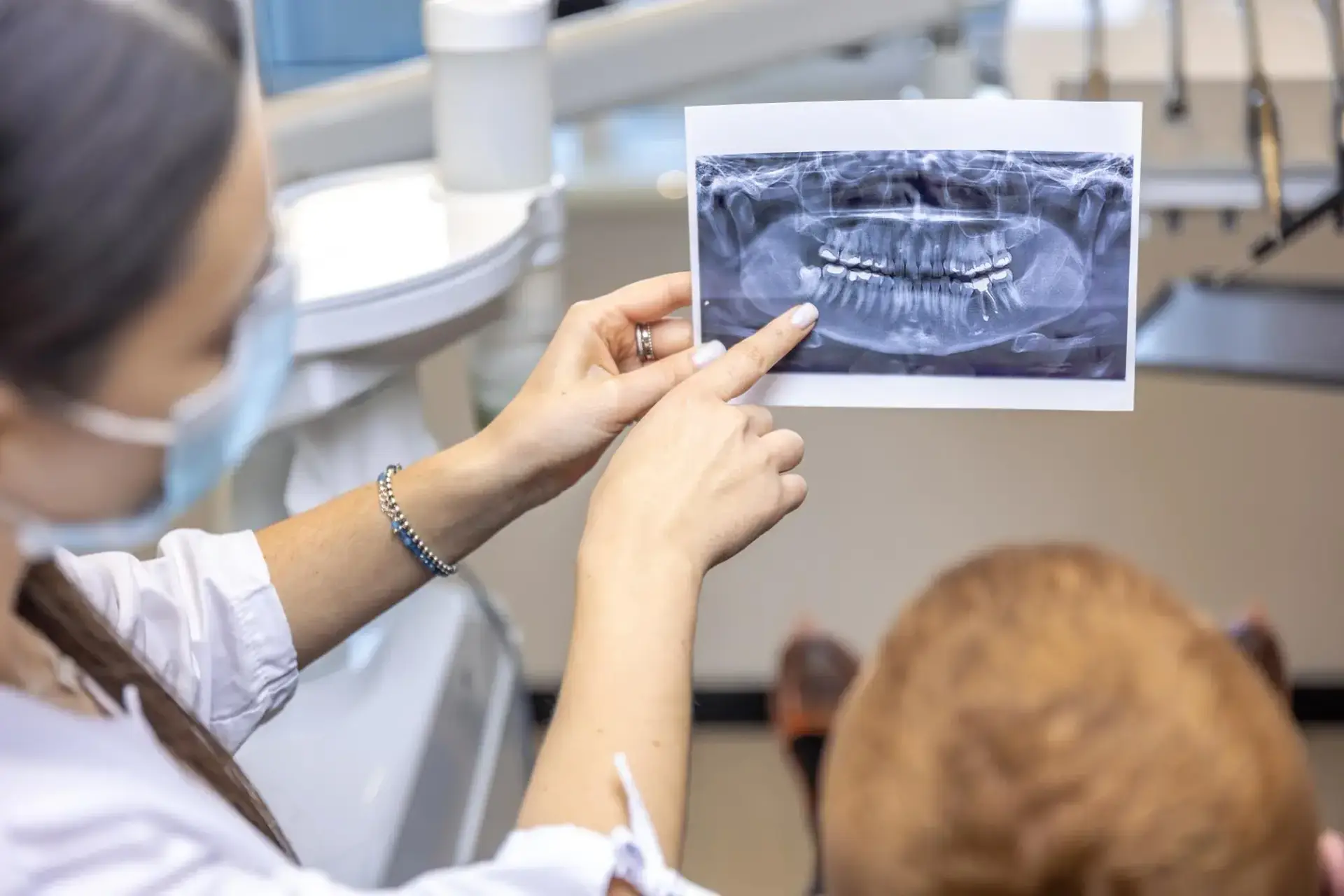
If you’ve been told you need a block bone graft before implants are possible, you already know how confusing and expensive this process can get in the US, UK, or Canada. Colombia has become a go-to destination for patients facing exactly this situation, and for good reason: skilled oral surgeons, modern clinics, and pricing that often runs at a fraction of what you’d pay at home.
A block bone graft isn’t a small procedure, but it’s also not as intimidating as it sounds once you understand what’s involved. It’s typically needed when there isn’t enough jaw bone width or height to support a dental implant, often after tooth loss, gum disease, or long-term denture wear. Colombian dental clinics that specialize in this kind of reconstructive dental work see international patients regularly, which means their teams are used to coordinating care for people traveling from abroad.
Bogotá and Medellín in particular have built strong reputations among dental tourists. Both cities have clinics equipped with the imaging technology and surgical experience needed for bone grafting, plus the kind of patient coordination that makes traveling for a procedure feel manageable rather than overwhelming. Many patients combine the graft with implant placement later, planning their trips around the healing timeline rather than rushing everything into one visit.
What draws people here isn’t just the lower price. It’s the combination of qualified specialists, shorter wait times than many public health systems back home, and a treatment experience that doesn’t feel like an assembly line. That said, this is reconstructive surgery, and the right decision starts with an honest look at your bone loss, your overall health, and what your timeline realistically allows.
Treatment Highlights
- Block bone grafting rebuilds areas of the jaw where bone has thinned or resorbed, creating a stable foundation for future implants
- Bone is typically taken from the patient’s own jaw (chin or back molar area) or sourced from donor/synthetic material depending on the case
- Ideal for patients with moderate to severe bone loss who still want fixed implants rather than removable dentures
- Colombia offers experienced oral and maxillofacial surgeons at costs significantly below US and UK pricing
- Healing before implant placement generally takes four to six months, sometimes longer depending on graft size
- Pricing sits in the mid-range compared to other dental tourism destinations — affordable without cutting corners on materials or technique
- Most patients plan a stay of five to ten days for the grafting procedure itself, with a return trip later for implants
- Recovery is manageable but does involve swelling, some discomfort, and dietary adjustments during the first two weeks
Overview: What a Block Bone Graft Actually Involves
A block bone graft is a surgical procedure that adds a solid piece of bone to an area of the jaw that’s lost width, height, or both. Unlike smaller particulate grafts, a block graft uses a shaped piece of bone secured with tiny screws, giving the area structure while it integrates with your existing jawbone over the following months.
This becomes necessary most often after teeth have been missing for a while. Bone tends to shrink in areas without tooth roots stimulating it, which is why someone who lost a molar five years ago might now be told there isn’t enough bone left for a standard implant. Gum disease and trauma can cause similar bone loss.
The surgery itself is performed under local anesthesia with sedation, or sometimes general anesthesia depending on the extent of grafting needed and patient preference. The surgeon exposes the jaw area, shapes and secures the bone block, and closes the site. If the bone is taken from your own body (autogenous graft), there’s a second small surgical site, usually in the chin or the back of the lower jaw, which adds its own healing requirement.
Patients consider doing this abroad mainly because of cost. In the US, block grafting alone can run into thousands of dollars before implants are even factored in, and that’s often not covered by insurance since it’s considered a precursor procedure. Colombia’s lower overhead and cost of living translate into real savings without necessarily compromising surgical skill, since many surgeons there trained internationally or maintain active continuing education in implant and grafting techniques.
Outcomes are generally good when the graft is performed correctly and healing goes as planned. Most patients go on to receive a successful implant once the grafted bone integrates. It’s worth being clear, though, that graft success isn’t universal — smoking, uncontrolled diabetes, and poor oral hygiene can all affect how well the bone takes, which is part of why a proper evaluation matters before committing to treatment.
How Much Does Block Bone Graft Cost in Colombia?
Block bone grafts in Colombia generally range from $800 to $2,500 USD, depending on the size and complexity of the graft, the type of bone material used, and whether sedation or general anesthesia is required. This is a starting estimate — your actual cost depends entirely on what your imaging and consultation reveal.
Several factors influence where you’ll land in that range. A small graft using your own bone from a nearby site costs less than a large reconstruction requiring donor bone or membrane support. Surgeon experience and clinic reputation also factor in, as does whether your case requires additional imaging like a 3D CT scan beforehand. Add-ons such as sinus lifts, performed alongside grafting in upper jaw cases, will increase the total.
Colombia offers value largely because of lower clinic overhead, lower cost of living for staff and specialists, and a currency exchange rate that stretches further for patients paying in USD, GBP, or EUR. This doesn’t mean lower quality — many clinics use the same bone graft materials and implant systems found in North American and European practices.
It’s important to understand that no reputable clinic should quote a final price without first reviewing your scans and medical history. Bone loss varies enormously from patient to patient, and an honest provider will want to see your specific situation before confirming cost.
Cost Comparison: Colombia vs. United States
| Procedure | Colombia (USD) | United States (USD) |
|---|---|---|
| Block bone graft (single site) | $800 – $1,500 | $2,500 – $4,500 |
| Block bone graft (extensive) | $1,500 – $2,500 | $4,500 – $7,000+ |
| Sinus lift (added separately) | $400 – $900 | $1,500 – $3,000 |
| CT scan/imaging | $80 – $150 | $300 – $600 |
Who Is a Good Candidate for Block Bone Graft?
Good candidates typically include:
- Patients with confirmed bone loss in the jaw who want implants rather than dentures or bridges
- People who’ve had teeth missing for an extended period and have noticeable ridge thinning
- Patients in generally good health with no uncontrolled chronic conditions affecting healing
- Non-smokers, or those willing to pause smoking during the healing period
- Patients who understand and accept the longer treatment timeline grafting requires before implants
This procedure may not be suitable for:
- Patients with uncontrolled diabetes or autoimmune conditions affecting bone healing
- Heavy smokers unwilling to reduce or quit during recovery
- Patients with active gum disease that hasn’t been treated first
- Anyone unable to commit to the follow-up visit needed several months later
A proper candidacy decision can only be made after imaging and a full medical history review. What looks straightforward on the surface sometimes turns out to need a different approach once a surgeon sees the actual bone structure.
The Patient Journey: Step by Step
Initial inquiry and consultation — You reach out describing your situation, ideally with any existing dental records or recent X-rays. A care coordinator or the clinic team gathers your basic information and treatment goals.
Medical file or photo submission — You’ll be asked to send recent dental X-rays or a panoramic scan if you have one. If not, this gets arranged once you arrive, before any treatment planning begins.
Doctor evaluation — The oral surgeon reviews your case remotely where possible, or flags that an in-person 3D scan will be needed first. This step determines whether you’re a straightforward candidate or need additional imaging.
Treatment plan approval — Once the surgeon has enough information, you’ll receive a proposed plan outlining the graft type, estimated cost, and timeline. This is your chance to ask questions before committing.
Travel planning — With dates confirmed, you arrange flights and accommodation. Many patients build in a few extra buffer days in case the clinic wants additional pre-op imaging.
Arrival and in-person consultation — On arrival, you’ll meet your surgeon, undergo a CT scan if not already done, and finalize the exact surgical approach based on your actual bone condition.
Procedure day — The graft is performed, typically as a same-day outpatient procedure under local anesthesia with sedation. You’ll have someone accompany you back to where you’re staying, as driving afterward isn’t advised.
Recovery phase — The first few days involve rest, swelling management, and a soft food diet. Most clinics schedule a check-in within the first week to confirm healing is on track before you fly home.
Follow-up care — Sutures, if non-dissolvable, are typically removed before departure or coordinated with a local dentist back home. The clinic provides instructions for ongoing care during the months-long healing window.
Return home and remote support — You’ll stay in contact with the clinic as the graft integrates, often through photo check-ins or video calls, until you return for implant placement once healing is complete.
Why Colombia for Dental Bone Grafting
Colombia has built a solid international reputation for dental work, and bone grafting specifically benefits from the country’s strong base of oral and maxillofacial training programs. Surgeons performing this work often have specialized education beyond general dentistry, which matters for a procedure this technical.
International patients are common enough in cities like Medellín and Bogotá that clinics have systems in place for translation, airport coordination, and accommodation recommendations. This isn’t a guessing game for the clinic staff — they handle patients from the US, Canada, and Europe regularly.
The cost-to-quality ratio is the clearest advantage. You’re not paying less because materials or training are inferior; you’re paying less because the overall cost structure of running a clinic in Colombia is different from running one in Miami or London. Flights from major US hubs are direct and relatively short, often under six hours, which makes the travel portion far less draining than flying to other popular dental tourism destinations.
Recovery environments matter too. Many patients choose to recover in a quiet apartment or boutique hotel rather than a hospital setting, with mild climates in cities like Medellín making outdoor walks and fresh air part of a comfortable healing process.
What’s Included
- Initial consultation with the oral surgeon
- Diagnostic imaging (CT scan/panoramic X-ray) as part of treatment planning
- The bone grafting procedure itself, including materials and surgical fees
- Sedation or anesthesia as required for the procedure
- Immediate post-operative check-up before departure
- Coordination support throughout your visit
What’s Not Included
- International flights
- Accommodation, unless specifically bundled by the clinic
- Additional dental work unrelated to the graft (cleanings, fillings, extractions)
- Implant placement itself, which happens in a separate later procedure
- Companion travel and lodging costs
- Extended stay costs if healing requires more time than initially planned
Recovery and Aftercare
The first 48 to 72 hours after a block bone graft are the most uncomfortable, with swelling typically peaking around day two or three before gradually improving. Mild to moderate pain is normal and managed with prescribed medication. Bruising on the cheek or jawline isn’t unusual, especially if bone was taken from the chin area.
Most patients return to light daily activity within a week, though strenuous exercise should wait two to three weeks to avoid disrupting healing. A soft food diet is necessary for the first one to two weeks, slowly transitioning back to normal eating as comfort allows.
The real healing process happens beneath the surface over the following months. Bone integration generally takes four to six months, sometimes up to eight for larger grafts, before the area is ready for implant placement. During this window, patients typically feel completely normal day to day but need to avoid pressure on the grafted site and attend any scheduled remote check-ins.
Long-term success is usually clear by the time of the follow-up CT scan before implant placement, which confirms whether the graft has properly integrated. If it has, implant placement proceeds as planned. If healing is incomplete, additional time or, in rare cases, a second grafting attempt may be recommended.
Risks and Considerations
Like any surgical procedure, block bone grafting carries some risk, including infection, graft failure, nerve sensitivity changes, or incomplete bone integration. These risks are relatively low when the procedure is performed by an experienced surgeon and aftercare instructions are followed carefully, but they’re not zero, and no honest provider will claim otherwise.
Choosing a qualified, experienced oral surgeon matters more in this procedure than almost any other dental treatment, since the technique and material selection directly affect whether the graft will hold. Asking about a surgeon’s specific experience with block grafts, not just implants generally, is a reasonable and important question.
Aftercare compliance plays a real role in outcomes too. Smoking, poor oral hygiene, or skipping follow-up imaging can all reduce the chances of successful integration. Patients who follow the recovery plan closely tend to see the most predictable results.
Ultimately, this is a decision that should be made with full information rather than urgency. A proper evaluation, clear communication about your specific bone condition, and realistic expectations about timeline all contribute to a better outcome than rushing into treatment based on price alone.
Frequently Asked Questions
What is the cost range of block bone graft in Colombia?
Block bone grafts in Colombia generally range from $800 to $2,500 USD depending on graft size, complexity, and materials used. Final pricing is confirmed after imaging and a consultation with the surgeon.
How long do I need to stay in Colombia for this procedure?
Most patients plan for five to ten days to allow for the consultation, the procedure itself, and a follow-up check before flying home. Implant placement happens on a separate trip later, once the graft has healed.
Is block bone grafting safe?
Yes, when performed by an experienced oral surgeon, block bone grafting is a well-established procedure with predictable outcomes. As with any surgery, there are risks, which your surgeon will review with you beforehand.
How long does recovery take?
Initial recovery, meaning reduced swelling and return to normal activity, takes about one to two weeks. Full bone integration before implants can be placed typically takes four to six months.
When will I see final results?
You won’t see a visible “result” right away, since this is a foundational procedure. The real outcome becomes clear once implants are placed successfully on the healed graft, usually several months later.
Is travel for this procedure complicated?
Not particularly. Flights from major US cities to Bogotá or Medellín are often direct and under six hours, and clinics experienced with international patients typically assist with scheduling and logistics.
Am I a good candidate for a block bone graft?
You’re likely a good candidate if you have confirmed jaw bone loss and want implants rather than removable options, and you’re in reasonably good health. A scan and consultation will confirm this with certainty.
Is the procedure painful?
There’s some discomfort during the first few days, similar to what you’d expect after dental surgery, managed with prescribed pain medication. Most patients describe it as manageable rather than severe.
How long do the results last?
Once a graft has successfully integrated and an implant is placed, results are generally long-lasting, often for many years, provided good oral hygiene and regular dental care continue.
What follow-up care is needed after I return home?
You’ll typically have remote check-ins with your clinic through photos or video calls to monitor healing, and you’ll return for an in-person follow-up before implant placement once the graft has fully integrated.
Ready to Take the Next Step?
If bone loss has been standing between you and a permanent, fixed solution, getting clear answers starts with a proper evaluation, not guesswork. Every case is different, and the right plan depends on your specific bone structure, health history, and goals.
A consultation costs you nothing but a conversation, and it’s the only way to get an accurate picture of timeline, cost, and what your treatment would actually involve. From there, planning your trip becomes straightforward, with support at every stage from initial scans through recovery and beyond. Reach out, share your situation, and let’s figure out what the right path looks like for you.
Featured Dentistry Procedures in Colombia
Procedures discussed in this article, available across Colombia.
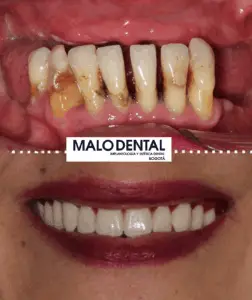
Ceramic Bridge in Bogota, Colombia by Malo Dental
A Seamless Smile Makeover at Bogotá’s VIP Destination for Fixed Tooth Replacement. Ceramic bridges at Malo Dental…

Root Canal Treatment in Bogota, Colombia by Malo Dental
Elite Endodontic Care in Bogotá’s Most Prestigious Dental Clinic. Malo Dental Bogotá offers state-of-the-art root…
Maxillofacial Surgery in Cali
Dental implant procedures in Cali, Colombia, deliver lasting solutions for missing teeth, combining expert care…
Dental Crown in Bogota, Colombia by Malo Dental
Crafted by the world leaders in implantology and restorative dentistry. Malo Dental Bogotá provides world-class…
All on Four in Bogota, Colombia by Dr. Paulo Malo
A Confident Smile—Delivered in One Life‑Changing Visit. Transform your smile in just one morning with MALO…
Dental Veneers in Bogota, Colombia by Malo Dental
Natural-Looking Veneers in a World-Class Setting. Dental veneers at Malo Dental Bogotá offer a stunning, minimally…
Recommended Dentistry Clinics in Colombia
Trusted clinics specializing in Dentistry across Colombia.
Malo Dental Clinic
Malo Dental Clinic. A high-complexity center for advanced oral rehabilitation in Colombia. Malo Dental Clinic is…
Explore Tours in Colombia
Discover the best places to visit in Colombia and explore its rich culture, breathtaking landscapes, iconic attractions, and unforgettable travel experiences.

Colombia: Medellin: City Tour
Travelers enjoy hotel pick-up and drop-off, ensuring a seamless experience from start to finish. Certified…

Colombia: Cartagena: Aviary Tour
Explore the National Aviary of Cartagena, a breathtaking sanctuary where exotic bird species thrive in a natural…

Colombia: Cartagena: Totumo Mud Volcano Tour
Experience the unique sensation of floating in the mineral-rich waters of Totumo Mud Volcano, known for its…
Colombia: Cali: River Waterfall Tour
Experience the Colombian countryside like never before on an exciting ATV adventure. Navigate through scenic…

Colombia: Cali: Salsa Tour
Discover why Cali is known as the world’s Salsa capital on this immersive tour into its vibrant music and dance…

Colombia: Cartagena: Sunset Cruise
Experience a sunset cruise along Cartagena’s stunning bay, where breathtaking views of the city skyline meet the…
More Dentistry Articles About Colombia
Keep reading about Dentistry care and travel in Colombia.
Cheapest Countries for Dental Work in the World
Dental treatment can be expensive, especially in the U.S., Canada, and much of Western Europe. For many, dental…
Cost of Full Mouth Dental Implants in Colombia
Dental implants have become a popular choice for individuals seeking to replace missing or damaged teeth. Among…

Dental Implants in Colombia Cost & Clinics
Dental implants have become a popular solution for people looking to replace missing teeth and restore their…

MyMediTour Accelerates Expansion in Mexico and Colombia with Fifteen New Healthcare Partnerships Across Major Medical Tourism Hotspots
MyMediTour, a fast-growing global medical tourism platform connecting international patients with accredited…
Cheapest Countries for Dental Implants in the World
Dental implants are a long-term solution for missing teeth, but in countries like the U.S., UK, or Canada, they…
Cheapest Countries for Dental Tourism in the World
Dental tourism has become one of the fastest-growing areas of global healthcare travel. Rising dental costs in…

Leave a Comment
Share your thoughts on this article, or ask us a question -- we'd love to hear from you.