






Comprehensive Orthopedic Trauma Care for Accurate Alignment, Stable Healing & Functional Recovery
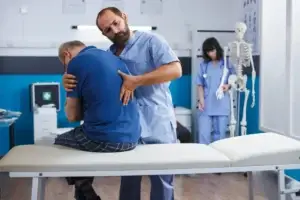
Simple and Complex Fracture Management by Dr. Aria Morovati provides personalized care for broken bones from trauma, sports injuries, or accidents. Dr. Morovati evaluates each fracture to determine whether conservative treatment or surgical fixation is needed. Treatment focuses on proper alignment, stability, joint protection, and rehabilitation, with plans based on fracture type, displacement, joint involvement, and patient health. Complex fractures may require surgical realignment and fixation to restore anatomy and support safe recovery, aiming to regain mobility, strength, and function.
🩺 What Is Simple and Complex Fracture Management?
Fracture management is the diagnosis and treatment of broken or cracked bones, ranging from stable injuries to complex fractures with displacement, instability, or joint involvement.
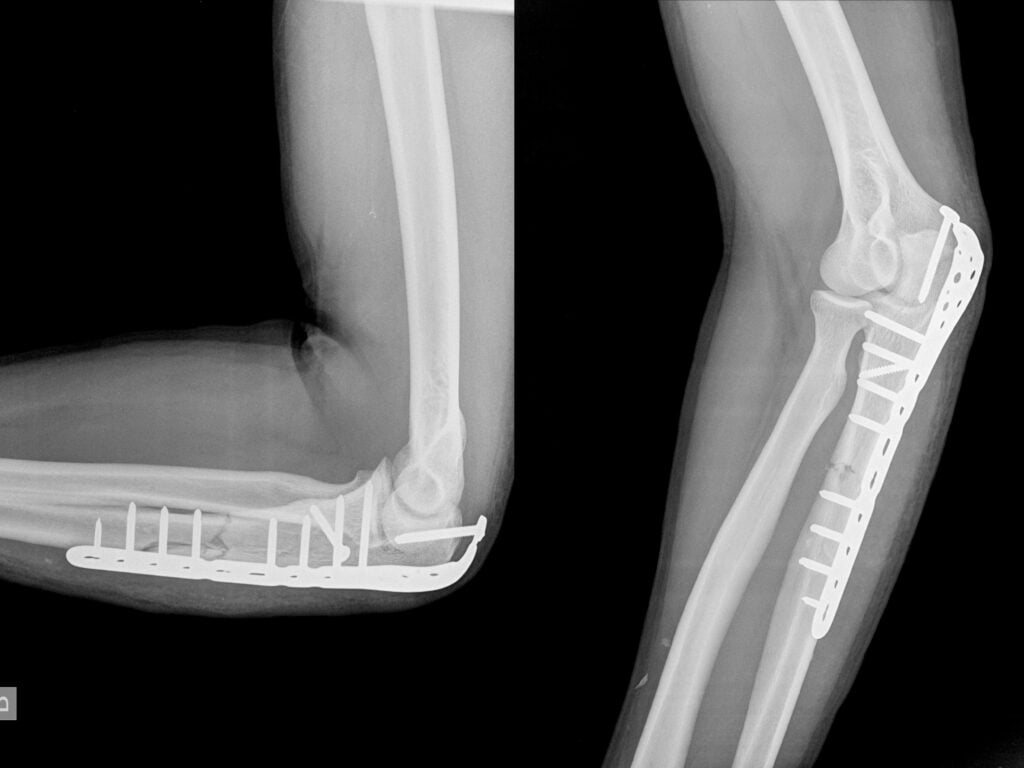
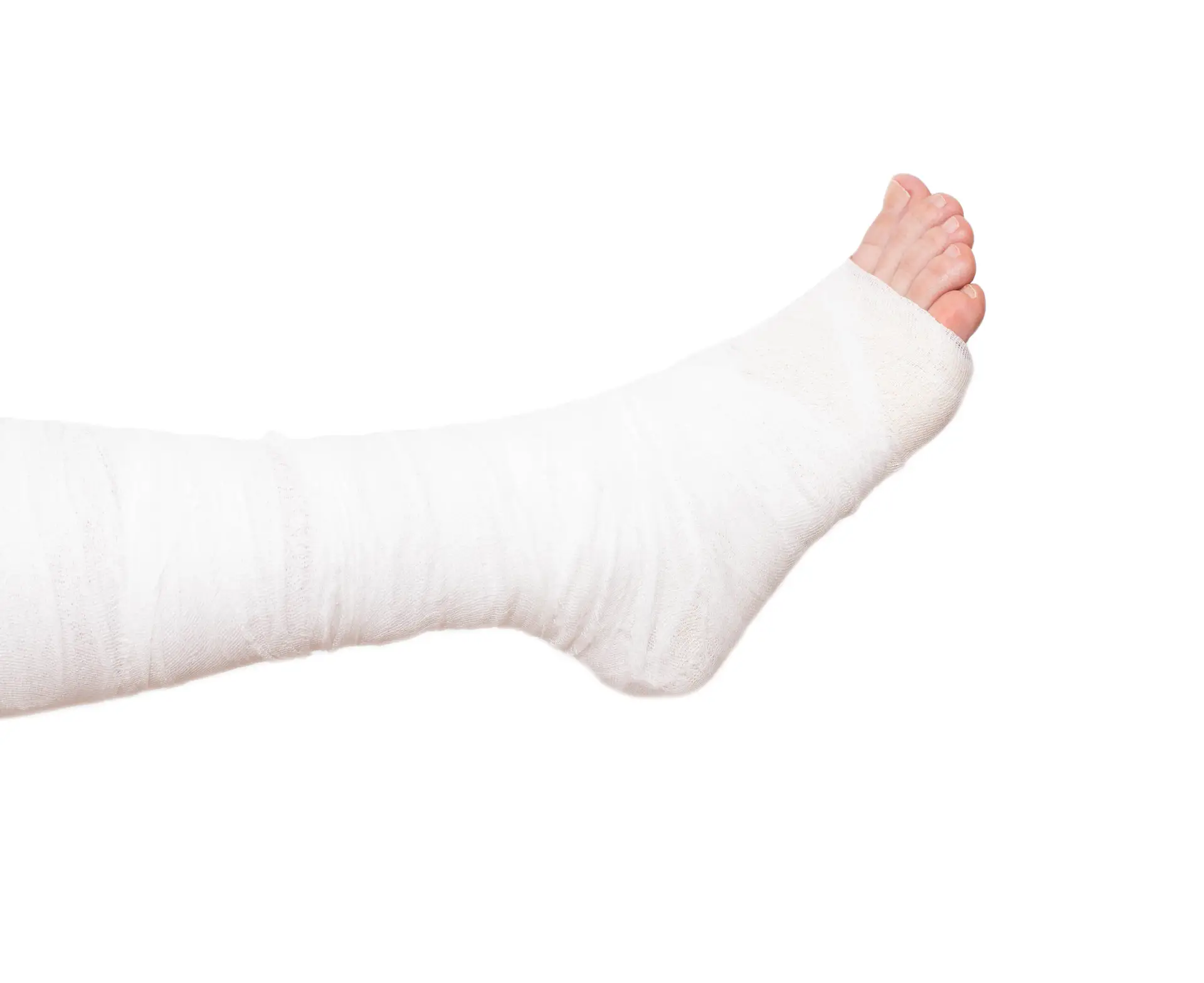
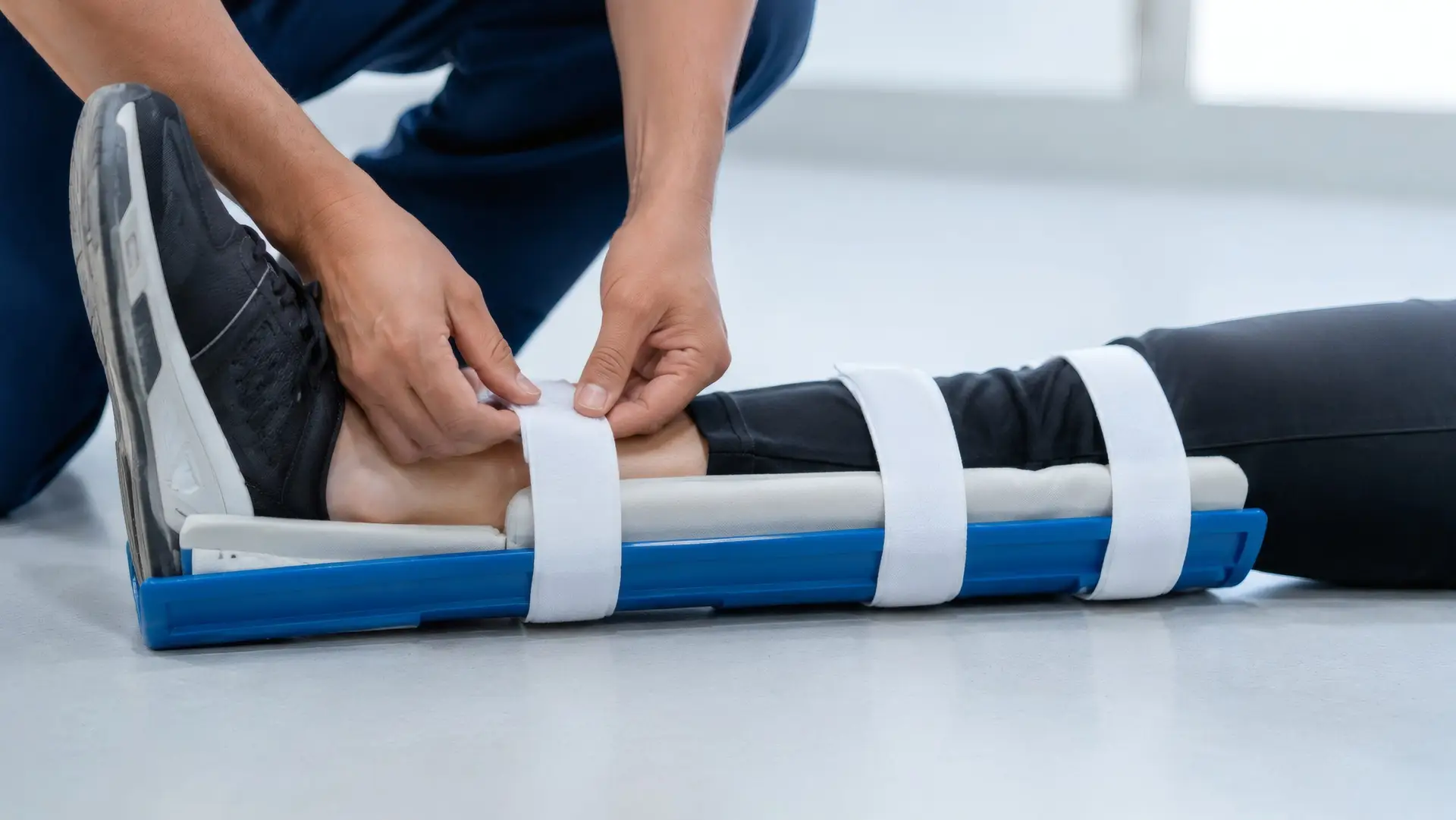
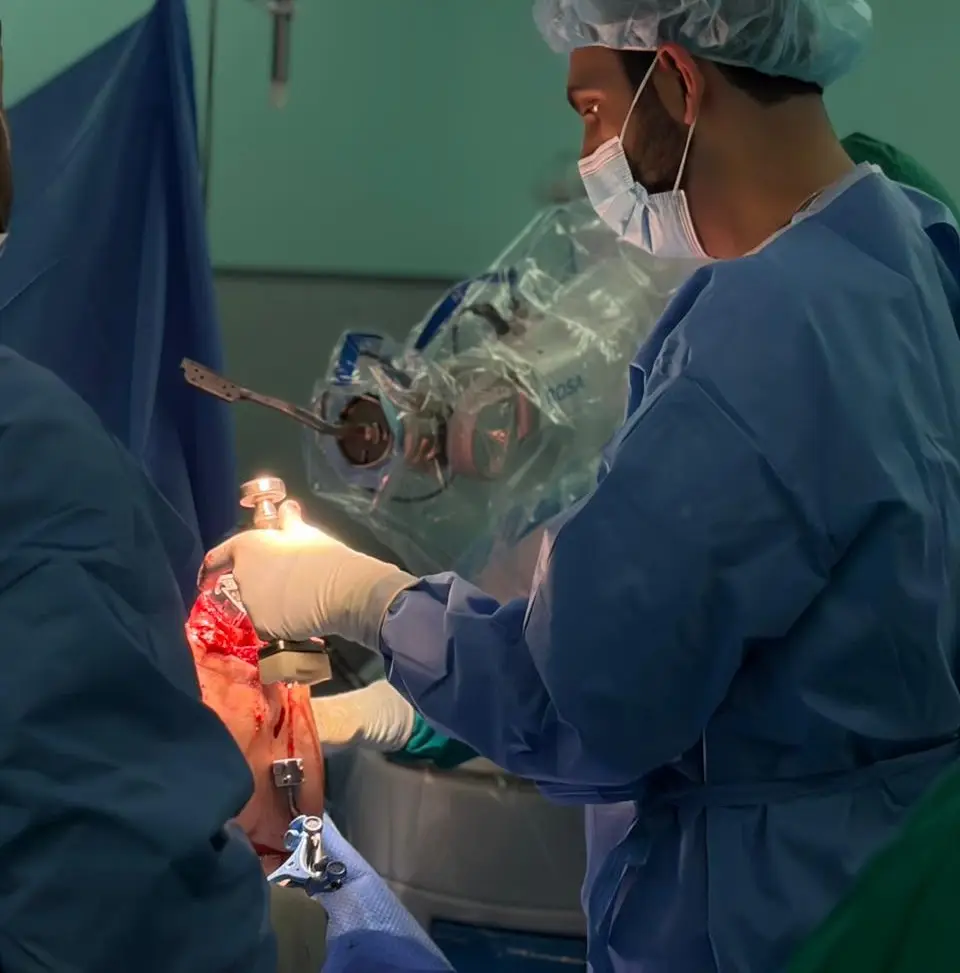
Care is always individualized based on the specific injury. Simple fractures may be treated without surgery using splints, casts, braces, and controlled activity, with follow-up imaging to ensure proper healing. Complex fractures may require surgery, including open reduction and internal fixation or minimally invasive techniques using plates and screws to restore alignment and stability. Treatment covers fractures of the shoulder, arm, elbow, wrist, hand, hip, femur, knee, tibia, ankle, and foot, as well as pelvic, acetabular, and high-energy trauma injuries. The goal is to restore anatomy, alignment, and joint function. Rehabilitation is essential after stabilization to recover movement, strength, and function, with progression tailored to each patient’s injury and healing process.
🩺 Types of Simple and Complex Fracture Management
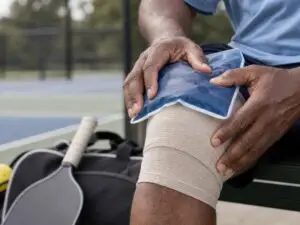
- Conservative Fracture Management – Stable or appropriately aligned fractures may be treated without surgery using splints, casts, braces, activity restrictions, and scheduled orthopedic follow-up.
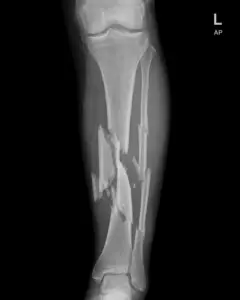
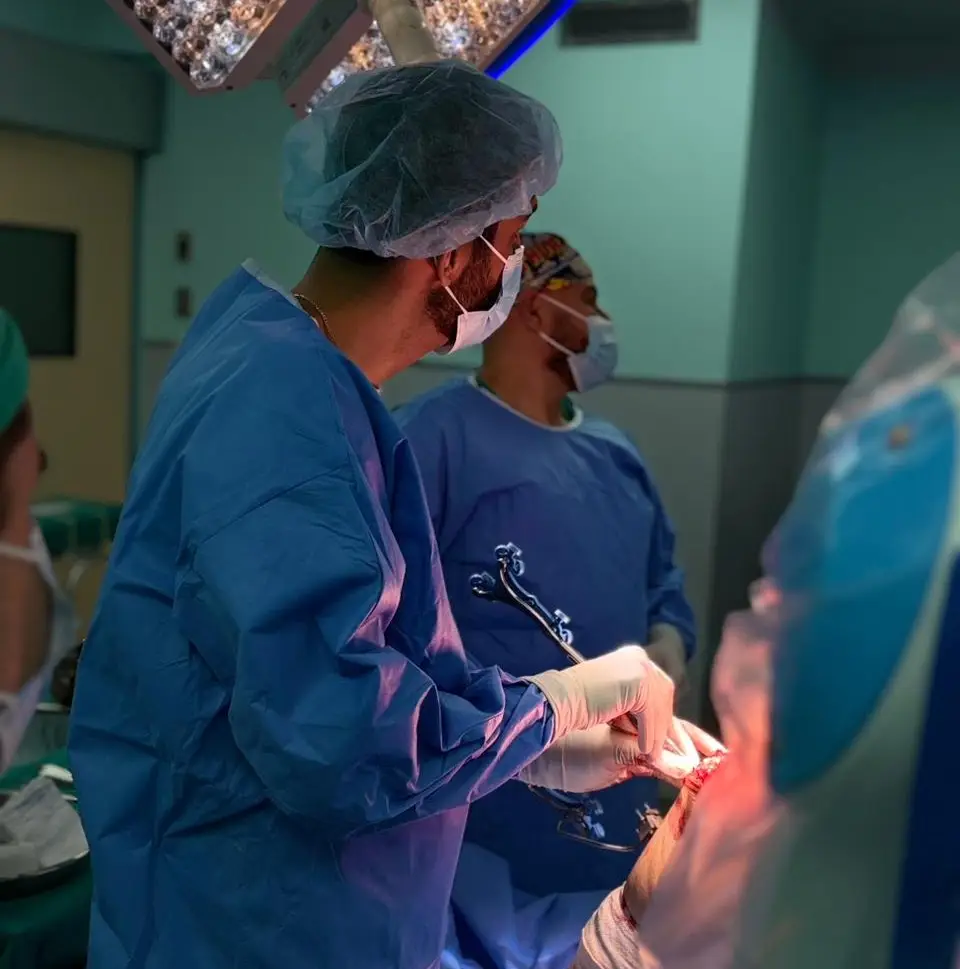
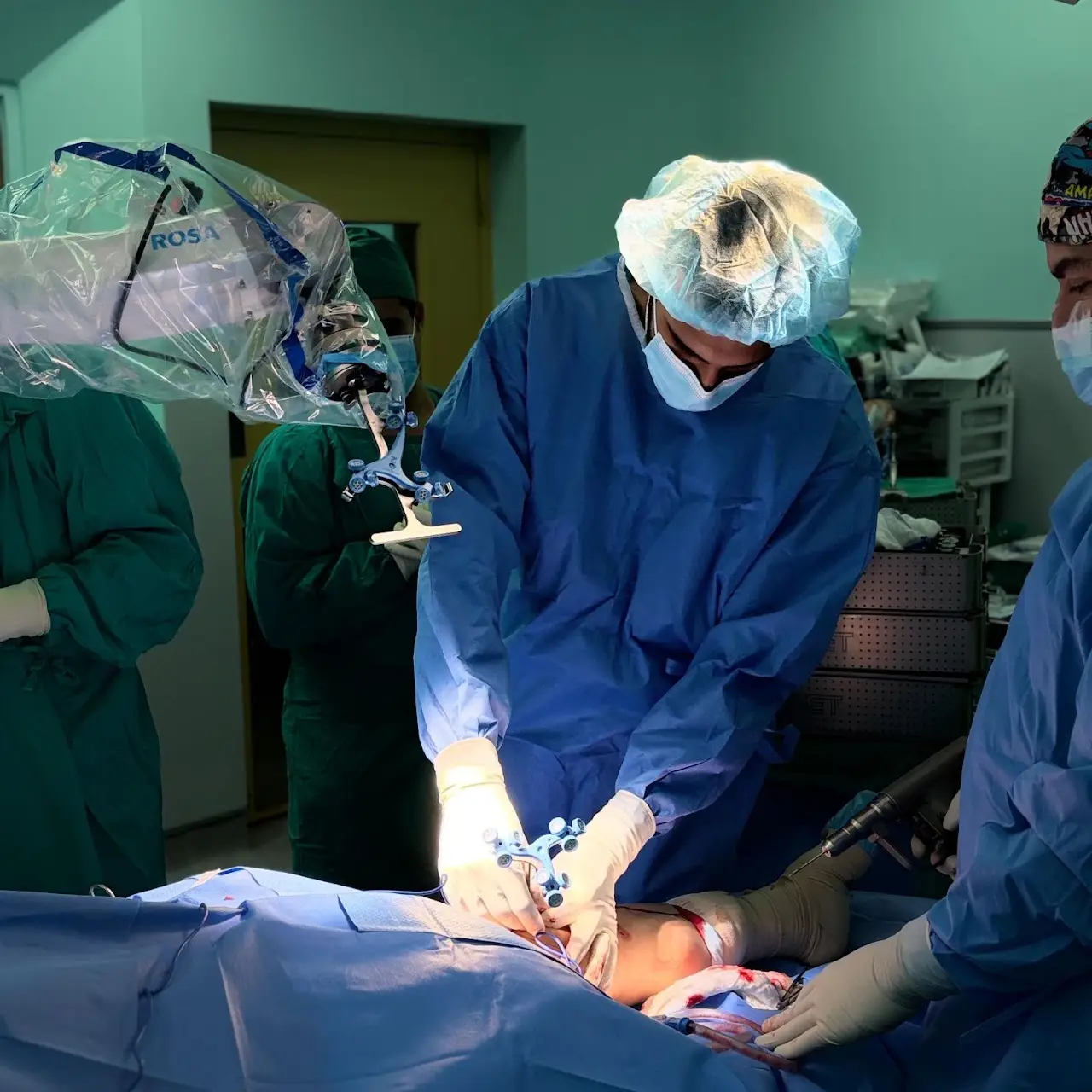
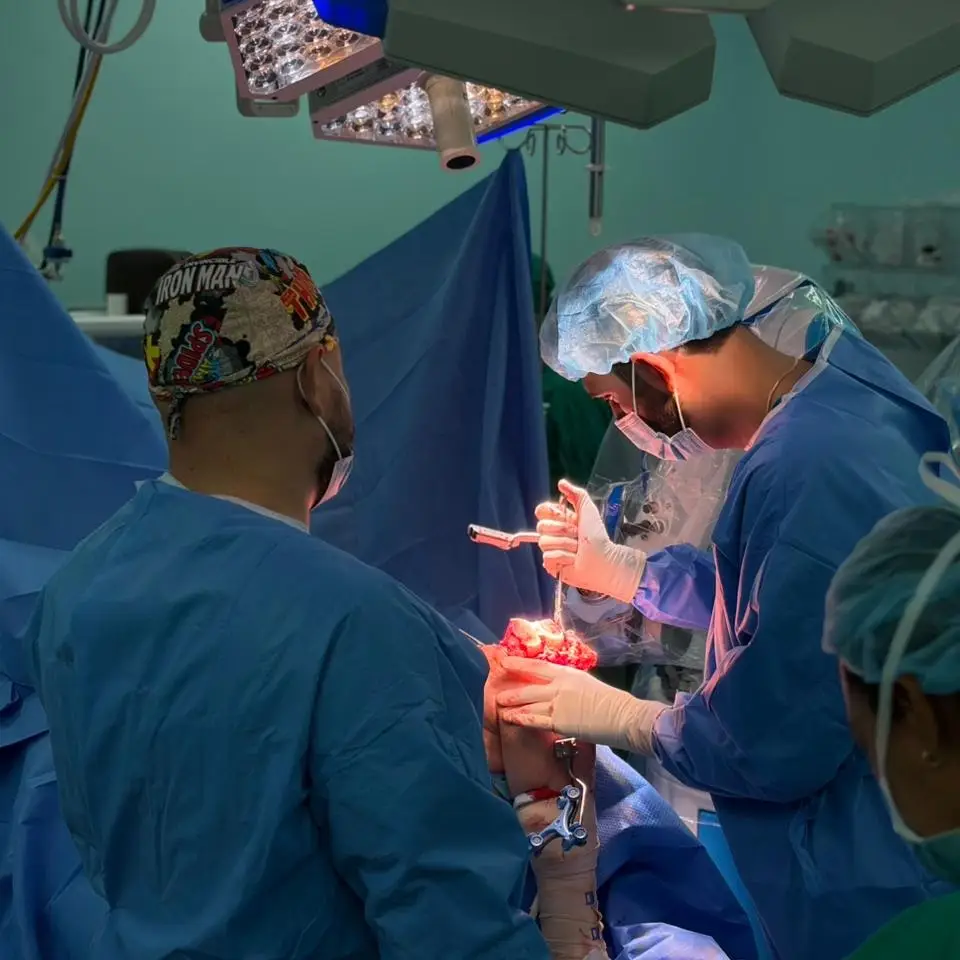
- Open Reduction and Internal Fixation – In selected displaced or unstable fractures, the bone fragments are surgically returned to appropriate alignment and stabilized internally. Plates and screws are among the fixation methods that may be considered according to the fracture pattern.
- Upper Extremity Fracture Management – Treatment may address fractures involving the shoulder region, humerus, elbow, wrist, distal radius, hand, and other bones of the upper limb.
- Lower Extremity Fracture Management – Management may involve fractures of the hip, femoral neck, femur, knee region, tibia, ankle, foot, and other structures of the lower limb.
- Intra-Articular Fracture Management – Fractures that extend into a joint require particular attention to restoration of the joint surface and alignment because irregular joint anatomy may affect movement and future joint function.
🩺 Who Is a Good Candidate?
Simple and Complex Fracture Management is appropriate for patients with confirmed or suspected fractures who need orthopedic evaluation to determine the safest treatment based on injury characteristics, stability, alignment, joint involvement, soft-tissue condition, and individual health and functional needs.
✔️ Individuals with stable fractures that may be suitable for conservative treatment
✔️ Patients with displaced fractures requiring assessment for realignment and stabilization
✔️ Individuals with unstable fractures that cannot remain properly aligned in a cast or splint
✔️ Patients with fractures extending into the surface of a joint
✔️ Individuals with hip, femur, knee, tibia, ankle, or foot fractures
📝 Consultation & Preparation
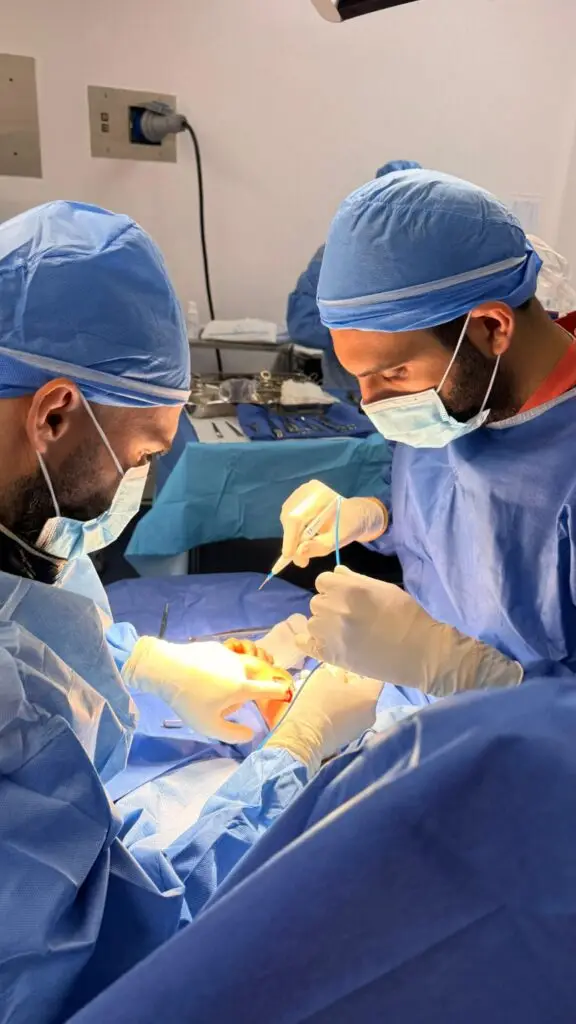
The consultation for fracture management focuses on identifying the exact injury and determining whether conservative treatment or surgery is most appropriate. Because some fractures require urgent care, preparation depends on the severity of the injury and the patient’s condition.
✔️ Detailed review of how and when the injury occurred
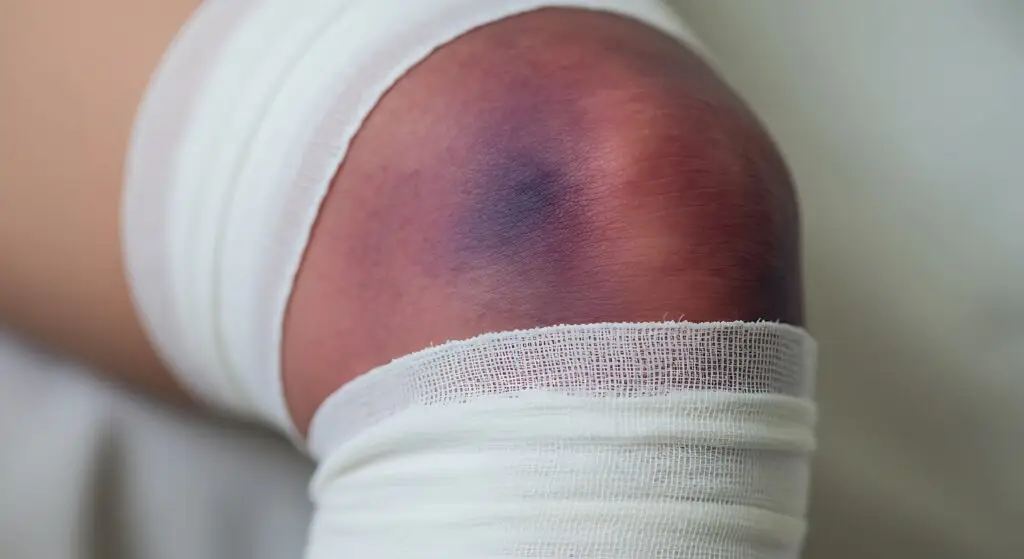
✔️ Assessment of pain, swelling, deformity, movement, and functional limitation
✔️ Physical examination of the injured bone and surrounding joints
✔️ Review of available X-rays and other imaging studies
✔️ Additional imaging when clinically required to understand a complex fracture pattern
✔️ Evaluation of fracture alignment, displacement, stability, and joint involvement
✔️ Assessment of the surrounding skin, soft tissues, circulation, and nerve function when relevant
✔️ Review of medical conditions, previous surgeries, medications, allergies, and general health
✔️ Discussion of conservative treatment versus surgical fixation when both options are clinically possible
🩺 Recovery & Aftercare
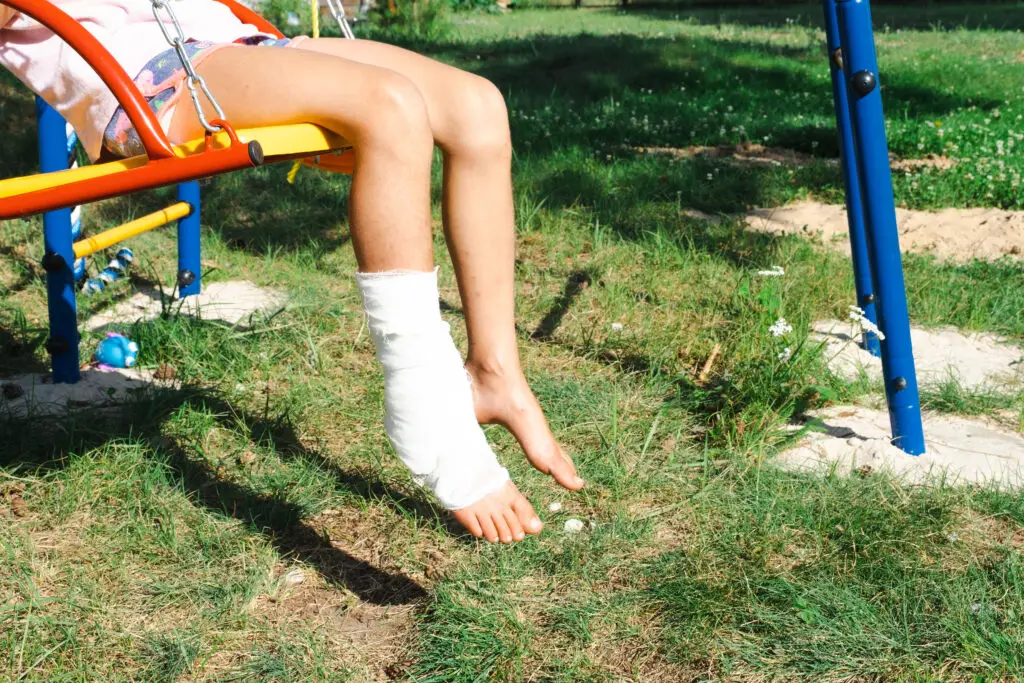
Recovery after fracture treatment varies depending on the bone, injury complexity, treatment type, and patient factors, with early protection and symptom control followed by progressive rehabilitation to restore function and guided return to normal activities as determined by the treating surgeon.
✔️ Keep the fracture protected with the prescribed cast, splint, brace, or fixation strategy
✔️ Follow medication and pain-control instructions exactly as prescribed
✔️ Elevate the injured limb when recommended to help manage swelling
✔️ Maintain cast, splint, incision, or wound care according to medical instructions
✔️ Avoid placing weight through the injured limb until specifically permitted
✔️ Use crutches, a walker, sling, or other mobility support when prescribed
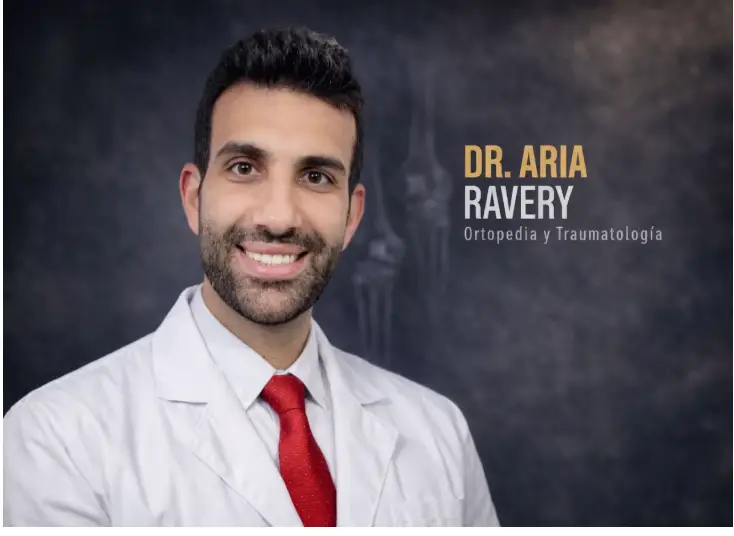
🌍 Why Choose Dr. Aria Ravery for Fracture Management?
Dr. Aria Alexander Ravery Morovati is an orthopedic surgeon and traumatologist in San José, Costa Rica specializing in conservative and surgical fracture care, complex trauma management, and functional recovery-focused treatment using modern fixation techniques.
✔️ Orthopedic and traumatology expertise for fracture evaluation
✔️ Management of both simple and complex orthopedic fractures
✔️ Conservative and surgical treatment options based on fracture characteristics
✔️ Experience with upper and lower extremity fracture care
✔️ Management of fractures involving important joint surfaces
✔️ Evaluation of complex pelvic and acetabular injuries
✔️ Surgical fixation using plates, screws, and other appropriate fixation systems when indicated