











Advanced EPSIT Treatment for Pilonidal Cysts, Recurrent Disease & Improved Daily Comfort
Pilonidal Cyst Surgery in Brazil by Dr. Kaiser Jr. offers patients access to specialized treatment for pilonidal disease, including the minimally invasive EPSIT technique. Dr. Roberto Luiz Kaiser Júnior is a general surgeon and proctologist who focuses extensively on pilonidal cyst treatment.
For suitable patients, EPSIT can provide an alternative to traditional open pilonidal cyst surgery. The technique allows the surgeon to inspect and treat the sinus tract through a very small access point rather than creating a large external wound. Treatment choice still depends on the extent of the disease, whether an abscess or active infection is present, previous surgery, the number of sinus tracts, and the patient’s overall health.
🩺 What Is Pilonidal Cyst Surgery?
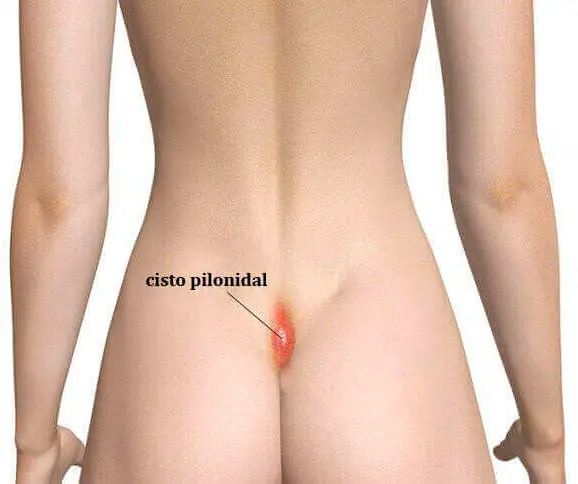
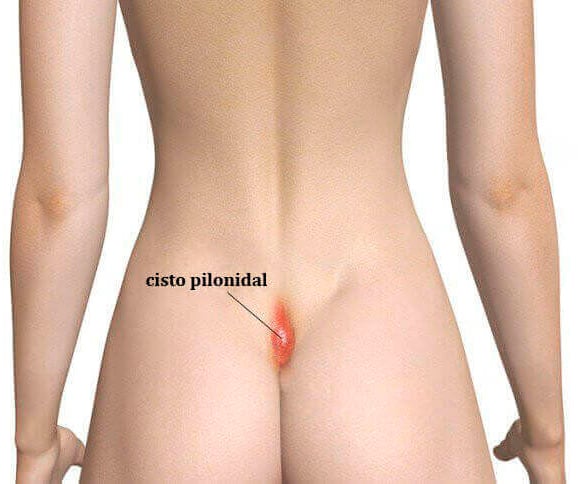
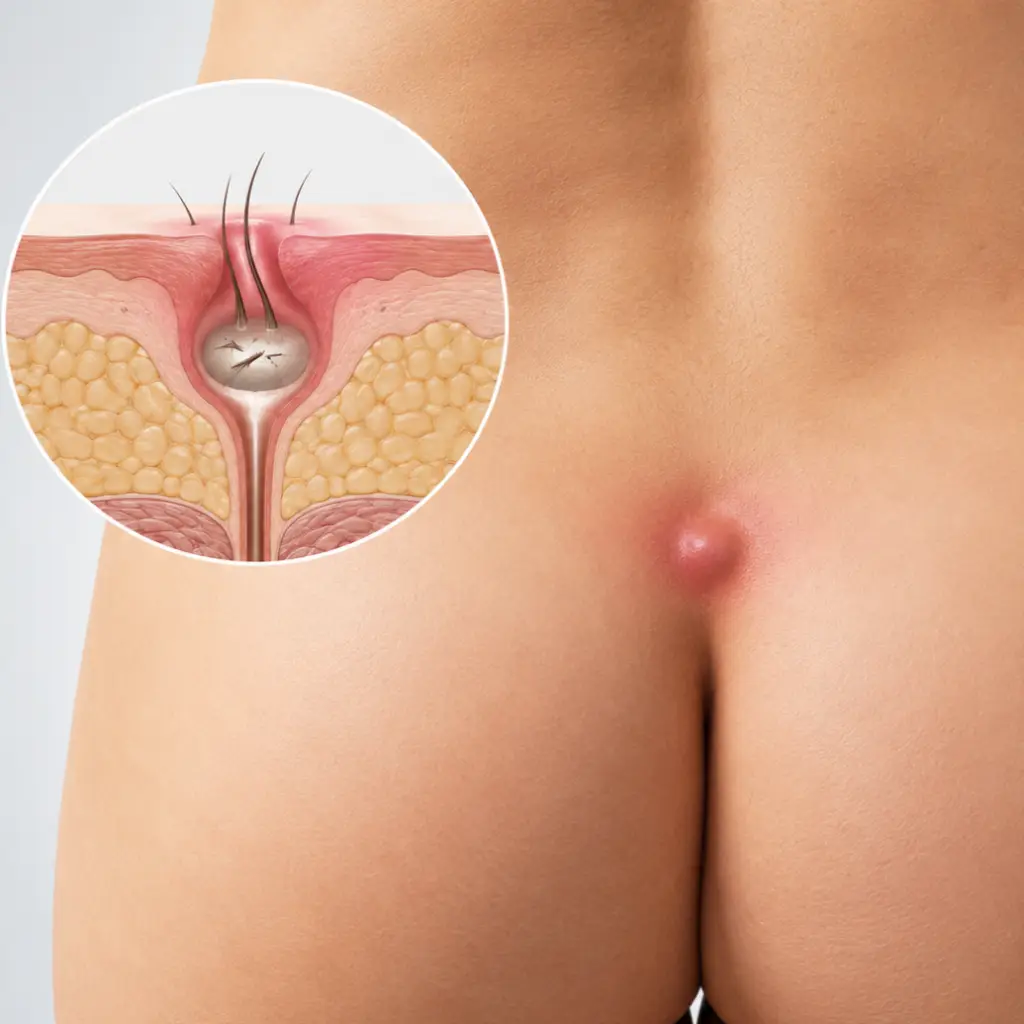
Pilonidal Cyst Surgery is a group of procedures used to treat pilonidal disease affecting the skin and tissue near the tailbone. Pilonidal disease can appear as small openings in the skin, a chronic draining sinus, an inflamed cyst, or an acute abscess. Hair and debris can become embedded within the cleft, contributing to inflammation and the development of sinus tracts beneath the skin.
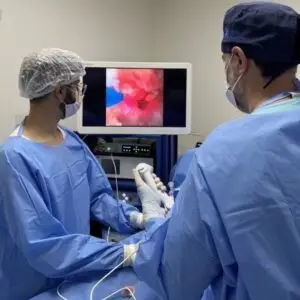
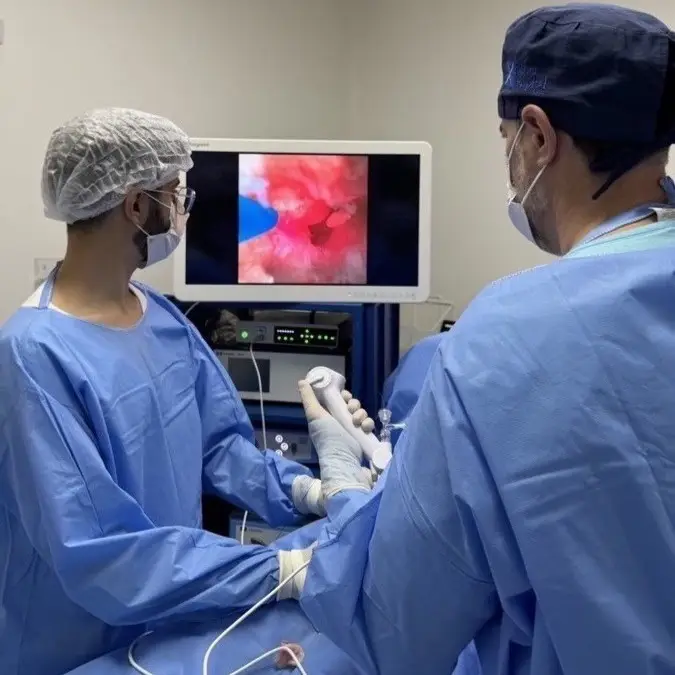
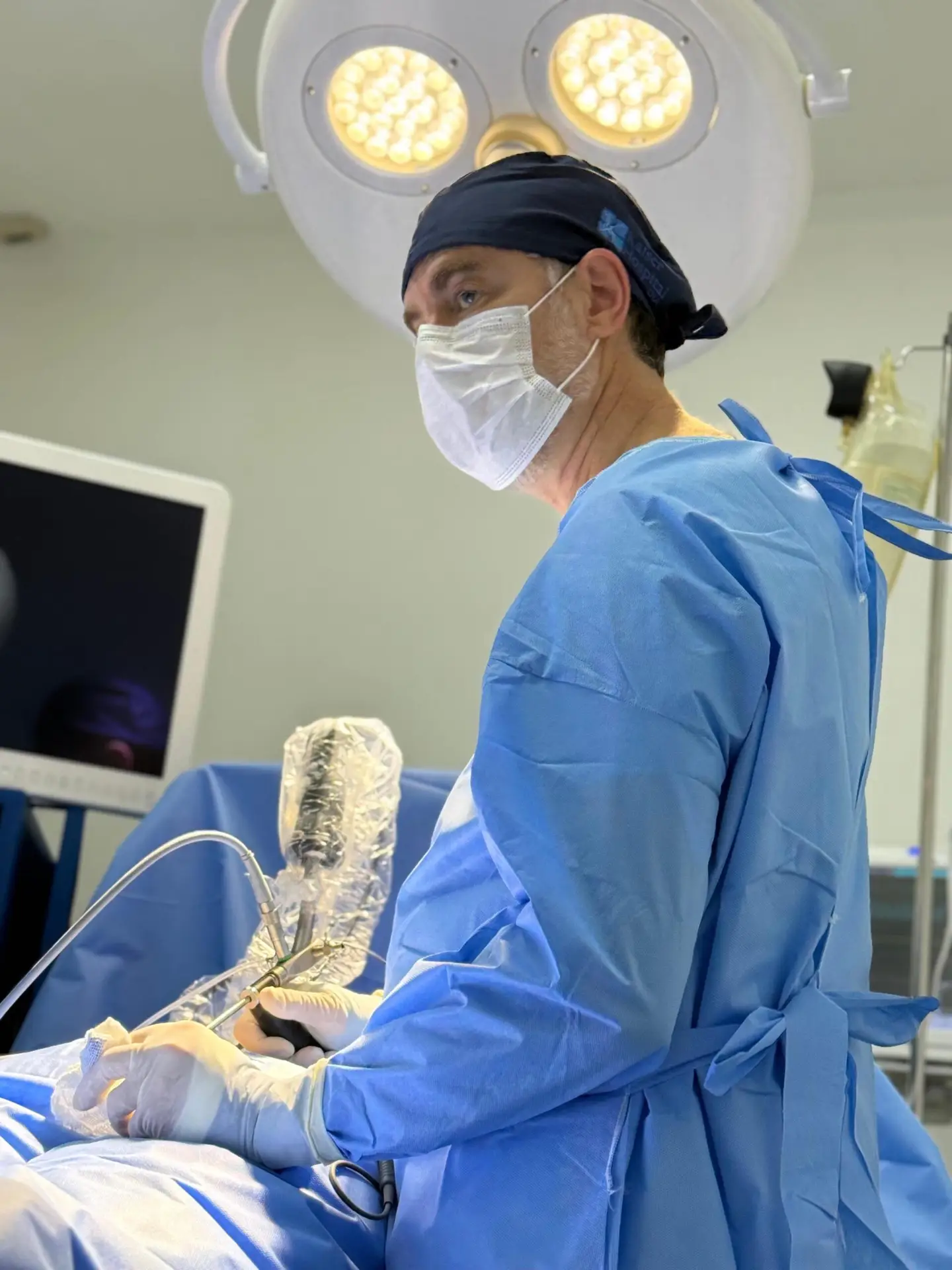
Surgical treatment aims to control infection when present and address the abnormal sinus or tract responsible for recurring symptoms. The best option depends on whether the disease is acute, chronic, recurrent, simple, or associated with multiple branches beneath the skin. A major focus of Pilonidal Cyst Surgery with Dr. Kaiser Jr. is EPSIT, or Endoscopic Pilonidal Sinus Treatment. During EPSIT, a small endoscopic instrument is introduced through an existing sinus opening. This allows direct visualization of the internal tract. Hair, debris, inflamed tissue, and the internal lining of the sinus can then be treated under camera guidance. Treatment should always be selected according to the anatomy and severity of the disease rather than assuming that one surgical technique is appropriate for every patient.
🩺 Types of Pilonidal Cyst Surgery
- Incision and Drainage – Commonly used when a pilonidal cyst develops into an acute painful abscess. A small incision allows infected material to drain and relieves pressure. Further treatment may be considered after the acute inflammation has settled if chronic pilonidal disease remains.
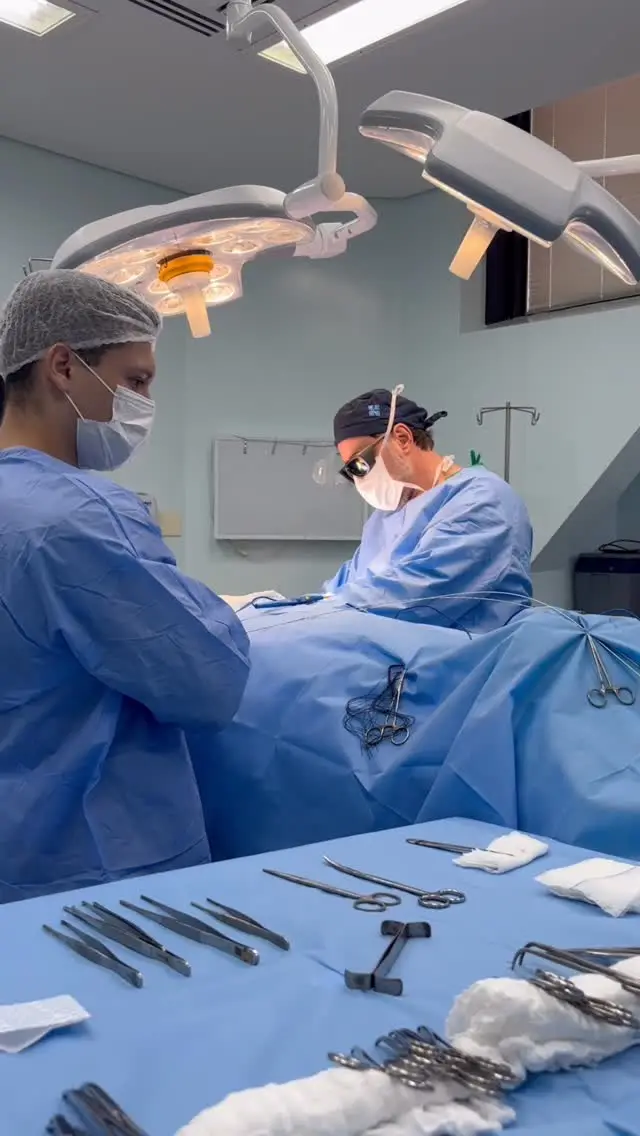
- Excision with Open Healing – The affected sinus and surrounding tissue are surgically removed, and the wound is allowed to heal gradually rather than being immediately closed. This technique may require regular wound care and a longer healing period.
- Excision with Primary Closure – The pilonidal sinus is removed and the surgical wound is closed with sutures. Healing can be quicker than open wound management in suitable patients, although wound complications remain possible and appropriate postoperative care is important.
- Flap-Based Surgery – More extensive or recurrent pilonidal disease may sometimes require excision followed by reconstruction using nearby skin and tissue. The need for this type of operation depends on disease size, anatomy, previous surgery, and surgeon assessment.
🩺 Who Is a Good Candidate?
Pilonidal Cyst Surgery may be appropriate for patients with persistent, recurrent, or complicated pilonidal disease. The decision to proceed with surgery should follow an evaluation of symptoms, previous infections, anatomy of the sinus tracts, previous treatments, and general health.
✔️ Patients diagnosed with a symptomatic pilonidal cyst or pilonidal sinus
✔️ Individuals experiencing repeated swelling or inflammation near the tailbone
✔️ Patients with recurring drainage, pus, or blood from sinus openings
✔️ People experiencing pain or discomfort when sitting
✔️ Patients who have experienced one or more pilonidal abscesses
✔️ Individuals with chronic sinus openings that repeatedly become inflamed
✔️ Patients whose pilonidal disease has returned after previous surgery
✔️ Patients seeking evaluation for minimally invasive EPSIT treatment
✔️ Adults who are medically fit for the recommended anesthesia and surgical approach
📝 Consultation & Preparation
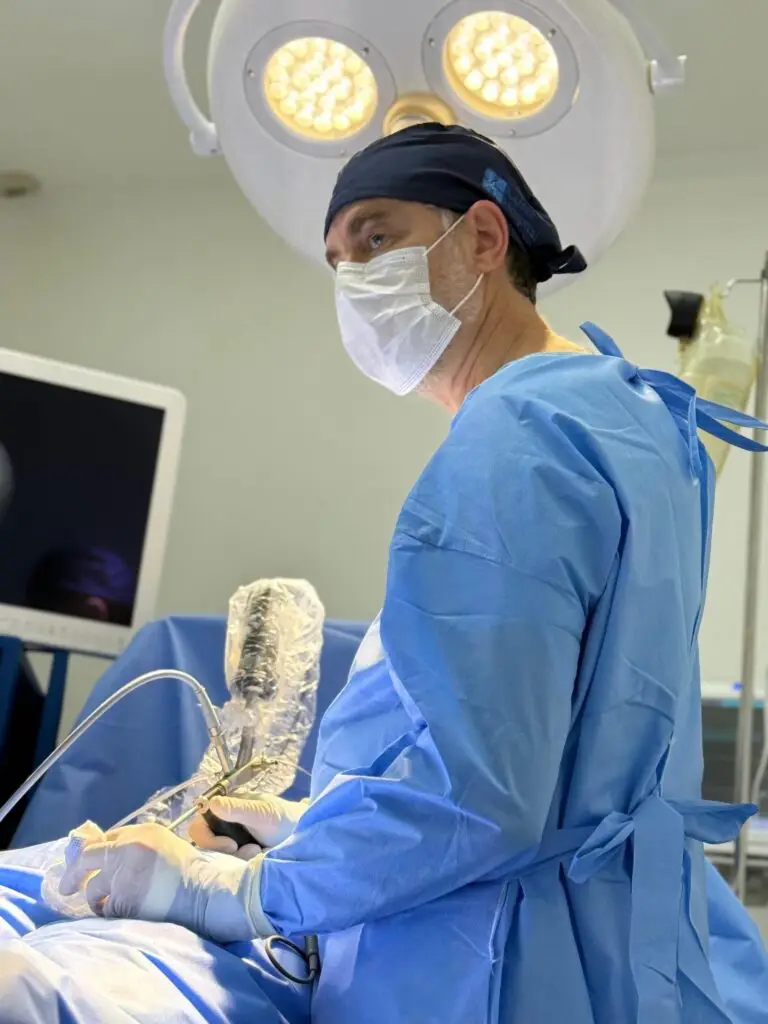
A detailed consultation is important before Pilonidal Cyst Surgery because the surgeon needs to determine whether the patient has an active abscess, chronic sinus disease, recurrent disease, or more complex branching tracts. Dr. Kaiser Jr.’s program offers in-person assessment as well as telemedicine evaluation for patients traveling from other locations.
✔️ Assessment of pain, swelling, drainage, inflammation, and previous abscesses
✔️ Examination of visible pits, sinus openings, and the surrounding skin
✔️ Review of previous pilonidal cyst operations or drainage procedures
✔️ Discussion of previous wound-healing or recurrence problems
✔️ Review of medical conditions, medications, allergies, and surgical history
✔️ Pre-operative blood tests and coagulation testing when required
✔️ Cardiac evaluation when clinically indicated
🩺 Recovery & Aftercare
Recovery after Pilonidal Cyst Surgery depends on the chosen technique, with traditional excisional procedures typically requiring more extensive wound care, while minimally invasive approaches such as EPSIT are designed to minimize external tissue disruption, and in Dr. Kaiser Jr.’s EPSIT pathway suitable patients may be discharged the same day and often return to light activities sooner, although recovery time still varies and strenuous activity requires additional healing time.
✔️ Same-day discharge may be possible after EPSIT when medically appropriate
✔️ Keep the treated area clean and dry according to medical instructions
✔️ Follow the surgeon’s instructions for the initial dressing
✔️ Take prescribed pain medication or other medication exactly as directed
✔️ Avoid heavy lifting during the early recovery period
✔️ Resume walking and normal light movement as advised

🌍 Why Choose Dr. Kaiser Jr. and His Hospitals in Brazil for Pilonidal Cyst Surgery?

Choosing a surgeon experienced in pilonidal disease is key for recurrent or complex cases. Prof. Dr. Roberto Luiz Kaiser Júnior is a general surgeon and proctologist specializing in pilonidal cysts, known for introducing EPSIT in Brazil and performing over 300 minimally invasive One Day Surgery procedures with same-day discharge when appropriate.
✔️ More than 30 years dedicated to surgical practice according to his official profile
✔️ Pioneer of the EPSIT technique in Brazil according to his official practice
✔️ More than 300 EPSIT procedures reported by his clinical website
✔️ Experience evaluating first-time and recurrent pilonidal disease
✔️ Direct visualization of sinus tracts during EPSIT