















Advanced Colon Surgery for Improved Digestive Health, Disease Management & Better Quality of Life
Colectomy Surgery is a procedure performed to remove part or all of the colon (large intestine) when it has been affected by disease, injury, inflammation, or cancer. Depending on the diagnosis, the surgery may involve removing a small segment of the colon or the entire large intestine. A colectomy can help relieve symptoms such as chronic abdominal pain, bowel obstruction, severe inflammation, bleeding, or complications associated with colorectal diseases. The procedure is often recommended for patients with colorectal cancer, diverticular disease, inflammatory bowel disease, or certain hereditary conditions affecting the colon. Modern surgical techniques allow many colectomy procedures to be performed using minimally invasive approaches when appropriate. The goal is to remove diseased tissue while preserving healthy bowel function whenever possible.
🔍 What Is Colectomy Surgery?
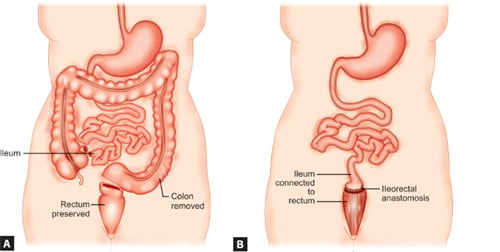
Colectomy Surgery is a surgical procedure involving the removal of part or all of the colon. When disease, cancer, severe inflammation, or injury affects the colon, surgical removal may become necessary to protect the patient’s health and prevent further complications.
During the procedure, the surgeon removes the affected section of the colon while preserving as much healthy tissue as possible. The remaining portions of the digestive tract are then reconnected whenever feasible, allowing normal bowel function to continue.
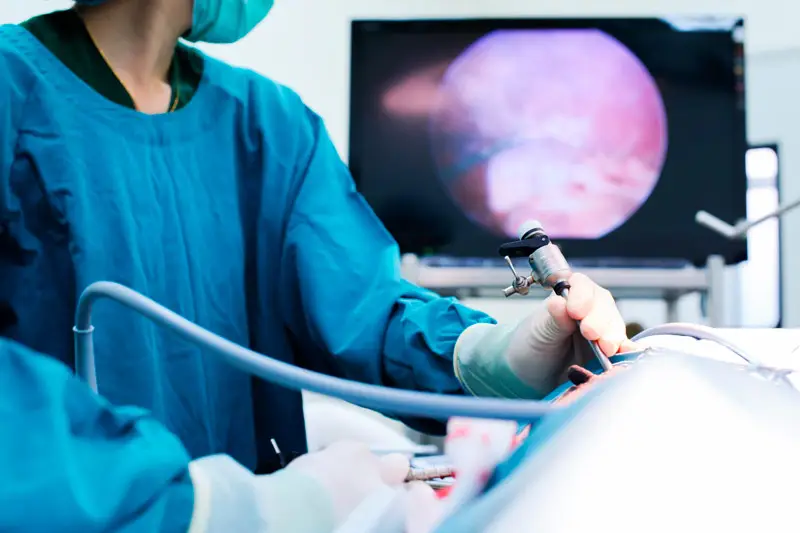
Colectomy procedures may be performed using traditional open surgery or minimally invasive laparoscopic techniques. The surgical approach depends on factors such as the patient’s diagnosis, overall health, disease severity, previous surgeries, and the location of the affected bowel segment.
Colectomy Surgery is commonly performed for colorectal cancer, ulcerative colitis, Crohn’s disease, diverticulitis, bowel obstruction, polyposis syndromes, and other serious colon conditions. By removing diseased tissue and restoring digestive function, colectomy surgery can help reduce symptoms, prevent complications, and improve long-term outcomes for appropriately selected patients.
🩺 Types of Colectomy Surgery
- Partial Colectomy – Removal of a diseased portion of the colon while preserving healthy sections.
- Total Colectomy – Removal of the entire colon when extensive disease affects the large intestine.
- Right Hemicolectomy – Removal of the right side of the colon.
- Left Hemicolectomy – Removal of the left side of the colon.
- Sigmoid Colectomy – Removal of the sigmoid colon commonly affected by diverticular disease or tumors.
- Laparoscopic Colectomy – Minimally invasive approach using small incisions and specialized instruments.
- Open Colectomy – Traditional surgical approach used when more extensive access is required.
- Proctocolectomy – Removal of the colon and rectum in selected medical conditions.
🩺 Who Is a Good Candidate?
Colectomy Surgery may be recommended for patients whose colon disease significantly affects their health, bowel function, or quality of life.
✔️ Patients diagnosed with colorectal cancer
✔️ Individuals with severe diverticulitis
✔️ Patients with ulcerative colitis
✔️ Individuals with Crohn’s disease affecting the colon
✔️ Patients experiencing bowel obstruction
✔️ Individuals with recurrent colon bleeding
✔️ Patients with precancerous colon polyps requiring surgical treatment
✔️ Individuals with hereditary colorectal disease syndromes
✔️ Patients with severe colon injury or perforation
✔️ Adults medically fit for major abdominal surgery
📝 Consultation & Preparation
Proper evaluation and preparation are important before undergoing Colectomy Surgery.
✔️ Comprehensive consultation with the surgical team
✔️ Detailed review of medical history
✔️ Physical examination and digestive health assessment
✔️ Colonoscopy review when applicable
✔️ Imaging studies such as CT scans or MRI if required
✔️ Blood tests and routine pre-operative investigations
✔️ Medication review and adjustment if necessary
✔️ Discussion of surgical approach and expected outcomes
✔️ Bowel preparation instructions when indicated
✔️ Pre-operative fasting and hospital admission guidance
🩺 Recovery & Aftercare
Recovery following Colectomy Surgery varies depending on the extent of surgery and the patient’s overall health.
✔️ Hospital monitoring during the initial recovery period
✔️ Gradual return to eating and drinking as advised
✔️ Pain management and medication support
✔️ Early mobilization to promote circulation and healing
✔️ Monitoring of bowel function recovery
✔️ Care of surgical incisions and wound management
✔️ Following recommended dietary guidelines
✔️ Avoiding heavy lifting during recovery
✔️ Attending scheduled follow-up appointments
✔️ Gradual return to daily activities based on medical guidance

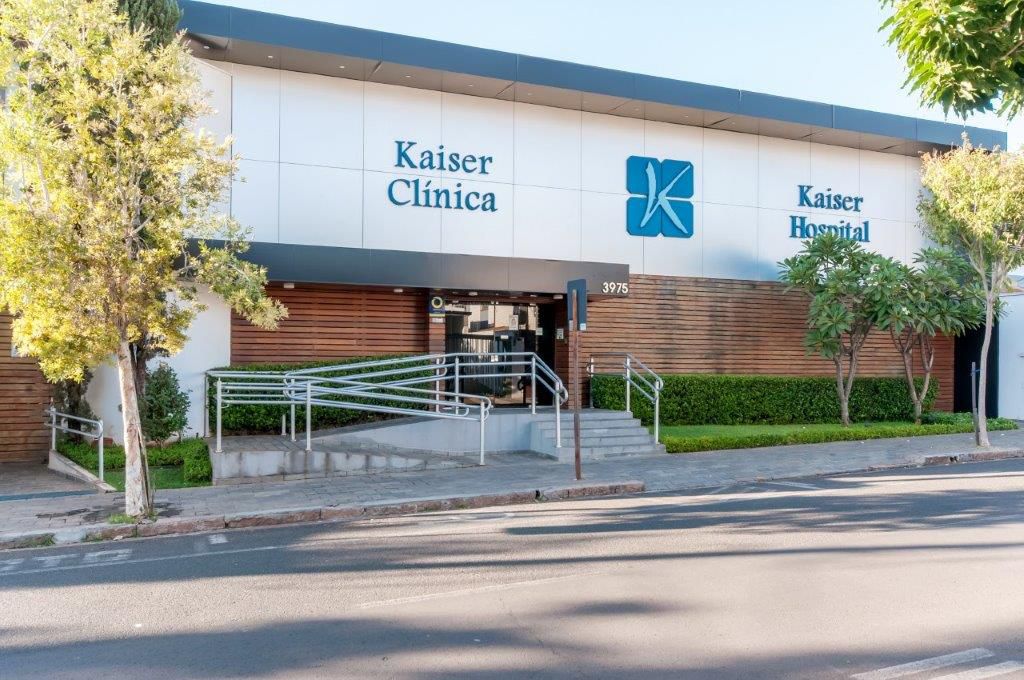
🌍 Why Choose Kaiser Clínica for Colectomy Surgery?
Choosing the right healthcare provider is important when undergoing complex digestive surgery. Patients often seek facilities that offer comprehensive care, experienced surgical teams, and individualized treatment planning.
✔️ Comprehensive patient evaluation before treatment
✔️ Personalized surgical planning based on individual needs
✔️ Multidisciplinary approach to digestive health management
✔️ Modern surgical facilities and operating environments
✔️ Focus on patient safety throughout treatment
✔️ Detailed pre-operative and post-operative care
✔️ Supportive care during recovery and follow-up
✔️ International patient assistance services
✔️ Commitment to individualized treatment pathways
✔️ Convenient location in São Paulo, Brazil