












Advanced Surgical Treatment for Anal Prolapse Relief, Improved Comfort & Restored Quality of Life
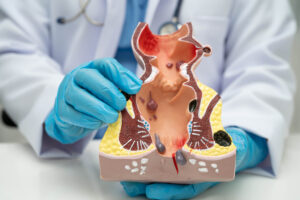
Correction of Anal Prolapse is a specialized surgical procedure designed to treat the abnormal protrusion of rectal or anal tissue through the anal opening. This condition can cause discomfort, pain, hygiene difficulties, mucus discharge, bleeding, and challenges with bowel movements. Many patients seek anal prolapse correction to restore normal anatomy, improve daily comfort, and regain confidence in social and personal activities.
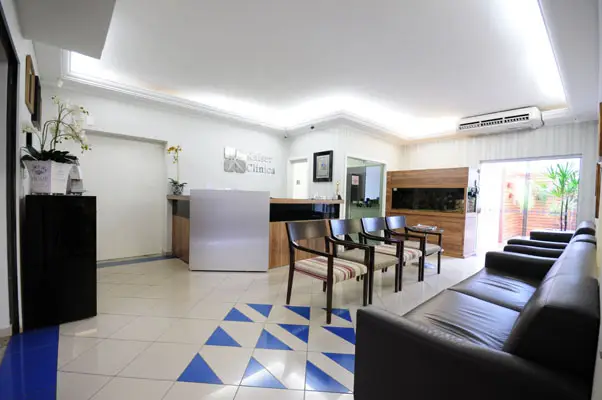
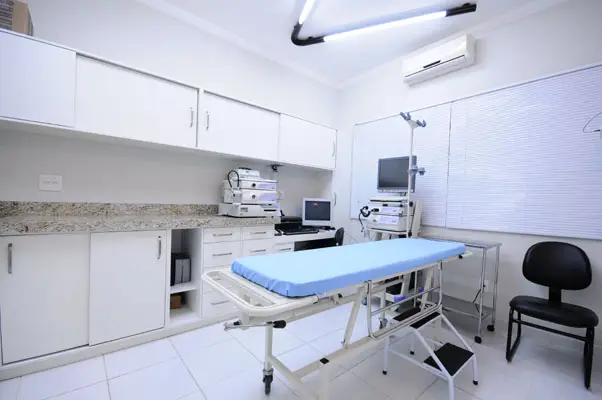
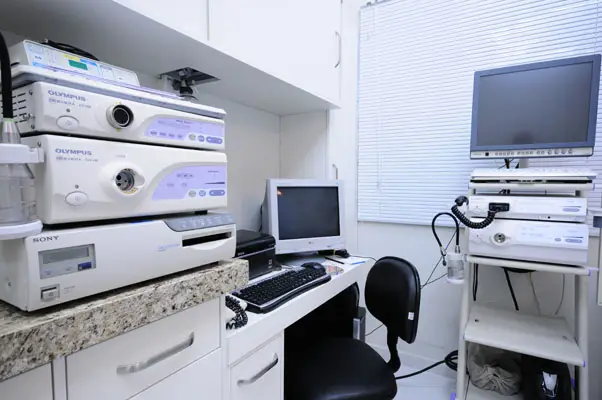
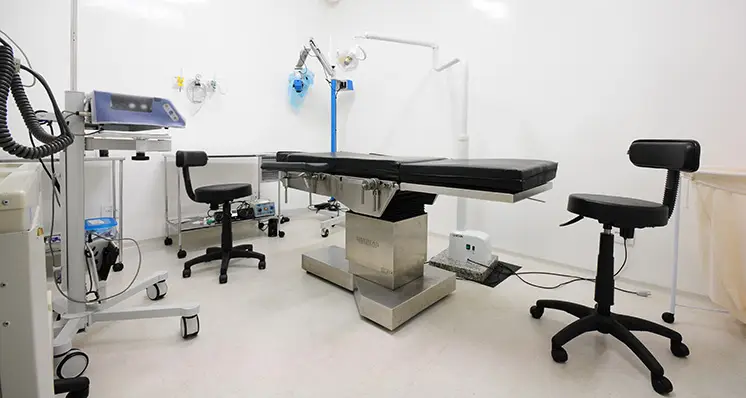
At Kaiser Clínica in São Paulo, Brazil, patients can access comprehensive colorectal care in a modern medical environment. Treatment plans are individualized based on the severity of the prolapse, the patient’s overall health, and functional concerns. The goal of surgery is to repair the prolapse, reduce symptoms, and help patients return to a more comfortable and active lifestyle. Early treatment of anal prolapse can help prevent worsening symptoms and improve long-term bowel function.
🔍 What Is Correction of Anal Prolapse?
Correction of Anal Prolapse is a surgical treatment performed to repair tissue that has descended or protruded through the anal canal. Anal prolapse can occur due to weakened supporting structures within the pelvic floor and rectal region. Patients with anal prolapse often experience symptoms such as a visible protrusion from the anus, discomfort during bowel movements, mucus leakage, irritation, bleeding, or difficulty maintaining normal bowel function.
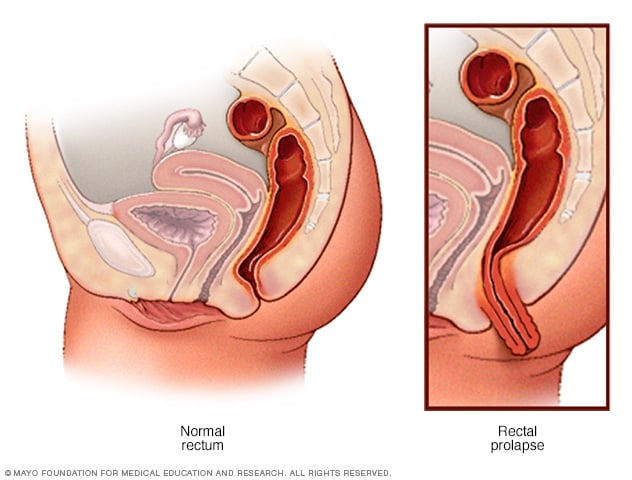
These symptoms can progressively worsen over time, making everyday activities increasingly uncomfortable. The purpose of anal prolapse correction is to restore the normal position of the affected tissues and strengthen the structures that support the rectum and anal canal. Depending on the patient’s condition, surgeons may use different surgical techniques to repair the prolapse and improve function. Successful treatment can help relieve symptoms, improve hygiene, reduce discomfort, and enhance bowel control. Many patients experience significant improvement in their daily quality of life after recovery.
🩺 Types of Anal Prolapse Correction Procedures
- Perineal Repair – Surgical correction performed through the anal or perineal area, often considered for selected patients based on individual clinical evaluation.
- Abdominal Rectopexy – A procedure that restores support to the rectum through an abdominal approach to help prevent recurrent prolapse.
- Laparoscopic Rectopexy – A minimally invasive technique utilizing small incisions and specialized instruments to repair prolapse.
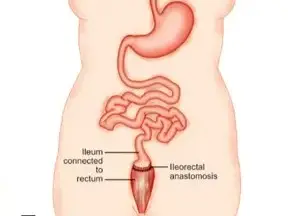
- Resection Rectopexy – Combines rectal fixation with removal of a portion of the bowel when clinically indicated.
- Minimally Invasive Prolapse Repair – Modern surgical approaches designed to reduce tissue trauma and support recovery when appropriate.
- Individualized Surgical Planning – Treatment techniques selected according to prolapse severity, anatomy, symptoms, and patient health status.
🩺 Who Is a Good Candidate?
Correction of anal prolapse may be suitable for individuals experiencing symptoms that affect comfort, bowel function, or quality of life. A detailed evaluation is necessary to determine the most appropriate treatment approach.
✔️ Individuals with visible anal or rectal tissue protrusion
✔️ Patients experiencing discomfort during bowel movements
✔️ People with recurrent prolapse symptoms
✔️ Individuals experiencing mucus discharge or irritation
✔️ Patients with bleeding related to prolapse
✔️ Adults seeking improvement in bowel function
✔️ Individuals whose symptoms interfere with daily activities
✔️ Patients with weakened pelvic support structures
✔️ Adults in stable general health for surgery
✔️ Individuals with realistic expectations regarding treatment and recovery
📝 Consultation & Preparation
A thorough consultation is essential before proceeding with anal prolapse correction. The evaluation helps the medical team understand symptom severity, medical history, and the most suitable treatment pathway.
✔️ Comprehensive colorectal examination
✔️ Review of symptoms and prolapse history
✔️ Assessment of bowel habits and function
✔️ Review of previous treatments or surgeries
✔️ Medical history evaluation
✔️ Medication and supplement review
✔️ Diagnostic testing when clinically necessary
✔️ Discussion of surgical options and expected outcomes
✔️ Pre-operative instructions and preparation guidelines
✔️ Personalized treatment planning and informed consent process
🩺 Recovery & Aftercare
Recovery following anal prolapse correction varies depending on the surgical technique performed and individual healing characteristics. Careful adherence to post-operative instructions supports optimal recovery.
✔️ Monitoring during the initial recovery period
✔️ Gradual return to daily activities
✔️ Pain management as prescribed by the medical team
✔️ Attention to proper bowel habits
✔️ Adequate hydration throughout recovery
✔️ Nutritional guidance to support healing
✔️ Avoidance of heavy lifting during early recovery
✔️ Maintenance of proper hygiene practices
✔️ Attendance at scheduled follow-up appointments
✔️ Ongoing monitoring of healing and symptom improvement

🌍 Why Choose Kaiser Clínica for Correction of Anal Prolapse?
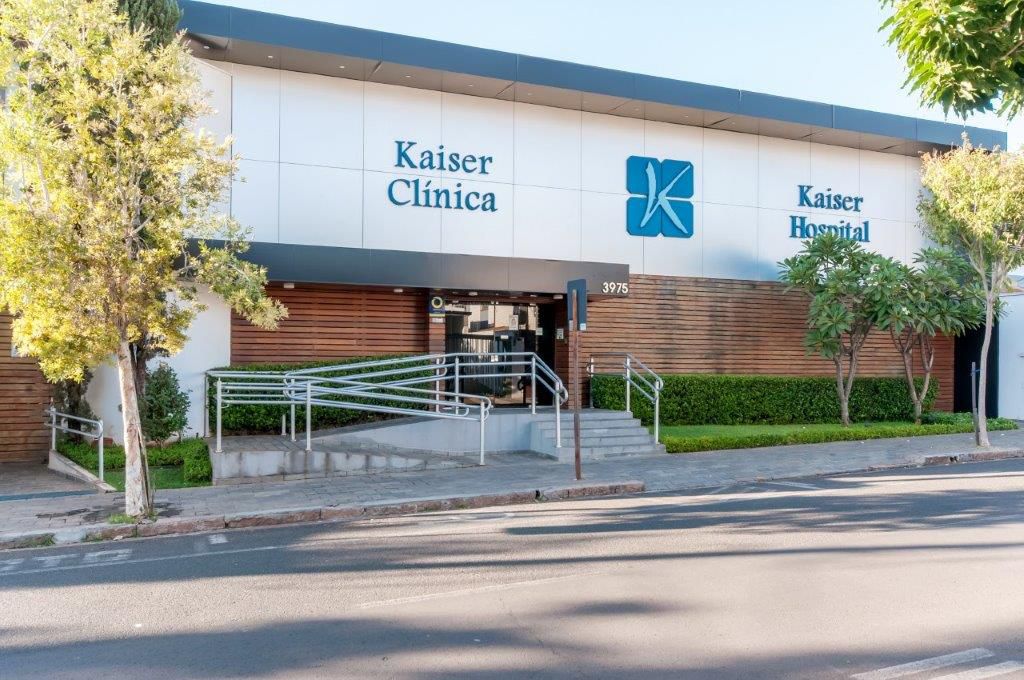
Selecting the right healthcare provider is an important part of achieving safe and effective treatment. Kaiser Clínica offers a patient-focused environment designed to support comprehensive colorectal care.
✔️ Individualized treatment planning
✔️ Modern clinical infrastructure
✔️ Multidisciplinary healthcare approach
✔️ Comprehensive patient assessments
✔️ Personalized pre-operative evaluation
✔️ Emphasis on patient safety protocols
✔️ Dedicated support throughout treatment
✔️ International patient assistance services
✔️ Focus on comfort, communication, and continuity of care
✔️ Commitment to evidence-based medical practices