










One-Anastomosis Gastric Bypass for Sustainable Weight Management, Metabolic Improvement & Long-Term Health
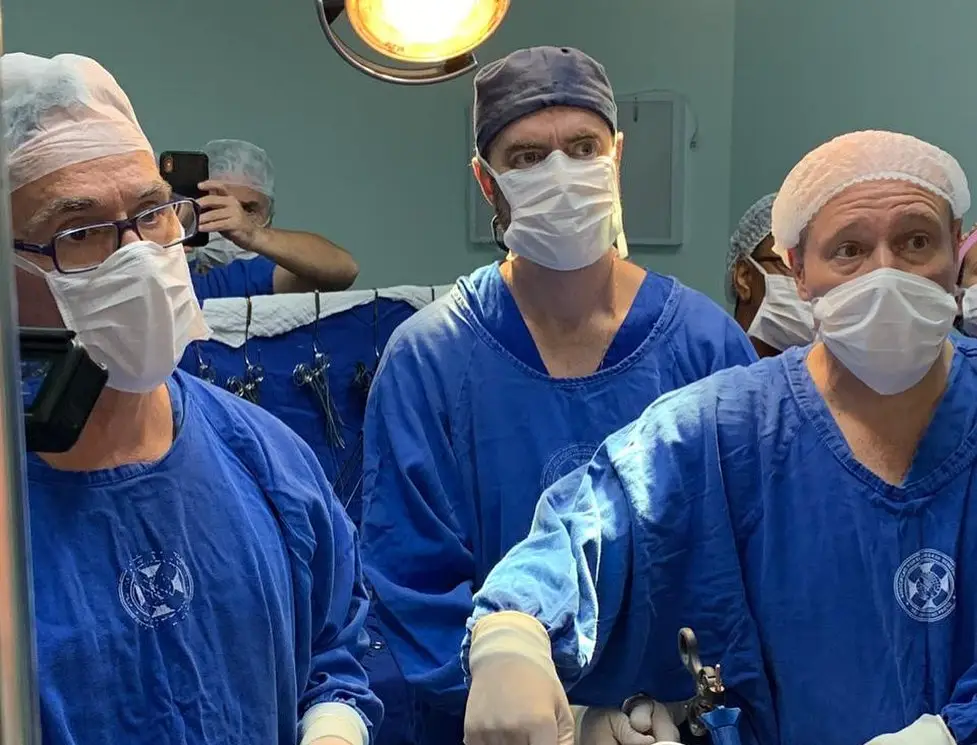
Mini Gastric Bypass in Brazil, also known as One-Anastomosis Gastric Bypass (OAGB), is a bariatric and metabolic surgery designed to support significant weight loss and improve obesity-related health conditions. Dr. Kaiser Jr. performs this procedure using minimally invasive laparoscopic techniques with an individualized approach for eligible patients. Unlike the traditional Roux-en-Y Gastric Bypass, it requires only one intestinal connection (anastomosis). The surgery combines restriction and mild malabsorption, along with metabolic effects that support weight loss. It can be performed as a primary procedure or as revisional surgery after Sleeve Gastrectomy when results are insufficient. For international patients, care includes full medical evaluation, preparation, and structured follow-up. The goal is long-term health improvement, better metabolic control, and enhanced quality of life.
🩺 What Is Mini Gastric Bypass (One-Anastomosis Gastric Bypass)?
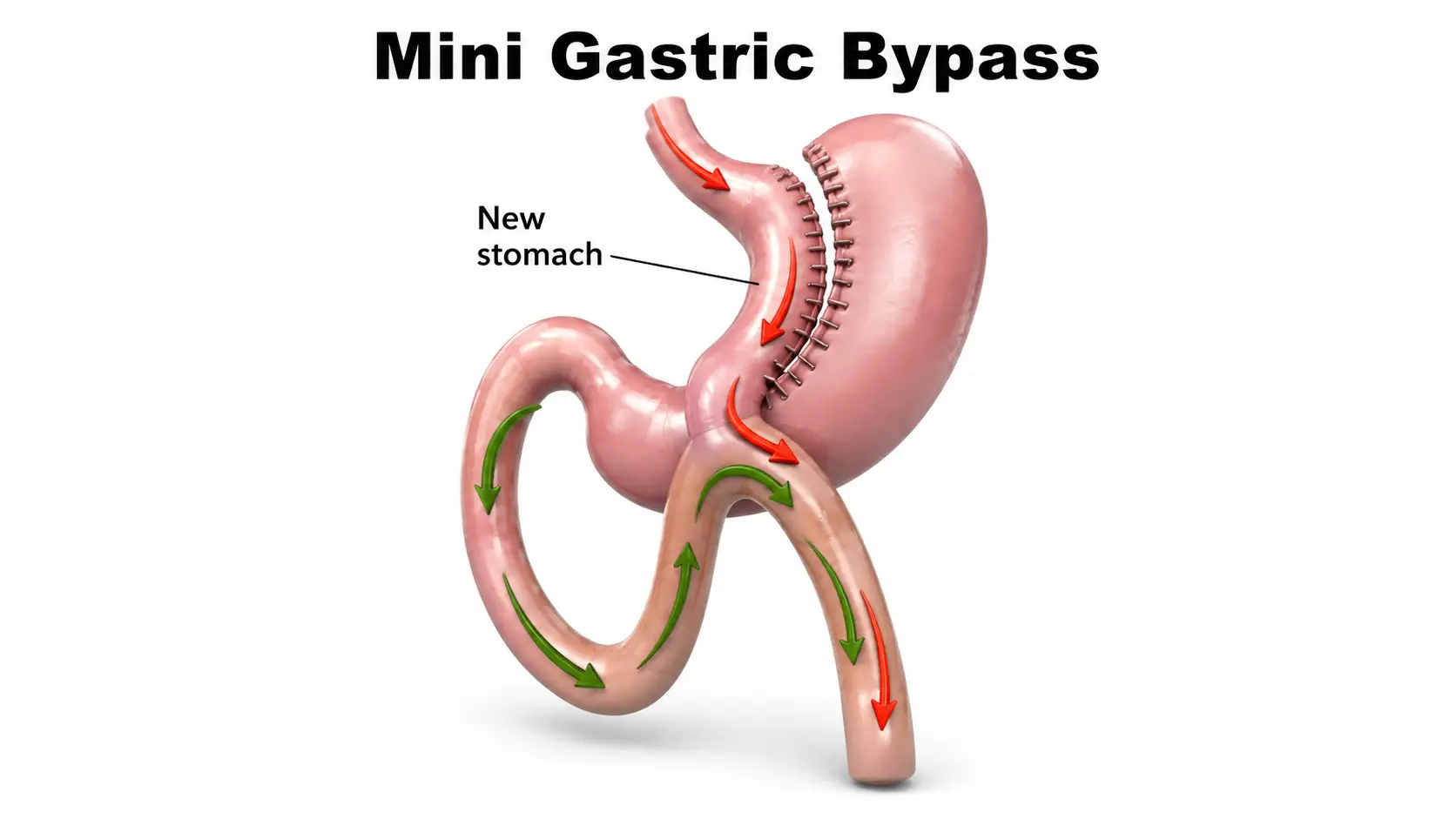
Mini Gastric Bypass (OAGB) is a bariatric surgery that reduces stomach size and reroutes part of the small intestine.
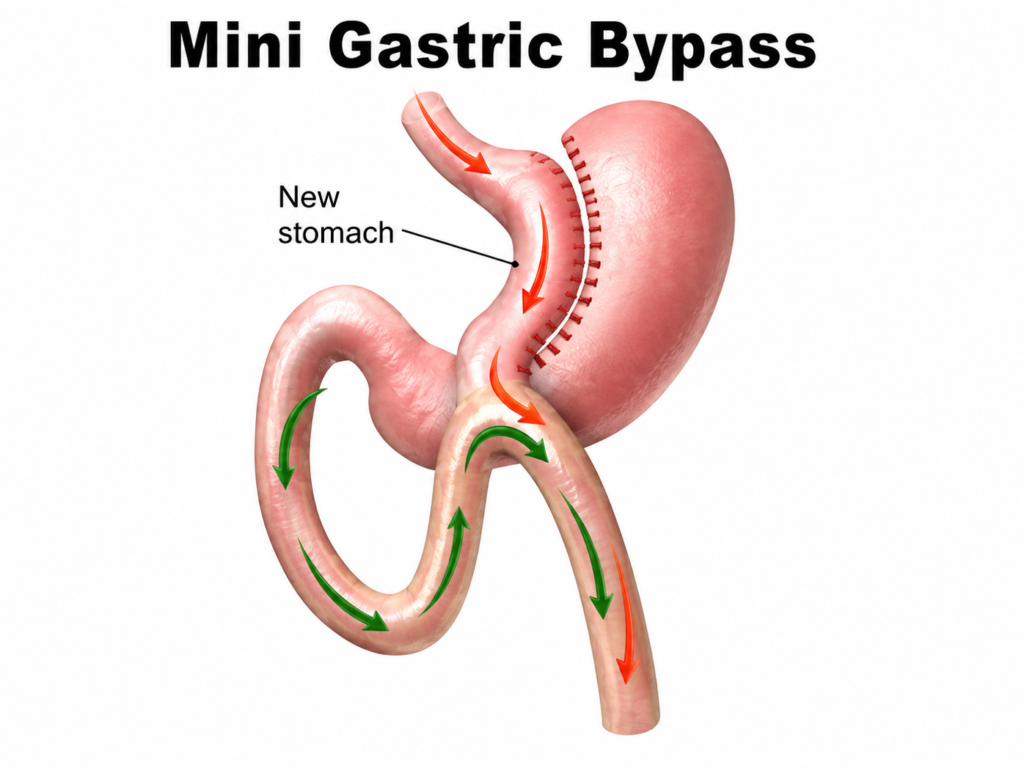
Despite being called “mini,” it is a major metabolic procedure requiring careful selection and lifelong follow-up. A long, narrow gastric pouch is created and connected to the small intestine with a single anastomosis, unlike the two connections used in Roux-en-Y gastric bypass. It promotes weight loss by limiting food intake, reducing absorption, and improving metabolic hormones, often helping conditions like type 2 diabetes. Dr. Kaiser Jr. performs OAGB laparoscopically and also uses it as a revisional option after sleeve gastrectomy when needed. It is an established procedure in modern bariatric surgery. Risks include nutritional deficiencies, bile reflux, ulcers, and other complications, requiring ongoing supplementation and medical monitoring.
🩺 Types of Mini Gastric Bypass
- Primary Mini Gastric Bypass (OAGB) – Performed as the patient’s first bariatric procedure. A narrow gastric pouch is created and connected to the small intestine through one anastomosis to support weight loss and metabolic improvement.
- Revisional Mini Gastric Bypass After Sleeve Gastrectomy – May be considered for selected patients who previously underwent Sleeve Gastrectomy but experienced inadequate weight loss or significant weight regain. Dr. Kaiser Jr.’s bariatric information specifically identifies Mini Bypass as an option that can be considered after an insufficient Sleeve result.
🩺 Who Is a Good Candidate?
Mini Gastric Bypass in Brazil may be suitable for adults with obesity seeking surgical weight loss, but eligibility depends on BMI, obesity-related conditions, prior weight-loss attempts, nutritional status, medical history, and ability to follow long-term care.
✔️ Patients with a BMI of 35 kg/m² or higher who are appropriate surgical candidates
✔️ Selected patients with a BMI between 30 and 34.9 kg/m² and metabolic disease or inadequate durable improvement with nonsurgical treatment
✔️ Individuals affected by obesity-related conditions such as type 2 diabetes, hypertension, sleep apnea, or dyslipidemia
✔️ Selected patients with inadequate weight loss or weight regain following Sleeve Gastrectomy

📝 Consultation & Preparation

Careful preparation is essential before Mini Gastric Bypass, as bariatric surgery affects nutrition, digestion, medications, and long-term eating habits. Dr. Kaiser Jr.’s program includes a multidisciplinary assessment to tailor the surgical approach to each patient’s health profile.
✔️ Detailed assessment of weight history, BMI, eating patterns, and previous weight-loss treatments
✔️ Review of obesity-related conditions such as diabetes, hypertension, sleep apnea, and dyslipidemia
✔️ Complete review of previous abdominal or bariatric surgery, particularly prior Sleeve Gastrectomy
✔️ Blood tests to assess general health, nutritional status, and potential deficiencies as medically indicated
✔️ Evaluation of medications, vitamins, supplements, allergies, and relevant medical conditions
✔️ Nutritional assessment and guidance regarding dietary changes required before and after surgery
🩺 Recovery & Aftercare
Recovery after Mini Gastric Bypass is gradual and requires attention to hydration, nutrition, activity, wound care, and follow-up. With Dr. Kaiser Jr.’s ERAS program, most patients are discharged within 24 to 48 hours and return to normal activities in 2 to 4 weeks.
✔️ Oral fluids are introduced progressively according to the bariatric team’s postoperative protocol
✔️ Patients follow a staged bariatric diet that gradually progresses as healing continues
✔️ Adequate hydration remains a major priority during the first weeks after surgery
✔️ Prescribed pain medication and other postoperative medicines should be taken exactly as directed
✔️ Heavy lifting and strenuous exercise are restricted during the initial healing period
✔️ Incision sites should be kept clean and monitored for redness, drainage, increasing pain, or other concerning changes

🌍 Why Choose Dr. Kaiser Jr. and His Partner Hospitals in Brazil for Mini Gastric Bypass?
Choosing the surgical team and hospital is key for Mini Gastric Bypass in Brazil. Dr. Roberto Luiz Kaiser Júnior, with over 30 years of experience in bariatric and metabolic surgery, performs procedures in top hospitals in São Paulo and São José do Rio Preto, including Hospital Israelita Albert Einstein, Hospital São Luiz, Hospital Beneficência Portuguesa, and Kaiser Hospital, based on each patient’s needs.

✔️ Extensive surgical experience with a professional focus on minimally invasive and digestive surgery
✔️ Experience in bariatric and metabolic surgery with individualized procedure selection
✔️ Laparoscopic approach used for bariatric procedures
✔️ Mini Gastric Bypass available as a primary procedure and as a potential revisional option after Sleeve Gastrectomy
✔️ Multidisciplinary assessment before bariatric surgery
✔️ ERAS-based accelerated recovery principles for medically eligible patients
✔️ Remote preoperative evaluation available for international patients