








Minimally Invasive Weight Loss Surgery with Laparoscopic Technique, Multidisciplinary Support & Structured Recovery
Sleeve Gastrectomy in Brazil by Dr. Kaiser Jr. is a bariatric and metabolic surgery option designed for patients seeking significant, medically supervised weight loss and improvement in obesity-related health concerns. Also known as Vertical Sleeve Gastrectomy or Gastric Sleeve Surgery, the procedure reduces the size of the stomach while preserving the normal pathway of food through the digestive system. Dr. Kaiser Jr.’s bariatric program uses a laparoscopic approach together with structured multidisciplinary assessment and ERAS-based recovery protocols. His official program includes Sleeve Gastrectomy among its principal bariatric procedures and provides nutritional and postoperative follow-up for suitable patients in Brazil.
🩺 What Is Sleeve Gastrectomy?
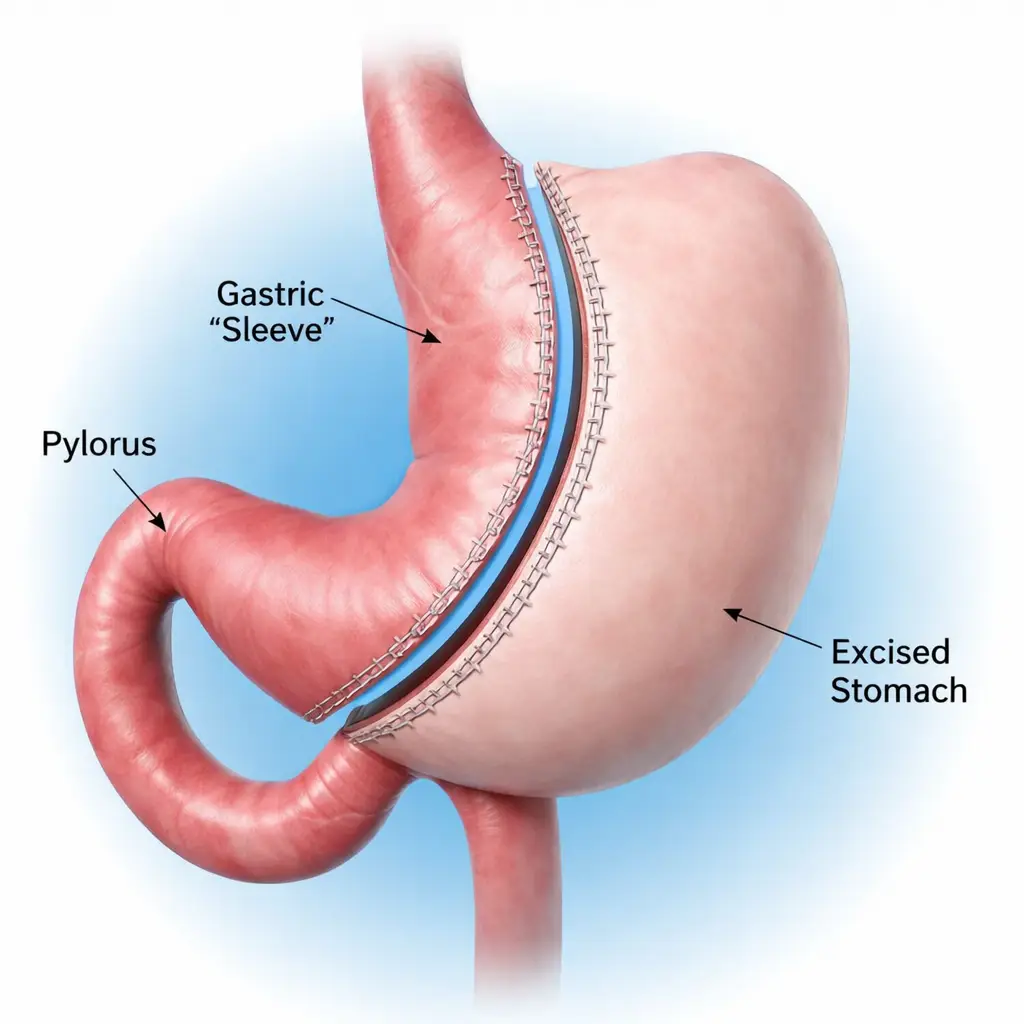
Sleeve Gastrectomy is a bariatric surgical procedure in which approximately 80% of the stomach is removed, leaving a narrower, sleeve-shaped stomach. During laparoscopic Sleeve Gastrectomy, the surgeon uses small abdominal incisions to remove part of the stomach and form a narrow vertical sleeve. Food continues through the normal digestive tract. The procedure is part of a broader obesity treatment plan that includes nutrition, lifestyle changes, and long-term medical follow-up. It may also improve conditions like type 2 diabetes, hypertension, and sleep apnea. Careful patient selection is essential, as Sleeve Gastrectomy may worsen reflux in some cases. A full evaluation helps determine the most appropriate bariatric option. Overall, Sleeve Gastrectomy in Brazil supports long-term weight management when combined with sustained lifestyle changes and ongoing medical care, focusing on health improvement rather than weight alone.
🩺 Types and Approaches Related to Sleeve Gastrectomy
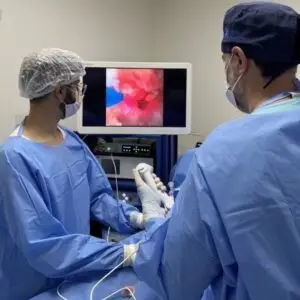
- Laparoscopic Sleeve Gastrectomy – This is the approach specifically described by Dr. Kaiser Jr. Small abdominal incisions are used to perform the vertical gastrectomy with minimally invasive surgical instruments. The technique removes a large portion of the stomach without routinely rearranging the intestine.
🩺 Who Is a Good Candidate?
Sleeve Gastrectomy may be appropriate for adults with obesity who meet medical criteria for metabolic and bariatric surgery, with ASMBS guidelines generally recommending it for BMI ≥35 kg/m², for patients with type 2 diabetes and BMI ≥30 kg/m², and in selected cases with BMI 30–34.9 kg/m² when nonsurgical treatment has not been effective, with final eligibility determined individually.
✔️ Adults who meet appropriate medical criteria for bariatric or metabolic surgery
✔️ Patients with obesity affecting health, mobility, or daily quality of life
✔️ Individuals with obesity-related conditions such as type 2 diabetes, hypertension, sleep apnea, or dyslipidemia
✔️ Patients who have not achieved adequate or sustainable improvement with appropriate nonsurgical weight-management strategies
✔️ Individuals prepared to follow a structured postoperative nutrition program
📝 Consultation & Preparation
Preparation for Sleeve Gastrectomy in Brazil begins with a detailed multidisciplinary evaluation in which the patient’s medical history, weight background, symptoms, medications, and goals are reviewed to determine suitability for surgery and the appropriate preoperative tests and preparation.

✔️ Detailed review of weight history, BMI, and previous weight-management attempts
✔️ Assessment of obesity-related conditions such as diabetes, hypertension, sleep apnea, and metabolic disease
✔️ Complete review of current medications, supplements, allergies, and previous surgeries
✔️ Evaluation for heartburn, reflux, swallowing problems, or other gastrointestinal symptoms
✔️ Laboratory testing and additional diagnostic examinations according to individual medical needs
✔️ Explanation of the ERAS recovery pathway and expected hospital stay
🩺 Recovery & Aftercare
Recovery after Sleeve Gastrectomy follows a staged ERAS-based pathway with early discharge in 24–48 hours, but full recovery still requires gradual healing, progressive nutrition, increasing activity, and ongoing medical monitoring.
✔️ Early walking after surgery as instructed by the medical team
✔️ Careful monitoring of pain, nausea, hydration, and tolerance of liquids
✔️ Gradual progression from liquids to softer foods and eventually appropriate solid foods
✔️ Following the bariatric nutrition plan rather than returning immediately to regular meals
✔️ Eating slowly and using smaller portions as the stomach adapts
✔️ Maintaining appropriate hydration throughout the day

🌍 Why Choose Dr. Kaiser Jr. and His Hospital Network in Brazil for Sleeve Gastrectomy?
Choosing a bariatric surgeon and surgical facility is an important part of planning Sleeve Gastrectomy in Brazil, and Prof. Dr. Roberto Luiz Kaiser Júnior is a highly experienced general surgeon with international training who performs bariatric procedures across leading hospitals in Brazil, with the specific facility selected based on each patient’s clinical needs and treatment plan.

✔️ More than 30 years of surgical experience listed on Dr. Kaiser Jr.’s official profile
✔️ Training experience at Cleveland Clinic Florida and Université Louis Pasteur in Strasbourg
✔️ Background in general, digestive, minimally invasive, and bariatric surgery
✔️ Full membership in the Brazilian Society of Bariatric and Metabolic Surgery
✔️ Laparoscopic Sleeve Gastrectomy included within his bariatric program
✔️ ERAS-based recovery protocols designed to support early mobilization and structured postoperative care