








Advanced Herniated Disc Treatment for Lasting Pain Relief, Improved Mobility & Better Quality of Life
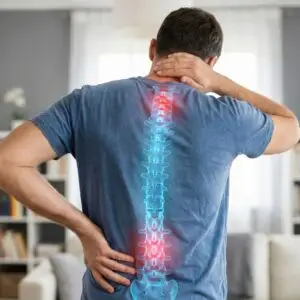
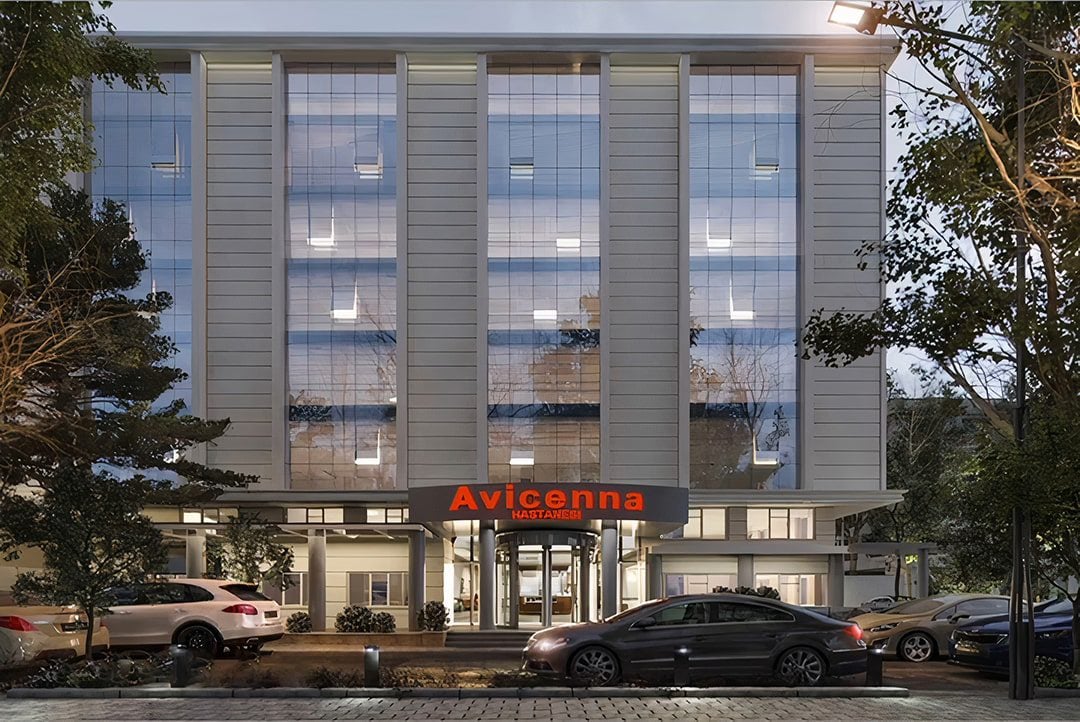
A herniated disc in the back or neck can cause persistent pain, numbness, tingling, muscle weakness, and reduced mobility that interfere with daily life. When conservative treatments no longer provide sufficient relief, specialized spine care may help restore comfort and function. At Avicenna Hospital in Istanbul, patients receive comprehensive evaluation and personalized treatment plans based on the location and severity of the herniated disc.
Treatment may include non-surgical therapies or advanced minimally invasive spine surgery when appropriate. The goal is to relieve pressure on the affected spinal nerves, reduce pain, preserve spinal stability, and help patients return to normal activities safely. Modern surgical techniques focus on minimizing tissue damage while promoting faster recovery whenever possible. Every treatment plan is tailored after a detailed clinical examination and imaging studies, ensuring that each patient receives the most appropriate approach for their condition.
🩺 What Is Herniated Disc in the Back and Neck Treatment?
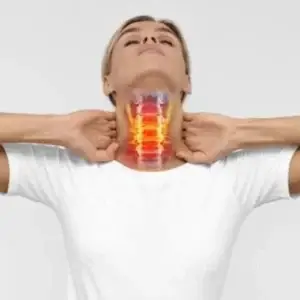
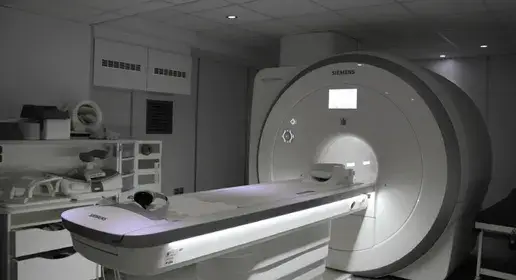
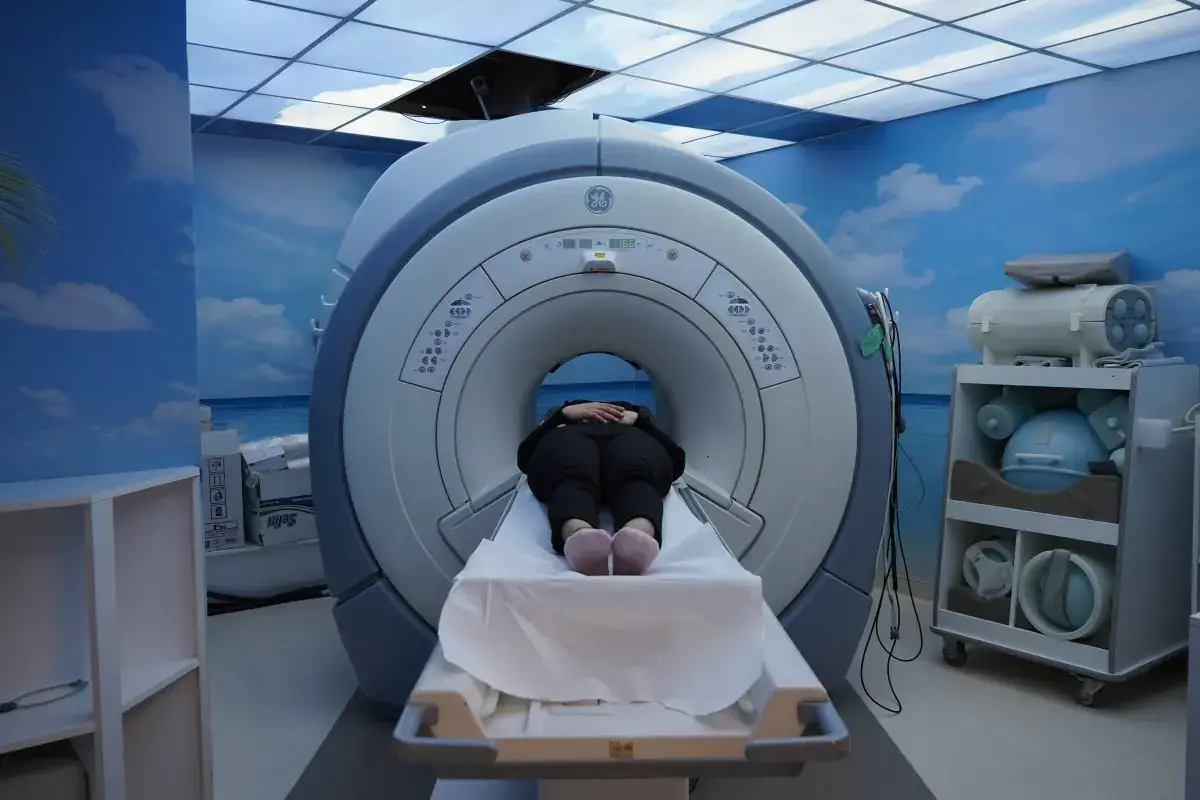
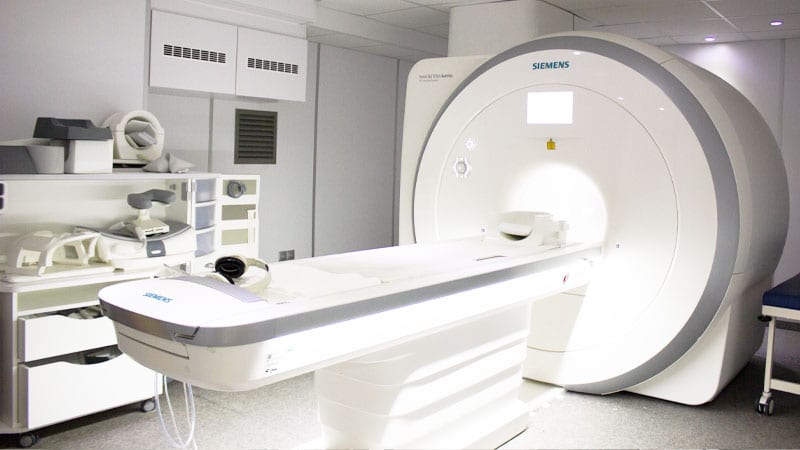
A herniated disc occurs when the soft inner portion of a spinal disc pushes through its outer layer and compresses nearby nerves. Treatment aims to relieve nerve compression and restore normal function. Every patient undergoes a detailed medical assessment, physical examination, and imaging studies such as MRI before a personalized treatment plan is developed.

Many patients improve with medication, physical therapy, activity modification, or pain management. When surgery is recommended, the objective is to remove the portion of the disc that is compressing the nerve while preserving as much healthy tissue as possible. Depending on the location of the herniation, surgeons may perform minimally invasive procedures such as microdiscectomy or other decompression techniques designed to relieve pressure on the affected nerve. With appropriate treatment and rehabilitation, many patients experience significant improvement in pain, mobility, nerve function, and overall quality of life.
🩺 Types of Herniated Disc Treatment
• Conservative Treatment – Medication, physical therapy, exercise, and lifestyle modification.
• Minimally Invasive Microdiscectomy – Removal of the herniated disc fragment through a small incision.
• Endoscopic Disc Surgery – Minimally invasive approach using specialized endoscopic equipment when appropriate.
• Cervical Herniated Disc Surgery – Surgical treatment for symptomatic herniated discs in the neck.
• Lumbar Herniated Disc Surgery – Surgical treatment for herniated discs affecting the lower back.
• Spinal Decompression Procedures – Procedures performed to relieve pressure on compressed spinal nerves.
🩺 Who Is a Good Candidate?
Herniated disc treatment may be suitable for patients whose symptoms significantly affect daily activities or who have not achieved adequate relief with conservative care.
✔️ Persistent neck or lower back pain
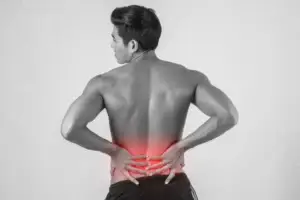
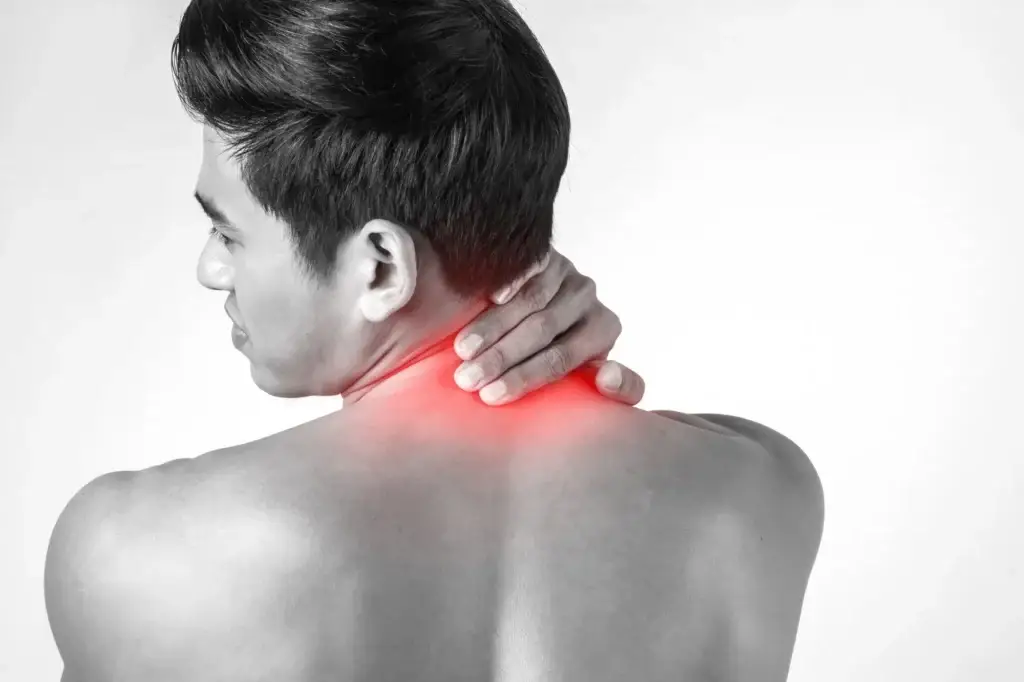
✔️ Pain radiating into the arms or legs
✔️ Numbness or tingling caused by nerve compression
✔️ Muscle weakness related to a herniated disc
✔️ Symptoms confirmed by MRI imaging
✔️ Limited improvement after conservative treatment
✔️ Difficulty performing normal daily activities
✔️ Patients seeking minimally invasive treatment when appropriate
✔️ Individuals with realistic treatment expectations
🩺 Consultation & Preparation
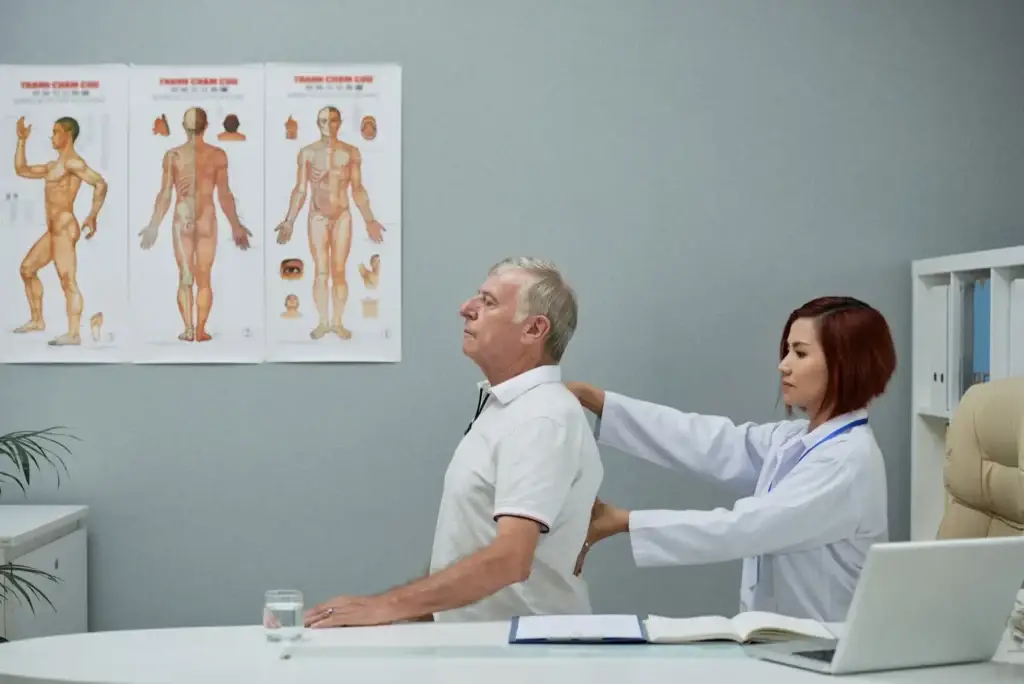
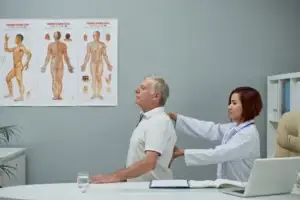
Before beginning treatment, a thorough consultation and preparation process is essential to ensure accurate diagnosis, patient safety, and the most effective treatment plan tailored to each individual’s condition.
✔️ Comprehensive spine consultation
✔️ Detailed medical history review
✔️ Physical and neurological examination
✔️ MRI or other diagnostic imaging review
✔️ Discussion of symptoms and treatment options
✔️ Review of current medications
✔️ Blood tests if surgery is planned
✔️ Smoking cessation guidance before surgery
✔️ Pre-operative fasting instructions when required
🩺 Recovery & Aftercare
Recovery depends on whether treatment is conservative or surgical and on the patient’s overall condition. Following the recommended rehabilitation program supports healing and helps restore mobility.
✔️ Early walking as advised by the medical team
✔️ Gradual return to normal daily activities
✔️ Pain management as prescribed
✔️ Avoiding heavy lifting during recovery
✔️ Physical therapy when recommended
✔️ Proper posture and spine protection techniques
✔️ Follow-up neurological assessments
✔️ Monitoring incision healing after surgery
✔️ Progressive strengthening exercises
✔️ Regular follow-up appointments to monitor recovery

🌍 Why Choose Avicenna Hospital for Herniated Disc Treatment?
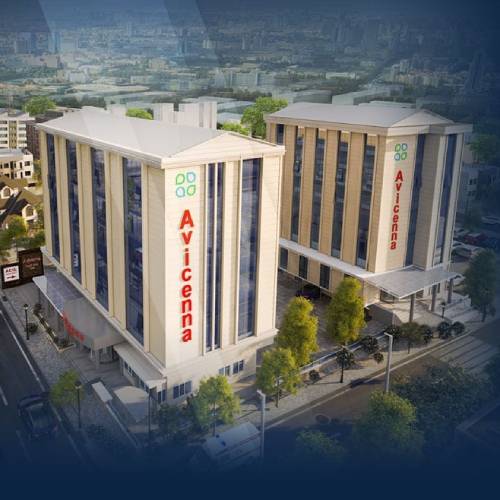
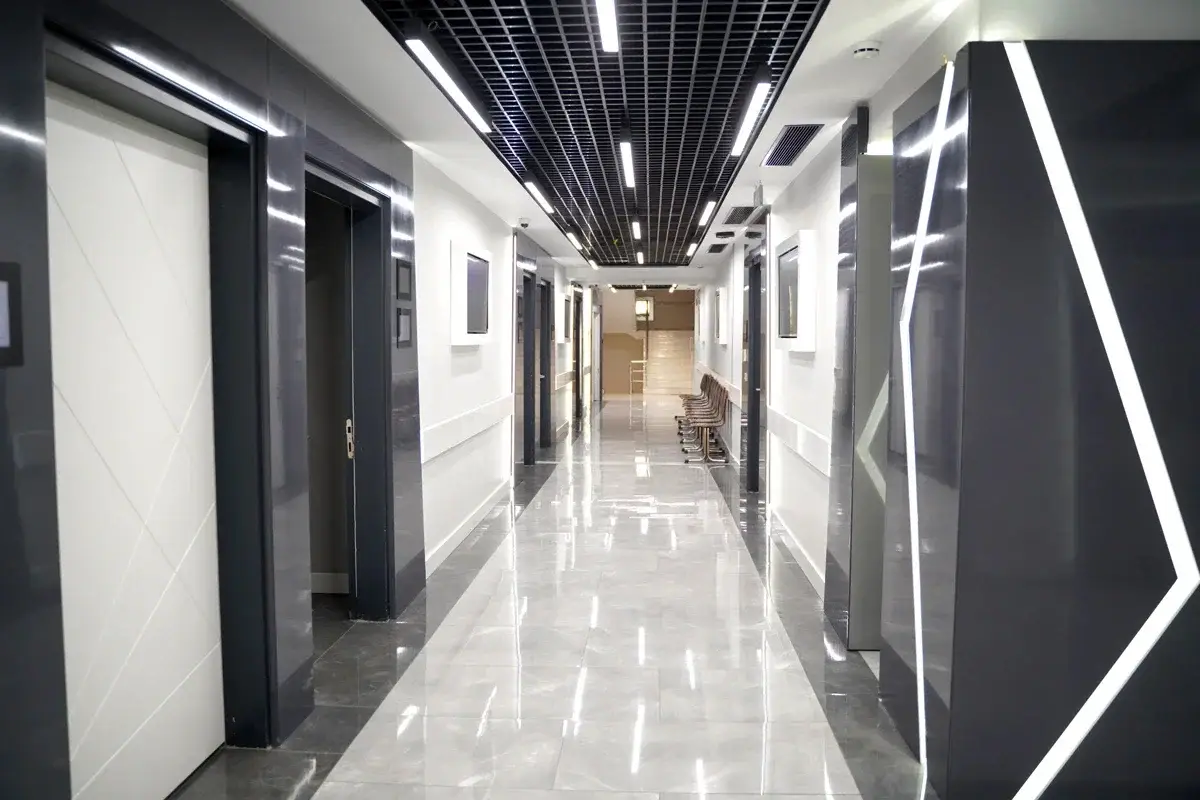
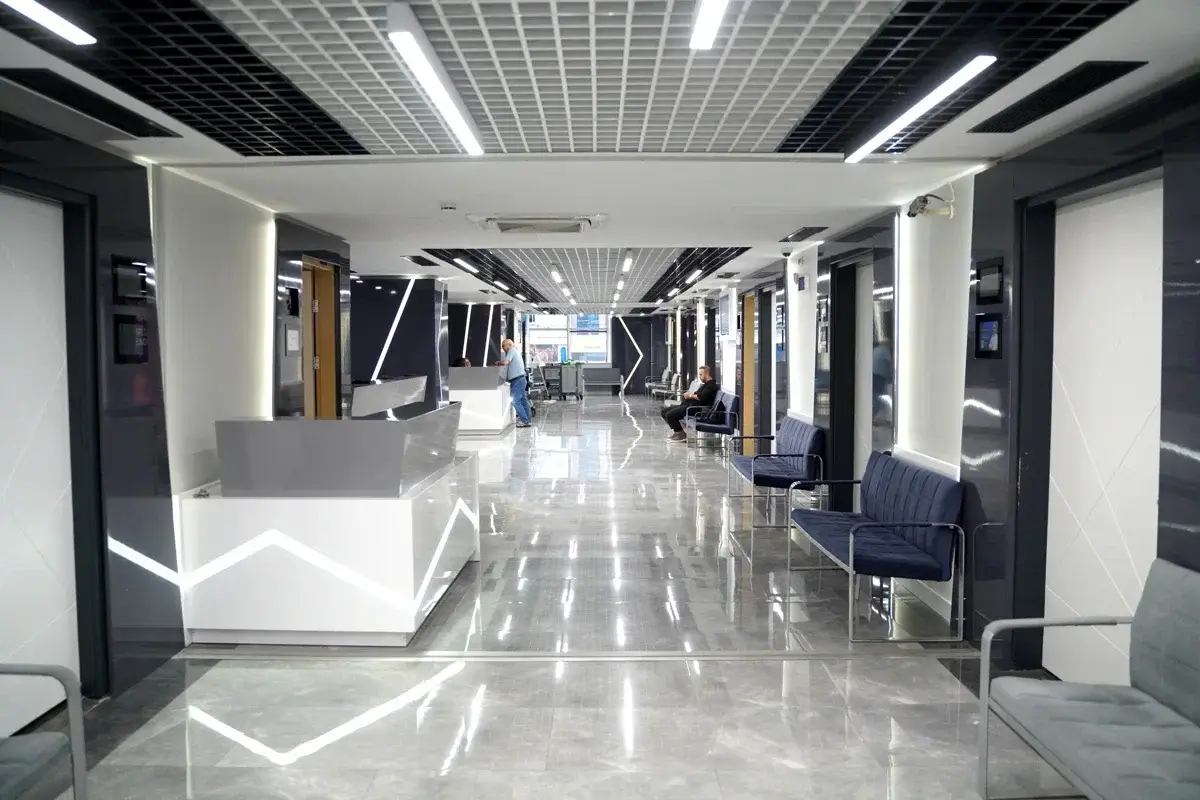
Choosing an experienced spine center is important for achieving safe treatment and the best possible outcome. Avicenna Hospital provides comprehensive spinal care supported by modern diagnostic technology and multidisciplinary medical expertise.
✔️ Experienced neurosurgery and spine specialists
✔️ Individualized treatment planning
✔️ Advanced diagnostic imaging services
✔️ Modern minimally invasive surgical techniques when appropriate
✔️ Comprehensive neurological evaluation
✔️ Multidisciplinary rehabilitation support
✔️ International patient coordination services
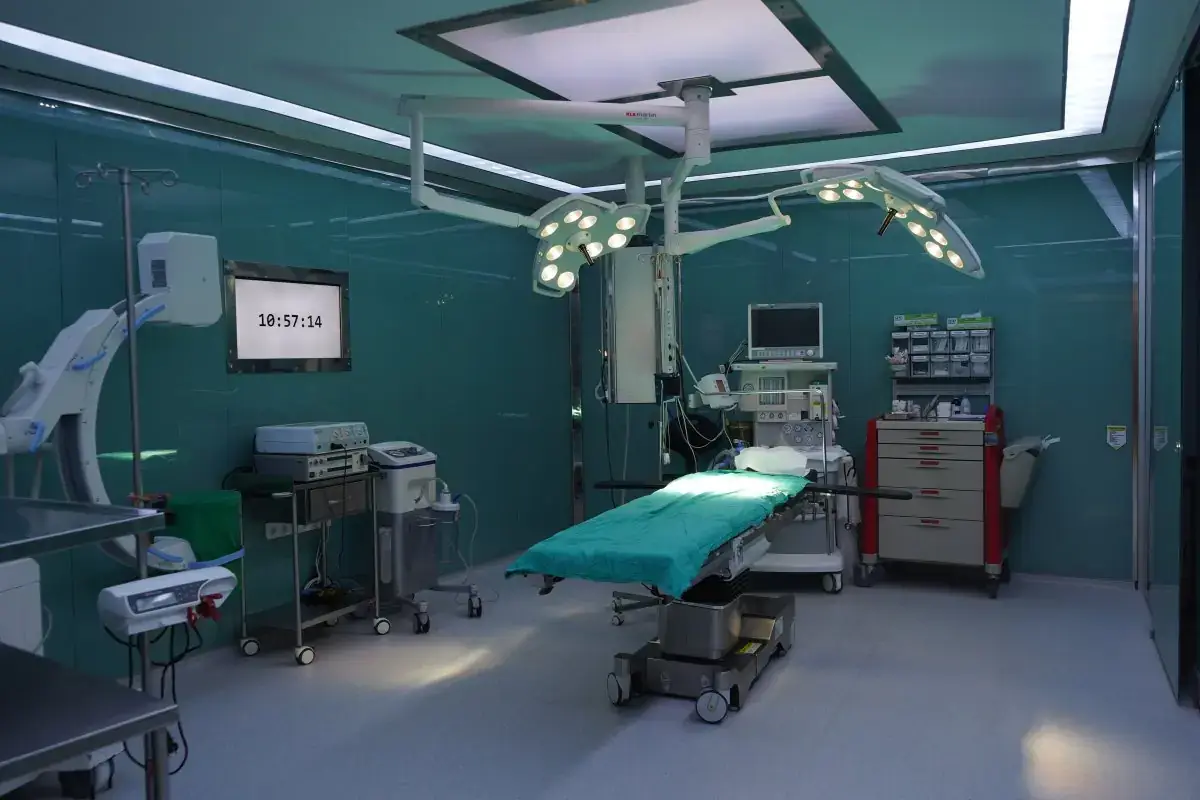
✔️ Modern operating rooms and medical infrastructure
✔️ Personalized follow-up throughout recovery
✔️ Patient-centered care approach
✔️ High standards of safety and quality assurance