



Spine surgery in Turkey is performed at specialist orthopedic and neurosurgery hospitals in Istanbul, Ankara, and Izmir by fellowship-trained spinal surgeons using minimally invasive and endoscopic techniques, offering all-inclusive packages at 55–70% below UK private and US costs. Turkey’s leading spine centers treat herniated discs, spinal stenosis, spondylolisthesis, degenerative disc disease, scoliosis, and spinal cord compression with the same surgical technology used at top European and American spine programs — including O-arm intraoperative CT navigation, robotic-assisted pedicle screw placement (Mazor X), and full-endoscopic discectomy. Spine surgery in Turkey typically costs $5,000–$15,000 all-inclusive depending on procedure complexity, compared to £15,000–£40,000 privately in the UK and $30,000–$80,000+ in the US (per NASS cost benchmark data).
The North American Spine Society (NASS) publishes clinical guidelines and outcome benchmarks for spine surgery that Turkey’s leading spine centers reference in developing their surgical protocols. Turkey has invested heavily in neuromonitoring technology (SSEP and MEP intraoperative monitoring), advanced imaging (3T MRI, CT-myelography), and robotic navigation systems that reduce complication rates and improve implant precision in complex fusion and deformity cases. According to Bookimed’s 2026 market data, spine surgery — particularly lumbar disc herniation, spinal stenosis, and cervical disc replacement — is one of the most requested surgical categories by international patients in Turkey, driven by patients from the UK, Germany, and the Gulf region who face long waiting lists or prohibitive private costs at home.
Not all spine conditions require surgery, and reputable Turkish spine programs will conduct thorough non-surgical treatment review before recommending operative intervention. Patients who have not completed an adequate course of conservative treatment (physiotherapy, pain management, epidural injections) typically should do so before traveling to Turkey for surgery. The exceptions are progressive neurological deficits (worsening weakness, bowel/bladder dysfunction) that require urgent surgical decompression regardless of conservative treatment history.
Why Choose Turkey for Spine Surgery?
- 55–70% cost savings: Lumbar microdiscectomy from $5,000–$8,000 all-inclusive in Turkey versus £12,000–£18,000 privately in the UK; multi-level fusion from $10,000–$18,000 in Turkey versus £25,000–£50,000 in the UK
- Minimally invasive surgical technology: Full-endoscopic discectomy (transforaminal and interlaminar), MIS-TLIF (minimally invasive transforaminal lumbar interbody fusion), and percutaneous pedicle screw fixation available at leading Turkish spine centers — less blood loss, faster recovery, smaller incisions than open surgery
- Robotic-assisted spine surgery: Mazor X and similar robotic systems available at Turkish university hospitals for complex fusion and deformity cases; robotic navigation reduces pedicle screw misplacement rates versus freehand technique
- Intraoperative neuromonitoring: SSEP and MEP monitoring during complex deformity and intradural cases; reduces intraoperative neurological injury risk
- Short waiting lists: Turkish spine centers can schedule elective spine procedures within 4–8 weeks; NHS waiting times for elective spine surgery frequently exceed 12–18 months
- Comprehensive pre-operative evaluation: Advanced 3T MRI and CT imaging review, neurophysiology consultation, anesthesia assessment — full pre-operative workup included in Turkish spine packages
Spine Surgery Cost in Turkey vs. Other Countries
| Procedure | Turkey (USD) | UK Private (USD) | USA (USD) |
|---|---|---|---|
| Lumbar Microdiscectomy | $5,000 – $8,000 | $14,000 – $20,000 | $25,000 – $40,000 |
| Cervical Disc Replacement (ADR) | $7,000 – $12,000 | $18,000 – $28,000 | $35,000 – $60,000 |
| Lumbar Spinal Fusion (1–2 level) | $9,000 – $16,000 | $22,000 – $40,000 | $40,000 – $80,000 |
| Laminectomy (Spinal Stenosis) | $5,500 – $9,000 | $14,000 – $22,000 | $25,000 – $50,000 |
| Artificial Disc Replacement (Lumbar) | $8,000 – $14,000 | $20,000 – $35,000 | $40,000 – $70,000 |
Spine Procedures Available in Turkey
- Lumbar microdiscectomy / endoscopic discectomy: Removal of herniated disc material compressing a spinal nerve root; minimally invasive (MIS) or full-endoscopic technique (6–8mm working port); 1–2 hour procedure; 1–2 night hospital stay; most common spine procedure in Turkey; high success rate (85–90% leg pain improvement) for appropriately selected patients
- Cervical disc replacement (ADR): Artificial disc prosthesis replacing a degenerative cervical disc while preserving motion (versus fusion which eliminates motion at that segment); indicated for single or two-level cervical radiculopathy or myelopathy; Mobi-C, Prodisc-C, and Activ-C prostheses available at Turkish spine centers; 1–2 hour procedure; 2–3 night stay
- Lumbar spinal fusion (TLIF / PLIF / XLIF): Interbody fusion with pedicle screw fixation for spondylolisthesis, instability, or recurrent disc herniation; MIS-TLIF technique minimizes muscle damage versus open PLIF; XLIF (lateral approach) avoids posterior muscle dissection entirely; 2–4 hour procedure; 3–5 night stay; most complex and highest-cost spine procedure category
- Laminectomy / laminoplasty (spinal stenosis): Removal of bone and ligament tissue compressing the spinal canal or nerve roots; posterior approach; effective for neurogenic claudication from lumbar stenosis; cervical laminoplasty preserves motion in multilevel cervical stenosis cases; 1.5–3 hour procedure; 2–4 night stay
- Intradural tumor / AVM surgery: Complex intradural procedures for spinal cord tumors, cauda equina lesions, or arteriovenous malformations at Turkish neurosurgery departments with intraoperative neuromonitoring, ultrasound guidance, and fluorescence-guided resection; requires specialist neurosurgery center selection
Recovery Timeline After Spine Surgery in Turkey
- Day 1–3 (hospital): Early mobilization (standing and walking same day or next day for most procedures); physiotherapy assessment; pain management; discharge assessment
- Days 4–10 (Turkey, pre-departure): Wound check; post-operative imaging (X-ray, or MRI if indicated); physiotherapy instruction; cleared to fly for most procedures after day 7–10 (longer for complex fusion)
- Weeks 2–6 (at home): Gradual mobility increase; physiotherapy program commenced; return to sedentary work 2–4 weeks; no heavy lifting or strenuous activity 6 weeks
- Month 3–12: Progressive return to full activity; fusion cases may require 6–12 months for solid fusion; ongoing physiotherapy essential; follow-up imaging at 3 and 12 months recommended

Medical Park Hospital is the flagship brand of MLP Care, Turkey’s largest private hospital…

Memorial Hospital is Turkey’s most internationally recognized healthcare network, known for pioneering medical breakthroughs,…
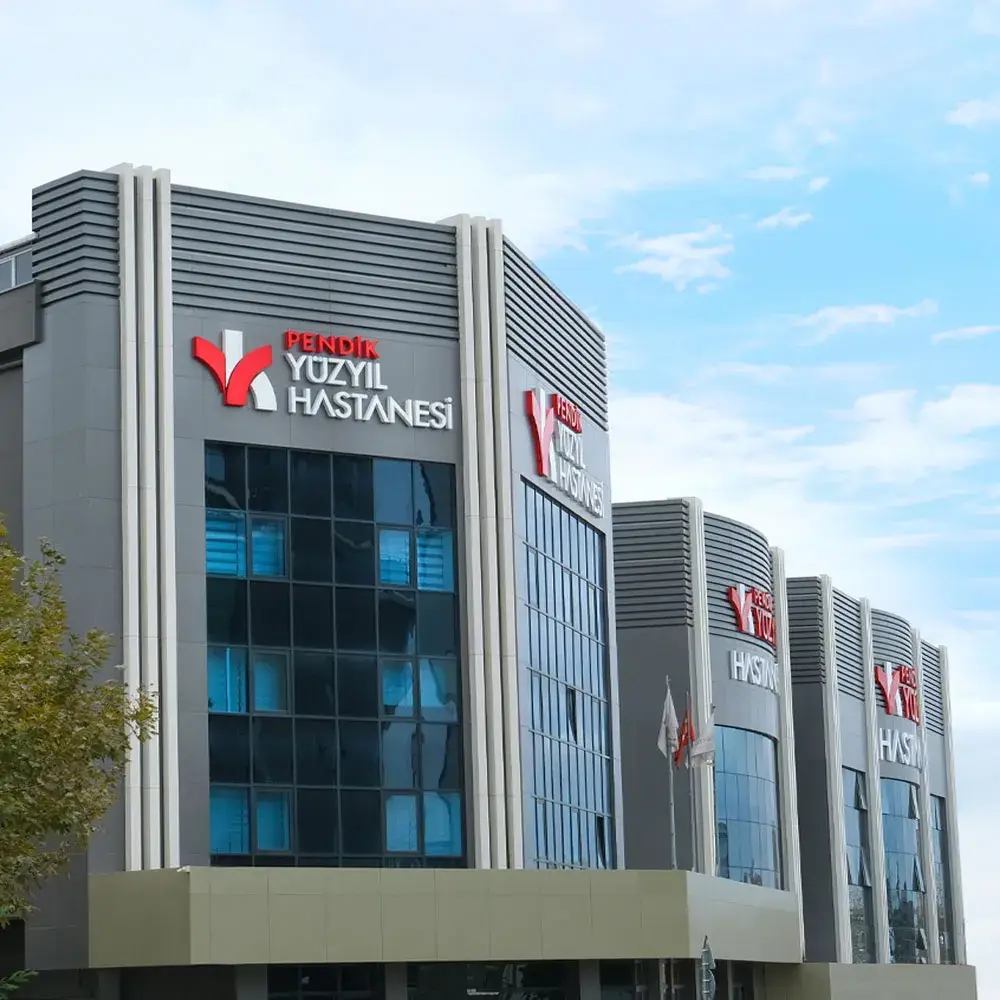
Pendik Yüzyıl Hospital is a full-service private hospital located in Pendik, Istanbul, serving both…
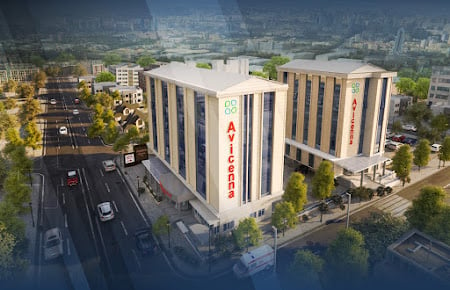
With multiple modern facilities across the city, Avicenna Hospital combines advanced medical technology, multidisciplinary…
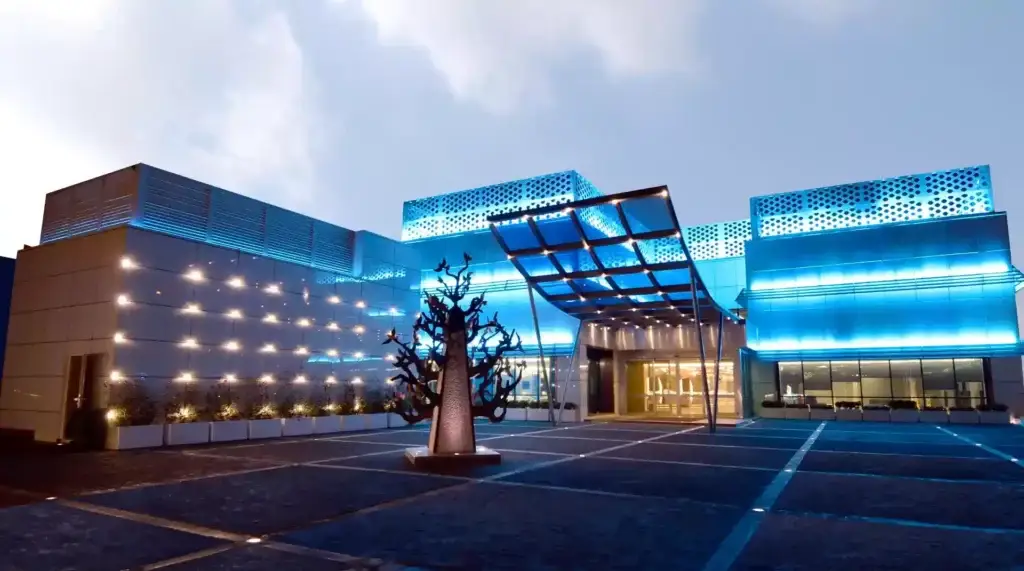
Liv Hospital Istanbul is one of Turkey’s leading private hospitals, internationally recognized for its…
Frequently Asked Questions
Is spine surgery in Turkey safe?
Spine surgery at Turkey’s accredited, high-volume spine centers is performed to internationally equivalent safety standards using the same implants, navigation systems, and neuromonitoring technology used in top US and UK spine programs. Safety in spine surgery is primarily determined by surgeon fellowship training, center volume, patient selection, and intraoperative monitoring quality — not by the country of treatment. Patients should verify their surgeon’s fellowship training credentials (orthopedic spine or neurosurgery fellowship at a recognized program), confirm the center uses intraoperative neuromonitoring for complex cases, and ensure they have a full pre-operative MRI reviewed by the Turkish spine team before arriving for surgery.
Can I fly home after spine surgery in Turkey?
Most patients can fly home 7–14 days after spine surgery in Turkey, depending on the procedure. Lumbar microdiscectomy and cervical disc replacement patients are typically cleared to fly after 7–10 days. Lumbar fusion patients may need 10–14 days before flying. Long-haul flights require additional precautions: compression stockings, regular in-seat movement, hydration, and DVT prophylaxis if prescribed. Your Turkish surgical team will provide specific clearance and flight recommendations before departure. Patients who require a longer ground recovery period typically stay in a rehabilitation hotel in Turkey for the additional days before flying.
Do I need physiotherapy after spine surgery in Turkey?
Yes — physiotherapy is essential after all forms of spine surgery for optimal recovery. Turkish spine programs provide initial physiotherapy instruction and an exercise program before discharge; patients continue physiotherapy with a local physiotherapist after returning home. For lumbar fusion cases, a formal 3–6 month physiotherapy rehabilitation program is strongly recommended and significantly improves functional outcomes. Patients should identify and book a physiotherapist experienced in post-surgical spine rehabilitation in their home country before traveling to Turkey for surgery.
Sources
- North American Spine Society (NASS). Spine Surgery Research and Statistics.
- Bookimed. Spine Surgery in Turkey: Prices and Clinics 2026.
Featured Orthopedics Procedures in Turkey
Procedures discussed in this article, available across Turkey.
Foot and Ankle Surgery in Istanbul, Turkey by Memorial Hospital
Comprehensive Treatment for Foot & Ankle Injuries With Advanced Trauma Care, Minimally Invasive Techniques…

Knee Arthroscopy in Istanbul
Regain your mobility and reduce pain with knee arthroscopy in Istanbul, where top orthopedic specialists provide…
Joint Replacement in Istanbul, Turkey by Medical Park Hospitals
Restore mobility, reduce pain, and get back to an active lifestyle with advanced hip, knee, and shoulder…

Cervical Spinal Stenosis in Istanbul, Turkey by Memorial Hospital
Advanced, Patient-Focused Care for Cervical Spinal Stenosis with Leading Spine Surgeons and Modern Minimally…

Cervical/Lumbar Spinal Stenosis Treatment in Istanbul, Turkey by Avicenna Hospital
Advanced Spine Surgery for Lasting Pain Relief, Improved Mobility & Better Quality of Life. Cervical and…

Arthroscopic Surgery in Istanbul, Turkey by Medical Park Hospitals
Precision Care for Knee, Shoulder & Ankle Problems. At Medical Park Hospitals, arthroscopic surgery is a…
Recommended Orthopedics Clinics in Turkey
Trusted clinics specializing in Orthopedics across Turkey.

Liv Hospital
Liv Hospital Istanbul is one of Turkey’s leading private hospitals, internationally recognized for its advanced…

Medical Park Hospital
Medical Park Hospital is the flagship brand of MLP Care, Turkey’s largest private hospital group. With more than…

Memorial Hospital
Memorial Hospital is Turkey’s most internationally recognized healthcare network, known for pioneering medical…

Pendik Yüzyıl Hospital
Pendik Yüzyıl Hospital is a full-service private hospital located in Pendik, Istanbul, serving both domestic and…

Avicenna Hospital
With multiple modern facilities across the city, Avicenna Hospital combines advanced medical technology,…
Explore Tours in Turkey
Discover the best places to visit in Turkey and explore its rich culture, breathtaking landscapes, iconic attractions, and unforgettable travel experiences.

Turkey: Private Cappadocia Tour: Hot Baloon Ride & Museum
Embark on a private guided journey through Cappadocia, a land of rich history and natural wonder. Your local…

Turkey: Half-Day Istanbul Private Food Tour & Culinary Experience
Taste the Real Istanbul. Experience Istanbul beyond the landmarks — through its rich and vibrant food culture.…

Turkey: Istanbul Guided Walking Tour – Full Day
Private Walking Experience | History, Culture & Iconic Landmarks Walk Through the Heart of Istanbul. Step into…

Turkey: Best of Istanbul Tour with Hagia Sophia Tickets
Step into centuries of history with this expertly guided small group experience through Istanbul’s Old City.…

Turkey: Istanbul Guided Tour
Full-Day Private Experience | History, Culture & Comfort Experience Istanbul in One Perfect Day Discover the…

Turkey: Full Day Pamukkale Tour
Discover the stunning natural beauty and ancient history of Pamukkale on this private guided tour. Marvel at the…
More Orthopedics Articles About Turkey
Keep reading about Orthopedics care and travel in Turkey.

Knee Replacement Surgery in Turkey Cost & Clinics
Knee replacement surgery has become one of the most in-demand orthopedic procedures globally. For patients seeking…

Ganglion Cyst Operations in Turkey Cost
Waking up one day to find a lump on your wrist, hand, or foot is unsettling. For most people, the first reaction…
Bone Fractures and Dislocations Treatment in Turkey Cost
Every year, thousands of people suffer bone breaks or joint dislocations that can disrupt careers, family life,…

Cartilage Injuries Treatment in Turkey Cost and Clinics
Cartilage injury treatment in Turkey — including arthroscopic chondroplasty, microfracture, autologous chondrocyte…

Back Hernia (Thoracic Disc Hernia) in Turkey Cost and Clinics
Back hernia (lumbar disc herniation) treatment in Turkey — from conservative management through to minimally…

Arthroscopic Surgery in Turkey Cost and Clinics
Arthroscopic surgery in Turkey — including knee arthroscopy, shoulder arthroscopy, and hip arthroscopy — is…
Leave a Comment
Share your thoughts on this article, or ask us a question -- we'd love to hear from you.