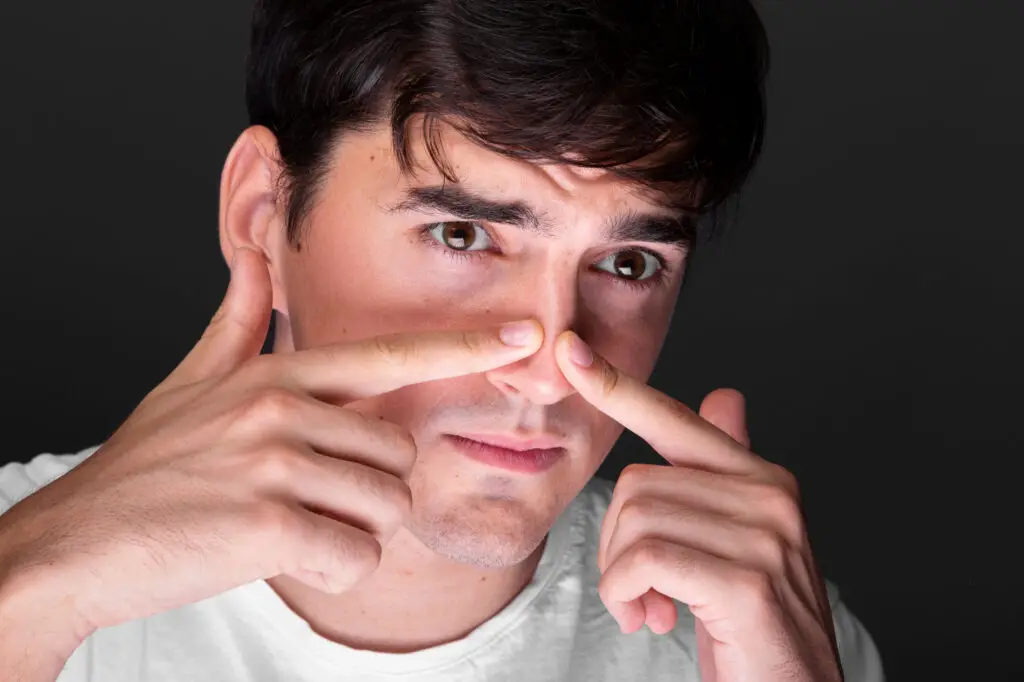
Explore the Blogs about Rhinoplasty Procedures

Expert articles, patient guides, and insights on Rhinoplasty medical tourism.

×
×

How Much Does Deviated Septum Surgery Cost Without Insurance?

Deviated septum surgery — medically called septoplasty — costs between $6,000 and $25,000 in the United States without insurance. For a procedure that typically takes 60–90 minutes under general anesthesia and is performed as an outpatient surgery, those numbers are difficult to justify. This guide explains what insurance actually covers, what drives US costs, and why thousands of patients are choosing internationally accredited ENT clinics abroad for the same procedure at $1,500–$5,000 all-in. What Does Insurance Actually Cover for Deviated Septum Surgery?. Septoplasty is generally considered medically necessary when a deviated septum causes chronic breathing obstruction, recurrent sinusitis, or sleep apnea. However, insurers apply strict criteria that frequently result in partial coverage or denial:. Coverage ScenarioTypical Insurance Response. Septoplasty for documented breathing obstructionCovered at 50–80% after prior authorization and deductible; documentation of failed conservative treatment required. Combined septoplasty + rhinoplasty (septorhinoplasty)Functional component (septoplasty) may be covered; cosmetic reshaping denied. Surgery at out-of-network facilityOut-of-network cost-sharing applies — patient may owe 40–60% of total bill. High-deductible health plan ($3,000–$7,000 deductible)Patient pays 100% until deductible met; most septoplasty costs fall within deductible range. Insurer classifies case as electiveFull denial; appeal requires ENT documentation of functional impairment and sleep study results. Anesthesia provider out-of-networkAnesthesia billed separately; may trigger unexpected balance billing even if facility is in-network. How Much Does Deviated Septum Surgery Cost Without Insurance?. FAIR Health data shows dramatic cost variation by facility type and geography. Ambulatory surgery centers charge substantially less than hospital outpatient departments for the same septoplasty procedure. Uninsured patients paying cash can often negotiate discounts of 20–40% off list price. Region / Facility TypeLow EstimateHigh EstimateAverage. Hospital outpatient (major metro)$12,000$25,000$18,000. Hospital outpatient (rural/suburban)$7,000$15,000$10,500. Ambulatory surgery center$6,000$12,000$8,500. Combined septorhinoplasty (hospital)$15,000$35,000$24,000. Revision septoplasty (repeat surgery)$12,000$28,000$19,000. What Drives Deviated Septum Surgery Costs So High in the US?. Hospital facility fees: A hospital outpatient OR costs $5,000–$10,000 to use for 60–90 minutes, regardless of the procedure's complexity. Surgeon fee markups: ENT surgeons in US metro areas bill $2,500–$6,000 for septoplasty — far above what Medicare reimburses for the same procedure. Anesthesia billed separately: General or IV sedation anesthesia is invoiced independently — adding $1,200–$3,500 to the total. Pre-operative workup costs: Nasal endoscopy, CT scan of sinuses, and sleep study (if ordered) add $1,500–$4,000 before surgery begins. Implant and splint charges: Septal splints and dissolvable packing materials are billed as supplies — typically $300–$800 on top of the procedure fee. Financial Assistance Options if You're Uninsured. Uninsured patients pursuing septoplasty in the US have several avenues to reduce costs before considering international care:. Hospital charity care programs: Most nonprofit hospitals offer free or reduced-cost care for patients earning under 200–400% of the federal poverty line. Request a financial assistance application before surgery is scheduled. Cash-pay / self-pay rates: Hospitals and surgery centers routinely offer 20–40% discounts for patients who pay upfront without insurance involvement. Ambulatory surgery centers: Choosing an ASC over a hospital outpatient facility for septoplasty can save $4,000–$10,000 with no reduction in quality. Medical credit financing: CareCredit and Prosper Healthcare Lending offer 0% interest promotional periods of 6–24 months for medical procedures — useful if the balance can be paid before the promotional period ends. Medicaid and state programs: Septoplasty for documented breathing impairment may qualify under expanded Medicaid in most states — eligibility is income-based. HSA/FSA funds: Health savings and flexible spending accounts can cover septoplasty costs for medically necessary procedures — no insurance required. How Much Does Deviated Septum Surgery Cost Abroad?. Turkey and Mexico have emerged as leading destinations for septoplasty and septorhinoplasty among international patients. ENT surgeons at accredited international hospitals often trained in Europe or the US and routinely perform hundreds of nasal surgeries annually. The cost difference is structural — not a reflection of lower standards. CountryEstimated Cost (Septoplasty)Savings vs US AverageNotes. Mexico$2,000 – $4,50075–89%Short travel distance for US patients; many US-trained ENT surgeons; English widely spoken. Turkey$1,500 – $4,00078–92%Leading rhinoplasty and septoplasty hub globally; Istanbul centers handle thousands of nasal surgeries annually. Thailand$2,200 – $5,00072–88%JCI-accredited hospitals with international patient departments; excellent recovery infrastructure. India$1,000 – $2,50086–94%Lowest cost option globally; Apollo and Fortis ENT departments experienced with international patients. Colombia$1,800 – $4,00078–90%Growing medical tourism; combined cosmetic + functional rhinoplasty popular. Poland$1,700 – $3,80079–91%EU-standard care; popular with European patients; English-speaking ENT surgeons at major centers. ENT Clinics Featured by MyMediTour. MyMediTour connects patients with verified ENT and rhinology clinics across top medical tourism destinations. Each listed clinic is reviewed for accreditation, surgeon credentials, patient communication standards, and English-language support before being featured. Is Quality Lower Abroad?. The assumption that lower cost means lower quality doesn't hold when examining accredited international ENT centers. Turkey's rhinoplasty and septoplasty clinics are among the most experienced in the world — some Istanbul hospitals perform more nasal surgeries in a month than most US ENT practices do in a year. JCI accreditation requires the same safety standards, sterile technique protocols, and patient rights frameworks as US Joint Commission accreditation. What international patients consistently report is better-than-expected care — attentive nursing staff, single-patient rooms, and follow-up protocols that rival or exceed their experiences in the US. The difference in price reflects structural differences in labor costs, medical liability insurance, and administrative overhead — not differences in surgical skill or outcomes. How to Verify a Clinic's Credentials Before You Go. Confirm JCI accreditation directly at jointcommissioninternational.org — search by hospital name and country. Research the ENT surgeon's training: Ask where they completed residency and fellowship — European and US-trained surgeons are common at top international centers. Request a virtual consultation: Reputable clinics offer free pre-operative video consults — use it to assess communication and surgical approach. Ask for annual case volume: For septoplasty, surgeons performing 200+ procedures annually have measurably lower complication rates. Verify nasal endoscopy capability: The clinic should offer pre-operative nasal endoscopy and CT scan review as part of the consultation process. Get an all-inclusive written quote: Confirm the quote covers surgeon, anesthesia, facility, post-op medication, and one follow-up visit. Confirm post-operative support: Ask how the clinic handles complications after you return home — dedicated patient coordinators and remote consult access are standard at reputable facilities. Deviated Septum Surgery Recovery: What to Expect. Septoplasty recovery is predictable and well-tolerated by most patients. Planning around the key milestones makes international travel logistics straightforward. PhaseTimeframeWhat HappensTravel Considerations. Immediate post-opDay 0–2Nasal splints in place; rest required; limited activityRemain at destination; arrange hotel near clinic. Splint removalDay 5–7Internal splints removed; first assessment of breathing improvementMost patients cleared to fly home after this visit. Early recoveryWeeks 1–3Swelling inside nose; nasal rinses twice daily; avoid blowing noseRemote follow-up via video consult; local ENT if needed. Full breathing restorationWeeks 4–8Swelling fully resolves; improved nasal airflow establishedNo restrictions; normal activities resumed. Risk Assessment: US vs. Abroad. Risk FactorUSTop International Clinics. Surgical complication rate1–3% (major complications)Under 2% at JCI-accredited ENT centers. Revision rate5–10% (chronic deviation recurrence)Comparable at high-volume centers. Post-op infection1–3% at hospital settingsUnder 1% at top accredited facilities. Language barriersNoneLow at clinics with international patient departments. Surprise billing riskVery high (balance billing common)Minimal — all-inclusive quotes standard. Follow-up access post-returnEasyRemote consult + local ENT referral coordination available. Frequently Asked Questions. Can I combine septoplasty with cosmetic rhinoplasty abroad?. Yes. Septorhinoplasty — combining functional correction with cosmetic reshaping — is one of the most popular procedures at international ENT and plastic surgery centers, particularly in Turkey. The combined procedure costs $3,000–$7,000 abroad versus $15,000–$35,000 in the US. How do I know if my deviated septum is severe enough to warrant surgery?. Surgery is typically recommended when a deviated septum causes chronic nasal obstruction, recurring sinusitis (three or more episodes per year), or sleep-disordered breathing that doesn't respond to medication. A nasal endoscopy and sometimes a CT scan confirm the degree of deviation and guide the surgical plan. How long do I need to stay in the country after septoplasty?. Plan for 7–10 days. The critical post-operative visit — when internal splints are removed and healing is assessed — occurs on Day 5–7. Most surgeons clear patients to fly home after that visit if there are no complications. Will my deviated septum come back after surgery?. Cartilage has some memory and can shift slightly over time, but significant recurrence requiring revision surgery occurs in roughly 5–10% of cases. High-volume surgeons who use careful cartilage scoring and suturing techniques have lower revision rates. Ask your surgeon about their approach to preventing recurrence. Is general anesthesia required for septoplasty?. Most septoplasty procedures use general anesthesia or deep IV sedation. Some surgeons perform simple cases under local anesthesia with sedation. Your international surgeon will advise the best approach during the pre-operative consultation based on the complexity of your deviation. If the cost of deviated septum surgery in the US has been keeping you from breathing freely, internationally accredited ENT clinics offer a safe, affordable alternative. Browse verified clinics below to compare destinations, review surgeon credentials, and request a complimentary consultation.


Rhinoplasty in Colombia Cost and Clinics

Rhinoplasty in Colombia is performed by internationally trained plastic surgeons in Bogotá, Medellín, and Cali — cities with some of Latin America's highest concentrations of board-certified plastic surgeons — at 60–70% below US costs and 55–65% below UK private costs, with Colombian rhinoplasty specialists recognized globally for their expertise in nasal refinement, natural-looking results, and ethnic-appropriate tip work for Latin, Mediterranean, and mixed-heritage nasal anatomy. Colombia has the highest per-capita plastic surgery rate in Latin America and among the highest globally, producing plastic surgeons with extraordinary case volumes and technical depth across all facial procedures. Rhinoplasty in Colombia costs $2,500–$5,500 all-inclusive, compared to an ASPS 2024 average US surgeon fee of $5,483 (total cost with facility and anesthesia $8,000–$15,000) and UK private costs of £5,000–£10,000 (per ASPS 2024 statistics). The ISAPS 2023 global statistics rank rhinoplasty as the most performed aesthetic facial procedure worldwide — with Colombia contributing a significant share of Latin America's total volume. Colombian plastic surgeons have developed particular expertise in open structural rhinoplasty for patients of Latin heritage who often present with thick nasal skin, weak lower lateral cartilages, and a bulbous or amorphous nasal tip — characteristics that require more sophisticated cartilage grafting and tip refinement technique than thin-skinned European rhinoplasty. Colombian surgeons' experience with these nasal types has made Colombia a destination not only for domestic patients but for international patients from across Latin America, Spain, and increasingly the United States and UK who seek surgeons with deep expertise in their specific nasal anatomy. According to Bookimed's 2026 market data, rhinoplasty is among the top three most requested procedures by international patients traveling to Colombia. Colombia's major plastic surgery centers in Bogotá and Medellín maintain standards comparable to internationally accredited facilities — with Colombian Board of Plastic Surgery (Sociedad Colombiana de Cirugía Plástica y Estética) certification as the baseline credential for legitimate Colombian plastic surgeons. Accredited Colombian clinics perform pre-operative imaging (3D simulation in many centers), comprehensive rhinoplasty planning consultations, and provide standardized post-operative care protocols including nasal splinting, follow-up appointments, and digital consultation for international patients after returning home. Why Choose Colombia for Rhinoplasty?. 60–70% cost savings: All-inclusive rhinoplasty from $2,500–$5,500 in Colombia versus $8,000–$15,000 in the US and £5,000–£10,000 in the UK. Latin nasal anatomy expertise: Colombian surgeons perform rhinoplasty on thick-skinned, wide-tipped Latin nasal anatomy at high volume — developing genuine expertise in the open structural approach with alar base reduction, tip refinement via cartilage grafting, and dorsal hump reduction that Latin patients most commonly require. Highest plastic surgery density in Latin America: Bogotá and Medellín host more board-certified plastic surgeons per capita than most Latin American cities — competitive excellence drives continuous technical refinement. Natural-result philosophy: Colombian aesthetic philosophy emphasizes natural-looking results appropriate to the patient's face — avoiding the over-reduced "pinched" appearance or excessive tip rotation that characterized older rhinoplasty approaches. 3D simulation technology: Leading Colombian rhinoplasty centers offer 3D nasal simulation during pre-operative consultation — allowing patients to visualize the planned outcome before surgery. Revision rhinoplasty experience: High volume of primary rhinoplasty creates a corresponding pool of revision cases — Colombian surgeons experienced in revision rhinoplasty using rib and ear cartilage reconstruction. Rhinoplasty Cost in Colombia vs. Other Countries. CountryAverage All-Inclusive Cost (USD)Notes. Colombia$2,500 – $5,500All-inclusive; structural technique; ethnic anatomy expertise. United States$8,000 – $15,000ASPS 2024: $5,483 surgeon fee + facility + anesthesia. United Kingdom (private)$6,400 – $12,800BAAPS-registered rhinoplasty specialist. Turkey$2,500 – $5,500Similar pricing; strong cartilage grafting expertise. South Korea$3,000 – $7,000Asian anatomy specialization; high volume. Rhinoplasty Techniques in Colombia. Open structural rhinoplasty (standard at Colombian centers): Columellar + internal incisions; maximum surgical access; cartilage grafting (tip grafts, spreader grafts, columellar strut, shield graft) for structural support and tip refinement; the gold-standard approach for complex nasal tip work and revision surgery; used at virtually all major Colombian rhinoplasty centers. Alar base reduction: Excision of a small wedge of tissue at the base of the nostrils to narrow wide, flared nostrils — a technique Colombian surgeons perform at high volume for patients of Latin and African heritage; must be performed with precise measurement to achieve symmetrical, proportionate results. Dorsal hump reduction: Removal of excess bone and cartilage from the nasal bridge using rasps, osteotomes, and/or ultrasonic rhinoplasty instruments; combined with osteotomies to narrow the nasal bones and close the resulting open roof deformity; Colombian surgeons experienced with both conventional and piezo (ultrasonic) dorsal work. Revision rhinoplasty with rib cartilage: For patients with previous rhinoplasty causing structural collapse, over-reduction, or insufficient tip support, rib cartilage provides large amounts of strong autologous grafting material; Colombian surgeons trained in rib cartilage rhinoplasty perform revision cases that many surgeons decline. Frequently Asked Questions. How long do I need to stay in Colombia for rhinoplasty?. Plan at least 10–14 days in Colombia for rhinoplasty. The first day is the pre-operative assessment (blood tests, photographs, final consultation). Surgery is day 2. Days 3–7 are hotel recovery with daily or every-other-day nursing/clinic checks. The nasal splint is removed at day 7–10, after which the first critical post-operative assessment is made and photographs taken. Most patients are cleared to fly home at day 10–12. Booking the return flight for day 12–14 provides a comfortable buffer for any minor swelling-related concerns before travel. Is rhinoplasty in Colombia safe?. Rhinoplasty at board-certified Colombian plastic surgery centers is safe — equivalent in risk profile to comparable procedures at accredited facilities in the US and UK. Safety factors: confirm the surgeon holds Colombian Board of Plastic Surgery (SCCP) certification; the facility should be accredited by the Colombian Ministry of Health (Habilitación) and ideally internationally accredited; pre-operative assessment should include blood tests, anesthesia review, and cardiovascular assessment for patients over 40. Avoid clinics offering rhinoplasty at very low prices ($1,000–$1,500 range) — at this price point corners are being cut on surgeon training, facility standards, anesthesia safety, or implant/graft quality. The $2,500–$5,500 range reflects legitimate board-certified rhinoplasty at properly accredited Colombian surgical centers. Sources. American Society of Plastic Surgeons (ASPS). Plastic Surgery Statistics Report 2024. International Society of Aesthetic Plastic Surgery (ISAPS). Global Aesthetic/Cosmetic Procedures Statistics 2023. Bookimed. Rhinoplasty in Colombia: Prices and Clinics 2026.

Rhinoplasty in South Korea Cost and Clinics

Rhinoplasty in South Korea is recognized globally as among the most sophisticated in the world—Korean plastic surgeons have pioneered ethnic rhinoplasty techniques tailored to Asian nasal anatomy and are equally experienced with non-Asian nasal structures from treating a large and diverse international patient population. Seoul's Gangnam district hosts hundreds of rhinoplasty-specialized clinics and surgeons, performing open and closed rhinoplasty, augmentation rhinoplasty, tip refinement, alar reduction, and complex revision cases. All-inclusive rhinoplasty packages in South Korea run $3,000–$7,000, compared to a US surgeon fee of $5,483 (per ASPS 2024 data) plus facility and anesthesia charges that typically total $8,000–$15,000. The ISAPS 2023 Global Survey ranks rhinoplasty as the most performed aesthetic facial procedure globally for the seventh consecutive year. South Korea performs more rhinoplasties per capita than virtually any other country—producing a depth of surgical experience that is genuinely rare at the global level. Korean rhinoplasty surgeons are particularly noted for cartilage grafting expertise (rib cartilage, septal cartilage, conchal cartilage), precise tip work, and producing results that enhance without over-Westernizing or making patients appear "operated." According to Bookimed's 2026 market data, rhinoplasty is the most requested facial aesthetic procedure by international patients traveling to South Korea. Rhinoplasty Cost in South Korea vs. Other Countries. CountryAverage Cost (USD)What's Typically Included. South Korea$3,000 – $7,000Surgery, anesthesia, hospital stay, hotel, coordinator. United States$8,000 – $15,000Surgeon fee ($5,483 avg per ASPS 2024) + facility + anesthesia; no accommodation. Mexico$2,500 – $5,000Surgery, hospital, hotel, transfers included. Turkey$2,500 – $5,500Surgery, hospital, hotel, transfers included. Thailand$3,000 – $6,000Surgery; accommodation extra at most centers. The South Korea range reflects Bookimed's 2026 market data. Complex cases using rib cartilage grafts and revision rhinoplasty typically fall toward the upper end. Rhinoplasty Approaches in South Korea. Open rhinoplasty: Small columellar + internal incisions; maximum surgical visibility for complex structural work, tip reshaping, and cartilage grafting; the standard approach for most international patients at Korean clinics seeking significant change. Closed rhinoplasty: All-internal incisions; no external scar; used for limited corrections where the internal approach provides sufficient access. Augmentation rhinoplasty: Uses silicone implants or cartilage grafts to increase nasal bridge height; historically common in Asian rhinoplasty; Korean surgeons are experienced with both implant-based and autologous cartilage augmentation, with growing preference for cartilage for natural feel and safety. Revision rhinoplasty: Correction of prior rhinoplasty results; Korea attracts international revision patients specifically because of Korean surgeons' depth of structural rhinoplasty expertise and cartilage grafting capability. Rhinoplasty Recovery Timeline in South Korea. TimelineWhat to Expect. Day 1–2Hospital stay; nasal splint in place; swelling and bruising around eyes. Day 3–7Hotel recovery; significant swelling; congestion; splint in place. Day 7–10Splint and sutures removed; most patients cleared to fly. Week 2–3Bruising fading; residual swelling; return to desk work. Month 1–3~80% of final result visible; tip definition still refining. Month 6–12Final shape fully settled; tip definition complete. Frequently Asked Questions. How much does rhinoplasty cost in South Korea in 2026?. Based on Bookimed's 2026 market data, all-inclusive rhinoplasty packages in South Korea range from $3,000 to $7,000—compared to US total costs of $8,000–$15,000. Why do patients travel to South Korea specifically for rhinoplasty?. Korean rhinoplasty surgeons offer a rare combination: extremely high case volume (producing genuine technical depth), documented innovation in cartilage grafting and structural techniques, and a natural-enhancement philosophy that resonates with international patients who want subtle, ethnic-appropriate refinement rather than dramatic Westernization. Revision rhinoplasty patients from around the world travel to Korea specifically to access surgeons experienced with complex structural cases requiring rib or ear cartilage reconstruction. Sources. American Society of Plastic Surgeons (ASPS). 2024 Plastic Surgery Statistics Report. International Society of Aesthetic Plastic Surgery (ISAPS). ISAPS Global Survey 2023. Bookimed. Rhinoplasty in South Korea: Prices and Clinics 2026.

Rhinoplasty in Mexico Cost and Clinics

Rhinoplasty in Mexico delivers precision nose reshaping by CMCP-certified surgeons at 55–70% below US prices, with direct flights from virtually every US city and no visa requirements for US and Canadian citizens. Tijuana—minutes from San Diego by car—and Mexico City host established rhinoplasty specialists performing open rhinoplasty, closed rhinoplasty, revision rhinoplasty, and septoplasty-rhinoplasty combinations. All-inclusive rhinoplasty packages in Mexico run $2,500–$5,000, compared to a US surgeon fee average of $5,483 (per ASPS 2024 data) plus facility and anesthesia charges that typically total $8,000–$15,000. The ISAPS 2023 Global Survey ranks rhinoplasty as the most performed aesthetic facial procedure worldwide for the seventh consecutive year, with an estimated 700,000+ procedures performed globally. Mexico has a particularly strong rhinoplasty tradition given its large domestic market demand, and experienced surgeons are well-versed in the full range of nasal anatomy types seen in both Hispanic and non-Hispanic patients. Rhinoplasty Cost in Mexico vs. Other Countries. CountryAverage Cost (USD)What's Typically Included. Mexico$2,500 – $5,000Surgery, anesthesia, 1 hospital night, hotel, transfers, coordinator. United States$8,000 – $15,000Surgeon fee ($5,483 avg per ASPS 2024) + facility + anesthesia; no accommodation. Colombia$2,000 – $4,500Surgery; accommodation extra at most centers. Turkey$2,500 – $5,500Surgery, hospital, hotel, transfers typically included. South Korea$4,000 – $9,000Surgery; accommodation extra. The Mexico range reflects Bookimed's 2026 market data for rhinoplasty at accredited Mexican plastic surgery centers. Rhinoplasty Techniques Available in Mexico. Open rhinoplasty: Small incision across the columella (tissue between nostrils) plus internal incisions; provides maximum visibility and precision; preferred for significant structural changes, tip work, and grafting; slight scar on columella that fades to near-invisible. Closed rhinoplasty: All incisions inside the nostrils; no external scar; faster recovery; suitable for limited corrections with less need for tip cartilage manipulation. Septoplasty + rhinoplasty: Combines deviated septum correction (functional) with cosmetic reshaping; often covered by insurance for the septoplasty component if performed in the US—but many patients pursue both components together during their Mexico rhinoplasty. Revision rhinoplasty: Corrects results from a prior rhinoplasty; more complex due to altered anatomy and scar tissue; requires specialized expertise; available at experienced centers in Mexico City and Tijuana. Rhinoplasty Recovery Timeline in Mexico. TimelineWhat to Expect. Day 1–2Nasal splint in place; swelling and bruising around eyes; 1 hospital night. Day 3–5Staying at hotel; congestion; bruising peaking; most patients comfortable walking. Day 7–10Splint and sutures removed; most patients cleared to fly by day 7–10. Week 2–3Bruising fading; significant swelling remains; return to desk work. Month 1–3Tip swelling still resolving; ~80% of final result visible. Month 6–12Final shape fully visible; tip definition complete. Frequently Asked Questions. How much does rhinoplasty cost in Mexico in 2026?. Based on Bookimed's 2026 market data, all-inclusive rhinoplasty packages in Mexico range from $2,500 to $5,000—compared to US total costs of $8,000–$15,000. How long do I need to stay in Mexico for rhinoplasty?. Plan for 7–10 days total: surgery day, 1 hospital night, 5–7 recovery hotel nights before flying home. Most surgeons clear patients to fly once the splint is removed and they confirm no complications—typically day 7–10. Flying earlier is not recommended due to swelling, congestion, and altitude changes that can affect healing. What rhinoplasty techniques are available at Mexican plastic surgery centers?. Mexican CMCPER-certified plastic surgeons perform all standard rhinoplasty techniques: open rhinoplasty — columellar incision plus bilateral marginal incisions for maximum visualization; preferred for complex structural work, tip refinement, and cartilage grafting. Closed rhinoplasty — all intranasal incisions; no external scar; faster recovery; appropriate for dorsal reduction and minor tip adjustments with less direct visualization. Tip rhinoplasty — limited approach addressing nasal tip projection, rotation, and definition only. Septorhinoplasty — combined aesthetic rhinoplasty and septoplasty for functional airflow correction. Revision rhinoplasty — secondary correction of previous rhinoplasty; significantly more complex; requires surgeons with specific revision experience. Ethnic rhinoplasty — technique adaptation to preserve features important to specific ethnic anatomical characteristics while addressing the patient's aesthetic goals. How long does swelling last after rhinoplasty performed in Mexico?. Post-rhinoplasty swelling in Mexico follows a consistent timeline: major bruising and periorbital swelling ("raccoon eyes") peaks at days 3–5 and largely resolves over 10–14 days. The nasal cast is removed at day 7. At 4–6 weeks, 60–70% of swelling has subsided and the result is socially presentable. Nasal tip swelling — the slowest area to resolve — persists for 9–18 months because of the tip's lower vascularity and disrupted lymphatic drainage during surgery. The definitive rhinoplasty result is not visible until 12 months post-surgery. Patients with thick nasal skin experience slower swelling resolution and slightly less visible definition in the final result than thin-skinned patients. Can rhinoplasty in Mexico also improve nasal breathing?. Yes — septorhinoplasty combines aesthetic reshaping with functional correction of nasal obstruction. The most common functional cause is a deviated nasal septum — corrected through septoplasty during the same surgical approach. Enlarged turbinates (nasal structures that can obstruct airflow when hypertrophied) can also be reduced simultaneously. Internal nasal valve collapse — where the nasal sidewall collapses inward during inspiration — is addressed with spreader grafts or flaring sutures during rhinoplasty. Mexican plastic surgeons trained in functional rhinoplasty assess both the aesthetic and functional anatomy during the pre-operative consultation. If nasal obstruction is a primary concern, confirm your Mexican surgeon's experience with functional rhinoplasty alongside cosmetic reshaping. What materials are used as grafts during rhinoplasty in Mexico?. Grafts used in Mexican rhinoplasty provide structural support, refinement, or projection correction. Autologous cartilage grafts — harvested from the patient's own nasal septum (primary source), ear (auricular concha), or rib (for large grafts) — are the gold standard; incorporated naturally without rejection risk. Common graft types: columellar strut (tip projection support); spreader graft (internal valve support); tip grafts (onlay, shield, cap grafts for tip definition); alar rim grafts (lateral crural support). Cartilage from the septum is used first; ear cartilage is the preferred secondary source for smaller revisions; rib cartilage is reserved for major revision rhinoplasty or complex reconstruction. Alloplastic implants (silicone, Medpor) are occasionally used for dorsal augmentation in specific anatomical cases but carry higher infection risk than autologous cartilage. How do I verify that a Mexican rhinoplasty surgeon has specific rhinoplasty expertise?. CMCPER board certification is the baseline credential — but rhinoplasty expertise within plastic surgery requires additional assessment. Ask: What percentage of your surgical practice is rhinoplasty? Annual rhinoplasty case volume (50+ cases per year indicates active specialization)? Have you performed any rhinoplasty fellowship or subspecialty training beyond the plastic surgery residency? Are you a member of Mexico's rhinoplasty specialty society (Sociedad Mexicana de Rinología y Cirugía Facial — SMRCF)? Can you provide 30+ before-and-after photos from your rhinoplasty patients — specifically cases similar to my anatomy? Mexican rhinoplasty subspecialists in Mexico City and Guadalajara serve both domestic patients and international medical tourists specifically seeking nose surgery expertise. What activities are restricted after rhinoplasty in Mexico?. Weeks 1–2: complete rest; no bending, straining, or heavy lifting; head elevated 30–45 degrees; nasal splint continuously for 7 days; avoid blowing the nose; nasal saline rinses per surgeon protocol. Weeks 2–4: light activity; no glasses on the nose for 4–6 weeks (tape to forehead instead); avoid nose pressure; continue sun protection. Weeks 4–8: most daily activities; desk work from week 2; avoid contact sports and nasal impact risk. Weeks 8+: full return to exercise. 3 months: contact sports cleared. Sun exposure to the nose should be minimized for 6–12 months to prevent post-inflammatory hyperpigmentation of healing incisions — a particularly important consideration for patients with darker Fitzpatrick skin types. How long should I plan to stay in Mexico after rhinoplasty?. Plan 10–14 days in Mexico for rhinoplasty. Day 1: consultation, pre-operative assessment, blood work. Day 2: surgery. Days 3–7: hotel recovery; nasal splint and cast intact; significant swelling and bruising. Day 7: splint removal appointment — a critical milestone revealing the early result for the first time. Days 8–14: recovery continues; surgeon checks healing; travel clearance typically given at day 10–12 when the surgeon is satisfied with wound healing and absence of complication signs. Flying home before the splint removal (before day 7) is not recommended as the post-removal check is important for wound assessment and early result evaluation. What is the revision rhinoplasty rate and how are revisions managed in Mexico?. Rhinoplasty has the highest revision rate of all aesthetic procedures globally — approximately 5–15% depending on surgeon experience and case complexity. Minor revisions (injection of steroid or filler at the tip, suture adjustment under local anaesthesia) are performed at 6–12 months when the initial swelling has fully resolved. Major revisions (cartilage repositioning, additional grafting) require full reoperation — technically more complex than primary surgery due to scar tissue. Leading Mexican rhinoplasty surgeons provide initial consultations for revision at no charge for their own patients; revision surgeon fee is typically discounted versus the primary procedure fee for documented complications. Patients who undergo revision rhinoplasty in Mexico should bring full operative records from the primary surgery to the revision consultation. How does rhinoplasty cost in Mexico compare to the United States?. Rhinoplasty in Mexico costs $3,500–$7,000 all-inclusive (surgeon, anaesthesia, hospital or accredited surgical facility, post-operative medications, splint, follow-up) — compared to US costs of $10,000–$18,000 for equivalent primary rhinoplasty at a board-certified plastic surgeon. Savings of 55–65% are achievable with CMCPER board-certified Mexican rhinoplasty surgeons using the same open and closed technique approaches as US surgeons. For revision rhinoplasty (technically more complex), Mexico costs $5,000–$9,000 versus US $15,000–$25,000. Mexican rhinoplasty all-inclusive packages in cities including Mexico City, Guadalajara, Monterrey, and Tijuana cover all costs through the surgical stay and in-country follow-up. What pre-operative preparation is needed before rhinoplasty in Mexico?. Pre-operative preparation for rhinoplasty in Mexico: Stop aspirin, ibuprofen, NSAIDs, and blood-thinning supplements (omega-3, vitamin E, garlic, ginkgo) 2 weeks before surgery — these impair platelet function and increase bruising. Stop smoking 6 weeks before surgery — nicotine impairs wound healing and increases infection risk. Avoid alcohol for 2 weeks before surgery. Complete pre-operative blood work (CBC, coagulation studies, metabolic panel) — organized by the Mexican clinic on arrival day or provided from your home country in advance. Bring front, side, and oblique pre-operative photographs. Arrange 10–14 days away from work and social obligations. Arrange a companion to escort you from the surgical center on day 1 post-surgery — you should not navigate alone while in early post-anaesthesia recovery. Sources. American Society of Plastic Surgeons (ASPS). 2024 Plastic Surgery Statistics Report. International Society of Aesthetic Plastic Surgery (ISAPS). ISAPS Global Survey 2023. Bookimed. Rhinoplasty in Mexico: Prices and Clinics 2026.

Best Countries for Rhinoplasty in the World

Turkey has become the undisputed global capital of rhinoplasty. Istanbul alone performs an estimated 200,000–250,000 nose surgeries per year — more than any other city in the world — and that extraordinary volume has produced a generation of surgeons with unmatched technical depth in nasal anatomy, structural integrity, and aesthetic refinement. But Turkey is not the only destination worth considering. Colombia, Mexico, Greece, and Costa Rica each have their own compelling advantages for patients seeking rhinoplasty abroad. In the United States, a rhinoplasty costs $8,000–$15,000. Abroad, the same procedure — performed by a board-certified specialist with a documented portfolio of results — costs $2,000–$5,500. Country Cost Comparison. CountryAverage CostSavings vs. USKey Advantage. Turkey$2,000–$4,000~80%World's highest rhinoplasty volume, ultra-specialized surgeons. Colombia$2,500–$4,500~75%Strong aesthetic tradition, detailed pre-surgical planning. Costa Rica$3,200–$5,000~67%US-trained surgeons, personalized boutique care. Mexico$3,000–$5,000~67%Close to the US, all-inclusive packages. Greece$3,500–$5,500~62%EU-regulated standards, Athens facial surgery centers. Turkey — The Global Rhinoplasty Capital. No country in the world performs as many rhinoplasties as Turkey. Istanbul's plastic surgery ecosystem has been shaped by decades of demand from both domestic and international patients seeking nasal refinement, and the result is a depth of specialization unparalleled anywhere else. Many Turkish rhinoplasty surgeons focus exclusively on nasal surgery, performing 300–500 procedures per year. This level of focus produces outcomes that rival the best practitioners in the United States or Europe, at a fraction of the cost. Turkish surgeons are experienced across the full spectrum of nasal corrections — tip refinement, dorsal hump reduction, deviated septum repair, and complex revision cases. A primary rhinoplasty in Turkey costs $2,000–$4,000; complex revision rhinoplasty runs $3,000–$5,500. Clinics in Turkey. Rhinoplasty Options in Turkey. Colombia — Aesthetic Excellence with Strong Surgical Planning. Colombian rhinoplasty surgeons are particularly known for their meticulous pre-surgical planning process, which often includes 3D imaging and digital morphing to give patients a realistic preview of expected results before any incision is made. This approach reduces the incidence of revision requests and sets clear expectations on both sides. Bogotá's private surgical centers offer rhinoplasty at $2,500–$4,500, and the combination of aesthetic artistry, modern technology, and competitive pricing makes Colombia one of the top three rhinoplasty destinations globally. Colombian surgeons also have strong experience with ethnic rhinoplasty — preserving or enhancing ethnic features rather than imposing a generic aesthetic template. Clinics in Colombia. Rhinoplasty Options in Colombia. Mexico — Accessible Rhinoplasty for US Patients. Mexico's top rhinoplasty surgeons — concentrated in Mexico City, Monterrey, and Guadalajara — offer a high standard of facial plastic surgery in well-equipped private hospitals. Rhinoplasty in Mexico costs $3,000–$5,000, and many clinics include 3D imaging consultations, pre-operative lab work, anesthesia, and follow-up visits in their quoted package price. For US patients seeking rhinoplasty abroad, Mexico's geographic proximity reduces both the cost and the stress of post-operative travel. Flying home within seven to ten days of a rhinoplasty — while still swollen and wearing a nasal splint — is considerably more manageable on a two-hour flight than a ten-hour one. Clinics in Mexico. Rhinoplasty Options in Mexico. Greece — European Precision in Facial Plastic Surgery. Athens hosts a community of facial plastic surgeons who practice under EU regulatory standards and bring a European tradition of surgical restraint and natural-looking outcomes to rhinoplasty. The Greek aesthetic philosophy tends toward refinement rather than dramatic transformation — an approach that suits patients who want a subtler, harmonious improvement rather than an obviously "done" look. Rhinoplasty in Greece costs $3,500–$5,500 at reputable Athens surgical centers. Greece also benefits from excellent post-operative recovery conditions: a calm, Mediterranean pace of life with warm, dry weather during the primary medical tourism season (April through October) that supports healing without the indoor heat and humidity common in tropical destinations. Clinics in Greece. Rhinoplasty Options in Greece. Costa Rica — Personalized Facial Surgery in a Serene Setting. Costa Rica's rhinoplasty surgeons offer a boutique experience — small practices, direct surgeon access, and unhurried consultations — that contrasts sharply with the high-volume factory model common in Istanbul's busiest clinics. For patients who value personal attention and a close surgeon-patient relationship throughout the process, Costa Rica's model is worth the slightly higher price of $3,200–$5,000. US-trained facial surgeons in San José have extensive experience with the nasal anatomy common among North American patients, and the English-speaking environment eliminates the communication friction that can complicate discussions of such a highly personal aesthetic procedure. Clinics in Costa Rica. Rhinoplasty Options in Costa Rica. How to Choose the Right Country for Rhinoplasty. Review a large, specific portfolio of rhinoplasty results: Rhinoplasty is one of the most technically demanding procedures in plastic surgery, and outcomes vary enormously by surgeon. Ask to see a minimum of 20–30 before-and-after photos specifically of rhinoplasty cases — not general plastic surgery work. Clarify whether you need open or closed technique: Open rhinoplasty (small incision across the columella) provides greater visualization and is preferred for complex structural work; closed rhinoplasty (incisions inside the nostrils) leaves no visible external scar and suits simpler refinements. Discuss which approach is appropriate for your anatomy. Set realistic expectations for the result timeline: The final result of a rhinoplasty is not visible for up to 12 months. You will look significantly swollen for the first two to three weeks, with gradual improvement over the following months. Do not evaluate your outcome before at least six months have passed. Consider functional as well as aesthetic goals: If you have breathing difficulties due to a deviated septum or enlarged turbinates, combining septoplasty with rhinoplasty is common and cost-effective. Confirm your surgeon is qualified to perform functional correction, not only cosmetic reshaping. Plan your in-country stay carefully: The nasal splint is typically removed at day seven to ten. Plan to stay until after splint removal so you can attend this critical follow-up appointment with your surgeon in person. Frequently Asked Questions. Can I have revision rhinoplasty done abroad?. Yes, revision rhinoplasty — correcting the results of a previous nose surgery — is performed by experienced surgeons in all five countries covered here, and Turkey in particular has developed a subspecialty in complex revision cases. However, revision rhinoplasty is significantly more technically demanding than primary surgery, as scar tissue and altered anatomy from the previous procedure must be navigated. You should seek a surgeon with documented, specific experience in revision rhinoplasty rather than simply a general plastic surgeon. Expect revision costs to be 20–40% higher than primary rhinoplasty prices. What is the difference between open and closed rhinoplasty technique?. In closed rhinoplasty, all incisions are made inside the nostrils, leaving no visible external scar. It is less invasive and typically involves a shorter recovery, but provides the surgeon with more limited visualization of the nasal structures. Open rhinoplasty adds a small incision across the columella (the narrow strip of tissue between the nostrils), which allows the surgeon to fully lift the nasal skin and work on the cartilage and bone under direct visualization. Open technique is preferred for complex structural changes, significant tip work, or revision cases. The columella scar is generally very inconspicuous once healed. What is the full recovery timeline after rhinoplasty?. The nasal splint is removed at 7–10 days. By two weeks, most patients are presentable in public, though swelling will still be obvious on close inspection. At one month, roughly 70% of swelling has resolved. At three months, the nose looks largely like the final result but the tip remains swollen and slightly stiff. Full resolution — including the fine tip definition and the final skin contraction — takes 12 months, and in patients with thicker nasal skin, up to 18 months. The first six weeks should involve no contact sports, sunglasses resting on the nose, or blowing the nose forcefully. How long does it take to see the final rhinoplasty result?. Most patients see approximately 80% of their final result by three to four months post-surgery. The remaining refinement — particularly in the nasal tip, which has the most tissue and therefore the longest healing curve — takes up to 12 months. Patients with thick nasal skin may wait up to 18 months for the skin to fully contract and reveal the underlying structural work. It is important not to assess your result during the first few months and to resist the temptation to request revision surgery before the healing process is complete. What is ethnic rhinoplasty and which countries are best for it?. Ethnic rhinoplasty refers to nasal surgery that respects and preserves the patient's ethnic features — rather than applying a generic, Eurocentric aesthetic template. It is technically more nuanced than standard rhinoplasty, as the surgeon must balance the patient's goals with an understanding of their heritage and nasal structure. Colombia and Turkey are particularly strong for ethnic rhinoplasty, given the diversity of their patient populations and the experience their surgeons have developed with a wide range of nasal anatomies. When researching surgeons, specifically ask to see before-and-after photos of patients with similar ethnic backgrounds to your own. Can I combine rhinoplasty with septoplasty abroad?. Yes, and this combination is extremely common — and cost-effective. Septoplasty corrects a deviated nasal septum to improve airflow and breathing, while rhinoplasty addresses the external appearance of the nose. Combining both in a single session means one anesthesia event, one recovery period, and a single trip. Because the surgeon is already working inside the nose for the aesthetic correction, adding septoplasty typically adds only a modest cost to the total. If you have documented breathing difficulties, inform your surgeon at your first consultation so they can assess whether a functional correction should be incorporated into your plan. Ready to Explore Rhinoplasty Abroad?. Compare verified clinics, get transparent pricing, and connect with board-certified surgeons — all through MyMediTour. Get a Free Consultation.

Rhinoplasty in Dominican Republic Cost and Clinics

Rhinoplasty in the Dominican Republic is performed at specialist plastic surgery centers in Santo Domingo and Santiago by board-certified plastic surgeons with extensive rhinoplasty experience — at 55–65% below US costs and 50–60% below UK private costs — with the Dominican Republic's growing medical tourism profile and high-volume plastic surgery tradition attracting patients primarily from the United States and Caribbean region seeking nose reshaping at significant cost savings. Rhinoplasty (nose job) surgically reshapes the nasal framework — the cartilaginous and bony structures that determine nasal size, profile, tip shape, and proportional relationship to the rest of the face — to achieve a more harmonious, balanced result. All-inclusive rhinoplasty packages in the Dominican Republic cost $3,000–$6,000, compared to an ASPS 2024 average US surgeon fee of $5,483 (total cost with facility and anesthesia $10,000–$18,000) and UK private costs of £7,000–£13,000 (per ASPS 2024 statistics). The Dominican Republic has developed a notable plastic surgery culture, with Santo Domingo home to a growing number of plastic surgery clinics serving both domestic and international patients. The Dominican plastic surgery market has historically been driven by the Dominican diaspora in the United States — particularly from New York, New Jersey, and Florida — returning to the Dominican Republic for procedures during visits. This patient population has created a medical tourism infrastructure adapted to Spanish-English bilingual patients, with clinics offering American-standard patient communication alongside competitive Dominican pricing. The ISAPS 2023 global statistics note the Latin American aesthetic surgery market's consistent growth, with the Dominican Republic contributing to regional volume. According to Bookimed's 2026 market data, rhinoplasty is among the most frequently requested plastic surgery procedures by patients traveling to the Dominican Republic. An important consideration for rhinoplasty in the Dominican Republic is surgeon credential verification. The country has both highly trained plastic surgeons (board-certified by the Sociedad Dominicana de Cirugía Plástica, Reconstructiva y Estética — SDCPRE) and providers offering cosmetic procedures without the equivalent surgical training. International patients should verify that their chosen surgeon is SDCPRE-certified or holds an equivalent board certification, performs rhinoplasty regularly (not occasionally), and operates at a properly accredited surgical facility. Requesting before-and-after photographs of previous rhinoplasty patients and a virtual consultation before booking is strongly recommended. Why Choose the Dominican Republic for Rhinoplasty?. 55–65% cost savings: All-inclusive rhinoplasty from $3,000–$6,000 in the Dominican Republic versus $10,000–$18,000 in the US and £7,000–£13,000 in the UK. Proximity to the US East Coast: Direct flights from New York (3.5 hours), Miami (2.5 hours), and other East Coast cities make the Dominican Republic highly accessible for US patients. Spanish-English bilingual care: Dominican plastic surgery clinics experienced with the Dominican diaspora patient population offer bilingual clinical communication and patient coordination. Latin aesthetic nose reshaping expertise: Dominican surgeons experienced in rhinoplasty for Latino and Caribbean facial anatomy — addressing common concerns of dorsal hump reduction, tip refinement of broader nasal tips, and proportional adjustment to complement Latin facial features. All-inclusive packages: Package pricing covers surgeon fee, anesthesia, surgical facility, post-operative medications, cast/splint, and follow-up — transparent total cost before travel. Combined with vacation recovery: The Dominican Republic's established resort infrastructure allows patients to recover in comfortable hotel or resort accommodation during the post-operative period — though sun and activity restrictions during the first 2 weeks mean recovery hotels near the surgical center are more appropriate than beach resorts immediately post-surgery. Rhinoplasty Cost in the Dominican Republic vs. Other Countries. CountryAverage All-Inclusive Cost (USD)Notes. Dominican Republic$3,000 – $6,000All-inclusive; proximity to US East Coast; bilingual care. United States$10,000 – $18,000ASPS 2024: $5,483 surgeon fee + facility + anesthesia. United Kingdom (private)$8,960 – $16,640Private rhinoplasty; BAAPS-registered surgeons. Colombia$3,500 – $7,000Latin America's top rhinoplasty destination; high volume. Turkey$3,000 – $6,000Globally recognized rhinoplasty quality; longer travel. Rhinoplasty Techniques Available in the Dominican Republic. Open rhinoplasty: Incision across the columella (the strip of tissue between the nostrils) plus bilateral marginal incisions; provides direct visualization of the nasal framework; preferred for cases requiring significant cartilage reshaping, tip refinement, or structural grafting; most comprehensive technique for achieving precise, controlled results. Closed rhinoplasty: All incisions inside the nostrils (no external columellar incision); no visible scar; faster recovery; appropriate for cases requiring less extensive cartilage work — primarily dorsal reduction and minor tip adjustments; less direct visualization than open technique. Tip rhinoplasty: Limited rhinoplasty addressing only the nasal tip — tip projection, rotation, and definition — without modifying the dorsal profile; appropriate for patients satisfied with their nasal bridge but wanting tip refinement only. Septorhinoplasty: Rhinoplasty combined with septoplasty (correction of deviated nasal septum) — combining aesthetic nose reshaping with functional improvement of nasal airflow; available at Dominican surgical centers performing functional septoplasty alongside aesthetic rhinoplasty. Frequently Asked Questions. How long should I stay in the Dominican Republic after rhinoplasty?. Plan a minimum 10–14 day stay in the Dominican Republic after rhinoplasty. Surgery is typically day 2 (after day 1 pre-operative consultation and assessment). The nasal cast/splint is worn for 7 days and removed at a post-operative appointment. Most surgeons require patients to remain in-country until day 10–12 for their final pre-departure check before clearance for the flight home. Swelling and bruising are most significant in the first 5–7 days — dark circles under the eyes ("raccoon eyes") from periorbital bruising are normal and resolve over 10–14 days. Most patients feel socially presentable at 2–3 weeks when most bruising has resolved, though the tip remains swollen for 3–6 months and the final rhinoplasty result is not fully visible until 12 months post-surgery when all swelling subsides. How do I verify that a Dominican Republic rhinoplasty surgeon is genuinely board-certified?. The authoritative certification body for plastic surgery in the Dominican Republic is the Sociedad Dominicana de Cirugía Plástica, Reconstructiva y Estética (SDCPRE). Ask your surgeon for their SDCPRE certificate number and verify it directly through the SDCPRE or through the Colegio Médico Dominicano. SDCPRE-certified surgeons complete Dominican medical school, a general surgery residency, and a 3-year plastic surgery specialty residency at an accredited institution. Board-certified Dominican plastic surgeons with rhinoplasty specialization typically perform dedicated rhinoplasty clinics — reviewing all rhinoplasty cases pre-operatively — rather than performing rhinoplasty sporadically among general plastic surgery cases. Request before-and-after photographs specifically from their rhinoplasty patient portfolio. What is the difference between open and closed rhinoplasty available in the Dominican Republic?. Open rhinoplasty (used in the majority of primary rhinoplasties) involves a small incision across the columella — the strip of tissue between the nostrils — giving the surgeon direct, wide visualization of the entire nasal framework for precise cartilage reshaping, graft placement, and tip refinement. The columellar incision heals to a nearly invisible scar. Closed rhinoplasty keeps all incisions inside the nostrils, avoids any external scar, and has a shorter recovery — but provides less direct visualization and is best suited for cases requiring limited corrections (dorsal reduction, minor tip adjustments). Dominican rhinoplasty surgeons recommend technique based on what your nasal anatomy requires, not patient preference alone — more complex cases with structural work nearly always benefit from the open approach. How long does rhinoplasty swelling last after surgery in the Dominican Republic?. Rhinoplasty swelling follows a predictable timeline: major swelling and bruising peak at days 3–5 and largely subside within 2–3 weeks. At 4–6 weeks, 70% of swelling has resolved and the result is socially presentable. However, tip swelling — the last area to fully resolve — persists for 9–18 months due to the tip's lower vascularity and the disruption of lymphatic drainage during surgery. The nasal tip may appear slightly bulbous or under-refined for 6–12 months before gradually revealing the final result. Patients should not evaluate their rhinoplasty outcome until at least 12 months post-surgery. Factors that slow resolution include: thicker skin (which holds more swelling), tip-heavy work, and multiple grafts. Can rhinoplasty in the Dominican Republic improve my breathing as well as my appearance?. Yes — septorhinoplasty combines aesthetic nose reshaping with correction of a deviated nasal septum, which is the most common cause of nasal airflow obstruction. SDCPRE-certified Dominican plastic surgeons collaborate with or are themselves trained in septoplasty — correcting the deviated septum through the same rhinoplasty approach. Turbinate reduction (treatment of enlarged nasal turbinates) can also be performed simultaneously. If nasal obstruction accompanies your aesthetic concerns, discuss both during the pre-operative consultation — the combined procedure addresses both functional and cosmetic goals through one surgery and one recovery. Note that insurance typically covers the functional (septoplasty) component but not the aesthetic (rhinoplasty) component. What are the most realistic expectations for rhinoplasty results in the Dominican Republic?. Realistic rhinoplasty expectations: noticeable, natural-looking improvement — not perfection or dramatic transformation. The nose should be better proportioned to the rest of the face, with corrections addressing the specific concerns discussed pre-operatively (dorsal reduction, tip refinement, nostril narrowing, etc.). Minor asymmetries are normal and universal — a perfectly symmetrical nose is not achievable and should not be promised. Skin thickness significantly affects the result: thick-skinned patients will see less definition than thin-skinned patients because the skin layer over the cartilaginous framework masks fine detail. Review the surgeon's before-and-after portfolio to assess the consistency and realism of results in patients with similar anatomy to yours. What activities are restricted after rhinoplasty performed in the Dominican Republic?. Weeks 1–2: complete rest; no bending forward, straining, or heavy lifting (increases nasal pressure and bleeding risk); sleep with head elevated at 30–45 degrees; nasal splint worn continuously for the first 7 days. Weeks 2–4: light walking permitted; no glasses worn on the nose for 4–6 weeks (tape to forehead instead); avoid nose blowing — let congestion drain naturally. Weeks 4–8: return to desk work and most daily activities; continue avoiding contact sports and any activity risking nasal impact. Weeks 8+: full return to exercise (no contact sports for 3 months minimum). Avoid sun exposure on the nose for 3 months to prevent post-inflammatory hyperpigmentation of the healing incision. What is the revision rhinoplasty rate and what would necessitate revision after surgery in the Dominican Republic?. Rhinoplasty has the highest revision rate of all aesthetic surgeries — globally estimated at 5–15% across all surgeons and centers. Reasons for revision at Dominican centers include: persistent tip asymmetry after full resolution of swelling (12+ months); inadequate or over-correction of the dorsal profile; minor irregularities; and breathing issues not fully resolved at primary surgery. Minor revisions (tip cartilage suturing adjustments) may be performed under local anaesthesia; major revisions require a full secondary rhinoplasty. Revision rhinoplasty is technically more complex than primary rhinoplasty due to scar tissue — selecting a surgeon with revision experience is important if you've had a previous procedure. Most Dominican revision policies involve a consultation fee and discounted surgeon fee for documented complications. What casting or splinting is used after rhinoplasty in the Dominican Republic?. After rhinoplasty, a dorsal nasal cast is applied immediately post-operatively. Dominican rhinoplasty surgeons use either a plaster-of-Paris cast or a thermoplastic splint (Aquaplast) over the nasal dorsum to maintain the newly shaped bone and cartilage in position during the initial healing phase. The cast is worn continuously for 7 days and removed at the one-week post-operative appointment. Internal nasal packing (soft silicone splints inside the nostrils) may also be placed if septoplasty was performed — these are removed at days 5–7 and significantly improve breathing comfort during the first week. After cast removal, tape reinforcement (micropore tape over the dorsum) is continued for an additional 1–3 weeks at night to minimize swelling. Is rhinoplasty combined with other procedures during the same visit to the Dominican Republic?. Rhinoplasty can be combined with other facial procedures during the same Dominican surgical session — most commonly with chin augmentation (genioplasty or chin implant), which is performed simultaneously in approximately 20–30% of rhinoplasty cases because the chin projection significantly affects the perception of nasal size. Blepharoplasty (eyelid surgery) is also occasionally combined with rhinoplasty for patients addressing upper face and nose together. Full-face combination surgery (rhinoplasty + blepharoplasty + facelift) is feasible but requires extended surgical time and careful patient selection. Body procedures (liposuction, breast surgery) are not typically combined with rhinoplasty at Dominican centers due to the different positioning requirements and recovery priorities. How should I prepare for my rhinoplasty consultation in the Dominican Republic?. For both virtual and in-person rhinoplasty consultations in the Dominican Republic, prepare: front-facing, side (both left and right), and oblique (45-degree) photographs under good natural lighting without makeup; a written list of specific concerns in order of priority (e.g., dorsal hump is most important, followed by tip bulbosity); reference photographs of noses you admire (and noses you want to avoid) to communicate aesthetic goals; your complete medical history including prior nose injuries, previous rhinoplasty, sinus conditions, medications, and allergies. The consultation is the most critical step — a surgeon who listens carefully, acknowledges your anatomy honestly, and shows you comparable before-and-after results is a stronger signal than price alone. Sources. American Society of Plastic Surgeons (ASPS). Plastic Surgery Statistics Report 2024. International Society of Aesthetic Plastic Surgery (ISAPS). Global Aesthetic/Cosmetic Procedures Statistics 2023. Bookimed. Rhinoplasty in the Dominican Republic: Prices and Clinics 2026.

Turkey: A Global Leader in Medical Tourism

Affordable, High-Quality Healthcare in a Stunning Destination. Turkey has firmly established itself as one of the premier destinations for medical tourism. With over 1.8 million medical tourists annually, the country’s healthcare system is globally recognized for its exceptional quality, affordability, and integration of advanced technology. From life-changing surgeries to cosmetic enhancements, Turkey’s medical tourism industry offers unparalleled value. Let’s explore why patients from around the world are increasingly choosing Turkey for their healthcare needs. A Healthcare System Built for Excellence. Turkey boasts a world-class healthcare infrastructure that rivals many developed nations. Its hospitals are equipped with state-of-the-art technology, and its healthcare professionals, many trained in leading institutions abroad, bring unmatched expertise. A significant indicator of Turkey’s commitment to quality is the number of internationally accredited hospitals—over 30 institutions in Turkey are accredited by the Joint Commission International (JCI), more than any other country in Europe. Examples of Leading Hospitals in Turkey:. Acibadem Healthcare Group: Renowned for its cutting-edge technology and comprehensive services. Memorial Hospitals Group: A leader in oncology, cardiovascular surgery, and organ transplantation. Anadolu Medical Center: Known for its collaborations with Johns Hopkins Medicine and expertise in cancer care. Affordable Healthcare That Doesn’t Compromise Quality. One of Turkey’s strongest appeals is the significant cost savings it offers compared to countries like the United States, Canada, and the UK. Medical procedures in Turkey are typically 60–80% cheaper, making it an attractive option for patients seeking both essential and elective treatments. Cost Comparisons Between Turkey and the United States:. Hair Transplantation: $2,000–$3,000 in Turkey vs. $10,000–$15,000 in the U.S. Dental Implants: $600–$1,500 per tooth in Turkey vs. $3,000–$5,000 in the U.S. Knee Replacement Surgery: $10,000–$15,000 in Turkey vs. $30,000–$50,000 in the U.S. Coronary Artery Bypass Surgery: $15,000–$20,000 in Turkey vs. $70,000–$120,000 in the U.S. These cost savings are achieved without sacrificing quality, as Turkish healthcare facilities meet rigorous international standards. This affordability has made Turkey a top choice for patients seeking treatments that might otherwise be financially out of reach. A Wide Range of Specialized Treatments. Turkey offers an extensive array of medical services across multiple specialties, ensuring that patients can find the care they need. The most sought-after treatments include:. Cosmetic and Plastic Surgery: Turkey is a global leader in hair transplantation and rhinoplasty, often referred to as the “capital of hair restoration.”. Dental Care: From routine cleanings to complex implants, Turkey’s dental clinics offer affordable, high-quality services. Orthopedic Surgery: Advanced procedures, including joint replacements and spinal surgeries, are available at competitive prices. Fertility Treatments: Turkish clinics provide state-of-the-art IVF services with high success rates. Oncology and Cardiology: Renowned hospitals like Anadolu Medical Center specialize in treating complex cancers and cardiovascular conditions. Why Patients Choose Turkey. Advanced Technology: Turkish hospitals are equipped with the latest diagnostic and treatment technologies. Highly Qualified Professionals: Doctors and surgeons in Turkey are internationally trained and experienced. Multilingual Services: Most hospitals cater to international patients with multilingual staff and translators. Seamless Travel Experience: Many facilities provide concierge services, including airport pickups, accommodation arrangements, and assistance with visas. Integration with Tourism: Patients can recover while enjoying Turkey’s breathtaking landscapes and rich cultural heritage. Hot air balloon flying over rock landscape at Cappadocia Turkey Healthcare and Tourism Combined. Turkey’s appeal extends beyond its medical facilities. It is a country of incredible beauty and history, offering patients a chance to combine their treatments with a memorable travel experience. Medical tourists often recover while exploring:. Harbor in Antalya old town or Kaleici in Turkey. Istanbul’s Historic Sites: The Hagia Sophia, Blue Mosque, and Grand Bazaar offer rich cultural experiences. Istanbul, Turkey. Relaxing Beaches: Coastal areas like Antalya and Bodrum provide tranquil recovery environments. Kizil Kule Red tower and fortress in Alanya, Turkey, Asia Thermal Spas: Turkey’s natural hot springs, such as Pamukkale, are renowned for their therapeutic properties. This unique combination of healthcare and tourism enhances the overall experience, making Turkey a holistic destination for medical travelers. Bodrum in Mugla Province, Turkey. Government Support for Medical Tourism. The Turkish government has heavily invested in promoting medical tourism. Initiatives include tax incentives for healthcare providers serving international patients and significant investments in healthcare infrastructure. These efforts have made Turkey one of the most accessible and competitive markets for global medical tourism. Looking Ahead: Turkey’s Bright Future in Medical Tourism. Turkey’s medical tourism industry is poised for continued growth, with projections to exceed $10 billion in annual revenue by 2025. The country’s combination of affordability, quality care, and cultural richness ensures its position as a global leader in the field. Innovations in healthcare technology and increasing global awareness of Turkey’s expertise will further cement its reputation. Why Turkey is an Excellent Choice for Medical Tourism. Turkey’s unique blend of world-class healthcare, affordability, and cultural appeal makes it a top choice for medical tourism. Whether seeking life-saving procedures, cosmetic enhancements, or wellness treatments, patients can trust Turkey to deliver exceptional results. Its commitment to excellence, combined with the opportunity to experience one of the world’s most vibrant countries, ensures that medical tourists leave not only healthier but also enriched by their journey.

Cheapest Countries for Rhinoplasty in the World

Turkey is globally recognized as the rhinoplasty capital of the world — performing more nose jobs annually than almost any other country, with prices starting from $2,000 for a procedure that costs $8,000–$15,000 in the US. But affordability in rhinoplasty isn't Turkey's exclusive territory. Colombia, Mexico, Greece, and Costa Rica all offer internationally trained rhinoplasty specialists at 55–80% below US pricing. Whether you want a subtle refinement or a structural reconstruction, this guide shows you what nose surgery actually costs abroad, what techniques are available, and what separates a rhinoplasty specialist from a general plastic surgeon. Price Comparison by Country. CountryAverage CostSavings vs. USWhy It's Affordable. Turkey$2,000–$4,000~70–85%300,000+ rhinoplasties per year, ultrasonic (piezo) technique widely available. Colombia$2,500–$4,500~65–80%3D imaging consultation, facial harmony expertise, all-inclusive packages. Mexico$3,000–$5,000~60–78%US-trained AMCPER surgeons, open and closed technique available. Greece$3,500–$5,500~55–72%European training, Mediterranean aesthetic sensibility, revision expertise. Costa Rica$3,200–$5,000~60–78%English-speaking surgeons, boutique surgical centers, recovery tourism. Turkey — from $2,000 (Rhinoplasty Capital, Ultrasonic Technique, Dedicated Specialists). Turkey performs an estimated 300,000+ rhinoplasties annually, producing a depth of rhinoplasty subspecialization that is unmatched globally. Istanbul clinic districts house surgeons who perform only nose surgery — this is not a sideline to their general plastic surgery practice, it is their entire surgical career. Ultrasonic rhinoplasty (piezo surgery, using ultrasonic vibration to sculpt bone rather than chisels and rasps) is widely available and considered the gold standard for precision bone work — at Turkish clinics, it is often included in the standard price rather than offered as an expensive upgrade. Prices from $2,000 include surgeon fee, general anesthesia, OR, nasal splint, post-op medication, and a one-week follow-up. Clinics in Turkey. Rhinoplasty Procedures in Turkey. Colombia — from $2,500 (3D Imaging Consultation, Facial Harmony Expertise). Bogotá's rhinoplasty surgeons have invested in 3D facial imaging technology that allows patients to visualize proposed results before surgery — a significant advantage for communicating aesthetic goals precisely and avoiding mismatched expectations. Colombian rhinoplasty specialists are known for their attention to facial harmony: the relationship between nose size, nasal bridge profile, tip projection, and overall facial balance. Ethnic rhinoplasty — procedures that refine specific features while preserving ethnic identity — is a subspecialty at leading Bogotá clinics. All-inclusive packages are standard, and prices from $2,500 bundle surgeon, anesthesia, OR, splint, medication, and follow-up care. Clinics in Colombia. Rhinoplasty Procedures in Colombia. Mexico — from $3,000 (US-Trained AMCPER Surgeons, Open and Closed Technique). Mexico City and Guadalajara's top facial plastic surgery clinics staff AMCPER-certified rhinoplasty surgeons, many of whom completed fellowship training in the US or under internationally recognized rhinoplasty mentors. Both open rhinoplasty (external approach with a columellar incision for maximum visibility and control) and closed rhinoplasty (all incisions inside the nostrils) are offered, with technique selection based on the complexity of your case and your surgeon's assessment — not just patient preference. Prices from $3,000 include surgeon, anesthesia, OR, splint, and a standard follow-up. Mexico's proximity makes return visits for late post-op review straightforward. Clinics in Mexico. Rhinoplasty Procedures in Mexico. Greece — from $3,500 (European Training, Mediterranean Aesthetic Sensibility, Revision Expertise). Athens rhinoplasty surgeons bring European facial plastic surgery training to a cultural aesthetic tradition shaped by Greek artistic ideals of facial proportion — a particularly relevant combination for patients seeking a refined, natural European profile. Greek surgeons also develop notable revision rhinoplasty expertise: the complexity of correcting prior rhinoplasties attracts patients from across Europe to Athens specialists who have built reputations in this technically demanding field. Prices from $3,500 include surgeon, general anesthesia, OR, splint, post-op medication, and follow-up. EU regulatory standards govern surgical facility oversight. Clinics in Greece. Rhinoplasty Procedures in Greece. Costa Rica — from $3,200 (English-Speaking Surgeons, Boutique Centers, Recovery Tourism). Costa Rica's boutique surgical centers offer rhinoplasty in an environment specifically designed for North American patients — English-speaking facial plastic surgeons, personalized care, and the option to spend the post-operative week in a recovery-friendly setting rather than a hotel room alone. The two-week recovery window rhinoplasty requires (splint removal at 7–10 days, bruising manageable at 2 weeks) pairs naturally with Costa Rica's short travel time from North American departure cities. Prices from $3,200 include surgeon, anesthesia, OR, splint, medication, and follow-up care. Clinics in Costa Rica. Rhinoplasty Procedures in Costa Rica. Is Cheap Safe? What to Check Before Booking. Rhinoplasty subspecialization, not just general plastic surgery: Rhinoplasty is consistently cited as the most technically demanding cosmetic procedure. A surgeon who performs rhinoplasty as 10% of a general plastic surgery practice is fundamentally different from one who performs it as 80–100% of their operative work. Ask specifically what percentage of your surgeon's cases are rhinoplasties. 3D imaging consultation offered: Surgeons who use 3D facial imaging or morphing technology for consultation are demonstrating both the tools and the communication approach needed to align patient expectations with surgical outcomes. This significantly reduces the chance of postoperative dissatisfaction. Revision rhinoplasty experience: Even if you're seeking a primary rhinoplasty, a surgeon with meaningful revision experience is more equipped for primary cases — they understand the consequences of over-resection and over-augmentation because they've had to correct them. Ultrasonic technique availability: If your surgery involves bone work (reducing a dorsal hump, narrowing the nasal bones), ask whether piezo (ultrasonic) rhinoplasty is available and included in the price. Ultrasonic bone work is more precise than manual rasping and associated with less bruising and swelling. What's Usually Included in the Quoted Price. Most rhinoplasty packages abroad include surgeon fee, general anesthesia (rhinoplasty is almost always performed under general, not local, anesthesia), operating room time, the nasal splint worn for 7–10 days post-operatively, post-operative medication (decongestants, antibiotics, pain relief), and a follow-up visit for splint removal. What is typically not included: pre-operative laboratory tests, accommodation, airport transfers, additional post-op visits beyond the first, and septoplasty if nasal breathing correction is also required (this may be quoted separately or bundled depending on the clinic). If you want septoplasty combined with rhinoplasty for both functional and cosmetic correction, ask for a combined quote explicitly. Frequently Asked Questions. Open vs. closed rhinoplasty — which is better?. Open rhinoplasty adds a small incision across the columella (the strip of tissue between the nostrils), allowing the surgeon to lift the skin and work with direct visualization of all nasal structures. This is more versatile and is preferred for complex cases — significant tip work, structural grafting, revision cases. Closed rhinoplasty uses only incisions inside the nostrils — less visible scarring, faster recovery, and no external scar, but limited visualization. For straightforward cases (minor tip refinement, modest dorsal reduction), experienced surgeons can achieve excellent results with the closed approach. Your surgeon will recommend the technique that matches the complexity of your case, not simply your scar preference. What is the recovery timeline?. The nasal splint is worn for 7–10 days. Bruising around the eyes (raccoon eyes) typically resolves by 10–14 days — most patients look presentable for work or social settings by the two-week mark. Swelling, however, takes much longer to fully resolve. The nose looks 70–80% of the final result at 3 months, 90% at 6 months, and the final result is not fully visible until 12 months post-operatively. Tip refinement takes the longest to mature — be patient with tip swelling, especially if significant tip work was done. When is the final result visible?. The complete final result of rhinoplasty takes 12 full months to appear — sometimes longer for patients with thicker nasal skin, where swelling dissipates more slowly. This is not a complication; it is the normal healing process for nasal tissue. Photos at 3 months will look different from photos at 6 months, which will look different from photos at 12 months. This timeline is important to understand before surgery, particularly for patients with social media presence or upcoming major life events — plan accordingly. What about ethnic rhinoplasty — will my features be preserved?. Ethnic rhinoplasty is the subspecialty of performing rhinoplasty in a way that improves specific aesthetic concerns while preserving — rather than erasing — the patient's ethnic facial characteristics. The goal is not to create a Eurocentric nose on every face; it is to refine the specific features the patient wants addressed while maintaining harmony with their overall facial identity. Surgeons in Colombia and Turkey are particularly experienced with ethnic rhinoplasty for patients of Latin American, Middle Eastern, and Asian backgrounds. Make your goals explicit during consultation — a good rhinoplasty surgeon will honor your aesthetic identity in their surgical planning. Can I fix breathing problems and cosmetic concerns at the same time?. Yes — septoplasty (straightening a deviated septum to improve airflow) is frequently combined with rhinoplasty in a single surgical session. This combination is sometimes called a "septorhinoplasty." It is efficient: one recovery period, one anesthesia event, and the structural work done by the septoplasty often provides cartilage graft material used in the rhinoplasty. If you have both functional (breathing) and cosmetic concerns, ask your surgeon explicitly about a combined approach and whether this changes the pricing or technique. Ready to Get Rhinoplasty at a Fraction of the US Price?. MyMediTour connects you with verified clinics offering transparent pricing and no hidden fees. Get a Free Quote.

Best Countries for Plastic Surgery in the World

Plastic surgery in the United States carries some of the highest procedure costs in the world — rhinoplasty averages $7,000–$15,000, breast augmentation $8,000–$15,000, and tummy tuck $9,000–$18,000, not counting anesthesia and facility fees that often add $3,000–$6,000. Internationally accredited hospitals and plastic surgery clinics in Turkey, South Korea, and Costa Rica offer the same surgical techniques, comparable implant systems, and international-standard safety protocols at 50–80% of those costs — with aesthetic outcomes that have driven consistent growth in medical tourism to all three destinations. Cost Comparison: Plastic Surgery Procedures by Country. ProcedureUnited StatesTurkey (Istanbul). Rhinoplasty (Nose Job)$7,000–$15,000$2,000–$5,000. Breast Augmentation$8,000–$15,000$2,800–$5,000. Tummy Tuck (Abdominoplasty)$9,000–$18,000$3,500–$6,000. Liposuction (per area)$3,000–$8,000$1,500–$4,000. Facelift (Rhytidectomy)$12,000–$25,000$3,500–$7,000. South Korea (all procedures)—Pricing via MyMediTour. Costa Rica (all procedures)—Pricing via MyMediTour. Turkey pricing from published 2026 clinic packages. US pricing represents combined surgeon + facility + anesthesia average. All prices USD. 🇹🇷 Turkey — Europe's Largest Plastic Surgery Hub. Turkey has emerged as the world's most popular destination for cosmetic and plastic surgery tourism, driven by a mature ecosystem of licensed clinics, experienced surgeons, established aftercare infrastructure, and pricing that routinely undercuts Western European and North American rates by 60–80%. Istanbul is the center of this ecosystem, with clinics that range from boutique medical tourism platforms to full multi-specialty hospital settings. MyMediTour works with Esvita Clinic and Avicenna Hospital in Istanbul, as well as Medical Park Hospitals Group, which operates a dedicated plastic and reconstructive surgery department across its 25+ hospital network. Esvita Clinic specializes in international patient coordination for aesthetic procedures: rhinoplasty, blepharoplasty (eyelid surgery), tummy tuck, liposuction, gynecomastia surgery, facelift, eyebrow lift, breast lift, breast augmentation, and Brazilian Butt Lift. With 12 years of experience, 8-language support, and a 95% patient satisfaction rate, Esvita's model is built around end-to-end logistics — hotel coordination, clinic transfers, pre-operative review, and post-procedure follow-up — making it practical for patients who need a managed experience rather than navigating Istanbul's medical landscape independently. Avicenna Hospital brings hospital-grade infrastructure to plastic surgery: on-site ICU, anesthesiology, and internal medicine create a safety net that stand-alone clinics cannot offer, particularly relevant for body procedures performed under general anesthesia. Turkey's strength in rhinoplasty deserves specific mention: Istanbul has become one of the world's leading centers for open rhinoplasty, with a concentration of surgeons who perform hundreds of nose reshaping procedures annually. The combination of surgical volume, competitive pricing ($2,000–$5,000 all-inclusive), and experience with diverse ethnic nasal anatomy has made Turkey a primary destination for rhinoplasty tourism from the UK, Europe, the Middle East, and increasingly North America. Clinics in Turkey. Procedures Available in Turkey. 🇰🇷 South Korea — Global Leader in Facial Aesthetics and Reconstructive Precision. South Korea has earned its reputation as the world's most aesthetically sophisticated plastic surgery destination, with a domestic market for cosmetic procedures that is among the highest per-capita globally and a medical education system that produces surgeons who specialize in the surgical subtleties that differentiate good outcomes from outstanding ones. Asan Medical Center — the largest hospital in South Korea, ranked the country's number one hospital by Newsweek for seven consecutive years (2019–2025) — offers plastic and reconstructive surgery as part of a comprehensive multi-specialty environment that few other institutions worldwide can match. Asan Medical Center's plastic surgery department covers both cosmetic and reconstructive procedures, and the institution's strengths in microsurgery and supermicrosurgery translate directly into outcomes quality for complex reconstructive cases, breast reconstruction after cancer surgery, and procedures that require vascular precision. For patients seeking facial plastic surgery — rhinoplasty, blepharoplasty, facial contouring — South Korea's surgeons are internationally recognized for their attention to proportional harmony and their experience across Asian, Western, and mixed facial anatomies. Pricing at Asan Medical Center is not standardized and is quoted individually through MyMediTour's consultation process. South Korea's additional appeal for plastic surgery tourism lies in its recovery environment: Seoul's hospitality infrastructure, proximity to medical facilities, and culture of aesthetic medicine (where post-procedure recovery clinics and skincare support are standard) create a complete ecosystem for cosmetic recovery. For patients who want both cosmetic surgery and access to hospital-level reconstructive capability, Asan Medical Center represents one of the strongest options globally. Clinics in South Korea. Procedures Available in South Korea. 🇨🇷 Costa Rica — JCI-Accredited Plastic Surgery Close to Home. For North American patients, Costa Rica offers the most logistically convenient combination of quality and cost savings in plastic surgery. Clínica Bíblica Hospital — founded in 1929 and accredited by JCI, Accreditation Canada International, and ISO 9001 — provides plastic and reconstructive surgery within a full hospital environment that includes on-site cardiology, internal medicine, and intensive care. For body procedures performed under general anesthesia (tummy tuck, breast augmentation, liposuction, combined procedures), having that clinical infrastructure available is a meaningful safety differentiator compared to stand-alone cosmetic clinics. Costa Rica's plastic surgery appeal for Americans extends beyond price: flights from the US eastern seaboard are 3–5 hours, no significant jet lag is involved, and English-speaking surgical teams reduce the communication friction that sometimes accompanies surgery abroad. The country's stable healthcare reputation and established medical tourism infrastructure mean patients can plan recovery stays with confidence. Plastic surgery pricing at Clínica Bíblica is available on request via MyMediTour's consultation process. Clinics in Costa Rica. Procedures Available in Costa Rica. How to Choose the Right Country for Plastic Surgery. Procedure type matters for destination choice: For rhinoplasty and facial aesthetics, Turkey and South Korea have the deepest surgeon expertise pools. For body procedures (tummy tuck, breast augmentation, liposuction), Turkey offers the best price-to-volume ratio; Costa Rica offers proximity with hospital-grade safety. For complex reconstructive work, South Korea's Asan Medical Center and Costa Rica's Clínica Bíblica both have multi-specialty hospital environments. Review portfolios specific to your anatomy: Plastic surgery outcomes are aesthetic — before-and-after results on similar body types and facial structures to yours are more informative than general reviews. Ask clinics for portfolios of patients with similar starting points. Accreditation for body procedures under general anesthesia: Rhinoplasty can be performed under IV sedation in outpatient settings. Tummy tuck, full breast augmentation, and liposuction require general anesthesia and carry higher anesthetic risk. Choose a hospital-affiliated or JCI-accredited facility for any procedure requiring general anesthesia. Recovery time before flying: Body procedures typically require 7–14 days before long-haul flying (swelling, drainage, blood clot risk under general anesthesia). Facial procedures vary: rhinoplasty patients often wait 10–14 days before flying. Plan in-country recovery time conservatively. Combined procedures and the total cost equation: If combining multiple procedures (breast augmentation + liposuction, rhinoplasty + blepharoplasty), Turkey's combination packages often represent better value than booking procedures separately in the US or performing them in two trips. Confirm whether combination surgery is appropriate and safe given the total anesthesia time. Communication and follow-up: Plastic surgery outcomes are assessed weeks to months post-procedure. Ensure the clinic provides photo-based remote follow-up and has a clear protocol if you develop concerns after returning home. MyMediTour maintains coordinator contact throughout the post-procedure period. Frequently Asked Questions. Is plastic surgery abroad as safe as in the United States?. Safety in plastic surgery abroad depends primarily on the accreditation status of the facility, the qualifications of the surgeon, and the anesthetic protocols used — not the country itself. JCI-accredited facilities like Clínica Bíblica in Costa Rica and hospital settings like Avicenna Hospital and Asan Medical Center operate under quality standards that match or closely parallel US accreditation. The risk in unaccredited clinics anywhere — including in the US — is much higher. The research done before choosing a provider matters far more than the country chosen. How do I verify a plastic surgeon's qualifications abroad?. Ask for the surgeon's board certification from the relevant national or regional board (Turkish Plastic, Reconstructive and Aesthetic Surgery Society; Korean Society of Plastic and Reconstructive Surgeons), their fellowship training history, and their annual procedure volume for the specific operation you're considering. Ask to see a portfolio of before-and-after results from patients with similar goals. MyMediTour coordinators assist with gathering this information during the consultation process. What is the minimum age for plastic surgery abroad?. Most responsible plastic surgeons require patients to be 18 years old for elective cosmetic procedures, with some making exceptions for rhinoplasty and otoplasty at 16–17 with parental consent if facial development is complete. Breast augmentation with implants is generally restricted to 18+ in most countries. Age requirements and parental consent protocols vary by procedure and destination — confirm directly during the consultation process. Can I combine multiple plastic surgery procedures in one trip?. Combining procedures is common in medical tourism and can be cost-effective and time-efficient — but combining them in a single anesthetic session requires careful evaluation of total anesthesia time, blood loss risk, and recovery complexity. Most surgeons set a safe upper limit around 6 hours of total operative time for combined procedures. Combinations like breast augmentation and liposuction, or rhinoplasty and blepharoplasty, are frequently performed together. A mommy makeover (breast lift + tummy tuck + liposuction) is the most common multi-procedure combination offered at Turkey clinics. How do I handle complications if they develop after I return home?. Before traveling, identify a local plastic surgeon at home who can manage post-operative concerns if needed — some are willing to do this for a fee. Ensure your overseas clinic provides complete operative notes, photos, and implant details (brand, size, catalog number for breast augmentation). MyMediTour coordinates documentation and maintains follow-up contact through the recovery period. If complications develop, your overseas surgical team should be reachable for guidance and records transfer. Ready to Explore Plastic Surgery Abroad?. MyMediTour coordinates plastic surgery consultations with all listed clinics — at no upfront cost. Our patient coordinators compare options across destinations, review your case, and manage every step from first enquiry to post-surgery follow-up. Get a Free Consultation.

Rhinoplasty in Turkey Cost and Clinics

Rhinoplasty in Turkey has become one of the most sought-after medical tourism procedures globally, with over 25,000 international patients traveling to Istanbul, Ankara, and Izmir annually for nose reshaping surgery. Turkish plastic surgery clinics combine JCI-accredited hospital infrastructure, surgeons trained at European and US programs, and all-inclusive packages that cover surgery, accommodation, airport transfers, and post-op care — all at 60–75% below UK, German, and US pricing. The average rhinoplasty cost in Turkey ranges from $2,500–$5,000 as an all-inclusive package, compared to the US average surgeon fee alone of $5,483 according to the American Society of Plastic Surgeons (ASPS) 2024 Statistics Report. Turkey ranks among the top five global destinations for rhinoplasty by patient volume, according to the International Society of Aesthetic Plastic Surgery (ISAPS) 2023 Global Survey, which documented over 1.1 million aesthetic procedures performed in Turkey that year. Istanbul's plastic surgery district along Nişantaşı and Şişli houses dozens of internationally accredited clinics offering both open and closed rhinoplasty, ultrasonic (piezo) rhinoplasty, and revision procedures. Turkish surgeons are particularly recognized for their experience with ethnic rhinoplasty for Middle Eastern, North African, and South Asian nasal anatomy — patient profiles that represent a large portion of Turkey's international rhinoplasty caseload. Accreditation matters when selecting a rhinoplasty provider in Turkey. The Joint Commission International (JCI) has accredited several major Turkish hospital groups including Acıbadem, Memorial, Medicana, and Medical Park. According to Bookimed's 2026 market data, rhinoplasty is the most-requested aesthetic procedure among international patients booking Turkish clinics, with a patient satisfaction rate above 91% at verified JCI-affiliated centers. Patients from the UK, Germany, Gulf countries, and Australia make up the majority of inbound rhinoplasty tourists. Why Choose Turkey for Rhinoplasty?. Surgeon volume and specialization: Leading Turkish rhinoplasty surgeons perform 300–500+ nose procedures per year — significantly higher annual volumes than most Western counterparts, translating to refined technical precision and predictable results. Ultrasonic (piezo) rhinoplasty availability: Turkey is one of the few countries where piezoelectric bone surgery is widely available as a standard offering rather than a premium add-on — the technique reduces bruising and recovery time versus traditional osteotome methods. All-inclusive package pricing: Most Turkish rhinoplasty packages include surgeon fee, anesthesia, hospital stay (1–2 nights), hotel accommodation (5–7 nights), airport transfers, medical aftercare, and splint removal — making total-cost comparison straightforward. JCI-accredited hospital infrastructure: Turkey has more JCI-accredited hospitals than any other medical tourism destination in Europe and the Middle East, ensuring international patient safety and care standards. Ethnic rhinoplasty expertise: Turkish surgeons have extensive experience with Middle Eastern, Mediterranean, and South Asian nasal profiles — the anatomy most commonly requesting ethnic rhinoplasty — producing natural results aligned with the patient's ethnic background. Travel convenience: Istanbul is a 3–4 hour flight from most European cities and 4–5 hours from the Gulf, with direct connections from 50+ countries — minimizing travel burden around surgery recovery. Rhinoplasty Cost in Turkey vs. Other Countries. CountryAverage All-Inclusive Cost (USD)Notes. Turkey$2,500 – $5,000All-inclusive packages; JCI-accredited centers. United States$8,000 – $15,000ASPS 2024: surgeon fee $5,483 + facility + anesthesia. United Kingdom$7,000 – $12,000Private clinic pricing; London premium. Germany$6,000 – $10,000EU-regulated; premium pricing. South Korea$4,000 – $8,000High expertise in Asian rhinoplasty. Colombia$2,500 – $5,000Competitive pricing; growing destination. Cost data for the United States reflects ASPS 2024 surgeon fee benchmarks; total US costs including facility and anesthesia are typically 60–80% higher than the surgeon fee alone. Turkey's all-inclusive package pricing covers most ancillary costs, making the effective savings versus the US or UK even greater than headline figures suggest. What Does the Price Include in Turkey?. Surgeon fee and anesthesiologist fee. Hospital or clinic facility fee (operating room, recovery room, inpatient stay 1–2 nights). Pre-operative tests (blood work, ECG, chest X-ray). Post-operative medications (antibiotics, pain relief, nasal spray). Splint/cast and follow-up removal appointment. Hotel accommodation (typically 5–7 nights, 3–4 star). Airport–hotel–clinic transfers. Patient coordinator / translator support. Always verify inclusions with your chosen clinic before booking. Some budget packages exclude hotel or medications; premium packages at JCI hospitals may include a 3-night hospital stay, personal nurse, and video follow-up consultations at 1 week, 1 month, and 3 months post-op. Rhinoplasty Techniques Available in Turkey. Open rhinoplasty: A small incision across the columella (skin between nostrils) allows full exposure of the nasal framework; preferred for complex corrections, significant tip work, revision cases, or deviated septum repair alongside aesthetic reshaping; most common technique at Turkish clinics for international patients. Closed (endonasal) rhinoplasty: All incisions inside the nostrils; no visible external scar; shorter swelling/recovery; suitable for more limited corrections (bridge reduction, minor tip refinement); offered at specialist Turkish rhinoplasty centers. Ultrasonic / piezo rhinoplasty: Piezoelectric device cuts and shapes bone with precision while protecting soft tissue; significantly reduces bruising and swelling versus traditional osteotomes; widely available in Turkey and often included in standard package pricing. Ethnic rhinoplasty: Technique customized to preserve ethnic characteristics while addressing specific concerns (dorsal hump reduction, tip refinement, alar base narrowing); Turkish surgeons have among the highest volumes of ethnic rhinoplasty in Europe due to their patient demographics. Revision rhinoplasty: Correction of unsatisfactory results from a previous rhinoplasty; more complex than primary surgery; Turkey attracts a significant number of revision patients from Europe and the Gulf seeking experienced revision specialists. Rhinoplasty Recovery Timeline in Turkey. Day 1–2 (in clinic): Surgery under general anesthesia (2–4 hours); overnight or 2-night hospital stay; nasal splint and internal packing placed; patient monitored for bleeding, airway, and anesthesia recovery. Day 3–7 (hotel recovery): Swelling and bruising peak around day 3; most patients remain in Turkey 7 days total; splint removed on day 7 at the clinic; significant improvement in appearance by end of week 1. Week 2–4 (return home): Most patients return to desk work after 10–14 days; residual swelling visible mainly to the patient; avoid strenuous exercise, contact sports, and sun exposure for 4 weeks. Month 1–3: Tip swelling gradually resolves; final shape begins to emerge; tip refinement continues for up to 12 months in primary rhinoplasty, longer in revision cases. Month 6–12: Final result visible; 80–90% of final shape is apparent at 6 months; full tip definition in thin-skinned patients by 6 months, thick-skinned patients by 12–18 months. How to Choose a Rhinoplasty Clinic in Turkey. Verify JCI or ISO accreditation: JCI-accredited hospitals (Acıbadem, Memorial, Medicana, Medical Park) maintain international patient safety standards; ISO certification is a secondary quality indicator for non-hospital clinics. Check the surgeon's before/after portfolio: Request rhinoplasty-specific before/after photos matching your ethnic background and your primary concern (bridge, tip, alar, profile); volume and consistency of results matter more than individual impressive cases. Confirm board certification: Turkish plastic surgeons should hold certification from the Turkish Plastic, Reconstructive and Aesthetic Surgery Association (TPCD) or an equivalent European board (EBOPRAS). Clarify what's included in writing: Request an itemized package breakdown before paying; confirm hotel star rating, number of nights, transfer inclusions, and follow-up policy before confirming booking. Read verified patient reviews: Check Google Maps, RealSelf, and verified medical tourism platforms for recent reviews; prioritize reviews from patients with your same procedure and nationality. Frequently Asked Questions. How long do I need to stay in Turkey for rhinoplasty?. Most rhinoplasty patients stay 7 days in Turkey. Surgery is on day 1 or 2; the splint is removed on day 7, and your surgeon clears you to fly home after this appointment. Staying the full 7 days ensures your surgeon can monitor early healing, manage any swelling, and confirm there are no complications before you travel. Some patients with more complex cases (revision rhinoplasty, combined septoplasty) are advised to stay 10 days. Is rhinoplasty in Turkey safe?. Rhinoplasty in Turkey is safe when performed at JCI-accredited hospitals or verified clinics with board-certified surgeons. Turkey has more JCI-accredited hospitals than any other medical tourism destination in Europe and the Middle East, and its rhinoplasty complication rates at accredited centers are comparable to Western European benchmarks. Risk increases significantly at unlicensed or non-accredited facilities — always verify accreditation and surgeon credentials independently before booking. Will my rhinoplasty results look natural?. Modern rhinoplasty at experienced Turkish centers prioritizes natural, harmonious results suited to the patient's facial features and ethnic background. The shift away from the "operated look" (over-rotated tip, pinched nostrils, ski-slope bridge) has been universal in high-quality rhinoplasty practice for over a decade. Reviewing your chosen surgeon's before/after portfolio — particularly cases with your same anatomy and concerns — is the most reliable predictor of your result. Can I combine rhinoplasty with other procedures in Turkey?. Yes — rhinoplasty is frequently combined with chin augmentation (genioplasty), septoplasty (functional breathing correction), or blepharoplasty in Turkey. Combining procedures reduces total anesthesia time compared to staging them separately, and Turkey's all-inclusive package model is well-suited to combination surgery. Your surgeon will assess whether combination is medically appropriate based on expected operating time and your overall health status. Sources. American Society of Plastic Surgeons (ASPS). Plastic Surgery Statistics Report 2024. International Society of Aesthetic Plastic Surgery (ISAPS). Global Statistics 2023. Bookimed. Rhinoplasty in Turkey: Prices and Clinics 2026.

About Our Rhinoplasty Medical Tourism Guides

Browse our in-depth library of Rhinoplasty articles, patient stories, and expert guides. We cover everything from procedure overviews and cost comparisons to recovery tips and destination spotlights — helping you make confident, well-informed decisions about Rhinoplasty medical tourism.

What Our Rhinoplasty Articles Cover

1 In-depth Rhinoplasty procedure guides written by medical tourism specialists
2 Real patient stories and Rhinoplasty success stories from around the world
3 Cost comparisons across top medical tourism destinations
4 Expert advice on choosing a qualified clinic and surgeon
5 Recovery timelines, aftercare tips, and travel logistics

Rhinoplasty Medical Tourism: Common Questions

Which countries are best for Rhinoplasty medical tourism?

Popular destinations for Rhinoplasty medical tourism include Turkey, Colombia, Thailand, and Mexico — each offering accredited clinics, experienced surgeons, and competitive pricing. Browse our destination guides to compare your options.

How much can I save on Rhinoplasty abroad?

International patients typically save 40–70% on Rhinoplasty procedures compared to prices in the UK, US, or Australia, even after accounting for travel and accommodation costs.

Is it safe to have medical procedures abroad?

Safety depends on the clinic and surgeon you choose. Our articles cover how to verify credentials, what questions to ask, and how to prepare for treatment abroad to ensure you get the best outcome.