


















Advanced Kidney Care for Cyst Monitoring, Blood Pressure Control & Long-Term Renal Health
Polycystic Kidney Disease Treatment in Istanbul, Turkey at Avicenna Hospital focuses on accurate diagnosis, kidney function monitoring, symptom control, and long-term protection of renal health. Polycystic kidney disease, also known as PKD, is a chronic condition where multiple fluid-filled cysts develop in the kidneys and may gradually affect kidney function. Patients choose Avicenna Hospital in Istanbul for structured kidney care, advanced diagnostic evaluation, and coordinated treatment planning for complications such as high blood pressure, kidney pain, urinary infections, kidney stones, blood in the urine, and reduced kidney function. The goal of treatment is to help patients manage the disease safely, slow progression where possible, and improve quality of life through personalized medical care.
🩺 What Is Polycystic Kidney Disease?
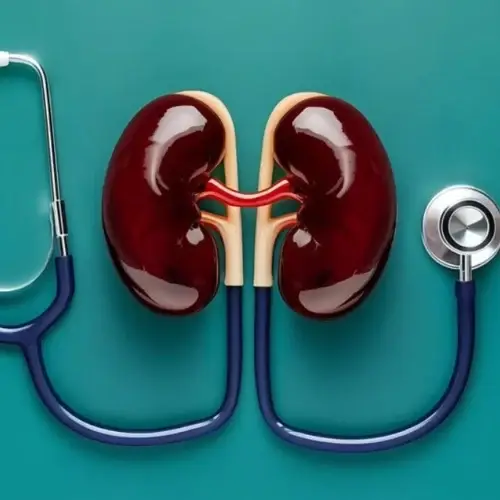
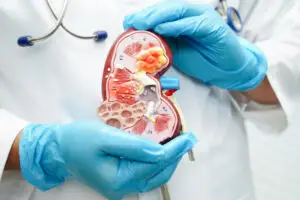
Polycystic kidney disease is a genetic kidney disorder that causes numerous cysts to grow inside the kidneys. These cysts are filled with fluid and may enlarge over time. PKD can appear in different forms. The most common type is autosomal dominant polycystic kidney disease, often called ADPKD, which usually develops in adulthood. A rarer form, autosomal recessive polycystic kidney disease, may appear earlier in life and can be more severe. Polycystic kidney disease treatment does not usually mean removing every cyst or curing the genetic condition. Instead, treatment focuses on managing the disease, protecting kidney function, controlling blood pressure, treating infections quickly, relieving pain, monitoring cyst growth, and addressing complications before they become serious. At Avicenna Hospital in Istanbul, the evaluation may include kidney imaging, blood tests, urine tests, blood pressure assessment, medication review, and specialist consultation.
🩺 Types of Polycystic Kidney Disease Treatment
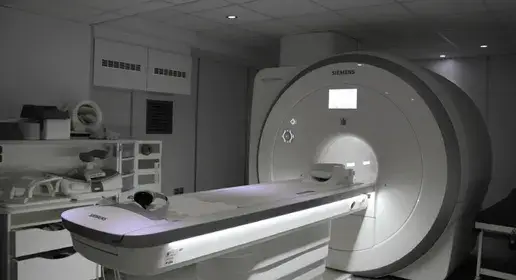
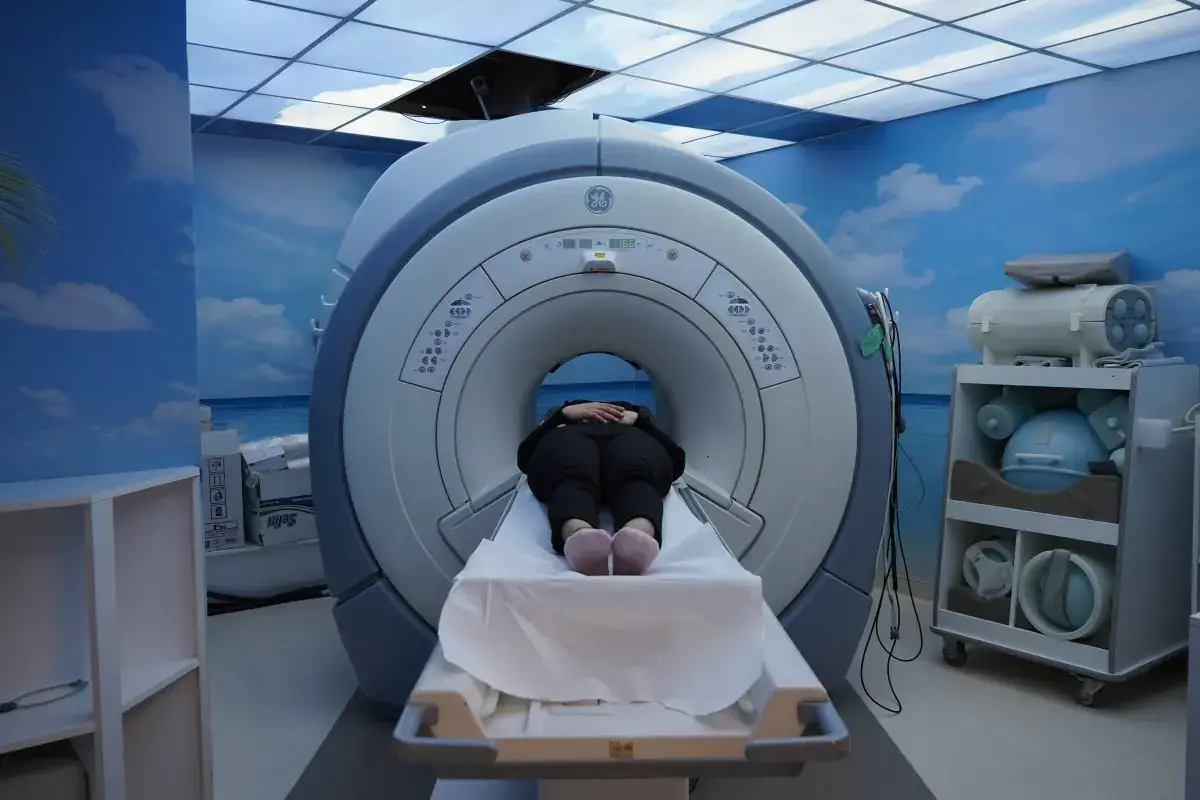
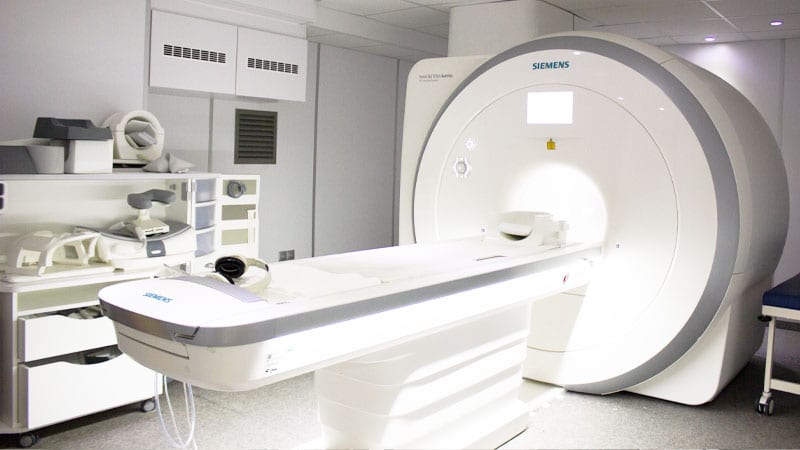
• Diagnostic Kidney Evaluation – Uses imaging tests, blood tests, urine tests, and medical history review to confirm PKD type and assess kidney function.
• Blood Pressure Management – Focuses on controlling hypertension, one of the most important factors in protecting kidney health.
• Kidney Function Monitoring – Tracks creatinine, eGFR, urine findings, cyst changes, and overall kidney performance over time.
• Medication-Based PKD Management – May include blood pressure medication, pain control, antibiotics for infections, and selected PKD-specific medication when clinically suitable.
• Pain and Cyst Symptom Management – Helps patients with flank pain, abdominal pressure, enlarged kidneys, or discomfort caused by cyst-related complications.
• Urinary Infection Treatment – Supports early diagnosis and treatment of bladder, kidney, or cyst infections to help reduce the risk of kidney damage.
• Kidney Stone Management – Addresses stones that may occur alongside PKD through medical treatment, imaging, and minimally invasive options when needed.
• Cyst Drainage or Surgical Cyst Procedures – May be considered in selected cases when large cysts cause persistent pain, pressure, or complications.
• Advanced Kidney Disease Planning – Helps patients with reduced kidney function understand future options such as dialysis planning or transplant evaluation.
• Lifestyle and Renal Protection Guidance – Includes hydration advice, salt reduction, smoking cessation, healthy weight support, and kidney-safe medication guidance.
🩺 Who Is a Good Candidate?
Polycystic kidney disease treatment is suitable for patients who have been diagnosed with PKD or who have symptoms, family history, or imaging findings that suggest cystic kidney disease. A personalized evaluation is important because PKD can progress differently from one patient to another.
✔️ Patients diagnosed with autosomal dominant polycystic kidney disease
✔️ Individuals with a family history of polycystic kidney disease
✔️ Patients with multiple kidney cysts found on ultrasound, CT, or MRI
✔️ Individuals with high blood pressure linked to kidney disease
✔️ Patients with flank pain, abdominal pressure, or enlarged kidneys
✔️ People experiencing blood in the urine or recurrent urinary infections
✔️ Patients with kidney stones alongside cystic kidney disease
✔️ Individuals with declining kidney function or abnormal kidney blood tests

🩺 Consultation & Preparation
Consultation for polycystic kidney disease treatment begins with a detailed review of the patient’s medical history, kidney symptoms, family background, current medications, and previous test results. This helps the medical team understand the stage of disease, current kidney function, and the most appropriate treatment direction.
✔️ Review of previous kidney ultrasound, CT scan, or MRI reports
✔️ Blood tests to assess kidney function and general health
✔️ Urine tests to check for blood, protein, infection, or other abnormalities
✔️ Blood pressure measurement and hypertension history review
✔️ Assessment of pain, urinary symptoms, infections, or kidney stone history
✔️ Review of current medications and kidney-safe alternatives
✔️ Evaluation of family history of PKD, kidney failure, or aneurysm
✔️ Discussion of hydration, diet, salt intake, and lifestyle habits
✔️ Specialist consultation for personalized kidney disease management
✔️ Explanation of treatment options, monitoring schedule, and follow-up needs
🩺 Recovery & Aftercare
Recovery and aftercare for polycystic kidney disease depend on the treatment provided. Many patients receive medical management rather than surgery, so aftercare focuses on regular monitoring, medication adherence, blood pressure control, and prevention of complications. Patients who undergo a procedure for cyst drainage, kidney stones, or advanced kidney care may need a more specific recovery plan.
✔️ Regular follow-up to monitor kidney function and cyst progression
✔️ Blood pressure control through medication and lifestyle guidance
✔️ Continued use of prescribed kidney-protective medications
✔️ Monitoring for signs of urinary infection, fever, pain, or blood in urine
✔️ Drinking fluids as advised by the medical team
✔️ Reducing salt intake to support blood pressure and kidney health
✔️ Avoiding smoking and maintaining a healthy weight
✔️ Avoiding unsafe painkillers unless approved by the doctor
✔️ Attending repeat blood and urine tests as recommended

🌍 Why Choose Avicenna Hospital for Polycystic Kidney Disease Treatment?
Choosing the right hospital for polycystic kidney disease treatment is important because PKD requires careful diagnosis, consistent follow-up, and coordinated kidney care. Avicenna Hospital in Istanbul provides international patients with access to medical departments, diagnostic support, and treatment planning for kidney-related conditions.

✔️ Kidney-focused evaluation for cystic kidney disease and related complications
✔️ Access to urology, internal medicine, laboratory, and radiology support
✔️ Imaging-based assessment for kidney cysts, stones, and structural changes
✔️ Blood and urine testing to evaluate kidney function and infection risk
✔️ Personalized treatment planning based on symptoms and disease stage
✔️ Careful blood pressure and kidney protection guidance
✔️ Support for international patients seeking treatment in Istanbul, Turkey
✔️ Coordinated communication before travel for medical file review
✔️ Focus on realistic, safe, and medically appropriate treatment planning
✔️ Guidance for patients needing long-term kidney monitoring
✔️ Modern hospital environment with multidisciplinary medical support
✔️ Patient-centered care for chronic kidney disease management