



















Advanced Weight Loss Surgery for Sustainable Results, Metabolic Health Improvement, and Long-Term Lifestyle Transformation
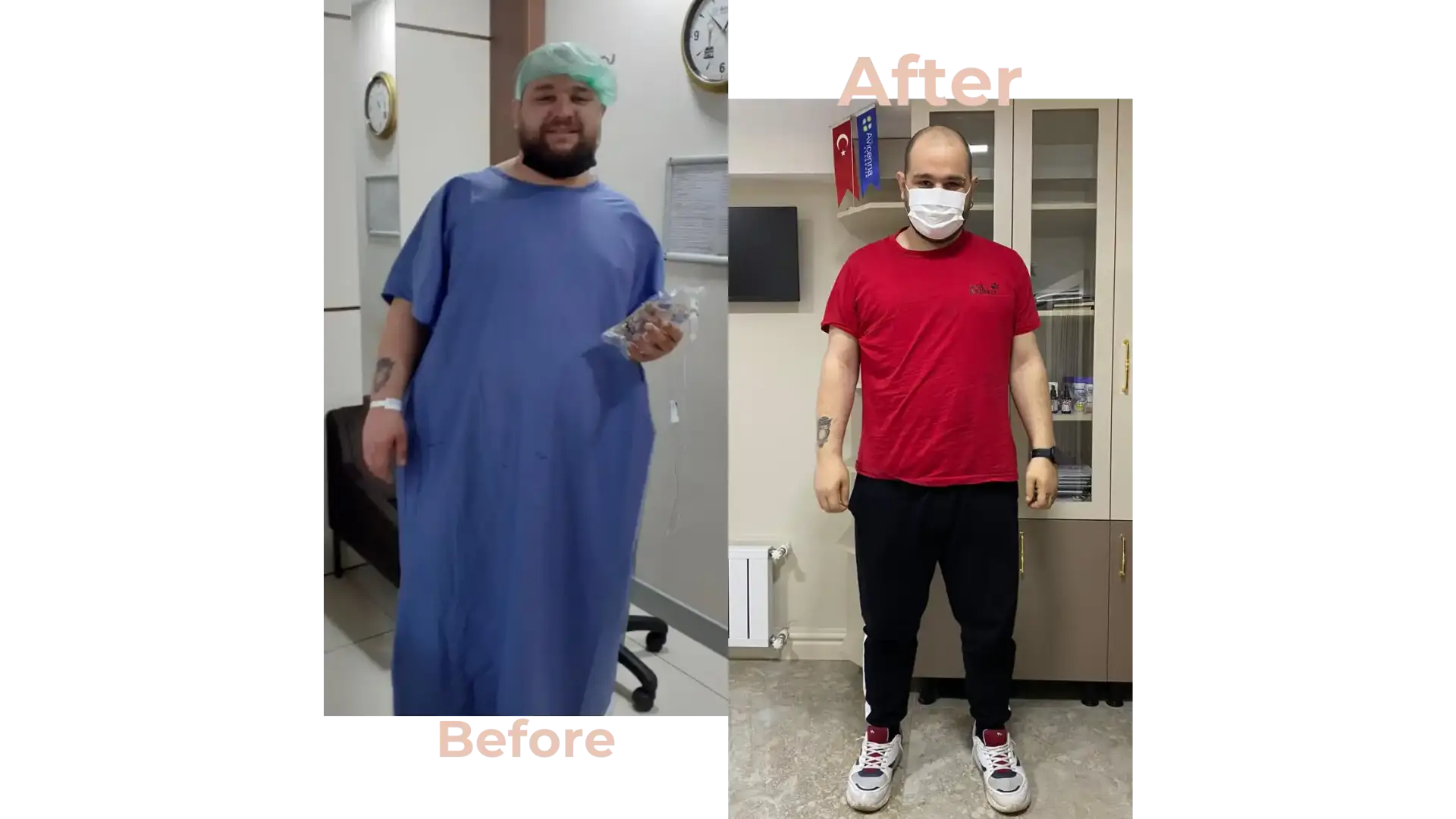
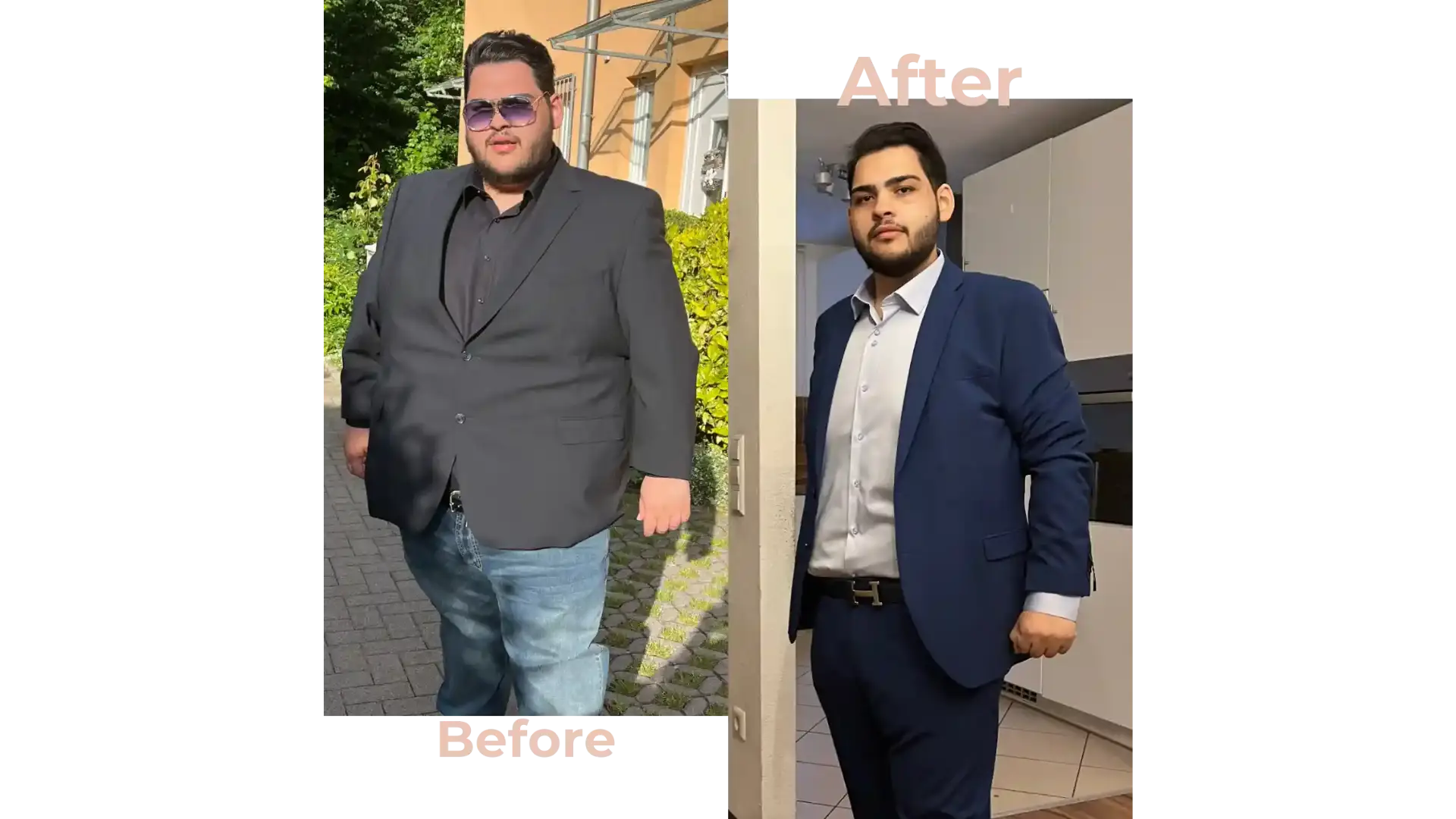
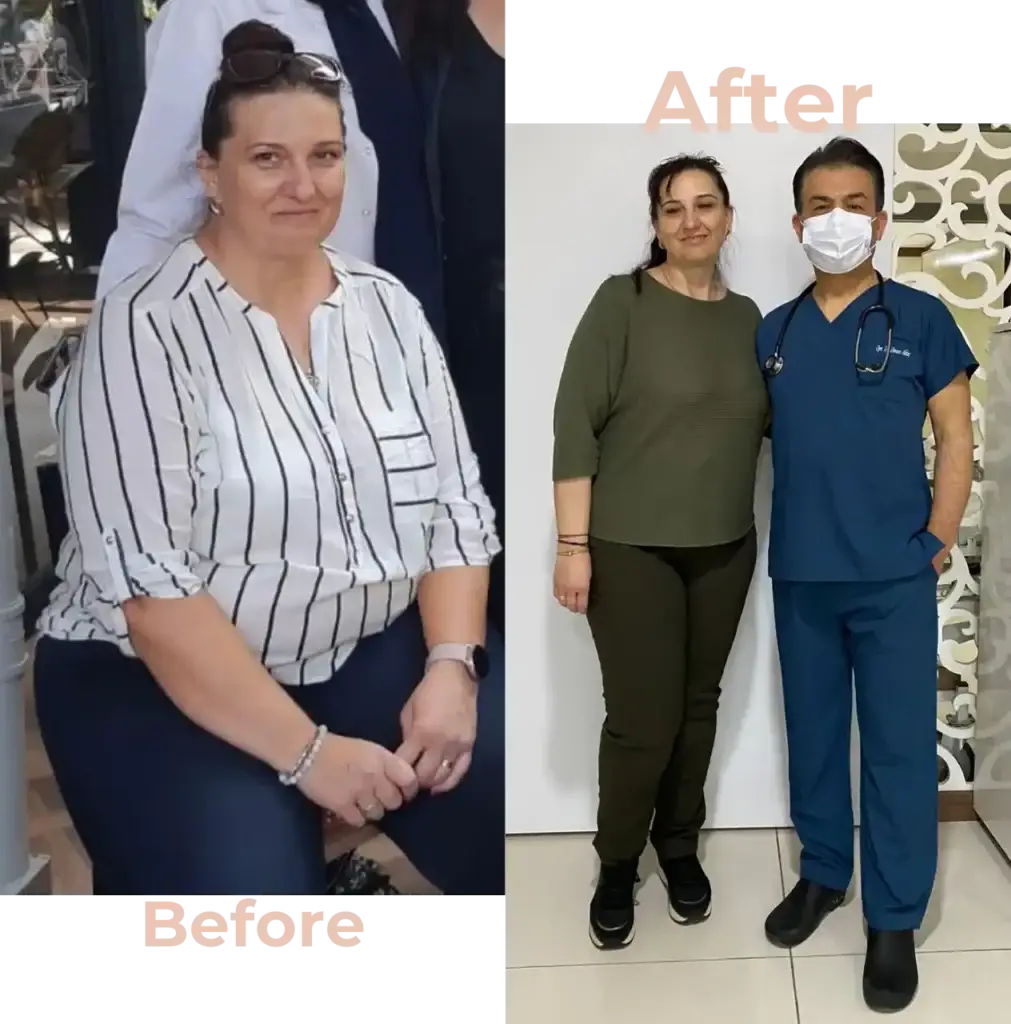
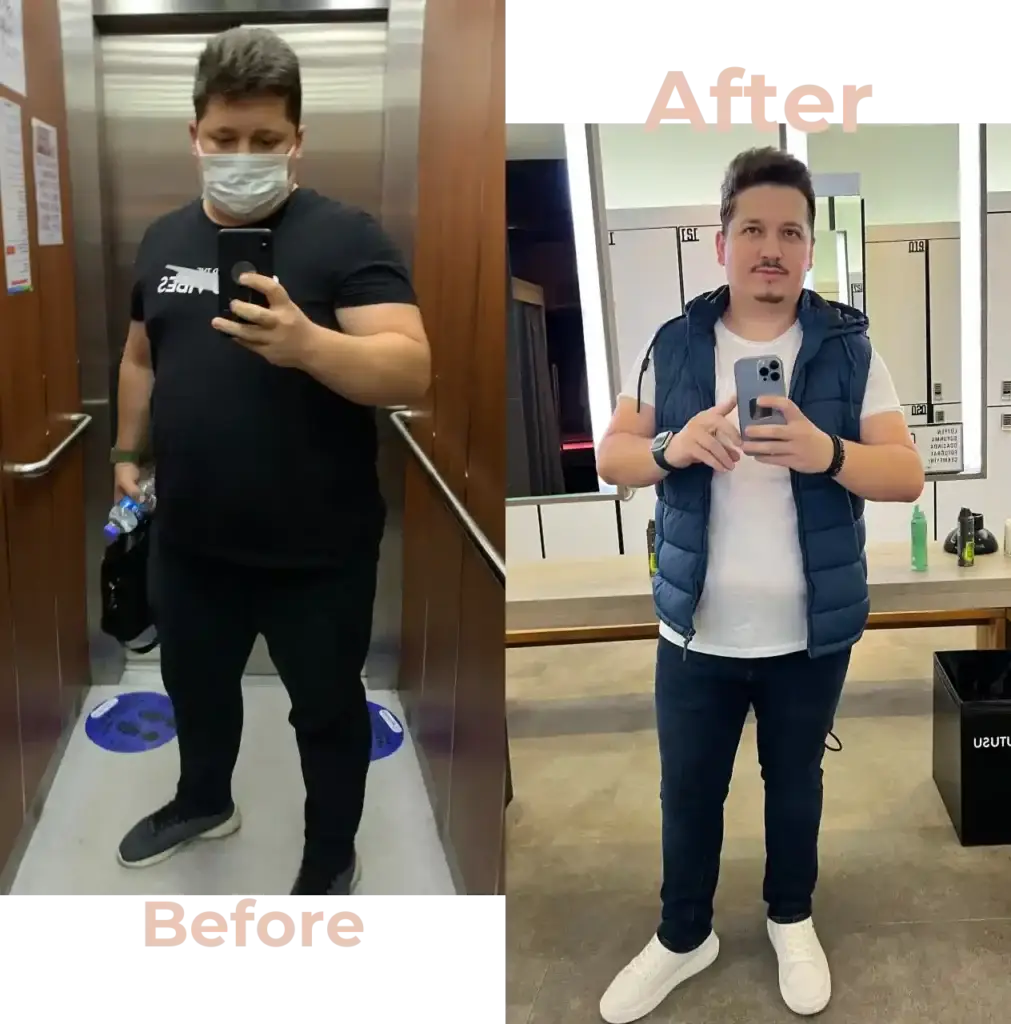
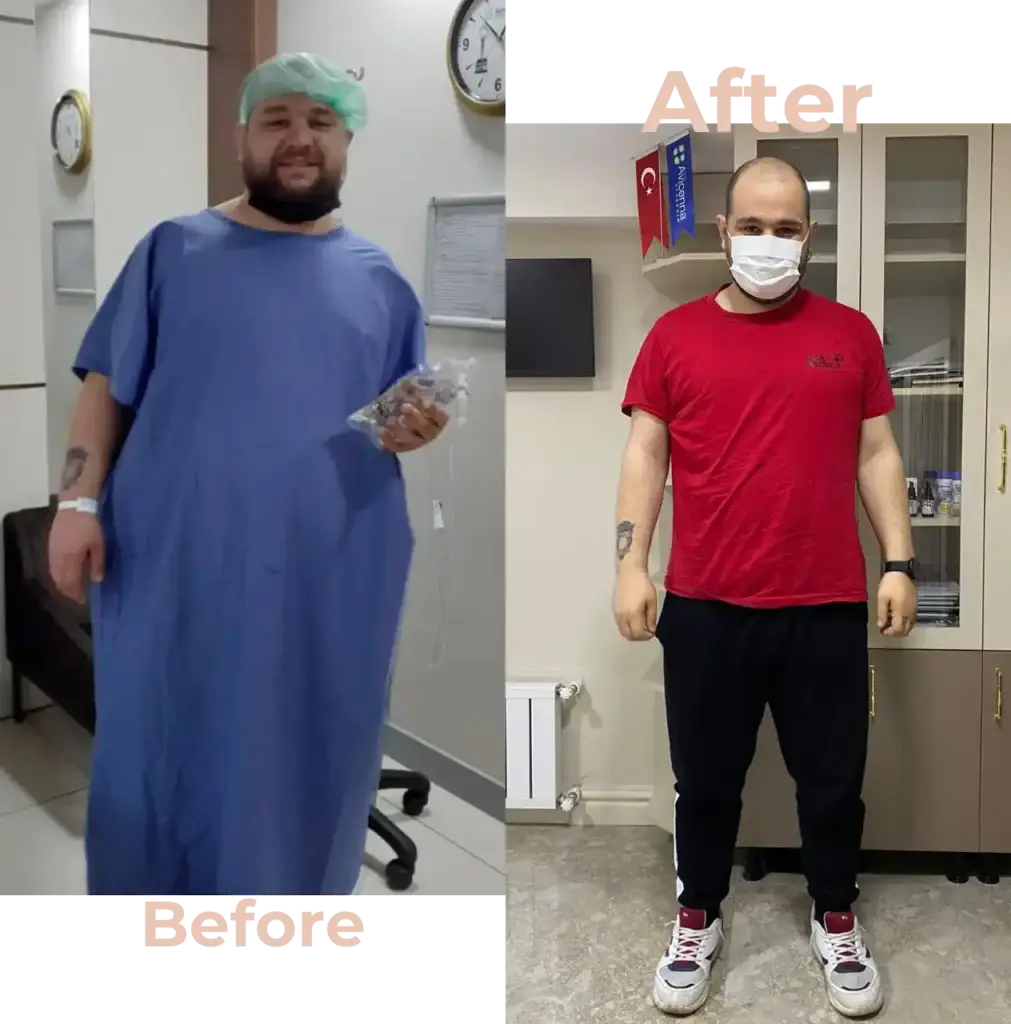
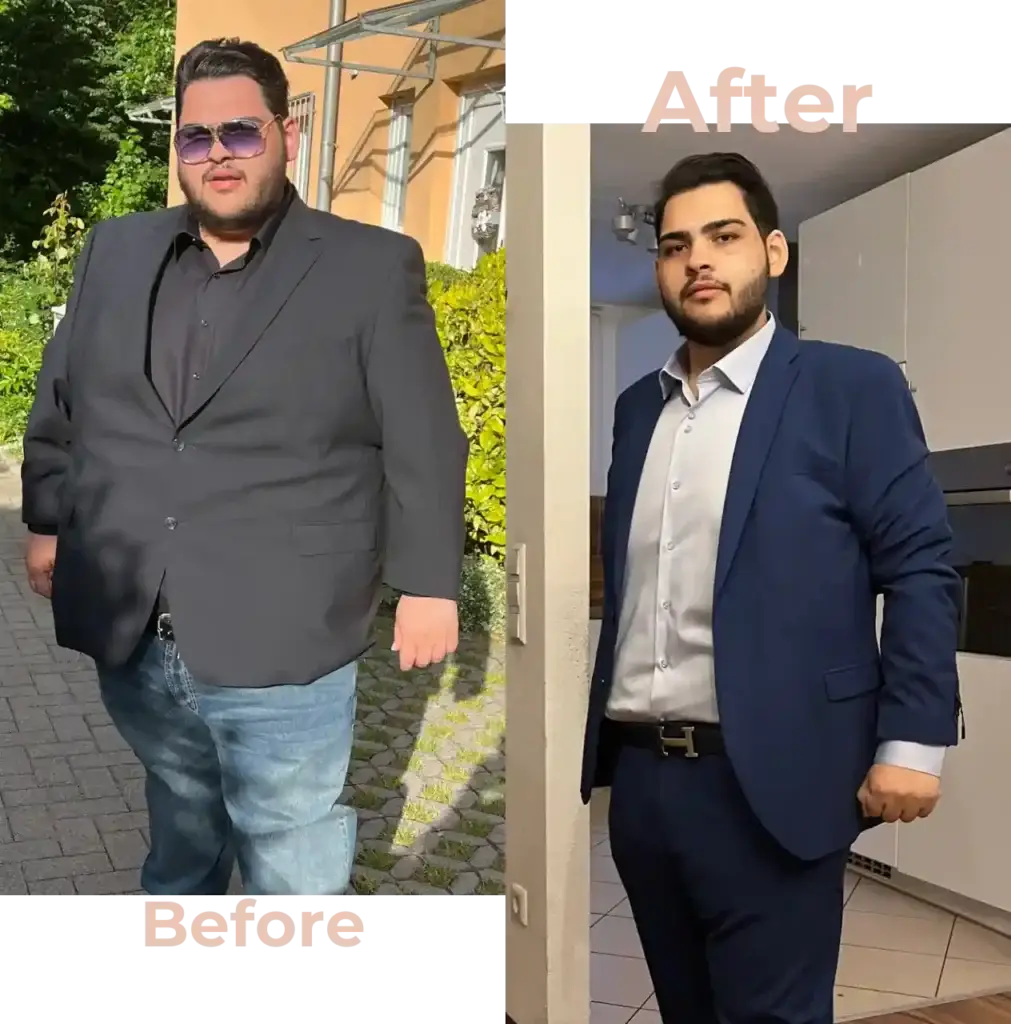
Gastric Bypass surgery in Istanbul at Avicenna Hospital is a highly effective bariatric procedure designed for patients struggling with obesity and related health conditions. This advanced weight loss surgery helps patients achieve significant and sustainable weight reduction by altering the digestive system to limit food intake and nutrient absorption. Performed by experienced bariatric surgeons in a fully equipped hospital environment, Gastric Bypass not only supports weight loss but also contributes to the improvement or resolution of obesity-related conditions such as type 2 diabetes, hypertension, and sleep apnea. Patients benefit from a comprehensive, medically supervised approach that focuses on long-term success, safety, and improved quality of life.
🩺 What Is Gastric Bypass Surgery?
Gastric Bypass surgery, also known as Roux-en-Y Gastric Bypass, is a bariatric procedure that reduces the size of the stomach and reroutes part of the small intestine. This dual mechanism limits the amount of food a patient can consume while also decreasing calorie and nutrient absorption, resulting in significant weight loss over time.
During the procedure, the surgeon creates a small stomach pouch from the upper portion of the stomach, separating it from the rest of the stomach. This smaller pouch is then directly connected to a section of the small intestine, bypassing a large portion of the stomach and upper intestine. As a result, patients feel full after eating smaller portions, and fewer calories are absorbed.
In addition to physical restriction, Gastric Bypass also triggers hormonal changes that help reduce hunger and improve insulin sensitivity. These metabolic effects make the procedure particularly beneficial for patients with obesity-related conditions, especially type 2 diabetes.
Gastric Bypass is considered one of the most established and effective weight loss surgeries worldwide, offering long-term results when combined with proper lifestyle changes, dietary guidance, and medical follow-up.
🩺 Types of Gastric Bypass Procedures
• Roux-en-Y Gastric Bypass – The most commonly performed method, combining restriction and malabsorption for effective weight loss
• Mini Gastric Bypass – A simplified version with a single connection, offering shorter operative time and similar results
• Laparoscopic Gastric Bypass – Minimally invasive technique using small incisions, allowing faster recovery and reduced complications
• Revision Gastric Bypass – Performed for patients who need correction or improvement after a previous bariatric procedure
🩺 Who Is a Good Candidate?
Gastric Bypass surgery is recommended for individuals who require medical support to achieve significant and sustainable weight loss.
✔️ Individuals with a Body Mass Index (BMI) over 40
✔️ Patients with BMI over 35 with obesity-related conditions such as diabetes or hypertension
✔️ Individuals who have not achieved long-term success with diet and exercise
✔️ Patients diagnosed with type 2 diabetes linked to obesity
✔️ Individuals experiencing reduced mobility due to excess weight
✔️ Patients suffering from sleep apnea or cardiovascular risk factors
✔️ Adults in stable physical and psychological health
✔️ Individuals willing to commit to long-term dietary and lifestyle changes
✔️ Non-smokers or those prepared to stop smoking before surgery
✔️ Patients with realistic expectations regarding weight loss outcomes
🩺 Consultation & Preparation
Proper preparation is essential for ensuring the safety and success of Gastric Bypass surgery. At Avicenna Hospital, patients undergo a comprehensive evaluation process tailored to their individual health profile.
✔️ Detailed medical evaluation including BMI and metabolic assessment
✔️ Review of previous weight loss attempts and full medical history
✔️ Blood tests, imaging, and required diagnostic screenings
✔️ Consultation with bariatric surgeon and multidisciplinary care team
✔️ Nutritional assessment with a personalized pre-operative diet plan
✔️ Psychological evaluation to ensure readiness for long-term lifestyle changes
✔️ Instructions to stop smoking prior to surgery to support healing
✔️ Guidance on avoiding blood-thinning medications before the procedure
✔️ Pre-surgery fasting instructions and hospital admission planning
✔️ Clear explanation of the procedure, risks, and expected results
✔️ Personalized treatment plan tailored to individual health goals
✔️ Pre-operative weight management guidance to reduce surgical risk and improve outcomes
🩺 Recovery & Aftercare
Recovery after Gastric Bypass surgery requires structured follow-up and adherence to medical guidance to ensure optimal results and long-term success.
✔️ Hospital stay typically lasts a few days under medical supervision
✔️ Gradual transition from liquid to soft and then solid foods
✔️ Strict adherence to post-operative dietary guidelines
✔️ Regular follow-up appointments to monitor progress
✔️ Vitamin and mineral supplementation to prevent deficiencies
✔️ Light physical activity encouraged early to support recovery
✔️ Avoidance of heavy lifting and strenuous exercise initially
✔️ Monitoring for any signs of complications
✔️ Long-term nutritional counseling and lifestyle support
✔️ Continuous weight tracking and metabolic health monitoring
✔️ Psychological support when needed to adapt to lifestyle changes
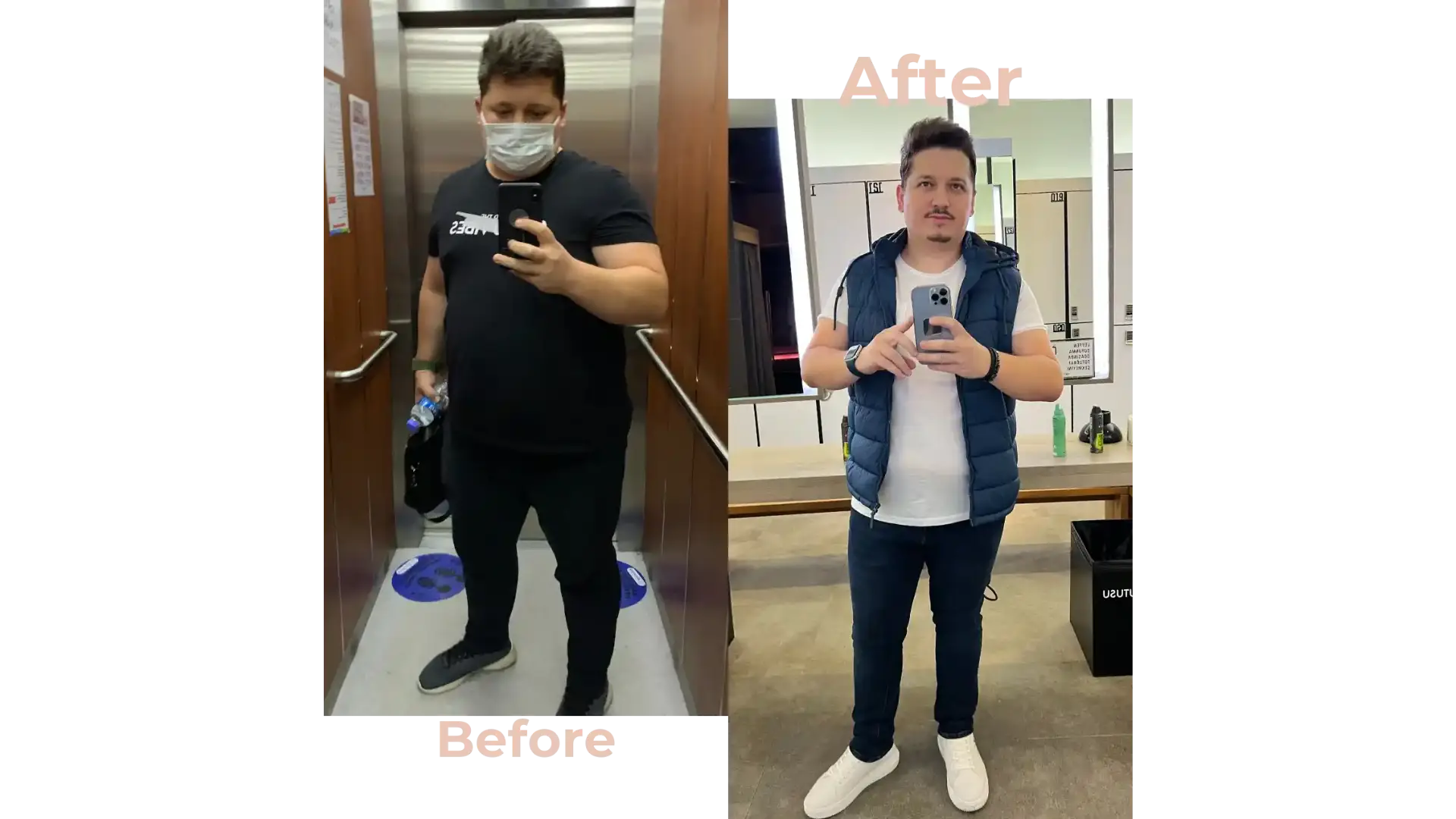
✔️ Gradual and sustained weight loss over months following surgery
🌍 Why Choose Avicenna Hospital for Gastric Bypass Surgery?

Avicenna Hospital in Istanbul is recognized for delivering advanced bariatric care with a strong focus on patient safety, precision, and long-term outcomes.
✔️ Experienced bariatric surgeons specialized in weight loss procedures
✔️ Advanced surgical techniques including minimally invasive approaches
✔️ Modern operating rooms equipped with latest medical technology
✔️ Comprehensive pre-operative and post-operative care programs
✔️ Multidisciplinary team including nutritionists and medical specialists
✔️ International patient services with personalized coordination
✔️ High standards of hygiene, safety, and clinical protocols
✔️ Structured follow-up programs for long-term success
✔️ Focus on metabolic health improvement, not just weight loss
✔️ Patient-centered approach with tailored treatment planning