Medical Tourism Blog in Morocco

Expert articles, guides, and patient stories on medical tourism in Morocco.

×
×

Hair Transplant in Morocco Cost and Clinics

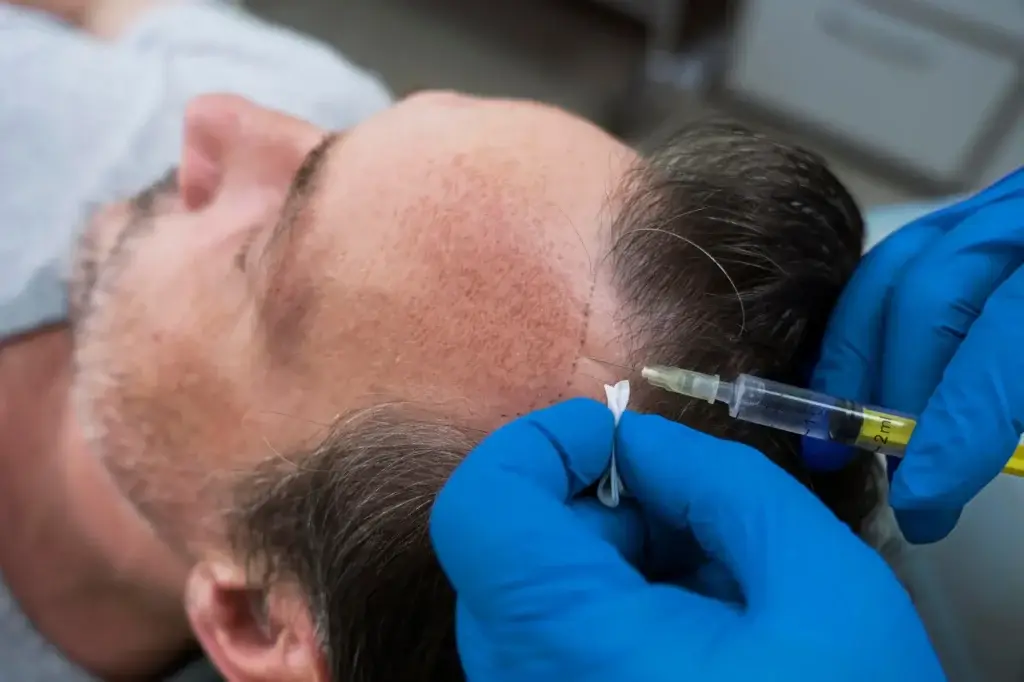
Losing hair is personal. Whether it happens gradually over years or seems to accelerate overnight, the effect it has on how you see yourself is real. For many people, hair restoration is not about vanity — it is about feeling like themselves again. And increasingly, people from the UK, France, the US, Canada, and across Europe are choosing Morocco as the place to make that happen. Morocco has quietly built a strong reputation in the medical tourism space, particularly for hair transplant procedures. The country offers a combination of trained surgeons, modern hair transplant clinics, and prices that are a fraction of what patients would pay back home — without the compromise in care that many fear when they hear the phrase "medical tourism.". This page is designed to give you a clear, honest picture of what a hair transplant in Morocco actually involves. Not just the cost, but the process, the recovery, the results, and what to watch out for. If you are seriously considering this step, this is the information you need before you book anything. Hair transplant surgery in Morocco has grown from a niche option to a well-travelled path. Hair Transplant clinics in Morocco in cities like Casablanca, Rabat, and Marrakech now handle international patients regularly, with staff who speak English and French, coordination teams that manage your arrival and appointments, and aftercare protocols that do not stop when you board your flight home. Treatment Highlights. Hair transplant procedures in Morocco use internationally recognised techniques including FUE (Follicular Unit Extraction) and DHI (Direct Hair Implantation). Prices typically range from €1,200 to €3,500 depending on the technique, graft count, and clinic. Ideal for men and women with stable hair loss who are in good general health. Morocco offers significantly lower costs than the UK, France, Germany, or the US without sacrificing surgical standards. Most patients stay between 3 to 5 days, making it manageable to plan around work schedules. Recovery is gradual — transplanted hair sheds initially before regrowth begins around 3 to 4 months post-procedure. Many clinics in Morocco have multilingual staff and dedicated international patient coordinators. The destination itself — particularly Marrakech and Casablanca — offers a comfortable, stimulating environment to recover in. What Is a Hair Transplant and How Does It Work?. A hair transplant is a surgical procedure that moves hair follicles from one part of your scalp — typically the back or sides, known as the donor area — to areas where hair has thinned or stopped growing entirely. The follicles taken from the donor area are genetically resistant to the hormone DHT, which is the main driver of pattern baldness. This means transplanted hair, once it settles, tends to grow permanently. The two main techniques used in Morocco are FUE and DHI. In FUE, individual follicular units are extracted one by one using a micro punch tool and then implanted into tiny incisions made in the recipient area. There are no linear scars, and the healing time is relatively short. DHI is a refinement of FUE where follicles are implanted directly using a specialised pen-like tool called a Choi implanter, which allows for more precise control over angle, depth, and direction. DHI is often preferred for patients looking for a more natural hairline or higher density results. Both techniques are performed under local anaesthesia. The procedure itself takes anywhere from 4 to 8 hours depending on the number of grafts being transplanted. Most patients describe the experience as uncomfortable rather than painful, with the injection of the local anaesthetic being the sharpest moment of the process. People choose to have this procedure abroad — and specifically in Morocco — because the cost savings are significant and the quality of care at reputable clinics is genuinely comparable to what you would find in Western Europe. For a procedure that is typically not covered by insurance, price becomes a major factor. Morocco allows patients to get the surgery they need without years of saving or going into debt. How Much Does a Hair Transplant Cost in Morocco?. Cost is usually the first question, and it deserves a straightforward answer. Hair transplant prices in Morocco generally fall between €1,200 and €3,500. The wide range reflects the variation in what is included, how many grafts are needed, which technique is used, and the level of the clinic you choose. What affects the final price:. Number of grafts — Most hair transplant packages in Turkey cover a set number of grafts (e.g., up to 3,000 or 4,000). Going beyond that may add to the cost. Technique — DHI is typically more expensive than FUE due to the additional precision and time involved. Surgeon experience — Senior surgeons or those with a strong track record in hair restoration charge more, and rightly so. Clinic tier — A clinic in the centre of Casablanca with a full support team and modern equipment costs more than a smaller practice in a secondary city. Package inclusions — Some clinics bundle accommodation, airport transfers, and aftercare products into one price. Others charge for each separately. Cost Comparison Table. CountryAverage Hair Transplant Cost (FUE, 2000–3000 grafts). United States$8,000 – $15,000. United Kingdom£5,000 – £10,000. France€4,000 – €8,000. Germany€4,500 – €9,000. Morocco€1,200 – €3,500. The savings are real and substantial. A patient paying €1,800 in Morocco for the same procedure that would cost €6,000 in France has not found a workaround — they have simply gone somewhere where the operating costs, staff wages, and overheads are structurally lower, and where surgeons have chosen to price their services competitively to attract international volume. It is important to note that no ethical clinic can give you a final price without reviewing your case. The number of grafts you need is assessed through photos or an in-person consultation, and that drives the cost more than anything else. Who Is a Good Candidate for a Hair Transplant?. Not everyone who wants a hair transplant is ready for one, and a good clinic will tell you that honestly. You are likely a strong candidate if:. You have a stable pattern of hair loss — meaning it has not been rapidly progressing in the last 12 months. Your donor area (back and sides of the scalp) has sufficient density to supply grafts. You are in good general health with no uncontrolled medical conditions. You have realistic expectations — a transplant restores hair, but it does not recreate the scalp you had at 18. You are over 25, since hair loss patterns in younger men can still be unpredictable. You have not been responding to medical treatments like minoxidil or finasteride, or you want a permanent solution. You may not be suitable if:. Your hair loss is still actively progressing at a fast rate. Your donor area is too thin to provide enough grafts. You have certain autoimmune conditions affecting the scalp (e.g., alopecia areata). You have uncontrolled diabetes or bleeding disorders. You are on blood thinners or medications that cannot safely be paused. A proper medical evaluation is essential before any decision is made. Photos and a consultation — even done remotely first — can give you a preliminary picture, but the surgeon's in-person assessment before the procedure is what confirms your candidacy. Your Patient Journey: From First Inquiry to Full Recovery. Step 1 — Initial Inquiry. You reach out through a clinic or medical tourism coordinator. You describe your hair loss history, your expectations, and your timeline. This is the starting point, not a commitment. Step 2 — Photo Submission and Remote Assessment. You send clear photos of your scalp from multiple angles. A surgeon or senior technician reviews them and gives you a preliminary assessment — how many grafts you likely need, which technique suits your case, and what results you can reasonably expect. Step 3 — Treatment Plan and Quote. Based on the assessment, you receive a proposed treatment plan with a cost breakdown. This is the stage to ask questions, compare options, and understand exactly what is included in the price. Step 4 — Booking and Travel Planning. Once you confirm, you arrange your flights and accommodation. Many clinics work with nearby hotels and can recommend options at various price points. Your procedure is usually scheduled for the day after arrival to give you time to settle in. Step 5 — Arrival in Morocco. Most clinics offer airport pickup as part of their package. You check in, rest, and attend a brief orientation or pre-procedure check on your first evening or the following morning. Step 6 — In-Person Consultation and Hairline Design. Before the procedure begins, you meet the surgeon in person. This is when the hairline is drawn, the donor area is assessed, and the final graft count is confirmed. This step matters — a good surgeon takes time here rather than rushing into theatre. Step 7 — Procedure Day. The transplant is performed under local anaesthesia. You are awake throughout. Most patients watch something on a tablet or simply rest. The procedure takes between 4 and 8 hours. Afterwards, you are given instructions for the first night and a care kit. Step 8 — Day After and Initial Aftercare. The clinic typically sees you the following day for a first wash and to check the grafts. This is also when they walk you through the aftercare routine in detail. Step 9 — Return Home. Most patients fly home 3 to 5 days after the procedure. You will be given written aftercare instructions, and most clinics provide ongoing support via WhatsApp or email for weeks after your return. Step 10 — Remote Follow-Up. At 1 month, 3 months, and 6 months post-procedure, good clinics ask for photos and give feedback on your progress. If you have concerns at any point, you can reach out directly. Why Morocco for a Hair Transplant?. Morocco is not a compromise destination. For hair transplantation specifically, it has developed genuine expertise over the past decade, driven by high demand from French, Spanish, and increasingly British and American patients. Medical infrastructure in major Moroccan cities has improved significantly. Clinics catering to international patients operate to standards that align with European expectations — sterile environments, trained surgical staff, and proper equipment. Many surgeons practicing in Morocco received part of their training in France or other European countries. The cost advantage is not just marginal — it is transformative. Patients who could not afford this procedure in their home country can access it in Morocco without cutting corners. And because clinics here compete heavily for international patients, service quality and patient experience have become genuine differentiators. Casablanca and Marrakech both have direct international flight connections from most major European hubs. Travel time from Paris, Madrid, or London is short — often under 3 hours. Recovery in a calm, pleasant environment away from the stress of daily life is something many patients actually appreciate. What's Included. Pre-procedure remote consultation and medical assessment. In-person consultation with the surgeon on arrival. Full hair transplant procedure (FUE or DHI based on your plan). Local anaesthesia and all surgical materials. Post-procedure first wash and check. Aftercare kit (shampoo, lotions, instructions). Coordination support before, during, and after your trip. Remote follow-up via message or video call. What's Not Included. International flights. Hotel accommodation (unless specified in a package deal). Additional diagnostic tests if required. Medications purchased locally or at home (e.g., finasteride, minoxidil). Travel insurance. Expenses for a travel companion. Extended stays beyond the standard post-procedure period. Any additional treatments added after the initial plan is confirmed. Recovery and Aftercare. Recovery from a hair transplant in Morocco follows the same timeline as it would anywhere else in the world — because biology does not change based on geography. In the first 10 days, the transplanted area will look red and scabbed. The grafts are delicate during this window and must be protected from direct sunlight, sweat, and physical contact. Most patients are advised to sleep with their head slightly elevated and to avoid any activity that raises blood pressure significantly. Between weeks 2 and 8, the transplanted hairs will shed. This is called shock loss, and it alarms many patients who are not prepared for it. It is a normal and expected part of the process. The follicles remain intact under the skin — the hair shaft falls out while the root settles in. From months 3 to 6, new hair begins to grow from the transplanted follicles. It often comes in fine at first and gradually thickens. By months 9 to 12, most patients are seeing the substantial growth that represents the real result of the procedure. Full results are typically visible at the 12 to 18 month mark. By this point, the transplanted hair has grown in, matured, and blended with existing hair. Activity restrictions in the first month include avoiding gyms, pools, saunas, and anything that involves significant sweating or physical contact with the scalp. After the first month, most normal activities can resume. Direct sun exposure to the scalp should be minimised for at least 3 months. Risks and Considerations. Every surgical procedure carries some level of risk, and a hair transplant is no different. Understanding this is part of making an informed decision. Common and expected side effects include temporary swelling around the forehead and eyes in the first 3 to 5 days, redness, itching as the scalp heals, and the shedding phase described above. These are predictable and resolve on their own. Less common risks include infection at the graft or donor site, poor graft survival leading to patchy results, unnatural-looking hairline placement if the design was not carefully planned, and scarring in the donor area. The risk of these outcomes is reduced significantly by choosing a qualified surgeon and following aftercare instructions. The most important risk in medical tourism specifically is choosing the wrong provider. Morocco has excellent clinics and, unfortunately, some that do not meet the same standard. Doing due diligence — looking at verified patient results, reading reviews, confirming surgeon credentials — is not optional. It is the difference between a good outcome and a difficult one. Post-procedure care is equally important. Patients who follow their aftercare instructions, avoid prohibited activities, and attend follow-up check-ins consistently report better results. Frequently Asked Questions. What is the cost range of a hair transplant in Morocco?. Hair transplant costs in Morocco generally range from €1,200 to €3,500 for most standard cases. The final price depends on the number of grafts required, the technique used (FUE or DHI), and the clinic you choose. A personalised quote requires a review of your photos or an in-person assessment. How long do I need to stay in Morocco for a hair transplant?. Most patients plan for 3 to 5 days in total. The procedure itself takes place on one day, and the day after typically involves a follow-up wash and check at the clinic. Staying a few additional days gives your scalp time to settle before a long flight home. Is it safe to have a hair transplant in Morocco?. Yes, when the clinic is properly vetted. Reputable clinics in cities like Casablanca and Marrakech operate with trained surgeons, sterile environments, and proper protocols. The key is thorough research — checking surgeon credentials, verified before-and-after photos, and patient reviews. How long does recovery take?. The initial healing of scabs and redness takes around 10 to 14 days. Transplanted hairs shed in the weeks following that, and visible regrowth begins around the 3 to 4 month mark. Full results are typically seen between 12 and 18 months post-procedure. When will I see real results?. Noticeable growth usually starts around month 3 or 4, but the hair at this stage is still fine and developing. By month 6 to 9, most patients see significant coverage. The final, mature result becomes clear somewhere between months 12 and 18. Can I fly home right after the procedure?. Most clinics recommend waiting at least 48 to 72 hours before flying. This gives the grafts time to anchor and reduces the risk of dislodging them during travel. The clinic will advise you on the safest time to travel based on your specific case. Will the results look natural?. Yes, when the hairline design and placement are done correctly. The key is having a surgeon who takes time on the design phase before the procedure begins. Grafts are placed at angles and directions that mimic natural hair growth, which produces a result that blends seamlessly with existing hair. How painful is the procedure?. The procedure is performed under local anaesthesia, so you will not feel the surgery itself. The injection of the anaesthetic is the most uncomfortable moment for most patients. During the procedure, some pressure or mild discomfort is possible, but sharp pain is not typical. How long do the results last?. Transplanted hair follicles are taken from donor areas that are genetically resistant to DHT — the hormone responsible for pattern baldness. This means the transplanted hair is generally permanent. However, non-transplanted hair may continue to thin over time, which is why some patients consider future sessions or medical maintenance treatments. What follow-up care will I receive after returning home?. Most reputable clinics in Morocco provide remote follow-up support after you return home. This typically includes check-ins at one month, three months, and six months where you send photos and receive feedback on your progress. You can also reach out directly if you have questions or concerns between those points. Ready to Take the Next Step?. A hair transplant is a considered decision. It takes time to research, time to plan, and genuine thought about what you want and what you expect. That is exactly how it should be approached. If you are at the stage where you want real answers — a proper assessment of your case, a clear cost estimate, and honest guidance on whether Morocco is the right option for you — that is what a good consultation is for. No pressure, no commitment, just clarity. Good medical tourism coordination means you are not navigating this alone. From your first question to your last follow-up photo, the right team walks with you through every part of the process — helping you find a clinic that fits your case, preparing you for travel, and making sure you have support long after you are home. Reach out, share your photos, and get a real picture of what is possible for you.

Blepharoplasty in Morocco Cost and Clinics

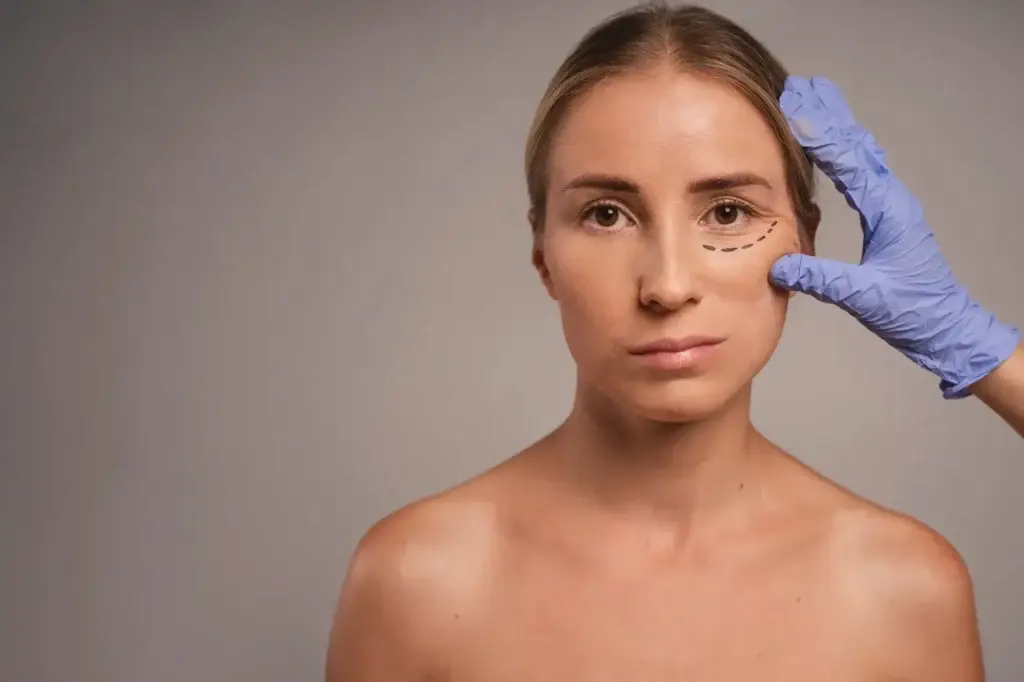
Tired, heavy-looking eyes can age a face faster than almost anything else. For many people, this isn't about wanting to look different — it's about looking as rested and alert as they actually feel. Blepharoplasty, or eyelid surgery, addresses sagging upper lids, under-eye puffiness, and excess skin that creates a permanently tired expression, and it remains one of the most requested facial procedures among patients travelling abroad for treatment. Morocco has built a strong reputation among UK and European patients looking for skilled cosmetic surgery at a fraction of home-country prices. Cities like Casablanca and Marrakech now host private clinics that work specifically with international patients, offering modern surgical facilities, English and French-speaking staff, and recovery packages designed around short stays. The short flight time from the UK (under four hours from most major airports) makes it genuinely practical, not just affordable. Patients travel for this procedure for a simple reason: the gap between what a clinic in London or Paris charges and what an equally qualified Moroccan surgeon charges can be substantial, often without any meaningful difference in surgical technique or safety standards. Add a few days of recovery in a warm climate, away from work and daily obligations, and the appeal becomes clear. This page lays out what blepharoplasty in Morocco actually costs, what's included, who tends to get the best results, and what the full patient journey looks like from first enquiry to final follow-up — so you can make a properly informed decision rather than guessing. Treatment Highlights. Blepharoplasty corrects droopy upper eyelids, under-eye bags, and excess or loose skin around the eyes. Performed on upper lids, lower lids, or both, depending on individual needs. Ideal for patients in good general health who are bothered by tired or aged eye appearance. Morocco offers significant savings compared to UK, French, or German clinic pricing. Procedure is typically done under local anaesthesia with sedation, sometimes general anaesthesia for combined cases. Recovery period before flying home is usually 7 to 10 days. Visible bruising and swelling settle within 10 to 14 days; final results develop over several weeks. Positioned as a mid-cost cosmetic procedure — more accessible than premium European pricing, without cutting corners on surgical standards. What Blepharoplasty Actually Involves. Blepharoplasty is a surgical procedure that removes or repositions excess skin, muscle, and sometimes fat around the eyelids. On the upper lid, this usually means trimming sagging skin that can droop over the lash line and, in some cases, interfere with vision. On the lower lid, the focus is typically on reducing puffiness or under-eye bags caused by fat pockets shifting forward with age. The surgery itself is relatively quick, generally taking one to two hours depending on whether one or both eyelids are treated. Most surgeons in Morocco perform it using local anaesthesia combined with sedation, which keeps patients comfortable while avoiding the longer recovery associated with general anaesthesia. Incisions are placed along the natural eyelid crease or just below the lash line, which helps scarring fade discreetly over time. Patients consider having this done abroad mainly because of cost, but also because Moroccan Plastic Surgery Clinics catering to international visitors have streamlined the process specifically for short-stay medical travel — pre-arrival consultations, dedicated coordinators, and recovery-focused aftercare built into the package. Results are not instant. Swelling and bruising are expected in the first one to two weeks, and the final shape and smoothness of the eyelids continues to settle for two to three months. When performed well, the outcome is a more alert, refreshed appearance — not a dramatically altered one. Reputable surgeons aim for natural-looking results rather than an overly tightened or artificial look. How Much Does Blepharoplasty Cost in Morocco?. Blepharoplasty in Morocco generally costs between £1,200 and £2,500 for upper or lower eyelid surgery alone, with combined upper and lower procedures ranging from roughly £2,200 to £3,800. These figures typically include the surgical fee, clinic or hospital fees, and the surgeon's charge, though exact pricing depends on the clinic and the complexity of your case. Several factors affect final pricing: whether you're having upper lids, lower lids, or both done; the surgeon's experience and reputation; whether the procedure is combined with another treatment such as a brow lift; and any additional diagnostic tests your medical history requires. Clinics with more international accreditation and English-speaking support staff sometimes price slightly higher, reflecting the added coordination and service layer. Morocco offers strong value because operating costs, staff salaries, and clinic overheads are considerably lower than in the UK or Western Europe, while surgical training standards among private cosmetic surgeons remain high, particularly in clinics that regularly treat international patients. This isn't a case of paying less for less — it's a different cost structure in a different economy. Your final quote will always depend on a proper medical evaluation. Photos, a health questionnaire, and sometimes a video consultation are used to assess your case before any fixed price is confirmed. Cost Comparison: Morocco vs USA. ProcedureMorocco (approx.)USA (approx.). Upper eyelid surgery£1,200 – £2,000£3,500 – £5,500. Lower eyelid surgery£1,500 – £2,500£4,000 – £6,000. Combined upper & lower£2,200 – £3,800£6,500 – £9,500. Who Is a Good Candidate for Blepharoplasty?. Blepharoplasty tends to work best for people who are physically healthy and have realistic expectations about what the surgery can achieve. Good candidates typically include:. Adults with visibly sagging upper eyelid skin, particularly if it affects how alert or tired the face appears. Those with persistent under-eye puffiness or bags that don't respond to skincare or lifestyle changes. Non-smokers, or those willing to stop smoking for a period before and after surgery. Patients with no uncontrolled underlying health conditions affecting healing, such as unmanaged diabetes. People without serious dry eye conditions or significant existing eye disease. Those able to commit to the recommended recovery period before flying home. This procedure may not be suitable for people with certain uncontrolled medical conditions, active eye infections, very dry eyes, or unrealistic expectations about achieving a completely different facial appearance. Anyone currently on blood-thinning medication will usually need medical clearance and a temporary pause before surgery. A full medical assessment by the treating surgeon, not a general assumption based on age or appearance, ultimately determines candidacy. Your Patient Journey, Step by Step. 1. Initial inquiry and consultation You start with an enquiry outlining your concerns and goals. A patient coordinator typically responds within a day or two with initial guidance and next steps. 2. Medical file or photo submission You'll be asked to send clear photos of your eyes and complete a medical history questionnaire, covering current health, medications, and any prior eye treatments. 3. Doctor evaluation A qualified surgeon reviews your case remotely, assessing suitability and outlining what's realistically achievable for your specific eyelid concerns. 4. Treatment plan approval You receive a written treatment plan with a confirmed price, procedure details, and recommended recovery timeline before committing to anything. 5. Travel planning Once you confirm, your coordinator helps arrange flights, accommodation suggestions, and airport transfer logistics around your surgery date. 6. Arrival and in-person consultation You meet your surgeon face-to-face in Morocco, where they reassess your eyelids in person and finalise the surgical approach before proceeding. 7. Procedure day Surgery takes place in an accredited clinic or hospital, usually under local anaesthesia with sedation, typically completed within one to two hours. 8. Recovery phase The first few days involve rest, cold compresses, and monitoring. Most clinics check on you the day after surgery and again before you're cleared to travel. 9. Follow-up care Stitches, if non-dissolvable, are typically removed around day 5 to 7. Your surgeon reviews healing progress before approving your flight home. 10. Return home and remote support After returning, most clinics maintain contact for follow-up questions or concerns, with photo check-ins as swelling fully resolves over the following weeks. Why Morocco Is a Strong Choice for This Procedure. Morocco's private healthcare sector has invested heavily in facilities built specifically for international patients, with many clinics holding recognised accreditations and employing surgeons trained in France, the UK, or other parts of Europe. This matters because it means the surgical techniques used are familiar, current, and held to comparable standards. The international patient experience in established Moroccan clinics tends to be well organised, with dedicated coordinators handling everything from airport pickup to translation support, reducing the stress that often comes with travelling for surgery. The cost versus quality balance is the core draw — patients get surgery from properly trained professionals without the inflated overheads built into Western European or US pricing. Travel convenience adds to the appeal. Direct flights from major UK and European cities run frequently, and the time difference is minimal, which makes communication with family back home straightforward during recovery. Many patients also find the climate genuinely helpful for recovery — warm, dry weather and a slower pace make the rest period feel less like downtime and more like a brief, purposeful break. What's Included in Your Package. Initial remote consultation and case review. Pre-operative medical evaluation and required tests. The blepharoplasty procedure itself, including anaesthesia and surgical fees. Hospital or clinic facility fees on the day of surgery. Basic post-operative follow-up appointments during your stay. Coordination support throughout your visit, including scheduling and translation where needed. What's Not Included. International flights to and from Morocco. Accommodation, unless specifically stated in your package. Additional diagnostic tests beyond standard pre-surgical requirements. Any extra treatments or procedures added after your initial plan is confirmed. Expenses for a travel companion, if you bring one. Costs associated with extending your stay beyond the recommended recovery period. Recovery and Aftercare. The first 48 to 72 hours after blepharoplasty involve the most noticeable swelling and bruising, which is completely normal and expected. Cold compresses, head elevation while sleeping, and prescribed eye drops or ointment help manage discomfort during this period. Most patients describe the sensation as tightness or mild soreness rather than significant pain. By days 5 to 7, much of the visible bruising starts fading, and any non-dissolvable stitches are typically removed. Patients are usually cleared to fly home around the 7 to 10 day mark, once the surgeon confirms healing is progressing as expected. Activity should remain limited during this window — no strenuous exercise, heavy lifting, or activities that raise blood pressure, and sun exposure around the eyes should be minimised with sunglasses. Over the following two to four weeks, residual swelling continues to settle, and the eyes begin looking noticeably more natural. Light reading, screen use, and daily activities can usually resume within a week, though intense exercise is generally held off for three to four weeks. Full final results, including the smoothing of any fine residual swelling, typically take two to three months to fully reveal themselves. Long-term, results from blepharoplasty tend to last many years, particularly for upper eyelid surgery, since the skin removed doesn't regenerate. Lower eyelid results can also be long-lasting, though natural ageing continues elsewhere in the face over time. Risks and Things to Consider. As with any surgical procedure, blepharoplasty carries general risks including infection, bleeding, scarring, and temporary or, rarely, prolonged changes in sensation around the eyelids. Dry eyes or temporary difficulty fully closing the eyes can occur during early healing but typically resolve as swelling reduces. Choosing a properly qualified, experienced surgeon significantly reduces these risks, which is why verifying credentials, before-and-after results, and accreditation matters more than chasing the lowest possible price. Proper aftercare — following instructions on eye drops, activity restrictions, and follow-up appointments — plays a major role in how smoothly recovery goes and how the final result settles. No reputable clinic should promise guaranteed outcomes, since healing varies between individuals based on skin type, age, and overall health. The right approach is an honest, informed decision made after a proper medical evaluation, not a rushed booking based on price alone. Frequently Asked Questions. What is the cost range of blepharoplasty in Morocco?. Blepharoplasty in Morocco typically costs between £1,200 and £2,500 for single eyelid surgery, and £2,200 to £3,800 for combined upper and lower procedures. Final pricing depends on your specific case, the surgeon, and any additional requirements identified during medical evaluation. How long do I need to stay in Morocco for eyelid surgery?. Most patients plan for a stay of 7 to 10 days, allowing time for surgery, initial recovery, and a follow-up check before flying home. Your surgeon will confirm the exact timeline based on how your healing progresses. Is blepharoplasty in Morocco safe?. When performed by a qualified, experienced surgeon in an accredited clinic, blepharoplasty in Morocco carries the same general safety profile as the procedure performed anywhere else. Choosing a reputable clinic with proper credentials and a thorough pre-surgical evaluation is the key factor in safety. How long is the recovery time after blepharoplasty?. Initial bruising and swelling typically improve within 10 to 14 days, with most patients returning to normal daily activities within one to two weeks. Full final results take around two to three months to completely settle. When will I see the final results?. Noticeable improvement is visible within the first few weeks as swelling reduces, but the fully refined result generally takes two to three months to develop. Patience during this period leads to a more accurate picture of the final outcome. Are there travel concerns I should know about?. You'll need clearance from your surgeon before flying, which usually happens around day 7 to 10 post-surgery. It's worth booking flexible flights where possible, in case your surgeon recommends an extra day or two of recovery before travel. Am I a suitable candidate for this procedure?. Good candidates are generally healthy adults with sagging eyelid skin or under-eye puffiness and no uncontrolled medical conditions affecting healing. A full evaluation based on your photos and medical history is required to confirm suitability for your specific case. Is blepharoplasty painful?. Most patients describe more tightness and mild discomfort than sharp pain, particularly in the first few days after surgery. Prescribed pain relief and cold compresses typically manage this well during early recovery. How long do the results of blepharoplasty last?. Upper eyelid results are generally long-lasting since the removed skin doesn't return, often lasting many years. Lower eyelid results also tend to last well, though natural facial ageing continues elsewhere over time. What follow-up care is provided after I return home?. Reputable clinics maintain contact after you return home, often through photo check-ins and messaging to track your healing progress. Any concerns during recovery can typically be raised directly with your clinic's coordination team or surgeon. Ready to Take the Next Step?. Deciding to move forward with eyelid surgery is a personal decision, and the right starting point is always a proper consultation rather than a quick booking. Every patient's eyelids, skin, and goals are different, and a thoughtful treatment plan built around your specific case gives you a far better sense of what to actually expect. Our role is to guide you through that process with clarity — connecting you with qualified surgeons, helping you understand realistic costs and timelines, and supporting you through every stage of your trip to Morocco. From your first enquiry to your final follow-up after returning home, you'll have a dedicated point of contact handling the details so you can focus on your recovery and results. If you're considering blepharoplasty and want a clear, honest picture of what it would involve for you specifically, reach out for a consultation. There's no pressure, no rushed decisions — just the information you need to decide what's right for you.

Genioplasty in Morocco Cost and Clinics

Your chin plays a bigger role in your appearance than most people realize. It anchors your entire facial profile — from the way your jaw looks from the side to how balanced your face appears from the front. When the chin is set back too far, pushed forward, or asymmetrical, it can throw off the harmony of the whole face, no matter how good everything else looks. Genioplasty is the surgical procedure that corrects exactly that. It repositions the chin bone itself, giving surgeons precise control over the final shape and position that no implant alone can match. Morocco has become a serious destination for patients seeking this procedure. Not because it cuts corners — but because it genuinely offers strong surgical quality at costs that patients in Europe or North America simply cannot access at home. The country has invested heavily in its private healthcare infrastructure, and its maxillofacial and plastic surgery sector has grown into one of the most capable in the African continent and the wider Arab world. Patients travel to Morocco for genioplasty from France, Spain, the UK, the United States, and the Gulf states. The reasons are consistent: the cost difference is significant, the quality of care in leading private clinics is high, and the recovery environment — warm weather, good food, calm settings — is genuinely pleasant. For many patients, it transforms what would be a stressful medical experience into something much more manageable. This page covers everything you need to know before making a decision — the costs, the procedure itself, who qualifies, what the recovery looks like, and how the full patient journey works when traveling to Morocco for genioplasty. Treatment Highlights. Procedure: Sliding genioplasty — the chin bone is cut and repositioned to improve facial balance and proportion. Main Benefits: Permanent correction of chin projection, symmetry, and vertical height with highly precise, natural-looking results. Ideal For: Patients with a recessed chin, protruding chin, chin asymmetry, or those seeking improved facial harmony after orthodontic treatment. Cost Advantage: Genioplasty in Morocco costs significantly less than in Europe or the US, without a reduction in surgical quality at accredited private clinics. Hospital Stay: Typically a one-night stay following the procedure. Total Trip Duration: Most patients plan a 7 to 10-day stay to cover consultation, surgery, and initial recovery. Recovery at Home: Swelling settles over 4 to 6 weeks; final results are visible within 3 to 6 months. Anesthesia: Performed under general anesthesia by a qualified anesthesiologist. Genioplasty in Morocco — A Detailed Overview. Genioplasty, also called sliding genioplasty or osseous genioplasty, is an oral and maxillofacial surgical procedure that involves cutting the chin bone — the lower portion of the mandible — and moving it into a corrected position. It is then held in place using titanium plates and screws, which remain in the jaw permanently and cause no issues long-term. What makes genioplasty different from a chin implant is the level of control it offers. A surgeon can move the chin forward, backward, upward, downward, or correct rotational asymmetry — all in a single operation. This makes it a genuinely versatile procedure for patients with a wide range of concerns. For patients who have finished orthodontic treatment but still feel their chin does not sit in the right position, genioplasty is often the natural next step. The procedure is performed from inside the mouth, which means there are no visible external scars. The incision is made inside the lower lip, giving the surgeon full access to the chin bone without leaving any marks on the face. This is a meaningful benefit that many patients do not initially know about. In Morocco, this procedure is carried out by maxillofacial surgeons and plastic surgeons with formal specialist training, many of whom completed their education and residencies in France or other European countries. The surgical approach follows the same protocols used in Western Europe. Private clinics in cities like Casablanca, Rabat, and Marrakech maintain modern operating theatres, international hygiene standards, and experienced nursing teams. Patients who choose Morocco for genioplasty are not compromising on outcome — they are accessing the same surgical quality at a price point that makes the procedure accessible rather than out of reach. How Much Does Genioplasty Cost in Morocco?. This is the most common question patients ask, and it deserves a straight answer with honest context. General Cost Range: Genioplasty in Morocco typically costs between $1,800 and $4,500 USD (approximately €1,700 to €4,200), depending on the clinic, surgeon, and case complexity. For comparison, here is how Morocco positions against other countries:. CountryAverage Genioplasty Cost. United States$7,000 – $14,000. United Kingdom$6,500 – $11,000. France$5,500 – $9,500. Spain$4,500 – $8,000. Morocco$1,800 – $4,500. What Affects the Final Price in Morocco:. Surgeon experience and specialization — senior maxillofacial surgeons with international training charge more, and in most cases, that difference is worth it. Clinic tier — a JCI-accredited or internationally affiliated private clinic will cost more than a standard private clinic, but the facility quality reflects that difference. Case complexity — a straightforward forward advancement is simpler than a multi-directional correction with asymmetry work; complexity affects surgical time and planning. Anesthesia and hospitalization — fees for the anesthesiologist and overnight hospital stay are sometimes bundled and sometimes itemized. Pre-surgical imaging — CBCT scans or 3D cephalometric imaging may be an additional cost depending on the clinic. Revision cases — patients who have had a previous chin implant or prior surgery may face a more involved procedure and higher cost. The price difference between Morocco and Western countries is substantial — often 60% to 75% less for a comparable level of care in a reputable private clinic. That said, the final cost is always determined after a medical evaluation. No clinic can give you an accurate quote without reviewing your imaging and understanding the full scope of the procedure needed. Who Is a Good Candidate for Genioplasty?. Genioplasty is not a procedure for everyone, and a proper assessment is essential before moving forward. The following profiles generally indicate good candidacy:. You may be a strong candidate if:. Your chin is noticeably recessed, giving your profile a weak or set-back appearance. Your chin protrudes too far forward, making it the dominant feature of your face. You have visible chin asymmetry — one side sits higher or further forward than the other. You have completed orthodontic treatment but remain unsatisfied with your chin position. You are in good general health with no uncontrolled medical conditions. You are a non-smoker, or are willing and able to stop smoking well before and after surgery. You have realistic expectations — you want improved facial balance, not a completely different face. You are over 18 and your jawbone has fully developed. Genioplasty may not be suitable if:. You are under 18 or your facial bones are still growing. You have active gum disease, poor dental health, or unresolved oral infections. You have significant medical conditions that increase surgical or anesthesia risk. You are currently pregnant or breastfeeding. You have a bleeding disorder or are on blood-thinning medications that cannot be safely paused. Your expectations extend beyond what surgical repositioning can realistically achieve. A thorough consultation with the surgeon — ideally including a CBCT scan and cephalometric analysis — is what determines whether genioplasty is the right approach for your specific anatomy. Your Step-by-Step Patient Journey for Genioplasty in Morocco. Step 1 — Initial Inquiry. You reach out through the clinic or coordination service. You describe your concerns, ask initial questions about cost and process, and get a general sense of whether Morocco is the right fit for your situation. Step 2 — Photo and Document Submission. You submit clear photos of your face — front, side profile, and three-quarter views. If you have existing dental X-rays, orthodontic records, or prior imaging, these are included. The coordination team sends your materials to the surgeon for an initial review. Step 3 — Surgeon Evaluation. The maxillofacial surgeon reviews your case and provides a preliminary assessment. This may include notes on what type of movement is needed, whether additional imaging is required in Morocco, and an initial cost estimate. Step 4 — Treatment Plan Confirmation. Once you decide to move forward, a formal treatment plan is provided. This outlines the surgical approach, expected outcome, total cost, recommended dates, and pre-operative requirements. Step 5 — Travel Planning. Morocco is well-connected by direct flights from most of Europe and with connections from North America. Casablanca's Mohammed V International Airport is the main hub. The coordination team can assist with timing your arrival, recommending accommodation near the clinic, and scheduling your appointments efficiently. Step 6 — Arrival and In-Person Consultation. You arrive in Morocco and attend your in-person pre-surgical consultation. The surgeon conducts a full clinical assessment, reviews or orders CBCT imaging, answers your questions, and confirms the surgical plan. Pre-operative blood work and medical clearance happen at this stage. Step 7 — Procedure Day. Genioplasty is performed under general anesthesia and typically takes between one and two hours. The incision is made inside the lower lip. The chin bone is carefully cut, repositioned according to the pre-planned measurements, and fixed with titanium hardware. You are monitored in recovery and typically kept overnight for observation. Step 8 — Early Recovery in Morocco. The first 48 to 72 hours involve swelling, some bruising around the lower face and neck, and mild to moderate discomfort managed with prescribed medication. Eating is limited to soft or liquid foods. The clinic team monitors you during this period. Most patients are mobile within a day or two and can manage comfortably in their accommodation. Step 9 — Pre-Departure Check. Before flying home, you have a follow-up appointment with the surgeon. They check the incision site, confirm healing is on track, remove any temporary sutures if needed, and provide written aftercare instructions for your home doctor. Step 10 — Remote Follow-Up. After returning home, you stay in contact with the clinic through photos and virtual consultations. Any questions about swelling, healing, or restrictions are answered remotely. Most clinics provide this support for at least three months post-procedure. Why Morocco Works Well for Medical Travel. Morocco is not a new medical tourism destination — it has served international patients for decades, particularly from France and other Francophone countries. The private healthcare sector is genuinely strong. Facilities in Casablanca and Rabat include internationally accredited hospitals with modern surgical equipment, experienced specialist teams, and clear protocols for foreign patients. The cost-to-quality ratio is one of the strongest in the region. You are not paying less because the care is lesser — you are paying less because the cost of running a clinic, paying staff, and operating in Morocco is structurally lower than in France or the UK. That saving passes to the patient. From a travel perspective, Morocco is straightforward to reach. Flights from Paris, Madrid, London, and other European cities are frequent and affordable. The time difference is minimal for European patients. Arabic and French are widely spoken, and medical staff in private clinics almost universally speak French and often English. The recovery environment is also genuinely good. Calm riads, clean private villas, and well-run hotels provide comfortable resting environments. The food is soft and varied, which matters during the post-surgical period when chewing is limited. What Is Typically Included. Pre-surgical coordination support and documentation handling. In-person consultation with the operating surgeon. CBCT or required imaging at the clinic (where bundled). Genioplasty procedure under general anesthesia. Anesthesiologist fees. Operating theatre and equipment fees. Overnight hospital or clinic stay. Post-operative medication for the initial recovery period. Pre-departure follow-up appointment. Remote aftercare support for up to 3 months. What Is Not Included. International flights and airport transfers (unless part of a full package). Hotel or accommodation costs during your stay. Additional imaging ordered outside the standard protocol. Treatment for unrelated medical conditions. Companion travel and accommodation expenses. Extended stay costs if recovery requires a longer time in Morocco. Additional procedures added after the original treatment plan is confirmed. Recovery and Aftercare — What to Expect. The recovery from genioplasty is manageable for most patients, but it does require patience, particularly in the first two to three weeks. Week 1 to 2: Swelling is at its peak during the first week. The lower face, chin area, and sometimes the neck will be visibly swollen and may feel tight or numb. Bruising typically appears within 24 to 48 hours and fades over one to two weeks. Eating is restricted to liquids and very soft foods. Talking is possible but may feel slightly uncomfortable. Pain is generally well controlled with prescribed medication. Week 3 to 4: Visible swelling begins to reduce meaningfully. Most patients feel comfortable enough to return to desk work or light daily activity. The incision inside the mouth heals well during this period. Oral hygiene is maintained with a prescribed rinse. Month 2 to 3: The majority of visible swelling has resolved. The new chin position becomes increasingly clear. Patients can return to most normal activities, though contact sports and any activity that risks impact to the face should still be avoided. Month 3 to 6: Final results become fully visible as residual deep swelling clears. The chin settles into its permanent position. Sensation in the lower lip and chin area — which may have been temporarily reduced — typically returns fully during this period. Long-Term: The titanium plates and screws are permanent and cause no problems. Results are considered permanent. Weight changes, aging, and dental changes can affect the overall appearance of the face over time, but the repositioned bone itself does not shift. Risks and Considerations. Genioplasty is a surgical procedure and carries the same general risks as any operation under general anesthesia. Patients deserve honest information about this. General surgical risks include infection, bleeding, adverse reaction to anesthesia, and delayed wound healing. These risks are low in healthy patients managed by experienced teams, but they exist and should be understood. Procedure-specific risks include temporary numbness of the lower lip, chin, and teeth — caused by proximity to the mental nerve. In most cases this resolves within weeks to months. Permanent numbness is rare but possible. Hardware-related issues such as plate discomfort or, in rare cases, the need for plate removal, are also possible though uncommon. In the context of medical travel, the most practical consideration is selecting a qualified, specialist surgeon with specific experience in orthognathic and chin surgery — not just general plastic surgery. Reviewing credentials, requesting examples of previous cases, and ensuring a clear aftercare plan is in place before traveling are all important steps. Patients who rush the consultation process, skip pre-operative imaging, or select providers based purely on the lowest price without checking credentials take on meaningfully higher risk. The cost savings available in Morocco are real — but they should come from lower operational costs, not from shortcuts in the quality of care. The decision to have surgery abroad should be made carefully, with full information, proper preparation, and realistic expectations about what the procedure can and cannot do. Frequently Asked Questions. What is the cost range of genioplasty in Morocco?. Genioplasty in Morocco generally costs between $1,800 and $4,500 USD, depending on the clinic, surgeon experience, and complexity of the procedure. This is significantly lower than prices in the US, UK, or France for comparable care. A final quote can only be confirmed after the surgeon reviews your imaging and case details. How long do I need to stay in Morocco for genioplasty?. Most patients plan a stay of 7 to 10 days. This covers the pre-surgical consultation, procedure day, one night of observation, and a few days of initial recovery before the pre-departure check and flight home. Patients with more complex cases or slower early recovery may benefit from staying slightly longer. Is genioplasty in Morocco safe?. In qualified private clinics in Morocco with trained maxillofacial or plastic surgeons, yes. Morocco's leading private hospitals follow international surgical protocols, and many surgeons completed their training in France or other European countries. Safety comes down to choosing the right clinic and surgeon — not the country itself. How long does recovery take before I can return to normal life?. Most patients return to light daily activity within two to three weeks. Desk work, short walks, and social interaction are generally manageable within that window. Strenuous physical activity, contact sports, and anything that risks facial impact should be avoided for at least six to eight weeks. When will I see the final results of my genioplasty?. Visible improvement is noticeable within the first month as swelling decreases, but the final result takes three to six months to fully settle. Patience is genuinely necessary during this period — early results do not reflect the finished outcome. Will I have visible scars after genioplasty?. No. The surgical incision is made inside the lower lip, so there are no external scars on the face or chin. This is one of the meaningful advantages of sliding genioplasty over some other chin procedures. Is genioplasty painful?. Discomfort in the first few days is managed with prescribed medication and is generally described as moderate rather than severe. The area may feel tight, sore, or numb rather than sharply painful. Most patients find the discomfort level manageable and not as intense as they expected before the procedure. How long do the results of genioplasty last?. Genioplasty results are permanent. The repositioned bone is held in place by titanium hardware and heals into its new position. The chin does not shift back over time. Natural aging of the surrounding facial tissues will occur, but the structural correction itself is lasting. Can I combine genioplasty with other procedures in Morocco?. It is possible to combine genioplasty with related procedures such as rhinoplasty or jaw surgery, though this depends on your overall health, surgical candidacy, and the surgeon's assessment. Combining procedures increases surgical time and recovery demands, so this is a decision that should be made carefully with your surgeon, not assumed as a given. What follow-up care is available after I return home?. Reputable clinics and coordination services provide remote follow-up support through photo check-ins and virtual consultations for at least the first three months after surgery. You also receive written aftercare documentation to share with your local doctor or dentist. Any concerning symptoms are addressed remotely, with clear guidance on when to seek in-person care locally. Ready to Explore Your Options? Start With a Consultation. If genioplasty is something you have been considering for a while, the best next step is getting a proper assessment — not making a booking. A good consultation, whether remote or in-person, gives you an honest picture of what the procedure involves for your specific case, what it will cost, and what outcome is realistically achievable. Morocco offers a genuine combination of surgical quality, experienced specialists, and accessible pricing that is hard to match elsewhere. But the right starting point is always information and evaluation — not pressure or rushing. If you want to submit your photos, ask specific questions about your case, or understand what the process looks like from your current location, reach out and start that conversation. You will get straight answers, proper guidance, and a clear path forward — whether you decide to travel for treatment or not.

Discover the latest articles, patient guides, and destination insights for medical tourism in Morocco. From clinic comparisons and cost breakdowns to travel tips and patient success stories, our content helps you plan your medical journey with confidence.

Why Trust Our Medical Tourism Content?

1 What to expect from medical tourism in Morocco
2 Top procedures and specialties available in Morocco
3 Patient visa, travel, and accommodation logistics
4 Cost guides and payment options for international patients
5 Clinic quality standards and accreditation in Morocco

Frequently Asked Questions

What procedures are popular in Morocco?

Browse our Morocco articles to discover the most in-demand procedures, top-rated clinics, and specialist surgeons available in the region.

How do I prepare for medical travel to Morocco?

Our Morocco guides cover visa requirements, accommodation options, pre-travel consultations, and what to expect during your stay and recovery.

How do I find a trusted clinic abroad?

Look for internationally accredited facilities, board-certified surgeons, and verified patient reviews. Our articles and clinic guides walk you through the vetting process step by step.

Get a Free Quote