






Advanced Transplant Care for End-Stage Lung Disease, Improved Breathing Function & Long-Term Recovery
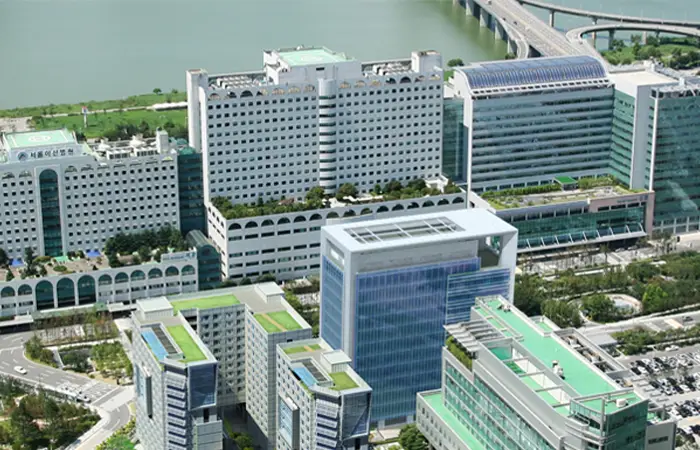
Lung Transplantation in Seoul, South Korea at Asan Medical Center is an advanced treatment option for carefully selected patients with severe, irreversible lung disease. The procedure replaces one or both damaged lungs with healthy donor lungs when medication, oxygen therapy, pulmonary rehabilitation, and other treatments no longer provide sufficient support. Lung transplantation may help improve breathing capacity, physical function, and quality of life. However, it is a complex procedure that requires detailed evaluation, donor compatibility, intensive postoperative monitoring, and lifelong medical care. Every patient must undergo an individual transplant assessment to determine whether the expected benefits outweigh the surgical and long-term risks.
🔍 What Is Lung Transplantation?
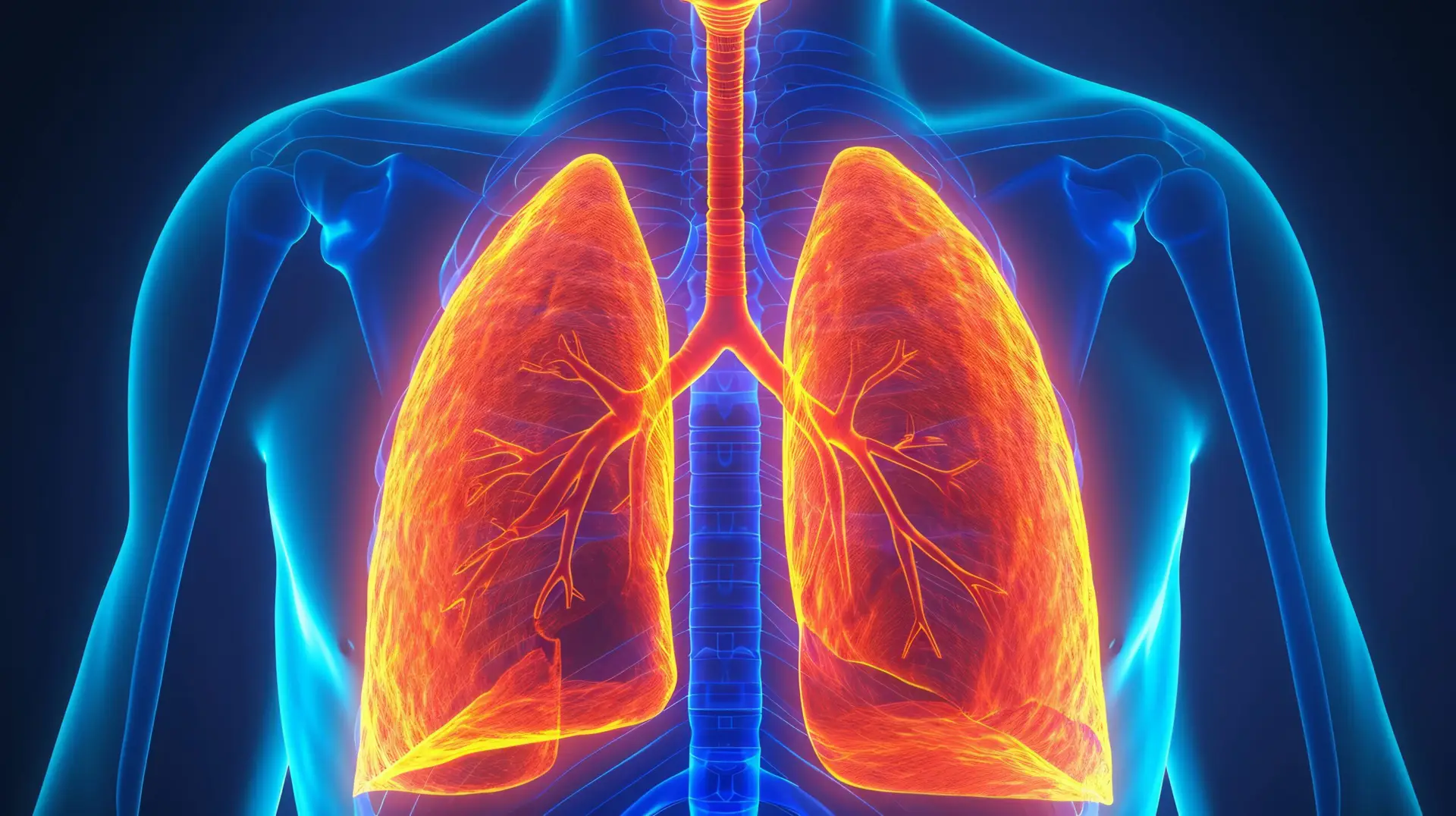
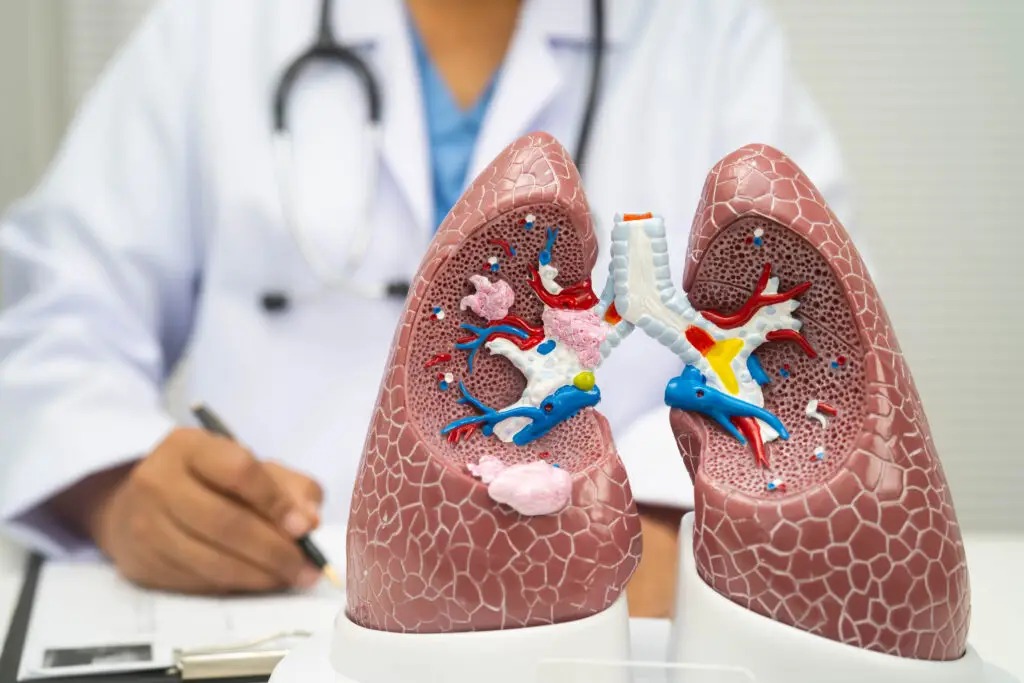
Lung transplantation is a major surgery in which one or both diseased lungs are replaced with healthy donor lungs for patients with end-stage respiratory failure who no longer respond to medical treatment.
The procedure removes the damaged lung and connects the donor lung to the airway and blood vessels. Patients may receive one lung, both lungs, or in rare cases a heart-lung transplant. It is used for advanced conditions such as pulmonary fibrosis, COPD, cystic fibrosis, bronchiectasis, and pulmonary hypertension.
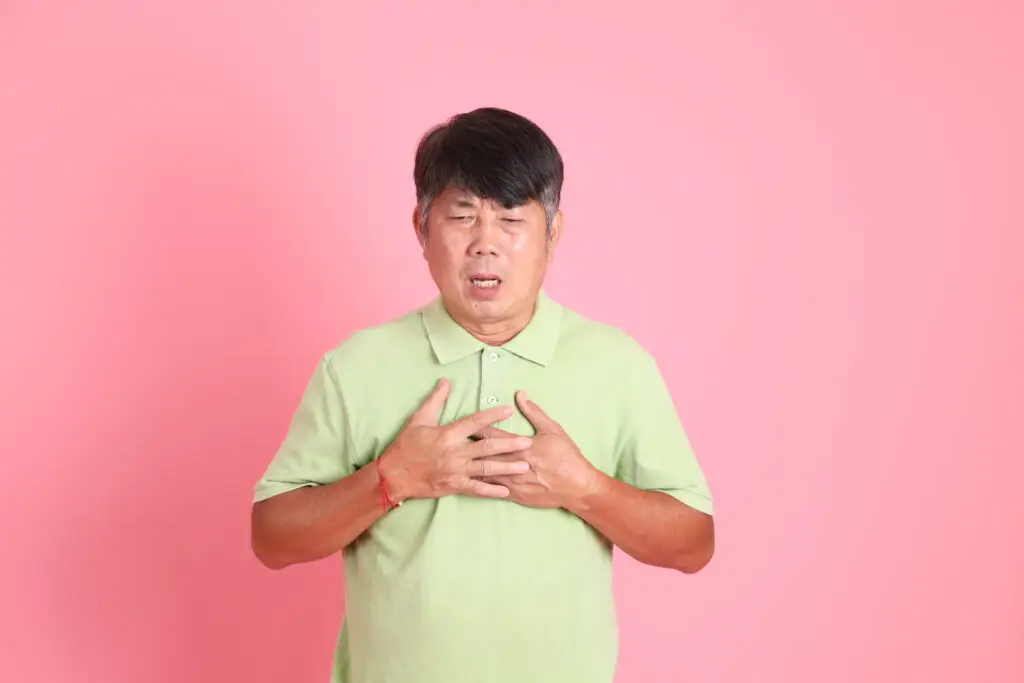
Eligibility depends on disease severity, overall health, and ability to manage long-term care.
After surgery, patients must take immunosuppressant drugs to prevent rejection and require close monitoring for infection and complications. Lung transplantation is not a cure, but it can improve breathing and quality of life in selected patients.
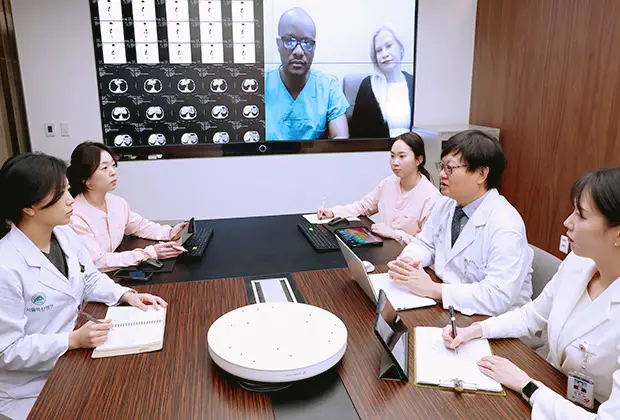
At Asan Medical Center, lung transplantation is managed by a multidisciplinary team with experience in over 250 reported cases, including high-risk patients requiring advanced life support before surgery.
🩺 Types of Lung Transplantation
- Single Lung Transplantation – One damaged lung is replaced with a healthy donor lung. This approach may be considered for selected patients with fibrotic lung disease or other conditions where one functioning donor lung can provide adequate respiratory support.
- Bilateral Lung Transplantation – Both diseased lungs are replaced with donor lungs. This procedure may be recommended for patients with cystic fibrosis, bronchiectasis, emphysema, pulmonary hypertension, or diseases affecting both lungs extensively.
- Combined Heart-Lung Transplantation – The heart and both lungs are transplanted together. This complex procedure may be considered when severe lung disease is accompanied by irreversible heart damage or certain congenital cardiopulmonary conditions.
- Living-Donor Lobar Lung Transplantation – Healthy lung lobes are donated by suitable living donors and transplanted into the recipient. This is a rare procedure considered only in exceptional cases after detailed donor assessment, ethical review, legal approval, and confirmation that deceased-donor transplantation is not a suitable or timely option. Asan Medical Center has officially reported performing South Korea’s first successful living-donor lung transplantation.
🩺 Who Is a Good Candidate?
Lung transplantation may be suitable for patients with advanced lung disease whose breathing function and quality of life continue to decline despite appropriate treatment. Eligibility is determined only after a comprehensive evaluation by a specialist transplant team.
✔️ Individuals with severe pulmonary fibrosis
✔️ Patients with advanced chronic obstructive pulmonary disease
✔️ Individuals with cystic fibrosis or severe bronchiectasis
✔️ Patients with advanced pulmonary hypertension
✔️ Individuals whose condition has not responded adequately to other treatments
✔️ Patients considered physically able to tolerate major surgery
✔️ Individuals without uncontrolled cancer or serious active infection
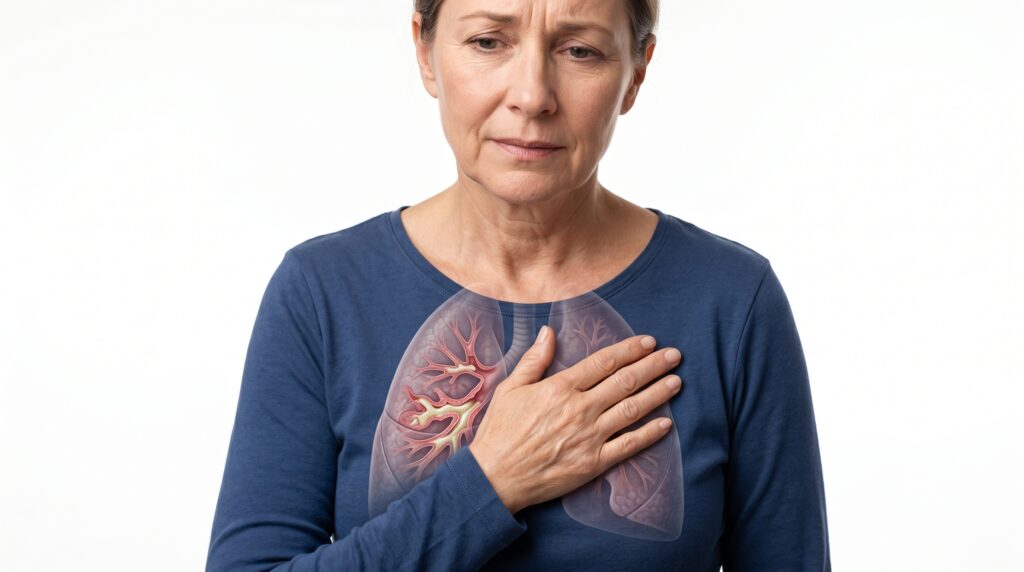
📝 Consultation & Preparation
Lung transplant preparation involves an extensive assessment of the patient’s lungs, heart, general health, psychological readiness, and ability to manage lifelong aftercare. International patients should provide complete and recent medical records so the hospital can determine whether an in-person transplant evaluation may be appropriate.
✔️ Review of diagnosis, symptoms, and previous treatments
✔️ Assessment of medical history and current medications
✔️ Pulmonary function testing, including spirometry
✔️ Chest X-ray and computed tomography imaging
✔️ Blood gas and oxygen-level assessment
✔️ Heart evaluation with an electrocardiogram and echocardiogram
✔️ Additional cardiac testing when medically necessary
✔️ Blood type, antibody, and donor compatibility testing
✔️ Screening for serious infections and active cancer
🩺 Recovery & Aftercare
Recovery after lung transplantation requires intensive hospital care followed by structured rehabilitation and lifelong follow-up. The initial phase includes ICU monitoring, lung function checks, pain control, respiratory support, and regular blood tests. Hospital stay typically lasts two to three weeks, but may be longer if complications occur or if the patient required preoperative ventilation.
✔️ Intensive monitoring immediately after surgery
✔️ Mechanical ventilation until independent breathing is stable
✔️ Regular blood tests and oxygen-level monitoring
✔️ Pain control to support movement and deep breathing
✔️ Respiratory therapy to expand and clear the lungs
✔️ Early mobilisation under professional supervision
✔️ Gradual return to eating and normal daily activities
✔️ Lifelong use of prescribed immunosuppressant medication

🌍 Why Choose Asan Medical Center for Lung Transplantation?
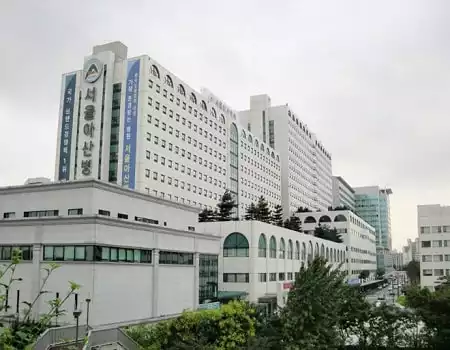
Asan Medical Center provides multidisciplinary care for complex respiratory disease through a lung transplant programme that integrates organ transplantation, thoracic surgery, pulmonology, intensive care, rehabilitation, and long-term management. The hospital has reported over 250 lung transplantations, including high-acuity cases requiring ECMO or mechanical ventilation, with comprehensive post-transplant care involving critical care, immunosuppressant management, rehabilitation, and ongoing monitoring.
✔️ Established multidisciplinary lung transplantation programme
✔️ Experience with more than 250 reported lung transplantations
✔️ Thoracic surgeons experienced in complex transplant procedures
✔️ Pulmonology and critical care specialists involved throughout treatment
✔️ Medical intensive care support for critically ill patients
✔️ Experience managing ECMO and mechanical ventilation
✔️ Pulmonary function testing and respiratory rehabilitation services
✔️ Structured immunosuppressant and rejection monitoring
💬 Patient Reviews
⭐️⭐️⭐️⭐️⭐️
“From the first assessment, the transplant team explained every step carefully and treated my family with respect. Recovery required patience and hard work, but the medical and rehabilitation teams supported me throughout the process.” – Michael T., United States
⭐️⭐️⭐️⭐️⭐️
“I arrived with advanced breathing problems and many concerns about the procedure. The specialists completed a detailed evaluation and gave me realistic information about surgery and recovery. Their communication helped me feel more prepared.” – Sophie L., France
⭐️⭐️⭐️⭐️⭐️
“The first weeks after surgery were challenging, but the nurses and rehabilitation team encouraged me every day. I gradually became stronger and more independent. I appreciated the careful monitoring and clear medication guidance.” – Daniel R., Canada
⭐️⭐️⭐️⭐️⭐️
“My family and I received consistent updates during the treatment process. The doctors never made unrealistic promises, and they answered our questions honestly. Their calm and professional approach gave us confidence during a difficult period.” – Elena M., Spain
⭐️⭐️⭐️⭐️⭐️
“The international patient coordinators helped organise my medical records, hospital visits, and communication with the specialists. Having interpretation support made complex discussions easier to understand. I felt well guided throughout my stay in Seoul.” – Ahmed K., United Arab Emirates
⭐️⭐️⭐️⭐️⭐️
“Pulmonary rehabilitation was an important part of my recovery. The therapists helped me improve my strength, breathing control, and daily movement gradually. The structured programme made each stage of recovery feel manageable.” – Hannah W., Germany
⭐️⭐️⭐️⭐️⭐️
“The transplant team carefully explained the importance of immunosuppressant medication and infection prevention. I left the hospital knowing what symptoms required immediate attention. The follow-up plan was detailed and reassuring.” – Marco B., Italy
⭐️⭐️⭐️⭐️⭐️
“My case required coordination between several medical departments. The specialists worked together and reviewed my condition from different perspectives. I appreciated having one organised treatment plan instead of receiving conflicting information.” – Olivia P., Australia
⭐️⭐️⭐️⭐️⭐️
“Recovery was not immediate, but I noticed steady progress with rehabilitation and regular medical follow-up. The team encouraged me to focus on realistic milestones. Their support helped me remain motivated during the more difficult days.” – Lucas A., Brazil
⭐️⭐️⭐️⭐️⭐️
“Travelling abroad for a major transplant procedure was a serious decision for our family. The hospital coordinators helped us understand the evaluation and admission process. We valued the professional communication and compassionate care we received.” – Aisha N., South Africa