








Personalised Surgical Treatment for Drug-Resistant Epilepsy, Improved Seizure Control & Greater Daily Independence
Epilepsy surgery is a specialised neurological treatment for selected patients whose seizures remain uncontrolled despite appropriate anti-seizure medications. The procedure aims to identify and treat the area or network of the brain responsible for seizure activity while protecting functions such as movement, speech, memory, and vision. Depending on the patient’s condition, treatment may involve removing abnormal brain tissue, disconnecting seizure pathways, or implanting a device that helps regulate abnormal electrical activity. At Asan Medical Center in Seoul, epilepsy surgery is planned through detailed testing and multidisciplinary evaluation involving epilepsy specialists, neurologists, neurosurgeons, imaging experts, and other supporting departments.
🔍 What Is Epilepsy Surgery?
Epilepsy surgery refers to a group of procedures used to reduce or stop seizures in people with drug-resistant epilepsy. It is generally considered when properly selected anti-seizure medications do not provide adequate control and when ongoing seizures continue to affect safety, development, education, employment, or daily quality of life. Before treatment, the medical team works to identify where seizures begin and how the affected brain area relates to important functions.
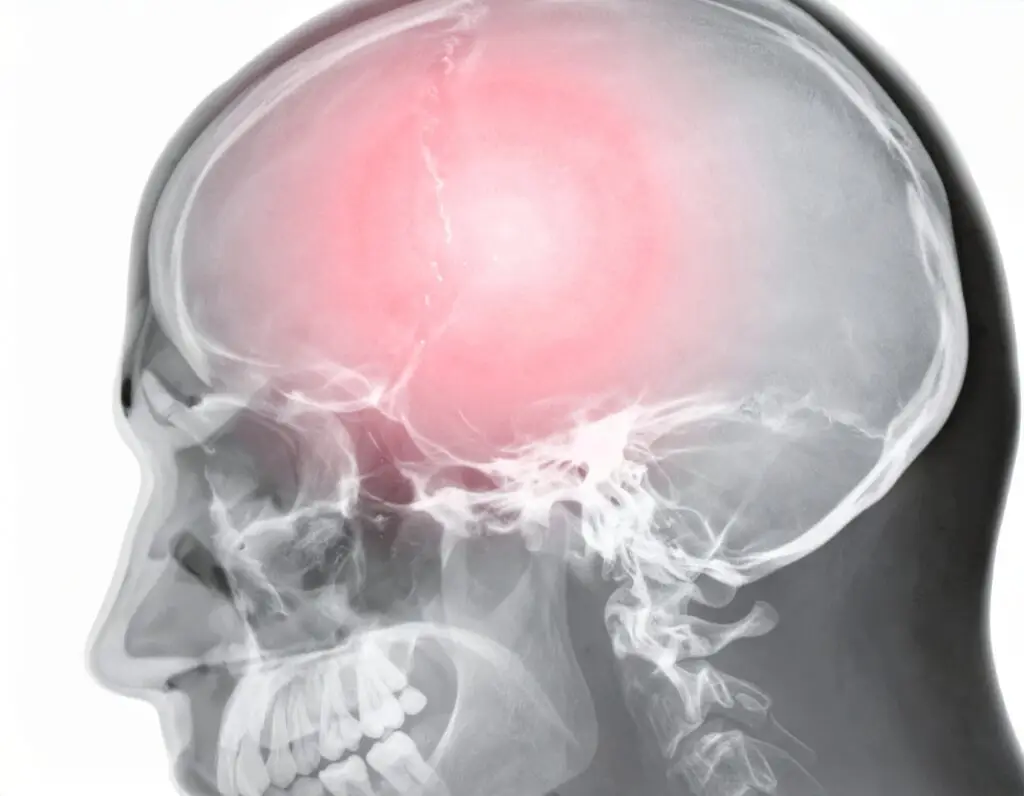
Stereoelectroencephalography, commonly called SEEG, uses depth electrodes to help locate seizure-producing areas and guide surgical planning.
The surgical approach depends on the type of epilepsy, the location of the seizure focus, the patient’s age, and the functions controlled by the surrounding brain tissue. Neuromodulation devices may also be considered when the seizure source cannot be safely removed or when seizures arise from several areas.
The goal of epilepsy surgery differs for every patient. Some procedures are performed with the aim of achieving seizure freedom, while others focus on reducing seizure frequency, severity, injuries, or emergency hospital visits.
🩺 Types of Epilepsy Surgery
- Resective Epilepsy Surgery – Removes the localised area of brain tissue where seizures begin when it can be treated without causing unacceptable damage to essential neurological functions.
- Lesionectomy – Removes a defined abnormality, such as scar tissue, a developmental lesion, or another structural area associated with seizure activity.
- Temporal Lobe Surgery – Treats seizures originating from a specific part of the temporal lobe and may involve removing selected abnormal tissue linked to the seizure focus.
- Corpus Callosotomy – Partially or completely separates the connection between the two cerebral hemispheres to reduce the spread of severe seizures, particularly sudden falls or drop attacks.
- Vagus Nerve Stimulation – Places a small device beneath the skin of the chest to send regular electrical signals through the vagus nerve and help reduce seizure frequency or severity.
🩺 Who Is a Good Candidate?
Epilepsy surgery may be considered for adults or children whose seizures continue despite appropriate medical treatment. However, eligibility depends on whether the seizure source can be identified and whether treatment can be performed with an acceptable level of neurological risk.
✔️ Patients with seizures that remain uncontrolled despite appropriately selected anti-seizure medications
✔️ Individuals experiencing frequent seizures that interfere with education, employment, independence, or daily activities
✔️ Patients whose seizures create a significant risk of falls, injuries, burns, drowning, or other accidents
✔️ Individuals whose testing suggests that seizures begin in a defined area or neurological network
✔️ Patients with a structural brain abnormality associated with seizure activity
✔️ Children with severe epilepsy that affects development, learning, movement, or communication

📝 Consultation & Preparation
Preparation for epilepsy surgery is often more extensive than preparation for many other operations. The evaluation must confirm the epilepsy diagnosis, identify the seizure source, assess brain functions, and determine the safest treatment strategy.

✔️ Detailed review of seizure history, frequency, duration, triggers, symptoms, and recovery after each episode
✔️ Review of previous anti-seizure medications, doses, treatment duration, effectiveness, and side effects
✔️ Assessment of medical history, previous operations, allergies, and current prescription or non-prescription medicines
✔️ Video EEG monitoring to compare electrical brain activity with the physical signs observed during seizures
✔️ High-resolution brain MRI to identify structural abnormalities that may be associated with epilepsy
🩺 Recovery & Aftercare
Recovery after epilepsy surgery varies according to the operation, the treated brain area, the patient’s overall health, and whether invasive monitoring was required before the definitive procedure. Patients are monitored closely after surgery for neurological changes, seizures, bleeding, infection, swelling, pain, and medication-related concerns.
✔️ Close neurological monitoring during the initial hospital recovery period
✔️ Temporary headache, scalp discomfort, fatigue, swelling, or reduced concentration during early healing
✔️ Regular assessment of speech, memory, movement, vision, coordination, and awareness
✔️ Use of prescribed pain relief, anti-seizure medication, and other medicines exactly as directed
✔️ Careful incision care with instructions for washing, dressing changes, and recognising signs of infection

🌍 Why Choose Asan Medical Center for Epilepsy Surgery?
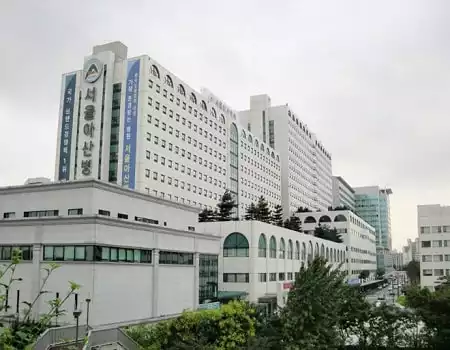
Selecting an experienced epilepsy centre is important because surgical planning requires close cooperation between several neurological specialties. Asan Medical Center has a dedicated Epilepsy Clinic with professionals connected to neurology, neurosurgery, paediatric neurology, radiology, and nuclear medicine. This structure supports detailed evaluation before treatment and coordinated care during surgery, recovery, and follow-up.
✔️ Dedicated Epilepsy Clinic for the assessment and management of complex seizure disorders
✔️ Neurology specialists whose clinical areas include epilepsy diagnosis and treatment
✔️ Neurosurgical specialists with experience in epilepsy and functional neurological procedures
✔️ Access to paediatric neurology for children and adolescents with complex or medication-resistant epilepsy
✔️ Video EEG and neurological testing for patients with seizures or episodes of loss of consciousness
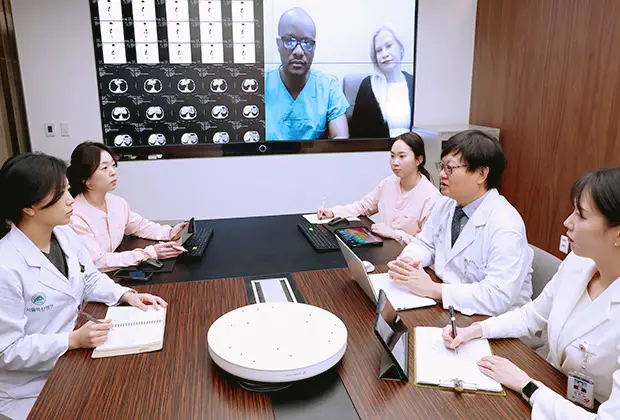
✔️ Multidisciplinary review involving neurology, neurosurgery, neuroradiology, nuclear medicine, and related specialties
✔️ Language assistance in English, Japanese, Chinese, Russian, Mongolian, Arabic, and Vietnamese
💬 Patient Reviews
⭐️⭐️⭐️⭐️⭐️
“Our family had been managing uncontrolled seizures for several years, and we needed a more detailed evaluation. The medical team explained why several tests were required before discussing surgery. The structured process helped us understand the treatment plan and feel more prepared.” – Daniel K., USA
⭐️⭐️⭐️⭐️⭐️
“The epilepsy assessment was much more comprehensive than we expected. Each test provided additional information about where the seizures might be starting and which functions needed protection. We appreciated that the specialists did not recommend surgery until they had reviewed everything carefully.” – Amelia R., United Kingdom
⭐️⭐️⭐️⭐️⭐️
“My son had seizures that affected his learning and independence. The paediatric team communicated with us patiently and explained the purpose of the EEG monitoring, imaging, and surgical review. Having several departments involved gave our family confidence in the evaluation process.” – Marie L., France
⭐️⭐️⭐️⭐️⭐️
“I travelled to Seoul because my seizures continued despite several medications. The international coordination team helped organise my appointments and made the hospital process easier to follow. I felt that my case was reviewed individually rather than treated as a routine condition.” – Ahmed S., United Arab Emirates
⭐️⭐️⭐️⭐️⭐️
“The doctors were careful when discussing the possible benefits and risks of epilepsy surgery. They never promised that every seizure would stop, but they helped me understand what the procedure was intended to achieve. That honest communication made an important difference to me.” – Sofia M., Spain
⭐️⭐️⭐️⭐️⭐️
“My pre-surgical evaluation included several examinations, and the process required patience. However, every stage had a clear purpose, and the team explained how the results would affect the final decision. I felt well informed before agreeing to move forward.” – Luca B., Italy
⭐️⭐️⭐️⭐️⭐️
“Recovery required rest and regular follow-up, but the instructions were clear from the beginning. The team monitored my movement, speech, and general neurological condition carefully after the procedure. I appreciated having realistic guidance about returning to normal activities.” – Hannah W., Germany
⭐️⭐️⭐️⭐️⭐️
“We were worried about travelling abroad for neurological treatment, especially with a child. The coordinators helped us understand the appointments, examinations, and hospital admission process. The organised support reduced much of the stress surrounding the trip.” – Olivia C., Australia
⭐️⭐️⭐️⭐️⭐️
“My seizures had affected my work and confidence for a long time. The specialists reviewed my previous records and explained why additional monitoring was necessary before surgery could be considered. I valued the detailed and safety-focused approach throughout my care.” – Michael T., Canada
⭐️⭐️⭐️⭐️⭐️
“The treatment journey involved much more than the operation itself. Neurological evaluation, medication management, recovery monitoring, and rehabilitation were all important parts of the process. I felt supported at each stage and understood what I needed to do after leaving the hospital.” – Elena P., Romania