











Blepharoplasty Surgery in Seoul, South Korea by Asan Medical Center

10 Days

Advanced Eyelid Rejuvenation for Brighter Eyes, Refreshed Facial Balance & Improved Visual Comfort


Blepharoplasty Surgery in Seoul, South Korea at Asan Medical Center is designed for patients who want to improve drooping eyelids, under-eye bags, puffiness, or tired-looking eyes through a precise surgical approach. Also known as eyelid surgery, blepharoplasty can refresh the upper eyelids, lower eyelids, or both while maintaining natural facial expression. For some patients, eyelid surgery may also help improve visual comfort when excess upper eyelid skin interferes with the field of vision. International patients choose blepharoplasty in South Korea for refined facial aesthetics, careful surgical planning, and access to advanced hospital-based care.


🔍 What Is Blepharoplasty Surgery?

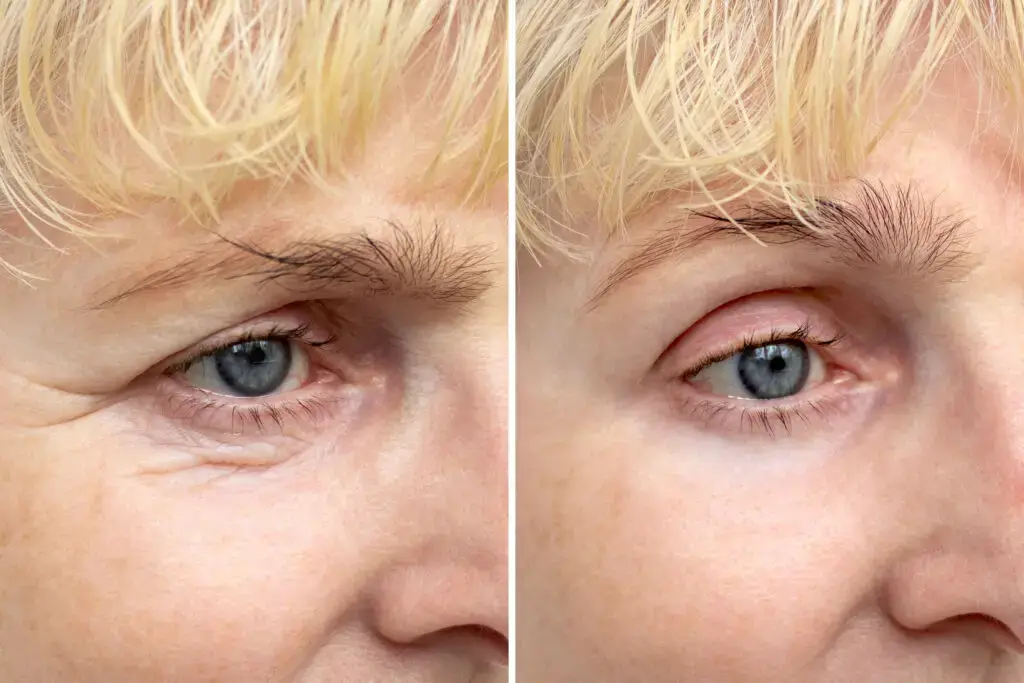
Blepharoplasty is a surgical procedure that improves the appearance and function of the eyelids by removing or repositioning excess skin, muscle, and fat around the eyes. It is commonly performed to address sagging upper eyelids, hooded eyelids, under-eye bags, puffiness, and loose skin that makes the face appear tired or older than the patient feels. During upper eyelid blepharoplasty, the surgeon usually places the incision along the natural eyelid crease.

Blepharoplasty in Morocco Cost

This allows excess skin and tissue to be adjusted while keeping visible scarring as discreet as possible. In lower eyelid blepharoplasty, the incision may be placed just below the lash line or inside the lower eyelid, depending on the patient’s anatomy, skin quality, fat position, and treatment goals. Blepharoplasty surgery is not designed to change a patient’s identity or create an artificial look. The goal is to restore a fresher, more open, and more balanced eye appearance. For patients with functional concerns, blepharoplasty may provide more than cosmetic improvement. When loose upper eyelid skin causes heaviness, discomfort, or visual obstruction, surgical correction may help improve eyelid function and visual comfort.


🩺 Types of Blepharoplasty Surgery
  • Upper Eyelid Blepharoplasty – Removes loose or sagging upper eyelid skin to create a cleaner eyelid fold and a more open eye appearance.
  • Lower Eyelid Blepharoplasty – Targets under-eye bags, puffiness, and excess lower eyelid skin for a smoother and more rested look.
  • Combined Upper and Lower Blepharoplasty – Treats both upper and lower eyelids in one surgical plan for fuller eyelid rejuvenation.


🩺 Who Is a Good Candidate?

Blepharoplasty surgery may be suitable for adults who want natural eyelid rejuvenation or functional improvement caused by excess eyelid skin. The best candidates are patients with stable health, realistic expectations, and concerns that can be safely improved through eyelid surgery.

✔️ Individuals with sagging or hooded upper eyelids
✔️ Patients with under-eye bags, puffiness, or lower eyelid fullness
✔️ Adults whose eyes look tired, heavy, or aged even when well rested
✔️ Patients with excess upper eyelid skin affecting visual comfort
✔️ Individuals seeking natural-looking eyelid rejuvenation without changing their facial identity
✔️ Patients with stable general health and controlled medical conditions
✔️ Non-smokers or patients willing to stop smoking before and after surgery


📝 Consultation & Preparation

A detailed consultation is essential before blepharoplasty surgery because eyelid anatomy is delicate and results depend on precise planning. At Asan Medical Center, patients may be assessed through facial evaluation, eyelid examination, medical history review, and discussion of aesthetic or functional goals. International patients should prepare clear medical information before requesting evaluation.

✔️ Full eyelid and facial assessment to evaluate skin, fat, muscle tone, and eyelid position
✔️ Review of medical history, including eye disease, thyroid problems, diabetes, hypertension, and bleeding disorders
✔️ Medication review, especially blood thinners, anti-inflammatory medication, supplements, and eye drops
✔️ Evaluation of eye health, dryness, irritation, vision concerns, or previous eye surgery
✔️ Discussion of desired eyelid outcome, including natural rejuvenation, crease definition, or functional improvement
✔️ Review of previous facial procedures, injectables, laser treatments, or eyelid surgery if applicable


🩺 Recovery & Aftercare

Recovery after blepharoplasty surgery is usually manageable, but the eyelid area is sensitive and requires careful aftercare. Swelling, bruising, tightness, and mild discomfort are common during the early healing stage. Most patients notice gradual improvement as swelling settles and the eyelid contours become more refined.

✔️ Mild to moderate swelling and bruising around the eyes during the first stage of healing
✔️ Keeping the head elevated while resting to help reduce swelling
✔️ Using prescribed eye drops, ointments, or medication exactly as directed
✔️ Avoiding rubbing, pulling, or applying pressure around the eyelids
✔️ Protecting the eyes from sun exposure, wind, dust, and irritation during early recovery
✔️ Avoiding eye makeup, contact lenses, and skincare near the incision area until cleared
✔️ Limiting strenuous exercise, bending, heavy lifting, and swimming during initial healing



🌍 Why Choose Asan Medical Center for Blepharoplasty Surgery?

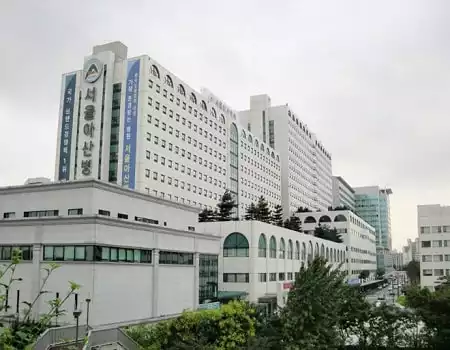
Asan Medical Center in Seoul is a major hospital with a Plastic Surgery department offering reconstructive and aesthetic procedures, including blepharoplasty. It also provides international patient support such as appointment coordination, interpretation, and guidance.
✔️ Hospital-based plastic surgery care in Seoul, South Korea
✔️ Blepharoplasty listed under facial aesthetic surgery services
✔️ Department experienced in both reconstructive and aesthetic plastic surgery
✔️ Multidisciplinary approach for patients who require broader medical evaluation
✔️ Advanced hospital infrastructure for surgical planning, safety, and follow-up care
✔️ Patient-centered approach focused on function, appearance, and quality of life
✔️ International Healthcare Center dedicated to foreign patients
✔️ Language assistance available for international patients in multiple languages
✔️ Support with appointment coordination, treatment process, billing, examination, and administration




💬 Patient Reviews

⭐️⭐️⭐️⭐️⭐️
“My eyelids had become heavy over the years, and I wanted a refreshed look without changing my face. The result looks natural, clean, and balanced. My eyes feel more open, and I still look like myself.” – Michelle R., USA

⭐️⭐️⭐️⭐️⭐️
“I was looking for blepharoplasty in South Korea because I wanted a careful and refined result. The improvement around my upper eyelids is noticeable but not overdone. My face looks brighter and more rested.” – Daniel K., Canada

⭐️⭐️⭐️⭐️⭐️
“My under-eye bags made me look tired even when I slept well. After lower eyelid surgery, the area looks smoother and softer. The change has made my whole face appear fresher.” – Sofia L., Spain

⭐️⭐️⭐️⭐️⭐️
“I chose eyelid surgery because my upper eyelids were starting to affect my comfort and appearance. The recovery required patience, but the improvement was worth it. My eyes feel lighter and look more defined.” – Hannah W., Australia

⭐️⭐️⭐️⭐️⭐️
“I wanted a natural eyelid rejuvenation, not a dramatic cosmetic change. The result is subtle, elegant, and very suitable for my face. Friends say I look well rested, but no one thinks I had surgery.” – Claire D., France

⭐️⭐️⭐️⭐️⭐️
“My lower eyelids had puffiness that makeup could not hide. The surgery helped smooth the under-eye area and gave me a more awake expression. I feel more confident in photos and daily life.” – Marco B., Italy

⭐️⭐️⭐️⭐️⭐️
“The consultation helped me understand what blepharoplasty could and could not do. I appreciated the realistic explanation and careful planning. My results look balanced, and the healing process was manageable.” – Julia M., Germany

⭐️⭐️⭐️⭐️⭐️
“I had concerns about looking unnatural after eyelid surgery, but the final result is very refined. My upper eyelids have better definition, and my eyes look brighter. It was the kind of subtle improvement I wanted.” – Aisha N., UAE

⭐️⭐️⭐️⭐️⭐️
“My main concern was tired-looking eyes and mild sagging in the upper lids. The surgery refreshed my appearance without making me look different. I am very happy with how natural the outcome looks.” – Emily S., UK

⭐️⭐️⭐️⭐️⭐️
“I traveled for blepharoplasty because I wanted hospital-based care and a precise approach. The result improved both my eyelid shape and my overall facial expression. I feel more comfortable and confident now.” – Laura P., Mexico


Asan Medical Center: World-Class Advanced Medical Care in Seoul, South Korea

A Patient-Centered Tertiary Medical Institution Combining Clinical Excellence, Research Innovation, and International Healthcare Support

Asan Medical Center is one of South Korea’s leading tertiary medical institutions, located in Seoul and recognized for its advanced medical systems, multidisciplinary care model, and strong commitment to clinical treatment, research, and education. Since its establishment in June 1989, Asan Medical Center has grown into a major global medical complex supported by specialized institutes, advanced medical technology, and a foundation-driven philosophy centered on respect for life and social responsibility.

Built to serve both Korean and international patients, Asan Medical Center combines high-level specialty care with structured patient coordination, language assistance, and international healthcare services. Its medical environment is designed to support complex diagnosis, advanced treatment, long-term care planning, and patient-centered decision-making across a wide range of specialties.

🌍 A Leading Medical Destination for International Patients

Asan Medical Center has become a trusted destination for international patients seeking advanced medical treatment in South Korea. The hospital is known for its large-scale tertiary-care system, sophisticated clinical infrastructure, and ability to manage complex cases across cancer care, cardiovascular medicine, organ transplantation, pediatrics, neurology, orthopedics, digestive disease, and other specialized fields.

Key advantages include:

• Korea’s largest medical institution, with 2,446 beds and a total floor area of approximately 280,000 square meters

• High patient volume, including thousands of daily outpatients and hundreds of thousands of annual inpatient cases

• Advanced tertiary-care services supported by specialized institutes, centers, departments, and research facilities

• Dedicated International Healthcare Center for foreign patients

• Multilingual support for English, Japanese, Chinese, Russian, Mongolian, Arabic, and Vietnamese-speaking patients

• Strong reputation in complex medical fields such as cancer treatment, organ transplantation, cardiovascular care, and advanced surgery

• Continuous focus on patient safety, treatment quality, research, and measurable clinical improvement

Asan Medical Center also receives international physicians, scholars, and medical students who visit the hospital to observe advanced medical skills and patient-care systems, reflecting its role not only as a treatment center but also as a global medical education and research hub.

🏥 Who We Are

A Major Tertiary Medical Center Built on Clinical Leadership and Social Responsibility

Asan Medical Center was founded in 1989 under the vision of the late Chairman Chung Ju-yung, founder of Hyundai Group and the ASAN Foundation. The name “Asan” reflects the founder’s pen name and is closely connected to the hospital’s broader mission of improving people’s health, well-being, and access to quality medical care.

The hospital operates as the parent hospital among the eight hospitals under the ASAN Foundation. The foundation has supported non-profit programs in medical welfare, social welfare, scholarships, and academic research, including the development of hospitals in rural areas where modern medical resources were limited.

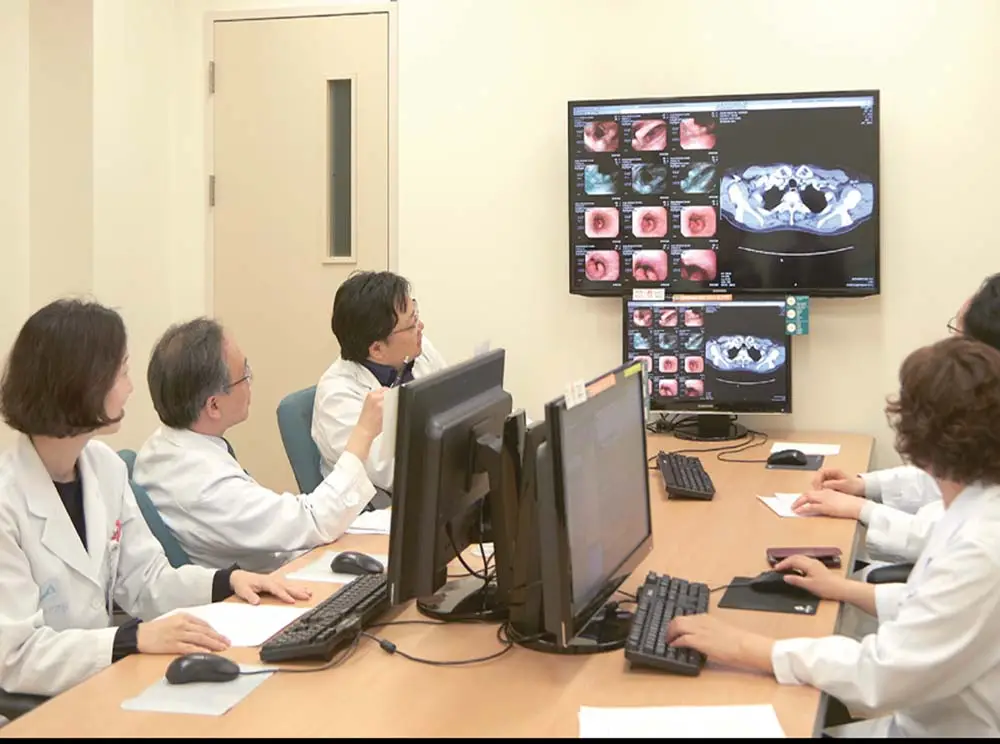
Asan Medical Center is structured around a comprehensive multidisciplinary model, bringing together highly specialized institutes, centers, departments, medical teams, researchers, nurses, coordinators, and administrative professionals. The hospital’s clinical organization includes major institutes such as the Cancer Institute, Heart Institute, and Children’s Hospital, supported by numerous specialty centers and clinical departments.

The hospital operates with a clear philosophy:

• Respect for life and patient dignity

• Highest-quality medical care supported by research and education

• Multidisciplinary treatment planning for complex cases

• Ethical, transparent, and fact-based clinical decision-making

• Compassionate care for patients and families

• Continuous contribution to medical advancement in Korea and worldwide

Each patient is supported within a coordinated medical environment that connects diagnosis, treatment planning, specialist consultation, testing, inpatient care, follow-up, and international patient services when needed.

🌍 International Patient Services

A Structured Medical Journey for Patients Traveling to South Korea

Asan Medical Center provides dedicated international healthcare services through its International Healthcare Center, a department created specifically to support foreign patients receiving medical care at the hospital. The center assists patients with scheduling, coordination, language support, billing-related guidance, examinations, administrative processes, and communication throughout the medical journey.

Services include:

• Appointment request and customized scheduling

• Coordination with primary doctors and specialists

• Language assistance throughout the medical process

• Escort and counseling support through international coordinators

• Assistance with examinations, treatment flow, billing, and administration

• Financial counseling and direct billing support for eligible organizations

• Guidance for outpatient and inpatient care processes

• Support before, during, and after the patient’s hospital visit

Language assistance includes:

• English

• Japanese

• Chinese

• Russian

• Mongolian

• Arabic

• Vietnamese

This structured support helps international patients move through a large tertiary hospital with greater clarity, reducing communication barriers and helping patients feel more informed during consultations, examinations, treatment, admission, discharge, and follow-up.

🎯 Our Mission, Vision & Values

Guided by Medical Excellence, Research, Education, and Human Dignity

Mission
To contribute to healthy human life through high-quality medical care, intensive research, and excellent medical education. Asan Medical Center’s mission connects clinical treatment with education and research, allowing the hospital to improve patient outcomes while supporting the development of future medicine.

Vision
To be trusted by people from all walks of life, provide the highest-quality treatment, develop creative education programs and innovative research, ensure long-term progress through effective management, and create a reliable working environment where employees take pride in their work.

Values

• Generosity and compassion in sharing knowledge and understanding patient needs

• Honesty and trust in communication, treatment planning, and institutional responsibility

• Forward-thinking innovation through continuous learning and improvement

• Emphasis on facts and results through objective, verifiable, and measurable performance

• Community-first responsibility, placing collective well-being above individual interest

The ASAN Foundation’s founding principle is also central to the hospital’s identity. The foundation was built around the belief that medical resources, welfare, research, and scholarships should help improve people’s lives and support those most in need.

🧬 Advanced Medical Technology, Research & Clinical Innovation

Research-Driven Medicine Supported by High-Level Clinical Infrastructure

Asan Medical Center combines advanced treatment systems with strong investment in research and innovation. The hospital’s clinical environment is supported by the Asan Institute for Life Sciences, clinical research infrastructure, industry-university research collaborations, and ongoing efforts to develop future-focused medicine that connects clinical practice with science, technology, and engineering.

Advanced medical technologies include:

• CT systems

• MRI systems

• PET-CT systems

• Angiography systems

• LINAC systems

• CyberKnife

• Gamma Knife

• TrueBeam

• Da Vinci robotic surgery systems

The hospital’s specialty structure supports care across a wide range of departments, including cardiology, oncology, neurosurgery, neurology, gastroenterology, hepatobiliary and pancreatic surgery, liver transplantation, kidney and pancreas transplantation, orthopedic surgery, obstetrics and gynecology, urology, plastic surgery, rehabilitation medicine, radiology, radiation oncology, pulmonology and critical care medicine, and many other disciplines.

Key areas of clinical strength include:

• Cancer diagnosis and multidisciplinary cancer treatment

• Heart and vascular disease management

• Organ transplantation

• Pediatric specialty care

• Digestive disease and hepatobiliary-pancreatic care

• Neurology and neurosurgery

• Advanced imaging and interventional treatment

• Robotic and minimally invasive surgery

• Preventive health screening and executive check-up programs

Asan Medical Center also maintains international collaboration with hospitals and research organizations across multiple countries, including partnerships connected to cancer genomics, stem cell therapy, asthma research, clinical trials, pharmaceutical research, and global medical collaboration.

🏅 Facilities, Safety, Quality Standards & Recognition

A Large-Scale Medical Complex Focused on Safety, Quality, and Consistency

Asan Medical Center operates as a large medical complex designed to manage high-volume, high-complexity care. Current hospital data highlights the scale of its operations, including 2,446 beds, 253 ICU beds, 11,402 outpatients per day, 654,536 admissions per year, 52,838 surgeries per year, 19,153 international patients per year, and 8,743 employees.

Quality and safety standards include:

• Asan Global Standard, a hospital-wide quality framework

• 24/7 year-round evaluation system

• Strict guidelines that reflect and go beyond international accreditation standards

• Practical standards designed around real clinical settings

• 19 chapters, 76 categories, 213 standards, and 1,162 measurable elements

• Evaluation across patient touchpoints from arrival to discharge

Asan Medical Center has also been recognized for its national and international reputation. The hospital is listed as World 22nd and Korea No. 1 in Newsweek’s World’s Best Hospitals ranking for seven consecutive years, and it has been named the most respected hospital in Korea for 20 consecutive years by Korean Management Association Consulting.

Additional institutional strengths include:

• Designation as a research-driven hospital

• Strong performance in advanced surgery and organ transplantation

• Recognition for patient satisfaction and service quality

• Dedicated infection control infrastructure

• Clinical research systems supporting advanced medical development

• Continuous news and institutional activity in medical AI, nuclear medicine, thyroid tumor treatment, cerebral aneurysm treatment, and Asia-Pacific specialty rankings

The hospital’s focus on safety, measurable standards, and continuous evaluation helps create a structured environment where complex care can be delivered with consistency, clinical coordination, and institutional accountability.

🔍 Design, Innovation & Patient Experience

A Patient-Centered Medical Environment Built Around Coordination, Communication, and Outcomes

Asan Medical Center is designed to support patients through every stage of care, from the first appointment to diagnosis, treatment, admission, recovery, discharge, and follow-up. Its large hospital system is supported by dedicated coordinators, interpreters, clinical teams, administrative staff, and patient service pathways that help patients navigate complex treatment more easily.

Patient experience is reflected through:

• Dedicated International Healthcare Center for foreign patients

• Multilingual assistance and counseling during the medical process

• Customized appointment scheduling and specialist coordination

• Support with examinations, billing, administration, and inpatient guidance

• Structured systems for quality and patient-safety monitoring

• Patient-reported outcome measurement to assess symptoms, function, quality of life, health behaviors, and treatment experience

Asan Medical Center also uses patient-centered innovation to improve outcomes and care experience. Through Patient-Reported Outcome Measures, the hospital quantitatively evaluates patients’ treatment experiences and quality of life, helping medical teams understand issues that may not be fully captured through imaging, laboratory results, or standard clinical testing.

The hospital’s patient-centered approach includes:

• Coordinated care for complex and multidisciplinary cases

• Focus on comfort, communication, and clinical clarity

• Integration of medical care, research, technology, and education

• Strong attention to elderly care, chronic disease, cancer care, transplant care, and long-term outcomes

• Real patient stories reflecting experiences across scoliosis treatment, cancer care, pediatric heart disease, kidney transplantation, and long-term hospitalization

This approach allows patients to receive advanced medical care within a system that is not only technically sophisticated, but also structured around communication, dignity, support, and measurable improvement.

🛬 A Global Destination for Advanced Medical Care

Asan Medical Center welcomes international patients seeking advanced medical treatment, second opinions, complex diagnosis, surgical care, cancer treatment, transplantation, cardiovascular care, pediatric care, preventive screening, and multidisciplinary specialty services in Seoul, South Korea.

• Located in Seoul with access to advanced Korean medical infrastructure

• Dedicated international services for foreign patients

• Multilingual communication support across major patient languages

• Broad specialty coverage across tertiary and complex care fields

• Advanced diagnostic, surgical, robotic, imaging, and research systems

• Strong focus on safety, quality, measurable outcomes, and patient-centered care

• International collaboration with hospitals, universities, research institutes, and global healthcare partners

By combining large-scale tertiary medical capacity, advanced clinical expertise, strong research infrastructure, patient safety systems, and international healthcare coordination, Asan Medical Center offers a comprehensive pathway for patients seeking high-quality medical care in South Korea.

Why Choose Asan Medical Center?

  • A leading tertiary medical center in Seoul, South Korea, focused on delivering advanced medical care through a large-scale hospital system, specialized institutes, and multidisciplinary clinical expertise.
  • Recognized as one of Korea’s most advanced medical institutions, offering comprehensive care across cancer treatment, heart disease, organ transplantation, pediatrics, neurology, digestive diseases, orthopedics, rehabilitation, and many other specialties.
  • Built on a patient-centered medical philosophy that combines high-quality treatment, intensive research, medical education, and a strong commitment to improving human health.
  • Supported by a broad multidisciplinary structure, allowing specialists from different departments to collaborate on complex cases and create more precise, coordinated treatment plans.
  • Equipped with advanced medical technologies, including CT, MRI, PET-CT, angiography systems, LINAC, CyberKnife, Gamma Knife, TrueBeam, and Da Vinci robotic surgery systems.
  • Offers internationally respected areas of excellence, including the Asan Cancer Institute, Asan Heart Institute, Children’s Hospital, Organ Transplantation Center, and Health Screening and Promotion Center.
  • Provides a dedicated International Healthcare Center that supports foreign patients with appointment coordination, customized scheduling, language assistance, billing guidance, admission support, and follow-up communication.
  • Offers multilingual support for international patients, including English, Japanese, Chinese, Russian, Mongolian, Arabic, and Vietnamese, helping reduce communication barriers throughout the treatment journey.
  • Maintains a strong focus on patient safety and quality standards through structured hospital-wide systems, including Asan Global Standard, which evaluates care from patient arrival to discharge.
  • Combines clinical care with research and innovation through life sciences research, clinical studies, international collaboration, and continuous development of advanced medical practices.
  • Provides specialized health screening and preventive medicine programs designed for early detection, comprehensive evaluation, and rapid connection to treatment when medical concerns are identified.
  • Located in Seoul, one of Asia’s leading medical destinations, offering international patients access to advanced Korean healthcare, modern hospital infrastructure, and coordinated medical travel support.
  • Focused on delivering a structured, reliable, and patient-centered medical journey, helping patients and families move through diagnosis, treatment, recovery, and follow-up with clarity, confidence, and professional guidance.

Get Personalized Help With Your Procedure Abroad

Our team is here to support you every step of the way. Share your details below and we’ll connect you with the right specialists, answer your questions, and help arrange a smooth, stress-free experience abroad.

Name
Privacy Policy acknowledgement

Get a Free Consultation

Talk with our medical travel coordinators and receive tailored treatment options abroad — free of charge.

Name
Privacy Policy acknowledgement

Destination Facts

Get a Free Consultation

Talk with our medical travel coordinators and receive tailored treatment options abroad — free of charge.

Name
Privacy Policy acknowledgement