








Advanced Robotic Thyroid Cancer Surgery for Precision Treatment, Neck-Scar Reduction & Comprehensive Endocrine Cancer Care
Robotic Surgery for Thyroid Cancer is an advanced surgical option for selected patients diagnosed with thyroid cancer who require precise thyroid removal with a focus on safety, cancer control, and cosmetic outcomes. At Asan Medical Center in Seoul, South Korea, robotic-assisted thyroid surgery is performed through specialized approaches designed to avoid a visible neck scar while supporting accurate dissection around delicate structures. Patients choose robotic thyroid cancer surgery in South Korea for access to advanced surgical technology, experienced endocrine surgery teams, and coordinated thyroid cancer care within a major medical center.
🔍 What Is Robotic Surgery for Thyroid Cancer?
Robotic Surgery for Thyroid Cancer, also called robotic thyroidectomy, is a minimally invasive surgical technique used to remove part or all of the thyroid gland when thyroid cancer is present. Unlike traditional open thyroid surgery, which usually involves an incision in the front of the neck, robotic thyroid surgery may use alternative access points such as the underarm or bilateral axillo-breast approach.
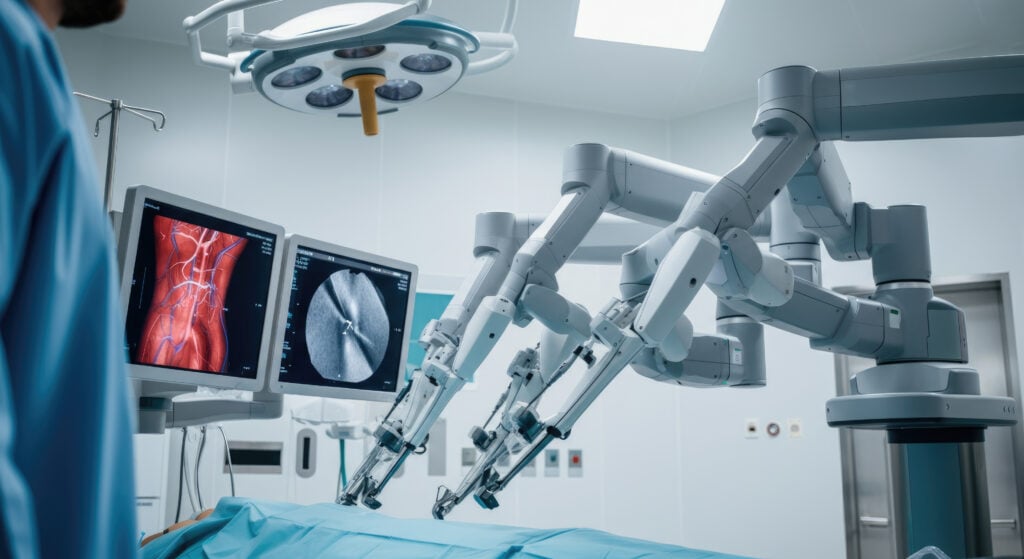
This allows the surgeon to reach the thyroid while reducing visible neck scarring. During robotic thyroid cancer surgery, the surgeon controls robotic instruments through a high-definition system that supports magnified visualization and refined surgical movement. This can be especially helpful when operating near important structures such as the recurrent laryngeal nerve, parathyroid glands, blood vessels, and lymph nodes. Robotic thyroidectomy may be used for selected cases of thyroid cancer, especially when the tumor characteristics, lymph node status, anatomy, and overall health make a robotic approach appropriate. In some cases, patients may need partial thyroid removal, total thyroidectomy, or lymph node dissection.
🩺 Types of Robotic Surgery for Thyroid Cancer
- Robotic Transaxillary Thyroidectomy – Uses an underarm approach to access the thyroid gland while avoiding a visible neck incision.
- Robotic Bilateral Axillo-Breast Approach Thyroidectomy – Uses small access points near the underarm and breast area to reach the thyroid with a balanced surgical field.
- Robotic Thyroid Lobectomy – Removes one thyroid lobe when cancer is limited to one side and partial removal is medically appropriate.
- Robotic Total Thyroidectomy – Removes the full thyroid gland when complete thyroid removal is recommended for cancer control.
🩺 Who Is a Good Candidate?
Robotic Surgery for Thyroid Cancer may be suitable for selected patients who need thyroid cancer surgery and want a precise, medically guided approach with reduced visible neck scarring. Not every thyroid cancer case is appropriate for robotic surgery, so candidacy must be confirmed after a full specialist review.
✔️ Patients diagnosed with thyroid cancer requiring surgical treatment
✔️ Individuals with selected papillary, follicular, or other thyroid cancer types
✔️ Patients with thyroid tumors suitable for robotic access based on size and location
✔️ Individuals seeking thyroid cancer surgery with reduced visible neck scarring
✔️ Patients who may benefit from robotic transaxillary or BABA thyroidectomy
✔️ Adults with stable general health for surgery and anesthesia
✔️ Patients without uncontrolled medical conditions that increase surgical risk

📝 Consultation & Preparation
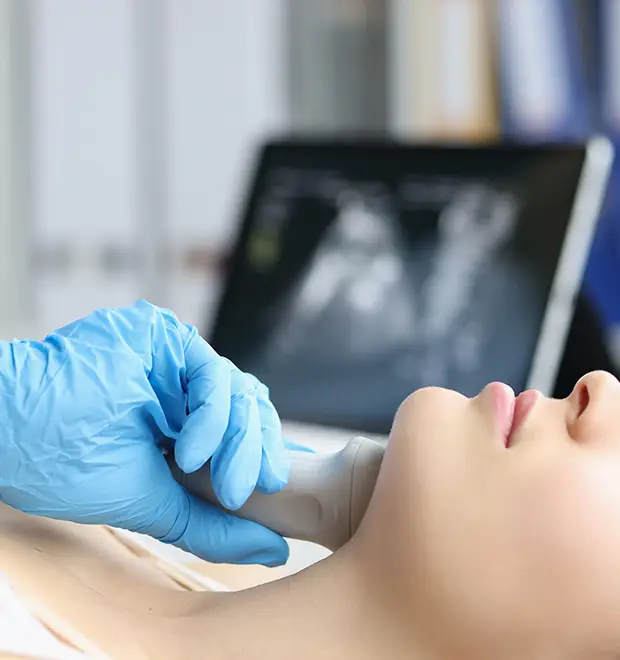
A detailed consultation is essential before robotic thyroid cancer surgery to evaluate cancer type, tumor size, lymph node involvement, thyroid function, and determine the most appropriate surgical approach. Preparation includes reviewing imaging, biopsy results, blood tests, and vocal cord function to ensure patient safety and protect critical structures such as nerves and parathyroid glands.
✔️ Full review of thyroid ultrasound, biopsy results, CT scan, MRI, or PET scan if available
✔️ Confirmation of thyroid cancer type, tumor size, tumor location, and lymph node involvement
✔️ Complete medical history, including thyroid disease, previous neck surgery, radiation exposure, and family history
✔️ Thyroid function blood tests, including TSH, T3, T4, and other hormone markers when required
✔️ Calcium and parathyroid-related blood tests to assess baseline gland function before surgery
✔️ Fine needle aspiration biopsy review to confirm diagnosis and guide treatment planning
✔️ Neck ultrasound or CT imaging to evaluate lymph nodes and surrounding structures
✔️ Vocal cord or laryngeal evaluation when recommended before thyroid cancer surgery
✔️ Medication review, including blood thinners, hormone medication, supplements, and chronic disease medication
🩺 Recovery & Aftercare
Recovery after robotic surgery for thyroid cancer depends on the extent of thyroid removal, lymph node surgery, the patient’s health, and whether additional treatment is needed. Many patients choose robotic thyroidectomy because it may reduce visible neck scarring, but careful aftercare remains essential for safe healing and long-term thyroid cancer control.
✔️ Mild swelling, bruising, tightness, or discomfort near the incision areas
✔️ Monitoring of voice quality, swallowing comfort, calcium levels, and wound healing
✔️ Pain management with prescribed medications and surgeon-approved instructions
✔️ Careful wound care for underarm, breast-area, or access-site incisions
✔️ Temporary activity restrictions to support healing and reduce strain
✔️ Avoiding heavy lifting, strenuous exercise, and sudden upper-body movement initially
✔️ Follow-up visits to review pathology results and confirm the next treatment steps
✔️ Thyroid hormone replacement if the full thyroid gland is removed

🌍 Why Choose Asan Medical Center for Robotic Surgery for Thyroid Cancer?
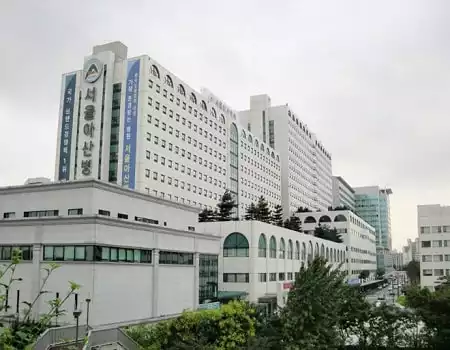
Choosing the right hospital for robotic thyroid cancer surgery is important because the thyroid is located near delicate nerves, glands, and blood vessels. Asan Medical Center in Seoul is recognized for advanced endocrine surgery, robotic surgical capability, and coordinated care for thyroid cancer patients. Its approach combines surgical precision, multidisciplinary planning, and postoperative endocrine management.
✔️ Specialized Endocrine Surgery division treating thyroid, parathyroid, and adrenal diseases
✔️ Robotic thyroidectomy options including transaxillary and BABA approaches
✔️ Use of Da Vinci robotic-assisted technology for selected thyroid surgery cases
✔️ Experience with thyroid cancer surgery, including open and robotic thyroidectomy
✔️ Multidisciplinary support from endocrine surgeons, endocrinologists, anesthesiology teams, and nursing staff
✔️ Thyroid cancer care supported by diagnosis, surgery, postoperative management, and recurrence monitoring
✔️ Advanced medical infrastructure within a major hospital in Seoul, South Korea
✔️ Surgical planning focused on cancer control, safety, function, and cosmetic outcomes