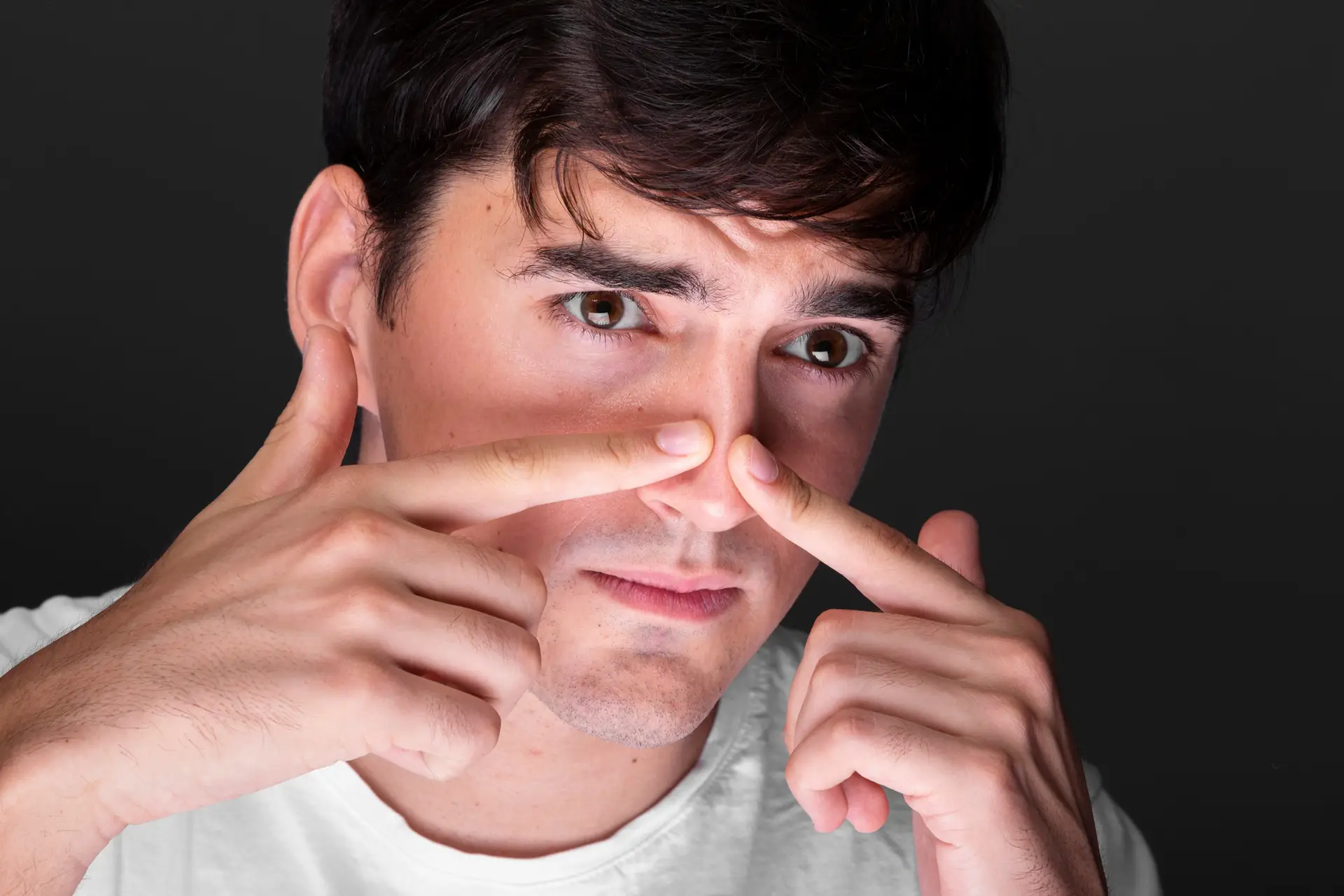


Deviated septum surgery — medically called septoplasty — costs between $6,000 and $25,000 in the United States without insurance. For a procedure that typically takes 60–90 minutes under general anesthesia and is performed as an outpatient surgery, those numbers are difficult to justify. This guide explains what insurance actually covers, what drives US costs, and why thousands of patients are choosing internationally accredited ENT clinics abroad for the same procedure at $1,500–$5,000 all-in.
What Does Insurance Actually Cover for Deviated Septum Surgery?
Septoplasty is generally considered medically necessary when a deviated septum causes chronic breathing obstruction, recurrent sinusitis, or sleep apnea. However, insurers apply strict criteria that frequently result in partial coverage or denial:
| Coverage Scenario | Typical Insurance Response |
|---|---|
| Septoplasty for documented breathing obstruction | Covered at 50–80% after prior authorization and deductible; documentation of failed conservative treatment required |
| Combined septoplasty + rhinoplasty (septorhinoplasty) | Functional component (septoplasty) may be covered; cosmetic reshaping denied |
| Surgery at out-of-network facility | Out-of-network cost-sharing applies — patient may owe 40–60% of total bill |
| High-deductible health plan ($3,000–$7,000 deductible) | Patient pays 100% until deductible met; most septoplasty costs fall within deductible range |
| Insurer classifies case as elective | Full denial; appeal requires ENT documentation of functional impairment and sleep study results |
| Anesthesia provider out-of-network | Anesthesia billed separately; may trigger unexpected balance billing even if facility is in-network |
How Much Does Deviated Septum Surgery Cost Without Insurance?
FAIR Health data shows dramatic cost variation by facility type and geography. Ambulatory surgery centers charge substantially less than hospital outpatient departments for the same septoplasty procedure. Uninsured patients paying cash can often negotiate discounts of 20–40% off list price.
| Region / Facility Type | Low Estimate | High Estimate | Average |
|---|---|---|---|
| Hospital outpatient (major metro) | $12,000 | $25,000 | $18,000 |
| Hospital outpatient (rural/suburban) | $7,000 | $15,000 | $10,500 |
| Ambulatory surgery center | $6,000 | $12,000 | $8,500 |
| Combined septorhinoplasty (hospital) | $15,000 | $35,000 | $24,000 |
| Revision septoplasty (repeat surgery) | $12,000 | $28,000 | $19,000 |
What Drives Deviated Septum Surgery Costs So High in the US?
- Hospital facility fees: A hospital outpatient OR costs $5,000–$10,000 to use for 60–90 minutes, regardless of the procedure’s complexity.
- Surgeon fee markups: ENT surgeons in US metro areas bill $2,500–$6,000 for septoplasty — far above what Medicare reimburses for the same procedure.
- Anesthesia billed separately: General or IV sedation anesthesia is invoiced independently — adding $1,200–$3,500 to the total.
- Pre-operative workup costs: Nasal endoscopy, CT scan of sinuses, and sleep study (if ordered) add $1,500–$4,000 before surgery begins.
- Implant and splint charges: Septal splints and dissolvable packing materials are billed as supplies — typically $300–$800 on top of the procedure fee.
Financial Assistance Options if You’re Uninsured
Uninsured patients pursuing septoplasty in the US have several avenues to reduce costs before considering international care:
- Hospital charity care programs: Most nonprofit hospitals offer free or reduced-cost care for patients earning under 200–400% of the federal poverty line. Request a financial assistance application before surgery is scheduled.
- Cash-pay / self-pay rates: Hospitals and surgery centers routinely offer 20–40% discounts for patients who pay upfront without insurance involvement.
- Ambulatory surgery centers: Choosing an ASC over a hospital outpatient facility for septoplasty can save $4,000–$10,000 with no reduction in quality.
- Medical credit financing: CareCredit and Prosper Healthcare Lending offer 0% interest promotional periods of 6–24 months for medical procedures — useful if the balance can be paid before the promotional period ends.
- Medicaid and state programs: Septoplasty for documented breathing impairment may qualify under expanded Medicaid in most states — eligibility is income-based.
- HSA/FSA funds: Health savings and flexible spending accounts can cover septoplasty costs for medically necessary procedures — no insurance required.
How Much Does Deviated Septum Surgery Cost Abroad?
Turkey and Mexico have emerged as leading destinations for septoplasty and septorhinoplasty among international patients. ENT surgeons at accredited international hospitals often trained in Europe or the US and routinely perform hundreds of nasal surgeries annually. The cost difference is structural — not a reflection of lower standards.
| Country | Estimated Cost (Septoplasty) | Savings vs US Average | Notes |
|---|---|---|---|
| Mexico | $2,000 – $4,500 | 75–89% | Short travel distance for US patients; many US-trained ENT surgeons; English widely spoken |
| Turkey | $1,500 – $4,000 | 78–92% | Leading rhinoplasty and septoplasty hub globally; Istanbul centers handle thousands of nasal surgeries annually |
| Thailand | $2,200 – $5,000 | 72–88% | JCI-accredited hospitals with international patient departments; excellent recovery infrastructure |
| India | $1,000 – $2,500 | 86–94% | Lowest cost option globally; Apollo and Fortis ENT departments experienced with international patients |
| Colombia | $1,800 – $4,000 | 78–90% | Growing medical tourism; combined cosmetic + functional rhinoplasty popular |
| Poland | $1,700 – $3,800 | 79–91% | EU-standard care; popular with European patients; English-speaking ENT surgeons at major centers |
ENT Clinics Featured by MyMediTour
MyMediTour connects patients with verified ENT and rhinology clinics across top medical tourism destinations. Each listed clinic is reviewed for accreditation, surgeon credentials, patient communication standards, and English-language support before being featured.
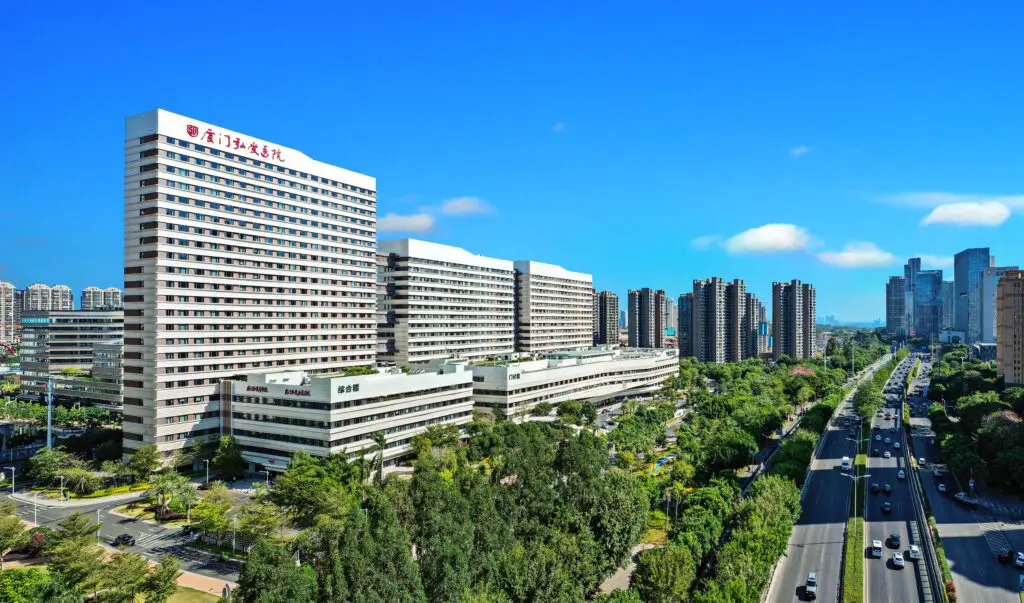
Leading tertiary non-profit comprehensive hospital in Xiamen, Fujian Province, China, providing advanced medical care…
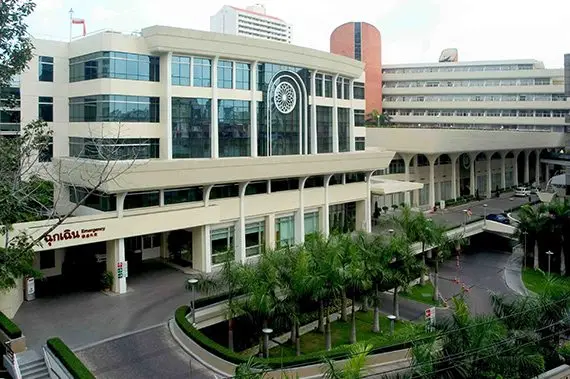
Samitivej Hospital is one of Thailand’s leading private hospital networks, serving local patients, expatriates,…
Is Quality Lower Abroad?
The assumption that lower cost means lower quality doesn’t hold when examining accredited international ENT centers. Turkey’s rhinoplasty and septoplasty clinics are among the most experienced in the world — some Istanbul hospitals perform more nasal surgeries in a month than most US ENT practices do in a year. JCI accreditation requires the same safety standards, sterile technique protocols, and patient rights frameworks as US Joint Commission accreditation.
What international patients consistently report is better-than-expected care — attentive nursing staff, single-patient rooms, and follow-up protocols that rival or exceed their experiences in the US. The difference in price reflects structural differences in labor costs, medical liability insurance, and administrative overhead — not differences in surgical skill or outcomes.
How to Verify a Clinic’s Credentials Before You Go
- Confirm JCI accreditation directly at jointcommissioninternational.org — search by hospital name and country.
- Research the ENT surgeon’s training: Ask where they completed residency and fellowship — European and US-trained surgeons are common at top international centers.
- Request a virtual consultation: Reputable clinics offer free pre-operative video consults — use it to assess communication and surgical approach.
- Ask for annual case volume: For septoplasty, surgeons performing 200+ procedures annually have measurably lower complication rates.
- Verify nasal endoscopy capability: The clinic should offer pre-operative nasal endoscopy and CT scan review as part of the consultation process.
- Get an all-inclusive written quote: Confirm the quote covers surgeon, anesthesia, facility, post-op medication, and one follow-up visit.
- Confirm post-operative support: Ask how the clinic handles complications after you return home — dedicated patient coordinators and remote consult access are standard at reputable facilities.
Deviated Septum Surgery Recovery: What to Expect
Septoplasty recovery is predictable and well-tolerated by most patients. Planning around the key milestones makes international travel logistics straightforward.
| Phase | Timeframe | What Happens | Travel Considerations |
|---|---|---|---|
| Immediate post-op | Day 0–2 | Nasal splints in place; rest required; limited activity | Remain at destination; arrange hotel near clinic |
| Splint removal | Day 5–7 | Internal splints removed; first assessment of breathing improvement | Most patients cleared to fly home after this visit |
| Early recovery | Weeks 1–3 | Swelling inside nose; nasal rinses twice daily; avoid blowing nose | Remote follow-up via video consult; local ENT if needed |
| Full breathing restoration | Weeks 4–8 | Swelling fully resolves; improved nasal airflow established | No restrictions; normal activities resumed |
Risk Assessment: US vs. Abroad
| Risk Factor | US | Top International Clinics |
|---|---|---|
| Surgical complication rate | 1–3% (major complications) | Under 2% at JCI-accredited ENT centers |
| Revision rate | 5–10% (chronic deviation recurrence) | Comparable at high-volume centers |
| Post-op infection | 1–3% at hospital settings | Under 1% at top accredited facilities |
| Language barriers | None | Low at clinics with international patient departments |
| Surprise billing risk | Very high (balance billing common) | Minimal — all-inclusive quotes standard |
| Follow-up access post-return | Easy | Remote consult + local ENT referral coordination available |
Frequently Asked Questions
Can I combine septoplasty with cosmetic rhinoplasty abroad?
Yes. Septorhinoplasty — combining functional correction with cosmetic reshaping — is one of the most popular procedures at international ENT and plastic surgery centers, particularly in Turkey. The combined procedure costs $3,000–$7,000 abroad versus $15,000–$35,000 in the US.
How do I know if my deviated septum is severe enough to warrant surgery?
Surgery is typically recommended when a deviated septum causes chronic nasal obstruction, recurring sinusitis (three or more episodes per year), or sleep-disordered breathing that doesn’t respond to medication. A nasal endoscopy and sometimes a CT scan confirm the degree of deviation and guide the surgical plan.
How long do I need to stay in the country after septoplasty?
Plan for 7–10 days. The critical post-operative visit — when internal splints are removed and healing is assessed — occurs on Day 5–7. Most surgeons clear patients to fly home after that visit if there are no complications.
Will my deviated septum come back after surgery?
Cartilage has some memory and can shift slightly over time, but significant recurrence requiring revision surgery occurs in roughly 5–10% of cases. High-volume surgeons who use careful cartilage scoring and suturing techniques have lower revision rates. Ask your surgeon about their approach to preventing recurrence.
Is general anesthesia required for septoplasty?
Most septoplasty procedures use general anesthesia or deep IV sedation. Some surgeons perform simple cases under local anesthesia with sedation. Your international surgeon will advise the best approach during the pre-operative consultation based on the complexity of your deviation.
If the cost of deviated septum surgery in the US has been keeping you from breathing freely, internationally accredited ENT clinics offer a safe, affordable alternative. Browse verified clinics below to compare destinations, review surgeon credentials, and request a complimentary consultation.
Leading tertiary non-profit comprehensive hospital in Xiamen, Fujian Province, China, providing advanced medical care…
Samitivej Hospital is one of Thailand’s leading private hospital networks, serving local patients, expatriates,…
Featured Plastic Surgery Procedures in Costa Rica
Procedures discussed in this article, available across Costa Rica.

Liposculpture in San Jose
Achieve a beautifully contoured physique with advanced liposculpture in Costa Rica, where expert plastic surgeons…

Rhinoplasty Procedure in San Jose
Refine your facial harmony and enhance your confidence with a rhinoplasty in Costa Rica, where expert plastic…
Tummy Tuck in San Jose
Achieve a toned, sculpted abdomen with a tummy tuck in Costa Rica, where expert plastic surgeons combine advanced…

Breast Augmentation in San Jose
Enhance your curves and confidence with breast augmentation in Costa Rica, where highly skilled plastic surgeons…

Face Lifting in San Jose
Rejuvenate your appearance with a face lift in Costa Rica, where expert plastic surgeons use advanced, minimally…
Recommended Plastic Surgery Clinics in Costa Rica
Trusted clinics specializing in Plastic Surgery across Costa Rica.
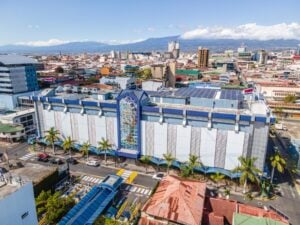
Clinica Biblica Hospital
Medical Tourism Center Clínica Bíblica Hospital is Costa Rica’s leading private hospital and a pioneer in…
Explore Tours in Costa Rica
Discover the best places to visit in Costa Rica and explore its rich culture, breathtaking landscapes, iconic attractions, and unforgettable travel experiences.

Costa Rica: Off Road Rainforest and Waterfalls ATV Tour
Embark on an exhilarating ATV adventure through the picturesque Manuel Antonio countryside, where lush…

Costa Rica: La Fortuna Waterfall, Hanging Bridges, Arenal Volcano Combo Tour
Experience the best of Costa Rica’s natural wonders on this full-day small-group adventure in La Fortuna. Begin…

Costa Rica: Manuel Antonio Park Nature Guided Tour with a Nature Specialist
Discover the incredible biodiversity of Costa Rica on a guided nature hike through Manuel Antonio National Park,…

Costa Rica: Full Day Poas Volcano, La Paz Waterfall Gardens and Coffee Plantation Experience
Experience the best of Costa Rica on this full-day combo tour from San Jose, blending coffee, nature, and wildlife…

Costa Rica: One day Tour Isla Tortuga with Lunch from Puntarenas
Escape to paradise with a day trip to Isla Tortuga, the perfect destination for relaxation and adventure. Whether…
More Plastic Surgery Articles About Costa Rica
Keep reading about Plastic Surgery care and travel in Costa Rica.
Cyst Removal Surgery Cost Without Insurance
Cyst removal surgery without insurance in the United States typically costs between $1,500 and $8,000 — with the…

Cost of Mommy Makeover in Costa Rica
A Mommy Makeover in Costa Rica is among the most sought-after cosmetic procedures for international patients…

Breast Reduction Surgery Cost Without Insurance
Breast reduction surgery, also known as reduction mammaplasty, is a transformative procedure designed to reduce…

Facelift in Costa Rica Cost and Clinics
Facelift surgery in Costa Rica is performed by plastic surgeons in San José trained at Latin American and North…

Costa Rica Plastic Surgery Packages
Costa Rica is one of Latin America’s most trusted destinations for plastic and cosmetic surgery—combining…

Cost of Skin Removal Surgery After Weight Loss Without Insurance
Skin removal surgery after significant weight loss — including panniculectomy, body lift, arm lift, and thigh lift…
Leave a Comment
Share your thoughts on this article, or ask us a question -- we'd love to hear from you.