

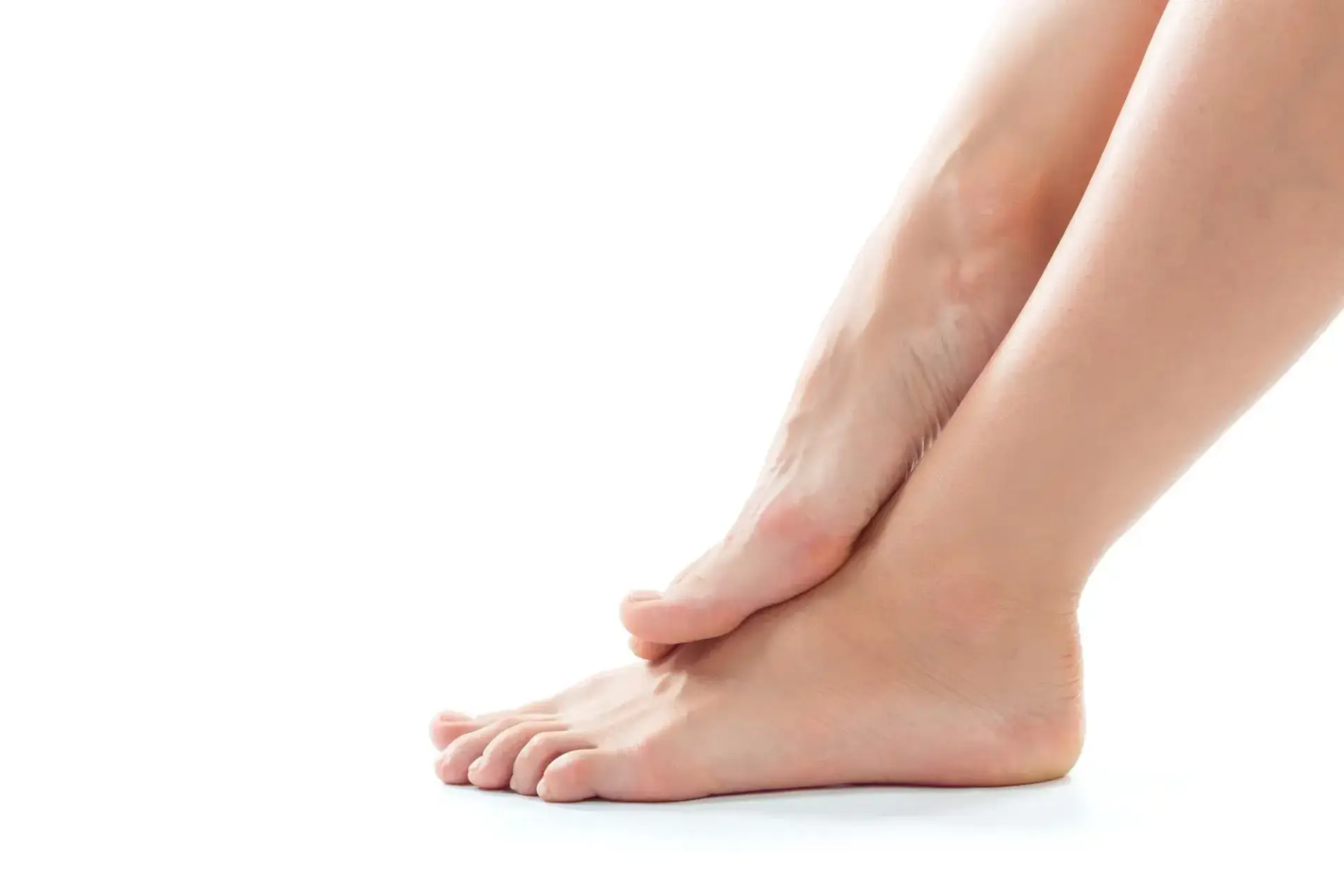


Foot surgery covers a wide spectrum of procedures — from bunion removal (bunionectomy) and hammertoe correction to plantar fascia release and complex flatfoot reconstruction. Each addresses a different source of foot pain and dysfunction, and each carries a distinct price tag. Without insurance, foot surgery in the United States typically costs between $8,000 and $35,000 — with complex reconstructive procedures at the higher end and single-toe corrections at the lower end. For Americans paying out of pocket, these costs can be prohibitive for conditions that significantly impact mobility and quality of life. This guide explains the cost drivers and how medical travel can reduce your bill by 70–85%.
What Does Insurance Actually Cover for Foot Surgery?
Foot surgery insurance coverage is among the most variable in all of orthopedics. Procedures like bunionectomy are frequently classified as cosmetic by insurers — even when the patient has documented pain, difficulty with footwear, and secondary joint changes. Procedures like plantar fasciitis surgery (after documented conservative treatment failure) and flatfoot reconstruction are more consistently covered, but all require extensive prior authorization documentation. High-deductible plans leave many patients responsible for thousands of dollars even when the procedure is technically covered.
| Coverage Scenario | Typical Insurance Response |
|---|---|
| Bunionectomy (functional impairment documented) | Coverage varies widely — some plans cover with prior auth and documented pain; others deny as cosmetic |
| Hammertoe correction (painful, shoe-fitting problems) | Often covered when pain and failed conservative care are documented; cosmetic cases denied |
| Plantar fasciitis surgery (after failed conservative treatment) | Generally covered; requires 6+ months of documented conservative care failure |
| Flatfoot reconstruction (posterior tibial tendon dysfunction) | Usually covered as medically necessary when functional impairment is documented |
| No insurance (uninsured) | Full billed charges — typically $8,000–$35,000 before negotiation |
How Much Does Foot Surgery Cost Without Insurance?
According to FAIR Health data on foot and ankle orthopedic procedures, costs for uninsured patients range dramatically based on procedure complexity. A simple hammertoe correction at an ambulatory surgery center can be as low as $5,000–$8,000 total, while a complete calcaneal osteotomy and tendon transfer for flatfoot reconstruction at a hospital can approach $30,000–$35,000. The all-in uninsured cost range — surgeon fee, facility, anesthesia, hardware, and post-operative care — is $8,000 to $35,000 depending on the procedure and setting.
| US Region | Estimated Cost Without Insurance | Notes |
|---|---|---|
| Northeast (NY, MA, CT) | $20,000–$35,000 | Highest facility and specialist fees nationally |
| West Coast (CA, WA, OR) | $18,000–$32,000 | High cost of living; complex reconstructions especially expensive |
| Midwest (IL, OH, MI) | $13,000–$25,000 | Mid-range pricing; ASC widely available for simpler procedures |
| South (TX, FL, GA) | $10,000–$22,000 | Greater price competition; ASC option reduces simpler procedure costs substantially |
| Rural/Small Market | $8,000–$18,000 | Lower overhead; complex reconstructions may require travel to urban center |
What Drives Foot Surgery Costs So High in the US?
Foot surgery cost inflation in the US follows the same structural patterns as other orthopedic procedures, with some procedure-specific cost drivers adding to the total.
- Hospital facility fees: Performing bunion or flatfoot surgery in a hospital outpatient department rather than an ASC adds $8,000–$20,000 in facility charges for procedures that are often perfectly appropriate for ambulatory settings.
- Foot and ankle specialist fees: Orthopedic surgeons with foot and ankle fellowship training command premium fees — typically $3,000–$8,000 for complex reconstructive procedures.
- Hardware costs: Titanium screws, plates, and staples used in bunion correction and flatfoot reconstruction are marked up 200–500% from wholesale cost when billed through US hospitals.
- Tendon graft costs: Flatfoot reconstruction procedures requiring posterior tibial tendon transfer or augmentation add $2,000–$5,000 in graft material costs.
- Multi-procedure cases: Many foot surgery patients require correction of multiple deformities simultaneously (bunion + hammertoe, for example) — each procedure adds separately to the surgeon and facility fee.
Financial Assistance Options if You’re Uninsured
For foot surgery patients without insurance, several cost-reduction pathways are worth exploring before accepting the standard billed rate.
- Ambulatory surgery centers: Choosing an ASC over a hospital outpatient department is the most impactful domestic cost-reduction strategy — facility fee savings of 40–60% are typical for procedures that don’t require overnight hospitalization.
- Hospital charity care: Nonprofit hospitals must offer financial assistance to income-qualifying patients — apply before surgery, and be prepared to show income documentation.
- Self-pay negotiation: Always request the cash-pay or self-pay rate from the surgeon, anesthesiologist, and facility separately — 20–40% discounts are typically available for lump-sum payment.
- Payment plans: Most hospitals and many ASCs offer 12–24 month interest-free installment plans for uninsured patients — preferable to medical credit cards with deferred interest provisions.
- Podiatric surgeon option: For simpler foot procedures (hammertoe, neuroma, plantar fasciitis), a podiatric surgeon (DPM) in a clinic or office setting can often perform the procedure at lower cost than an orthopedic surgeon in a hospital-affiliated setting.
- Medical travel abroad: For all foot surgery types, traveling to accredited orthopedic centers in Mexico, Turkey, Thailand, India, Colombia, or Poland reduces costs by 70–85% while maintaining access to the full spectrum of foot and ankle surgical expertise.
How Much Does Foot Surgery Cost Abroad?
International orthopedic centers in leading medical tourism destinations perform the full range of foot surgery — from bunionectomy and hammertoe correction to plantar fascia release and flatfoot reconstruction — using the same implant systems and techniques as US foot centers. The following all-inclusive estimates cover surgeon fee, facility, anesthesia, hardware, and standard post-operative care.
| Country | Estimated Cost | Savings vs. US | Notes |
|---|---|---|---|
| Mexico | $2,500–$6,000 | Up to 85% | Monterrey and Guadalajara foot centers perform bunion, hammertoe, and reconstruction; US proximity |
| Turkey | $2,000–$5,500 | Up to 85% | Istanbul orthopedic hospitals with dedicated foot and ankle units; high surgical volumes |
| Thailand | $2,800–$6,500 | Up to 82% | Bangkok international hospitals with foot surgery specialists and strong post-op rehabilitation |
| India | $1,500–$4,000 | Up to 87% | Highest savings; major centers in Mumbai, Delhi, and Chennai perform complex reconstructions |
| Colombia | $2,000–$5,500 | Up to 84% | Medellín and Bogotá with growing foot and ankle specialization; modern facilities |
| Poland | $1,800–$5,000 | Up to 86% | EU medical standards; Warsaw and Wrocław centers perform full foot surgery spectrum |
Orthopedic Clinics Featured by MyMediTour
MyMediTour partners with internationally accredited orthopedic facilities that perform the full range of foot surgery procedures. Each clinic in our network has been evaluated for foot and ankle surgical expertise, hardware availability, rehabilitation programs, and international patient support infrastructure.

Leading tertiary non-profit comprehensive hospital in Xiamen, Fujian Province, China, providing advanced medical care…

Hospital Serena del Mar – Carlos Haime – is the most modern high-complexity medical…

Medical Tourism Center Clínica Bíblica Hospital is Costa Rica’s leading private hospital and a…
Orthopedic surgeon based in San José, Costa Rica, with specialized training in hip and…

Orthopedic surgeon in Athens, Greece, specializing in hip and knee reconstructive surgery. His work…

Médica de la Ciudad is a rapidly growing private hospital network in Mexico dedicated…

Hospiten. International Hospital Network for Advanced Healthcare & Medical Tourism. Hospiten is an international…

CostaMed Medical Group. Private Hospitals in Cancun, Playa del Carmen, Cozumel & Tulum. CostaMed…
Hospiten. International Hospital Network for Advanced Healthcare & Medical Tourism. Hospiten is an international…

Pacifica Salud Hospital. Panama’s Premier Private Hospital, Affiliated with Johns Hopkins Medicine International. Pacífica…

Asan Medical Center (AMC) is the largest hospital in South Korea and one of…

Gangnam JS Hospital. Korea’s Leading Hospital for Cartilage Regeneration & Stem Cell Treatment of…

Samitivej Hospital is one of Thailand’s leading private hospital networks, serving local patients, expatriates,…

With multiple modern facilities across the city, Avicenna Hospital combines advanced medical technology, multidisciplinary…

Pendik Yüzyıl Hospital. Comprehensive Healthcare in Istanbul's Asian Side. Pendik Yüzyıl Hospital is a…

Memorial Hospital is Turkey’s most internationally recognized healthcare network, known for pioneering medical breakthroughs,…

Liv Hospital. Turkey’s Premier Destination for Advanced Medicine & International Healthcare. Liv Hospital Istanbul…

Medical Park Hospital. Turkey’s Largest Private Hospital Network for Advanced Care. Medical Park Hospital…

Aster DM Healthcare. Accessible, Affordable & Quality Healthcare Across the Middle East & Asia.…
Is Quality Lower Abroad?
For the most common foot surgery procedures — bunionectomy, hammertoe correction, and plantar fascia release — the techniques are highly standardized and the quality difference between a high-volume foot surgeon in Mexico City or Istanbul versus a US city is negligible. These procedures are performed using the same screw and plate systems, the same surgical steps, and the same post-operative protocols. At JCI-accredited hospitals with fellowship-trained foot and ankle surgeons, outcomes data is comparable to published US benchmarks.
Complex flatfoot reconstruction — involving calcaneal osteotomy, tendon transfer, and sometimes spring ligament repair — warrants more careful facility selection due to its technical complexity. For these procedures, MyMediTour specifically looks for centers with documented experience in multi-component foot reconstruction, rather than facilities that primarily perform simpler procedures. Post-operative physical therapy is critical for all foot surgery and should be confirmed as available both at the international facility and, through a written protocol, from your home-country physiotherapist.
How to Verify a Clinic’s Credentials
Use these criteria when evaluating any facility for foot surgery, domestically or internationally.
- JCI accreditation: Non-negotiable baseline for any orthopedic surgical procedure abroad — confirms infection control, patient safety, and quality management systems.
- Foot and ankle fellowship training: Confirm the surgeon has specific sub-specialty training in foot and ankle — particularly important for flatfoot reconstruction and complex multi-procedure cases.
- Procedure-specific volume: Ask how many bunionectomies or flatfoot reconstructions the surgeon performs annually — higher volume correlates with better outcomes and fewer complications.
- Hardware brand confirmation: Ask which fixation system will be used — recognized brands include Arthrex, Synthes, and Stryker. Hardware provenance matters for bunion correction and reconstruction procedures.
- Pre-operative imaging review: The surgeon should review weight-bearing X-rays (AP, lateral, and oblique foot views) before confirming the surgical plan and quoting a price.
- On-site physiotherapy: Post-operative rehabilitation is critical for foot surgery — confirm dedicated physical therapists are on staff and included in the care package.
- Written rehabilitation protocol: Request the post-op protocol before booking — your home-country therapist needs this to continue your care seamlessly.
- International patient coordination: A dedicated coordinator for medical records, imaging, scheduling, and logistics is essential for a smooth medical travel experience.
Foot Surgery Recovery: What to Expect
Recovery timelines vary substantially by procedure type. The following table summarizes the most common foot surgery recovery paths, with guidance for medical travelers.
| Phase | Timeframe | What Happens | Travel Considerations |
|---|---|---|---|
| Immediate post-op | Days 1–3 | Foot elevated; non-weight-bearing or partial weight-bearing in surgical shoe; wound monitoring | Remain near facility for wound check on day 2–3 |
| Early recovery | Days 4–14 | Sutures intact; swelling management; transition to walking shoe or boot begins | Minimum 10–14 days in-country before flying for most procedures |
| Protected weight-bearing | Weeks 2–6 | Gradual weight-bearing in surgical shoe or boot; physiotherapy begins for range of motion | Can fly after 14 days with compression stockings; continue PT locally |
| Progressive loading | Weeks 6–12 | Transition to regular footwear; strengthening and balance exercises; imaging confirmation | Home PT essential; follow written protocol from operating surgeon |
| Full recovery | Months 4–12 | Normal footwear and activity; full recovery from reconstruction can take 9–12 months | Home exercise program; final imaging check via telemedicine |
Risk Assessment: US vs. Abroad
| Risk Factor | US Treatment | Abroad (Accredited Facility) |
|---|---|---|
| Surgeon qualifications | ABOS board-certified; foot/ankle fellowship or DPM credentialed | Nationally certified; many fellowship-trained at US/EU centers |
| Hardware quality | FDA-approved devices (Arthrex, Synthes, Stryker) | Same global manufacturers; CE-marked in EU destinations |
| Facility standards | JCAHO accredited | JCI accredited; equivalent international standards |
| Reconstruction complexity | Full spectrum available; high-volume centers for TAR and flatfoot | Available at specialist centers — volume verification critical for complex cases |
| Physiotherapy access | Certified physical therapists widely available | On-site PT at accredited centers; home-country PT coordination via written protocol |
| Financial risk | Very high — insurance denials, facility fees, surprise billing common | All-inclusive pricing; no surprise costs; full transparency before travel |
Frequently Asked Questions
Will insurance cover my bunion surgery?
It depends on your specific plan and how well your physician documents functional impairment. Bunionectomy is covered by many plans when the patient has documented pain with ambulation, failed conservative treatment (orthotics, wider footwear, padding), and radiographic evidence of the deformity. Purely cosmetic corrections — where function is not affected — are uniformly denied. Your orthopedic surgeon or podiatrist should write a letter of medical necessity documenting your functional limitations and failed conservative treatment history before submitting for prior authorization.
How long does bunion surgery take?
Most bunion corrections take 45–90 minutes under local, regional, or general anesthesia. The specific technique — distal soft tissue procedure, metatarsal osteotomy (Chevron, Scarf, Lapidus fusion), or proximal correction — determines operative time and recovery. Most patients are treated as outpatients and go home the same day. Your surgeon will recommend the technique best suited to the severity of your bunion deformity based on weight-bearing X-rays.
How long is recovery from bunion surgery?
For most bunion corrections, patients are in a surgical shoe for 6–8 weeks, progressing to regular (wider) footwear at 8–12 weeks. Full recovery — including resolution of swelling and return to athletic footwear — takes 4–6 months. The Lapidus fusion (first tarsometatarsal joint fusion) has a longer non-weight-bearing period (4–6 weeks) but provides the most durable correction for severe deformities.
Can flatfoot reconstruction be done internationally?
Yes — flatfoot reconstruction (typically involving calcaneal osteotomy and posterior tibial tendon repair or transfer) is performed at leading orthopedic centers in Turkey, Thailand, Mexico, India, and Poland. This is a complex multi-component procedure, so surgeon volume and sub-specialty expertise are critical to verify. MyMediTour specifically screens for flatfoot reconstruction experience when recommending facilities for this procedure.
How soon can I fly after foot surgery?
For most foot procedures, flying is safe after 10–14 days, once wounds are sealed and initial swelling has stabilized. Lower extremity surgery carries elevated DVT risk — compression stockings and possibly anticoagulant medication are required for the flight home. Your surgeon will clear you for travel at the post-operative wound check and provide specific DVT prophylaxis instructions. Plan a minimum 10–14 day in-country stay for any foot surgery abroad.
Does MyMediTour help with foot surgery abroad?
Yes. MyMediTour connects patients with pre-screened orthopedic facilities in Mexico, Turkey, Thailand, India, Colombia, and Poland for the full range of foot surgery procedures — from bunionectomy and hammertoe correction to flatfoot reconstruction. The platform provides all-inclusive cost quotes, surgeon credential verification, logistics coordination, and post-return rehabilitation protocol handoff to your local physical therapist.
Foot pain shouldn’t be a permanent fixture in your life because surgery costs $8,000–$35,000 without insurance. Medical travel to accredited orthopedic centers in Mexico, Turkey, Thailand, India, Colombia, or Poland delivers the same bunionectomies, hammertoe corrections, plantar fascia releases, and flatfoot reconstructions at 70–87% lower cost — with access to the same implant systems and surgical techniques used in the US. MyMediTour connects you with pre-screened facilities and guides you through the entire process from inquiry to final recovery clearance.
Leading tertiary non-profit comprehensive hospital in Xiamen, Fujian Province, China, providing advanced medical care…
Hospital Serena del Mar – Carlos Haime – is the most modern high-complexity medical…
Medical Tourism Center Clínica Bíblica Hospital is Costa Rica’s leading private hospital and a…
Orthopedic surgeon based in San José, Costa Rica, with specialized training in hip and…
Orthopedic surgeon in Athens, Greece, specializing in hip and knee reconstructive surgery. His work…
CostaMed Medical Group. Private Hospitals in Cancun, Playa del Carmen, Cozumel & Tulum. CostaMed…
Médica de la Ciudad is a rapidly growing private hospital network in Mexico dedicated…
Hospiten. International Hospital Network for Advanced Healthcare & Medical Tourism. Hospiten is an international…
Pacifica Salud Hospital. Panama’s Premier Private Hospital, Affiliated with Johns Hopkins Medicine International. Pacífica…
Hospiten. International Hospital Network for Advanced Healthcare & Medical Tourism. Hospiten is an international…
Gangnam JS Hospital. Korea’s Leading Hospital for Cartilage Regeneration & Stem Cell Treatment of…
Asan Medical Center (AMC) is the largest hospital in South Korea and one of…
Samitivej Hospital is one of Thailand’s leading private hospital networks, serving local patients, expatriates,…
Liv Hospital. Turkey’s Premier Destination for Advanced Medicine & International Healthcare. Liv Hospital Istanbul…
With multiple modern facilities across the city, Avicenna Hospital combines advanced medical technology, multidisciplinary…
Medical Park Hospital. Turkey’s Largest Private Hospital Network for Advanced Care. Medical Park Hospital…
Pendik Yüzyıl Hospital. Comprehensive Healthcare in Istanbul's Asian Side. Pendik Yüzyıl Hospital is a…
Memorial Hospital is Turkey’s most internationally recognized healthcare network, known for pioneering medical breakthroughs,…
Aster DM Healthcare. Accessible, Affordable & Quality Healthcare Across the Middle East & Asia.…
Featured Orthopedics Procedures in Costa Rica
Procedures discussed in this article, available across Costa Rica.

Joint and Soft Tissue Injections in San José, Costa Rica by Dr. Aria Ravery
Targeted Non-Surgical Orthopedic Care for Joint Pain, Osteoarthritis, Tendon Injuries & Inflammation. Dr. Aria…

Artificial Disc Replacement in San Jose, Costa Rica by Clinica Biblica Hospital
Artificial Disc Replacement (ADR) is a modern alternative to spinal fusion, designed to relieve chronic neck or…
Robotic-Assisted Knee Replacement Surgery in San José, Costa Rica by Dr. Aria Ravery
Advanced Robotic Knee Arthroplasty for Personalized Planning, Precise Implant Positioning & Improved Mobility.…
High-Energy Trauma Surgery in San José, Costa Rica by Dr. Aria Ravery
Specialized Orthopedic Trauma Care for Complex Fractures, Anatomical Reconstruction & Functional Recovery. In…

Lumbar Discectomy + Fusion, 1 Level in San Jose, Costa Rica by Clinica Biblica Hospital
Advanced Spine Surgery for Lasting Pain Relief and Stability. Lumbar Discectomy + Fusion is a highly effective…
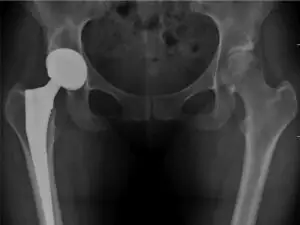
Total Hip Replacement (Hip Arthroplasty) in San José, Costa Rica by Dr. Aria Ravery
Advanced Hip Joint Replacement for Pain Relief, Improved Mobility & Greater Independence. In San José, Costa…
Recommended Orthopedics Clinics in Costa Rica
Trusted clinics specializing in Orthopedics across Costa Rica.
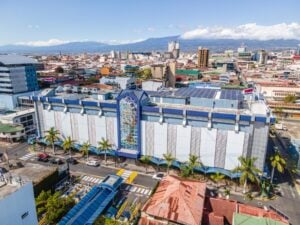
Clinica Biblica Hospital
Medical Tourism Center Clínica Bíblica Hospital is Costa Rica’s leading private hospital and a pioneer in…
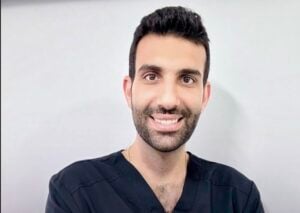
Dr. Aria Ravery
Orthopedic surgeon based in San José, Costa Rica, with specialized training in hip and knee reconstruction, hip…
Explore Tours in Costa Rica
Discover the best places to visit in Costa Rica and explore its rich culture, breathtaking landscapes, iconic attractions, and unforgettable travel experiences.

Costa Rica: La Fortuna Waterfall, Hanging Bridges, Arenal Volcano Combo Tour
Experience the best of Costa Rica’s natural wonders on this full-day small-group adventure in La Fortuna. Begin…

Costa Rica: Full Day Poas Volcano, La Paz Waterfall Gardens and Coffee Plantation Experience
Experience the best of Costa Rica on this full-day combo tour from San Jose, blending coffee, nature, and wildlife…

Costa Rica: Manuel Antonio Park Nature Guided Tour with a Nature Specialist
Discover the incredible biodiversity of Costa Rica on a guided nature hike through Manuel Antonio National Park,…

Costa Rica: Off Road Rainforest and Waterfalls ATV Tour
Embark on an exhilarating ATV adventure through the picturesque Manuel Antonio countryside, where lush…

Costa Rica: One day Tour Isla Tortuga with Lunch from Puntarenas
Escape to paradise with a day trip to Isla Tortuga, the perfect destination for relaxation and adventure. Whether…
More Orthopedics Articles About Costa Rica
Keep reading about Orthopedics care and travel in Costa Rica.

Ankle Ligament Surgery Cost Without Insurance
Chronic ankle instability — the feeling that your ankle repeatedly "gives way" — is one of the most undertreated…

ACL Surgery Cost Without Insurance
Anterior cruciate ligament (ACL) reconstruction is one of the most common orthopedic surgeries in the United…

How Much is Rotator Cuff Surgery Without Insurance?
Rotator cuff tears are among the most common shoulder injuries in adults, affecting roughly 2 million Americans…

How Much Does Herniated Disc Surgery Cost Without Insurance?
A herniated disc diagnosis in the United States can come with a surgical bill ranging from $20,000 to $75,000 or…

Spinal Fusion Surgery Cost Without Insurance
Spinal fusion surgery without insurance in the United States carries some of the highest price tags in all of…

Average Cost of Shoulder Surgery Without Insurance
Shoulder surgery costs in the United States range from $10,000 to $55,000 without insurance, depending on the…
Leave a Comment
Share your thoughts on this article, or ask us a question -- we'd love to hear from you.