
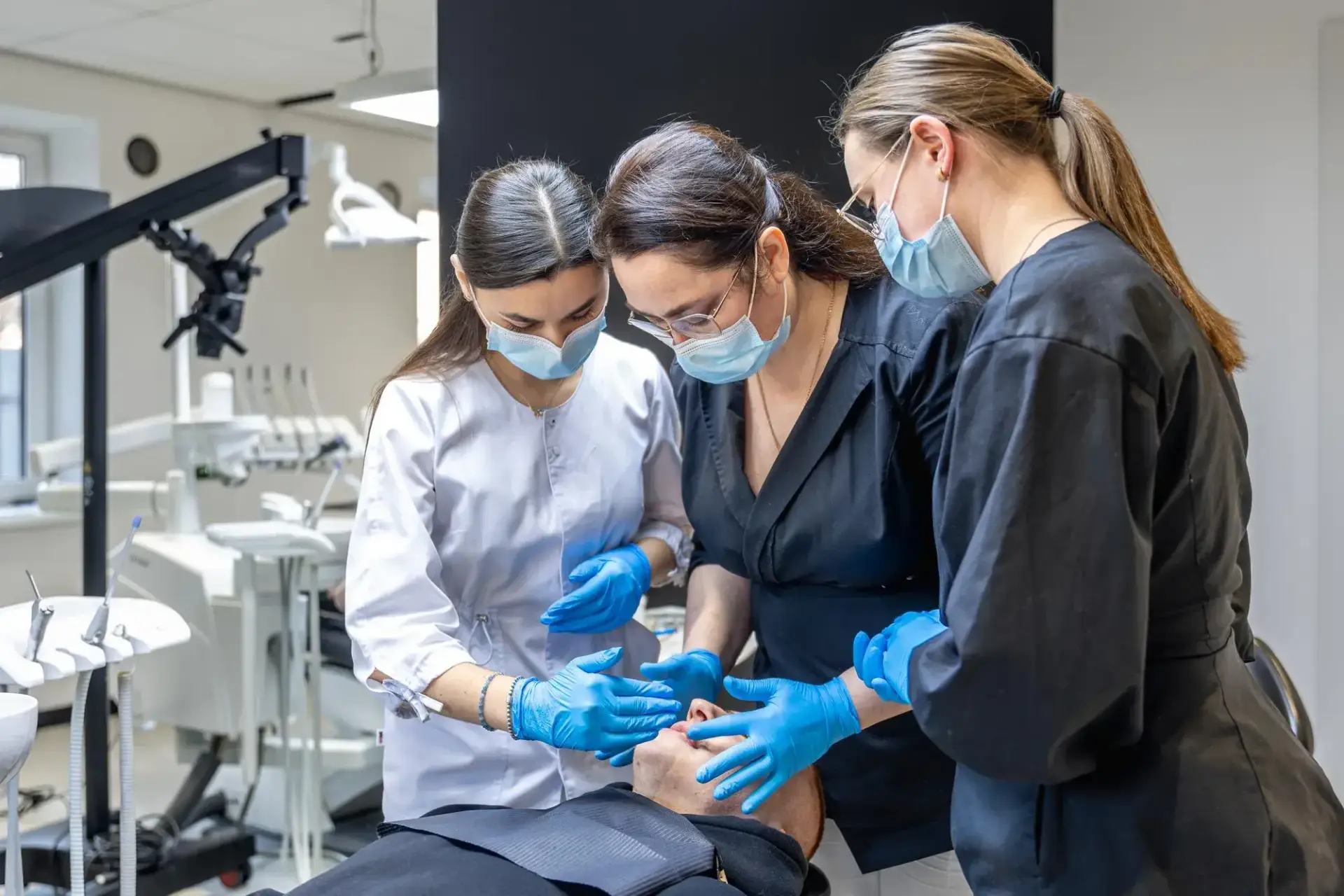


Dental work in Mexico offers North American patients access to the full range of dental treatments—from routine cleanings to full-mouth reconstructions—at 60–75% below US prices, with no visa requirements, same-day border crossings from Southern California, and direct flights from every major US city. Mexico’s dental tourism infrastructure is among the most developed in the world: Los Algodones (“Molar City” in Baja California), Tijuana, Cancún, and Mexico City collectively host thousands of dental practices serving hundreds of thousands of US and Canadian patients annually. The entire spectrum of dental care—general dentistry, cosmetic dentistry, dental implants, orthodontics, and oral surgery—is available at accredited Mexican dental clinics at a fraction of US prices.
According to the American Dental Association (ADA), over 74 million Americans have no dental insurance, and even insured patients face significant out-of-pocket costs for major restorative work. The ADA’s Health Policy Institute has documented that cost is the leading barrier to dental care access in the US. Mexico directly addresses this gap: a dental implant that costs $3,000–$6,000 in the US is $900–$1,800 in Mexico; a porcelain crown costing $1,000–$1,800 in the US costs $300–$600. According to Bookimed’s 2026 market data, dental work is the single most requested medical procedure category by international patients traveling to Mexico.
Dental Work Costs in Mexico vs. the United States
| Procedure | Mexico Cost (USD) | US Cost (USD) | Savings |
|---|---|---|---|
| Teeth cleaning (prophylaxis) | $30 – $60 | $100 – $200 | ~65–70% |
| Composite filling (per tooth) | $50 – $100 | $150 – $350 | ~65–70% |
| Root canal (molar) | $200 – $400 | $900 – $1,800 | ~70–78% |
| Porcelain crown | $300 – $600 | $1,000 – $1,800 | ~60–70% |
| Dental implant (implant + crown) | $900 – $1,800 | $3,000 – $6,000 | ~65–70% |
| Porcelain veneer (per tooth) | $200 – $500 | $1,000 – $2,500 | ~70–80% |
| All-on-4 (full arch) | $5,000 – $10,000 | $20,000 – $35,000 | ~65–75% |
| Invisalign / clear aligner treatment | $1,500 – $3,500 | $4,000 – $8,000 | ~55–65% |
The Mexico ranges reflect Bookimed’s 2026 market data. Prices vary by city, clinic tier, and material grade.
Mexico’s Main Dental Tourism Hubs
- Los Algodones (Molar City): Highest concentration of dental offices per square kilometer anywhere in the world; accessible by a 7-minute walk from the US border crossing at Andrade, CA; primary destination for retirees and patients needing routine to moderate dental work
- Tijuana: Wide range of dental clinic quality tiers from budget to boutique; 15 minutes from San Diego; best for comprehensive treatment planning, implants, and aesthetic work requiring specialist expertise
- Cancún: Combines dental treatment with resort-style recovery; primarily serves patients flying from the US East Coast and Midwest; growing range of specialty dental centers
- Mexico City and Guadalajara: Highest-tier dental centers; university-affiliated specialists; best for complex oral surgery, full-mouth reconstruction, and cases requiring multidisciplinary care
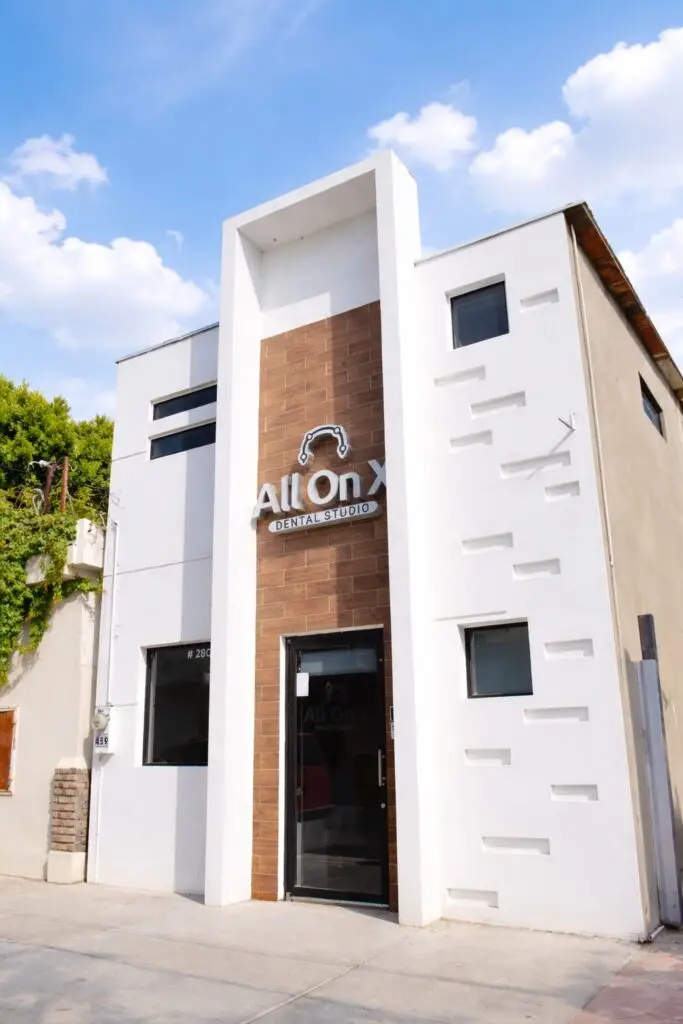
All On X Dental Studio is a dental clinic in Los Algodones, Mexico, focused…

Endodontics specialist at Consultorio de Especialidades Dentales Mérida, a dental clinic in Mérida, Mexico…
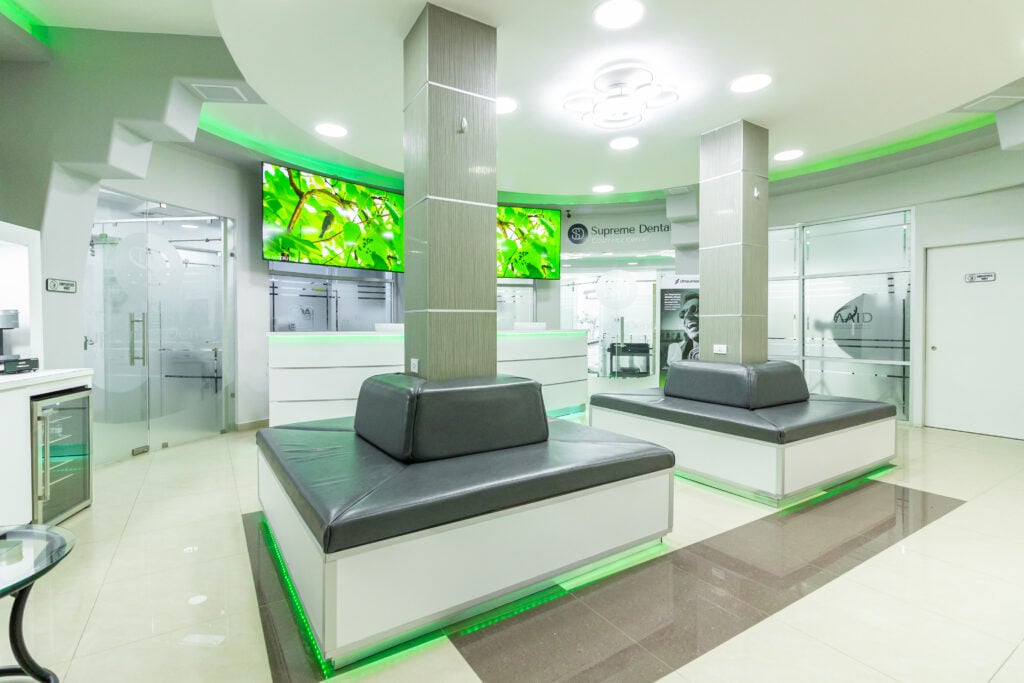
Supreme Dental Clinic is a leading destination for dental tourism in Los Algodones, Mexico…
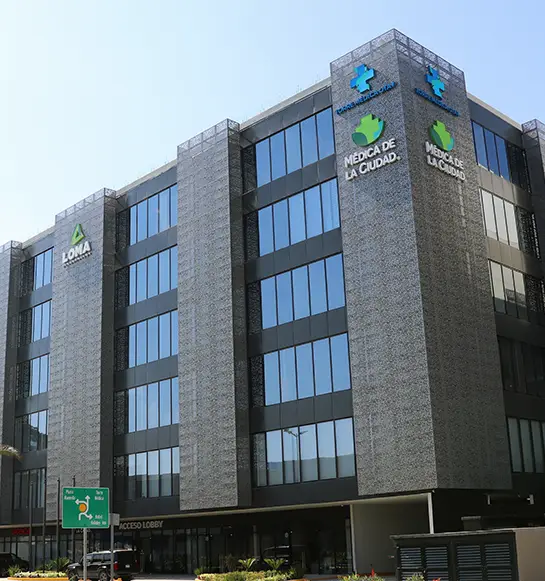
Médica de la Ciudad is a rapidly growing private hospital network in Mexico dedicated…
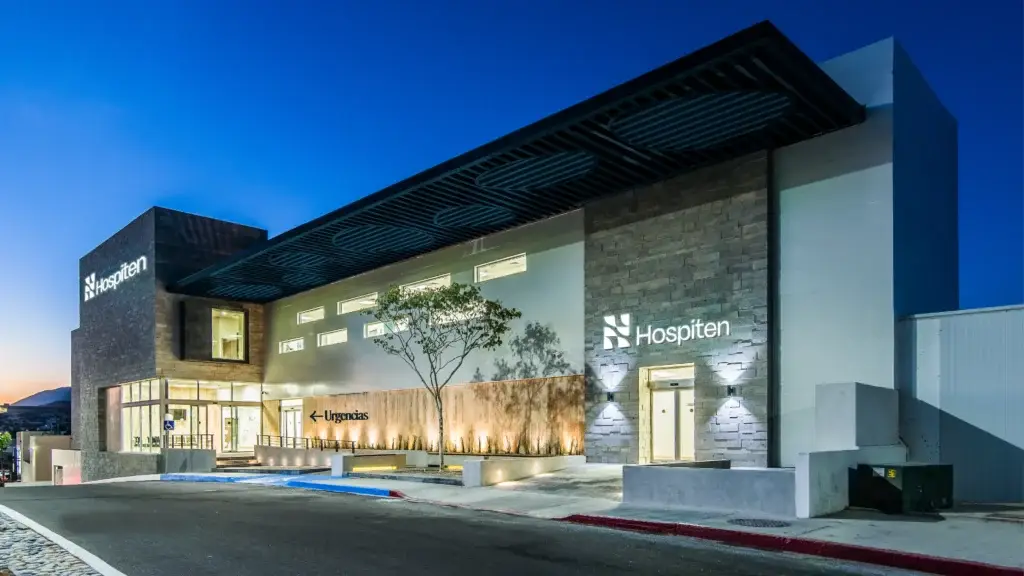
Hospiten is an international private hospital network with more than 50 years of experience…
Planning Your Dental Trip to Mexico
- Get a diagnosis first. Bring recent X-rays (panoramic + periapicals), a written treatment plan from your US dentist, and any relevant dental records. This allows a Mexican clinic to quote accurately and plan efficiently.
- Get multiple quotes. Treatment costs vary between Mexican clinics—contact 2–3 and compare itemized quotes rather than headline prices.
- Confirm materials. Ask specifically which crown, implant, or veneer brands will be used. Quality clinics use internationally recognized brands (Nobel Biocare, Straumann, Ivoclar, VITA) and will readily provide this information.
- Plan for multiple visits. Implants require 2 trips (placement + crown); complex restorative work may require 1–2 weeks total. Budget for accommodation and transportation.
Frequently Asked Questions
Is dental work in Mexico safe?
Dental work performed by a qualified dentist at an accredited clinic in Mexico using internationally sourced materials is as safe as comparable care in the US. Mexican dentists graduate from accredited dental schools and must pass national licensing exams. Risk increases with very low-priced clinics that may cut corners on sterilization, material quality, or diagnostic thoroughness—the same risk that applies to low-quality dental providers anywhere. Ask to see the clinic’s sterilization protocols and which specific materials brands they use.
Can I combine a vacation with dental work in Mexico?
Yes—Cancún in particular is designed for this, with dental clinics adjacent to major resort areas and treatment schedules built around half-day appointments. Tijuana and Los Algodones are efficient day-trip or short-stay destinations for Southern California patients. Mexico City pairs dental treatment with a world-class cultural destination for those requiring longer treatment plans.
How much can I save on dental work in Mexico?
Dental work in Mexico typically costs 50–80% less than equivalent treatment in the United States or Canada. Representative cost comparisons (USD): Dental implant (single, implant + abutment + crown) — Mexico: $700–$1,500; US: $3,000–$6,000. Full arch implants (All-on-4) — Mexico: $5,000–$12,000 per arch; US: $20,000–$35,000 per arch. Porcelain crown — Mexico: $200–$400; US: $1,000–$2,000. Root canal (molar) — Mexico: $200–$500; US: $1,000–$2,000. Porcelain veneer — Mexico: $250–$500; US: $1,000–$2,500. Deep cleaning (full mouth) — Mexico: $80–$200; US: $400–$1,000. Tooth extraction — Mexico: $50–$150; US: $200–$600. Composite filling — Mexico: $40–$100; US: $150–$400. Teeth whitening (in-office) — Mexico: $150–$350; US: $500–$1,200. Invisalign-equivalent clear aligners — Mexico: $2,000–$4,500; US: $5,000–$9,000. The savings on major restorative work (implants, full-mouth reconstruction, veneers) are substantial enough that even patients from the east coast of the United States often find it economically worthwhile to travel to Mexico, after accounting for flights and accommodation. For patients in the western US and along the border, the savings are even more pronounced given minimal travel costs.
Which Mexican cities are the most popular for dental tourism?
Top dental tourism destinations in Mexico for US and Canadian patients: Los Algodones (Baja California) — known as “Mole City” and the world’s highest concentration of dental offices per capita; a small border town steps from the Andrade, California crossing; no car required; walk across the border and choose from hundreds of dental clinics on the main streets; popular with retired snowbirds wintering in Arizona. Tijuana (Baja California) — a short trip from San Diego; large city with the full range from budget walk-in clinics to internationally accredited dental hospitals; price and quality vary significantly — research carefully. Mexicali — popular with Arizona and California patients; strong dental infrastructure; less tourist traffic than Tijuana. Nogales — convenient for Arizona patients; accessible border crossing. Ciudad Juárez — popular with Texas (El Paso) patients; large city with established dental tourism market. Cancún — popular for dental work combined with a beach holiday; higher-end dental clinics serving international tourists; prices are somewhat higher than border cities but significantly lower than the US. Monterrey — major business city with very high-quality dental clinics; popular with US Texas patients; competitive pricing. Puerto Vallarta — smaller but growing dental tourism market for tourists and expats. Los Cabos — dental clinics serving the established tourist and expat community; convenient for direct US flights. For patients seeking specific major work (full-arch implants, complex restorations), Mexico City has the highest concentration of specialist prosthodontists and oral surgeons.
What types of dental work are most popular among dental tourists in Mexico?
Most commonly sought dental treatments by patients travelling to Mexico: Dental implants (single tooth): the most cost-effective dental tourism procedure relative to US pricing; titanium implant body placed in bone, healing period (3–6 months), then abutment and porcelain crown; major price difference justifies travel. All-on-4 / All-on-6 (full arch implant-supported dentures): the premier dental tourism procedure; full-mouth restoration of an edentulous or near-edentulous arch on 4–6 implants with a fixed prosthesis; can save USD $20,000–$50,000 per arch versus US prices. Dental crowns: porcelain or zirconia crowns; significant per-crown savings; patients with multiple crowns needed find the total savings substantial. Veneers (smile makeover): 6–12 porcelain veneers; popular for aesthetic transformation at a fraction of US costs; one of the most sought-after elective dental tourism treatments. Root canals: straightforward cost savings; can be done in one or two visits. Full-mouth reconstruction: comprehensive treatment plans combining extractions, implants, crowns, and bone grafting; planned over multiple trips or a single extended stay. Dentures (implant-supported or conventional): significant savings versus US lab-fabricated prosthetics. Clear aligner treatment: Invisalign or equivalent brands; price sensitive patients find Mexican aligner pricing attractive. Composite bonding: aesthetic improvements to chipped or stained teeth; quick and low recovery. Cleanings and check-ups: many US expats and border region residents use Mexico for routine dental maintenance.
How do I verify that a dentist in Mexico is qualified?
Verifying a Mexican dentist’s credentials before booking: Título profesional (professional degree): all Mexican dentists must hold a Licenciatura en Cirujano Dentista from a recognised Mexican university and have their title registered with the Dirección General de Profesiones (DGP). The DGP’s Cédula Profesional registry is searchable online at cedulaprofesional.sep.gob.mx — verify your dentist’s registration before booking. Specialist credentials: for oral surgeons, periodontists, endodontists, and prosthodontists, look for a Especialidad or Maestría in the relevant specialty plus SEP registration of the specialty credential. CERO and state dental associations: the Colegio de Cirujanos Dentistas de Mexico or state-level dental college membership is a signal of professional engagement, though not mandatory. International training and affiliations: many top Mexican dental tourism clinics send their specialists to US, European, or Latin American continuing education programs; ITI (International Team for Implantology) membership is a credible signal for implant dentists. Physical credentials: reputable clinics display their dentists’ framed credentials; do not hesitate to ask to see them. Before and after documentation: request to see actual patient cases for the specific procedure (implant cases, veneer cases) — a dentist with a large portfolio of documented outcomes provides more evidence of competence than credentials alone. Red flags: clinics that cannot confirm the treating dentist’s specialty credentials for complex procedures; implant work performed by a general dentist without a documented implantology specialisation for full-arch cases; no verifiable online presence or reviews.
How long do I need to stay in Mexico for dental work?
Recommended stay durations for common dental treatments in Mexico: Single tooth implant placement (surgical phase): 3–5 day visit for consultation, CBCT scan, surgical placement, and post-op check; then return 3–6 months later for the crown phase (1–2 day visit). Dental crowns (2–4 teeth): 5–7 days for consultation, tooth preparation, temporary crowns, and final crown delivery (with lab turnaround time included). Veneers (smile makeover, 6–12 teeth): 7–10 days; preparation, temporaries, and final veneer fitting. All-on-4 full arch (same-day teeth): 7–10 days for the initial visit; includes consultation, CBCT scan, extractions if needed, implant placement, and immediate-load provisional prosthesis; return trip (4–5 days) at 4–6 months for final fixed prosthesis fitting. Root canal: 1–3 day visit for most cases. Complex full-mouth reconstruction: initial treatment planning visit (2–3 days), then multiple phased visits depending on treatment plan complexity. Tips for trip planning: confirm lab turnaround times with the clinic before booking flights — most Mexico dental labs can turn around crowns and veneers in 3–5 business days, but allow buffer time. Plan post-procedure rest: oral surgery (implants, extractions, bone grafting) requires 24–48 hours of rest with limited activity. Avoid arriving the day of a major procedure — a day of rest before extensive dental surgery is advisable.
Will my US or Canadian dental insurance cover treatment in Mexico?
Dental insurance coverage for treatment in Mexico — what most patients experience: Standard US and Canadian dental insurance: most traditional employer-sponsored or individual dental insurance plans do NOT cover out-of-network treatment outside the country; treatment in Mexico is typically considered out-of-network and out-of-country. Even when international coverage is technically listed, reimbursement rates are generally very low (25–50% of US in-network rates) and subject to annual maximums that are quickly exhausted. What to do before travelling: call your dental insurance provider before booking and ask specifically whether they cover out-of-network dental treatment received in Mexico and at what reimbursement rate. Also ask whether the Mexico clinic needs to be pre-approved and what documentation is needed for reimbursement claims. Reimbursement documentation: if your plan does reimburse, Mexico dental clinics can provide treatment records, X-rays, itemised receipts, and diagnosis codes in English — ask for these explicitly before leaving. Medical tourism-specific dental plans: some medical tourism facilitators and some flexible spending accounts (FSAs) or health savings accounts (HSAs) can be used for dental work abroad. HSA/FSA eligibility: dental treatment costs incurred in Mexico are generally eligible expenses under US HSA and FSA plans — save all itemised receipts. Canadian patients: provincial dental plans (where available) do not cover treatment outside Canada; individual supplemental dental insurance also typically excludes out-of-country non-emergency care. Bottom line: most dental tourists to Mexico are self-paying; the significant cost savings vs. out-of-pocket US costs make the trip worthwhile even without insurance coverage.
What are the risks of getting dental work done in Mexico?
Real risks to understand before dental tourism in Mexico — and how to mitigate them: Quality variation: the single biggest risk is selecting a poorly qualified provider. The dental tourism market in border towns like Tijuana and Los Algodones includes a wide range of providers from highly qualified specialists to unqualified operators — credential verification (as described above) is not optional. Implant brand and materials: some lower-cost Mexico clinics use unbranded or counterfeit implant components; confirm the specific implant brand being used (Nobel Biocare, Straumann, Zimmer Biomet, and MIS are internationally recognised brands) and ask for the implant packaging or documentation with serial numbers. Complications away from home: if a dental complication (infection, implant failure, nerve injury) occurs after you return home, follow-up and revision care will require finding a local dentist willing to address another practitioner’s work — this can be expensive and complicated. Infection control: verify that the clinic uses sterilised instruments (autoclave documentation visible), single-use needles, and gloves — international accreditation is a helpful signal. Communication: ensure you can communicate clearly with your dentist (English-speaking staff or a reliable translator); misunderstandings about treatment plan, material selection, or post-op instructions are a source of preventable complications. Return trips: complex treatment (implants with delayed loading, full-arch cases) requires multiple visits to Mexico — plan your return trip before finalising the treatment plan. Mitigation: the risks above are all mitigable by careful clinic selection, credential verification, and thorough pre-booking research; the majority of dental tourists to Mexico have excellent outcomes.
What should I do before choosing a dental clinic in Mexico?
Pre-booking due diligence checklist for a Mexico dental clinic: Step 1 — Identify your treatment needs: get a full treatment plan from your US/Canadian dentist first; this gives you a documented baseline to compare with Mexico clinic recommendations and a price comparison reference. Step 2 — Shortlist 3–5 clinics: use Google reviews (filter for English-language reviews from North American patients), medical tourism forums (TripAdvisor dental tourism boards, Facebook groups like Dental Tourism Mexico), and platforms like MyMediTour that vet clinics. Step 3 — Verify credentials: confirm the treating dentist’s Cédula Profesional number via cedulaprofesional.sep.gob.mx; for implants and oral surgery, confirm specialist training. Step 4 — Request a virtual consultation or treatment plan: reputable clinics will review your X-rays (CBCT or panoramic) and provide a written, itemised treatment plan and cost estimate before you book; this is your opportunity to assess the dentist’s assessment quality and communication. Step 5 — Confirm materials: ask specifically which implant brand, crown material (e-max, zirconia, PFM), and cementation type are used; confirm this will be documented. Step 6 — Ask about their protocol for complications: how do they handle post-treatment infections, failed implants, or broken restorations for patients who have returned home? Do they have relationships with US-based dental practices for emergency follow-up coordination? Step 7 — Confirm the facility: is it a licensed dental clinic or a private home? Is the equipment modern (digital X-ray, CBCT scanner, CAD/CAM for same-day crowns)? Is it visibly clean?
What is the process for getting major dental work in Mexico?
Step-by-step process for a typical major dental treatment journey in Mexico: Pre-trip (4–8 weeks before): obtain current dental X-rays (panoramic / OPG and bitewings; CBCT if implants are planned) from a local dentist; send to your chosen Mexico clinic for virtual consultation and treatment plan. Confirm the itemised cost estimate, treatment timeline, implant/material brands, and required number of visits. Book flights and accommodation with flexibility around treatment completion dates. Day 1 — arrival and initial examination: clinical exam, fresh X-rays or CBCT at the clinic; treatment plan confirmation or adjustment; any necessary blood tests or medical clearance. Surgical phase (if applicable): extractions, bone grafting, implant placement; sedation options available at most Mexico dental tourism clinics. Recovery days: rest at accommodation (most clinics are near hotels, Airbnbs, or recovery houses). Crown/prosthetic phase: tooth preparation, impressions (or digital scan), temporary restoration fitting; lab fabrication (3–5 business days typically); final restoration seating and adjustment. Final clearance visit: any adjustments; photographs; receipt of all documentation including implant serial numbers, treatment records, X-rays, and post-care instructions. Return home: follow post-op instructions strictly for the first 2–4 weeks; keep all documentation for your home dentist. Follow-up care: schedule a check-up with your home dentist 4–6 weeks after return; bring your Mexico treatment documentation. Complex cases (All-on-4, full-mouth reconstruction): typically require a second trip 4–6 months after implant placement for the final prosthetic delivery.
What are the best implant brands available at dental clinics in Mexico?
Implant brand selection is one of the most important decisions in dental tourism — the implant is the permanent component that stays in your jaw, and some brands have significantly better long-term outcome data than others. Internationally recognised brands available at quality Mexico dental clinics: Nobel Biocare — Swiss/American brand; one of the oldest and most clinically documented implant systems; widely available at Mexico’s premium dental tourism clinics; 15+ year survival data exceeds 95%. Straumann — Swiss brand; another gold-standard implant system with extensive clinical trials; used at top Mexico specialist clinics; excellent osseointegration performance. Zimmer Biomet — US brand; well-documented; widely distributed in Mexico. MIS Implants — Israeli brand; solid clinical data; popular in Latin America for its competitive pricing relative to Nobel/Straumann. BioHorizons — US brand; strong clinical evidence base; good availability in Mexico. Neodent — Brazilian brand owned by Straumann Group; lower cost than Straumann proper but same manufacturing standards and clinical support; popular in Latin America. Red flags — budget or unbranded implants: some lower-cost Mexico clinics use unregistered Chinese implant components that have not undergone the same clinical validation; these may cost $100–$200 vs. $300–$600 for branded systems. Long-term failure rates for unbranded implants are significantly higher. Always ask specifically: “What implant brand are you using? Can I see the packaging and get the lot number for my records?” A reputable clinic using quality implants will answer this without hesitation and provide documentation.
Sources
- American Dental Association (ADA). Dental Insurance and Access to Care.
- Bookimed. Dental Work in Mexico: Prices and Clinics 2026.
Featured Dentistry Procedures in Mexico
Procedures discussed in this article, available across Mexico.
Metal/Porcelain Crown in Playa del Carmen, Mexico by CostaMed Medical Group
Durable Dental Restoration for Strength, Function & Natural Appearance. Metal/Porcelain crowns, also known as…
Root Canal in Los Algodones, Mexico by Supreme Dental
Relieve Pain, Save Your Tooth, and Restore Your Smile with Expert Endodontic Care. A root canal doesn’t just…
Dental Crowns in Los Algodones, Mexico by Supreme Dental Clinic
Rebuild Strength, Restore Beauty — Personalized Crowns Crafted with Precision. At Supreme Dental, dental crowns…
Full Mouth Rehab (up to 28 Zirconia Crowns) in Los Algodones, Mexico by Supreme Dental
A Complete Smile Transformation That Restores Function, Confidence, and Natural Beauty—Tooth by Tooth. When oral…
All-on-4 Dental Implants in Los Algodones, Mexico by Supreme Dental Clinic
Reclaim Your Confidence with a Full Smile Transformation. Permanent, fixed teeth are more than a cosmetic…

Smile Makeover (16 Zirconia Crowns) in Los Algodones, Mexico by Supreme Dental
Precision-designed aesthetics backed by global expertise. A flawless, radiant smile isn’t just about beauty—it’s…
Recommended Dentistry Clinics in Mexico
Trusted clinics specializing in Dentistry across Mexico.

Hospiten
Hospiten is an international private hospital network with more than 50 years of experience in healthcare,…
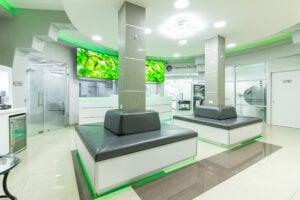
Supreme Dental Clinic
Supreme Dental Clinic is a leading destination for dental tourism in Los Algodones, Mexico — the city known…

Dr. Mirely Ucan Lopez
Endodontics specialist at Consultorio de Especialidades Dentales Mérida, a dental clinic in Mérida, Mexico…

All on X Dental Studio
All On X Dental Studio is a dental clinic in Los Algodones, Mexico, focused on advanced dental restoration,…
Medica De La Ciudad
Médica de la Ciudad is a rapidly growing private hospital network in Mexico dedicated to providing high-quality,…
Explore Tours in Mexico
Discover the best places to visit in Mexico and explore its rich culture, breathtaking landscapes, iconic attractions, and unforgettable travel experiences.
Mexico: Sky Rider Experience
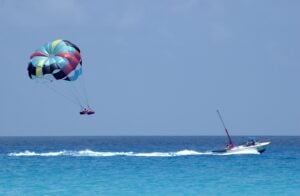
Experience Cancun from a whole new perspective on the Sky Rider, a thrilling yet serene ride that lifts you high…
Mexico: Cancun: Cancun and Riviera Maya Private Tour
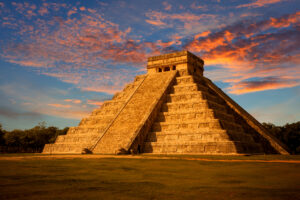
A private tour in Cancun and the Riviera Maya offers the ultimate way to experience the region’s unparalleled…

Mexico: Cancun: Snorkeling in Tulum’s Reef
Embark on a truly unique snorkeling adventure in Tulum, offering exclusive access to two breathtaking reef…
Mexico: Cancun: Chichen Itza, Cenote & Valladolid Tour
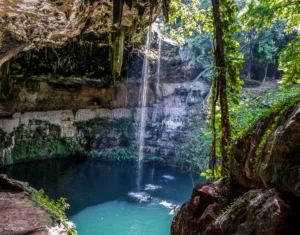
Uncover the history and beauty of the Yucatán Peninsula on this immersive tour. Your journey begins at Chichen…
More Dentistry Articles About Mexico
Keep reading about Dentistry care and travel in Mexico.
Best Cities in Mexico for Dental Work
Mexico has become a premier destination for dental tourism, offering high-quality care at a fraction of the cost…
Medical Tourism: A Growing Industry Bridging Healthcare Gaps
Analyzing the Global Trends, Challenges, and Impacts of Medical Tourism. Medical tourism has become a vital…
Full Mouth Crowns Cost in Mexico
If you're looking for a reliable and affordable dental solution, full mouth crowns in Mexico provide a…
Bone Grafting in Mexico Cost and Clinics
Bone grafting for dental implants in Mexico is performed at specialist oral surgery and dental implant centers in…

Dental Implant Costs in Mexico
Dental implants, often considered the gold standard in tooth replacement, have become increasingly popular…
Aesthetic Dental Prosthesis in Mexico Cost and Clinics
Aesthetic dental prosthetics in Mexico — including porcelain crowns, dental bridges, and full-arch…
Leave a Comment
Share your thoughts on this article, or ask us a question -- we'd love to hear from you.