










🧬 Helping You Build Healthy Families Through Genetic Insight and Precision
at Inser Fertility Center, cutting-edge reproductive medicine goes beyond fertilization—it includes safeguarding the health and future of your baby. Through Preimplantation Genetic Diagnosis (PGD) and Preimplantation Genetic Screening (PGS), Inser offers powerful tools to help parents prevent the transmission of genetic conditions and improve their chances of a successful, healthy pregnancy.
Inser is internationally accredited (JCI, AAAASF, RedLara, GHA, ACCERH) and trusted by families worldwide for advanced fertility and genetic services performed with safety, compassion, and scientific rigor.
🔍 What Is Preimplantation Genetic Testing?
Preimplantation Genetic Testing (PGT) refers to analyzing embryos created through IVF before implantation, to identify those that are genetically healthy. It is divided into two main types:
🧬 PGD – Preimplantation Genetic Diagnosis
PGD is used when one or both parents carry a known genetic disease or chromosomal abnormality. The goal is to detect specific conditions like:
- Cystic fibrosis
- Huntington’s disease
- Thalassemia
- BRCA mutations
- Duchenne muscular dystrophy
- Translocations or inversions
Only embryos free of the inherited disorder are transferred.
🧪 PGS – Preimplantation Genetic Screening (now known as PGT-A)
PGS is used to screen embryos for general chromosomal abnormalities, even when parents don’t have a known genetic condition. It’s ideal for:
- Women over 35
- Recurrent miscarriage cases
- Repeated IVF failure
- Male factor infertility
PGS increases the chance of a healthy, full-term pregnancy by selecting euploid embryos—those with a normal number of chromosomes.
Why Choose Inser for PGD/PGS?

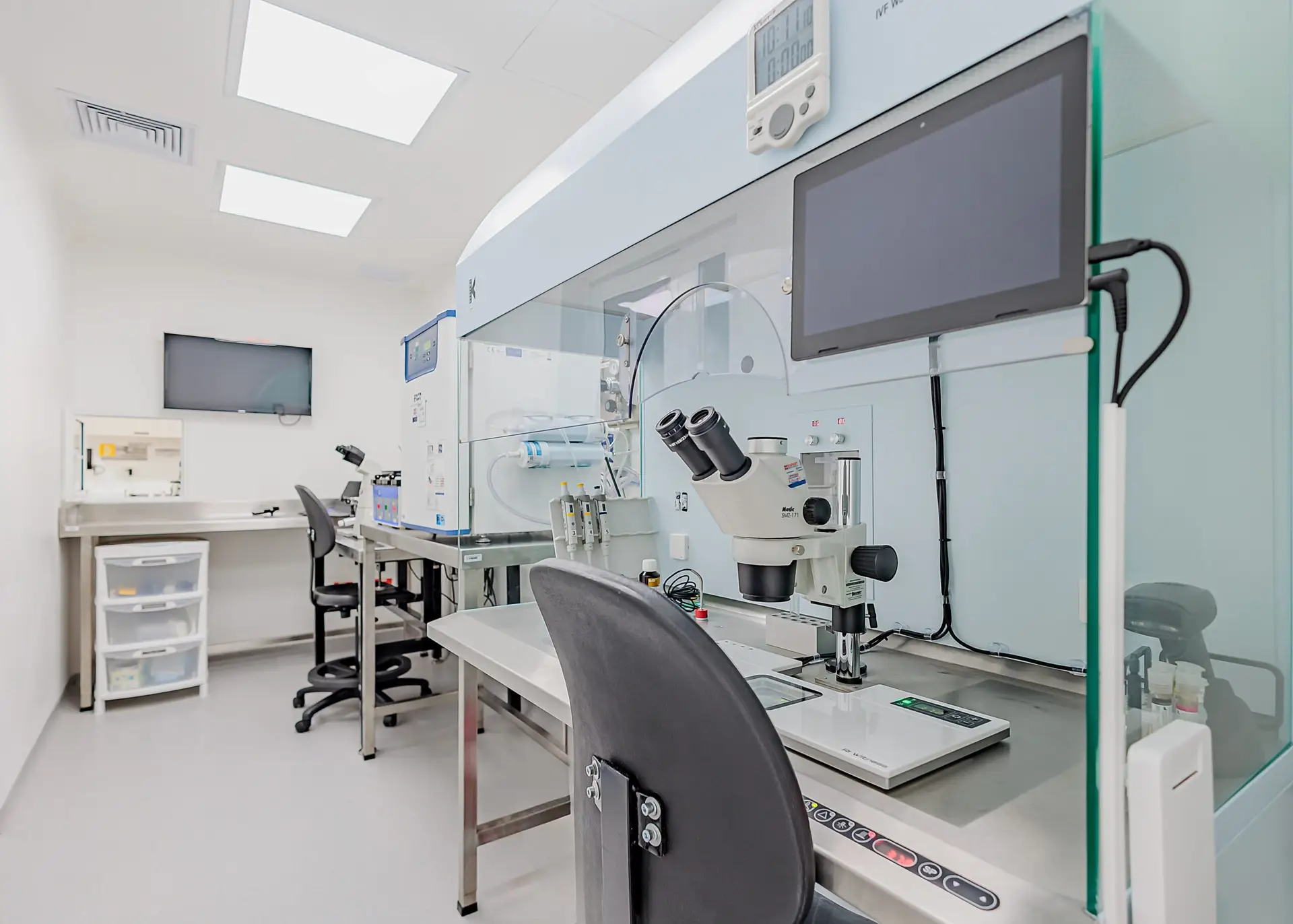
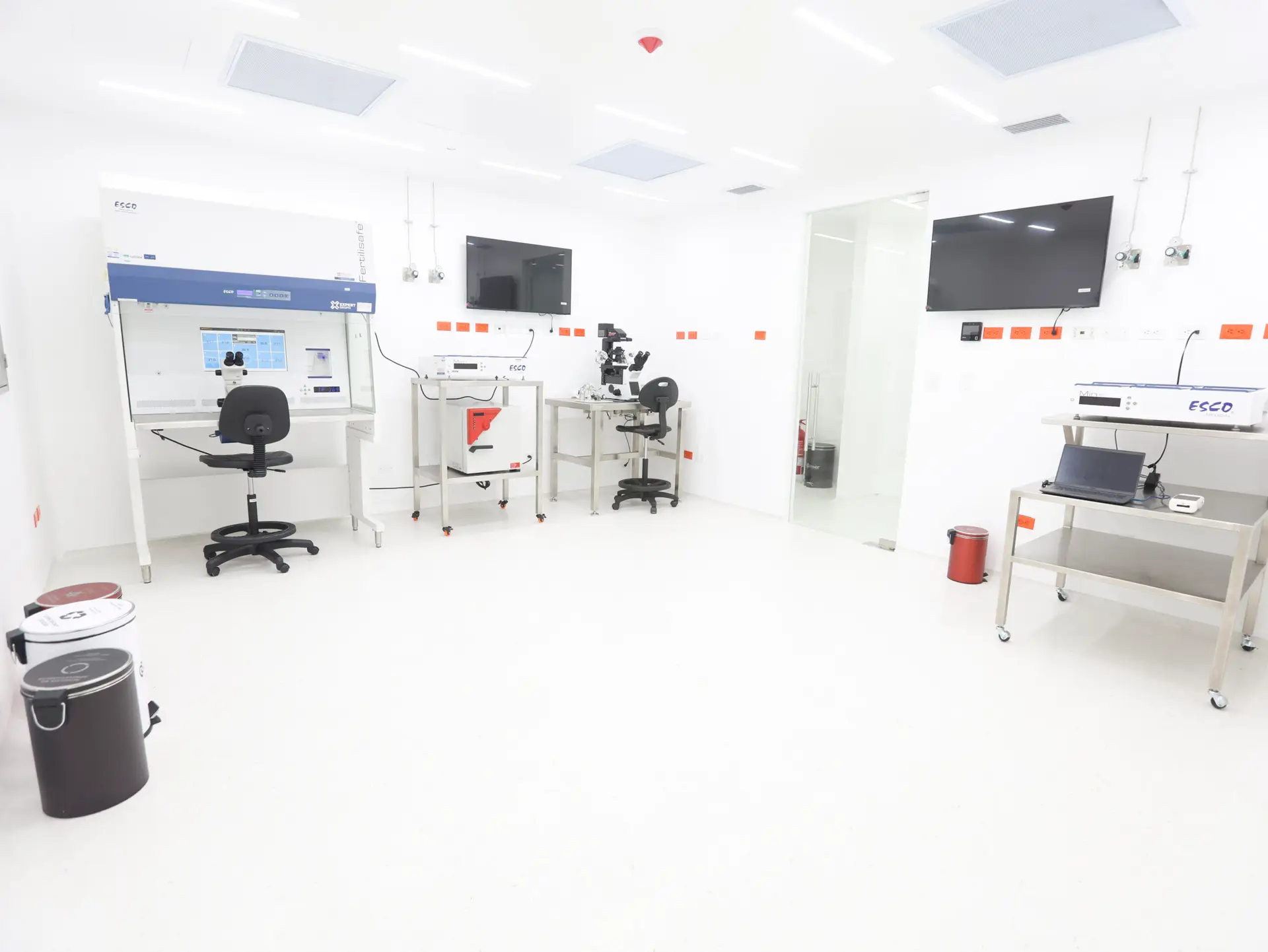
✅ Advanced Genetic Testing Capabilities – Inser partners with specialized genetic laboratories to perform detailed analysis of embryo chromosomes.
✅ Expertise in IVF + Genetic Integration – Seamless coordination between Inser’s IVF, embryology, and genetics teams ensures precision and timing.
✅ Global Accreditations – Inser meets the highest standards in laboratory safety, surgical procedures, and patient care.
✅ Internationally Trusted – Serving patients from the U.S., Canada, Europe, and Latin America with bilingual coordination.
✅ Personalized Genetic Counseling – Every patient receives expert guidance to understand risks, test results, and treatment options.
🧫 How PGD/PGS Works at Inser
1. IVF and Embryo Culture
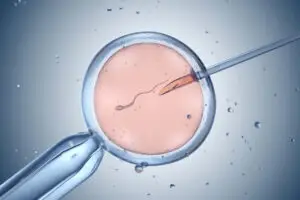
Eggs are fertilized in the lab and allowed to develop for 5–6 days until they reach the blastocyst stage.
2. Embryo Biopsy
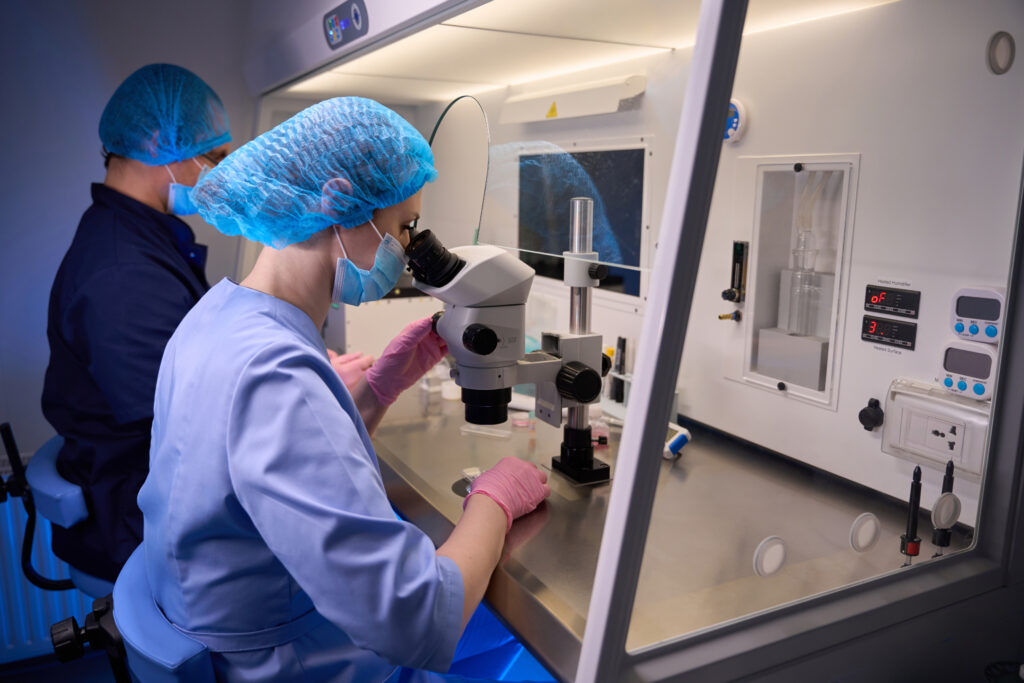
A few cells are gently removed from each embryo’s outer layer (trophectoderm) using a microsurgical technique. This does not harm the embryo.
3. Genetic Testing
The biopsied cells are analyzed in a specialized lab to identify chromosomal or genetic conditions.
4. Embryo Selection
Only embryos with normal results are selected for transfer. Remaining healthy embryos can be cryopreserved.
5. Embryo Transfer and Follow-Up
One or two healthy embryos are transferred into the uterus. A pregnancy test follows 10–14 days later.
💬 Building Healthy Families, One Story at a Time ❤️
“We’re both carriers of a genetic disease and couldn’t take the risk of passing it on. Inser made PGD possible for us at a price we could afford—and now we’re pregnant with a healthy baby girl!”
– Valeria & Pedro, Miami, USA
“PGS gave us answers after three miscarriages. Inser’s staff helped us every step of the way and made us feel like more than just patients. They gave us hope.”
– Michelle, Toronto, Canada
“We felt overwhelmed by the process until we found Inser. Their experience with genetic screening was clear, and they treated us with so much care. We’re so grateful.”
– Karla & Emiliano, Mexico City