







Precise Eye Alignment & Vision Correction by World-Renowned Specialists
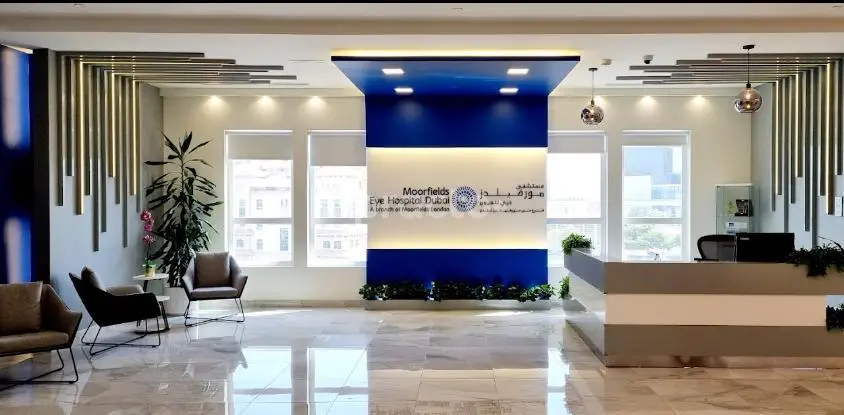
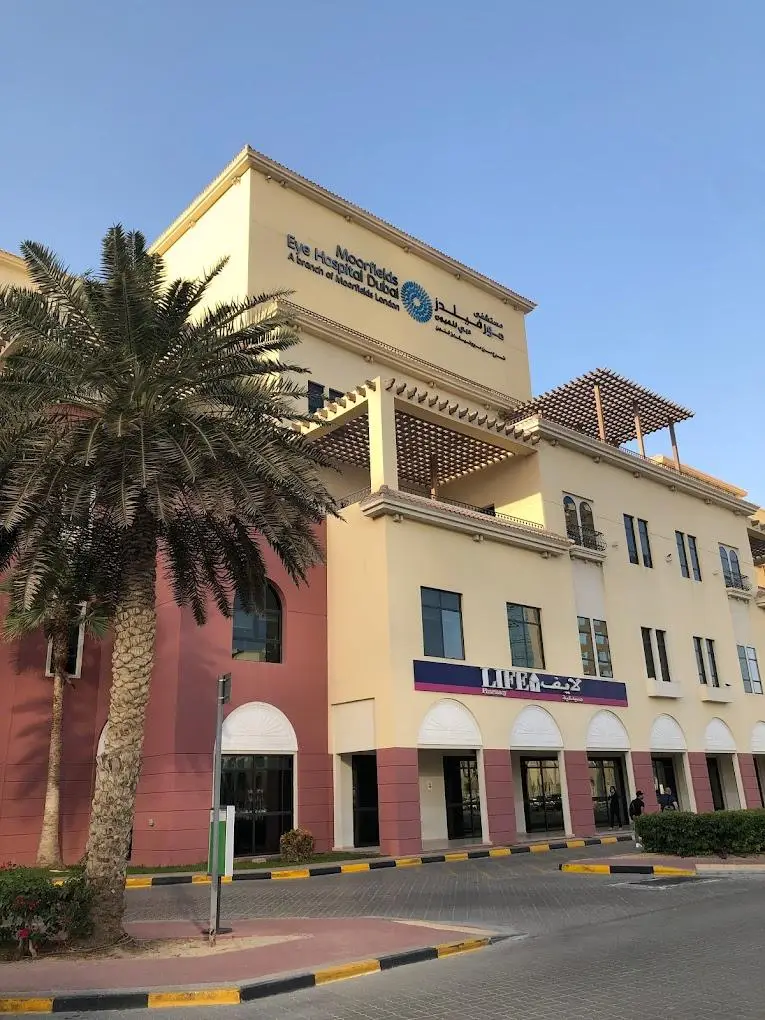
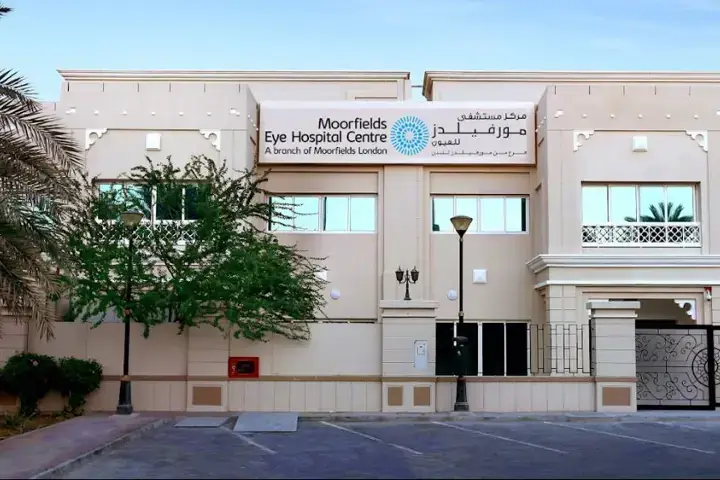
Strabismus, commonly known as squint, is a condition where the eyes are misaligned and do not look in the same direction. At Moorfields Eye Hospital Dubai and Abu Dhabi, our UK-trained ophthalmologists specialize in the diagnosis, management, and surgical correction of both pediatric and adult strabismus, restoring natural alignment, visual balance, and confidence. Using advanced diagnostics, microsurgical precision, and compassionate care, Moorfields helps patients achieve lasting visual harmony and improved quality of life.
❓ What Is Strabismus (Squint)?
Strabismus occurs when the eye muscles controlling movement are out of balance, causing one eye to look in a different direction from the other.
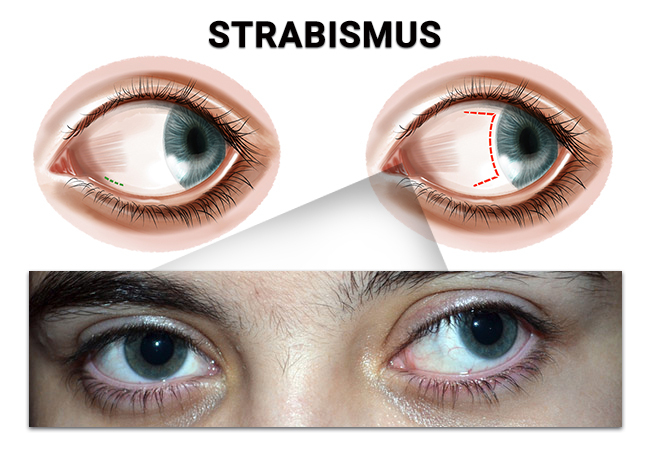
✔️ The misalignment can be inward (esotropia), outward (exotropia), upward (hypertropia), or downward (hypotropia).
✔️ In children, it can lead to amblyopia (lazy eye) if left untreated.
✔️ In adults, it may cause double vision, eye strain, or difficulty focusing.
The condition affects both vision and appearance, but with modern treatment — including corrective lenses, vision therapy, or minimally invasive surgery — most patients achieve excellent outcomes.
ℹ️ Types of Strabismus (Squint)
Pediatric Strabismus
Pediatric squint often develops due to muscle imbalance or uncorrected refractive error. Early detection ensures better long-term visual outcomes.
Common types include:
✔️ Manifest Squint – one eye constantly deviates from the other.
✔️ Latent Squint – appears intermittently, especially during fatigue.
✔️ Alternating Squint – both eyes take turns deviating.
✔️ Paralytic Squint – caused by nerve or muscle weakness.
✔️ Pseudo-Strabismus – false appearance due to facial structure, common in infants.
Causes & Risk Factors:
- Need for glasses (hypermetropia)
- Congenital squint or visual obstruction (cataract, droopy lid)
- Genetic conditions (Down’s syndrome, cerebral palsy)
- Trauma or developmental delay
Symptoms in Children:
- Difficulty focusing or tracking objects
- Eyes that don’t move together
- Eye turning inward or outward
- Head tilting
- Poor depth perception
Adult Strabismus
Adult squint may persist from childhood or develop later due to trauma, systemic illness, or neurological conditions. It affects about 4% of adults, often causing double vision, headaches, and reduced depth perception.
Types of Adult Strabismus:
✔️ Non-Paralytic: residual or recurrent from childhood.
✔️ Paralytic: caused by nerve damage (stroke, diabetes, trauma).
✔️ Restrictive: due to scarring, thyroid eye disease, or fibrosis.
Symptoms in Adults:
- Double vision (diplopia)
- Eye strain and fatigue
- Difficulty with close-up tasks
- Abnormal head posture
- Loss of 3D vision
Risk Factors:
- Aging-related muscle changes
- Previous squint surgery
- Neurological disorders or trauma
- Diabetes or thyroid disease
🙋♂️ Who Is a Good Candidate?
✔️ Children showing persistent eye misalignment.
✔️ Adults with double vision, eye strain, or visible misalignment.
✔️ Patients with high refractive error or neurological disorders.
✔️ Individuals with previous squint surgery seeking correction.
✔️ Those in good health, able to follow pre- and post-surgery instructions.
Early evaluation ensures better visual outcomes and easier recovery.
🩺 Consultation & Preparation
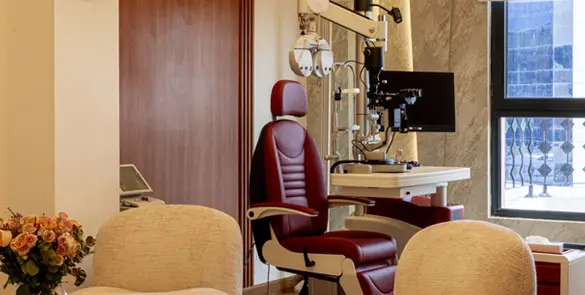
At Moorfields Eye Hospital Dubai and Abu Dhabi, every patient undergoes a comprehensive squint assessment that may include:
- Orthoptic evaluation: measuring eye movement and coordination.
- Optometry and refraction testing: identifying vision or refractive errors.
- Ophthalmologist consultation: determining the best treatment plan.
- Imaging & diagnostics: such as ocular motility studies or MRI if neurological causes are suspected.
Before surgery, patients are advised to:
✔️ Stop certain medications if recommended.
✔️ Arrange for post-procedure care and rest.
✔️ Fast as instructed before general anesthesia.
✅ Treatment & Surgical Options
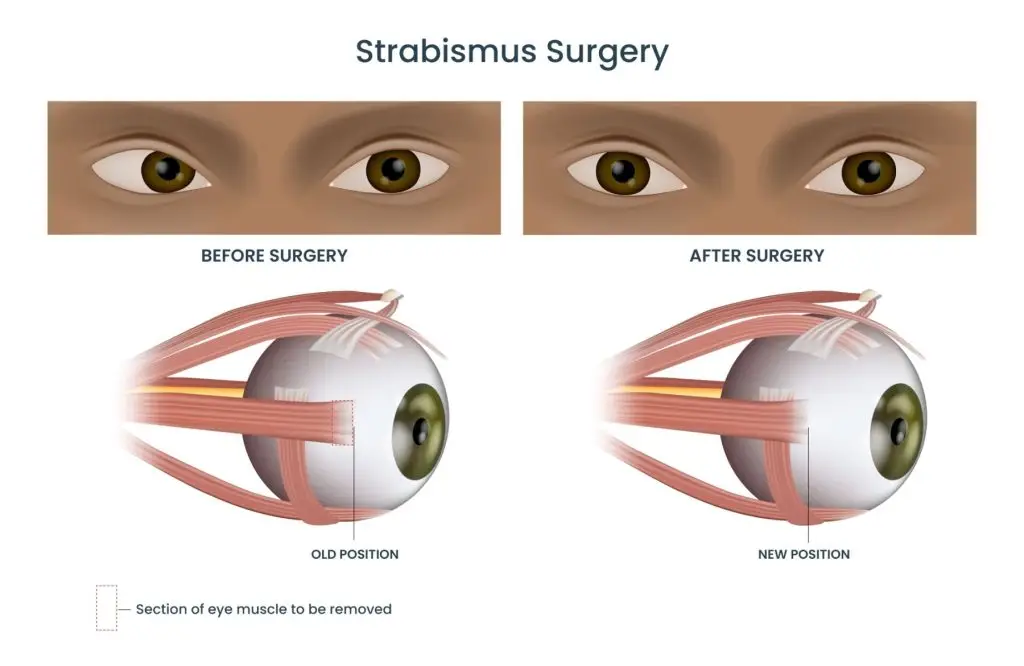
For Adults:
1. Conservative Treatment
Eye exercises or prism glasses may relieve symptoms in mild or temporary cases.
2. Non-Adjustable Surgery
Under general anesthesia, eye muscles are repositioned to improve alignment. This is a same-day procedure.
3. Adjustable Surgery
A two-step approach: initial muscle repositioning under anesthesia, followed by precise adjustments while awake under local anesthesia. Ideal for complex or recurrent squints.
Goals of Adult Squint Surgery:
✔️ Realign eyes for a natural look.
✔️ Reduce or eliminate double vision.
✔️ Improve binocular function and posture.
For Children:
1. Glasses Correction
Refractive squints may fully or partially correct with eyeglasses.
2. Active Monitoring
Intermittent squints are observed to monitor stability before intervention.
3. Botox Injections
Used in select cases to temporarily relax eye muscles.
4. Squint Surgery
Performed under general anesthesia, focusing on strengthening or repositioning muscles for long-term alignment.
ℹ️ Recovery & Aftercare
✔️ Mild redness, discomfort, or swelling for a few days is normal.
✔️ Use prescribed eye drops and pain relievers as directed.
✔️ Clean eyelids gently with cooled boiled water; avoid rubbing eyes.
✔️ No swimming, heavy lifting, or contact lens use for at least 2 weeks.
✔️ Attend follow-up appointments to monitor healing and alignment.

Recovery time varies, but most patients notice visible and functional improvement within a few weeks, with full healing in 2–3 months.
🔍 Why Choose Moorfields Eye Hospital UAE?
✔️ Over 200 years of Moorfields London legacy in ophthalmic innovation.
✔️ UK-trained pediatric and adult squint surgeons with decades of experience.
✔️ Advanced diagnostics including OCT, ocular motility imaging, and orthoptic testing.
✔️ Expertise in both surgical and non-surgical management.
✔️ Comprehensive care under one roof — from diagnosis to rehabilitation.
✔️ Trusted by patients from over 90 countries worldwide.
At Moorfields, the goal is not only to straighten the eyes — but to restore vision, depth perception, and confidence.