

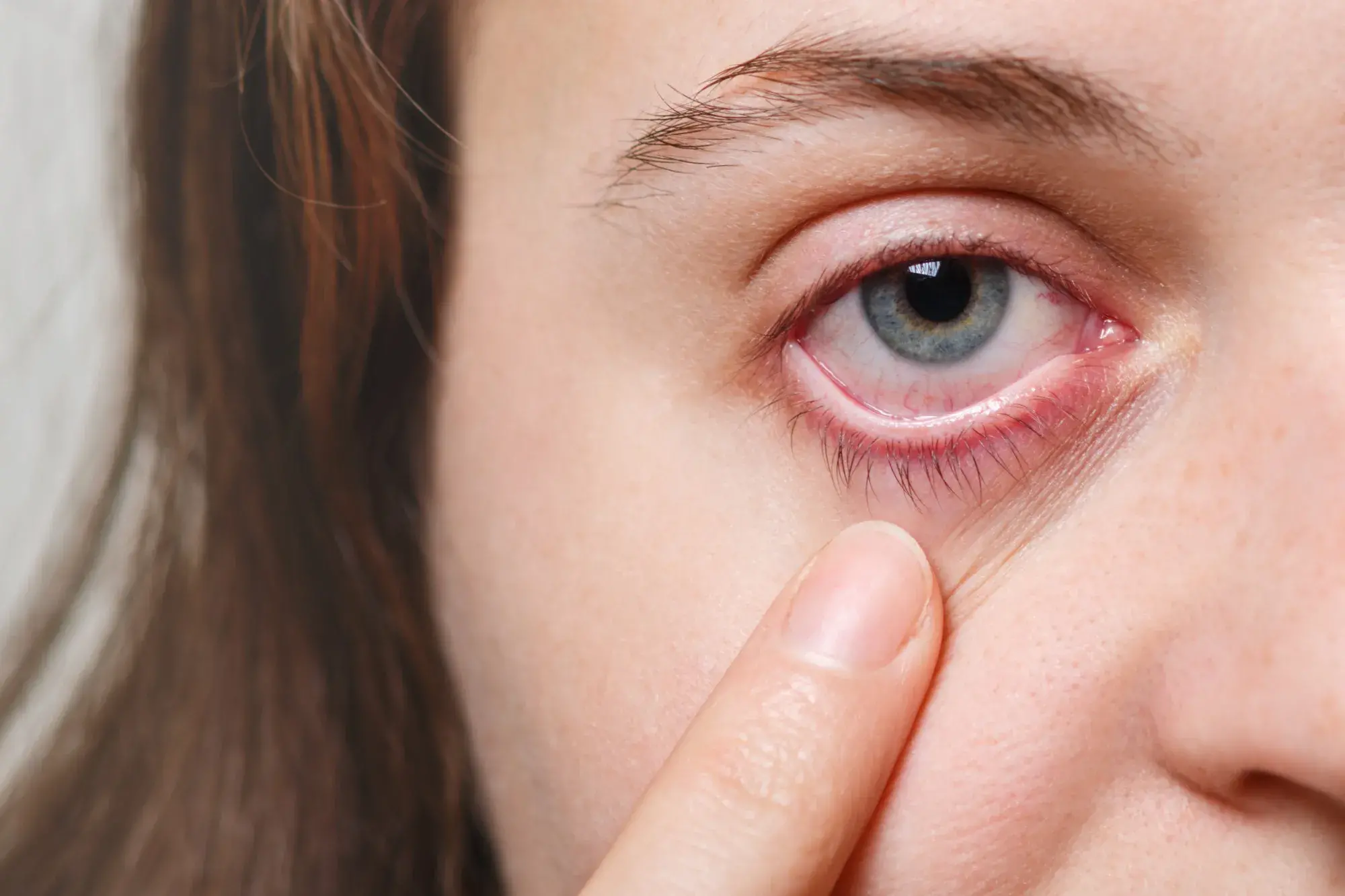
A corneal abrasion is one of those eye injuries that people often try to brush off. A scratch, a piece of dust, a fingernail — it happens fast. But what follows can be days of sharp pain, light sensitivity, tearing, and blurred vision that makes daily life genuinely difficult. Ignoring it or treating it incorrectly can lead to infection or scarring that affects your eyesight long-term.
Dubai has become a destination where patients from across the Middle East, South Asia, and beyond seek eye care — not just because of the cost, but because of the genuine standard of care available. The city holds some of the most advanced ophthalmology centers in the region, staffed by internationally trained specialists who deal with corneal conditions daily.
For patients living in or visiting Dubai, or those traveling specifically for eye treatment, the question is almost always the same — how much will this cost, and will I receive proper care? This page answers both of those questions honestly, without overpromising or dressing up information to sound more appealing than it is.
Whether your corneal abrasion is minor or more involved, Dubai gives you access to proper diagnosis, prescription eye drops, bandage contact lenses, follow-up monitoring, and in cases involving complications, advanced corneal care — all within a healthcare system that meets international standards.
Treatment Highlights
- Corneal abrasion refers to a scratch or scrape on the clear front surface of the eye
- Treatment ranges from medicated eye drops to bandage contact lenses depending on severity
- Most cases heal within 24 to 72 hours with proper treatment
- Dubai ophthalmology clinics offer same-day evaluation and prescription
- Cost is significantly lower than comparable care in the UK, USA, or Australia
- Ideal for patients currently in Dubai, expats, and medical tourists seeking fast, quality eye care
- International patients receive English-language consultations as standard
- Recovery is generally quick, with most patients returning to normal activities within a few days
What Is a Corneal Abrasion and How Is It Treated?
The cornea is the transparent layer that covers the front of your eye. It is responsible for focusing light and protecting the inner eye. When the surface of the cornea gets scratched — by a fingernail, contact lens, piece of debris, or any foreign object — the result is a corneal abrasion.
Symptoms come on quickly. You may feel like something is stuck in your eye even when nothing is there. Your eye may water, become red, and feel extremely sensitive to light. Blurred vision is also common. In more severe cases, the abrasion can become infected if not properly treated.
Treatment is straightforward in most cases. An ophthalmologist will examine the eye using a slit lamp and fluorescein dye to confirm the abrasion and assess its size and depth. From there, treatment usually involves antibiotic eye drops to prevent infection, lubricating drops to support healing, and sometimes a bandage contact lens to protect the cornea while it repairs itself. Pain relief in the form of oral medication or specific drops may also be prescribed.
What patients often do not realize is that the quality of initial care matters a lot. A mismanaged corneal abrasion can develop into recurrent corneal erosion syndrome — a condition where the same area keeps breaking down. Getting the right diagnosis and proper follow-up from a qualified ophthalmologist is the difference between a quick recovery and a recurring problem.
Dubai’s ophthalmology network handles these cases regularly. The infrastructure, diagnostic equipment, and specialist availability are all in place. For patients already in the city or traveling through, it is a practical and cost-effective place to receive this care.
How Much Does Corneal Abrasion Treatment Cost in Dubai?
Cost is often the first concern for patients, and it is a fair one. Here is an honest breakdown of what corneal abrasion treatment typically costs in Dubai and how it compares to other countries.
General Cost Range in Dubai:
- Initial ophthalmology consultation: AED 300 – AED 700 (approximately USD 80 – USD 190)
- Slit lamp examination and fluorescein staining: AED 150 – AED 400
- Antibiotic and lubricating eye drops (prescription): AED 100 – AED 300
- Bandage contact lens fitting (if required): AED 200 – AED 500
- Follow-up consultation: AED 200 – AED 500
- Total estimated cost for straightforward cases: AED 800 – AED 2,000 (USD 220 – USD 545)
For more complex cases involving corneal infections, deeper abrasions, or complications, costs will naturally be higher and depend on the treatment plan developed during evaluation.
What Affects the Final Cost:
- The clinic or hospital chosen (private hospital vs. specialist eye clinic)
- Severity and size of the abrasion
- Whether a bandage contact lens is needed
- Number of follow-up visits required
- Additional medications or diagnostic imaging
- Insurance coverage, if applicable
Cost Comparison Table:
| Country | Consultation + Basic Treatment | Follow-Up |
|---|---|---|
| Dubai, UAE | USD 220 – USD 545 | USD 55 – USD 135 |
| United States | USD 500 – USD 1,500+ | USD 200 – USD 400 |
| United Kingdom | USD 400 – USD 900 | USD 150 – USD 350 |
| Australia | USD 350 – USD 800 | USD 130 – USD 300 |
| India | USD 40 – USD 120 | USD 15 – USD 50 |
Dubai sits at a comfortable middle point — far more affordable than the USA or UK, while offering a level of infrastructure and specialist access that is difficult to match in lower-cost destinations. Final pricing always depends on your specific condition and is confirmed only after medical evaluation.
Who Is a Good Candidate for Corneal Abrasion Treatment in Dubai?
You are a suitable candidate if:
- You have experienced a recent scratch or injury to your eye
- You are wearing contact lenses and noticed sudden eye pain or discomfort
- You work in a dusty or outdoor environment and have something in your eye
- You have a child who has scratched their eye and needs urgent evaluation
- You are an expat or visitor in Dubai needing prompt, English-language eye care
- You are experiencing recurrent eye discomfort that has not been properly diagnosed
- You are a medical tourist seeking quality eye care at a lower cost than your home country
You may need a more specialized assessment if:
- The abrasion is deep or involves significant vision loss
- There are signs of corneal infection (discharge, severe redness, worsening pain)
- You have a history of corneal conditions or previous eye surgery
- You have diabetes or an immune condition that affects healing
- The injury involved a chemical substance or penetrating object
In all cases, a full eye examination is the only way to properly assess the situation. Self-diagnosis is not reliable with corneal injuries, and delaying treatment can lead to complications.
Your Journey From First Contact to Full Recovery
Step 1 — Initial Inquiry
Reach out through the clinic or coordination service. Describe your symptoms, how the injury occurred, and when it started. If possible, note any medications you are currently taking.
Step 2 — Symptom Review and Triage
A patient coordinator will review your case and advise on urgency. Corneal abrasions are typically treated as urgent cases. You will be guided on whether to attend a same-day appointment or an emergency clinic.
Step 3 — Medical Evaluation
On arrival, an ophthalmologist will conduct a full slit lamp examination. Fluorescein dye is used to highlight the abrasion under blue light. The doctor will assess the size, depth, and location of the scratch and check for any signs of infection.
Step 4 — Treatment Plan
Based on the examination, you will receive a clear treatment plan. This typically includes antibiotic eye drops, lubricating drops, and specific instructions on care. A bandage contact lens may be fitted for larger abrasions to protect the cornea.
Step 5 — Prescription and Initial Treatment
Medications are prescribed the same day. You will receive clear instructions on how and when to use each drop, what to avoid (rubbing your eye, wearing contact lenses), and warning signs to watch for.
Step 6 — First Follow-Up (24–48 Hours)
Most patients return within one to two days for a follow-up examination to check healing progress. This is a critical step — it confirms the abrasion is healing correctly and that no infection has developed.
Step 7 — Continued Monitoring
Depending on severity, you may need one or two additional check-ins over the following week. The doctor will confirm full healing and advise when it is safe to return to contact lenses or screen-heavy work.
Step 8 — Discharge and Aftercare Guidance
Once healing is confirmed, you will receive written aftercare guidance. This includes advice on preventing recurrence, eye hygiene, and when to seek further care if symptoms return.
Step 9 — Remote Support
For patients returning to their home country, remote follow-up through photos or video consultation can be arranged to ensure continued recovery without needing to return in person.
Why Dubai Stands Out for Eye Care
Dubai’s healthcare system is regulated by the Dubai Health Authority (DHA), which sets standards that align with international best practice. Private ophthalmology clinics and hospital eye departments in the city use diagnostic equipment and treatment protocols that you would find in leading centers in Europe or North America.
English is the working language across most clinics. Appointments are generally available quickly, with minimal wait times compared to public health systems in other countries. The city also has a large population of expats and international visitors, which means clinics are genuinely experienced in treating patients from diverse backgrounds and with varying medical histories.
From a practical standpoint, Dubai is well-connected. Direct flights link it to most major cities in Asia, Europe, and Africa. The infrastructure for visiting patients — transport, accommodation, communication — is well-developed. Recovery from corneal abrasion treatment is not physically demanding, so patients do not face significant logistical challenges during their stay.
What Is Included
- Initial ophthalmology consultation
- Slit lamp examination and fluorescein assessment
- Corneal abrasion diagnosis and treatment plan
- Antibiotic and lubricating eye drop prescription
- Bandage contact lens fitting (if clinically required)
- First follow-up consultation
- Written aftercare instructions
- Patient coordination and appointment support
What Is Not Included
- Flights to and from Dubai
- Hotel or accommodation costs
- Additional diagnostic tests (if required)
- Treatment for complications beyond the initial abrasion
- Companion travel and living expenses
- Extended stay accommodation
- Medications not directly related to the abrasion treatment
- Travel insurance
Recovery and Aftercare
Most corneal abrasions heal on their own within one to three days, provided proper treatment is followed. Here is what to expect during recovery:
Days 1–2: Significant discomfort, light sensitivity, and tearing are normal. Eye drops should be used exactly as prescribed. Avoid rubbing your eye at all times.
Days 2–4: Discomfort should start to reduce noticeably. If pain is getting worse rather than better, contact your doctor immediately as this may indicate infection.
Days 4–7: Most patients feel close to normal by this stage. A follow-up confirms healing. Screens and reading may still cause mild strain.
Week 2 onwards: Full recovery is typical. If you wear contact lenses, your doctor will advise when it is safe to resume wearing them — usually after full healing is confirmed.
Activity Restrictions During Recovery:
- No contact lens use until cleared by your doctor
- Avoid dusty or smoky environments
- Wear sunglasses outdoors to reduce light sensitivity
- No swimming or water activities during the healing phase
- Limit screen time if it causes discomfort
Long-Term: A properly treated corneal abrasion does not leave lasting damage in most cases. If you experience recurring discomfort in the same eye weeks later, this could indicate recurrent corneal erosion syndrome and should be evaluated promptly.
Risks and Considerations
Corneal abrasion treatment is generally very safe and straightforward. However, being informed about possible complications allows you to make better decisions and respond quickly if something is not going as expected.
Infection is the most common concern with corneal abrasions. Antibiotic eye drops are prescribed specifically to reduce this risk, but symptoms of infection — increasing redness, discharge, and worsening pain — should be reported to your doctor immediately.
Recurrent corneal erosion can develop in a small number of patients, particularly if the original abrasion involved the outer layer of the cornea not healing fully. This is manageable but requires proper follow-up and sometimes additional treatment.
Scarring is rare with minor abrasions but more possible with deeper scratches or cases that develop infections. This is why seeking proper care from a qualified ophthalmologist matters, rather than waiting to see if things improve on their own.
The choice of provider makes a real difference. A qualified ophthalmologist with proper diagnostic equipment will identify the severity of the abrasion accurately and prescribe the correct treatment. Aftercare compliance — using drops as directed, attending follow-ups, and avoiding irritants — is equally important.
Frequently Asked Questions
What is the cost range of corneal abrasion treatment in Dubai?
The total cost for a straightforward case typically falls between AED 800 and AED 2,000 (approximately USD 220 to USD 545). This covers the consultation, examination, prescription drops, and one follow-up visit. More complex cases involving infection or a bandage contact lens will cost more, and the final amount is confirmed after your eye is examined.
How long will I need to stay in Dubai for treatment?
For most patients, a stay of three to five days is enough. The first day covers your examination and initial treatment, a follow-up is done within 24 to 48 hours, and a final check a few days later confirms healing before you leave. Remote follow-up can often be arranged if you need to return home sooner.
Is corneal abrasion treatment in Dubai safe?
Yes. Dubai’s private ophthalmology clinics operate under DHA regulation and use internationally standard equipment and protocols. The doctors are typically trained abroad and have extensive experience treating corneal conditions. Choosing a registered, qualified provider is the key factor in ensuring safe care.
How long does recovery take?
Most minor corneal abrasions heal within one to three days with proper treatment. Larger or deeper abrasions may take five to seven days. You should feel a noticeable improvement within the first 48 hours. If you are not improving or your symptoms worsen, contact your doctor right away.
When will I see results?
Pain and discomfort typically reduce significantly within the first 24 to 48 hours of starting treatment. Vision should return to normal once healing is complete, which is usually within three to seven days for most cases.
Is it safe to fly after corneal abrasion treatment?
In most cases, yes. Flying does not directly interfere with corneal healing. However, cabin air can be dry, which may increase discomfort. Your doctor will advise you to use lubricating drops during and after the flight and confirm whether you are ready to travel before you board.
Am I suitable for treatment in Dubai if I wear contact lenses?
Yes, contact lens wearers are among the most common patients treated for corneal abrasions. You will be asked to remove your lenses and not wear them during the healing period. Your doctor will tell you when it is safe to resume wearing them.
Will the treatment be painful?
The examination and treatment process itself is not painful. The abrasion causes the discomfort, not the treatment. Numbing drops may be used briefly during the examination. After the appointment, some irritation is normal, but this should gradually decrease over the following days.
How long do the results last?
A properly healed corneal abrasion does not recur in the same way an injury would. The eye returns to its normal state. The only ongoing concern is recurrent corneal erosion in a small subset of patients, which your doctor will monitor for and manage if it develops.
What follow-up care is available after I return home?
Most clinics in Dubai can arrange remote follow-up through video consultation or photo review for patients who have returned to their home country. You will also receive written aftercare instructions and a medical summary to share with your local doctor if needed.
Ready to Get the Right Care for Your Eye?
A corneal abrasion is not something to put off or manage with guesswork. The right examination, the right prescription, and a proper follow-up make all the difference between a quick recovery and a problem that keeps coming back.
If you are in Dubai, planning to visit, or looking at your options as a medical tourist, we can help you understand exactly what care you need, what it will cost, and how to plan your visit around treatment. Every case is different, and the first step is always a proper medical evaluation — not a generic estimate.
Reach out to begin your consultation process. You will receive straightforward guidance, honest cost information, and support throughout your treatment and recovery. No pressure, no sales approach — just clear, practical help from people who understand what patients actually need.
Featured Ophthalmology Procedures in UAE: Dubai
Procedures discussed in this article, available across UAE: Dubai.
Eye Tumor Treatment in Dubai, United Arab Emirates by Moorfields Eye Hospital
Advanced Diagnosis and Personalized Treatment for Ocular Tumors. Eye tumors can affect the surface or internal…

Blepharoplasty in Dubai, United Arab Emirates by Moorfields Eye Hospital
Rejuvenate Your Eyes with Advanced Cosmetic Eyelid Surgery. Upper and Lower Blepharoplasty—commonly known as…
Artificial Eye Creation & Fitting in Dubai, United Arab Emirates by Moorfields Eye Hospital
Precision, Comfort, and Confidence – Expertly Crafted Ocular Prosthetics by Moorfields Specialists. Moorfields Eye…

Retinal Detachment Surgery in Dubai, United Arab Emirates by Moorfields Eye Hospital
Advanced Retinal Repair and Vision Preservation by World-Renowned Specialists. Retinal detachment is a serious eye…
Glaucoma Treatment in Dubai, United Arab Emirates by Moorfields Eye Hospital
Restoring Vision, Protecting Sight, and Preserving Quality of Life. Glaucoma is one of the leading causes of…
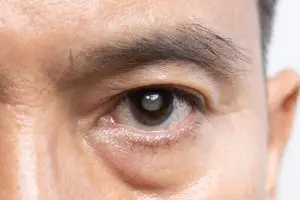
Cataract Surgery in Dubai, United Arab Emirates by Moorfields Eye Hospital
Clearer Vision for a Brighter Tomorrow. Cataracts are one of the most common causes of vision impairment,…
Recommended Ophthalmology Clinics in UAE: Dubai
Trusted clinics specializing in Ophthalmology across UAE: Dubai.

Aster DM Healthcare
Aster DM Healthcare. Accessible, Affordable & Quality Healthcare Across the Middle East & Asia. Aster DM…

Moorfields Eye Hospital
Moorfields Eye Hospitals. Dubai & Abu Dhabi’s Premier Eye-Care Network. With a heritage tracing back to…
Explore Tours in UAE: Dubai
Discover the best places to visit in UAE: Dubai and explore its rich culture, breathtaking landscapes, iconic attractions, and unforgettable travel experiences.

UAE: Dubai: Red Dunes ATV, Camels, Stargazing & BBQ
Embark on a premium desert adventure with this action-packed experience from Dubai. Drive an all-terrain vehicle…

UAE: Dubai: Full Day Tour with Entry Ticket to Burj Khalifa at the Top
Uncover Dubai’s traditional charm and modern marvels on this full-day guided sightseeing tour. Begin by stepping…

UAE: Dubai: Abu Dhabi Full-Day Sightseeing Tour from Dubai with Mosque Visit
Discover the highlights of Abu Dhabi on this full-day small-group tour from Dubai. Travel in air-conditioned…

UAE: Dubai: Marina Yacht Tour with BBQ
Experience Dubai’s iconic skyline from the water on a shared yacht cruise departing from Dubai Marina. This…

UAE: Dubai: Abu Dhabi Tour of Grand Mosque, Royal Palace & Etihad Towers
Discover the highlights of Abu Dhabi on a convenient day trip from Dubai, perfect for travelers on a time budget.…
More Ophthalmology Articles About UAE: Dubai
Keep reading about Ophthalmology care and travel in UAE: Dubai.

Amblyopia in Dubai Cost and Clinics
Amblyopia—often called “lazy eye”—can quietly limit depth perception, academic performance, and overall quality of…

Adult & Pediatric Strabismus Treatment in Dubai Cost
Strabismus—sometimes called “crossed eyes” or “wandering eye”—is more than a cosmetic concern. Misaligned eyes can…

Blocked Tear Duct Treatment in Dubai Cost
A blocked tear duct turns something as simple as blinking into a daily nuisance. Tears that should drain away…

Blepharitis Treatment in Dubai Cost and Clinics
If your eyes feel gritty, swollen, or crusted every morning and nothing you've tried seems to fix it for good,…
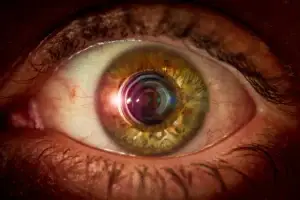
Keratoconus Treatment in Dubai UAE Cost and Clinics
Keratoconus can feel unfair: while your friends enjoy effortless sight, your own corneas gradually thin and bulge,…
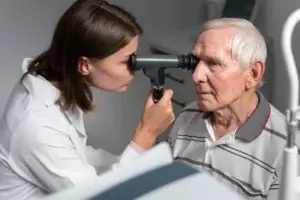
Glaucoma Surgery in Dubai Cost and Clinics
Glaucoma is the “silent thief of sight.” Left untreated, it gradually damages the optic nerve and can lead to…

Leave a Comment
Share your thoughts on this article, or ask us a question -- we'd love to hear from you.