











Advanced Treatment for Improved Bowel Control, Greater Comfort & Enhanced Quality of Life
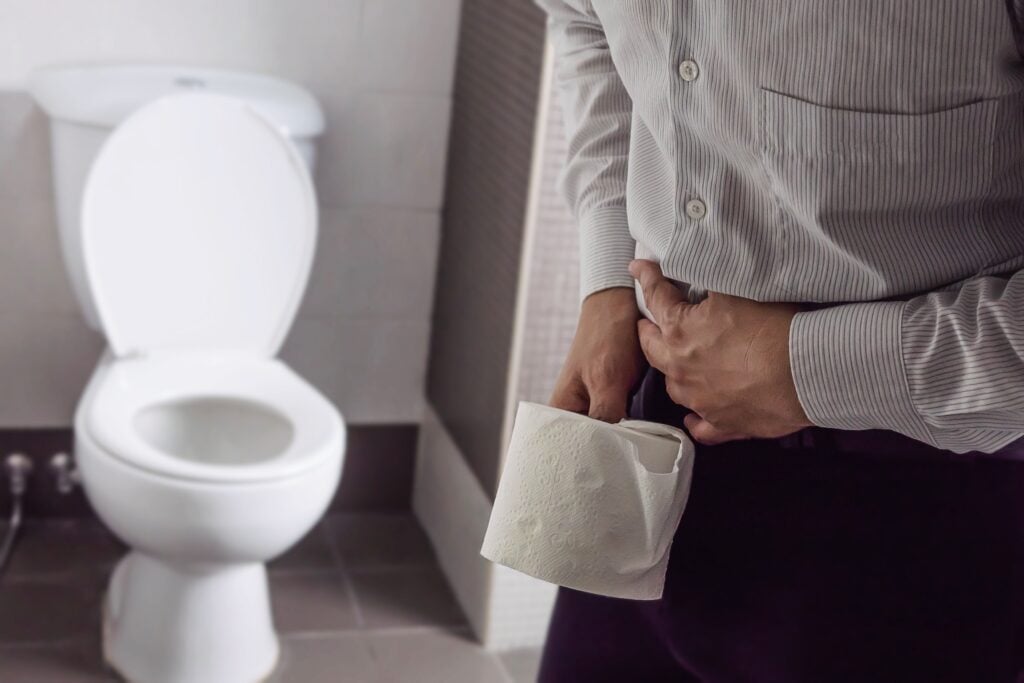
Anal incontinence is a condition that affects a person’s ability to control bowel movements, leading to accidental leakage of stool or difficulty maintaining continence. This condition can impact daily activities, emotional well-being, confidence, and social interactions. Correction of anal incontinence focuses on identifying the underlying cause and applying the most appropriate treatment strategy to improve bowel control and restore function.
Patients seek anal incontinence treatment to reduce symptoms, regain confidence, and improve their overall quality of life. Depending on individual needs, treatment may involve conservative management, rehabilitation techniques, minimally invasive procedures, or surgical correction. A personalized approach is essential to achieve the best possible outcomes while addressing each patient’s unique condition.
🔍 What Is Correction of Anal Incontinence?
Correction of anal incontinence refers to medical and surgical treatments aimed at improving bowel control in patients who experience involuntary leakage of stool or difficulty controlling bowel movements. The treatment process begins with a detailed evaluation to determine the cause and severity of symptoms. Diagnostic assessments may include physical examinations, imaging studies, functional testing, and a review of medical history.
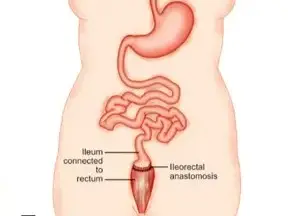
Treatment options vary depending on the patient’s condition and may range from dietary modifications and pelvic floor rehabilitation to advanced procedures designed to improve sphincter function and bowel control. Some patients benefit from non-surgical management, while others may require surgical intervention to address structural abnormalities.
The primary goal of anal incontinence correction is to improve continence, reduce accidents, enhance daily comfort, and help patients return to normal activities with greater confidence. A personalized treatment plan is essential to achieve long-term improvement and maintain quality of life.
🩺 Types of Anal Incontinence Correction
- Conservative Management – Lifestyle modifications, dietary adjustments, and bowel habit management.
- Pelvic Floor Rehabilitation – Exercises and therapy focused on strengthening pelvic floor muscles.
- Biofeedback Therapy – Training techniques designed to improve muscle coordination and bowel control.
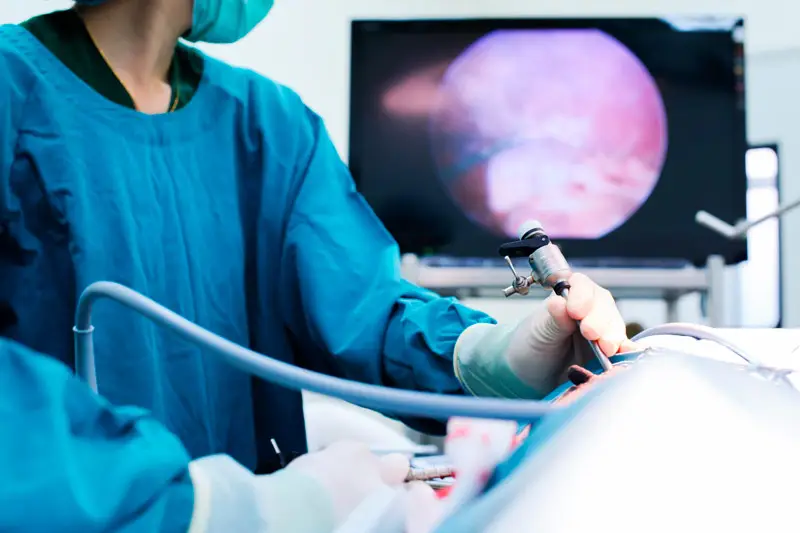
- Minimally Invasive Procedures – Selected interventions aimed at improving continence with reduced recovery time.
- Sphincter Repair Procedures – Surgical correction when anal sphincter damage is identified.
- Combined Treatment Approaches – Individualized plans utilizing multiple treatment methods when appropriate.
🩺 Who Is a Good Candidate?
Correction of anal incontinence may be considered for individuals experiencing bowel control difficulties that affect daily life, comfort, or confidence.
✔️ Individuals experiencing accidental stool leakage
✔️ Patients with reduced bowel control
✔️ People affected by pelvic floor dysfunction
✔️ Individuals whose symptoms impact daily activities
✔️ Patients seeking improved quality of life
✔️ Adults experiencing chronic continence issues
✔️ Individuals who have not achieved adequate improvement with basic measures
✔️ Patients seeking specialist evaluation and treatment
✔️ Adults in stable overall health
✔️ Individuals with realistic treatment expectations
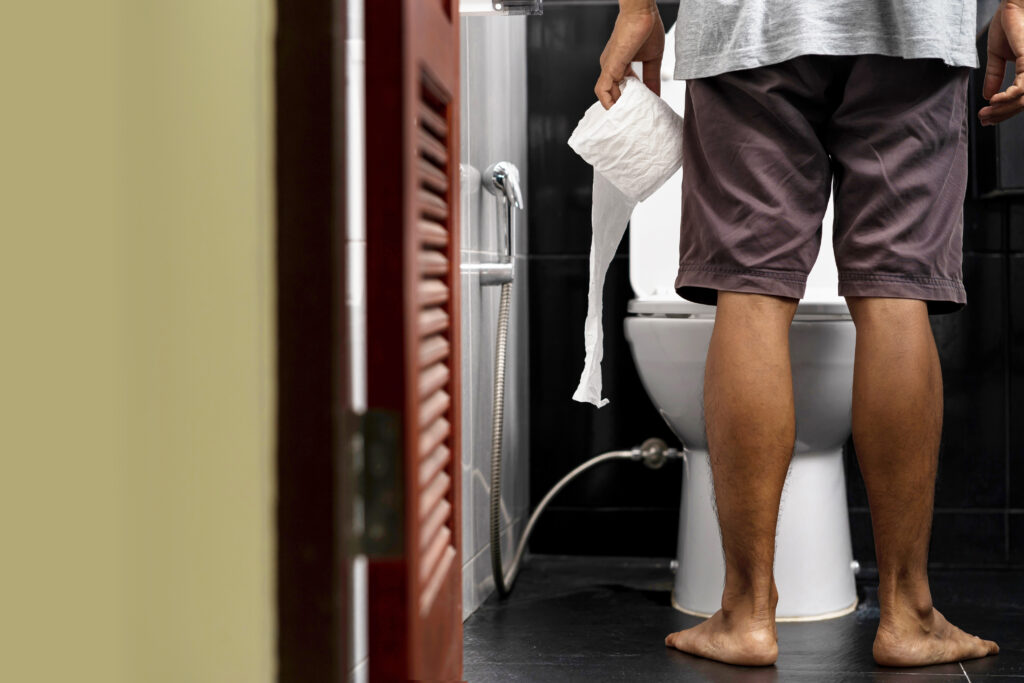
📝 Consultation & Preparation
A thorough consultation is an essential first step in developing an effective treatment plan for anal incontinence. During this process, the medical team evaluates the underlying causes of symptoms, assesses overall health, and determines the most appropriate treatment approach based on the patient’s individual needs.
✔️ Detailed review of symptoms, medical history, and continence concerns
✔️ Discussion of bowel habits, lifestyle factors, and quality-of-life impact
✔️ Comprehensive physical examination and clinical assessment
✔️ Evaluation of previous surgeries, injuries, or prior treatments
✔️ Review of current medications, supplements, and relevant health conditions
✔️ Assessment of dietary habits and factors that may influence bowel function
✔️ Diagnostic testing and specialized evaluations when clinically indicated
✔️ Discussion of available treatment options, including benefits and considerations
✔️ Clear explanation of treatment goals, expectations, and recovery considerations
✔️ Development of a personalized treatment plan tailored to the patient’s condition and objectives
🩺 Recovery & Aftercare
Recovery varies depending on the selected treatment approach and the patient’s individual condition. Following medical instructions is important for achieving the best possible outcome.
✔️ Follow prescribed post-treatment guidelines
✔️ Attend scheduled follow-up appointments
✔️ Monitor symptom improvement over time
✔️ Maintain recommended dietary habits
✔️ Stay adequately hydrated
✔️ Follow bowel management recommendations
✔️ Participate in rehabilitation programs if advised
✔️ Avoid activities restricted by the medical team
✔️ Report any concerns or unusual symptoms promptly
✔️ Continue long-term care recommendations when appropriate

🌍 Why Choose Kaiser Clínica for Correction of Anal Incontinence?
Selecting the right medical provider is important when seeking treatment for anal incontinence.
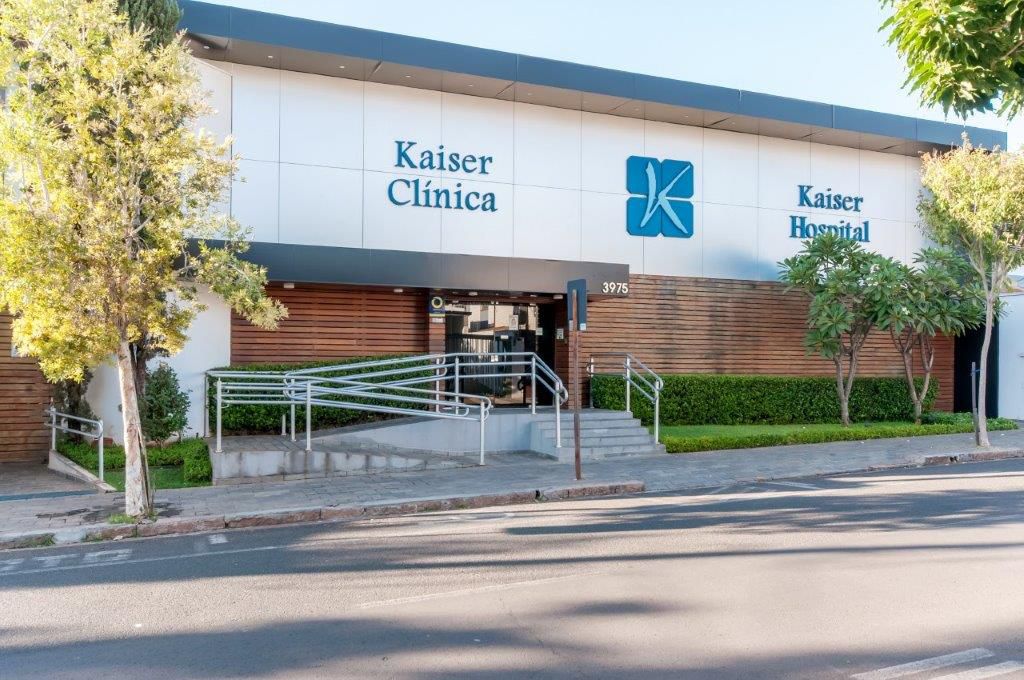
Kaiser Clínica offers patients access to professional medical evaluation and individualized treatment planning designed around each patient’s needs.
✔️ Individualized patient assessment
✔️ Personalized treatment planning
✔️ Focus on patient comfort and privacy
✔️ Comprehensive evaluation process
✔️ Multidisciplinary approach when appropriate
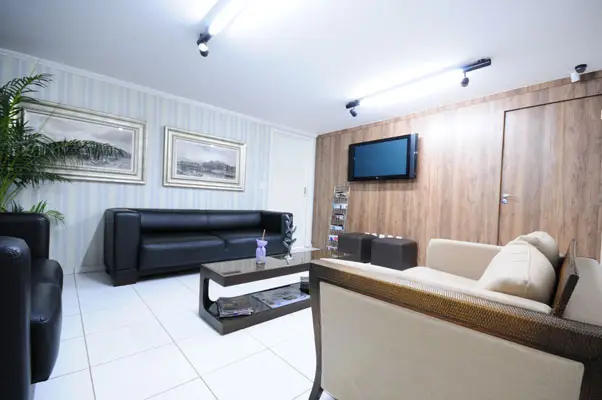
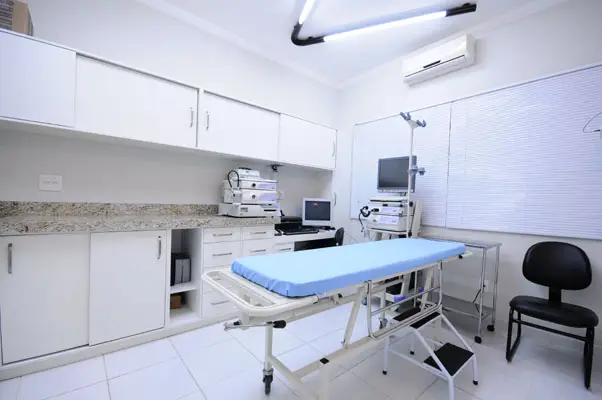
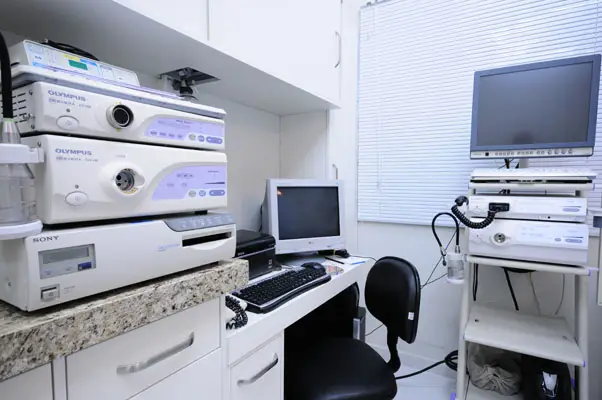
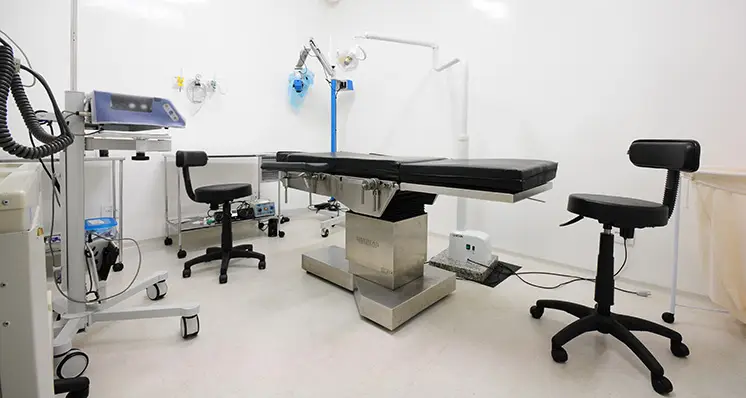
✔️ Modern clinical environment
✔️ Commitment to patient-centered care
✔️ Support throughout the treatment journey
✔️ International patient assistance
✔️ Focus on improving quality of life and functional outcomes