Explore the Plastic Surgery Guides in Mexico

Expert articles, guides, and patient stories on Plastic Surgery treatments in Mexico.

×
×

Buttock Augmentation with Implants in Mexico Cost

Buttock augmentation with implants in Mexico is performed at specialist plastic surgery centers in Tijuana, Guadalajara, Monterrey, and Mexico City by board-certified plastic surgeons experienced in gluteal implant surgery — at 60–70% below US costs and 55–65% below UK private costs — providing patients who lack sufficient donor fat for Brazilian Butt Lift (BBL) or who desire firmer, more structural buttock augmentation with a long-lasting, volume-stable alternative to fat transfer. Gluteal implants are cohesive silicone gel or solid silicone elastomer implants placed within or beneath the gluteus maximus muscle through a discreet incision in the intergluteal cleft (midline between the buttocks) — adding permanent volume, projection, and shape to the upper and outer buttock quadrants that fat transfer cannot adequately address. All-inclusive buttock implant packages in Mexico cost $5,500–$10,000, compared to US costs of $12,000–$20,000 and UK private costs of £9,000–£16,000 (per ASPS 2024 statistics). Buttock augmentation with implants is indicated for patients who want significant buttock volume increase but do not have adequate donor fat for BBL, or who have already had BBL and want additional upper buttock projection that fat transfer cannot provide, or who prefer a volume-stable result that does not change with body weight fluctuations (as fat-transferred volume does). The ISAPS 2023 global statistics document the growing demand for buttock augmentation procedures globally, with implants representing an important option for the subset of patients who are not BBL candidates. Mexican plastic surgeons performing gluteal implant surgery use cohesive silicone gel or solid silicone elastomer implants specifically designed for gluteal use — these are different from breast implants and are engineered to withstand the compressive forces of sitting and standing. According to Bookimed's 2026 market data, buttock augmentation (both implants and BBL) is frequently requested at Mexican plastic surgery centers by patients seeking comprehensive lower body enhancement. The most important candidacy consideration for gluteal implants versus BBL is body composition: patients with very low body fat percentage who lack adequate donor volume for meaningful fat transfer are the clearest implant candidates. Thin, athletic patients wanting significant buttock projection — particularly upper buttock fullness that gives the appearance of "lifted" buttocks — typically achieve better results from implants than from BBL, where limited donor fat produces modest augmentation. Patients with moderate donor fat can consider a hybrid approach: gluteal implants combined with simultaneous BBL fat transfer for maximum augmentation, or combination with 360° liposuction for comprehensive waist-to-hip transformation. Why Choose Mexico for Buttock Implants?. 60–70% cost savings: All-inclusive buttock implants from $5,500–$10,000 in Mexico versus $12,000–$20,000 in the US and £9,000–£16,000 in the UK. Board-certified plastic surgeons: CMCPER-certified Mexican plastic surgeons with gluteal implant surgical training and adequate case volume for consistent implant placement technique. Permanent, volume-stable result: Gluteal implants provide permanent projection and shape that does not change with weight fluctuation — unlike fat transfer, which decreases as overall body fat changes. Hybrid augmentation option: Implants combined with simultaneous 360° liposuction and BBL fat transfer for maximum total buttock augmentation — available at experienced Mexican centers for patients with sufficient donor fat. All-inclusive packages: Package pricing covers surgeon fee, anesthesia, hospital stay, implants, compression garments, and post-operative care — complete cost transparency. Proximity to the US: Accessible from US cities within hours — reducing total travel burden for post-operative recovery travel home. Buttock Augmentation with Implants Cost in Mexico vs. Other Countries. CountryAverage All-Inclusive Cost (USD)Notes. Mexico$5,500 – $10,000All-inclusive; CMCPER-certified surgeons; implants included. United States$12,000 – $20,000ASPS 2024; facility + surgeon + implant billed separately. United Kingdom (private)$11,500 – $20,500Private plastic surgery; limited surgeons with gluteal experience. Colombia$6,000 – $11,000High body contouring volume; experienced gluteal surgeons. Turkey$5,000 – $9,000JCI hospitals; competitive pricing. Gluteal Implant Procedure and Placement Options. Intramuscular placement: Implant placed within a surgically created pocket inside the gluteus maximus muscle body — provides natural muscle coverage of the implant, reduces implant visibility and edge palpability; most common placement plane used by experienced Mexican and Latin American gluteal surgeons. Subfascial placement: Implant placed beneath the gluteal fascia (the connective tissue covering the muscle surface) but above the muscle — faster dissection, potentially less discomfort but slightly greater implant visibility compared to intramuscular; used by some surgeons preferring this plane. Implant selection: Round and oval gluteal implant shapes available; volumes typically 300–450cc per side for moderate augmentation; high-projection models for greater upper buttock fullness; cohesive silicone gel (soft feel) or solid silicone elastomer (firmer, more projection) — chosen based on patient anatomy and aesthetic goals. Recovery: 1–2 night hospital stay; sitting restriction for 2 weeks (sit only on thighs, not directly on implants); walking permitted from day 1; return to desk work in 2–3 weeks; full activity at 6–8 weeks; travel home 7–10 days post-surgery. Frequently Asked Questions. Gluteal implants vs. BBL — which is better for me?. The right choice depends on your body composition and aesthetic goals. BBL is preferred when: you have adequate donor fat (BMI 22+, visible fat in flanks/abdomen/thighs), you want a soft, natural-feeling result that changes with body weight, and you also want simultaneous liposuction contouring of the donor areas. Implants are preferred when: you are thin or lean (BMI 18–22) with minimal donor fat, you want maximum upper buttock projection and structural fullness regardless of weight changes, or you want a permanent volume-stable result not subject to fat reabsorption. The hybrid approach (implants + BBL fat transfer) is available for patients with moderate donor fat who want maximum augmentation — the implant provides structural upper buttock volume while the fat transfer adds lateral fullness and outer hip definition. Your Mexican plastic surgeon will assess your body composition, donor fat availability, existing buttock anatomy, and aesthetic goals to recommend the optimal approach during the virtual pre-operative consultation. What is buttock augmentation with implants and who is it for in Mexico?. Buttock augmentation with silicone implants in Mexico surgically increases buttock volume and projection using solid silicone elastomer implants placed within or below the gluteus maximus muscle. It is the preferred option for patients who want significant buttock volume increase but have insufficient body fat for a meaningful Brazilian Butt Lift (BBL) fat transfer — typically lean patients with BMI below 22–23. Unlike BBL (which uses the patient's own fat), implants deliver predictable, immediate volume regardless of body composition. Mexican plastic surgeons offer round and oval gluteal implants in volumes of 200–400cc per side. Gluteal implants are placed through a single midline incision in the natal cleft (the gluteal fold), providing discreet scar placement hidden between the buttocks. What type of implants are used for buttock augmentation in Mexico?. Buttock implants used in Mexico are made of highly cohesive solid silicone elastomer — significantly different from breast implants. They are designed to withstand the mechanical stress of sitting, standing, and exercise without deforming, rupturing, or migrating. The implants are solid or semi-solid (not liquid silicone gel) — they cannot rupture or leak. Available shapes include round (provides posterior projection and upper buttock fullness) and oval (provides more natural lower-pole distribution). Volume ranges from 200–400cc per implant typically used in Mexico, with sizes selected based on the patient's frame, existing gluteal anatomy, and aesthetic goals. Mexican plastic surgeons use international-standard gluteal implants (Sientra, Silimed, Sebbin, and other CE-marked or FDA-cleared brands) available at leading centers. What are the placement options for gluteal implants in Mexico?. Mexican plastic surgeons use three gluteal implant placement planes: Intramuscular (within the gluteus maximus muscle) — the most widely used technique; implant placed inside a pocket created within the muscle body; provides good coverage over the implant reducing palpability; lower implant displacement risk than subfascial; requires muscle relaxation with nerve block for comfort. Subfascial (below the gluteal fascia, above the muscle) — the implant sits directly below the fascia but outside the muscle; easier pocket creation; potentially less post-operative pain; requires adequate gluteal soft tissue coverage. Subcutaneous (under skin and fat, above fascia) — rarely used now due to higher complication rates (implant palpability, displacement). Most Mexican gluteal implant surgeons prefer intramuscular placement for optimal coverage, stability, and natural appearance. What are the most common complications of gluteal implants placed in Mexico?. Gluteal implant complications at Mexican plastic surgery centers include: seroma (fluid accumulation around the implant — the most common complication at 5–15%, managed with compression and aspiration); wound dehiscence (partial opening of the midline incision — more common than with BBL due to the implant's sitting position tension; managed with wound care and reduced sitting); implant malposition or displacement — prevented by precise pocket creation and post-operative activity restrictions; sciatic nerve irritation (temporary — from retraction during surgery; typically resolves within weeks); capsular contracture (scar tissue around the implant causing firmness and distortion — lower rate than breast implants due to less immune activity in the gluteal region; managed with massage or revision if severe); and infection (rare but serious — may require implant removal; managed with IV antibiotics and drainage). Complication rates at experienced Mexican centers are generally below 10%. Can gluteal implants be combined with fat transfer (hybrid BBL) in Mexico?. Yes — hybrid BBL (gluteal implants combined with fat transfer) is performed at leading Mexican body contouring centers. The implant provides the structural volume for patients with insufficient donor fat, while fat transfer adds surface contouring, softens the implant edges, and enhances hip and lateral buttock projection that implants alone cannot address (since implants sit centrally in the muscle, not laterally). Hybrid BBL in Mexico requires adequate donor fat for meaningful contouring alongside the implant — typically a minimum BMI of 22 to harvest sufficient fat for the transfer component. The combination delivers a more natural and versatile result than either procedure alone for patients who want both volume and comprehensive lower body sculpting. Total surgical time for hybrid BBL is 4–6 hours; appropriate patient selection is confirmed at the pre-operative consultation. What post-operative restrictions apply after gluteal implants in Mexico?. Post-operative restrictions after gluteal implants in Mexico are more stringent than BBL, as the implant requires secure pocket stabilization: Weeks 1–3: no direct sitting on the buttocks — use a standing or prone position for eating, working, and resting; use the toilet with a modified technique (leaning forward on thighs). Weeks 3–6: graduated sitting with a supportive pillow permitting lateral thigh weight-bearing; continue avoiding pressure directly on the implant area. After 6 weeks with surgeon clearance: normal sitting. 3 months: return to lower body exercise and gym. 6 months: full unrestricted activity. Compression garment worn continuously for 6 weeks then daytime-only for a further 4 weeks. Climbing stairs and walking at moderate pace are permitted from day 7–10 once wound integrity is confirmed. How long do gluteal implants placed in Mexico last?. Solid silicone gluteal implants are designed for long-term durability — unlike breast implants (which are liquid gel and have higher rupture potential), solid gluteal implants can theoretically last a lifetime without replacement if no complication develops. Published long-term data show most patients with well-positioned gluteal implants do not require replacement for 10–20+ years. Replacement is indicated if: capsular contracture causes significant distortion; implant malposition develops; the patient requests size change; or — rarely — implant fracture occurs (very uncommon with solid elastomer). Mexican plastic surgeons use international-standard implants with long clinical track records from manufacturers including Sientra and Silimed, which have FDA clearance and/or CE marking for long-term safety validation. How does gluteal implant cost in Mexico compare to the United States?. Gluteal augmentation with implants in Mexico typically costs $5,000–$8,000 all-inclusive (surgeon, anaesthesia, hospital, implants, compression garment, follow-up) — compared to US costs of $14,000–$20,000 for equivalent procedure quality. The savings of 55–65% reflect Mexico's lower operating costs and surgeon fees, not differences in implant quality or surgical technique at board-certified CMCPER Mexican plastic surgery centers. The all-inclusive Mexican package covers the implants themselves (a significant cost component — international-standard gluteal implants cost $1,500–$3,000 per pair from major manufacturers), eliminating the itemized billing that can make US costs unpredictable. For lean patients unable to achieve a meaningful BBL result, gluteal implants in Mexico offer the best available outcome at a fraction of the US cost. What is the recovery timeline and how long should I stay in Mexico after gluteal implant surgery?. Plan 12–16 days in Mexico for gluteal implant surgery. Day 1: consultation, pre-operative assessment, blood work. Day 2: surgery (2–3 hours under general anaesthesia). Days 3–4: hospital stay; wound management; pain controlled with IV analgesia; restricted mobility. Days 5–14: recovery hotel near the surgical center; daily wound checks; lymphatic massage from day 7–8; compression garment management; surgeon check at day 10–12. Day 14–16: travel clearance appointment; fly home avoiding direct buttock pressure (aircraft window seat with body angled forward, or prone on the seat if the airline allows extended seating). After returning home: maintain all sitting restrictions for 6 weeks total; follow up with a local physician at 6 weeks for wound and implant assessment. Which CMCPER-certified Mexican plastic surgeons specialize in gluteal implants?. Board-certified Mexican plastic surgeons specializing in gluteal augmentation are certified by the Consejo Mexicano de Cirugía Plástica, Estética y Reconstructiva (CMCPER). Gluteal implant surgery requires specific subspecialty training beyond general plastic surgery — the intramuscular or subfascial dissection, sciatic nerve protection, and pocket stabilization techniques are learned through dedicated mentorship and fellowship training. When choosing a Mexican surgeon for gluteal implants, confirm: CMCPER board certification; specific experience with gluteal implant surgery (ask for annual case volume and years performing this procedure); and before-and-after photographic evidence from their own gluteal implant patients. Surgeons practicing in Guadalajara, Mexico City, and Monterrey with dedicated body contouring subspecialty practices perform the highest volumes of gluteal augmentation in Mexico. Sources. American Society of Plastic Surgeons (ASPS). Plastic Surgery Statistics Report 2024. International Society of Aesthetic Plastic Surgery (ISAPS). Global Aesthetic/Cosmetic Procedures Statistics 2023. Bookimed. Buttock Augmentation in Mexico: Prices and Clinics 2026.


Tummy Tuck in Mexico Cost and Clinics

Tummy tuck surgery (abdominoplasty) in Mexico is one of the most commonly sought plastic surgery procedures by US and Canadian patients—offering professional-grade results at 50–65% below US prices with convenient travel from most North American cities. Mexico's CMCP-certified plastic surgeons in Tijuana, Cancún, Mexico City, and Guadalajara perform full, mini, and extended abdominoplasty, often combined with liposuction for comprehensive abdominal contouring. Tummy tuck packages in Mexico run $3,000–$6,000 all-inclusive, compared to a US surgeon fee of $6,154 (per ASPS 2024 data) plus facility and anesthesia charges that typically total $10,000–$18,000. The ISAPS 2023 Global Survey ranks abdominoplasty among the top 5 aesthetic surgical procedures worldwide, with particular demand among post-pregnancy and post-weight-loss patients. Mexico's geographic proximity to the US—2–5 hour flights from most cities, with Tijuana accessible by a 15-minute drive from San Diego—makes it the most accessible international destination for US tummy tuck patients. Tummy Tuck Cost in Mexico vs. Other Countries. CountryAverage Cost (USD)What's Typically Included. Mexico$3,000 – $6,000Surgery, anesthesia, hospital stay, hotel, transfers, garment, coordinator. United States$10,000 – $18,000Surgeon fee ($6,154 avg per ASPS 2024) + facility + anesthesia; no accommodation. Colombia$2,500 – $5,500Surgery + accommodation extra at most centers. Turkey$3,500 – $6,500Surgery, hospital, hotel, transfers included. Thailand$3,000 – $6,000Surgery + accommodation extra at most centers. The Mexico range reflects Bookimed's 2026 market data for tummy tuck at accredited Mexican plastic surgery centers. Tummy Tuck Technique Options. Full abdominoplasty: Hip-to-hip incision, full abdominal skin excision, muscle repair (diastasis recti correction), navel repositioning. Most comprehensive result; standard for post-pregnancy patients. Mini tummy tuck: Shorter incision; addresses skin below the navel only; no navel repositioning. Best for limited lower abdominal laxity without diastasis. Extended abdominoplasty: Extends incision around the flanks to address love handle skin; typically combined with liposuction. Used for post-bariatric or major weight-loss patients. Fleur-de-lis (FDL) abdominoplasty: Vertical + horizontal incisions for patients with significant excess skin in both directions after massive weight loss. What's Typically Included in a Mexican Tummy Tuck Package. CMCP-certified plastic surgeon consultation and pre-operative planning. Tummy tuck surgery (technique confirmed at consultation). General anesthesia and operating room fees. 1 night in hospital or accredited surgical center. 3–5 nights in a partner hotel. Airport–hotel–clinic transfers. Compression garment and post-operative medications. English-speaking coordinator and remote follow-up. Recovery Timeline. TimelineWhat to Expect. Day 1–2Hospital stay; drains in place; compression garment fitted. Day 3–5Drains removed; staying in hotel; limited walking. Day 5–7Most patients cleared to fly (short flights); compression garment worn. Week 2–3Return to desk work; no lifting or bending. Week 6Return to exercise cleared by most surgeons. Month 3–6Scar fading; final contour visible. Frequently Asked Questions. How much does a tummy tuck cost in Mexico in 2026?. Based on Bookimed's 2026 market data, all-inclusive tummy tuck packages in Mexico range from $3,000 to $6,000—compared to US total out-of-pocket costs of $10,000–$18,000. Do I need to be at my goal weight before a tummy tuck?. Yes—weight should be stable for at least 3–6 months before abdominoplasty. Significant weight gain after surgery stretches the skin and undermines results. If you are planning further weight loss, postpone until you are within 5–10 kg of your target weight. Your surgeon will confirm at consultation whether your weight is stable enough to proceed. What is the difference between a full tummy tuck and a mini tummy tuck in Mexico?. Full abdominoplasty in Mexico addresses the entire abdominal area — hip-to-hip incision along the lower abdomen; navel repositioning (the navel is detached and reattached at a new position); diastasis recti repair (muscle plication); removal of a large panel of skin from below the navel to just above the pubis; and liposuction of the upper and lower abdomen. Appropriate for patients with significant skin laxity above and below the navel, stretch marks below the navel, and diastasis recti. Mini abdominoplasty — shorter incision; no navel repositioning; addresses skin laxity below the navel only; appropriate for patients with minimal laxity confined to the lower abdomen who do not have significant diastasis recti. The appropriate technique is determined by physical examination — many patients who request a "mini" actually need a full abdominoplasty to correct their specific anatomy. Does tummy tuck in Mexico include diastasis recti repair?. Yes — diastasis recti (midline separation of the rectus abdominis muscles) repair is standard in all full abdominoplasty procedures at Mexican plastic surgery centers. The repair involves permanent sutures (plication) along the linea alba midline — approximating the separated muscles and restoring normal abdominal wall integrity. This is not billed as an add-on in Mexico — it is included as a standard component of the tummy tuck procedure. Diastasis recti repair typically improves both aesthetic outcome (flatter, tighter abdomen) and functional core strength — most patients notice improved core stability within 6–12 weeks post-surgery as the muscle repair heals. What are the realistic expectations for tummy tuck results in Mexico?. Realistic tummy tuck expectations in Mexico: dramatic improvement in lower abdominal skin laxity, stretch marks below the navel, and abdominal contour — not a perfectly flat or athletic abdomen. Stretch marks above the navel are NOT addressed (the upper skin remains in place). A permanent scar runs hip-to-hip in the lower abdomen — positioned to be hidden by underwear and most swimwear, but visible when undressed. The navel scar is hidden at the navel border. Swelling persists for 3–6 months, masking the final result — the definitive abdominoplasty result is not fully visible until 6 months post-surgery. Significant weight gain after a tummy tuck will stretch the repair and add abdominal fat — maintaining stable body weight is essential to preserving the result long-term. What is the tummy tuck scar like after surgery in Mexico?. The tummy tuck scar in Mexico runs horizontally in the lower abdomen — from hip to hip — positioned as low as possible to be concealed beneath bikini bottoms and underwear. The length and precise location depend on the extent of skin excision needed; most Mexican surgeons position the incision at or just above the pubic hairline. A second scar surrounds the navel (periumbilical scar) where the navel is repositioned. Scars are red, raised, and firm for the first 3–6 months, then gradually fade to a flat, pale line over 12–24 months. Mexican surgeons prescribe silicone gel or sheeting from week 4–6 (after wound closure is confirmed), sun avoidance for 12 months, and scar massage to optimize maturation. Is liposuction included with tummy tuck surgery in Mexico?. Circumferential liposuction — 360° treatment of the flanks, waist, and lower back — is routinely combined with tummy tuck at Mexican plastic surgery centers. The combination addresses both the skin laxity component (abdominoplasty) and the fat reduction component (liposuction) in a single session, delivering comprehensive midsection transformation. However, Mexican surgeons approach the combination carefully: aggressive liposuction of the undermined abdominal skin flap (the area lifted during abdominoplasty) can compromise blood supply to the flap and increase wound healing complication risk. For this reason, Mexican surgeons typically liposuction the flanks and outer areas where the skin is not undermined, while being conservative in the central lower abdominal flap area. The combination is included in most Mexican tummy tuck all-inclusive packages at no additional cost. How long do I need to wear a compression garment after tummy tuck in Mexico?. Compression garment (abdominal binder) wear after tummy tuck in Mexico: Weeks 1–6: continuous wear 23–24 hours per day — removing only for showering. Week 6 onwards: transition to daytime-only wear for a further 4–6 weeks. Compression applies even pressure to the healing tissue, reduces post-operative swelling accumulation, supports the abdominal repair while it heals, and helps skin retract smoothly over the new contours. Mexican plastic surgeons also recommend foam boards (abdominal compression boards worn inside the binder) during the first 2–4 weeks to provide even pressure over the flat abdominal surface and prevent uneven compression. Multiple garment sets are advisable — the garment needs daily washing during the initial continuous-wear phase. When can I return to work after tummy tuck surgery in Mexico?. Return-to-work timeline after tummy tuck in Mexico: Desk work and sedentary office work: 2–3 weeks post-surgery. Light physical work: 4–6 weeks. Manual labour or physically demanding work: 6–8 weeks with surgeon clearance. Patients must avoid heavy lifting (over 5kg), bending at the waist (abdominal pressure), and sitting for extended periods with the waist bent — all of which stress the abdominal repair — for minimum 6 weeks. Many Mexican tummy tuck patients schedule their trip and recovery during annual leave, returning to desk work 2 weeks after arriving home. Adequate post-operative planning is essential — insufficient recovery time before resuming physical work significantly increases complication risk and can disrupt the surgical repair. What are the drains used for after tummy tuck in Mexico?. Surgical drains (Jackson-Pratt or Blake drains) placed during abdominoplasty in Mexico remove fluid that accumulates in the space between the lifted abdominal skin flap and the muscle layer during healing — preventing seroma formation. Most patients have 1–2 drains exiting through small puncture sites near the pubic hairline (hidden in the surgical scar area). Drains are managed by measuring the daily output into the collection bulb; when output drops below 30ml per drain in 24 hours, your Mexican surgeon removes them at a wound check appointment (typically day 5–10). You will be instructed on drain measurement, milking (clearing clots from the tubing), and insertion site care before leaving the hospital. How does tummy tuck cost in Mexico compare to the United States?. Tummy tuck in Mexico costs $4,000–$7,500 all-inclusive (surgeon, anaesthesia, hospital, liposuction, compression garment, drains, medications, follow-up) — compared to US costs of $10,000–$18,000 (ASPS 2024: $6,154 average surgeon fee plus facility and anaesthesia). Savings of 55–65% are achieved at CMCPER board-certified Mexican plastic surgery centers in Mexico City, Guadalajara, Monterrey, and Tijuana. Mexican all-inclusive tummy tuck packages include circumferential liposuction, drains, compression garment, and post-operative lymphatic massage — components often billed separately at US plastic surgery practices, significantly increasing the US total beyond the quoted surgeon fee. What are the most common tummy tuck complications and how are they managed in Mexico?. Tummy tuck complications at Mexican plastic surgery centers: Seroma (fluid accumulation under the skin flap — the most common complication at 5–15%; managed with compression and needle aspiration if needed; prevented with drain management and compression garment adherence). Wound dehiscence (partial incision opening — typically at the central lower abdominal point; managed with wound care; rarely requires surgical revision). Skin flap necrosis — partial loss of skin viability at the far edges of the flap (most common in smokers and patients with prior abdominal scars; prevented by smoking cessation). DVT — rare but serious; prevented with sequential compression devices during surgery, prophylactic anticoagulation in high-risk patients, and early ambulation. Overall major complication rates at accredited Mexican centers are below 5% for healthy non-smoking patients. Sources. American Society of Plastic Surgeons (ASPS). 2024 Plastic Surgery Statistics Report. International Society of Aesthetic Plastic Surgery (ISAPS). ISAPS Global Survey 2023. Bookimed. Tummy Tuck in Mexico: Prices and Clinics 2026.

Liposuction in Mexico Cost and Clinics

Liposuction in Mexico provides targeted fat removal from stubborn areas—abdomen, flanks, thighs, arms, back, chin, and knees—at costs 50–65% below US prices, with convenient travel from any North American city. Mexico's CMCP-certified plastic surgeons in Tijuana, Cancún, Mexico City, and Guadalajara perform high-definition liposuction, VASER (ultrasound-assisted), and standard tumescent liposuction as standalone procedures and as components of comprehensive body contouring packages. Liposuction packages in Mexico run $2,000–$4,500 all-inclusive, compared to a US surgeon fee average of $4,040 (per ASPS 2024 data) plus facility and anesthesia costs that typically total $6,000–$12,000. The ISAPS 2023 Global Survey ranks liposuction as the most performed aesthetic surgical procedure worldwide for the third consecutive year, with an estimated 1.9 million procedures performed globally. Mexico's proximity to the US makes it the most frequently chosen international destination for US patients seeking liposuction—combining short travel time with significant cost savings and access to surgeons trained at leading US and Mexican plastic surgery programs. Liposuction Cost in Mexico vs. Other Countries. CountryAverage Cost (USD)What's Typically Included. Mexico$2,000 – $4,500Surgery (specified areas), anesthesia, hotel, transfers, garment, coordinator. United States$6,000 – $12,000Surgeon fee ($4,040 avg per ASPS 2024) + facility + anesthesia; no accommodation. Colombia$1,800 – $4,000Surgery; accommodation extra. Turkey$2,500 – $5,000Surgery, hospital, hotel, transfers included. Thailand$2,500 – $5,000Surgery; accommodation extra at most centers. A note on comparing these figures: Liposuction is priced per area or per liter of fat removed; multi-area treatments cost more. Confirm exactly which areas are included in your Mexican package. The Mexico range reflects Bookimed's 2026 market data. Liposuction Techniques Available in Mexico. Tumescent liposuction: Standard technique; large volumes of saline + epinephrine + lidocaine injected before fat removal via cannula; most widely available and evidence-based. VASER (ultrasound-assisted): Ultrasound energy liquefies fat before aspiration; allows more precise removal and better skin retraction; preferred for high-definition results and fibrous areas. Power-assisted liposuction (PAL): Vibrating cannula reduces surgeon fatigue and improves fat removal efficiency; widely used for large-volume cases. High-definition liposuction: Sculpts athletic definition (six-pack, muscle lines) using VASER; requires highly specialized technique and surgeon experience; available at specialist Mexican centers. What's Typically Included in a Mexican Liposuction Package. CMCP-certified surgeon consultation and body assessment. Liposuction surgery (specified areas and technique). General anesthesia or IV sedation and OR fees. 1 night in hospital or surgical center (for larger procedures). 3–4 nights in a partner hotel. Airport–hotel–clinic transfers. Compression garment and post-operative medications. English-speaking coordinator and remote follow-up. Liposuction Recovery Timeline. TimelineWhat to Expect. Day 1–2Compression garment fitted; significant bruising and swelling; rest. Day 3–5Mobile; drainage from incision sites normal; cleared to fly most surgeons by day 5. Week 1–2Return to desk work; compression garment worn 24 hours. Week 3–4Bruising resolves; swelling still present (80% resolved by week 6). Month 1–3Results taking shape; continue compression garment as advised. Month 3–6Final result visible; swelling fully resolved. Frequently Asked Questions. How much does liposuction cost in Mexico in 2026?. Based on Bookimed's 2026 market data, all-inclusive liposuction packages in Mexico range from $2,000 to $4,500 for standard multi-area treatment—compared to US total costs of $6,000–$12,000. Is liposuction a weight loss procedure?. No—liposuction is a body contouring procedure, not a weight loss treatment. It removes localized fat deposits that are resistant to diet and exercise, improving body proportions. Most surgeons limit total fat removal to 5 liters per session for safety; at typical fat density, this equates to approximately 5 kg of fat. Patients typically lose 1–4 kg of total body weight from liposuction. For patients seeking significant weight reduction, bariatric surgery is the appropriate intervention. What body areas can be treated with liposuction in Mexico?. Liposuction in Mexico treats virtually any area with localized fat deposits: abdomen (upper and lower), flanks ("love handles"), back (upper, mid, and lower), arms (inner and outer), thighs (inner, outer, and anterior), knees, calves, ankles, chin and neck (submental), chest (male gynecomastia and female chest recontouring), and buttocks. Lipo 360° — a comprehensive circumferential treatment of the entire midsection — is one of the most commonly requested combinations at Mexican plastic surgery centers, treating the abdomen, flanks, and back in a single session to create a complete waistline definition. Mexican plastic surgeons perform a comprehensive body composition and fat distribution assessment at the pre-operative consultation to confirm which areas are anatomically appropriate for liposuction versus which require a skin excision procedure (like abdominoplasty). What liposuction techniques are available at Mexican plastic surgery centers?. Mexican CMCPER-certified plastic surgeons offer several liposuction techniques: Tumescent liposuction — the standard; large volumes of dilute saline + epinephrine + lidocaine injected before fat removal to reduce bleeding and enable safe fat extraction; used as the foundation for all techniques. Power-assisted liposuction (PAL) — a motorized cannula oscillates, reducing surgeon effort and improving fat removal in fibrous areas like the back and male flanks. Ultrasound-assisted liposuction (VASER) — ultrasound energy emulsifies fat before aspiration; preferred for high-definition liposuction and fibrous areas; produces excellent skin retraction. High-definition liposuction (HD lipo/VASER Hi-Def) — selective removal of superficial fat to accentuate underlying muscle contours (abs, serratus, obliques); requires specialized training. Laser-assisted liposuction (SmartLipo) — laser energy liquefies fat and stimulates collagen; used for limited areas and skin tightening. Mexican surgeons select the appropriate technique based on treatment area, fat characteristics, and the patient's skin elasticity. Am I a good candidate for liposuction in Mexico?. Ideal liposuction candidates in Mexico: stable body weight within approximately 10kg of goal weight, maintained for at least 3–6 months (liposuction addresses localized fat deposits, not generalized obesity); good skin elasticity — skin that will retract smoothly over the new contours after fat removal (poor elasticity leads to skin laxity after liposuction, which may require a skin excision procedure instead); localized fat deposits that do not respond to diet and exercise (liposuction is for body contouring, not weight loss); BMI below 30–32 for most elective cases; non-smoker or willing to stop smoking 6 weeks before surgery; realistic expectations — liposuction improves body contour and proportion, not skin quality, cellulite, or overall body weight. Patients with loose skin, visible stretch marks, or a post-pregnancy abdomen with diastasis recti are often better served by abdominoplasty than liposuction alone — Mexican surgeons assess this at the pre-operative consultation. What is high-definition liposuction and is it available in Mexico?. High-definition liposuction (HD lipo) is a specialized liposuction technique that sculpts both the deep and superficial fat layers to accentuate underlying muscle definition — creating visible six-pack abdominal definition, serratus anterior lines, oblique shadows, and pectoral borders in men; and waist definition with athletic curve accentuation in women. It is available at specialized Mexican plastic surgery centers, particularly in Mexico City and Guadalajara, with surgeons who have specific HD lipo training. VASER technology is typically used for HD lipo — ultrasound energy selectively emulsifies fat while preserving connective tissue, allowing safe superficial fat removal that would be risky with conventional cannulas. HD lipo requires surgical precision and longer operative time than conventional liposuction; it is appropriate for lean, athletic-build patients who are close to their target physique and want enhanced muscular definition. How much fat can be safely removed during liposuction in Mexico?. The safe upper limit for liposuction fat removal in a single session at accredited Mexican plastic surgery centers is 5 liters of fat aspirate (per the standards established by the American Society of Plastic Surgeons and adopted by CMCPER guidelines). Above this threshold, the risk of fluid shifts, electrolyte imbalances, and systemic complications increases. Removing more than 5 liters is considered large-volume liposuction and requires additional safety precautions — enhanced fluid management, post-operative monitoring, and in some cases admission to an inpatient facility. Multiple liposuction sessions spaced 3–6 months apart are a safer alternative for patients who need more fat removed than the single-session limit allows. Mexican accredited facilities adhere to these safety limits — practices offering unrestricted "unlimited fat removal" in a single session are a significant red flag. What is the recovery timeline after liposuction in Mexico?. Liposuction recovery timeline in Mexico: Day 1: procedure; compression garment applied in the operating room; drain may be placed in larger cases. Days 2–5: hotel recovery; significant swelling and bruising; compression garment continuously. Day 5–7: surgeon wound check; drain removal if applicable; small adits (access incisions) checked. Day 7–10: travel clearance; fly home. Weeks 2–4: desk work resumes; soreness resolving; compression garment 23h/day. Weeks 4–6: light activity; garment transitioned to daytime only. After 6 weeks with clearance: return to full exercise. The final liposuction result is not visible until 3–6 months post-surgery when swelling has fully resolved — patients often see continued improvement for up to 6 months. Compression garment adherence is the single most impactful factor in recovery quality and result. Will liposuction in Mexico treat cellulite?. Liposuction does not reliably treat cellulite. Cellulite (the dimpled skin appearance most common on the thighs and buttocks) is caused by fibrous bands connecting the skin to the underlying fascia — pulling the skin surface inward to create the dimpled appearance. Removing fat beneath these bands does not release them — and in some cases, liposuction can temporarily worsen the appearance of cellulite by reducing the fat cushion beneath the skin while leaving the structural fibrous bands intact. If cellulite improvement is a primary concern, Mexican plastic surgeons may discuss Cellfina (a minimally invasive subcision procedure that releases the fibrous bands) or other cellulite-specific treatments as separate procedures. Liposuction is the correct approach for excess fat and body contour improvement, not for cellulite reduction. How does liposuction cost in Mexico compare to the United States?. Liposuction in Mexico costs $2,500–$5,500 all-inclusive per treatment zone (surgeon, anaesthesia, surgical facility, compression garment, medications, follow-up) — compared to US costs of $5,000–$15,000 for equivalent body contouring depending on area count and technique. Lipo 360° (full midsection treatment) in Mexico costs $4,000–$7,000 all-inclusive versus $8,000–$16,000 in the US. VASER or HD lipo in Mexico runs $5,000–$9,000 versus $10,000–$20,000+ in the US. Savings of 55–65% are achieved at CMCPER board-certified Mexican plastic surgery centers using the same tumescent, PAL, and VASER techniques as US surgeons. The quoted all-inclusive price in Mexico covers all cost components — anaesthesia, facility, garment — without the separate billing layers common in US plastic surgery practices. Can liposuction and Brazilian Butt Lift be combined in Mexico?. Yes — liposuction combined with Brazilian Butt Lift (BBL) is one of the most popular combination procedures at Mexican plastic surgery centers. Fat harvested by liposuction from the abdomen, flanks, back, and thighs is processed and reinjected into the buttocks — simultaneously creating waist definition through fat removal and buttock projection and shape through fat transfer. This combination maximizes the BBL result by providing abundant donor fat volume from multiple harvest sites while delivering body contouring that accentuates the waist-to-hip ratio simultaneously. Mexican plastic surgeons combine liposuction and BBL in a single surgical session with a total procedure time of 3–5 hours at accredited facilities. The same safety protocols apply — BBL fat injection strictly into the subcutaneous layer only, never the gluteal muscle, per CMCPER guidelines following international safety alerts. Are liposuction results permanent in Mexico?. Liposuction permanently removes fat cells from treated areas — adult humans do not generate new fat cells (adipocytes), so the removed cells do not regenerate. In this sense, liposuction results are permanent. However, if significant weight gain occurs after surgery, the remaining fat cells in the treated area (and particularly in untreated areas) will expand — body fat distribution can shift as the previously liposuctioned areas have fewer cells to store fat. Maintaining stable body weight after liposuction is the critical factor in preserving the result. Patients who maintain their post-operative weight within 3–5kg report long-term satisfaction with their liposuction results at 5–10 year follow-up. Liposuction is a body contouring procedure, not a weight loss tool — using it as a substitute for lifestyle changes leads to unsatisfying long-term outcomes. Sources. American Society of Plastic Surgeons (ASPS). 2024 Plastic Surgery Statistics Report. International Society of Aesthetic Plastic Surgery (ISAPS). ISAPS Global Survey 2023. Bookimed. Liposuction in Mexico: Prices and Clinics 2026.

Facelift in Mexico Cost and Clinics

Facelift surgery (rhytidectomy) in Mexico delivers board-certified results at 55–70% below US prices, with proximity making it the most accessible international option for North American patients. Mexico's CMCP-certified plastic surgeons in Tijuana, Cancún, and Mexico City perform full facelifts, mini-lifts, SMAS facelifts, and deep-plane facelifts for patients seeking comprehensive facial rejuvenation. All-inclusive facelift packages in Mexico run $4,000–$8,000, compared to a US surgeon-only fee of $8,005 (per ASPS 2024 data) plus facility and anesthesia charges that typically total $12,000–$25,000. The ISAPS 2023 Global Survey reports that facelift is among the top 10 most performed aesthetic surgical procedures globally, with demand concentrated in the 45–65 age group. Mexico's strong training culture (many surgeons complete fellowships at US or European institutions), English proficiency, and geographic convenience make it the natural first stop for US patients seeking facelift abroad. Facelift Cost in Mexico vs. Other Countries. CountryAverage Cost (USD)What's Typically Included. Mexico$4,000 – $8,000Surgery, anesthesia, hospital stay, hotel, transfers, coordinator. United States$12,000 – $25,000Surgeon fee ($8,005 avg per ASPS 2024) + facility + anesthesia; no accommodation. Colombia$3,500 – $7,000Surgery; accommodation extra at most centers. Turkey$4,000 – $8,000Surgery, hospital, hotel, transfers included. Thailand$4,500 – $9,000Surgery; accommodation extra at most centers. The Mexico range reflects Bookimed's 2026 market data for facelift at accredited Mexican plastic surgery centers. Facelift Technique Options in Mexico. Mini-facelift (short-scar facelift): Limited incisions around the ears; addresses lower face and jowls; less downtime (7–10 days); ideal for early laxity patients in their 40s–50s. SMAS facelift: Standard full facelift; addresses the superficial musculo-aponeurotic system beneath the skin; produces natural, longer-lasting results; the most common technique performed in Mexico. Deep-plane facelift: Releases deeper facial ligaments for more comprehensive mid-face and jowl correction; appropriate for advanced facial aging; requires more surgical expertise and recovery time. Composite facelift: Includes the orbicularis oculi muscle for simultaneous cheek and lower eyelid rejuvenation; often combined with fat grafting. Recovery Timeline for Facelift in Mexico. TimelineWhat to Expect. Day 1–21 hospital night; dressings and drains in place; significant bruising and swelling. Day 3–7Drains removed; bruising and swelling peaks around day 3–4; staying at hotel; comfortable walking. Day 7–10Most patients cleared to fly; sutures removed; social swelling resolving. Week 2–3Return to office work; bruising fading; avoid sun exposure. Week 4–6Most presentable for social events; numbness resolving. Month 3–6Final result settling; scars fading; subtle improvements continue. Frequently Asked Questions. How much does a facelift cost in Mexico in 2026?. Based on Bookimed's 2026 market data, all-inclusive facelift packages in Mexico range from $4,000 to $8,000—compared to US total costs of $12,000–$25,000. How do I verify a facelift surgeon in Mexico?. Verify CMCP (Consejo Mexicano de Cirugía Plástica, Estética y Reconstructiva) board certification, AMCPER membership, hospital admitting privileges, and before-and-after photos at 6–12 months for cases similar to yours in age range and degree of facial aging. A video consultation before committing to travel is essential. What facelift techniques are offered at Mexican plastic surgery centers?. Mexican CMCPER-certified plastic surgeons offer the full range of facelift techniques: SMAS facelift (the gold standard) — the SMAS (superficial musculoaponeurotic system) layer beneath the skin is tightened separately from the skin, producing natural, longer-lasting correction of midface, jowl, and neck laxity; the skin is then re-draped without tension, avoiding the "operated" appearance of skin-only techniques. Deep plane facelift — releases and repositions the deeper facial ligaments and fat compartments for maximum rejuvenation of the nasolabial folds and midface; technically more complex; provides the most comprehensive and longest-lasting result. Mini facelift (S-lift, limited incision facelift) — shorter incisions; addresses jowling and lower face laxity in younger patients with early to moderate ageing changes; less recovery time. Neck lift — isolated lower face and neck tightening without the full facelift incision pattern. Mexican plastic surgeons select the technique based on anatomical assessment and the patient's age and degree of facial ageing. What is the SMAS layer and why does addressing it produce better facelift results in Mexico?. The SMAS (superficial musculoaponeurotic system) is a layer of fibromuscular tissue beneath the facial skin that connects the superficial facial muscles to the overlying skin. Facial ageing involves descent and laxity of this entire layer — skin, SMAS, and underlying fat compartments — not just skin loosening. A skin-only facelift (subcutaneous technique) pulls skin tighter but does not address the ptotic SMAS layer, producing a stretched or "windswept" appearance and less durable correction (skin tension recurs within 1–3 years). SMAS facelift techniques address both the SMAS and skin as separate layers — allowing the skin to be re-draped without tension (natural appearance) while the structural SMAS correction provides the durable lifting force. All leading Mexican plastic surgeons performing facelifts use SMAS-level techniques. What is the recovery timeline after a facelift performed in Mexico?. Facelift recovery timeline in Mexico: Days 1–2: dressing and drains in hospital; significant swelling, bruising, and tightness. Day 3: drain removal; discharge to hotel. Days 3–10: hotel recovery; swelling and bruising peak at day 3–5 then begin resolving; surgical clips or sutures present. Day 7–10: suture/clip removal at the surgeon's clinic; most bruising resolved; significant swelling remains. Day 10–14: travel clearance and fly home. At 3 weeks: 60–70% of swelling resolved; socially presentable with makeup; return to desk work. At 6 weeks: most swelling resolved; return to exercise. At 3–6 months: final result visible; scar maturation ongoing through 12 months. Numbness and tightness in the cheek and neck area is normal and resolves over 3–6 months. Can facelift surgery in Mexico be combined with eyelid or brow surgery?. Yes — facelift is frequently combined with blepharoplasty (upper or lower eyelid surgery) and brow lift in Mexico in a single surgical session. The combination produces comprehensive facial rejuvenation addressing the upper, middle, and lower face simultaneously — a "total facial rejuvenation." Upper blepharoplasty removes excess upper eyelid skin (takes 30–45 minutes under local anaesthesia and adds minimally to total surgical time); lower blepharoplasty addresses under-eye bags and skin excess; brow lift elevates a drooping brow. Combined with SMAS facelift for midface and neck, this combination provides head-to-neck rejuvenation in one recovery period. Total surgical time for a full facial rejuvenation combination (facelift + blepharoplasty + brow lift) is typically 3–5 hours at Mexican plastic surgery centers. What age is appropriate for a facelift in Mexico?. There is no precise age requirement for facelift surgery in Mexico — anatomical indication drives timing, not chronological age. Most patients seeking facelifts at Mexican plastic surgery centers are in their 40s–60s, with visible jowling, neck laxity, and midface descent that does not respond to non-surgical treatments (filler, Botox, threads). Some patients in their late 30s with significant early facial laxity (often related to genetics, sun damage, weight loss, or smoking history) benefit from a limited early facelift. Patients in their 70s+ can undergo facelift safely when medical health permits. The key candidacy factors are: meaningful facial laxity to correct; good overall health; non-smoking status; realistic expectations; and adequate skin elasticity to support the SMAS correction. Mexican plastic surgeons assess all these factors at the pre-operative consultation. What are the potential facelift complications and how are they managed in Mexico?. Facelift complications at Mexican plastic surgery centers: Haematoma — the most common early complication (1–3%); blood accumulation under the skin flap; treated with immediate surgical drainage; higher incidence in hypertensive patients and those who did not stop blood thinners pre-operatively. Nerve injury — the facial nerve (motor) or sensory nerves can be stretched or damaged during dissection; temporary weakness is more common than permanent (permanent motor nerve injury is rare at less than 0.5% with experienced surgeons); most nerve-related symptoms resolve within weeks to months. Skin flap necrosis — rare in non-smokers; treated with wound care. Infection — rare; managed with antibiotics. Hypertrophic scarring — managed with silicone therapy and steroid injection if needed. "Overdone" or distorted appearance — prevented by SMAS technique rather than excessive skin tension; revision is the management if it occurs. How long do facelift results last after surgery in Mexico?. SMAS facelift results in Mexico typically last 7–12 years before significant recurrence of laxity. This does not mean the face returns to its pre-operative state — it returns to the natural ageing trajectory it would have followed without surgery, but from a more youthful starting point. Deep plane facelift results may last 10–15 years for selected patients due to the more comprehensive ligament release and repositioning. Skin care (sun protection, moisturizer, topical retinoids), non-surgical maintenance (Botox, filler, laser skin resurfacing), and overall health habits significantly influence how long the facelift result appears optimal. A secondary facelift is possible after the primary result has significantly recurred — typically 8–12 years later for SMAS technique patients. What pre-operative preparation is required for facelift surgery in Mexico?. Pre-operative preparation for facelift in Mexico: Stop aspirin, NSAIDs, and blood-thinning supplements 2 weeks before surgery (critical — these increase haematoma risk, the most common facelift complication). Stop smoking for 6 weeks before and 6 weeks after surgery (smoking severely impairs skin flap blood supply and dramatically increases necrosis risk). Avoid alcohol for 2 weeks before surgery. Control blood pressure — hypertension is a significant facelift haematoma risk factor; ensure blood pressure is well-managed before arriving in Mexico. Complete cardiac evaluation if over 60 or with significant cardiovascular history. Arrange 10–14 days in Mexico; arrange transport home with a companion; do not plan driving for 3–4 weeks post-surgery (vision affected by periocular swelling). How does facelift cost in Mexico compare to the United States?. Facelift in Mexico costs $6,000–$12,000 all-inclusive (surgeon, anaesthesia, hospital, drains, post-operative care, follow-up) — compared to US costs of $15,000–$25,000 (ASPS 2024: $9,184 average surgeon fee plus facility and anaesthesia for a full facelift). When combined with blepharoplasty and brow lift, total Mexican facial rejuvenation packages run $9,000–$15,000 versus US combined costs of $20,000–$35,000+. CMCPER board-certified Mexican plastic surgeons performing facelifts in Mexico City, Guadalajara, and Monterrey use the same SMAS and deep plane techniques as US surgeons — the cost difference reflects Mexico's lower operating costs, not technique differences. For patients paying out-of-pocket (facelift is never covered by insurance), Mexico's savings of 55–65% make high-quality facial rejuvenation accessible. How are facelift incisions placed to minimize visible scarring in Mexico?. Mexican plastic surgeons place facelift incisions in natural contour lines to minimize scar visibility: the incision begins in the temporal hairline (hidden by hair); runs in front of the ear in the natural pre-auricular fold (the crease where the ear meets the face); curves behind the earlobe into the post-auricular groove; and extends into the posterior hairline. This placement hides the scar within the ear's natural anatomy and hairlines in the most visible positions. The submental (under-chin) incision — used for platysma plication in the neck — is a short horizontal scar in the natural chin-neck crease, invisible when the head is upright. Scars are initially reddish and slightly raised for 3–6 months, then fade to virtually imperceptible pale lines in the natural ear anatomy by 12–18 months. Sources. American Society of Plastic Surgeons (ASPS). 2024 Plastic Surgery Statistics Report. International Society of Aesthetic Plastic Surgery (ISAPS). ISAPS Global Survey 2023. Bookimed. Facelift in Mexico: Prices and Clinics 2026.

Breast Reduction in Mexico Cost and Clinics

Breast reduction surgery (reduction mammaplasty) in Mexico offers relief from neck pain, back pain, posture problems, and skin irritation caused by overly large breasts—at 55–65% below US prices, with no visa requirements and convenient access for North American patients. Mexico's CMCP-certified plastic surgeons in Tijuana, Cancún, and Mexico City perform vertical (lollipop) and anchor (inverted-T) breast reductions with or without nipple-areola complex repositioning, tailored to each patient's anatomy and desired outcome. All-inclusive breast reduction packages in Mexico run $3,000–$6,500, compared to a US surgeon fee average of $5,913 (per ASPS 2024 data) plus facility and anesthesia charges that typically total $10,000–$20,000. The ISAPS 2023 Global Survey ranks breast reduction among the top 10 most performed aesthetic/reconstructive breast procedures worldwide, with over 400,000 procedures performed globally. Many patients in the US find breast reduction difficult to get insurance approval for despite documented medical symptoms—making Mexico a practical alternative for self-pay patients who meet the clinical criteria for the procedure. Breast Reduction Cost in Mexico vs. Other Countries. CountryAverage Cost (USD)What's Typically Included. Mexico$3,000 – $6,500Surgery, anesthesia, hospital stay, hotel, transfers, surgical bra, coordinator. United States$10,000 – $20,000Surgeon fee ($5,913 avg per ASPS 2024) + facility + anesthesia; no accommodation. Colombia$2,500 – $5,500Surgery; accommodation extra at most centers. Turkey$3,500 – $6,000Surgery, hospital, hotel, transfers included. Thailand$3,500 – $7,000Surgery; accommodation extra at most centers. The Mexico range reflects Bookimed's 2026 market data for breast reduction at accredited Mexican plastic surgery centers. Breast Reduction Technique Options. Vertical (lollipop) reduction: Periareolar incision plus vertical incision down to the inframammary fold; suitable for moderate breast reduction (removal of up to ~500 g per side); shorter scar than anchor; widely performed in Mexico. Anchor (inverted-T) reduction: Periareolar + vertical + horizontal inframammary incision; required for large-volume reductions (>500 g per side) and patients with significant skin excess; most comprehensive reshaping and ptosis correction. Free nipple graft: Nipple-areola complex is completely removed, the reduction performed, and then the NAC grafted back in a new position; used in very large reductions where maintaining a pedicle would compromise nipple blood supply; results in loss of nipple sensation and breastfeeding capability. Recovery Timeline. TimelineWhat to Expect. Day 1–21 hospital night; surgical bra fitted; drains in place (if used); soreness managed. Day 3–5Hotel recovery; drains removed; dressings changed; limited upper body movement. Day 5–7Most patients cleared to fly; surgical bra worn at all times. Week 1–2Return to desk work; no lifting over 2 kg; sutures checked. Week 4–6Return to exercise cleared; switch to soft support bra as advised. Month 3–6Scar fading; final breast shape settling. Frequently Asked Questions. How much does breast reduction cost in Mexico in 2026?. Based on Bookimed's 2026 market data, all-inclusive breast reduction packages in Mexico range from $3,000 to $6,500—compared to US total costs of $10,000–$20,000. Will breast reduction affect breastfeeding?. Depending on the technique used, breast reduction can affect the ability to breastfeed. Pedicle techniques (vertical and anchor) preserve the nipple-areola complex on a tissue pedicle, which maintains nerve and milk duct connections in most cases—though breastfeeding capacity is still reduced or absent in some patients. The free nipple graft technique always eliminates breastfeeding capability. If future breastfeeding is important, discuss this explicitly with your surgeon when selecting the technique. What medical conditions does breast reduction surgery improve in Mexico?. Macromastia (pathologically large breasts) causes significant physical morbidity that breast reduction surgery reliably resolves: chronic neck and upper back pain from the weight load on the cervical and thoracic spine; shoulder grooving from bra straps bearing disproportionate load; inframammary intertrigo (skin rash, fungal infections in the breast fold); exercise limitation and difficulty with physical activity; postural changes including kyphosis; brachial plexopathy symptoms (arm numbness and tingling from nerve compression); and respiratory compromise in extreme cases. Published systematic reviews document 90%+ patient satisfaction and significant, sustained improvement in all physical symptoms after reduction mammaplasty. The procedure is considered medically indicated — not merely cosmetic — for symptomatic macromastia. What breast reduction techniques are available at Mexican plastic surgery centers?. Mexican CMCPER-certified plastic surgeons use three main reduction techniques selected based on the volume of tissue to be removed and the patient's anatomy: Inverted-T (Wise pattern/anchor): the most commonly used for moderate to large reductions — periareolar incision + vertical limb + horizontal inframammary incision; allows maximum tissue removal and skin excision; appropriate for reductions of 500g+ per breast. Vertical (lollipop): periareolar + vertical incision without the horizontal component; appropriate for moderate reductions (200–500g); less scarring; produces excellent breast shape. Liposuction-only reduction: for selected patients with predominantly fatty breast composition and good skin elasticity; minimal scarring; limited to modest volume reduction; appropriate for mild macromastia with good skin quality. The appropriate technique is selected at the physical pre-operative examination based on breast size, composition, degree of ptosis, and tissue quality. How is the resected tissue volume determined for breast reduction in Mexico?. Breast tissue resection volume for reduction in Mexico is planned based on the patient's goal cup size, current breast size and weight, body frame proportions, and tissue distribution. For patients seeking a B or C cup result from a current DD–G cup, typical resection ranges from 400–1,200g per breast. Mexican surgeons use a combination of: pre-operative measurements (nipple to inframammary fold distance, breast base width, sternal notch-to-nipple distance); the patient's goal size discussion; and intra-operative assessment during the procedure to fine-tune the excision. The tissue resected is weighed and documented in the operative report — providing a record for insurance claims and future reference for your home-country surgeon. For insurance medical necessity in the US/UK, typical required minimum thresholds are 500g per breast. Will breast reduction surgery in Mexico affect my ability to breastfeed in the future?. Breast reduction may affect future breastfeeding ability, with the degree of impact depending on technique and pedicle choice. Pedicle techniques (inferior, superior, medial, or lateral pedicle) preserve the nipple-areola complex's connection to underlying glandular tissue and ductal network — approximately 50–70% of women who undergo pedicle breast reduction retain some capacity to breastfeed post-operatively. Reductions where the nipple is moved more than 8–10cm on an intact pedicle risk ductal disruption and reduced breastfeeding success. Free nipple graft technique (used for very large reductions requiring nipple relocation of 15+cm) severs all ductal connections — making breastfeeding after surgery not possible. If future breastfeeding is important, discuss this explicitly with your Mexican plastic surgeon so they can choose the pedicle and technique that best preserves ductal continuity for your anatomy. What is the recovery timeline after breast reduction surgery in Mexico?. Breast reduction recovery in Mexico: Days 1–3: hospital stay; surgical bra; significant soreness, swelling, bruising. Day 3–5: drain removal (most cases); hotel recovery. Days 5–14: hotel recovery; dressing changes; surgeon check at day 7–10; travel clearance at day 12–14. Weeks 2–4: desk work resumes; lifting restricted to under 2kg; surgical bra 24h. Weeks 4–6: surgical bra continued; most daily activities; avoid overhead arm movements. After 6 weeks with clearance: return to full exercise; transition to regular bra. The surgical bra is worn continuously for 6 weeks total — an essential part of recovery that supports the healing breast tissue and maintains the new position while initial scar formation occurs. Can I combine breast reduction with a breast lift in Mexico?. Breast reduction inherently includes a mastopexy (breast lift) component — the same incision patterns used for tissue removal simultaneously reshape the breast mound and reposition the nipple-areola complex to a youthful anatomical position. This distinguishes breast reduction from augmentation-mastopexy (which requires a separate lift technique) — in reduction, the volume removal and lift/reshaping occur through the same procedure and incision pattern. Patients undergoing breast reduction at Mexican plastic surgery centers receive both smaller, lighter breasts AND a lifted, reshaped result with an improved nipple position — all within the same surgical approach and recovery. There is no additional lift procedure required, and no additional charge. How does breast reduction cost in Mexico compare to the United States?. Breast reduction in Mexico costs $4,000–$7,500 all-inclusive (surgeon, anaesthesia, hospital, surgical bra, drains, medications, follow-up) — compared to US costs of $10,000–$18,000 (ASPS 2024: $5,913 average surgeon fee plus facility and anaesthesia). For patients denied US insurance coverage for breast reduction despite documented medical necessity — a common and frustrating situation — Mexico's all-inclusive self-pay pricing at $4,000–$7,500 is frequently more accessible than the US self-pay cost. CMCPER board-certified Mexican plastic surgeons perform the same inverted-T, vertical, and liposuction-reduction techniques as US surgeons. The all-inclusive package covers all components with complete price transparency before travel — no surprise add-on billing for anaesthesia, facility, or garments. What are the most common complications of breast reduction in Mexico?. Breast reduction complications at Mexican plastic surgery centers: Wound dehiscence — partial incision opening, most common at the T-junction of the anchor scar where three incision lines meet; managed with wound care and secondary healing. Seroma — fluid accumulation around drains; managed with drain management and compression. Fat necrosis — small areas of fatty breast tissue that lose blood supply and form firm nodules; usually reabsorbs spontaneously; rarely requires aspiration. Nipple sensation changes — temporary hyper or hyposensitivity common in first 3–6 months; permanent significant changes uncommon with pedicle techniques. Asymmetry — minor asymmetry is universal; significant asymmetry requiring revision is uncommon at experienced centers. Infection — rare with standard antibiotic prophylaxis. Overall major complication rates are below 5% at accredited Mexican centers for healthy non-smoking patients. What BMI requirements apply to breast reduction surgery in Mexico?. Mexican plastic surgeons prefer breast reduction patients to have a BMI below 32–35 for elective surgery — above this threshold, wound healing complication risk increases substantially, and anaesthesia risk is elevated for prolonged procedures. However, BMI alone is not the only consideration — for patients with severe symptomatic macromastia causing significant disability, Mexican surgeons may accept a slightly elevated BMI when the medical benefit of surgery is compelling and individual risk factors are otherwise acceptable. Patients are advised to reach a stable weight before surgery — significant post-operative weight loss will reduce breast volume further and may affect the result, while significant weight gain can cause breast enlargement beyond the goal. Reaching your stable target weight before surgery produces the most predictable and durable reduction result. Sources. American Society of Plastic Surgeons (ASPS). 2024 Plastic Surgery Statistics Report. International Society of Aesthetic Plastic Surgery (ISAPS). ISAPS Global Survey 2023. Bookimed. Breast Reduction in Mexico: Prices and Clinics 2026.

Breast Lift in Mexico Cost and Clinics

Breast lift surgery (mastopexy) in Mexico restores youthful breast position and shape at 55–65% below US prices, with convenient access for North American patients requiring no visa and a short flight. Mexico's CMCP-certified plastic surgeons perform periareolar, vertical (lollipop), and anchor (inverted-T) mastopexy techniques—often combined with implants when augmentation is also desired. All-inclusive breast lift packages in Mexico run $2,500–$5,500, compared to a US surgeon fee of $5,012 (per ASPS 2024 data) plus facility and anesthesia charges that typically total $8,000–$16,000. The ISAPS 2023 Global Survey ranks mastopexy among the top 5 aesthetic breast procedures worldwide, with particular demand among post-pregnancy and post-weight-loss patients. Mexico's proximity to the US and established medical tourism infrastructure—dedicated international patient coordinators, English-speaking surgeons, and recovery hotels—make it the most accessible destination for US patients seeking breast lift surgery abroad. Breast Lift Cost in Mexico vs. Other Countries. CountryAverage Cost (USD)What's Typically Included. Mexico$2,500 – $5,500Surgery, anesthesia, hospital stay, hotel, transfers, coordinator. United States$8,000 – $16,000Surgeon fee ($5,012 avg per ASPS 2024) + facility + anesthesia; no accommodation. Colombia$2,500 – $5,000Surgery; accommodation extra at most centers. Turkey$3,000 – $5,500Surgery, hospital, hotel, transfers included. Thailand$3,000 – $6,000Surgery; accommodation extra at most centers. The Mexico range reflects Bookimed's 2026 market data for mastopexy at accredited Mexican plastic surgery centers. Breast Lift Technique Options. Periareolar (donut) lift: Single incision around the areola edge; corrects mild ptosis; minimal scarring; no vertical or horizontal component; best for mild drooping only. Vertical (lollipop) lift: Periareolar incision plus vertical incision down to the inframammary fold; corrects moderate ptosis; the most commonly performed mastopexy for moderate breast drooping. Anchor (inverted-T) lift: Periareolar + vertical + horizontal inframammary incision; corrects severe ptosis and significant skin excess; produces the most comprehensive reshaping; most common in post-pregnancy and post-weight-loss cases. Mastopexy-augmentation: Combines a lift with implant placement; addresses both ptosis and volume loss simultaneously; requires careful planning for a stable long-term result; widely performed in Mexico. Recovery Timeline. TimelineWhat to Expect. Day 1–21 hospital or surgical center night; surgical bra fitted; soreness managed with medication. Day 3–5Mobile; staying at hotel; dressings changed; drains removed if placed. Day 5–7Most patients cleared to fly (short flights); surgical bra worn at all times. Week 1–2Return to desk work; no lifting over 2 kg. Week 4–6Return to exercise cleared; switch to soft support bra. Month 3–6Scar fading; final shape settling. Frequently Asked Questions. How much does a breast lift cost in Mexico in 2026?. Based on Bookimed's 2026 market data, all-inclusive breast lift packages in Mexico range from $2,500 to $5,500—compared to US total costs of $8,000–$16,000. Can a breast lift be combined with implants in Mexico?. Yes—mastopexy-augmentation is widely performed by CMCP-certified surgeons in Mexico and is among the most requested combinations at Mexican plastic surgery centers. Combining the procedures in one operating session is more cost-effective and involves only one recovery period. Your surgeon will assess whether your anatomy and degree of ptosis are suitable for the combination at the pre-operative consultation. What are the different breast lift techniques available at Mexican plastic surgery centers?. Mexican CMCPER-certified plastic surgeons select breast lift technique based on the degree of breast ptosis (sagging): Crescent lift — small incision above the areola; appropriate only for minimal ptosis (Grade I); limited correction. Periareolar (donut/Benelli) lift — incision around the entire areola; modest correction of mild ptosis; scar at the areolar border; used when minimal lift is needed with minimal scarring. Vertical (lollipop) lift — periareolar incision plus vertical incision from the areola to the inframammary fold; appropriate for moderate ptosis (Grade II); good shape with less scarring than the anchor technique. Inverted-T (anchor) lift — periareolar + vertical + horizontal inframammary incision; most comprehensive correction for significant ptosis (Grade III) or large, heavy ptotic breasts; maximum lifting and reshaping but most extensive scarring. Your Mexican surgeon recommends the least invasive technique that reliably achieves the needed correction for your anatomy. Can a breast lift in Mexico be performed without implants?. Yes — a pure mastopexy (breast lift without implants) is performed in Mexico when the patient has adequate breast volume but sagging/ptosis causing the nipple-areola complex to sit below the inframammary fold. The lift reshapes the breast mound, removes excess skin, tightens the envelope, and repositions the nipple to a youthful anatomical position — without adding any implant volume. Patients who are satisfied with their breast size before pregnancy or weight loss but have lost position are ideal candidates for lift alone. Mexican plastic surgeons distinguish clearly between: mastopexy alone (adequate volume, position correction only); augmentation-mastopexy (volume loss + ptosis — implant + lift); and mastopexy-reduction (excess volume + ptosis — reduction + lift). The correct procedure for your anatomy is confirmed at pre-operative consultation. What is an augmentation-mastopexy and is it available in Mexico?. Augmentation-mastopexy (breast lift with implants) addresses both volume loss and ptosis simultaneously — placing a silicone implant to restore fullness while lifting and reshaping the skin envelope. It is one of the most technically demanding breast procedures because it requires precise coordination of implant sizing (which affects skin tension and nipple position) with the skin resection pattern. Mexican plastic surgeons experienced in augmentation-mastopexy approach the combination carefully: over-large implants combined with a skin lift can lead to wound tension and healing complications. Staged approach (lift first, then augmentation 3–6 months later) is sometimes recommended for severe ptosis cases to optimize safety and result quality. Many Mexican clinics perform combined augmentation-mastopexy in a single session for moderate cases with experienced surgeons — confirming the surgeon's specific experience with this combination is important. How is breast ptosis classified and what grade determines the lift technique in Mexico?. Breast ptosis is classified by the Regnault scale: Grade I (mild) — nipple at the level of the inframammary fold; Grade II (moderate) — nipple below the fold but above the breast's lowest skin point; Grade III (severe) — nipple at or below the lowest point of the breast (maximum ptosis). Pseudoptosis — the breast lower pole descends below the fold but the nipple remains above it (common after deflation). Grade I may be addressed with periareolar technique or augmentation alone; Grade II typically requires vertical (lollipop) technique; Grade III requires the full anchor (inverted-T) pattern. Mexican plastic surgeons conduct this assessment at the physical pre-operative examination on the day before surgery — confirming which technique is appropriate for your specific grade. How long do breast lift results last after surgery in Mexico?. Breast lift results in Mexico are long-lasting but not permanent — the breast will continue ageing after surgery, and subsequent pregnancy, breastfeeding, weight fluctuations, and gravity will gradually affect the result over time. Most patients maintain a meaningfully improved breast position for 7–15 years before significant recurrence of ptosis. Maintaining stable body weight (avoiding significant weight gain or loss after surgery), wearing properly supportive bras that reduce breast movement, and avoiding pregnancy after surgery all prolong the result. Patients who undergo breast lift at a younger age with good skin elasticity and moderate-sized breasts generally maintain results longer than those with large, heavy breasts or significantly reduced skin elasticity. What scarring results from breast lift surgery in Mexico?. Breast lift scars in Mexico are permanent but strategically placed: the areolar border scar (in all techniques) blends at the junction between the darker areola and lighter breast skin — this scar is the least visible because of the natural colour contrast hiding the transition. The vertical scar (lollipop and anchor) runs from the areola to the inframammary fold — becomes a pale thin line over 12–24 months. The horizontal inframammary scar (anchor technique) is hidden in the natural breast fold. All scars are within the bra footprint and invisible in swimwear. Mexican plastic surgeons prescribe silicone scar therapy from week 4–6, sun protection for 12 months, and scar massage to optimize healing. Individual scar maturation varies — patients with darker skin tones should discuss their scar healing history with their Mexican surgeon before surgery. Will nipple sensation be preserved after breast lift in Mexico?. Nipple sensation is generally preserved after breast lift in Mexico. The nipple-areola complex (NAC) remains attached to the underlying breast tissue on a vascularized pedicle — maintaining nerve supply in most cases. Temporary changes in nipple sensitivity (hypersensitivity or reduced sensitivity) are common in the first 3–6 months and usually normalize as healing progresses. Permanent significant nipple sensation loss is uncommon with standard pedicle techniques — reported in approximately 5–15% of cases depending on technique and extent of tissue mobilization. The risk increases with more extensive lifts (anchor technique with large skin excisions) and in patients with previous breast surgery. If nipple sensation preservation is a priority, discuss pedicle design with your Mexican surgeon to choose the approach that best preserves neurovascular supply for your anatomy. What is the recovery timeline after breast lift surgery in Mexico?. Breast lift recovery timeline in Mexico: Days 1–3: hospital or clinic observation; surgical bra; significant swelling and soreness. Day 3–5: drain removal (if placed); discharge to hotel. Days 5–14: hotel recovery; daily dressing changes; swelling peaking then subsiding. Day 10–14: surgeon wound check and travel clearance; fly home. Weeks 2–4: return to desk work; no lifting over 2kg; continue surgical bra 24h. Weeks 4–6: surgical bra continued; no exercise; most daily activities resume. After 6 weeks with clearance: return to exercise; transition to regular supportive (non-underwired) bra initially. Underwired bras: typically deferred until 3 months. Sleeping: back or elevated semi-reclined position for the first 4–6 weeks to avoid lateral breast pressure on healing incisions. How does breast lift cost in Mexico compare to the United States?. Breast lift (mastopexy) in Mexico costs $3,500–$6,500 all-inclusive (surgeon, anaesthesia, hospital, surgical bra, medications, follow-up) — compared to US costs of $9,000–$16,000 (ASPS 2024: $5,012 average surgeon fee plus facility and anaesthesia). Augmentation-mastopexy (breast lift with implants) in Mexico costs $5,000–$9,000 all-inclusive — versus $12,000–$20,000 in the United States for the combination. Savings of 55–65% are achievable with CMCPER board-certified Mexican surgeons using Mentor, Allergan/AbbVie, or Motiva silicone implants and CE-marked materials. The all-inclusive Mexican package covers the full surgical stay and in-country follow-up without separate billing for anaesthesia, facility, or garments — the total quoted price before travel is the total cost. What pre-operative preparation is required for breast lift surgery in Mexico?. Pre-operative preparation for breast lift in Mexico: Complete your family — subsequent pregnancy will significantly affect lift results and may require revision surgery. Reach a stable weight (within 5kg of goal weight for at least 3–6 months) — weight fluctuations affect breast volume and position post-lift. Stop breastfeeding for minimum 3 months before surgery — hormonal changes during lactation affect breast tissue composition and surgical planning. Stop smoking for 6 weeks before surgery. Stop blood-thinning medications 2 weeks before surgery. Bring front, side, and oblique pre-operative photographs. Arrange 10–14 days in Mexico with transport assistance from a companion for the surgical day. Arrange a supportive high-band sports bra in your current bra size for the return journey — bring it to Mexico as the clinic-provided surgical bra may differ in fit. Sources. American Society of Plastic Surgeons (ASPS). 2024 Plastic Surgery Statistics Report. International Society of Aesthetic Plastic Surgery (ISAPS). ISAPS Global Survey 2023. Bookimed. Breast Lift in Mexico: Prices and Clinics 2026.
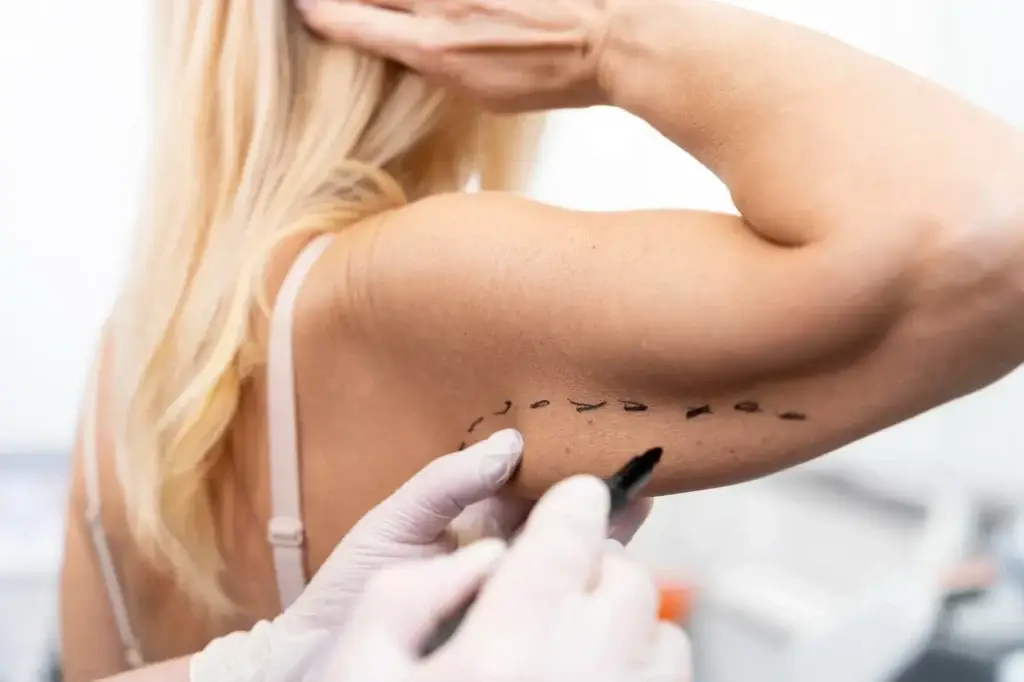
Arm Lift in Mexico Cost and Clinics

Arm lift surgery (brachioplasty) in Mexico is performed at specialist plastic surgery centers in Tijuana, Guadalajara, Monterrey, and Mexico City by board-certified plastic surgeons with extensive body contouring experience — at 60–70% below US costs and 55–65% below UK private costs — making Mexico one of the most popular medical tourism destinations for patients seeking arm lift surgery to address the loose, sagging upper arm skin that cannot be corrected through exercise or weight loss alone. Arm lift surgery removes excess skin and fat from the inner upper arm between the axilla (underarm) and the elbow, tightening the underlying tissue and skin to produce a smoother, firmer upper arm contour. All-inclusive arm lift packages in Mexico cost $2,500–$5,000, compared to an ASPS 2024 average US surgeon fee of $4,861 (total cost with facility and anesthesia $8,000–$14,000) and UK private costs of £5,000–£9,000 (per ASPS 2024 statistics). Mexico's proximity to the United States has made it the preferred international plastic surgery destination for US patients — with major Mexican plastic surgery cities (especially Tijuana, just across the California border) accessible by a 30-minute drive from San Diego. This geographic advantage, combined with the growing availability of board-certified plastic surgeons who trained at Mexican and US institutions, has produced a robust medical tourism infrastructure for arm lift surgery and body contouring procedures across Mexico. The ISAPS 2023 global statistics rank arm lift among the top body contouring procedures globally, driven by both primary aesthetic demand and the growing post-bariatric surgery population requiring skin excision procedures after major weight loss. According to Bookimed's 2026 market data, arm lift is frequently requested as part of comprehensive post-bariatric body contouring packages in Mexico — often combined with tummy tuck, thigh lift, and breast lift for a full transformation after significant weight loss. The arm lift scar is an important consideration for every patient — the scar runs along the inner arm from the underarm to near the elbow, and while it fades significantly over 12–24 months, it remains permanently visible. Mexican plastic surgeons discuss scar management and scar placement during the pre-operative consultation, offering options for scar orientation (bicipital groove versus posterior arm) and recommending silicone scar treatment, sun protection, and massage protocols to optimize scar maturation. Patients with mild arm laxity may be candidates for a mini-brachioplasty (scar limited to the axillary fold, hidden in the underarm) — this option is specifically discussed with patients whose excess skin is confined to the upper third of the arm. Why Choose Mexico for Arm Lift Surgery?. 60–70% cost savings: All-inclusive arm lift from $2,500–$5,000 in Mexico versus $8,000–$14,000 in the US and £5,000–£9,000 in the UK. Proximity to the US: Tijuana is a 30-minute drive from San Diego, Monterrey is a short flight from Houston and Dallas — Mexico is the shortest international travel for US patients seeking cost savings. Post-bariatric body contouring packages: Mexican plastic surgery centers offer comprehensive post-weight loss body contouring packages combining arm lift + tummy tuck + thigh lift ± breast lift — complete transformation at a fraction of US costs. Board-certified plastic surgeons: Mexico's Consejo Mexicano de Cirugía Plástica, Estética y Reconstructiva (CMCPER) — the Mexican board equivalent of the American Board of Plastic Surgery — certifies plastic surgeons following rigorous training and examination standards. All-inclusive packages: Mexican plastic surgery packages include surgeon fee, anesthesia, hospital stay, compression garments, and follow-up — complete cost transparency before travel. Short recovery travel time: Proximity to the US means patients can be home within hours of hospital discharge, reducing total travel burden compared to destinations requiring long-haul flights. Arm Lift Cost in Mexico vs. Other Countries. CountryAverage All-Inclusive Cost (USD)Notes. Mexico$2,500 – $5,000All-inclusive; proximity to US; board-certified surgeons. United States$8,000 – $14,000ASPS 2024: $4,861 surgeon fee + facility + anesthesia. United Kingdom (private)$6,400 – $11,500Private plastic surgery; BAAPS-registered surgeons. Colombia$3,000 – $5,500High body contouring volume; excellent results. Turkey$2,500 – $4,500JCI hospitals; competitive pricing; longer travel. Arm Lift Techniques Available in Mexico. Standard brachioplasty (full arm lift): Elliptical skin excision from axilla to elbow along the inner arm; addresses moderate to severe upper arm skin laxity from skin aging, weight loss, or genetic factors; scar runs the full inner arm length; most effective for comprehensive arm skin tightening. Mini-brachioplasty: Limited skin excision with scar confined to the axillary (underarm) area; appropriate for patients with mild skin excess confined to the proximal upper arm; shorter recovery, less visible scar but limited correction — discuss candidacy with your surgeon. Extended brachioplasty: Extends the arm lift incision onto the lateral chest wall to address excess skin in the lateral chest and bra roll area simultaneously — appropriate for post-bariatric patients with significant lateral torso excess beyond the arm alone. Arm lift with liposuction: Arm lift combined with tumescent liposuction of the upper arm to address fatty excess alongside skin laxity — common in patients who have both excess fat and loose skin; produces more comprehensive arm contouring than skin excision alone. Frequently Asked Questions. How long is recovery after arm lift surgery in Mexico?. Most patients can travel home 5–7 days after arm lift surgery in Mexico, with the following recovery milestones: Days 1–2: hospital discharge with compression sleeves and drain(s) in place; Days 3–5: drains removed (if present), swelling/bruising peaks then begins to subside; Days 7–10: suture check and surgeon clearance for travel; Weeks 2–4: compression sleeves worn continuously, light activity only, arms elevated when resting; Week 4: most patients return to desk work; Week 6: surgeon clears for exercise and full arm use; Months 3–6: scars continue to mature and fade; Month 12+: final scar appearance. Arms remain swollen for 6–8 weeks and the final contouring result is not fully visible until 3–6 months post-surgery when swelling resolves completely. Who is an ideal candidate for arm lift surgery in Mexico?. Ideal arm lift (brachioplasty) candidates in Mexico have: significant upper arm skin laxity that does not respond to exercise or weight training — typically from massive weight loss (bariatric surgery patients losing 40kg+), significant age-related skin laxity, or genetic predisposition to loose upper arm skin; stable body weight (within 5–10kg of goal weight for at least 6 months); realistic expectations about scarring — the arm lift scar runs along the inner arm from axilla to elbow and is permanent, though it fades significantly over 12–24 months; non-smokers or those who have stopped smoking for at least 6 weeks pre-operatively. Patients with mild arm laxity and adequate skin elasticity may achieve satisfactory results through liposuction alone — the brachioplasty recommendation depends on pre-operative skin assessment. What are the different arm lift techniques available at Mexican plastic surgery centers?. Mexican plastic surgeons offer several brachioplasty variants based on the degree of laxity: Standard brachioplasty (full arm lift) — incision from the axilla to the elbow along the inner arm; suitable for significant laxity requiring full-length skin excision; most comprehensive correction. Mini-brachioplasty — shorter incision in the axillary area only; appropriate for patients with laxity limited to the upper third of the arm; less scarring but limited correction. Liposuction-only — for patients with arm fat but good skin elasticity; no excision scar; limited to cases where the skin will retract adequately after fat removal. Extended brachioplasty — incision extends onto the chest wall into the axillary area; for patients with significant axillary and lateral chest laxity extending beyond the arm. The appropriate technique is selected after pre-operative physical examination. Where exactly is the arm lift scar located after surgery in Mexico?. The standard brachioplasty scar in Mexico runs along the posteromedial (inner/back) surface of the upper arm — the least visible position when the arm is held in a natural resting posture at the side. The scar extends from the axilla (armpit) to near the elbow. When the arms are raised or the underside viewed, the scar is visible. Experienced Mexican plastic surgeons position the incision along the natural shadow line of the inner arm to maximize its concealment during normal wear with standard sleeve-length clothing. The scar is red and raised for 3–6 months post-operatively, then gradually fades to a pale, flat line over 12–24 months. Silicone sheets and sun protection during the maturation period are prescribed to optimize scar outcomes. Can arm lift be combined with other procedures during a Mexico surgery trip?. Arm lift is commonly combined with other body contouring procedures in Mexico, particularly as part of a post-bariatric or post-significant-weight-loss body lift. Common combinations include: arm lift + thigh lift (addressing both upper extremity and lower extremity laxity); arm lift + tummy tuck (the most common mommy makeover + weight loss extension); arm lift + breast lift (addressing upper body laxity comprehensively). When combined with other procedures, total surgical time must stay within the safe 5–6 hour limit — extensive combinations may require staging across two sessions. Arm lift combined with liposuction of the arms is routinely performed simultaneously, with liposuction first (to remove deep fat) followed by skin excision (to remove excess lax skin). What are the recovery restrictions after arm lift surgery in Mexico?. Recovery restrictions after brachioplasty in Mexico: Week 1: arms elevated above heart level as much as possible to reduce swelling; no lifting, reaching, or raising arms above shoulder height; pain controlled with prescription analgesics; drains present in most cases, managed at the clinic at day 3–5. Weeks 2–4: drain removal; light activity with arm movement below shoulder level; no driving for 3–4 weeks (grip and steering impaired); desk work resumed at 2–3 weeks. Weeks 4–6: graduated arm movement; avoid lifting over 5kg. After 6 weeks with surgeon clearance: return to exercise; avoid heavy arm training for 3 months. Compression arm garment worn 6 weeks continuously, then daytime-only for another 4 weeks to minimize swelling and support scar maturation. What is the typical recovery stay in Mexico after arm lift surgery?. Plan 10–14 days in Mexico for arm lift surgery. Surgery takes place on day 2 (after day 1 pre-operative consultation and assessment). Hospital stay is typically 1 night. Days 3–10: recovery at a hotel near the surgical center; limited arm mobility; drain management; wound care. Day 10–12: final surgeon examination, drain removal if still in place, wound check, travel clearance. Flying home with the arms in a comfortable position (avoiding overhead baggage stowing) is feasible at 10–14 days for most arm lift patients. After returning home, the compression garment is worn continuously for a further 4 weeks with local follow-up at 6 weeks post-surgery recommended. Are board-certified plastic surgeons performing arm lifts in Mexico qualified for this specific procedure?. Board-certified Mexican plastic surgeons (certified by the Consejo Mexicano de Cirugía Plástica, Estética y Reconstructiva — CMCPER) receive comprehensive training in body contouring procedures including brachioplasty as part of their plastic surgery residency. CMCPER certification requires completion of Mexican medical school, a general surgery residency, and a 3-year plastic surgery specialty residency. Arm lift is a technically demanding procedure — particularly the incision placement along the inner arm neurovascular anatomy — and ideally should be performed by surgeons who perform brachioplasty regularly (not occasionally). When evaluating Mexican plastic surgeons for arm lift, ask to see before-and-after photos specifically from arm lift patients and inquire about their annual brachioplasty case volume. Will I need lymphatic massage after arm lift in Mexico?. Yes — manual lymphatic drainage (MLD) massage after arm lift in Mexico is recommended to reduce arm swelling and prevent fibrosis formation in the healing tissue. The upper arm has rich lymphatic drainage that is disrupted by the surgery; lymphatic massage accelerates reabsorption of post-surgical edema, reduces the risk of prolonged firmness in the inner arm tissue, and improves the final contouring smoothness. Mexican plastic surgery centers typically include lymphatic massage sessions in the all-inclusive package — beginning day 5–7 post-surgery, with sessions every 1–2 days during the in-country recovery stay. Continuing lymphatic massage weekly for 4–6 weeks after returning home is recommended — available from certified MLD therapists globally. What are the risks specific to arm lift surgery in Mexico?. Arm lift-specific complications at Mexican plastic surgery centers include: wound dehiscence (partial opening of the incision — most common at the axillary end where tension is highest); seroma formation (fluid accumulation under the skin flap — managed with compression and aspiration); temporary or prolonged numbness along the inner arm (from skin flap mobilization affecting cutaneous nerves — usually resolves over weeks to months); hypertrophic or widened scarring (a known risk with arm scars that bears more tension than trunk scars — managed with silicone therapy, compression, and sometimes steroid injection if needed); and infection (rare at accredited Mexican surgical centers with standard antibiotic prophylaxis). General anaesthesia and DVT risks are managed with standard protocols at Mexican hospital-based surgical facilities. How does arm lift cost in Mexico compare to the United States and United Kingdom?. Arm lift surgery in Mexico typically costs $2,500–$5,000 all-inclusive (surgeon + anaesthesia + hospital + post-operative care), compared to US costs of $6,000–$12,000 (ASPS 2024: $4,257 average surgeon fee plus facility and anaesthesia) and UK private costs of £5,000–£9,000. This represents savings of 55–70% versus US and UK pricing for equivalent CMCPER board-certified surgeon quality. Mexican all-inclusive brachioplasty packages cover surgeon fee, anaesthesia, hospital admission, compression garment, post-operative medications, lymphatic massage sessions, and surgeon follow-up appointments — the total transparent price before travel eliminates the itemized billing surprise common in US and UK private practice. Sources. American Society of Plastic Surgeons (ASPS). Plastic Surgery Statistics Report 2024. International Society of Aesthetic Plastic Surgery (ISAPS). Global Aesthetic/Cosmetic Procedures Statistics 2023. Bookimed. Arm Lift in Mexico: Prices and Clinics 2026.

BBL in Dominican Republic Cost and Clinics

Brazilian Butt Lift (BBL) in the Dominican Republic is performed at specialist body contouring and plastic surgery centers in Santo Domingo and Santiago by board-certified plastic surgeons experienced in fat transfer buttock augmentation — at 55–65% below US costs and 50–60% below UK costs — with the Dominican Republic's high-volume liposuction and body contouring culture producing surgeons skilled in the 360° liposuction and fat transfer combination that defines the BBL procedure. BBL uses the patient's own fat — harvested by liposuction from the abdomen, flanks, and back — processed and purified, then injected into the subcutaneous tissue of the buttocks to add volume, projection, and shape simultaneously with whole-waist sculpting. All-inclusive BBL packages in the Dominican Republic cost $4,000–$8,000, compared to an ASPS 2024 average US surgeon fee of $4,795 (total cost with facility and anesthesia $10,000–$18,000) and UK private costs of £8,000–£15,000 (per ASPS 2024 statistics). The Dominican Republic has developed a significant BBL tradition — built on the cultural premium placed on a curvaceous, defined silhouette and the high domestic demand for body contouring procedures that has created a robust surgical ecosystem for simultaneous liposuction and fat transfer. Dominican plastic surgeons performing BBL procedures at high volume have refined the donor area sculpting technique — 360° liposuction of the abdomen, flanks, love handles, and lower back — that is as important to the final BBL result as the fat transfer itself; the dramatic waist definition achieved through comprehensive donor area liposuction is what makes the enhanced buttock projection visually striking. The ISAPS 2023 global statistics confirm BBL as one of the fastest-growing procedures globally. According to Bookimed's 2026 market data, BBL is one of the most frequently requested procedures at Dominican plastic surgery centers by international patients. The critical BBL safety question — as with all global BBL destinations — is injection technique. International patients should explicitly ask their Dominican plastic surgeon: "Do you inject fat only into the subcutaneous layer, or also into the muscle?" The answer must be subcutaneous only. Intramuscular BBL fat injection — placing fat directly into the gluteus maximus muscle — creates proximity to large gluteal veins and carries the risk of fat embolism. Board-certified Dominican plastic surgeons following evidence-based subcutaneous injection protocols deliver the highest safety profile. Verify your surgeon's SDCPRE certification and ask specifically about their injection plane protocol before booking. Why Choose the Dominican Republic for BBL?. 55–65% cost savings: All-inclusive BBL from $4,000–$8,000 in the Dominican Republic versus $10,000–$18,000 in the US and £8,000–£15,000 in the UK. 360° contouring included: Dominican BBL packages include comprehensive 360° liposuction of the waist, flanks, and back — the full body sculpting that creates the dramatic silhouette transformation, not just the buttock fat transfer alone. Caribbean aesthetic S-curve expertise: Dominican body sculpting philosophy targets the defined waist, hip curves, and posterior projection that define the Caribbean ideal silhouette. Proximity to the US East Coast: 2.5–4 hour flights from Miami and New York — minimal travel burden, important for post-BBL recovery travel. Post-operative care infrastructure: Lymphatic massage, BBL foam boards and pillows, compression garments, and recovery hotel infrastructure well-established at major Dominican plastic surgery centers. Subcutaneous-only injection safety: Board-certified Dominican plastic surgeons following safe subcutaneous injection protocols — verify explicitly with your specific surgeon. BBL Cost in the Dominican Republic vs. Other Countries. CountryAverage All-Inclusive Cost (USD)Notes. Dominican Republic$4,000 – $8,000360° lipo included; US East Coast proximity; Caribbean aesthetic. United States$10,000 – $18,000ASPS 2024: $4,795 surgeon fee + facility + anesthesia. United Kingdom (private)$10,240 – $19,200Limited BBL surgeons; growing demand. Colombia$4,000 – $8,000Latin America's BBL leader; highest global volume. Turkey$4,500 – $9,000JCI hospitals; subcutaneous technique. BBL Procedure in the Dominican Republic. 360° donor area liposuction: Tumescent liposuction of the abdomen, flanks, lower back, and lateral hips — comprehensive waist sculpting that defines the S-curve silhouette; small cannulas used to maximize fat cell viability for transfer; 1,500–3,000ml typically harvested. Fat processing: Harvested fat centrifuged (1,200rpm, 3 minutes) or decanted; blood and damaged fat cells removed; purified fat ready for injection — typically 60–70% viable of total aspirated volume after processing. Subcutaneous fat injection: Purified fat injected into upper, lateral, and lower buttock quadrants using blunt cannulas via tiny access points; layered micro-injection maximizes surface area of vascularized tissue contact; 400–1,200ml per buttock depending on donor availability and goals. Recovery: 1 night hospital admission; BBL foam boards and pillow; no direct sitting on buttocks for 2 weeks; lymphatic massage from day 5; compression garment 6–8 weeks; travel clearance at day 10–14. Frequently Asked Questions. How long do BBL results last in the Dominican Republic?. BBL results are permanent — the fat cells that integrate successfully become permanent residents of the buttock tissue. Approximately 60–80% of transferred fat survives at 12 months; the remaining 20–40% is reabsorbed within the first 3 months (which is why surgeons over-inject by 20–30% to account for reabsorption). Once established, the surviving fat behaves like any other body fat — it remains proportionally stable at a maintained body weight, and decreases (with all body fat) if you lose significant weight after surgery. Maintain a stable body weight within ±5–7kg after BBL to preserve the fat transfer result. Final results are fully established at 6–12 months post-surgery. What is the difference between BBL in the Dominican Republic versus Colombia?. Both the Dominican Republic and Colombia are leading Latin American BBL destinations with board-certified surgeons, comparable all-inclusive pricing ($4,000–$8,000), and high procedural volumes. The key differences: Colombia has a higher total BBL volume globally — Bogotá and Medellín surgeons perform 500–1,000+ BBLs annually, giving Colombia an edge in sheer technical repetition. The Dominican Republic offers significantly shorter travel times for US East Coast patients (2.5–4 hours from Miami/New York vs. 4.5–6 hours to Colombia), no visa requirements for US citizens, and a patient infrastructure specifically built around the Dominican diaspora community with English-Spanish bilingual care. Both are legitimate quality destinations — choice comes down to surgeon relationship, proximity, and which aesthetic tradition appeals to you. How is BBL safety in the Dominican Republic ensured?. BBL safety in the Dominican Republic depends primarily on three factors: SDCPRE board certification of the surgeon; subcutaneous-only fat injection technique (not intramuscular, which is the injection plane that creates fat embolism risk); and surgery performed at a licensed private hospital — not an office-based surgical suite. Ask your Dominican surgeon directly: "Do you inject fat subcutaneously only, or also into the muscle?" The answer must be subcutaneous only. Verify their SDCPRE certification and the hospital accreditation of the surgical facility before booking. Package pricing below $3,500 for a full BBL in the Dominican Republic is a red flag suggesting compromises on one of these three safety pillars. What is the no-sitting protocol after BBL in the Dominican Republic and why does it matter?. For 2 weeks after BBL surgery in the Dominican Republic, you must avoid sitting directly on your buttocks. The transferred fat cells require 2–3 weeks to establish new blood vessel connections (revascularization) in the recipient tissue — compression from sitting disrupts this process and significantly reduces fat survival rates. Use a BBL pillow (a donut-shaped cushion that supports the thighs, not the buttocks) for any sitting within weeks 1–6 post-surgery. Sleep face-down or on your side for the first 2–4 weeks. Dominican recovery houses provide beds and seating specifically set up for post-BBL patients. After 6 weeks with surgeon clearance, unrestricted sitting resumes. How much fat transfer volume is typically achieved in a BBL in the Dominican Republic?. Total fat injection volume per BBL in the Dominican Republic typically ranges from 600–2,000cc total (300–1,000cc per buttock) — dependent on how much viable donor fat is available after 360° liposuction and processing. Dominican surgeons over-inject by 20–30% to account for the 20–40% natural fat reabsorption expected in the first 3 months. Patients with a BMI of 24–28 with fat concentrated in the abdomen and flanks typically achieve the best augmentation volumes. Very lean patients (BMI below 21–22) have limited donor fat and may achieve only modest augmentation — Colombian surgeons recommend gluteal implants or a combined implant+fat approach for lean patients seeking significant volume increase. What does recovery look like day by day after BBL surgery in the Dominican Republic?. Day 1 (surgery): 3–5 hour procedure; 1 night hospital admission; compression faja applied; foam boards placed on flanks/back; BBL pillow provided. Days 2–5: discharge to recovery hotel; moderate soreness and swelling; walk carefully; drains managed; no direct buttock sitting. Day 5: lymphatic massage begins — typically daily for the first 5–7 sessions. Days 6–12: continue lymphatic massage every 1–2 days; swelling peaks then starts reducing; surgeon check at day 7–10. Days 12–14: travel clearance appointment; fly home with BBL pillow for the flight. Home (weeks 2–8): compression garment 23h/day; continue lymphatic massage weekly; BBL pillow for sitting for 6 weeks; full activity at 8 weeks. What compression garment is required after BBL in the Dominican Republic?. A full-body faja (compression garment) covering the liposuctioned waist, abdomen, flanks, and back is worn continuously for 6–8 weeks post-BBL in the Dominican Republic. Critically, the faja does NOT extend over the buttocks — buttock compression reduces blood flow to the newly transferred fat cells during revascularization and significantly reduces fat survival rates. Foam boards (lumbar/flank area) are worn inside the faja during the first 3–4 weeks to prevent liposuction contour irregularities in the harvested areas. Dominican BBL packages include the faja and foam boards; additional garments are available through the recovery facility if replacements are needed. How do I maintain my BBL results after returning home from the Dominican Republic?. Maintain BBL results after the Dominican Republic: keep body weight within ±5kg of your post-operative weight (the transferred fat cells respond to weight fluctuations like other body fat — loss reduces them, gain enlarges them); continue wearing the compression garment as prescribed for 8 weeks total; complete weekly lymphatic massage for 6–8 weeks after returning home; avoid direct buttock pressure (no sitting without the BBL pillow) for 6 weeks; maintain a protein-rich diet during recovery to support healing; and attend local follow-up at 6 weeks with a physician who can examine your healing. The Dominican surgeon remains contactable by WhatsApp or video call for post-operative questions. Can I combine BBL with other procedures during my Dominican Republic trip?. BBL can be combined with breast augmentation, breast lift, or tummy tuck (mommy makeover) during the same Dominican surgical session when the patient's health status permits and the total surgical time stays within the safe 5–6 hour limit. Combining BBL with tummy tuck requires careful positioning planning — the tummy tuck component is performed with the patient supine, while the BBL fat injection is performed prone. Dominican plastic surgeons experienced in combination surgery manage this sequencing efficiently. Adding additional procedures to a BBL increases total surgical time, anaesthesia exposure, and recovery complexity — feasibility is assessed individually during the pre-operative consultation. What is the final BBL result timeline after Dominican Republic surgery?. BBL results become progressively visible over 6–12 months as post-surgical swelling resolves and transferred fat integrates. At 2 weeks: significant swelling present; result overestimates final volume. At 6 weeks: compression garment removed; swelling largely resolved; final shape becoming apparent. At 3 months: fat reabsorption complete; the volume remaining at 3 months represents the permanent, established result — typically 60–80% of what was injected. At 6–12 months: all swelling fully resolved; skin retracted to final contour; definitive evaluation of the BBL result. The result at 6 months represents what your body looks like indefinitely at that weight. What are the costs involved in a BBL trip to the Dominican Republic beyond the surgery package?. Beyond the all-inclusive BBL surgical package ($4,000–$8,000), budget for: return flights from your home city (typically $300–$800 from major US East Coast cities); a recovery hotel or recovery house for 10–14 days ($500–$1,500 depending on level of care included); the BBL pillow if not included in the package ($40–$80); airport transfers ($50–$150 round-trip); additional lymphatic massage sessions if package includes fewer than 10 ($50–$100 per session); and home-country follow-up care including compression garment replacement and local lymphatic massage ($100–$300). Total trip cost (surgery + travel + accommodation + ancillaries) for a Dominican Republic BBL typically ranges $6,000–$11,000 all-in — still substantially below the US total cost of $10,000–$18,000 for the surgical component alone. Sources. American Society of Plastic Surgeons (ASPS). Plastic Surgery Statistics Report 2024. International Society of Aesthetic Plastic Surgery (ISAPS). Global Aesthetic/Cosmetic Procedures Statistics 2023. Bookimed. BBL in the Dominican Republic: Prices and Clinics 2026.

Rhinoplasty in Mexico Cost and Clinics

Rhinoplasty in Mexico delivers precision nose reshaping by CMCP-certified surgeons at 55–70% below US prices, with direct flights from virtually every US city and no visa requirements for US and Canadian citizens. Tijuana—minutes from San Diego by car—and Mexico City host established rhinoplasty specialists performing open rhinoplasty, closed rhinoplasty, revision rhinoplasty, and septoplasty-rhinoplasty combinations. All-inclusive rhinoplasty packages in Mexico run $2,500–$5,000, compared to a US surgeon fee average of $5,483 (per ASPS 2024 data) plus facility and anesthesia charges that typically total $8,000–$15,000. The ISAPS 2023 Global Survey ranks rhinoplasty as the most performed aesthetic facial procedure worldwide for the seventh consecutive year, with an estimated 700,000+ procedures performed globally. Mexico has a particularly strong rhinoplasty tradition given its large domestic market demand, and experienced surgeons are well-versed in the full range of nasal anatomy types seen in both Hispanic and non-Hispanic patients. Rhinoplasty Cost in Mexico vs. Other Countries. CountryAverage Cost (USD)What's Typically Included. Mexico$2,500 – $5,000Surgery, anesthesia, 1 hospital night, hotel, transfers, coordinator. United States$8,000 – $15,000Surgeon fee ($5,483 avg per ASPS 2024) + facility + anesthesia; no accommodation. Colombia$2,000 – $4,500Surgery; accommodation extra at most centers. Turkey$2,500 – $5,500Surgery, hospital, hotel, transfers typically included. South Korea$4,000 – $9,000Surgery; accommodation extra. The Mexico range reflects Bookimed's 2026 market data for rhinoplasty at accredited Mexican plastic surgery centers. Rhinoplasty Techniques Available in Mexico. Open rhinoplasty: Small incision across the columella (tissue between nostrils) plus internal incisions; provides maximum visibility and precision; preferred for significant structural changes, tip work, and grafting; slight scar on columella that fades to near-invisible. Closed rhinoplasty: All incisions inside the nostrils; no external scar; faster recovery; suitable for limited corrections with less need for tip cartilage manipulation. Septoplasty + rhinoplasty: Combines deviated septum correction (functional) with cosmetic reshaping; often covered by insurance for the septoplasty component if performed in the US—but many patients pursue both components together during their Mexico rhinoplasty. Revision rhinoplasty: Corrects results from a prior rhinoplasty; more complex due to altered anatomy and scar tissue; requires specialized expertise; available at experienced centers in Mexico City and Tijuana. Rhinoplasty Recovery Timeline in Mexico. TimelineWhat to Expect. Day 1–2Nasal splint in place; swelling and bruising around eyes; 1 hospital night. Day 3–5Staying at hotel; congestion; bruising peaking; most patients comfortable walking. Day 7–10Splint and sutures removed; most patients cleared to fly by day 7–10. Week 2–3Bruising fading; significant swelling remains; return to desk work. Month 1–3Tip swelling still resolving; ~80% of final result visible. Month 6–12Final shape fully visible; tip definition complete. Frequently Asked Questions. How much does rhinoplasty cost in Mexico in 2026?. Based on Bookimed's 2026 market data, all-inclusive rhinoplasty packages in Mexico range from $2,500 to $5,000—compared to US total costs of $8,000–$15,000. How long do I need to stay in Mexico for rhinoplasty?. Plan for 7–10 days total: surgery day, 1 hospital night, 5–7 recovery hotel nights before flying home. Most surgeons clear patients to fly once the splint is removed and they confirm no complications—typically day 7–10. Flying earlier is not recommended due to swelling, congestion, and altitude changes that can affect healing. What rhinoplasty techniques are available at Mexican plastic surgery centers?. Mexican CMCPER-certified plastic surgeons perform all standard rhinoplasty techniques: open rhinoplasty — columellar incision plus bilateral marginal incisions for maximum visualization; preferred for complex structural work, tip refinement, and cartilage grafting. Closed rhinoplasty — all intranasal incisions; no external scar; faster recovery; appropriate for dorsal reduction and minor tip adjustments with less direct visualization. Tip rhinoplasty — limited approach addressing nasal tip projection, rotation, and definition only. Septorhinoplasty — combined aesthetic rhinoplasty and septoplasty for functional airflow correction. Revision rhinoplasty — secondary correction of previous rhinoplasty; significantly more complex; requires surgeons with specific revision experience. Ethnic rhinoplasty — technique adaptation to preserve features important to specific ethnic anatomical characteristics while addressing the patient's aesthetic goals. How long does swelling last after rhinoplasty performed in Mexico?. Post-rhinoplasty swelling in Mexico follows a consistent timeline: major bruising and periorbital swelling ("raccoon eyes") peaks at days 3–5 and largely resolves over 10–14 days. The nasal cast is removed at day 7. At 4–6 weeks, 60–70% of swelling has subsided and the result is socially presentable. Nasal tip swelling — the slowest area to resolve — persists for 9–18 months because of the tip's lower vascularity and disrupted lymphatic drainage during surgery. The definitive rhinoplasty result is not visible until 12 months post-surgery. Patients with thick nasal skin experience slower swelling resolution and slightly less visible definition in the final result than thin-skinned patients. Can rhinoplasty in Mexico also improve nasal breathing?. Yes — septorhinoplasty combines aesthetic reshaping with functional correction of nasal obstruction. The most common functional cause is a deviated nasal septum — corrected through septoplasty during the same surgical approach. Enlarged turbinates (nasal structures that can obstruct airflow when hypertrophied) can also be reduced simultaneously. Internal nasal valve collapse — where the nasal sidewall collapses inward during inspiration — is addressed with spreader grafts or flaring sutures during rhinoplasty. Mexican plastic surgeons trained in functional rhinoplasty assess both the aesthetic and functional anatomy during the pre-operative consultation. If nasal obstruction is a primary concern, confirm your Mexican surgeon's experience with functional rhinoplasty alongside cosmetic reshaping. What materials are used as grafts during rhinoplasty in Mexico?. Grafts used in Mexican rhinoplasty provide structural support, refinement, or projection correction. Autologous cartilage grafts — harvested from the patient's own nasal septum (primary source), ear (auricular concha), or rib (for large grafts) — are the gold standard; incorporated naturally without rejection risk. Common graft types: columellar strut (tip projection support); spreader graft (internal valve support); tip grafts (onlay, shield, cap grafts for tip definition); alar rim grafts (lateral crural support). Cartilage from the septum is used first; ear cartilage is the preferred secondary source for smaller revisions; rib cartilage is reserved for major revision rhinoplasty or complex reconstruction. Alloplastic implants (silicone, Medpor) are occasionally used for dorsal augmentation in specific anatomical cases but carry higher infection risk than autologous cartilage. How do I verify that a Mexican rhinoplasty surgeon has specific rhinoplasty expertise?. CMCPER board certification is the baseline credential — but rhinoplasty expertise within plastic surgery requires additional assessment. Ask: What percentage of your surgical practice is rhinoplasty? Annual rhinoplasty case volume (50+ cases per year indicates active specialization)? Have you performed any rhinoplasty fellowship or subspecialty training beyond the plastic surgery residency? Are you a member of Mexico's rhinoplasty specialty society (Sociedad Mexicana de Rinología y Cirugía Facial — SMRCF)? Can you provide 30+ before-and-after photos from your rhinoplasty patients — specifically cases similar to my anatomy? Mexican rhinoplasty subspecialists in Mexico City and Guadalajara serve both domestic patients and international medical tourists specifically seeking nose surgery expertise. What activities are restricted after rhinoplasty in Mexico?. Weeks 1–2: complete rest; no bending, straining, or heavy lifting; head elevated 30–45 degrees; nasal splint continuously for 7 days; avoid blowing the nose; nasal saline rinses per surgeon protocol. Weeks 2–4: light activity; no glasses on the nose for 4–6 weeks (tape to forehead instead); avoid nose pressure; continue sun protection. Weeks 4–8: most daily activities; desk work from week 2; avoid contact sports and nasal impact risk. Weeks 8+: full return to exercise. 3 months: contact sports cleared. Sun exposure to the nose should be minimized for 6–12 months to prevent post-inflammatory hyperpigmentation of healing incisions — a particularly important consideration for patients with darker Fitzpatrick skin types. How long should I plan to stay in Mexico after rhinoplasty?. Plan 10–14 days in Mexico for rhinoplasty. Day 1: consultation, pre-operative assessment, blood work. Day 2: surgery. Days 3–7: hotel recovery; nasal splint and cast intact; significant swelling and bruising. Day 7: splint removal appointment — a critical milestone revealing the early result for the first time. Days 8–14: recovery continues; surgeon checks healing; travel clearance typically given at day 10–12 when the surgeon is satisfied with wound healing and absence of complication signs. Flying home before the splint removal (before day 7) is not recommended as the post-removal check is important for wound assessment and early result evaluation. What is the revision rhinoplasty rate and how are revisions managed in Mexico?. Rhinoplasty has the highest revision rate of all aesthetic procedures globally — approximately 5–15% depending on surgeon experience and case complexity. Minor revisions (injection of steroid or filler at the tip, suture adjustment under local anaesthesia) are performed at 6–12 months when the initial swelling has fully resolved. Major revisions (cartilage repositioning, additional grafting) require full reoperation — technically more complex than primary surgery due to scar tissue. Leading Mexican rhinoplasty surgeons provide initial consultations for revision at no charge for their own patients; revision surgeon fee is typically discounted versus the primary procedure fee for documented complications. Patients who undergo revision rhinoplasty in Mexico should bring full operative records from the primary surgery to the revision consultation. How does rhinoplasty cost in Mexico compare to the United States?. Rhinoplasty in Mexico costs $3,500–$7,000 all-inclusive (surgeon, anaesthesia, hospital or accredited surgical facility, post-operative medications, splint, follow-up) — compared to US costs of $10,000–$18,000 for equivalent primary rhinoplasty at a board-certified plastic surgeon. Savings of 55–65% are achievable with CMCPER board-certified Mexican rhinoplasty surgeons using the same open and closed technique approaches as US surgeons. For revision rhinoplasty (technically more complex), Mexico costs $5,000–$9,000 versus US $15,000–$25,000. Mexican rhinoplasty all-inclusive packages in cities including Mexico City, Guadalajara, Monterrey, and Tijuana cover all costs through the surgical stay and in-country follow-up. What pre-operative preparation is needed before rhinoplasty in Mexico?. Pre-operative preparation for rhinoplasty in Mexico: Stop aspirin, ibuprofen, NSAIDs, and blood-thinning supplements (omega-3, vitamin E, garlic, ginkgo) 2 weeks before surgery — these impair platelet function and increase bruising. Stop smoking 6 weeks before surgery — nicotine impairs wound healing and increases infection risk. Avoid alcohol for 2 weeks before surgery. Complete pre-operative blood work (CBC, coagulation studies, metabolic panel) — organized by the Mexican clinic on arrival day or provided from your home country in advance. Bring front, side, and oblique pre-operative photographs. Arrange 10–14 days away from work and social obligations. Arrange a companion to escort you from the surgical center on day 1 post-surgery — you should not navigate alone while in early post-anaesthesia recovery. Sources. American Society of Plastic Surgeons (ASPS). 2024 Plastic Surgery Statistics Report. International Society of Aesthetic Plastic Surgery (ISAPS). ISAPS Global Survey 2023. Bookimed. Rhinoplasty in Mexico: Prices and Clinics 2026.
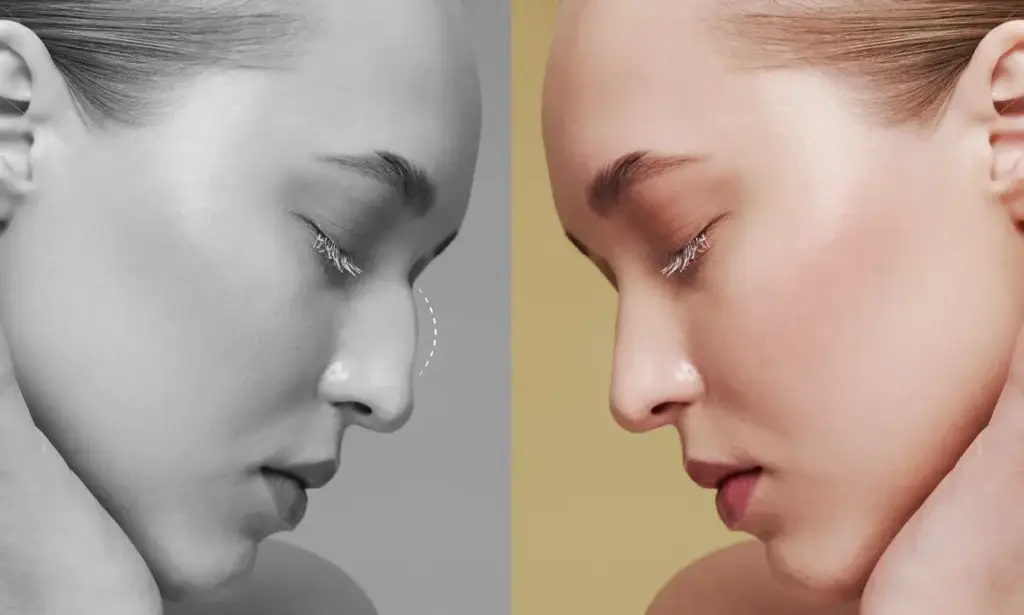
Mommy Makeover in Mexico Cost and Clinics

Mommy makeover surgery in Mexico combines multiple body contouring and breast procedures in a single operating session—at 55–70% below US prices, with no visa requirements for US and Canadian citizens and direct flights from most North American cities. Mexico's CMCP-certified plastic surgeons in Tijuana, Cancún, and Mexico City customize mommy makeover packages to each patient's anatomy and goals, typically combining tummy tuck (abdominoplasty) + breast lift (mastopexy) ± augmentation, with optional liposuction. All-inclusive mommy makeover packages in Mexico run $7,000–$14,000, compared to US total costs of $18,000–$35,000+ when the same procedures are priced individually. The ASPS 2024 data shows that tummy tuck, breast lift, and breast augmentation together account for three of the top six most performed aesthetic surgical procedures in the US. Combining them in one session under one anesthesia reduces total recovery time, total cost, and the number of surgical episodes—making the combination procedure particularly appealing for patients traveling internationally. The ISAPS 2023 Global Survey confirms that combination body contouring procedures are among the fastest-growing segments in aesthetic surgery globally. Mommy Makeover Cost in Mexico vs. Other Countries. CountryAverage Cost (USD)What's Typically Included. Mexico$7,000 – $14,000All procedures, anesthesia, hospital stay, hotel, transfers, garment, coordinator. United States$18,000 – $35,000+Surgeon fees + facility + anesthesia for each procedure; no accommodation. Colombia$6,000 – $12,000Procedures combined; accommodation extra at most centers. Turkey$7,000 – $13,000Procedures, hospital, hotel, transfers included. Thailand$8,000 – $15,000Procedures; accommodation extra at most centers. The Mexico range reflects Bookimed's 2026 market data. Final cost depends on the specific combination of procedures confirmed at consultation. Common Mommy Makeover Procedure Combinations. Core combination: Tummy tuck (abdominoplasty) + breast lift (mastopexy) — addresses abdominal skin laxity + muscle separation + breast ptosis simultaneously. Most common full package: Tummy tuck + breast lift + breast augmentation (implants) + liposuction of flanks — comprehensive restoration of pre-pregnancy contour. Volume-restoration variant: Tummy tuck + breast augmentation (without lift) — for patients with mild to moderate ptosis who primarily want volume restored. Body-only: Tummy tuck + liposuction (multiple areas) — for patients satisfied with breast appearance but seeking comprehensive abdominal and body contour correction. Recovery Timeline. TimelineWhat to Expect. Day 1–21–2 hospital nights; compression garment and surgical bra fitted; drains in place. Day 3–7Hotel recovery; drains removed; limited walking; pain managed. Day 7–10Most patients cleared to fly; sutures inspected or removed. Week 2–3Return to desk work; no lifting or bending; compression garment worn. Week 6Return to exercise cleared by most surgeons. Month 3–6Final contour visible; scars fading; swelling fully resolved. Frequently Asked Questions. How much does a mommy makeover cost in Mexico in 2026?. Based on Bookimed's 2026 market data, all-inclusive mommy makeover packages in Mexico range from $7,000 to $14,000 depending on the specific procedure combination—compared to US total costs of $18,000–$35,000+. When can I have a mommy makeover after having children?. Most plastic surgeons recommend waiting until you have completed your family and have maintained a stable weight for at least 6 months post-weaning. Subsequent pregnancies after a mommy makeover can reverse results—particularly the tummy tuck component. Breastfeeding should be fully complete for at least 3–6 months before breast surgery to allow breast tissue to stabilize. Confirm your specific timeline with your surgeon at consultation. What procedures are typically combined in a mommy makeover in Mexico?. A mommy makeover in Mexico is a customized combination procedure addressing post-pregnancy body changes in a single surgical session. The typical combination includes: abdominoplasty (tummy tuck) — repairs diastasis recti, removes loose abdominal skin, and tightens the abdominal wall; breast surgery — augmentation (to restore lost volume), mastopexy (breast lift for ptosis), or augmentation-mastopexy (volume restoration plus lift); and circumferential liposuction — 360° treatment of flanks, waist, back, and outer thighs for overall body contouring. Optional additions include: arm lift (brachioplasty), thigh lift, or BBL (fat transfer to buttocks). Mexican CMCPER-certified plastic surgeons customize the combination based on each patient's anatomy and goals — there is no single standard mommy makeover, the procedure is defined by the individual patient's post-pregnancy changes and the treatments needed to address them. Is it safe to combine multiple procedures in a single mommy makeover session in Mexico?. Combined mommy makeover procedures are safe at accredited Mexican plastic surgery centers when performed by CMCPER-certified surgeons within established safety parameters: total anaesthesia time under 6–8 hours (most mommy makeovers at experienced centers are 4–6 hours); procedures performed in accredited hospitals or surgical centers with full intraoperative monitoring; careful patient selection (BMI under 32–35, non-smoker, no significant medical comorbidities, no active blood coagulation disorders); DVT prophylaxis (compression stockings, sequential compression devices during surgery, and post-operative early ambulation); and adequate pre-operative workup. The safety advantage of combination in a single session: one anaesthesia exposure, one recovery period, one trip to Mexico, lower total surgical cost. Mexican plastic surgeons assess each patient individually — patients with elevated risk factors may be advised to stage procedures across two sessions. When should I wait before having a mommy makeover in Mexico after pregnancy?. Mexican plastic surgeons recommend waiting until: breastfeeding is completely finished for minimum 3–6 months (breast tissue changes during lactation make implant sizing and breast lift planning inaccurate); body weight has stabilized at or near your pre-pregnancy or goal weight for at least 3–6 months (significant post-operative weight loss after mommy makeover affects both abdominal and breast results); you have no immediate plans for additional pregnancies (pregnancy after mommy makeover reverses tummy tuck results significantly — the abdominal muscle repair is disrupted, and the lifted skin is stretched again; breast results are similarly affected). Most patients wait minimum 6–12 months post-delivery and post-weaning. Attempting a mommy makeover while planning future pregnancies means planning for revision surgery. What is the recovery timeline for a mommy makeover in Mexico?. Mommy makeover recovery in Mexico: Days 1–3: hospital stay; abdominal binder and surgical bra; drains from tummy tuck; significant soreness and limited mobility. Days 3–7: hotel recovery; drain management; limited walking; head-of-bed elevation for abdominal incision comfort. Days 7–10: drain removal and wound check at surgeon's clinic; drains removed when output drops below 30ml per drain per day. Days 10–14: travel clearance; fly home. Weeks 2–4: desk work resumes; no lifting over 2kg; compression garment and surgical bra 23h/day. Weeks 4–6: light activity; most daily tasks except heavy lifting; garment transitioned to daytime. After 6 weeks: return to exercise with clearance. Mommy makeover has a longer and more involved recovery than a single procedure — arrange domestic help and childcare assistance for the first 4 weeks after returning home, as lifting children is restricted. How does mommy makeover cost in Mexico compare to the United States?. Mommy makeover in Mexico costs $8,000–$14,000 all-inclusive (surgeon, anaesthesia, hospital, implants if included, compression garment, drains, medications, follow-up) — compared to US costs of $20,000–$35,000 for the same combination (tummy tuck + breast augmentation + liposuction billed separately plus facility and anaesthesia overhead). Savings of 55–65% are achievable with CMCPER board-certified Mexican plastic surgeons. Mexico's mommy makeover all-inclusive price covers the entire combination in a single quoted fee — no separate facility billing, no separate anaesthesia billing, and no implant "brand upgrade" upselling; Mentor and Allergan/AbbVie silicone implants are standard. For US patients who cannot obtain medical insurance coverage for any mommy makeover component, Mexico's self-pay pricing makes the combination accessible at total costs lower than many US surgeons' surgeon fee alone for equivalent procedures. What implant options are available for the breast surgery component of mommy makeover in Mexico?. Mommy makeover breast augmentation in Mexico uses FDA-approved and CE-marked silicone gel implants from major manufacturers: Allergan/AbbVie (Natrelle line — Inspira cohesive gel, anatomical shaped implants), Mentor (MemoryGel — high-cohesion round and shaped implants), and Motiva (Ergonomix — adaptive-feel implants with excellent natural movement). All three brands are available at leading Mexican plastic surgery centers at no implant brand upcharge. Round implants are most commonly used for post-pregnancy volume restoration with simultaneous mastopexy; anatomical (teardrop) shaped implants are used in specific cases requiring precise lower pole projection. Implant size selection — the most impactful decision — is made collaboratively between surgeon and patient at the pre-operative consultation using sizer trials and 3D imaging at centers equipped with Vectra or similar systems. What does the diastasis recti repair component of mommy makeover involve in Mexico?. Diastasis recti — separation of the paired rectus abdominis muscles along the linea alba — occurs in a majority of pregnancies as the growing uterus stretches the abdominal wall. The repair, performed during the abdominoplasty component of the mommy makeover, places permanent running or interrupted sutures along the linea alba to approximate the separated muscles and restore normal abdominal wall architecture. This repair is standard in all Mexican tummy tuck procedures — not an add-on. The result: a flatter, tighter abdominal contour, improved core stability, and resolution of the post-pregnancy "pooching" that persists below the navel despite exercise. No amount of post-partum core exercise reliably closes a significant diastasis recti — surgical plication is the definitive correction. Mexican plastic surgeons assess diastasis width at the pre-operative examination and plan the plication accordingly. How should I prepare for a mommy makeover in Mexico?. Mommy makeover preparation in Mexico: Reach stable goal weight 3–6 months before surgery. Complete breastfeeding and wait minimum 3–6 months post-weaning. Stop smoking 6 weeks before surgery. Stop blood-thinning medications and supplements 2 weeks before. Arrange childcare for minimum 4–6 weeks after returning home — you cannot lift children, bend to pick up objects, or drive for the first 4–6 weeks. Arrange adult help at home for the first 2 weeks after returning from Mexico. Arrange 12–14 days in Mexico total including pre-operative day, surgical day, and recovery period through surgeon clearance. Bring multiple garment sets (abdominal binder and supportive surgical bra) as daily washing is needed. Pre-purchase stool softeners — opioid post-operative pain medications and restricted mobility cause constipation; starting stool softeners from day 2 prevents this common discomfort. What are the specific risks of combining multiple procedures in a mommy makeover in Mexico?. Combining multiple procedures adds specific risks beyond those of each individual surgery: prolonged anaesthesia time increases DVT risk — mitigated with compression devices, early ambulation, and anticoagulation in high-risk patients. Extended operating time increases fluid management complexity — tumescent liposuction fluid plus IV replacement fluids require careful balance. Combining abdominal flap elevation (tummy tuck) with liposuction of the abdominal flap itself risks compromising blood supply to the flap — experienced Mexican surgeons are conservative in the central flap area. The recovery load is significantly greater than a single procedure — patients underestimate the total burden; inadequate preparation for recovery needs is a risk in itself. These risks are manageable at accredited Mexican centers with experienced surgeons, but they reinforce the importance of choosing CMCPER-certified surgeons at Joint Commission International (JCI) or equivalent accredited facilities rather than lower-cost clinics without facility accreditation. Will mommy makeover surgery in Mexico leave visible scars?. Mommy makeover scarring in Mexico: the tummy tuck hip-to-hip scar is hidden within the bikini line and underwear footprint; the periumbilical (navel) scar is concealed at the navel border. Breast augmentation scars (inframammary fold, axillary, or periareolar depending on approach) are hidden in the breast's natural folds or hair-bearing axilla. Breast lift adds periareolar and vertical scars (or the full anchor pattern for significant ptosis); these fade significantly over 12–24 months with silicone therapy and sun protection. Liposuction leaves only 4–6mm access incisions (adits) placed in skin folds or hidden areas; these are rarely visible after healing. Scar management (silicone gel or sheeting from week 4, sun protection, massage) is prescribed by Mexican surgeons as part of the standard post-operative protocol and is critical for optimal final scar appearance across all incision sites. Sources. American Society of Plastic Surgeons (ASPS). 2024 Plastic Surgery Statistics Report. International Society of Aesthetic Plastic Surgery (ISAPS). ISAPS Global Survey 2023. Bookimed. Mommy Makeover in Mexico: Prices and Clinics 2026.
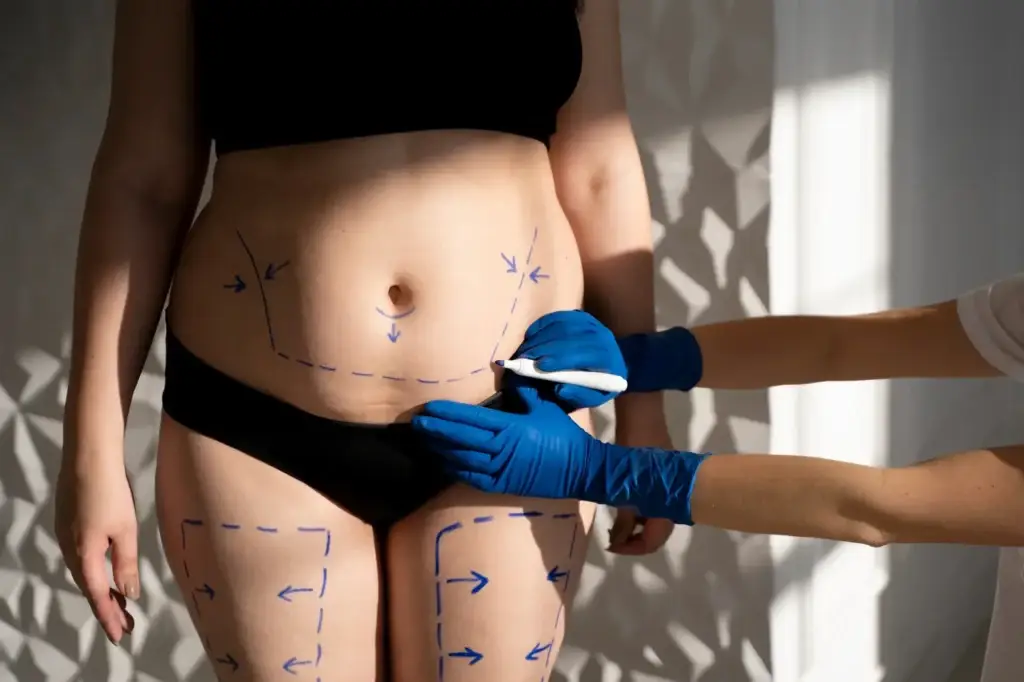
Best Countries for Plastic Surgery in the World

Plastic surgery in the United States carries some of the highest procedure costs in the world — rhinoplasty averages $7,000–$15,000, breast augmentation $8,000–$15,000, and tummy tuck $9,000–$18,000, not counting anesthesia and facility fees that often add $3,000–$6,000. Internationally accredited hospitals and plastic surgery clinics in Turkey, South Korea, and Costa Rica offer the same surgical techniques, comparable implant systems, and international-standard safety protocols at 50–80% of those costs — with aesthetic outcomes that have driven consistent growth in medical tourism to all three destinations. Cost Comparison: Plastic Surgery Procedures by Country. ProcedureUnited StatesTurkey (Istanbul). Rhinoplasty (Nose Job)$7,000–$15,000$2,000–$5,000. Breast Augmentation$8,000–$15,000$2,800–$5,000. Tummy Tuck (Abdominoplasty)$9,000–$18,000$3,500–$6,000. Liposuction (per area)$3,000–$8,000$1,500–$4,000. Facelift (Rhytidectomy)$12,000–$25,000$3,500–$7,000. South Korea (all procedures)—Pricing via MyMediTour. Costa Rica (all procedures)—Pricing via MyMediTour. Turkey pricing from published 2026 clinic packages. US pricing represents combined surgeon + facility + anesthesia average. All prices USD. 🇹🇷 Turkey — Europe's Largest Plastic Surgery Hub. Turkey has emerged as the world's most popular destination for cosmetic and plastic surgery tourism, driven by a mature ecosystem of licensed clinics, experienced surgeons, established aftercare infrastructure, and pricing that routinely undercuts Western European and North American rates by 60–80%. Istanbul is the center of this ecosystem, with clinics that range from boutique medical tourism platforms to full multi-specialty hospital settings. MyMediTour works with Esvita Clinic and Avicenna Hospital in Istanbul, as well as Medical Park Hospitals Group, which operates a dedicated plastic and reconstructive surgery department across its 25+ hospital network. Esvita Clinic specializes in international patient coordination for aesthetic procedures: rhinoplasty, blepharoplasty (eyelid surgery), tummy tuck, liposuction, gynecomastia surgery, facelift, eyebrow lift, breast lift, breast augmentation, and Brazilian Butt Lift. With 12 years of experience, 8-language support, and a 95% patient satisfaction rate, Esvita's model is built around end-to-end logistics — hotel coordination, clinic transfers, pre-operative review, and post-procedure follow-up — making it practical for patients who need a managed experience rather than navigating Istanbul's medical landscape independently. Avicenna Hospital brings hospital-grade infrastructure to plastic surgery: on-site ICU, anesthesiology, and internal medicine create a safety net that stand-alone clinics cannot offer, particularly relevant for body procedures performed under general anesthesia. Turkey's strength in rhinoplasty deserves specific mention: Istanbul has become one of the world's leading centers for open rhinoplasty, with a concentration of surgeons who perform hundreds of nose reshaping procedures annually. The combination of surgical volume, competitive pricing ($2,000–$5,000 all-inclusive), and experience with diverse ethnic nasal anatomy has made Turkey a primary destination for rhinoplasty tourism from the UK, Europe, the Middle East, and increasingly North America. Clinics in Turkey. Procedures Available in Turkey. 🇰🇷 South Korea — Global Leader in Facial Aesthetics and Reconstructive Precision. South Korea has earned its reputation as the world's most aesthetically sophisticated plastic surgery destination, with a domestic market for cosmetic procedures that is among the highest per-capita globally and a medical education system that produces surgeons who specialize in the surgical subtleties that differentiate good outcomes from outstanding ones. Asan Medical Center — the largest hospital in South Korea, ranked the country's number one hospital by Newsweek for seven consecutive years (2019–2025) — offers plastic and reconstructive surgery as part of a comprehensive multi-specialty environment that few other institutions worldwide can match. Asan Medical Center's plastic surgery department covers both cosmetic and reconstructive procedures, and the institution's strengths in microsurgery and supermicrosurgery translate directly into outcomes quality for complex reconstructive cases, breast reconstruction after cancer surgery, and procedures that require vascular precision. For patients seeking facial plastic surgery — rhinoplasty, blepharoplasty, facial contouring — South Korea's surgeons are internationally recognized for their attention to proportional harmony and their experience across Asian, Western, and mixed facial anatomies. Pricing at Asan Medical Center is not standardized and is quoted individually through MyMediTour's consultation process. South Korea's additional appeal for plastic surgery tourism lies in its recovery environment: Seoul's hospitality infrastructure, proximity to medical facilities, and culture of aesthetic medicine (where post-procedure recovery clinics and skincare support are standard) create a complete ecosystem for cosmetic recovery. For patients who want both cosmetic surgery and access to hospital-level reconstructive capability, Asan Medical Center represents one of the strongest options globally. Clinics in South Korea. Procedures Available in South Korea. 🇨🇷 Costa Rica — JCI-Accredited Plastic Surgery Close to Home. For North American patients, Costa Rica offers the most logistically convenient combination of quality and cost savings in plastic surgery. Clínica Bíblica Hospital — founded in 1929 and accredited by JCI, Accreditation Canada International, and ISO 9001 — provides plastic and reconstructive surgery within a full hospital environment that includes on-site cardiology, internal medicine, and intensive care. For body procedures performed under general anesthesia (tummy tuck, breast augmentation, liposuction, combined procedures), having that clinical infrastructure available is a meaningful safety differentiator compared to stand-alone cosmetic clinics. Costa Rica's plastic surgery appeal for Americans extends beyond price: flights from the US eastern seaboard are 3–5 hours, no significant jet lag is involved, and English-speaking surgical teams reduce the communication friction that sometimes accompanies surgery abroad. The country's stable healthcare reputation and established medical tourism infrastructure mean patients can plan recovery stays with confidence. Plastic surgery pricing at Clínica Bíblica is available on request via MyMediTour's consultation process. Clinics in Costa Rica. Procedures Available in Costa Rica. How to Choose the Right Country for Plastic Surgery. Procedure type matters for destination choice: For rhinoplasty and facial aesthetics, Turkey and South Korea have the deepest surgeon expertise pools. For body procedures (tummy tuck, breast augmentation, liposuction), Turkey offers the best price-to-volume ratio; Costa Rica offers proximity with hospital-grade safety. For complex reconstructive work, South Korea's Asan Medical Center and Costa Rica's Clínica Bíblica both have multi-specialty hospital environments. Review portfolios specific to your anatomy: Plastic surgery outcomes are aesthetic — before-and-after results on similar body types and facial structures to yours are more informative than general reviews. Ask clinics for portfolios of patients with similar starting points. Accreditation for body procedures under general anesthesia: Rhinoplasty can be performed under IV sedation in outpatient settings. Tummy tuck, full breast augmentation, and liposuction require general anesthesia and carry higher anesthetic risk. Choose a hospital-affiliated or JCI-accredited facility for any procedure requiring general anesthesia. Recovery time before flying: Body procedures typically require 7–14 days before long-haul flying (swelling, drainage, blood clot risk under general anesthesia). Facial procedures vary: rhinoplasty patients often wait 10–14 days before flying. Plan in-country recovery time conservatively. Combined procedures and the total cost equation: If combining multiple procedures (breast augmentation + liposuction, rhinoplasty + blepharoplasty), Turkey's combination packages often represent better value than booking procedures separately in the US or performing them in two trips. Confirm whether combination surgery is appropriate and safe given the total anesthesia time. Communication and follow-up: Plastic surgery outcomes are assessed weeks to months post-procedure. Ensure the clinic provides photo-based remote follow-up and has a clear protocol if you develop concerns after returning home. MyMediTour maintains coordinator contact throughout the post-procedure period. Frequently Asked Questions. Is plastic surgery abroad as safe as in the United States?. Safety in plastic surgery abroad depends primarily on the accreditation status of the facility, the qualifications of the surgeon, and the anesthetic protocols used — not the country itself. JCI-accredited facilities like Clínica Bíblica in Costa Rica and hospital settings like Avicenna Hospital and Asan Medical Center operate under quality standards that match or closely parallel US accreditation. The risk in unaccredited clinics anywhere — including in the US — is much higher. The research done before choosing a provider matters far more than the country chosen. How do I verify a plastic surgeon's qualifications abroad?. Ask for the surgeon's board certification from the relevant national or regional board (Turkish Plastic, Reconstructive and Aesthetic Surgery Society; Korean Society of Plastic and Reconstructive Surgeons), their fellowship training history, and their annual procedure volume for the specific operation you're considering. Ask to see a portfolio of before-and-after results from patients with similar goals. MyMediTour coordinators assist with gathering this information during the consultation process. What is the minimum age for plastic surgery abroad?. Most responsible plastic surgeons require patients to be 18 years old for elective cosmetic procedures, with some making exceptions for rhinoplasty and otoplasty at 16–17 with parental consent if facial development is complete. Breast augmentation with implants is generally restricted to 18+ in most countries. Age requirements and parental consent protocols vary by procedure and destination — confirm directly during the consultation process. Can I combine multiple plastic surgery procedures in one trip?. Combining procedures is common in medical tourism and can be cost-effective and time-efficient — but combining them in a single anesthetic session requires careful evaluation of total anesthesia time, blood loss risk, and recovery complexity. Most surgeons set a safe upper limit around 6 hours of total operative time for combined procedures. Combinations like breast augmentation and liposuction, or rhinoplasty and blepharoplasty, are frequently performed together. A mommy makeover (breast lift + tummy tuck + liposuction) is the most common multi-procedure combination offered at Turkey clinics. How do I handle complications if they develop after I return home?. Before traveling, identify a local plastic surgeon at home who can manage post-operative concerns if needed — some are willing to do this for a fee. Ensure your overseas clinic provides complete operative notes, photos, and implant details (brand, size, catalog number for breast augmentation). MyMediTour coordinates documentation and maintains follow-up contact through the recovery period. If complications develop, your overseas surgical team should be reachable for guidance and records transfer. Ready to Explore Plastic Surgery Abroad?. MyMediTour coordinates plastic surgery consultations with all listed clinics — at no upfront cost. Our patient coordinators compare options across destinations, review your case, and manage every step from first enquiry to post-surgery follow-up. Get a Free Consultation.

Plastic Surgery in Mexico Cost and Clinics

Plastic surgery in Mexico attracts more US and Canadian patients than any other international destination—driven by geographic proximity (2–5 hours from most US cities), English-speaking surgeons with US or European board credentials, and costs 50–70% below US prices. Tijuana (directly across the San Diego border), Cancún, Mexico City, and Guadalajara are the primary hubs, each with accredited plastic surgery hospitals and clinics serving international patients daily. All-inclusive plastic surgery packages in Mexico typically run $2,000–$8,000 depending on procedure, compared to US total costs of $8,000–$20,000+ for the same operations. The ISAPS 2023 Global Survey ranks the United States as the world's top plastic surgery market by volume, with Mexico serving as the largest cross-border destination for US patients seeking aesthetic procedures. According to ASPS 2024 data, average US surgeon fees for common procedures reach $5,483 for rhinoplasty, $6,154 for tummy tuck, $8,005 for facelift—before facility and anesthesia charges that typically double the final price. Mexico's proximity eliminates long-haul travel and reduces total trip cost, making it the natural first choice for US patients seeking plastic surgery abroad. Plastic Surgery Cost in Mexico vs. the United States. ProcedureMexico (All-Inclusive)United States (Total)Savings. Rhinoplasty$2,500 – $5,000$8,000 – $15,00050–70%. Facelift$4,000 – $8,000$12,000 – $25,00050–70%. Breast augmentation$2,500 – $5,500$8,000 – $15,00050–65%. Tummy tuck$3,000 – $6,000$10,000 – $18,00050–65%. Liposuction$2,000 – $4,500$6,000 – $12,00050–65%. Breast lift$2,500 – $5,500$8,000 – $16,00050–65%. The Mexico ranges reflect Bookimed's 2026 market data. All-inclusive packages typically cover the procedure, anesthesia, 1 hospital night, hotel, and airport transfers. Mexico's Main Plastic Surgery Hubs. Tijuana: Most accessible for Southern California patients (15-minute drive from San Diego); highest concentration of US-patient-focused plastic surgery clinics; competitive pricing; direct border crossing recovery. Cancún: International airport with direct flights from most US cities; beach recovery setting; growing accredited surgical hospital infrastructure. Mexico City: Largest concentration of board-certified plastic surgeons; access to top-tier hospital infrastructure; best for complex cases requiring multidisciplinary backup. Guadalajara: Mexico's medical education hub; highly qualified surgeons; lower prices than Mexico City; direct flights from many US cities. How to Verify a Mexican Plastic Surgeon. Board certification by CMCP (Consejo Mexicano de Cirugía Plástica, Estética y Reconstructiva) — the Mexican equivalent of the ABPS. Membership in AMCPER (Asociación Mexicana de Cirugía Plástica, Estética y Reconstructiva). Hospital admitting privileges at an accredited institution (not just a standalone clinic). Before-and-after photos at 6–12 months for cases similar to yours. Video consultation before committing to travel. Traveling to Mexico for Plastic Surgery: Logistics. No visa required for US and Canadian citizens for stays under 180 days. Flight: Direct flights from most US cities; Tijuana also accessible by driving to San Diego and walking across the border, with clinic pickup on the Mexican side. Duration: Most plastic surgery procedures require 4–7 days total in Mexico—procedure day, 1 hospital night, 3–5 recovery hotel nights before flying home. Frequently Asked Questions. Is plastic surgery in Mexico safe?. At CMCP-certified surgeons operating in accredited hospitals, plastic surgery in Mexico is performed at safety standards comparable to US facilities. Risk increases significantly with unverified practitioners, standalone clinics without hospital backup, and extremely low-priced packages that cut corners on anesthesia, OR equipment, or post-operative monitoring. Verify board certification, confirm hospital admitting privileges, and never prioritize price over these fundamentals. How much does plastic surgery in Mexico cost compared to the US?. Plastic surgery costs in Mexico are typically 40–70% lower than equivalent procedures in the United States or Canada. Representative comparisons (USD): Rhinoplasty — Mexico: $2,500–$5,000; US: $7,000–$15,000. Breast augmentation — Mexico: $2,500–$5,500; US: $6,000–$12,000. Breast lift (mastopexy) — Mexico: $3,000–$6,000; US: $8,000–$15,000. Tummy tuck (abdominoplasty) — Mexico: $3,500–$7,000; US: $8,000–$18,000. Liposuction (multiple areas) — Mexico: $2,000–$5,000; US: $5,000–$15,000. Facelift — Mexico: $4,000–$9,000; US: $12,000–$25,000. BBL (Brazilian butt lift) — Mexico: $3,500–$7,000; US: $8,000–$20,000. Mommy makeover (tummy tuck + breast + lipo combination) — Mexico: $7,000–$15,000; US: $20,000–$40,000. Eyelid surgery (blepharoplasty) — Mexico: $1,500–$3,500; US: $4,000–$10,000. Cost factors in Mexico: surgeon's experience and international accreditations; hospital vs. ambulatory surgery centre facility; city (Mexico City and Guadalajara tend to be slightly higher than Tijuana and Cancún); complexity and duration of the procedure; implant brand and type selected. The cost savings are significant enough that even after accounting for flights, accommodation, and post-op stay, most patients save 50–60% versus their home-country price. Which Mexican cities are the best for plastic surgery?. Top plastic surgery destinations in Mexico for international patients: Tijuana — the most popular border-crossing destination for US patients (especially from California); significant concentration of board-certified plastic surgeons; Zona Río and Zona Centro medical districts; easy same-day or overnight trip from San Diego; numerous JCI-accredited facilities. Mexicali — another major border-city destination for California and Arizona patients; several dedicated cosmetic surgery hospitals and certified surgeons. Cancún — popular for patients who want to combine surgery with a beach recovery; international airport with direct US flights; strong tourism infrastructure; recovering at an all-inclusive resort after the restricted-activity phase is possible. Mexico City — largest cosmetic surgery market in Mexico; highest concentration of fellowship-trained surgeons; complex procedures and revision surgeries; well-equipped hospitals including Médica Sur, ABC Medical Center, and Hospital Ángeles; longer flight from US border states. Guadalajara — strong medical tradition; competitive pricing; Hospital Puerta de Hierro and other well-regarded facilities. Puerto Vallarta — growing medical tourism hub; beach recovery option; smaller but increasing pool of qualified surgeons. Monterrey — large business city with strong medical infrastructure; convenient for Texas patients. For patients from the eastern US and Canada, Cancún or Mexico City may offer more direct flight options; for the western US, Tijuana and Mexicali are often the most accessible. How do I verify that a plastic surgeon in Mexico is qualified?. Verifying a Mexican plastic surgeon's credentials — essential steps for patient safety: CMCPER membership: verify that the surgeon is a certified member of the Consejo Mexicano de Cirugía Plástica, Estética y Reconstructiva (CMCPER) — the official Mexican plastic surgery board. CMCPER membership requires completing a recognised plastic surgery residency, passing board examinations, and continuing education. AMCPER membership: the Asociación Mexicana de Cirugía Plástica, Estética y Reconstructiva is the national society; membership alongside CMCPER board certification indicates formal peer recognition. ISAPS membership: International Society of Aesthetic Plastic Surgery membership (check the ISAPS member directory at isaps.org) is a credible signal that the surgeon is internationally recognised. ASPS or ASAPS affiliate membership: many top Mexican plastic surgeons have affiliate membership with the American Society of Plastic Surgeons or ASAPS, and some have trained in the US. Hospital privileges: a qualified surgeon has formal operating privileges at a recognised hospital or accredited ambulatory surgical facility — ask specifically where your procedure will be performed and confirm the facility's accreditation (JCI or CEMASP). Before and after portfolio: a credible surgeon maintains a portfolio of actual patient outcomes for the specific procedure you're requesting — assess results for patients with your body type. Red flags: surgeons who cannot provide board certification documentation; procedures offered at suspiciously low prices relative to the market; surgery performed in non-accredited facilities or "suites"; reluctance to discuss complications or revision policies. What are the most popular plastic surgery procedures in Mexico?. Most commonly performed plastic surgery procedures by international patients in Mexico: Breast augmentation — consistently the highest-volume cosmetic procedure; silicone gel implants (Mentor, Natrelle/Allergan, Sientra brands available) or saline; subfascial, subglandular, or submuscular placement depending on anatomy; combined with lift if indicated. Tummy tuck (abdominoplasty) — full or mini; often combined with liposuction and diastasis recti repair; major recovery commitment. Brazilian butt lift (BBL) — fat transfer to the buttocks using harvested liposuction fat; popular for body contouring; safety requires a surgeon following strict injection depth protocols (intramuscular injection has been linked to fat embolism deaths — depth-of-injection guidelines are mandatory). Rhinoplasty — functional and aesthetic nose surgery; Mexico has highly experienced rhinoplasty specialists; popular with Latin American patients domestically. Liposuction — arms, flanks, abdomen, thighs, back; often combined with other procedures; VASER and power-assisted liposuction available. Mommy makeover — combination procedure (tummy tuck + breast augmentation/lift + liposuction); most popular multi-procedure package in Mexico. Facelift / neck lift — for mature patients seeking facial rejuvenation; deep-plane techniques available at top centres. Blepharoplasty — upper and lower eyelid surgery; relatively quick recovery. Body contouring post-weight-loss — panniculectomy, arm lift, thigh lift; common in post-bariatric patients. Buttock implants — silicone implants (vs. fat transfer) for patients without sufficient donor fat. Is plastic surgery in Mexico safe?. Safety of plastic surgery in Mexico depends almost entirely on surgeon selection and facility quality — not the country itself. Accredited hospitals and surgeons in Mexico operate to international standards. Key safety factors: facility accreditation — JCI (Joint Commission International) or CEMASP (Consejo de Salubridad General) accreditation indicates third-party verification that the facility meets international patient safety and infection control standards. Anaesthesiology: confirm a board-certified anaesthesiologist (not a nurse anaesthetist) is present for your procedure; ask for the anaesthesiologist's credentials and board certification separately from the surgeon's. Patient selection: reputable surgeons decline patients who are not medically suitable — obesity, uncontrolled diabetes, bleeding disorders, smoking, and certain medications all affect surgical risk; a surgeon who agrees to operate on anyone without screening is a red flag. DVT prevention: for longer procedures (tummy tucks, mommy makeovers), confirm the protocol for deep vein thrombosis prevention (compression stockings, sequential compression devices, early mobilisation, possibly anticoagulant prophylaxis). Post-op monitoring: confirm the recovery facility has trained nursing staff, not just a hotel room; for major procedures an overnight hospital stay is safer than immediate discharge to accommodation. Known risks: the majority of serious complications and deaths in medical tourism plastic surgery occur in unlicensed facilities or with surgeons operating outside hospital settings — avoid "house calls" and procedures performed outside accredited surgical facilities. How long should I plan to stay in Mexico after plastic surgery?. Recommended Mexico stay durations by procedure type: Minor procedures (eyelid surgery, fat grafting, small liposuction areas): 5–7 days minimum. Breast augmentation alone: 7–10 days (most patients are comfortable to fly after 7 days; some surgeons prefer 10). Rhinoplasty: 10–14 days (internal packing removal and follow-up visit needed; nasal cast worn for 7–10 days). Tummy tuck (abdominoplasty): 14–21 days minimum; drains are typically removed 7–14 days post-op, and most surgeons require a post-drain-removal follow-up before clearing for travel. BBL: 14 days minimum; no sitting directly on the buttocks for 2–6 weeks (use a BBL pillow when seated); travel with a BBL cushion if flying before 6 weeks. Mommy makeover: 21 days minimum; this is a major multi-area procedure with significant recovery and drain management. Facelift: 14–21 days. Revision procedures: add 25–50% extra time. Flying considerations: prolonged sitting increases DVT risk — discuss flight duration and any anticoagulation needs with your surgeon before booking your return flight. All major surgeons will provide a specific post-operative travel clearance — do not book a return flight earlier than your surgeon's recommended minimum without discussing this risk explicitly. Plan accommodation near the surgical facility for the first 7–10 days so follow-up visits are easy. What should I do if I have complications after returning home from plastic surgery in Mexico?. Managing plastic surgery complications after returning to your home country from Mexico: Before travelling: ask your Mexico surgeon to provide a full operative report, implant serial numbers and manufacturer certificates, post-operative care instructions, and emergency contact information. Also ask which complications to watch for and when to seek urgent care. Finding local follow-up care: contact a board-certified plastic surgeon in your home country (ASPS-member in the US; RCPSC-certified in Canada; FRCS Plast in the UK) and inform them of your surgery. Many home-country surgeons will see medical tourism patients for complications, though some may decline elective follow-up care — call ahead and explain your situation. Emergency situations: haematoma (blood collection), wound dehiscence (opening), signs of infection (fever, increasing redness, purulent discharge), breathing difficulty, or any signs of DVT or pulmonary embolism (leg swelling, sudden chest pain, shortness of breath) — go immediately to the nearest emergency department. Do not wait to see your Mexico surgeon. Implant-related concerns: breast implant rippling, asymmetry, or capsular contracture often don't require emergency care but do require a specialist consult. Keep your implant documentation for any future evaluation. Revision surgery: complications or aesthetic concerns that require revision are generally handled by the original Mexico surgeon within the agreed follow-up period — confirm the Mexico clinic's revision and complication policy in writing before surgery. Is it safe to combine multiple plastic surgery procedures in one trip to Mexico?. Combining multiple plastic surgery procedures in one Mexico trip — safety considerations and guidelines: General principle: combining procedures is common and can be safe when done by a qualified surgeon in an accredited facility, provided total operating time and anaesthetic duration are within safe limits. Most plastic surgery guidelines recommend limiting combined procedures to 6 hours of operating time maximum for patient safety. Safe combinations: tummy tuck + breast augmentation (no lift): well-established combination, commonly performed as a mommy makeover component. Breast augmentation + liposuction: low-risk combination. Rhinoplasty + chin implant (mentoplasty): short, safe combination. Facelift + upper/lower eyelid surgery: frequently combined by experienced surgeons. Higher-risk combinations: tummy tuck + BBL: involves both supine and prone positioning changes plus large-area fat harvesting; higher fluid shifts and longer operating time — assess carefully with your surgeon. Tummy tuck + breast lift + augmentation + liposuction (full mommy makeover): 4–8 hours; requires a highly experienced surgical team and anaesthesiologist; increased post-op monitoring needs. Risk factors that increase danger in combination procedures: BMI above 30–35; smoking (within 4–6 weeks); blood clotting disorders; uncontrolled diabetes or hypertension; prior cardiac history. Red flag: any surgeon who agrees to combine unlimited procedures without a risk discussion or without limiting operating time is prioritising revenue over safety. How do I prepare for plastic surgery in Mexico?. Pre-operative preparation checklist for plastic surgery in Mexico: Medical clearance: obtain pre-operative medical clearance from your primary care physician including CBC, metabolic panel, coagulation studies, ECG if over 40 or indicated, chest X-ray if indicated; share results with your Mexico surgeon. Medications and supplements to stop: NSAIDs (ibuprofen, aspirin) — stop 2 weeks pre-op; herbal supplements that affect bleeding (fish oil, vitamin E, garlic, ginkgo, St John's wort) — stop 2 weeks pre-op; blood thinners — discuss with prescribing physician and Mexico surgeon; hormonal contraceptives — some surgeons recommend stopping 4–6 weeks pre-op to reduce DVT risk. Smoking: stop at least 4–6 weeks before and 4–6 weeks after surgery; nicotine dramatically impairs wound healing and increases complication risk; most reputable surgeons require documented smoking cessation. Weight: achieve a stable weight before surgery; significant post-surgical weight changes affect outcomes, especially for tummy tucks and body contouring. Nutrition: ensure adequate protein intake in the weeks before surgery to support healing. Logistics: arrange a responsible adult companion who will stay with you for at least the first 48–72 hours post-op; arrange suitable accommodation (ground-floor access if mobility is limited, proximity to surgical facility); pack loose, comfortable clothing; bring any prescribed medications. Travel insurance: purchase travel health insurance that explicitly covers pre-planned medical procedures and medical evacuation — standard travel insurance typically excludes elective surgery. How do I find the right plastic surgeon in Mexico for my procedure?. Step-by-step guide to finding and vetting a plastic surgeon in Mexico: Start with credentials: use the CMCPER directory (cmcper.org.mx) to search for board-certified plastic surgeons by city and specialty. Cross-reference with ISAPS (isaps.org) for surgeons with international recognition. Assess before and after photos: request a gallery of actual patient results — not stock images — specifically for your procedure and body type. Volume matters: ask how many of your specific procedure the surgeon performs per year; a surgeon performing 150+ rhinoplasties annually will have vastly more refined technique than one doing 20. Virtual consultation: most Mexico plastic surgeons now offer paid or free virtual consultations; use this to assess communication quality, thoroughness of assessment, and whether they give an honest recommendation or just tell you what you want to hear. Get multiple quotes: contact 3–5 surgeons; compare not just prices but what's included, which facility, which implant brands (if applicable), and the detail level of their pre-op assessment. Patient testimonials: seek out patients who had the same procedure with the same surgeon on medical tourism forums, Facebook groups (e.g., Plastic Surgery in Tijuana, Mexico Plastic Surgery Support Group), and clinic Google reviews — look for responses to negative reviews as well. Red flags: surgeons who quote without a consultation; surgeons who operate out of non-accredited facilities; surgeons whose online presence consists only of promotional content with no verifiable patient outcomes; prices significantly below the market average for their city without clear explanation. Sources. American Society of Plastic Surgeons (ASPS). 2024 Plastic Surgery Statistics Report. International Society of Aesthetic Plastic Surgery (ISAPS). ISAPS Global Survey 2023. Bookimed. Plastic Surgery in Mexico: Prices and Clinics 2026.

About Plastic Surgery Medical Tourism in Mexico

Explore expert articles, patient experiences, and in-depth guides on Plastic Surgery medical tourism in Mexico. Our curated content helps patients make informed decisions — from understanding costs and recovery timelines to choosing accredited clinics and navigating travel logistics.

What Our Plastic Surgery in Mexico Guides Cover

1 In-depth Plastic Surgery procedure guides written by medical tourism specialists
2 Real patient stories and Plastic Surgery success stories from around the world
3 Cost comparisons across top medical tourism destinations
4 Expert advice on choosing a qualified clinic and surgeon
5 Recovery timelines, aftercare tips, and travel logistics

Plastic Surgery in Mexico: Common Questions

Is Plastic Surgery in Mexico safe?

Medical tourism in Mexico has grown significantly, with many accredited facilities offering Plastic Surgery to international patients. Our articles cover clinic accreditation, surgeon qualifications, and patient safety standards to help you choose with confidence.

How much does Plastic Surgery cost in Mexico?

Costs vary by clinic and procedure complexity, but Plastic Surgery in Mexico is typically 40–70% less than in Western countries. Browse our cost guides and patient stories for current pricing insights.

How do I choose the right clinic?

Our blog covers key factors including board certifications, clinic accreditation, before-and-after results, and patient reviews. We recommend requesting multiple quotes and a virtual consultation before committing.