

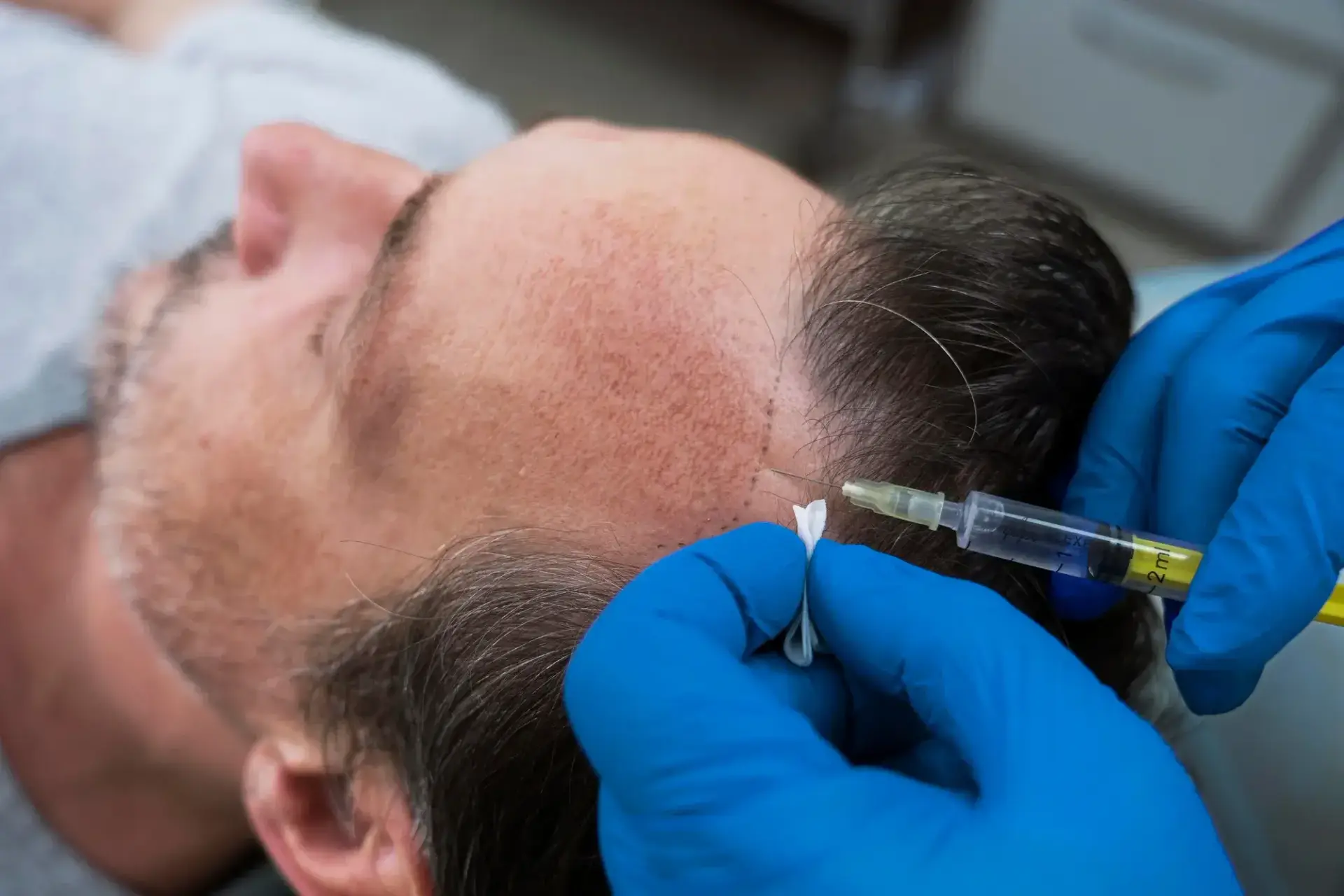
Losing hair is personal. Whether it happens gradually over years or seems to accelerate overnight, the effect it has on how you see yourself is real. For many people, hair restoration is not about vanity — it is about feeling like themselves again. And increasingly, people from the UK, France, the US, Canada, and across Europe are choosing Morocco as the place to make that happen.
Morocco has quietly built a strong reputation in the medical tourism space, particularly for hair transplant procedures. The country offers a combination of trained surgeons, modern hair transplant clinics, and prices that are a fraction of what patients would pay back home — without the compromise in care that many fear when they hear the phrase “medical tourism.”
This page is designed to give you a clear, honest picture of what a hair transplant in Morocco actually involves. Not just the cost, but the process, the recovery, the results, and what to watch out for. If you are seriously considering this step, this is the information you need before you book anything.
Hair transplant surgery in Morocco has grown from a niche option to a well-travelled path. Hair Transplant clinics in Morocco in cities like Casablanca, Rabat, and Marrakech now handle international patients regularly, with staff who speak English and French, coordination teams that manage your arrival and appointments, and aftercare protocols that do not stop when you board your flight home.
Treatment Highlights
- Hair transplant procedures in Morocco use internationally recognised techniques including FUE (Follicular Unit Extraction) and DHI (Direct Hair Implantation)
- Prices typically range from €1,200 to €3,500 depending on the technique, graft count, and clinic
- Ideal for men and women with stable hair loss who are in good general health
- Morocco offers significantly lower costs than the UK, France, Germany, or the US without sacrificing surgical standards
- Most patients stay between 3 to 5 days, making it manageable to plan around work schedules
- Recovery is gradual — transplanted hair sheds initially before regrowth begins around 3 to 4 months post-procedure
- Many clinics in Morocco have multilingual staff and dedicated international patient coordinators
- The destination itself — particularly Marrakech and Casablanca — offers a comfortable, stimulating environment to recover in
What Is a Hair Transplant and How Does It Work?
A hair transplant is a surgical procedure that moves hair follicles from one part of your scalp — typically the back or sides, known as the donor area — to areas where hair has thinned or stopped growing entirely. The follicles taken from the donor area are genetically resistant to the hormone DHT, which is the main driver of pattern baldness. This means transplanted hair, once it settles, tends to grow permanently.
The two main techniques used in Morocco are FUE and DHI. In FUE, individual follicular units are extracted one by one using a micro punch tool and then implanted into tiny incisions made in the recipient area. There are no linear scars, and the healing time is relatively short. DHI is a refinement of FUE where follicles are implanted directly using a specialised pen-like tool called a Choi implanter, which allows for more precise control over angle, depth, and direction. DHI is often preferred for patients looking for a more natural hairline or higher density results.
Both techniques are performed under local anaesthesia. The procedure itself takes anywhere from 4 to 8 hours depending on the number of grafts being transplanted. Most patients describe the experience as uncomfortable rather than painful, with the injection of the local anaesthetic being the sharpest moment of the process.
People choose to have this procedure abroad — and specifically in Morocco — because the cost savings are significant and the quality of care at reputable clinics is genuinely comparable to what you would find in Western Europe. For a procedure that is typically not covered by insurance, price becomes a major factor. Morocco allows patients to get the surgery they need without years of saving or going into debt.
How Much Does a Hair Transplant Cost in Morocco?
Cost is usually the first question, and it deserves a straightforward answer.
Hair transplant prices in Morocco generally fall between €1,200 and €3,500. The wide range reflects the variation in what is included, how many grafts are needed, which technique is used, and the level of the clinic you choose.
What affects the final price:
- Number of grafts — Most hair transplant packages in Turkey cover a set number of grafts (e.g., up to 3,000 or 4,000). Going beyond that may add to the cost
- Technique — DHI is typically more expensive than FUE due to the additional precision and time involved
- Surgeon experience — Senior surgeons or those with a strong track record in hair restoration charge more, and rightly so
- Clinic tier — A clinic in the centre of Casablanca with a full support team and modern equipment costs more than a smaller practice in a secondary city
- Package inclusions — Some clinics bundle accommodation, airport transfers, and aftercare products into one price. Others charge for each separately
Cost Comparison Table
| Country | Average Hair Transplant Cost (FUE, 2000–3000 grafts) |
|---|---|
| United States | $8,000 – $15,000 |
| United Kingdom | £5,000 – £10,000 |
| France | €4,000 – €8,000 |
| Germany | €4,500 – €9,000 |
| Morocco | €1,200 – €3,500 |
The savings are real and substantial. A patient paying €1,800 in Morocco for the same procedure that would cost €6,000 in France has not found a workaround — they have simply gone somewhere where the operating costs, staff wages, and overheads are structurally lower, and where surgeons have chosen to price their services competitively to attract international volume.
It is important to note that no ethical clinic can give you a final price without reviewing your case. The number of grafts you need is assessed through photos or an in-person consultation, and that drives the cost more than anything else.
Who Is a Good Candidate for a Hair Transplant?
Not everyone who wants a hair transplant is ready for one, and a good clinic will tell you that honestly.
You are likely a strong candidate if:
- You have a stable pattern of hair loss — meaning it has not been rapidly progressing in the last 12 months
- Your donor area (back and sides of the scalp) has sufficient density to supply grafts
- You are in good general health with no uncontrolled medical conditions
- You have realistic expectations — a transplant restores hair, but it does not recreate the scalp you had at 18
- You are over 25, since hair loss patterns in younger men can still be unpredictable
- You have not been responding to medical treatments like minoxidil or finasteride, or you want a permanent solution
You may not be suitable if:
- Your hair loss is still actively progressing at a fast rate
- Your donor area is too thin to provide enough grafts
- You have certain autoimmune conditions affecting the scalp (e.g., alopecia areata)
- You have uncontrolled diabetes or bleeding disorders
- You are on blood thinners or medications that cannot safely be paused
A proper medical evaluation is essential before any decision is made. Photos and a consultation — even done remotely first — can give you a preliminary picture, but the surgeon’s in-person assessment before the procedure is what confirms your candidacy.
Your Patient Journey: From First Inquiry to Full Recovery
Step 1 — Initial Inquiry
You reach out through a clinic or medical tourism coordinator. You describe your hair loss history, your expectations, and your timeline. This is the starting point, not a commitment.
Step 2 — Photo Submission and Remote Assessment
You send clear photos of your scalp from multiple angles. A surgeon or senior technician reviews them and gives you a preliminary assessment — how many grafts you likely need, which technique suits your case, and what results you can reasonably expect.
Step 3 — Treatment Plan and Quote
Based on the assessment, you receive a proposed treatment plan with a cost breakdown. This is the stage to ask questions, compare options, and understand exactly what is included in the price.
Step 4 — Booking and Travel Planning
Many clinics work with nearby hotels and can recommend options at various price points. Your procedure is usually scheduled for the day after arrival to give you time to settle in.
Step 5 — Arrival in Morocco
Most clinics offer airport pickup as part of their package. You check in, rest, and attend a brief orientation or pre-procedure check on your first evening or the following morning.
Step 6 — In-Person Consultation and Hairline Design
Before the procedure begins, you meet the surgeon in person. This is when the hairline is drawn, the donor area is assessed, and the final graft count is confirmed. This step matters — a good surgeon takes time here rather than rushing into theatre.
Step 7 — Procedure Day
The transplant is performed under local anaesthesia. You are awake throughout. Most patients watch something on a tablet or simply rest. The procedure takes between 4 and 8 hours. Afterwards, you are given instructions for the first night and a care kit.
Step 8 — Day After and Initial Aftercare
The clinic typically sees you the following day for a first wash and to check the grafts. This is also when they walk you through the aftercare routine in detail.
Step 9 — Return Home
Most patients fly home 3 to 5 days after the procedure. You will be given written aftercare instructions, and most clinics provide ongoing support via WhatsApp or email for weeks after your return.
Step 10 — Remote Follow-Up
At 1 month, 3 months, and 6 months post-procedure, good clinics ask for photos and give feedback on your progress. If you have concerns at any point, you can reach out directly.
Why Morocco for a Hair Transplant?
Morocco is not a compromise destination. For hair transplantation specifically, it has developed genuine expertise over the past decade, driven by high demand from French, Spanish, and increasingly British and American patients.
Medical infrastructure in major Moroccan cities has improved significantly. Clinics catering to international patients operate to standards that align with European expectations — sterile environments, trained surgical staff, and proper equipment. Many surgeons practicing in Morocco received part of their training in France or other European countries.
The cost advantage is not just marginal — it is transformative. Patients who could not afford this procedure in their home country can access it in Morocco without cutting corners. And because clinics here compete heavily for international patients, service quality and patient experience have become genuine differentiators.
Casablanca and Marrakech both have direct international flight connections from most major European hubs. Travel time from Paris, Madrid, or London is short — often under 3 hours. Recovery in a calm, pleasant environment away from the stress of daily life is something many patients actually appreciate.
What’s Included
- Pre-procedure remote consultation and medical assessment
- In-person consultation with the surgeon on arrival
- Full hair transplant procedure (FUE or DHI based on your plan)
- Local anaesthesia and all surgical materials
- Post-procedure first wash and check
- Aftercare kit (shampoo, lotions, instructions)
- Coordination support before, during, and after your trip
- Remote follow-up via message or video call
What’s Not Included
- Additional diagnostic tests if required
- Medications purchased locally or at home (e.g., finasteride, minoxidil)
- Travel insurance
- Expenses for a travel companion
- Extended stays beyond the standard post-procedure period
- Any additional treatments added after the initial plan is confirmed
Recovery and Aftercare
Recovery from a hair transplant in Morocco follows the same timeline as it would anywhere else in the world — because biology does not change based on geography.
In the first 10 days, the transplanted area will look red and scabbed. The grafts are delicate during this window and must be protected from direct sunlight, sweat, and physical contact. Most patients are advised to sleep with their head slightly elevated and to avoid any activity that raises blood pressure significantly.
Between weeks 2 and 8, the transplanted hairs will shed. This is called shock loss, and it alarms many patients who are not prepared for it. It is a normal and expected part of the process. The follicles remain intact under the skin — the hair shaft falls out while the root settles in.
From months 3 to 6, new hair begins to grow from the transplanted follicles. It often comes in fine at first and gradually thickens. By months 9 to 12, most patients are seeing the substantial growth that represents the real result of the procedure.
Full results are typically visible at the 12 to 18 month mark. By this point, the transplanted hair has grown in, matured, and blended with existing hair.
Activity restrictions in the first month include avoiding gyms, pools, saunas, and anything that involves significant sweating or physical contact with the scalp. After the first month, most normal activities can resume. Direct sun exposure to the scalp should be minimised for at least 3 months.
Risks and Considerations
Every surgical procedure carries some level of risk, and a hair transplant is no different. Understanding this is part of making an informed decision.
Common and expected side effects include temporary swelling around the forehead and eyes in the first 3 to 5 days, redness, itching as the scalp heals, and the shedding phase described above. These are predictable and resolve on their own.
Less common risks include infection at the graft or donor site, poor graft survival leading to patchy results, unnatural-looking hairline placement if the design was not carefully planned, and scarring in the donor area. The risk of these outcomes is reduced significantly by choosing a qualified surgeon and following aftercare instructions.
The most important risk in medical tourism specifically is choosing the wrong provider. Morocco has excellent clinics and, unfortunately, some that do not meet the same standard. Doing due diligence — looking at verified patient results, reading reviews, confirming surgeon credentials — is not optional. It is the difference between a good outcome and a difficult one.
Post-procedure care is equally important. Patients who follow their aftercare instructions, avoid prohibited activities, and attend follow-up check-ins consistently report better results.
Frequently Asked Questions
What is the cost range of a hair transplant in Morocco?
Hair transplant costs in Morocco generally range from €1,200 to €3,500 for most standard cases. The final price depends on the number of grafts required, the technique used (FUE or DHI), and the clinic you choose. A personalised quote requires a review of your photos or an in-person assessment.
How long do I need to stay in Morocco for a hair transplant?
Most patients plan for 3 to 5 days in total. The procedure itself takes place on one day, and the day after typically involves a follow-up wash and check at the clinic. Staying a few additional days gives your scalp time to settle before a long flight home.
Is it safe to have a hair transplant in Morocco?
Yes, when the clinic is properly vetted. Reputable clinics in cities like Casablanca and Marrakech operate with trained surgeons, sterile environments, and proper protocols. The key is thorough research — checking surgeon credentials, verified before-and-after photos, and patient reviews.
How long does recovery take?
The initial healing of scabs and redness takes around 10 to 14 days. Transplanted hairs shed in the weeks following that, and visible regrowth begins around the 3 to 4 month mark. Full results are typically seen between 12 and 18 months post-procedure.
When will I see real results?
Noticeable growth usually starts around month 3 or 4, but the hair at this stage is still fine and developing. By month 6 to 9, most patients see significant coverage. The final, mature result becomes clear somewhere between months 12 and 18.
Can I fly home right after the procedure?
Most clinics recommend waiting at least 48 to 72 hours before flying. This gives the grafts time to anchor and reduces the risk of dislodging them during travel. The clinic will advise you on the safest time to travel based on your specific case.
Will the results look natural?
Yes, when the hairline design and placement are done correctly. The key is having a surgeon who takes time on the design phase before the procedure begins. Grafts are placed at angles and directions that mimic natural hair growth, which produces a result that blends seamlessly with existing hair.
How painful is the procedure?
The procedure is performed under local anaesthesia, so you will not feel the surgery itself. The injection of the anaesthetic is the most uncomfortable moment for most patients. During the procedure, some pressure or mild discomfort is possible, but sharp pain is not typical.
How long do the results last?
Transplanted hair follicles are taken from donor areas that are genetically resistant to DHT — the hormone responsible for pattern baldness. This means the transplanted hair is generally permanent. However, non-transplanted hair may continue to thin over time, which is why some patients consider future sessions or medical maintenance treatments.
What follow-up care will I receive after returning home?
Most reputable clinics in Morocco provide remote follow-up support after you return home. This typically includes check-ins at one month, three months, and six months where you send photos and receive feedback on your progress. You can also reach out directly if you have questions or concerns between those points.
Ready to Take the Next Step?
A hair transplant is a considered decision. It takes time to research, time to plan, and genuine thought about what you want and what you expect. That is exactly how it should be approached.
If you are at the stage where you want real answers — a proper assessment of your case, a clear cost estimate, and honest guidance on whether Morocco is the right option for you — that is what a good consultation is for. No pressure, no commitment, just clarity.
Good medical tourism coordination means you are not navigating this alone. From your first question to your last follow-up photo, the right team walks with you through every part of the process — helping you find a clinic that fits your case, preparing you for travel, and making sure you have support long after you are home.
Reach out, share your photos, and get a real picture of what is possible for you.
Featured Hair Restoration Surgery Procedures in Morocco
Procedures discussed in this article, available across Morocco.

Beard Transplant in Marrakech, Morocco by Mclinic Marrakesh
Advanced Beard Restoration for Fuller Facial Hair, Improved Definition & Natural Masculine Appearance. A Beard…

Hair Transplant in Marrakech, Morocco by Mclinic Marrakesh
Advanced Hair Restoration for Natural Density, Hairline Balance & Long-Term Confidence. Hair Transplant in…
Recommended Hair Restoration Surgery Clinics in Morocco
Trusted clinics specializing in Hair Restoration Surgery across Morocco.

MClinic Marrakesh
MClinic Marrakech. Luxury Cosmetic Surgery, Aesthetic Medicine & Hair Transplants in Morocco. Luxury aesthetic…

Leave a Comment
Share your thoughts on this article, or ask us a question -- we'd love to hear from you.