










Laparoscopic Gastric Bypass for Sustainable Weight Management, Metabolic Improvement & Long-Term Health
Gastric Bypass Surgery in Brazil is a well-established bariatric and metabolic treatment for people with obesity who need long-term weight management support. With Dr. Kaiser Jr., the procedure is performed laparoscopically within a structured care pathway focused on safety, patient assessment, early mobilization, nutrition, and follow-up. His program includes Roux-en-Y Gastric Bypass (RYGB) and, in selected cases, One-Anastomosis Gastric Bypass. Gastric bypass works by reducing stomach capacity and altering the digestive route, which can support weight loss and metabolic improvement when combined with long-term dietary changes, physical activity, and medical follow-up. Because each patient is different, eligibility must always be determined through an individualized multidisciplinary evaluation.
🩺 What Is Gastric Bypass Surgery?
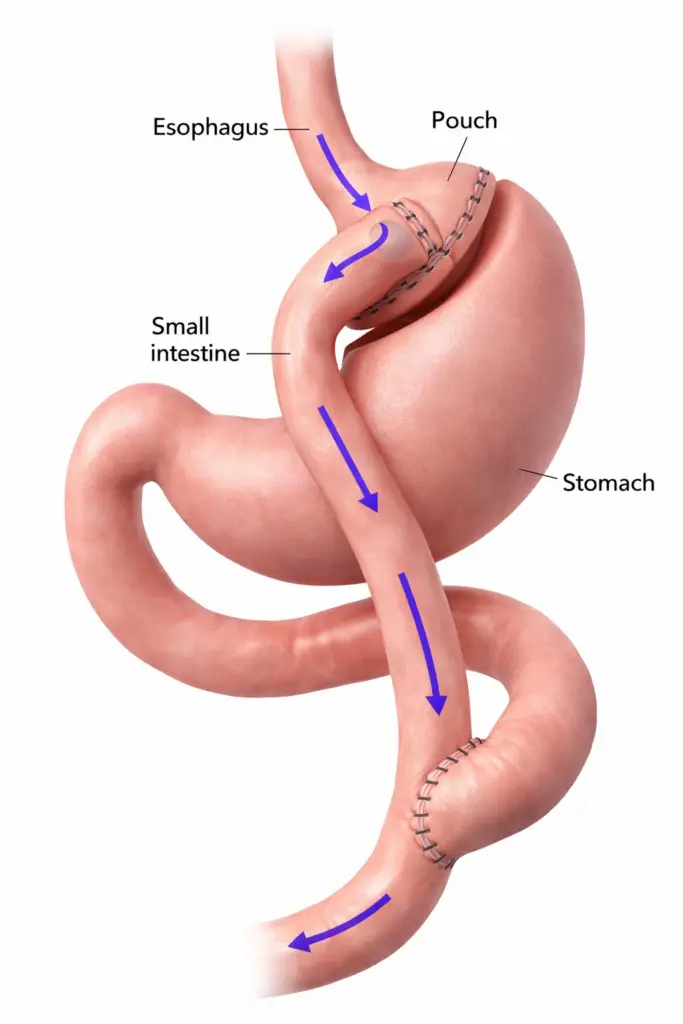
Gastric Bypass Surgery is a metabolic and bariatric procedure that creates a small stomach pouch and connects it to a lower part of the small intestine. The most established form is Roux-en-Y Gastric Bypass (RYGB), which Dr. Kaiser Jr. identifies as a key procedure in his bariatric program.
In RYGB, a small upper portion of the stomach is separated to form a new pouch, and part of the small intestine is connected to it, bypassing the remaining stomach and first intestinal segment. This reduces food intake and alters digestion, appetite regulation, and metabolic function.
Gastric bypass is a metabolic procedure because its effects go beyond restriction. In selected patients, it may improve conditions such as type 2 diabetes, hypertension, sleep apnea, dyslipidemia, and mobility, although results vary and cannot be guaranteed.
🩺 Types of Gastric Bypass Surgery
- Roux-en-Y Gastric Bypass (RYGB) – The classic gastric bypass procedure creates a small stomach pouch and reroutes part of the small intestine using two intestinal connections. Dr. Kaiser Jr.’s website describes RYGB as the established gastric bypass option within his bariatric program and notes its important role for long-term weight management and metabolic improvement.
🩺 Who Is a Good Candidate?
Gastric Bypass Surgery may be considered for adults with obesity when benefits outweigh risks, typically for those with a BMI ≥35 kg/m² or selected patients with a BMI of 30–34.9 kg/m² with metabolic disease or inadequate response to non-surgical treatment, depending on individual clinical evaluation and guidelines.
✔️ Adults with obesity who meet appropriate bariatric surgery criteria
✔️ Patients with a BMI of 35 kg/m² or higher who may benefit from metabolic and bariatric treatment
✔️ Selected patients with a BMI of 30 to 34.9 kg/m² and significant metabolic disease or inadequate improvement with non-surgical treatment
✔️ Individuals with obesity-related conditions such as type 2 diabetes, hypertension, sleep apnea, or dyslipidemia
✔️ Patients who have made appropriate non-surgical weight management efforts without achieving sufficient or durable improvement

📝 Consultation & Preparation
Consultation and preparation are essential parts of Gastric Bypass Surgery in Brazil. Dr. Kaiser Jr.’s website states that bariatric candidates undergo multidisciplinary evaluation before surgery, allowing the team to determine whether gastric bypass, sleeve gastrectomy, another metabolic procedure, or continued non-surgical management is the most appropriate approach.

✔️ Detailed review of current weight, BMI, weight history, and previous weight loss attempts
✔️ Assessment of obesity-related conditions such as diabetes, hypertension, sleep apnea, reflux, and dyslipidemia
✔️ Complete review of previous surgeries, hospitalizations, allergies, and chronic health conditions
✔️ Evaluation of medications, supplements, anticoagulants, diabetes treatments, and other medicines that may affect surgery
✔️ Laboratory testing and additional diagnostic examinations according to age, medical history, and surgical risk
🩺 Recovery & Aftercare
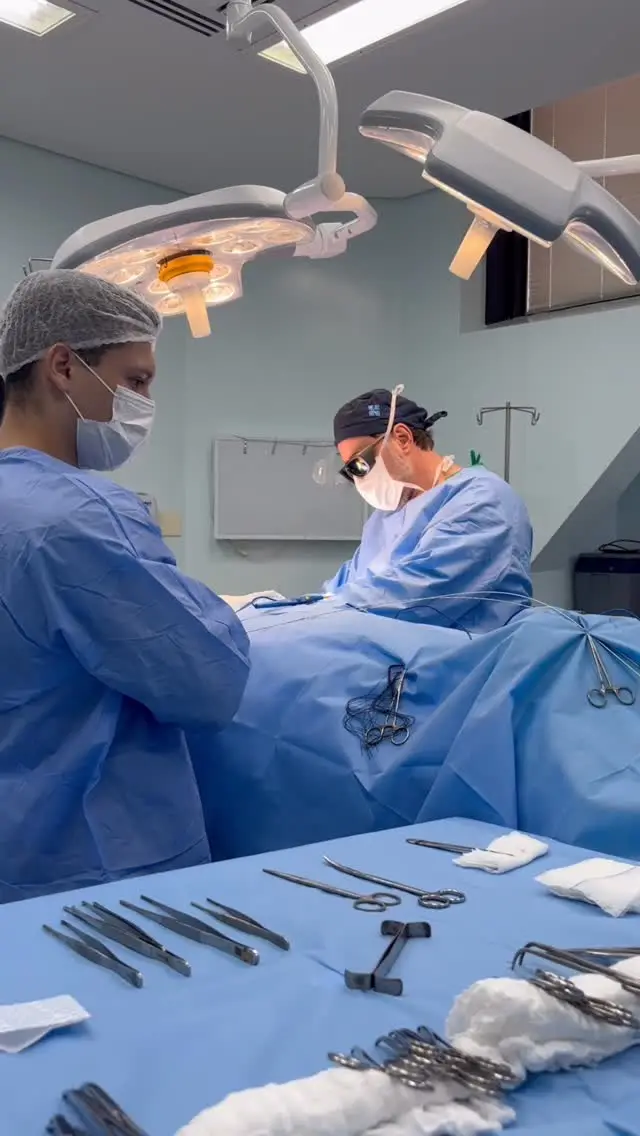
Recovery after Gastric Bypass Surgery is progressive and follows an ERAS-based protocol, with early mobilization, discharge typically within 24 to 48 hours, and a gradual return to normal activities over about 2 to 4 weeks depending on individual recovery.
✔️ Early walking is encouraged according to medical instructions to support circulation and postoperative recovery
✔️ Oral liquids are introduced according to the bariatric team’s postoperative protocol and the patient’s tolerance
✔️ Diet progresses gradually through specific stages rather than immediately returning to normal solid food
✔️ Patients must prioritize hydration because the smaller stomach pouch limits the amount that can comfortably be consumed at one time
✔️ Prescribed medications should be taken exactly as instructed, and patients should avoid adding medicines without medical approval

🌍 Why Choose Dr. Kaiser Jr. and His Hospital Network for Gastric Bypass Surgery in Brazil?

Choosing a surgeon and hospital is especially important in metabolic and bariatric surgery because treatment involves pre-operative assessment, anesthesia, abdominal surgery, nutrition, postoperative monitoring, and long-term follow-up.
✔️ More than 30 years of surgical experience listed by Dr. Kaiser Jr.
✔️ Bariatric and metabolic surgery included among his areas of expertise
✔️ Full membership in the Brazilian Society of Bariatric and Metabolic Surgery
✔️ Background in videolaparoscopic and digestive system surgery
✔️ Laparoscopic approach used within his bariatric surgery program
✔️ Roux-en-Y Gastric Bypass and One-Anastomosis Gastric Bypass included among available bariatric techniques