

















Advanced Hepatobiliary Cancer Surgery for Gallbladder Tumors, Bile Duct Involvement & Complex Abdominal Cancer Care
Gallbladder Cancer Surgery is a specialized hepatobiliary procedure used to remove cancer affecting the gallbladder and, when needed, nearby liver tissue, bile ducts, lymph nodes, or surrounding structures. Patients with gallbladder cancer often require careful staging, advanced imaging, and a treatment plan created by specialists in hepatobiliary surgery, oncology, gastroenterology, radiology, pathology, and supportive cancer care. At Asan Medical Center in Seoul, South Korea, gallbladder cancer surgery is managed through a high-level surgical and cancer care environment with experience in liver, bile duct, gallbladder, and pancreatic diseases. This approach supports accurate diagnosis, safe surgical planning, and coordinated treatment for patients with early-stage, locally advanced, or complex biliary tract cancer.
🔍 What Is Gallbladder Cancer Surgery?
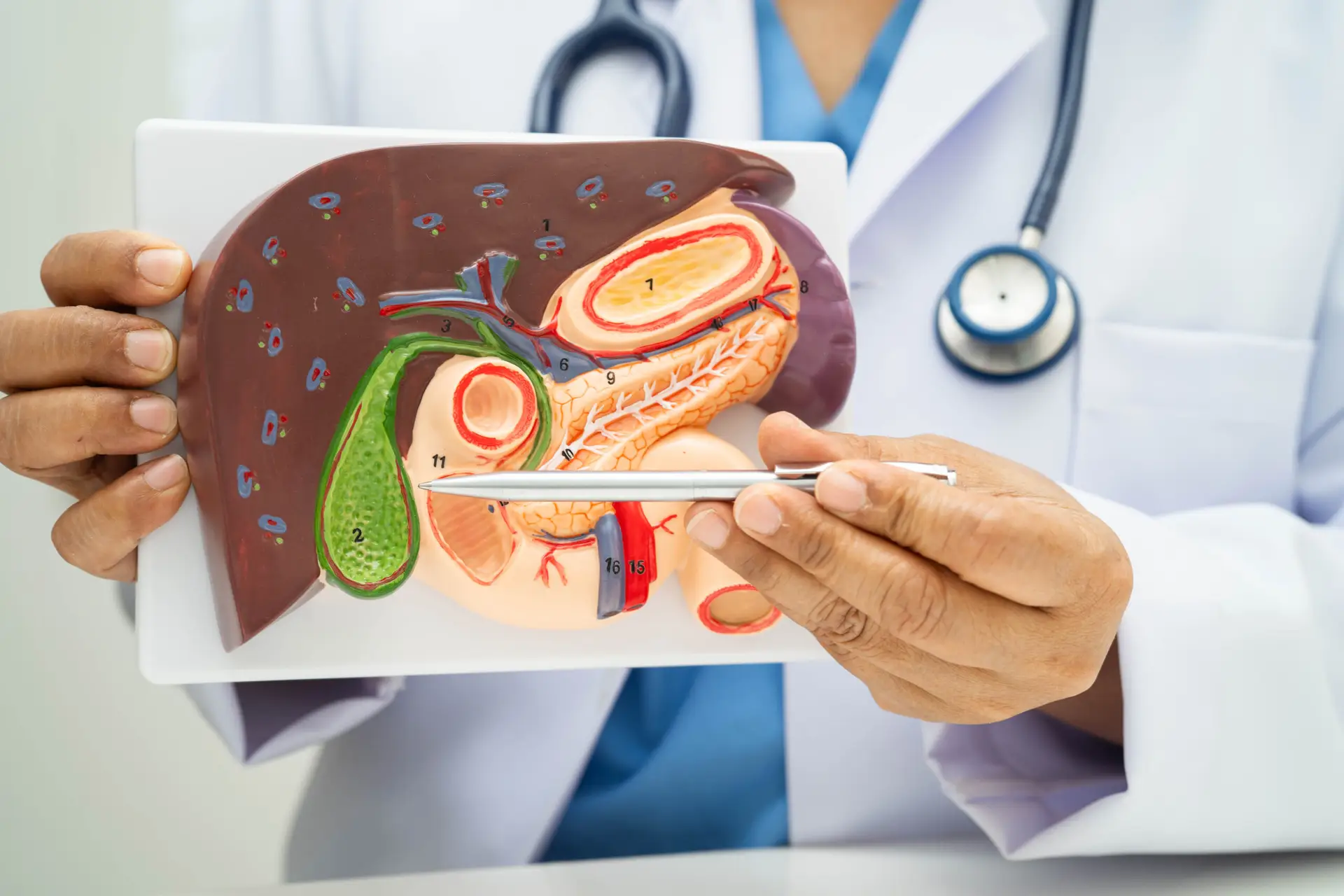
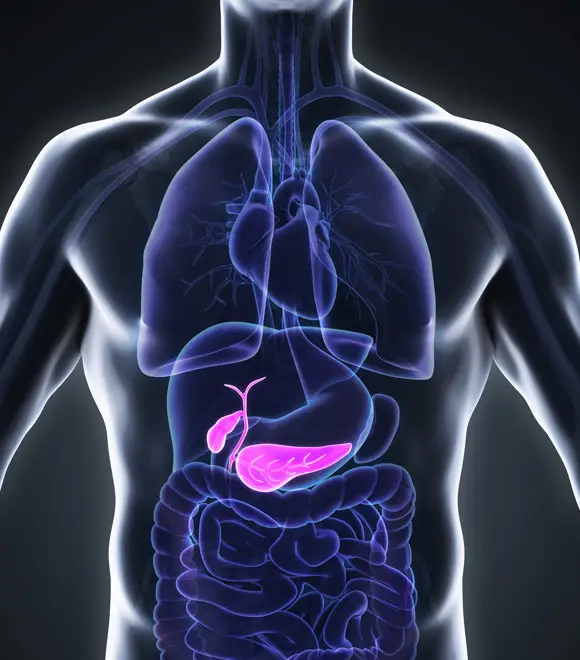
Gallbladder Cancer Surgery is an operation performed to remove cancerous tissue from the gallbladder and nearby areas where the disease may have spread. The surgical plan depends on the tumor stage, location, depth of invasion, lymph node involvement, and whether the cancer can be safely removed. For very early gallbladder cancer, surgery may involve removal of the gallbladder alone if the cancer is limited to the innermost layer and has not spread. In many cases, however, gallbladder cancer requires a more extensive operation called extended or radical cholecystectomy. This may include removal of the gallbladder, a portion of the liver next to the gallbladder, and nearby lymph nodes.

If the bile duct is involved, bile duct resection and reconstruction may also be considered. Gallbladder cancer can be difficult to detect early because symptoms may be vague or similar to other gallbladder and digestive conditions. When gallbladder cancer is suspected or confirmed, accurate staging is essential before deciding whether surgery is possible and what type of operation is safest. At Asan Medical Center, gallbladder cancer surgery is supported by hepatobiliary and pancreatic surgery expertise, oncology input, diagnostic imaging, endoscopic evaluation, and multidisciplinary cancer planning. The goal is to remove the tumor as completely and safely as possible while preserving liver function, digestive function, and overall recovery potential.
🩺 Types of Gallbladder Cancer Surgery
- Simple Cholecystectomy – Removal of the gallbladder only, usually considered for select very early gallbladder cancer cases when the disease is limited and no further spread is found.
- Extended Cholecystectomy – Removal of the gallbladder with nearby liver tissue and regional lymph nodes to reduce the risk of leaving microscopic cancer behind.
- Radical Cholecystectomy – A more advanced cancer surgery that may include gallbladder removal, liver resection, lymph node dissection, and removal of nearby involved tissues.
- Bile Duct Resection and Reconstruction – Removal of part of the bile duct when cancer involves or is close to the duct, followed by reconstruction to restore bile drainage.
- Major Hepatic Resection – Removal of a larger portion of the liver in selected advanced cases where the tumor extends into the liver and surgery remains clinically appropriate.
- Palliative Biliary Procedures – Endoscopic, radiologic, or surgical procedures used to relieve bile duct blockage, jaundice, infection, or discomfort when curative surgery is not suitable.
🩺 Who Is a Good Candidate?
Gallbladder Cancer Surgery may be suitable for patients whose cancer appears removable after proper staging. Candidacy depends on cancer stage, liver function, general health, nutritional status, imaging findings, and whether the expected benefits of surgery outweigh the risks. A specialist evaluation is essential because gallbladder cancer treatment must be personalized for each patient.
✔️ Patients diagnosed with early-stage or localized gallbladder cancer
✔️ Individuals with gallbladder cancer that appears surgically removable
✔️ Patients with suspected cancer after gallbladder imaging or biopsy
✔️ Individuals diagnosed with incidental gallbladder cancer after previous gallbladder removal
✔️ Patients who may need completion extended cholecystectomy after cancer is found
✔️ Individuals with cancer involving the gallbladder bed or nearby liver tissue
✔️ Patients who require lymph node evaluation for accurate cancer staging
✔️ Individuals with bile duct involvement who may need specialized reconstruction
✔️ Patients with acceptable liver function for hepatobiliary surgery
✔️ Adults who can safely tolerate anesthesia and abdominal cancer surgery
✔️ Patients without widespread distant metastasis on staging tests
📝 Consultation & Preparation
Preparation for Gallbladder Cancer Surgery begins with a detailed review of the diagnosis, imaging, pathology, symptoms, liver function, and overall medical condition. Because gallbladder cancer may involve the liver, bile duct, lymph nodes, or nearby digestive structures, pre-operative planning must be precise. The care team may recommend additional tests before confirming the final surgical approach.

✔️ Review of diagnosis, symptoms, medical history, and previous treatments
✔️ Evaluation of CT, MRI, MRCP, PET-CT, ultrasound, or other imaging results
✔️ Pathology review if gallbladder cancer was confirmed after biopsy or surgery
✔️ Assessment for jaundice, bile duct blockage, infection, or cholangitis
✔️ Endoscopic evaluation such as ERCP or EUS if bile duct or pancreatic involvement is suspected
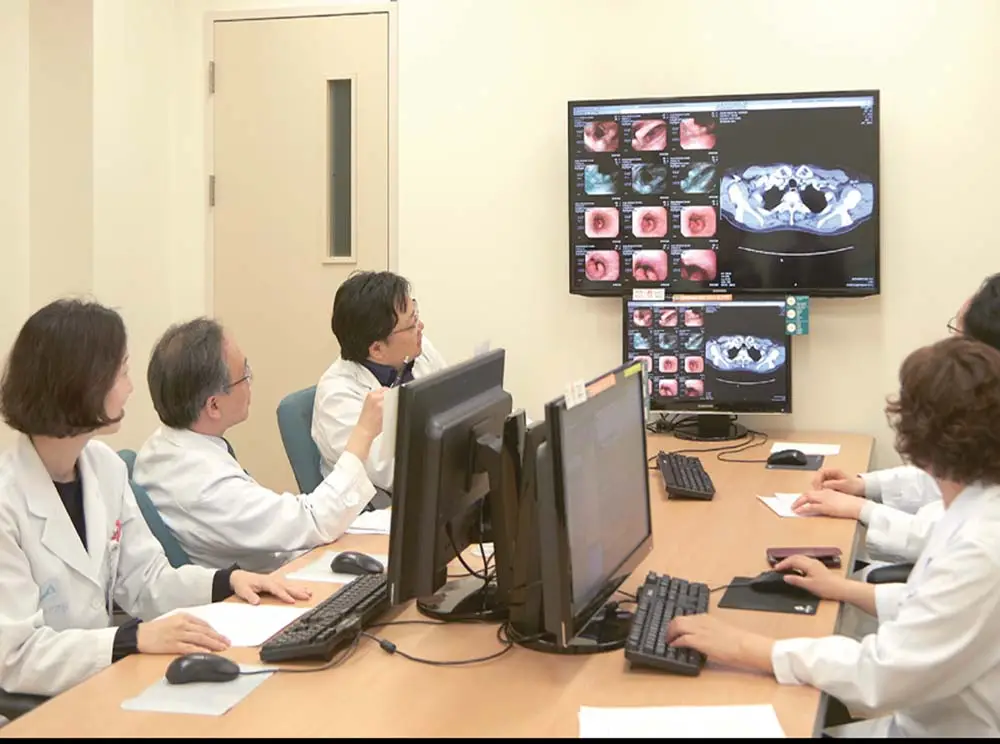
✔️ Multidisciplinary case review when chemotherapy, radiation therapy, or endoscopic treatment may be needed
✔️ Review of current medications, blood thinners, supplements, allergies, and chronic conditions
🩺 Recovery & Aftercare
Recovery after Gallbladder Cancer Surgery depends on the extent of the operation. A simple gallbladder removal usually has a shorter recovery than extended cholecystectomy, liver resection, bile duct reconstruction, or major hepatobiliary cancer surgery. Patients who undergo more complex operations may require a longer hospital stay, closer monitoring, and a gradual return to normal eating and activity.
✔️ Monitoring in the hospital after surgery for pain control, bleeding, infection, and bile leakage
✔️ Careful observation of liver function, bile drainage, digestion, and hydration
✔️ Gradual return to oral intake based on bowel function and surgical recovery
✔️ Use of prescribed pain medication, antibiotics, or digestive support when needed
✔️ Wound care instructions to reduce infection risk and support healing
✔️ Temporary drains may be used in some cases depending on the surgical approach
✔️ Encouraged walking and breathing exercises to support circulation and lung recovery
✔️ Avoidance of heavy lifting and strenuous activity during early healing

🌍 Why Choose Asan Medical Center for Gallbladder Cancer Surgery?
Choosing the right hospital for Gallbladder Cancer Surgery is essential because it requires advanced hepatobiliary expertise, accurate diagnosis, and coordinated multidisciplinary cancer care. Asan Medical Center in Seoul offers comprehensive gallbladder cancer treatment with advanced surgical techniques and dedicated international patient support.

✔️ Specialized hepatobiliary and pancreatic surgery department
✔️ Experience with gallbladder, bile duct, liver, and pancreatic diseases
✔️ Surgical care for both benign and malignant hepatobiliary conditions
✔️ Minimally invasive surgery options when clinically appropriate
✔️ Robotic surgery experience for selected complex cases
✔️ Open surgery capability for advanced cancers and large tumors
✔️ Multidisciplinary cancer planning for biliary tract and pancreatic cancers
✔️ Collaboration between surgery, oncology, gastroenterology, radiology, and radiation oncology
✔️ Endoscopic support for bile duct evaluation and drainage when needed