
















Advanced Surgical Treatment for Pilonidal Cysts, Lasting Relief & Improved Quality of Life
Pilonidal Cyst Surgery is a specialized surgical procedure performed to remove a pilonidal cyst and the affected tissue located near the tailbone. Surgical treatment aims to eliminate the cyst, reduce the risk of recurrence, and restore comfort. The procedure is typically performed under appropriate anesthesia to ensure patient comfort throughout the process. Recovery time can vary depending on the surgical technique used and the individual’s healing response. Patients often seek Pilonidal Cyst Surgery when conservative treatments no longer provide relief or when recurring infections interfere with their quality of life. At Kaiser Clínica in São Paulo, Brazil, patients can access comprehensive evaluation and individualized treatment planning for pilonidal disease.
🔍 What Is Pilonidal Cyst Surgery?
Pilonidal Cyst Surgery is a procedure designed to remove a pilonidal cyst, sinus tract, or infected tissue that develops near the tailbone, typically at the top of the buttock crease. Pilonidal disease can affect people of various ages and may cause symptoms ranging from mild discomfort to recurring abscesses and chronic drainage.
The condition often develops when hair and debris become trapped beneath the skin, leading to inflammation and infection. Over time, small tunnels known as sinus tracts may form beneath the skin, making the condition more difficult to resolve without surgical treatment.
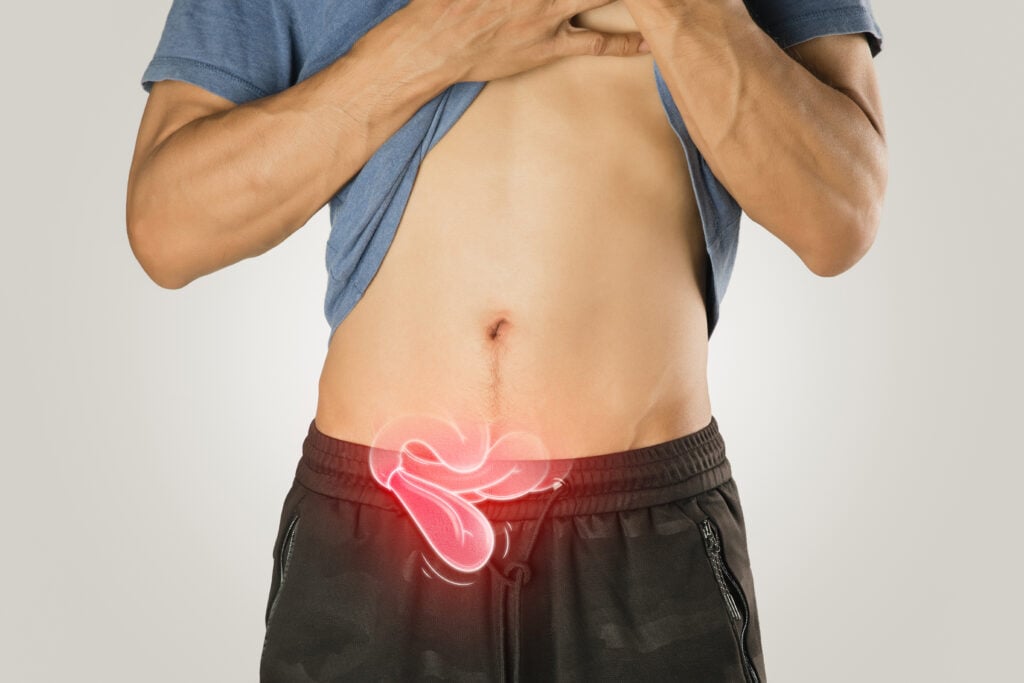
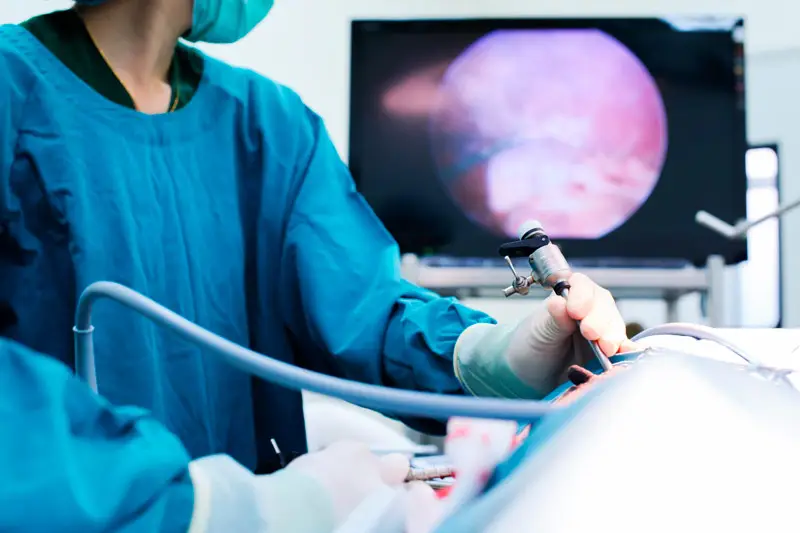
During Pilonidal Cyst Surgery, the surgeon removes the cyst and any affected tissue. The exact surgical technique depends on the size, location, and complexity of the pilonidal disease. The procedure is performed with the goal of reducing infection, promoting healing, and minimizing the likelihood of recurrence.
For patients who experience repeated infections, pain, drainage, or limitations in daily activities, surgery can provide significant relief. Following proper wound care and recovery instructions is important to support healing and optimize long-term outcomes. Many patients experience improved comfort, mobility, and quality of life after successful treatment.
🩺 Types of Pilonidal Cyst Surgery
- Simple Excision – Removal of the pilonidal cyst and affected tissue.
- Excision with Open Healing – The cyst is removed and the wound is left open to heal gradually.
- Excision with Primary Closure – The affected tissue is removed and the wound is surgically closed.
- Flap Procedure – Specialized tissue rearrangement techniques used for selected or recurrent cases.
- Minimally Invasive Pilonidal Treatment – Less invasive approaches that may be considered in appropriate cases.
- Recurrent Pilonidal Disease Surgery – Treatment designed for patients who have experienced previous recurrence.
🩺 Who Is a Good Candidate?
Pilonidal Cyst Surgery may be suitable for individuals experiencing persistent symptoms, recurrent infections, or chronic pilonidal disease.
✔️ Individuals with a diagnosed pilonidal cyst
✔️ Patients experiencing recurrent pilonidal infections
✔️ People with chronic drainage from the affected area
✔️ Individuals with pain or discomfort while sitting
✔️ Patients who have developed pilonidal abscesses
✔️ People whose symptoms interfere with daily activities
✔️ Individuals seeking long-term management of pilonidal disease
✔️ Patients in stable overall health
✔️ Adults with realistic treatment expectations
✔️ Individuals willing to follow post-operative care instructions

📝 Consultation & Preparation
Proper consultation and preparation help ensure an individualized treatment plan and smooth surgical experience.

✔️ Comprehensive medical evaluation
✔️ Review of symptoms and previous treatments
✔️ Physical examination of the affected area
✔️ Assessment of infection or inflammation
✔️ Discussion of available surgical options
✔️ Review of medical history and medications
✔️ Pre-operative testing if required
✔️ Guidance regarding medication adjustments
✔️ Instructions regarding hygiene before surgery
✔️ Detailed explanation of recovery expectations
✔️ Nutritional guidance to support healing
✔️ Lifestyle recommendations prior to surgery
🩺 Recovery & Aftercare
Recovery following Pilonidal Cyst Surgery varies depending on the surgical technique used and individual healing factors. Following post-operative instructions is essential for successful healing.
✔️ Temporary soreness and tenderness after surgery
✔️ Proper wound care as instructed
✔️ Maintaining cleanliness of the surgical area
✔️ Use of prescribed medications when necessary
✔️ Avoiding strenuous physical activities initially
✔️ Attending scheduled follow-up appointments
✔️ Monitoring for signs of infection
✔️ Gradual return to normal daily activities
✔️ Following recommendations regarding hair management
✔️ Supporting long-term healing through proper hygiene practices

🌍 Why Choose Kaiser Clínica for Pilonidal Cyst Surgery?
Choosing the right healthcare provider is an important part of achieving safe and effective treatment for pilonidal disease.

Kaiser Clínica focuses on individualized patient care and comprehensive treatment planning.
✔️ Individualized treatment approach
✔️ Comprehensive patient evaluation
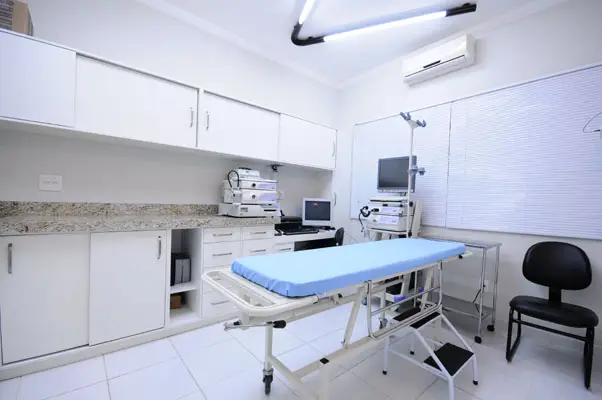
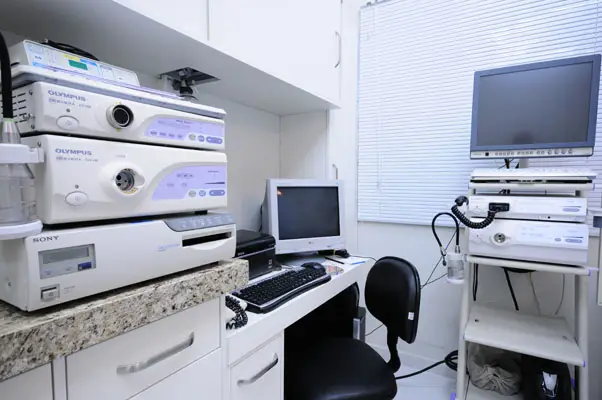
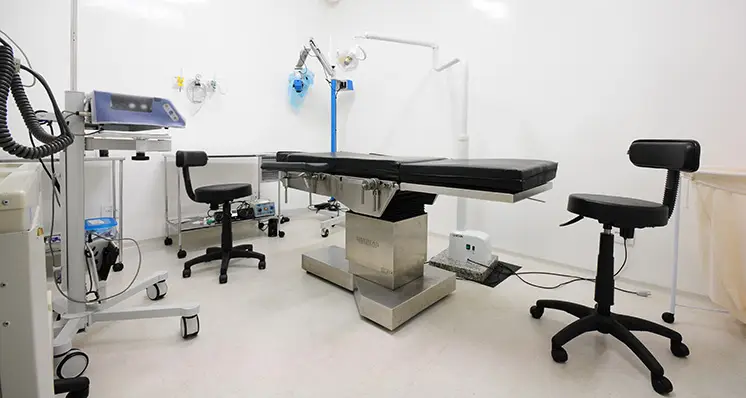
✔️ Modern clinical environment
✔️ Focus on patient safety
✔️ Experienced multidisciplinary healthcare teams
✔️ Personalized treatment planning
✔️ Attention to patient comfort throughout treatment
✔️ Structured follow-up care
✔️ Support for domestic and international patients
✔️ Commitment to quality healthcare services