















Advanced Lung Cancer Care with Personalized Treatment Planning and Multidisciplinary Oncology Expertise
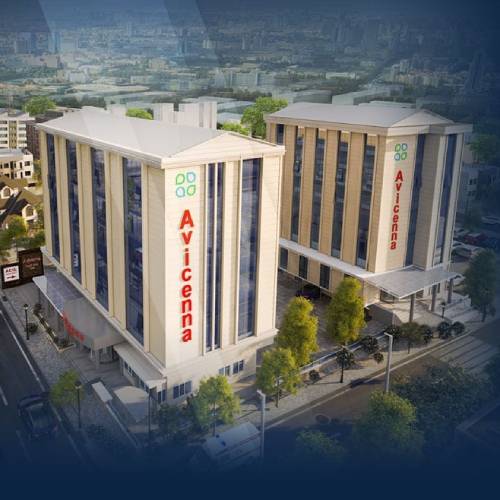
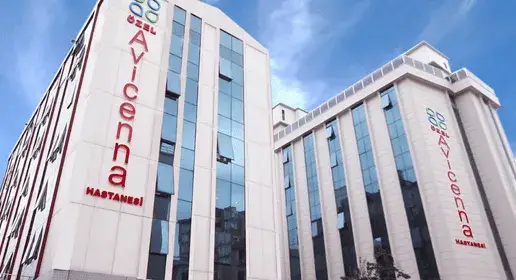
Lung Cancer Treatment in Istanbul, Turkey at Avicenna Hospital offers comprehensive diagnostic, surgical, and oncological care for patients diagnosed with primary or advanced lung cancer. Through a multidisciplinary approach, specialists evaluate each case individually to create a personalized treatment strategy aimed at controlling disease progression, improving quality of life, and achieving the best possible clinical outcomes. Lung cancer remains one of the most common cancers worldwide and can affect both smokers and non-smokers. Whether treatment involves surgery, chemotherapy, targeted therapies, immunotherapy, or a combination of approaches, patients receive individualized care based on cancer type, stage, overall health, and treatment goals.
🩺 What Is Lung Cancer Treatment?
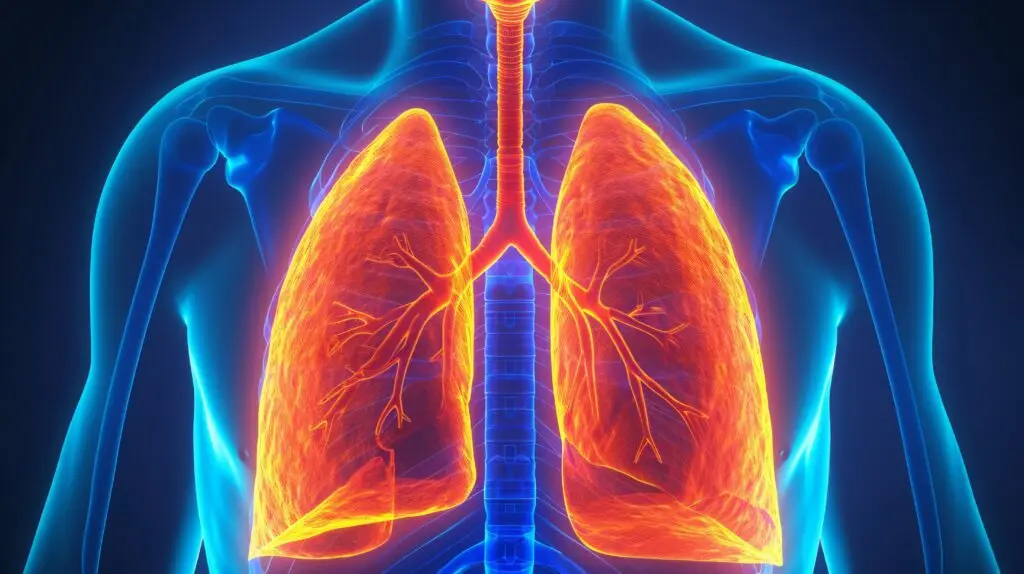
Lung cancer treatment refers to a range of medical therapies used to diagnose, manage, control, and treat cancer that originates in the lungs. Treatment plans are developed according to the type of lung cancer, the stage of disease, tumor location, genetic characteristics of the cancer, and the patient’s overall health condition. Lung cancer is generally divided into two main categories:

Non-Small Cell Lung Cancer (NSCLC), which accounts for the majority of cases, and Small Cell Lung Cancer (SCLC), which tends to grow and spread more rapidly. Modern lung cancer treatment often involves a multidisciplinary team that may include thoracic surgeons, medical oncologists, radiation oncologists, pulmonologists, radiologists, and pathology specialists. Depending on the individual case, treatment may include surgical removal of tumors, chemotherapy, immunotherapy, targeted therapies, radiation therapy, or combined treatment approaches. The primary goals of lung cancer treatment are to remove or control tumors, prevent cancer spread, relieve symptoms, improve quality of life, and maximize long-term survival whenever possible.
🩺 Types of Lung Cancer Treatment
• Lobectomy – Surgical removal of the affected lobe of the lung containing the tumor.
• Segmentectomy or Wedge Resection – Removal of a smaller portion of lung tissue when appropriate.
• Pneumonectomy – Surgical removal of an entire lung in selected advanced cases.
• Video-Assisted Thoracoscopic Surgery (VATS) – Minimally invasive thoracic surgery performed through small incisions.
• Chemotherapy – Drug-based treatment used to destroy cancer cells or slow cancer growth.
• Targeted Therapy – Treatment designed to target specific genetic mutations within cancer cells.
• Immunotherapy – Therapy that helps the body’s immune system recognize and attack cancer cells.
• Combined Multimodal Treatment – A personalized combination of surgery, chemotherapy, radiation therapy, and systemic treatments.
🩺 Who Is a Good Candidate?
Lung cancer treatment may be suitable for patients diagnosed with different stages and types of lung cancer following comprehensive medical evaluation.
✔️ Patients diagnosed with Non-Small Cell Lung Cancer (NSCLC)
✔️ Patients diagnosed with Small Cell Lung Cancer (SCLC)
✔️ Individuals with early-stage lung cancer
✔️ Patients with localized lung tumors
✔️ Individuals eligible for chemotherapy or immunotherapy
✔️ Patients requiring targeted cancer therapies
✔️ Individuals seeking multidisciplinary cancer care
✔️ Patients looking for advanced diagnostic evaluation
✔️ Adults with sufficient overall health for treatment
✔️ Patients requiring second opinions for treatment planning
🩺 Consultation & Preparation
Before beginning lung cancer treatment, patients undergo detailed diagnostic and medical assessments to determine the most effective treatment approach.
✔️ Comprehensive oncology consultation
✔️ Physical examination and symptom assessment
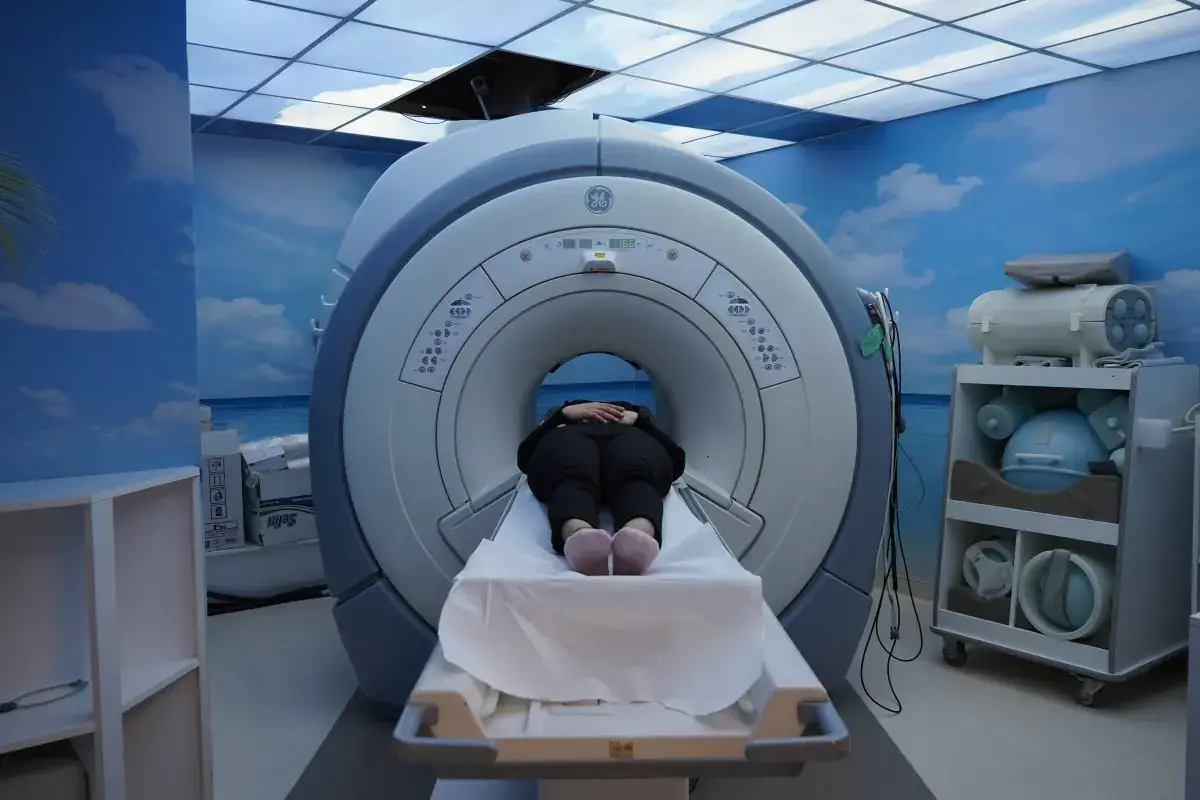
✔️ CT scan evaluation
✔️ PET scan assessment when indicated
✔️ Bronchoscopy evaluation if required
✔️ Biopsy and pathology review
✔️ Cancer staging investigations
✔️ Molecular and genetic testing when appropriate
✔️ Pulmonary function testing
✔️ Review of previous medical reports and imaging
✔️ Personalized treatment planning discussion
✔️ Evaluation by thoracic surgery specialists
✔️ Assessment of overall health and treatment suitability
🩺 Recovery & Aftercare
Recovery varies depending on the type of treatment performed and the overall health condition of the patient. Ongoing monitoring and follow-up care are important components of successful cancer management.

✔️ Hospital monitoring following surgery when applicable
✔️ Pain management and symptom control
✔️ Respiratory rehabilitation support
✔️ Encouragement of early mobilization after surgery
✔️ Imaging studies to monitor treatment response
✔️ Medication management and support
✔️ Nutritional guidance during recovery
✔️ Monitoring for potential treatment side effects
✔️ Smoking cessation support when needed
✔️ Long-term oncology follow-up programs
✔️ Ongoing evaluation by multidisciplinary specialists
✔️ Guidance for returning to daily activities
🌍 Why Choose Avicenna Hospital for Lung Cancer Treatment?
Choosing an experienced medical center is essential when seeking comprehensive lung cancer treatment. Avicenna Hospital provides coordinated oncology services supported by modern diagnostic capabilities and multidisciplinary expertise.
✔️ Experienced multidisciplinary cancer care teams
✔️ Comprehensive diagnostic and staging services
✔️ Personalized treatment planning
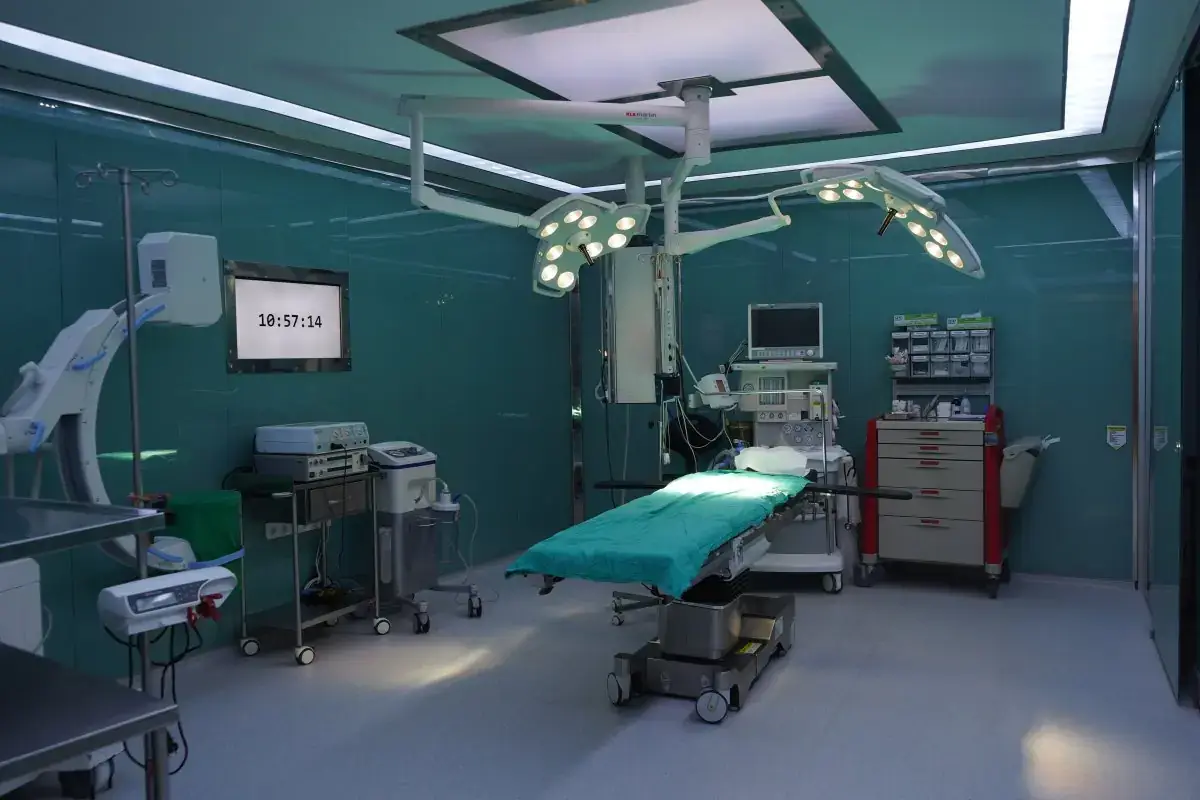
✔️ Modern thoracic surgery capabilities
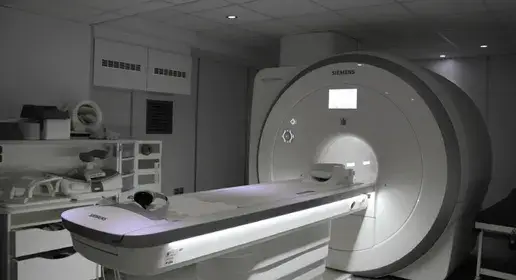
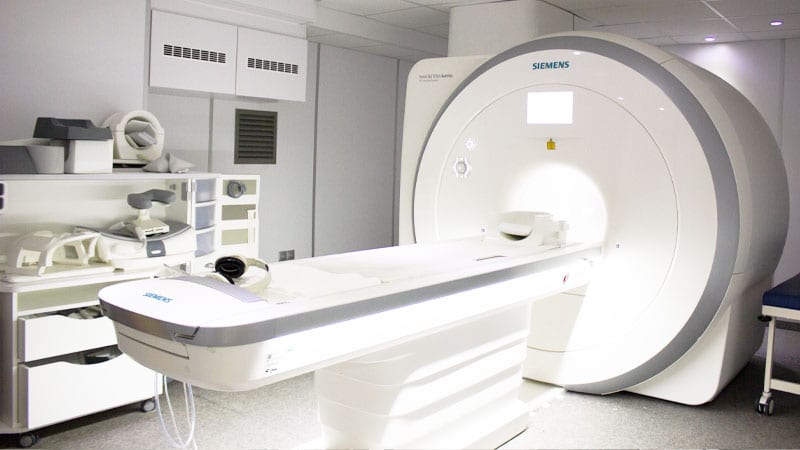
✔️ Advanced imaging technologies
✔️ Access to chemotherapy and systemic treatments
✔️ Focus on evidence-based cancer care
✔️ Individualized patient-centered approach
✔️ International patient support services
✔️ Comprehensive pre-treatment evaluations
✔️ Coordination between multiple specialties
✔️ Modern hospital infrastructure
✔️ Dedicated follow-up and monitoring programs
✔️ Commitment to patient safety standards
✔️ Treatment plans tailored to each patient’s condition