




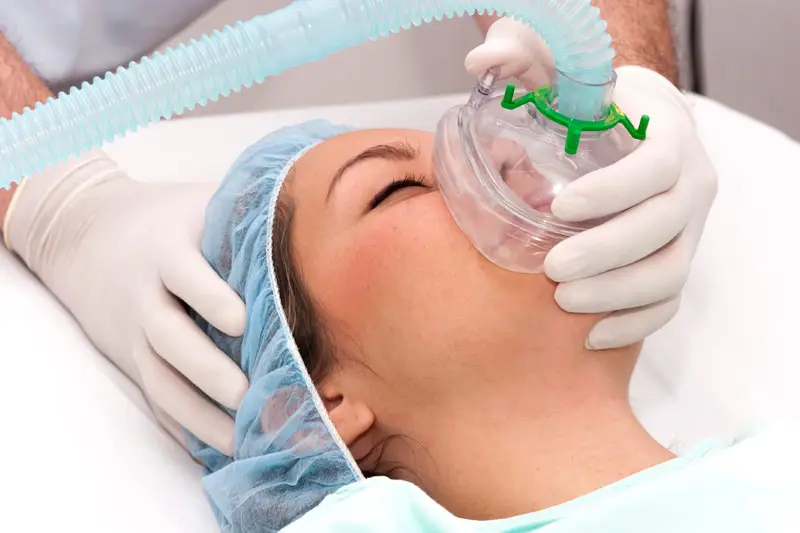









Advanced Hernia Repair for Lasting Relief, Improved Comfort & Faster Return to Daily Activities
Inguinal Hernia Surgery is a highly effective procedure designed to repair a weakness or opening in the abdominal wall that allows tissue or part of the intestine to protrude through the groin area. Patients often seek treatment to relieve discomfort, eliminate visible bulges, and prevent complications that may develop if the hernia progresses over time.
An inguinal hernia is one of the most common types of hernias affecting both men and women. While some hernias may initially cause only mild symptoms, they can gradually increase in size and become more uncomfortable during physical activity, lifting, coughing, or prolonged standing. Surgical repair remains the definitive treatment for correcting the defect and restoring abdominal wall strength.
Patients choose Inguinal Hernia Surgery to reduce pain, improve mobility, and regain confidence in daily activities. With individualized treatment planning and modern surgical approaches, hernia repair can provide long-term relief while helping patients return safely to work, exercise, and normal routines.
🔍 What Is Inguinal Hernia Surgery?
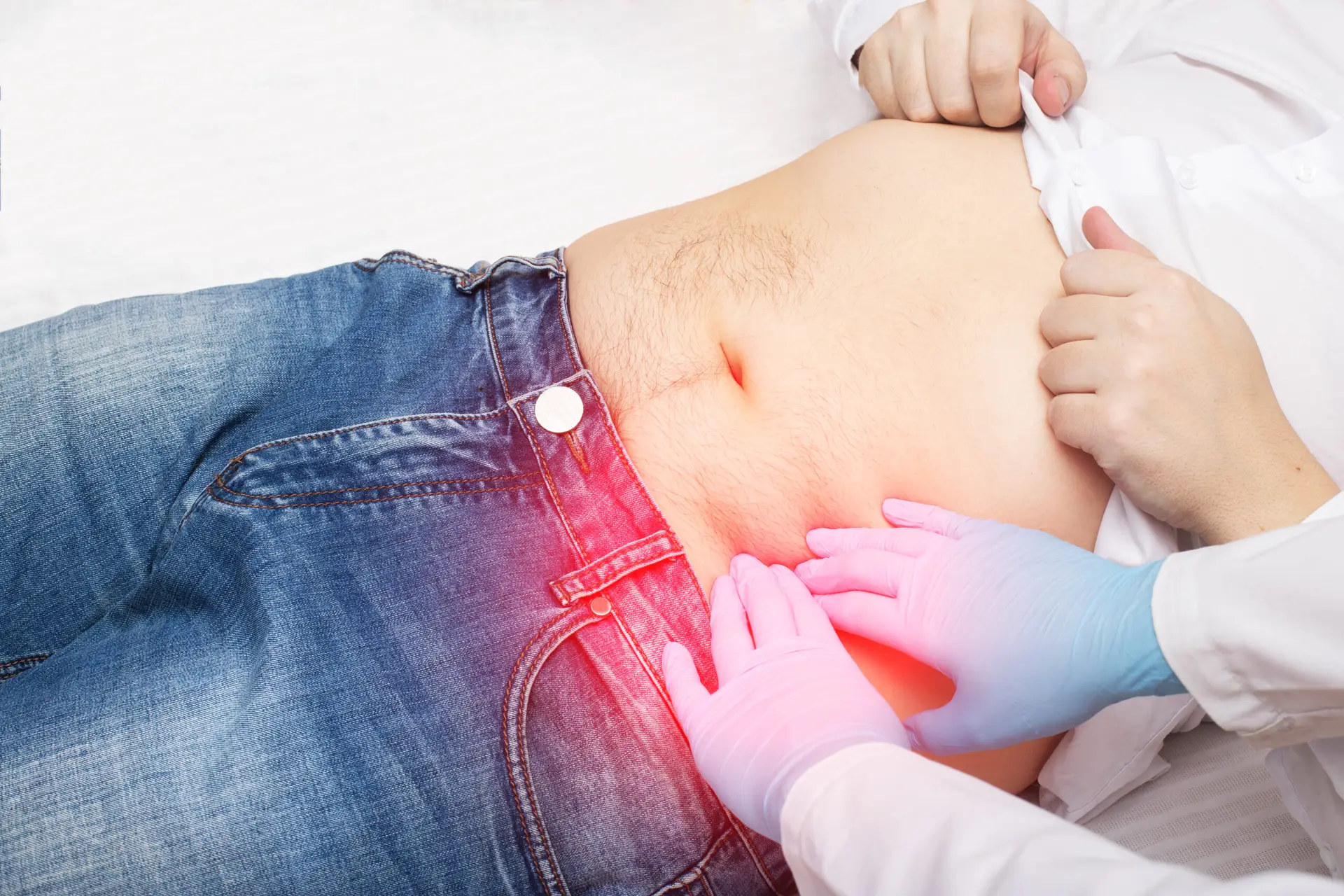
Inguinal Hernia Surgery is a procedure performed to repair a hernia that develops in the groin region. An inguinal hernia occurs when a portion of the intestine or abdominal tissue pushes through a weakened area of the abdominal wall, creating a noticeable bulge. This condition may cause discomfort, pressure, pain, or a feeling of heaviness, particularly during physical activity. The primary goal of surgery is to return the protruding tissue to its proper position and strengthen the weakened abdominal wall.
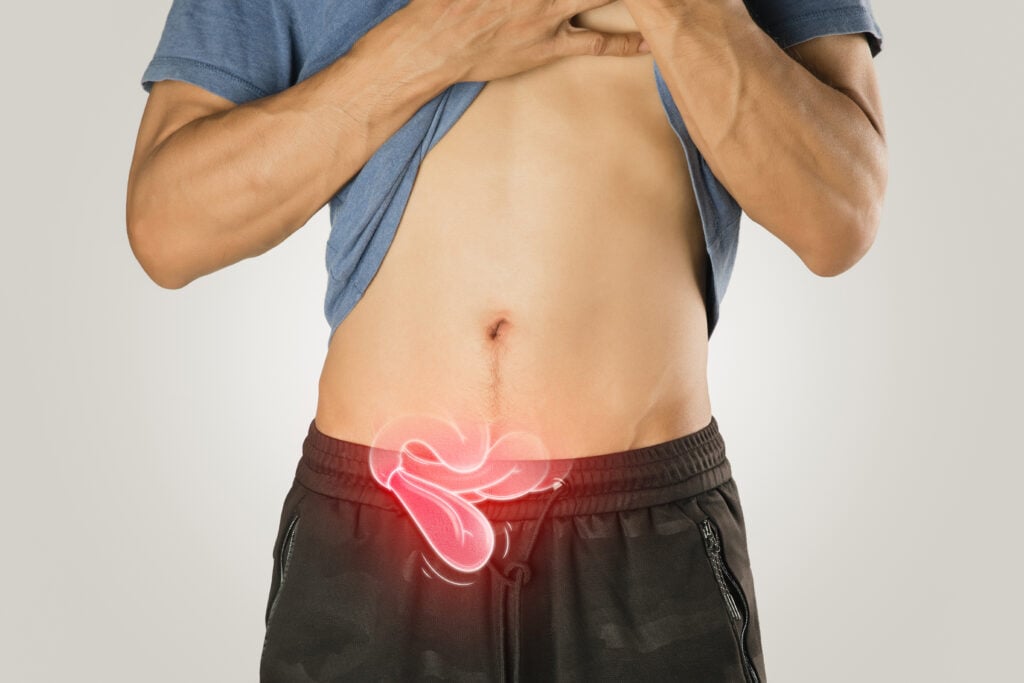
Depending on the patient’s condition and surgical assessment, the repair may be performed using open or minimally invasive techniques. In many cases, a surgical mesh may be used to reinforce the repair and reduce the likelihood of recurrence. Many patients experience symptoms such as groin swelling, discomfort while lifting objects, pain during exercise, or visible bulging that becomes more pronounced when standing. Surgical treatment addresses both the structural defect and the symptoms associated with the hernia. Inguinal Hernia Surgery is considered one of the most commonly performed general surgical procedures worldwide. Modern surgical methods focus on patient safety, effective hernia repair, reduced postoperative discomfort, and a faster return to normal daily activities.
🩺 Types of Inguinal Hernia Surgery
- Open Inguinal Hernia Repair – Traditional approach using a small incision in the groin to repair the abdominal wall defect.
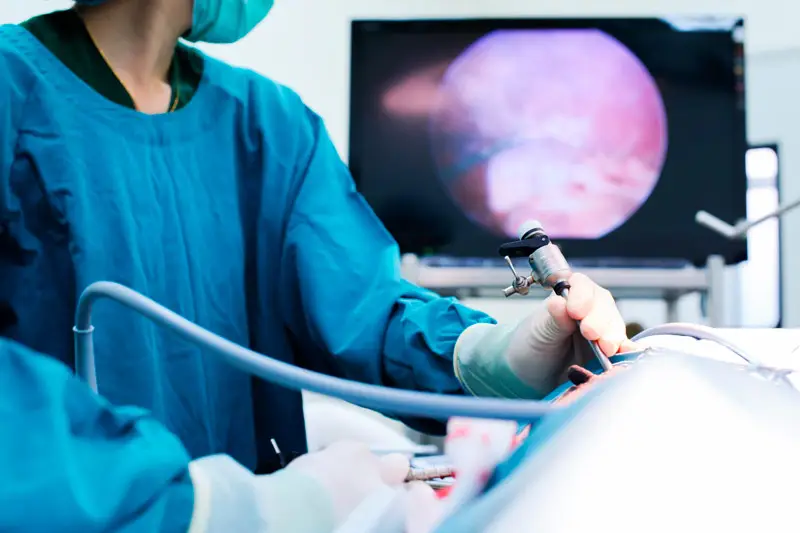
- Laparoscopic Inguinal Hernia Repair – Minimally invasive technique performed through small incisions using specialized instruments.
- Mesh Hernia Repair – Reinforcement of the weakened abdominal wall using surgical mesh for added support.
- Bilateral Inguinal Hernia Repair – Treatment of hernias present on both sides of the groin during the same procedure.
- Recurrent Hernia Repair – Surgical correction of a hernia that has returned after previous treatment.
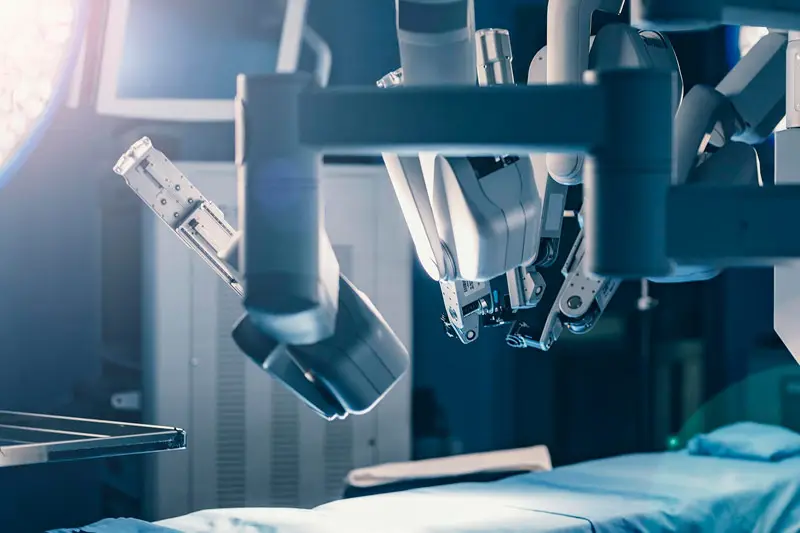
- Minimally Invasive Hernia Surgery – Advanced techniques designed to reduce postoperative discomfort and support faster recovery.
🩺 Who Is a Good Candidate?
Inguinal Hernia Surgery may benefit patients experiencing symptoms, visible hernia bulges, or discomfort affecting daily activities.
A thorough medical evaluation helps determine the most appropriate treatment approach.
✔️ Individuals diagnosed with an inguinal hernia
✔️ Patients with a visible groin bulge
✔️ People experiencing groin discomfort or pressure
✔️ Individuals with pain during lifting or exercise
✔️ Patients with enlarging hernias
✔️ Adults seeking definitive hernia treatment
✔️ Individuals wanting to prevent future complications
✔️ Patients in stable overall health
✔️ People experiencing activity limitations from a hernia
✔️ Adults with realistic treatment expectations

📝 Consultation & Preparation
Proper evaluation and preparation help support a safe surgical experience and optimal recovery.
✔️ Comprehensive surgical consultation
✔️ Physical examination of the hernia
✔️ Review of symptoms and medical history
✔️ Assessment of previous abdominal surgeries
✔️ Discussion of surgical technique options
✔️ Review of current medications
✔️ Preoperative laboratory testing if required
✔️ Instructions regarding fasting before surgery
✔️ Guidance on temporary medication adjustments
✔️ Final confirmation of treatment plan
🩺 Recovery & Aftercare
Recovery following Inguinal Hernia Surgery varies depending on the surgical technique used and individual healing factors. Following postoperative instructions helps promote safe healing and long-term repair success.

✔️ Mild discomfort during the early recovery period
✔️ Gradual return to walking and light activities
✔️ Proper incision care as instructed
✔️ Temporary avoidance of heavy lifting
✔️ Use of prescribed medications when needed
✔️ Monitoring for swelling and healing progress
✔️ Maintaining adequate hydration
✔️ Attending scheduled follow-up visits
✔️ Progressive return to normal activities
✔️ Long-term protection of abdominal wall health
🌍 Why Choose Kaiser Clínica for Inguinal Hernia Surgery?
Choosing an experienced surgical team and a well-equipped healthcare facility is important for successful hernia treatment. Kaiser Clínica provides comprehensive surgical care with a focus on patient safety, individualized treatment planning, and modern techniques.
✔️ Experienced surgical professionals
✔️ Focus on abdominal wall and hernia procedures
✔️ Personalized patient evaluation and planning
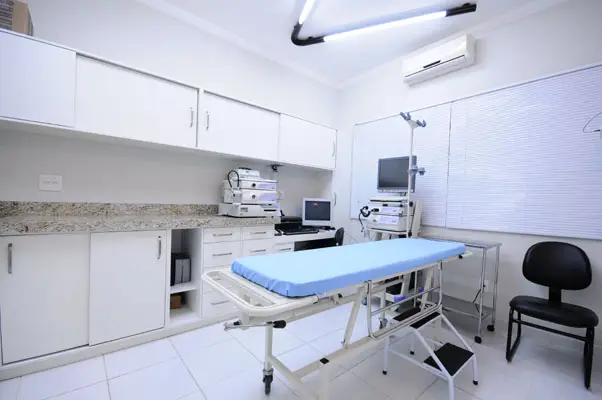
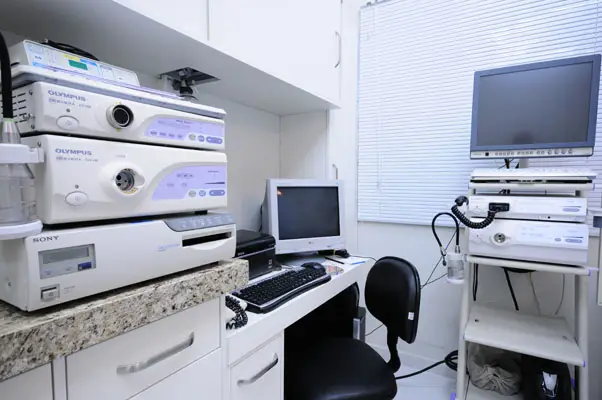
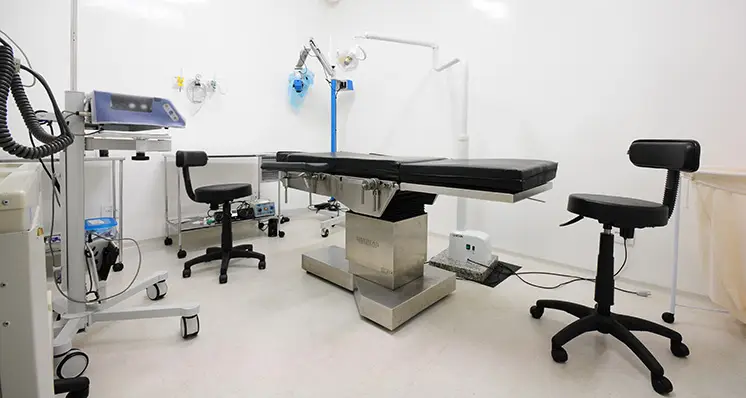
✔️ Modern surgical infrastructure
✔️ Advanced minimally invasive surgical capabilities
✔️ Comprehensive preoperative assessments
✔️ Multidisciplinary patient support
✔️ Commitment to safety and quality standards
✔️ Individualized postoperative follow-up
✔️ Dedicated care for local and international patients