




Cyprus has become one of the most popular destinations for individuals and couples seeking fertility treatment overseas. Known for its advanced medical infrastructure, experienced fertility specialists, and patient-friendly laws, IVF in Cyprus offers hope to those struggling with infertility while also providing a comfortable and discreet treatment environment. Whether you are exploring options after failed treatments at home or looking for more affordable and flexible fertility solutions, Cyprus stands out as a strong contender in the global medical tourism landscape.
This comprehensive guide will help you understand everything about IVF in Cyprus — from treatment processes and success rates to legal aspects, costs, and why many international patients are choosing this Mediterranean destination for their fertility journey.
Why Choose Cyprus for IVF?
Cyprus has rapidly gained international recognition for its fertility clinics and specialized reproductive medicine centers. Many clinics are equipped with cutting-edge laboratories, advanced embryo testing technologies, and highly trained embryologists who follow international medical standards.
One of the biggest advantages of undergoing IVF in Cyprus is the flexibility of treatment options. Compared to some countries where regulations may limit age ranges or donor programs, Cyprus often provides broader access to procedures such as egg donation, sperm donation, and embryo freezing. This makes it particularly appealing for older patients or those who require alternative fertility methods.
Additionally, Cyprus combines high-quality healthcare with a relaxing environment. Patients often appreciate the privacy, warm climate, and supportive medical teams that guide them throughout the treatment process. For many couples, the opportunity to undergo fertility treatment while staying in a peaceful setting can significantly reduce stress, which is an important factor during IVF cycles.
Understanding IVF Treatment
In vitro fertilization (IVF) is an assisted reproductive technology that involves fertilizing eggs with sperm outside the body in a laboratory. The resulting embryo is then transferred into the uterus in hopes of achieving pregnancy.
The IVF process typically includes several stages:
1. Initial Consultation and Assessment
The journey begins with medical evaluations, including hormone tests, ultrasound scans, and semen analysis. Fertility specialists review your medical history to create a personalized treatment plan.
2. Ovarian Stimulation
Patients receive fertility medications to stimulate the ovaries and produce multiple eggs. Regular monitoring through blood tests and ultrasounds ensures optimal timing for egg retrieval.
3. Egg Retrieval and Fertilization
Eggs are collected through a minimally invasive procedure. In the laboratory, sperm is used to fertilize the eggs using traditional IVF or advanced techniques such as ICSI (intracytoplasmic sperm injection).
4. Embryo Culture and Transfer
Embryos are monitored for several days before being transferred into the uterus. Some patients may choose to freeze additional embryos for future use.
5. Pregnancy Testing and Follow-Up
Two weeks after embryo transfer, a blood test confirms whether the treatment was successful.
Clinics in Cyprus often use modern technologies like time-lapse embryo monitoring and genetic testing, which may improve embryo selection and treatment outcomes.
IVF Success Rates in Cyprus
Success rates vary depending on factors such as age, fertility history, egg quality, and clinic expertise. Generally, Cyprus clinics report competitive success rates that align with leading fertility centers worldwide.
Younger patients, particularly those under 35, may experience higher pregnancy success percentages. However, Cyprus is also known for its advanced egg donation programs, which provide promising options for patients in their late 30s or 40s who face challenges with egg quality.
Many clinics focus on individualized care, using detailed diagnostics to tailor treatment strategies. This personalized approach is one of the reasons why international patients consider IVF in Cyprus a viable alternative to treatment in their home countries.
Types of IVF Treatments Available in Cyprus
Fertility centers in Cyprus offer a wide range of assisted reproductive procedures to address different medical needs. Some of the most common options include:
Standard IVF – Traditional fertilization where eggs and sperm combine naturally in a laboratory setting.
ICSI (Intracytoplasmic Sperm Injection) – A specialized technique used when male infertility factors are present, involving direct injection of a single sperm into an egg.
Egg Donation Programs – Designed for patients who cannot use their own eggs due to age or medical reasons.
Embryo Donation – An alternative for couples facing both male and female infertility challenges.
Frozen Embryo Transfer (FET) – Previously frozen embryos are transferred in a later cycle.
Genetic Testing (PGT-A / PGT-M) – Screening embryos for genetic conditions before implantation.
The availability of these diverse treatment options makes Cyprus attractive to patients with complex fertility issues.
Legal and Ethical Considerations
One of the main reasons many patients travel to Cyprus is its fertility-friendly legal environment. Regulations often allow treatments that may be restricted elsewhere, including certain donor programs and extended age limits for IVF candidates.
Most clinics maintain strict confidentiality policies, ensuring patient privacy throughout the process. Anonymous donor programs are commonly available, and ethical guidelines are typically aligned with international reproductive medicine standards.
However, it is essential for patients to research the legal framework of the specific region of Cyprus where they plan to undergo treatment. Understanding regulations regarding embryo storage, donor anonymity, and family law implications can help avoid confusion later.
Cost of IVF in Cyprus
IVF treatments in Cyprus usually start around €3,500 ($3,800) for basic IVF-ICSI cycles and can reach €9,500+ ($10,000+) for advanced donor or genetic-testing programs, making the country significantly cheaper than U.S. fertility prices.
| IVF Procedure Type | Average Cost (€ Euro) | Approx Cost ($ USD) |
|---|---|---|
| Standard IVF / IVF-ICSI | €3,500 – €4,500 | $3,800 – $5,500 |
| IVF with Sperm Donation | €4,500 – €6,000 | $4,900 – $6,500 |
| IVF with Egg Donation | €5,500 – €7,500 | $6,000 – $8,000 |
| IVF with Embryo Donation | €7,500 – €9,500 | $8,200 – $10,500 |
| IVF with Genetic Testing (PGT/PGD) | €6,500 – €9,000 | $7,000 – $10,000 |
| Frozen Embryo Transfer (FET) | €2,000 – €2,750 | $2,200 – $3,000 |
| IUI (Insemination) | €750 – €2,000 | $800 – $2,200 |
| Egg Freezing / Fertility Preservation | €2,500 – €3,750 | $2,700 – $4,100 |
While prices vary depending on the clinic and treatment complexity, IVF in Cyprus is often more affordable compared to countries like the United States or parts of Western Europe. The overall cost usually includes consultations, medication, egg retrieval, laboratory procedures, and embryo transfer.
Additional services such as genetic testing, egg donation, or embryo freezing may increase the total expense. Despite these factors, many patients find that even with travel and accommodation costs, IVF in Cyprus remains financially attractive.
Transparent pricing is common among reputable clinics, and many offer package deals for international patients. These packages may include airport transfers, interpreter services, and accommodation assistance, making the experience smoother for those traveling abroad.
Who Is a Good Candidate for IVF in Cyprus?
IVF may be recommended for individuals or couples facing various fertility challenges, including:
- Blocked or damaged fallopian tubes
- Male factor infertility
- Endometriosis
- Ovulation disorders
- Unexplained infertility
- Age-related fertility decline
Cyprus clinics often welcome patients who have experienced multiple failed IVF attempts elsewhere. Advanced diagnostic tools and customized treatment protocols may offer renewed hope for those who have struggled with infertility for years.
The IVF Journey for International Patients
Traveling abroad for fertility treatment can feel overwhelming, but many Cyprus clinics are experienced in working with international patients. Typically, the process begins with an online consultation where medical records are reviewed and treatment timelines are discussed.
Patients may only need to stay in Cyprus for a short period during key stages such as egg retrieval or embryo transfer. Some clinics also coordinate with local doctors in the patient’s home country for preliminary testing, reducing travel requirements.
Accommodation options range from nearby hotels to serviced apartments, allowing couples to stay comfortably during treatment. The welcoming atmosphere and supportive staff often help patients feel at ease during what can be an emotional journey.
Advantages of IVF in Cyprus
Choosing Cyprus for fertility treatment offers several benefits:
High-Quality Medical Care – Many clinics use modern equipment and internationally trained specialists.
Flexible Treatment Options – Broader access to donor programs and advanced procedures.
Short Waiting Times – Patients often begin treatment sooner compared to some countries.
Affordable Pricing – Competitive costs without compromising medical standards.
Beautiful Environment – A peaceful setting that can support emotional well-being during treatment.
These advantages have contributed to Cyprus becoming a well-known destination for reproductive tourism.
Preparing for IVF Treatment Abroad
Before traveling to Cyprus for IVF, it is important to prepare both medically and emotionally. Patients are usually advised to maintain a healthy lifestyle, including balanced nutrition, regular exercise, and stress management techniques.
Gathering medical records, test results, and previous treatment history will help fertility specialists create an accurate plan. Couples may also benefit from counseling or support groups, as IVF can be physically and emotionally demanding.
Travel planning is another key aspect. Checking visa requirements, arranging accommodation, and ensuring access to necessary medications during travel can make the experience smoother.
Recovery and Aftercare
After embryo transfer, most patients can resume light activities but are encouraged to avoid excessive physical strain. Clinics often provide detailed aftercare instructions, including medication schedules and follow-up appointments.
Many international patients return home shortly after the procedure, continuing communication with their fertility team remotely. Clinics typically coordinate with local healthcare providers for pregnancy monitoring if the treatment is successful.
Emotional support is equally important during this stage. The waiting period after embryo transfer can be stressful, and maintaining a calm routine may help improve overall well-being.
Risks and Considerations
While IVF is generally safe, it is still a medical procedure with potential risks. Possible complications include ovarian hyperstimulation syndrome (OHSS), multiple pregnancies, or unsuccessful cycles.
Choosing an experienced clinic with transparent communication can minimize these risks. Patients should also discuss realistic expectations with their fertility specialist, as success may require more than one IVF cycle.
Understanding the emotional and financial commitment involved in IVF is crucial before beginning treatment abroad.
Final Thoughts
IVF in Cyprus continues to attract patients from around the world due to its combination of advanced fertility technology, experienced medical teams, and patient-focused care. With flexible treatment options, competitive costs, and a supportive environment, Cyprus offers a promising path for individuals and couples seeking to build their families.
For many, the journey to parenthood is filled with challenges and uncertainty. However, exploring fertility treatment in a destination known for its expertise and compassionate approach can provide renewed hope. By carefully researching clinics, understanding the treatment process, and preparing both physically and emotionally, patients can make informed decisions about pursuing IVF in Cyprus and taking the next step toward achieving their dream of becoming parents. Contact MyMediTour for more details.
Featured Fertility Procedures in Cyprus
Procedures discussed in this article, available across Cyprus.

Vasectomy Reversal in Famagusta, Cyprus by Cyprus IVF Hospital
Advanced Male Fertility Restoration with Microsurgical Expertise and Personalized Reproductive Care. Vasectomy…

IVF ICSI in Famagusta, Cyprus by Cyprus IVF Hospital
Advanced Fertility Treatment with ICSI Support for Couples Seeking Personalized IVF Care in Cyprus. IVF ICSI in…

Sperm Freezing in Famagusta, Cyprus by Cyprus IVF Hospital
Advanced Fertility Preservation Solutions for Future Family Planning, Medical Protection & Reproductive…

Egg Freezing in Famagusta, Cyprus by Cyprus IVF Hospital
Preserve Your Fertility with Advanced Egg Freezing for Future Family Planning and Reproductive Confidence. Egg…
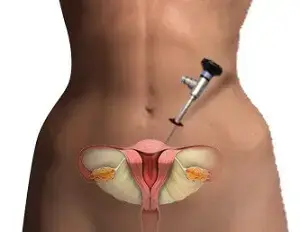
Laparoscopy in Famagusta, Cyprus by Cyprus IVF Hospital
Advanced Minimally Invasive Gynecological Surgery for Fertility Evaluation, Diagnosis & Reproductive Care.…
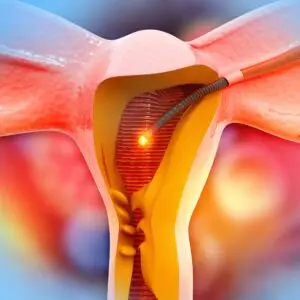
Hysteroscopy in Famagusta, Cyprus by Cyprus IVF Hospital
Advanced Uterine Evaluation & Minimally Invasive Fertility Care for Improved Reproductive Health. Hysteroscopy…
Recommended Fertility Clinics in Cyprus
Trusted clinics specializing in Fertility across Cyprus.
Sakalli IVF
Sakalli IVF is a leading fertility clinic in Northern Cyprus, offering IVF, ICSI, IUI, fertility testing, egg…

Cyprus IVF Hospital
Cyprus IVF Hospital. Northern Cyprus’ Advanced Fertility & IVF Center. Cyprus IVF Hospital is a specialized…
Leave a Comment
Share your thoughts on this article, or ask us a question -- we'd love to hear from you.