






Advanced Fertility Treatment with ICSI Support for Couples Seeking Personalized IVF Care in Cyprus
IVF ICSI in Famagusta, Cyprus by Cyprus IVF Hospital is an advanced fertility treatment designed for couples and individuals who need a more precise method of fertilization during IVF. ICSI, or Intracytoplasmic Sperm Injection, is often recommended when sperm quality may affect natural fertilization in the laboratory. Instead of allowing sperm and egg to fertilize on their own, a single selected sperm is carefully injected directly into the egg.
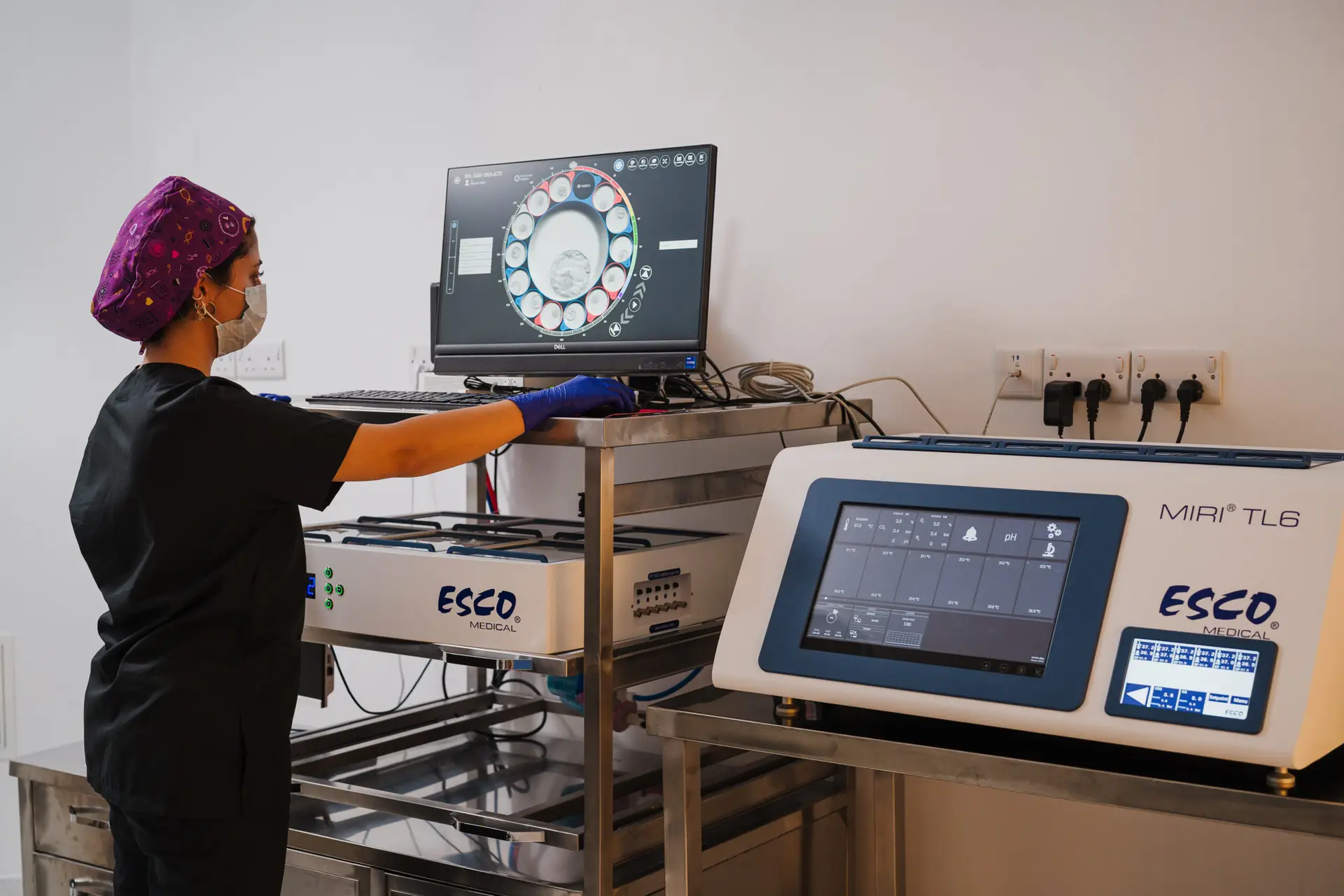
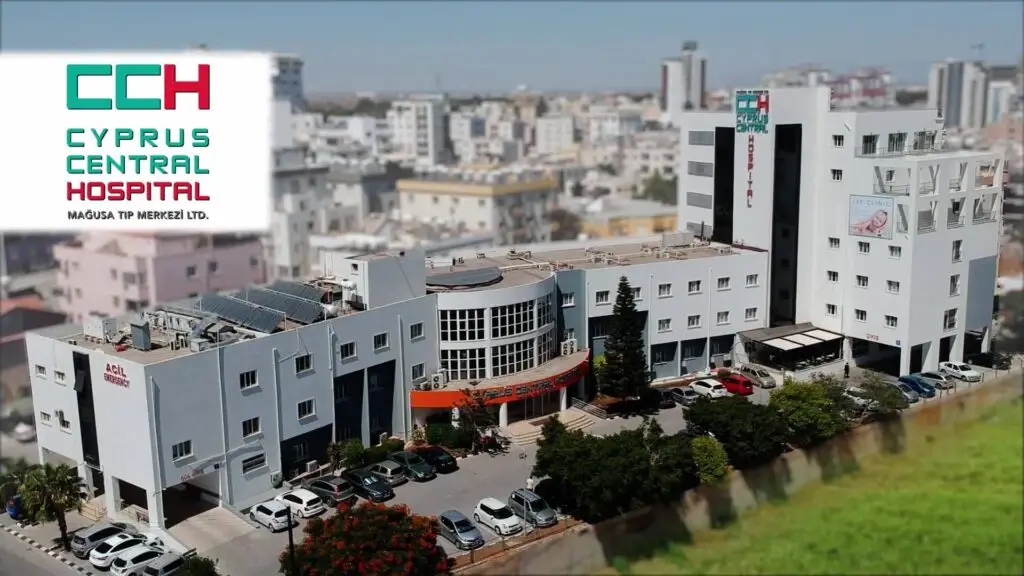
Cyprus IVF Hospital provides fertility treatments in North Cyprus and describes its approach as personalized, with modern equipment and international patient support. The hospital states that it has been serving patients since 1995 and is a subsidiary of Cyprus Central Hospital, the first private hospital in North Cyprus. It also notes that it was the first hospital in North Cyprus to achieve ISO 9001 certification.
IVF with ICSI is especially relevant for patients facing male factor infertility, previous fertilization problems, unexplained infertility, or cases where a more controlled fertilization process is recommended. The treatment journey usually includes medical review, fertility testing, ovarian stimulation, egg collection, sperm preparation, ICSI fertilization, embryo development monitoring, and embryo transfer.
🔍 What Is IVF ICSI?
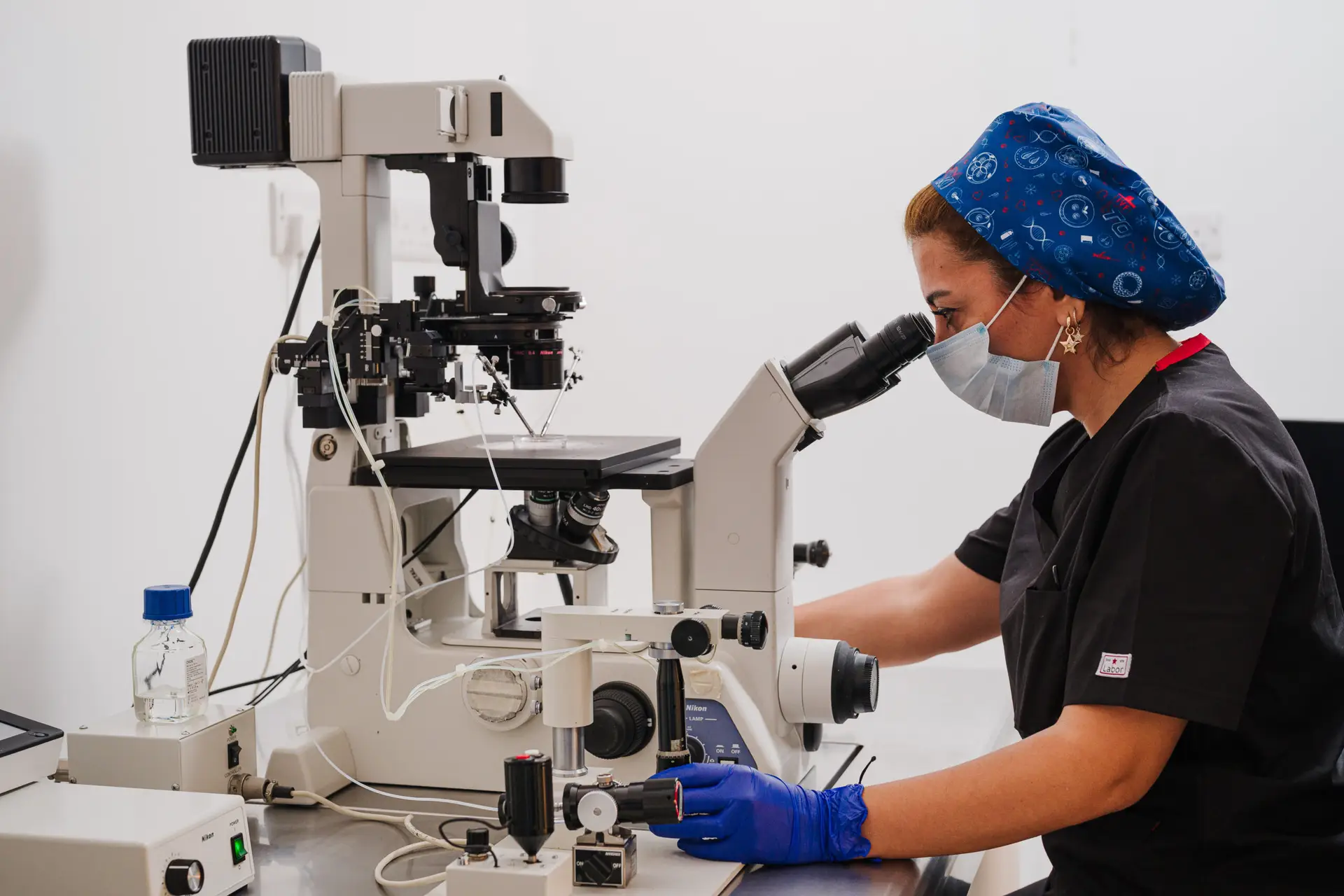
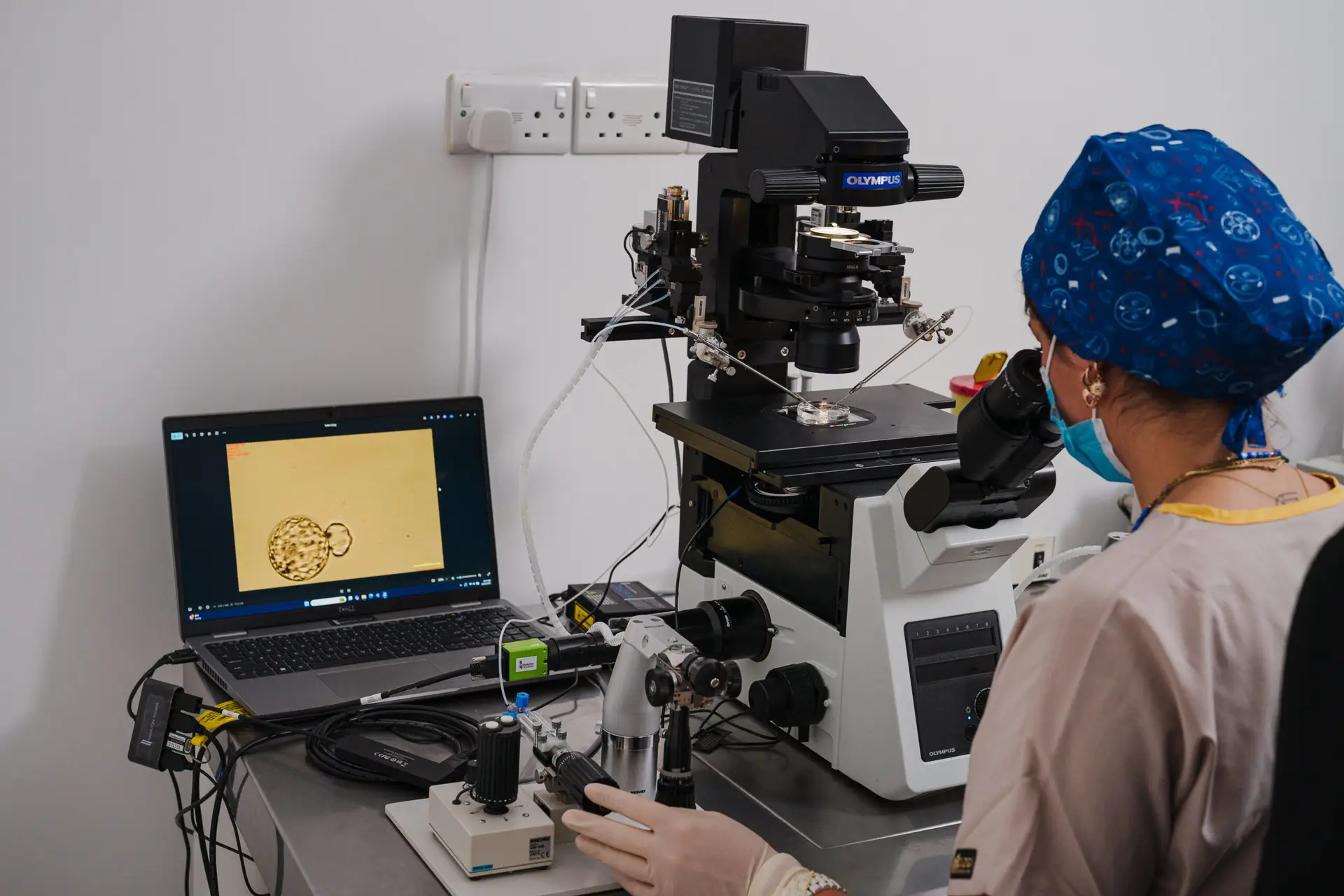
IVF ICSI is a specialized form of in vitro fertilization where eggs are collected from the ovaries and fertilized in the laboratory using a precise sperm injection technique. During standard IVF, sperm and eggs are placed together and fertilization happens naturally in the lab. With ICSI, an embryologist selects a suitable sperm and injects it directly into a mature egg using a fine microscopic needle. This method is commonly used when sperm count, sperm movement, or sperm shape may reduce the chance of fertilization. Cyprus IVF Hospital states that it uses the ICSI method to maximize fertilization chances, especially when sperm quality may be a concern. The process begins with fertility assessment and preparation.
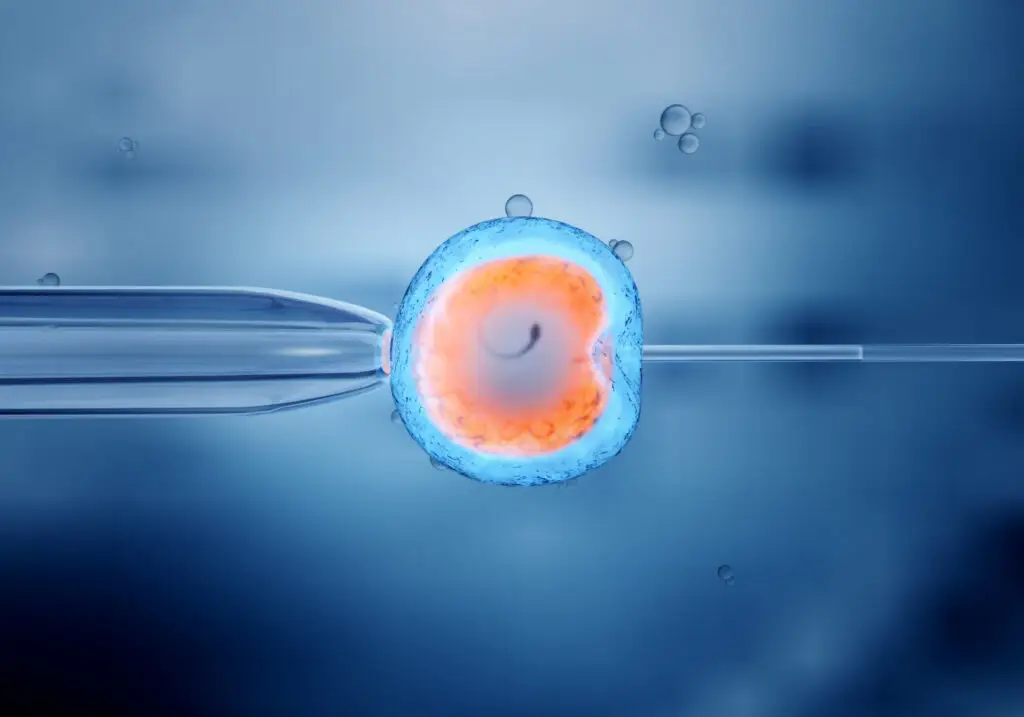
The female partner usually undergoes ovarian stimulation so multiple eggs can mature in one cycle. Once the eggs are ready, they are collected and combined with prepared sperm through ICSI. The fertilized eggs are then observed as embryos develop before one or more suitable embryos are selected for transfer. IVF ICSI does not guarantee pregnancy, as success depends on many factors including age, egg quality, sperm quality, embryo development, uterine health, medical history, and treatment response. However, it can improve the chance of fertilization in cases where traditional IVF may not be the most suitable option.
🩺 Types of IVF ICSI Treatment
- IVF ICSI with Own Eggs – Uses the patient’s own eggs and sperm from the partner or selected source for laboratory fertilization.
- IVF ICSI for Male Factor Infertility – Recommended when sperm count, motility, morphology, or previous fertilization results require a more precise fertilization method.
- IVF ICSI with Donor Sperm – Suitable when donor sperm is medically or personally required as part of the fertility plan.
- IVF ICSI with Donor Eggs – Uses donor eggs when egg quality, age-related fertility decline, or ovarian reserve concerns affect treatment planning.
- IVF ICSI with Embryo Donation – May be considered when both egg and sperm factors affect fertility or when donor embryos are part of the selected treatment route.
- IVF ICSI with PGT – Combines ICSI fertilization with preimplantation genetic testing when medically recommended for embryo assessment before transfer.
- Frozen Embryo Transfer After ICSI – Embryos created through ICSI may be frozen and transferred in a later cycle depending on the patient’s plan.
🩺 Who Is a Good Candidate?
IVF ICSI may be suitable for patients who need assisted fertilization due to sperm-related concerns, previous IVF challenges, or specific fertility conditions. A full medical evaluation is required before confirming whether this treatment is appropriate.
✔️ Couples experiencing male factor infertility
✔️ Patients with low sperm count or poor sperm motility
✔️ Men with abnormal sperm morphology
✔️ Couples with previous failed fertilization in IVF
✔️ Patients with unexplained infertility after evaluation
✔️ Women with reduced ovarian reserve who need optimized fertilization
✔️ Couples using frozen sperm samples
✔️ Patients considering donor sperm, donor eggs, or embryo donation
✔️ Individuals or couples advised to consider IVF with laboratory-assisted fertilization
✔️ Patients seeking fertility treatment in Cyprus with international coordination

📝 Consultation & Preparation
A careful consultation and preparation process is essential before IVF ICSI. The medical team must review both partners’ fertility status, medical history, test results, and treatment goals before designing a personalized plan.

✔️ Review of fertility history and previous IVF attempts
✔️ Assessment of age, menstrual cycle, ovarian reserve, and hormone levels
✔️ Semen analysis to evaluate sperm count, movement, and shape
✔️ Ultrasound evaluation of the ovaries and uterus
✔️ Blood tests and infectious disease screening when required
✔️ Review of medications, allergies, lifestyle, and medical conditions
✔️ Discussion of whether own eggs, donor eggs, donor sperm, or embryo donation may be needed
✔️ Explanation of ovarian stimulation and medication timing
✔️ Guidance on travel planning for international patients visiting Famagusta
✔️ Clear explanation of egg collection, ICSI fertilization, embryo transfer, and follow-up
🩺 Recovery & Aftercare
Recovery after IVF ICSI is usually manageable, but patients should follow medical instructions carefully throughout the cycle. After egg collection, some women may experience mild cramping, bloating, spotting, or temporary discomfort. These symptoms are usually monitored by the fertility team.
✔️ Rest after egg collection as recommended by the medical team
✔️ Mild bloating or pelvic discomfort may occur after stimulation
✔️ Avoid strenuous exercise immediately after egg retrieval
✔️ Follow medication instructions exactly, especially hormone support
✔️ Avoid smoking, alcohol, and unnecessary physical stress
✔️ Follow guidance on sexual activity and physical restrictions
✔️ Wait for the recommended pregnancy test date instead of testing too early
✔️ Stay in contact with the clinic for symptoms, updates, or concerns
✔️ Continue follow-up care after the pregnancy test result

🌍 Why Choose Cyprus IVF Hospital for IVF ICSI in Famagusta?
Choosing the right fertility hospital is an important step for patients considering IVF ICSI abroad. Cyprus IVF Hospital positions itself as a fertility center focused on personalized fertility treatment, modern equipment, and international patient care. The hospital is located in North Cyprus and states that it operates as a subsidiary of Cyprus Central Hospital.
✔️ ICSI method used to support fertilization when sperm quality may be a concern
✔️ Personalized fertility planning based on patient history and test results
✔️ Suitable treatment options for male factor infertility and complex fertility cases
✔️ Fertility services available for patients considering donor eggs, donor sperm, or embryo donation
✔️ International patient-friendly approach for patients traveling to Cyprus
✔️ Modern clinical setting connected with Cyprus Central Hospital
✔️ Experience serving fertility patients since 1995, according to the hospital website
✔️ ISO 9001 certification noted by the hospital as part of its quality background