



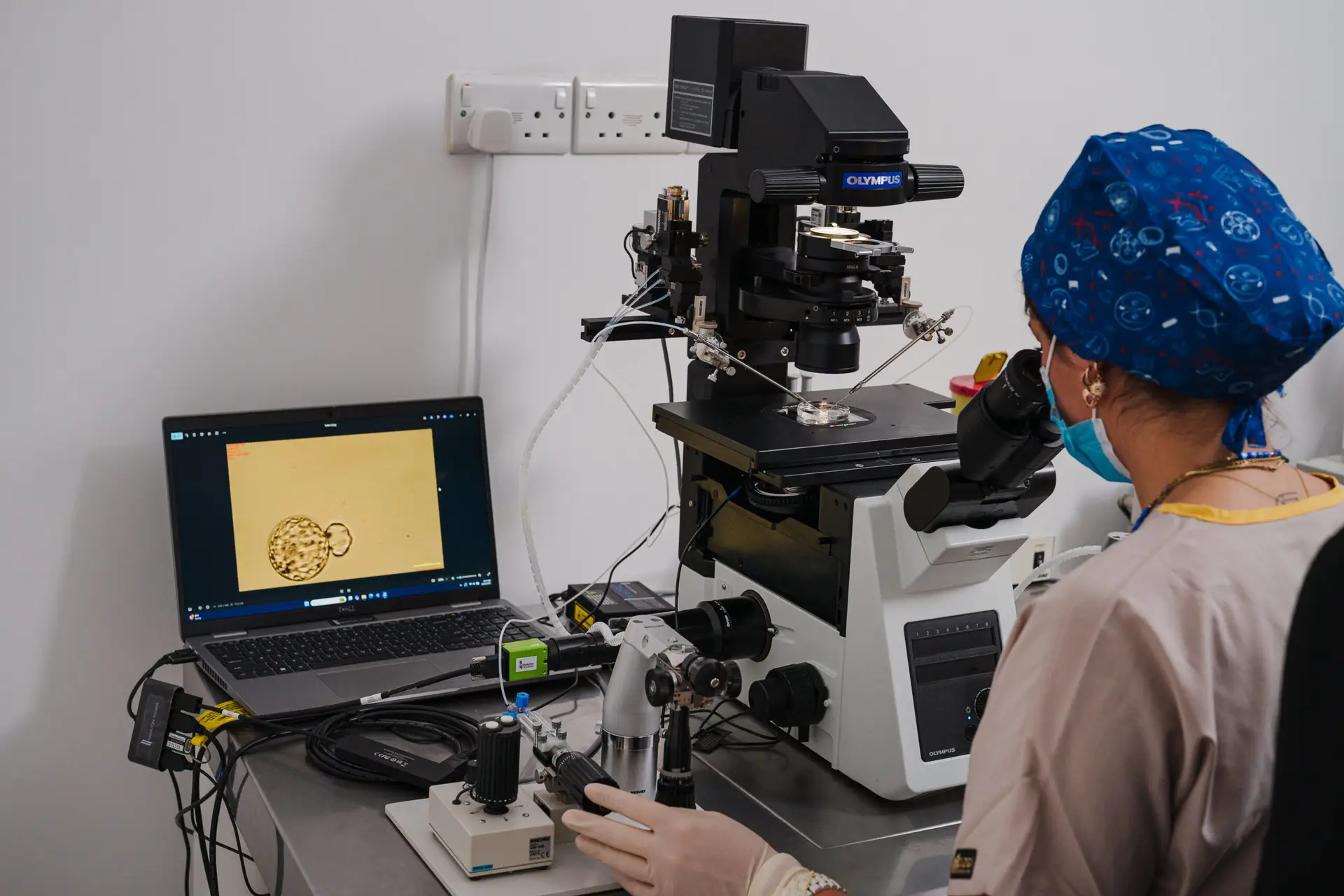






Supported Fertility Pathways for Intended Parents Seeking Surrogacy Guidance in North Cyprus
Surrogacy in Famagusta, Cyprus by Cyprus IVF Hospital is designed for intended parents who cannot safely carry a pregnancy themselves or who require a supported fertility pathway involving IVF, embryo creation, and coordinated surrogacy planning. Cyprus IVF Hospital states that it does not offer direct surrogacy services, but works with reputable partner agencies to help patients access surrogacy solutions with appropriate care and support.
This treatment pathway may involve IVF using the intended parents’ eggs and sperm, donor eggs, donor sperm, or donor embryos, depending on each case. The medical side focuses on fertility testing, embryo creation, laboratory care, and embryo transfer planning, while surrogacy arrangements require careful legal, ethical, and agency guidance. For international patients, this makes clear coordination essential from the first consultation.
🔍 What Is Surrogacy?
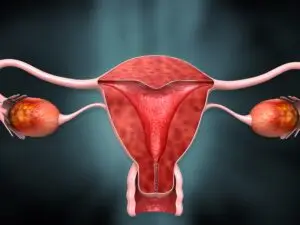
Surrogacy is a fertility arrangement where another woman carries a pregnancy on behalf of the intended parent or intended parents. In most modern fertility programs, gestational surrogacy is commonly used, meaning the surrogate carries an embryo created through IVF and does not provide the egg herself.
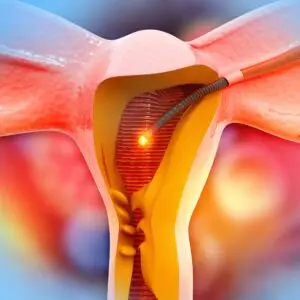
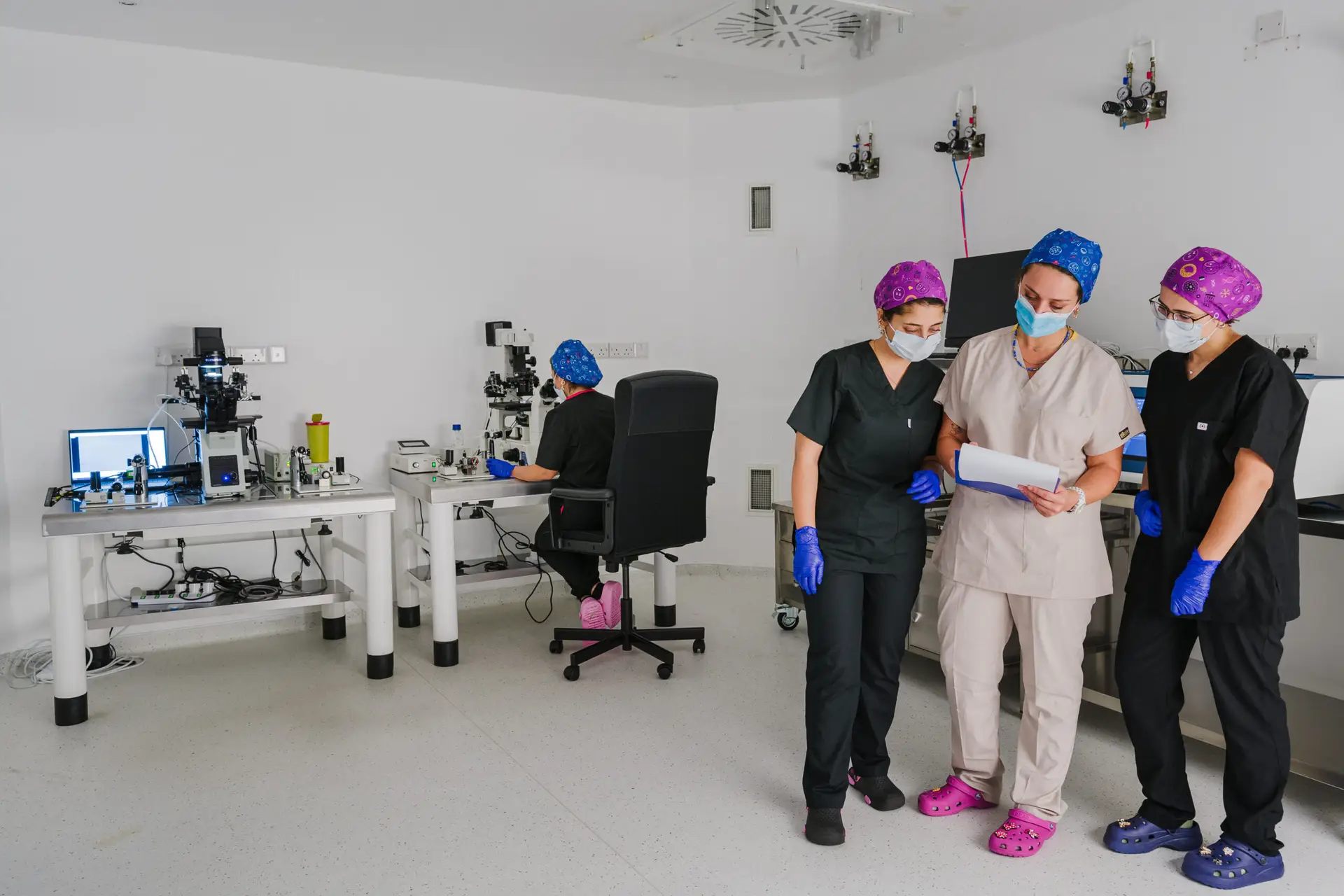
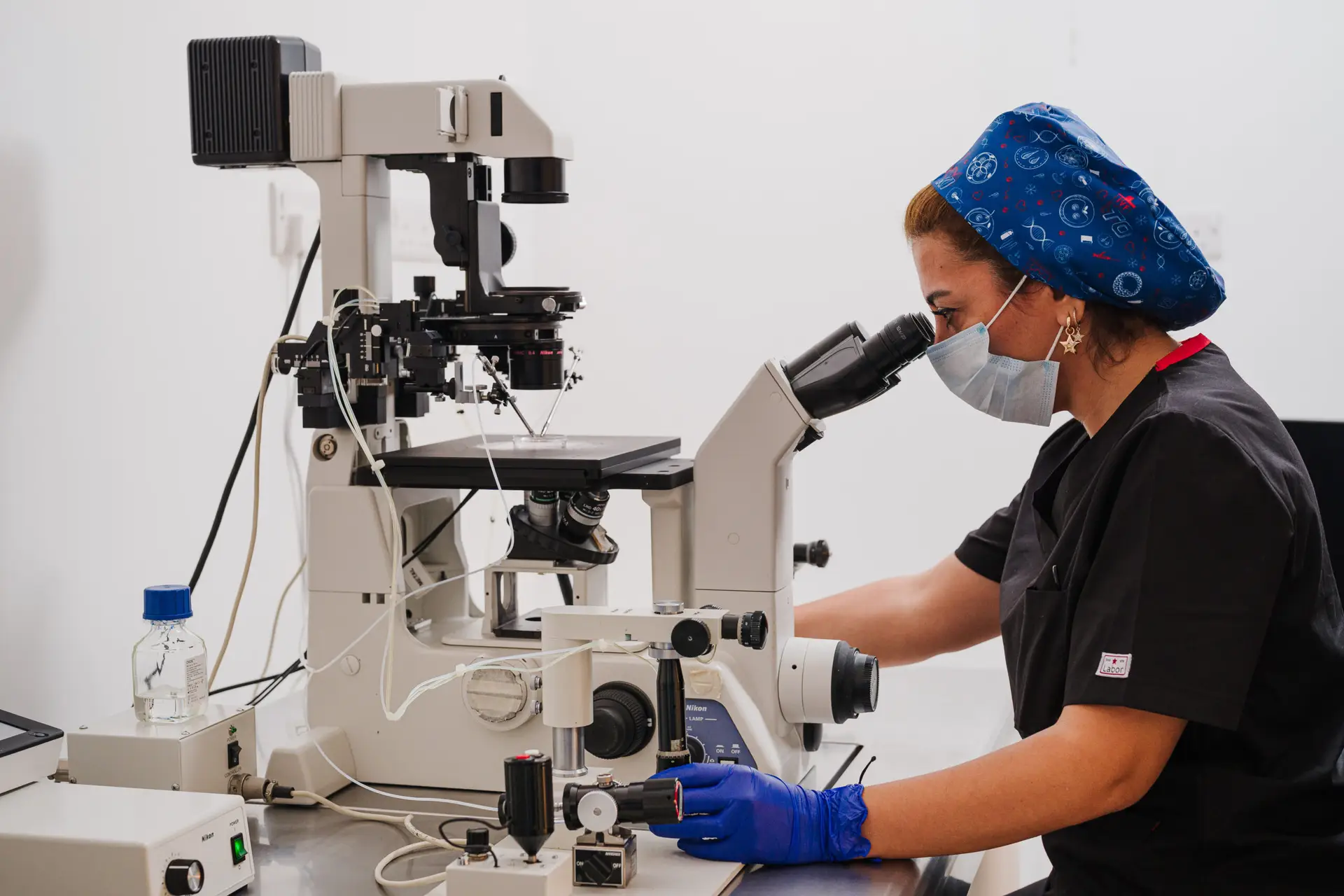
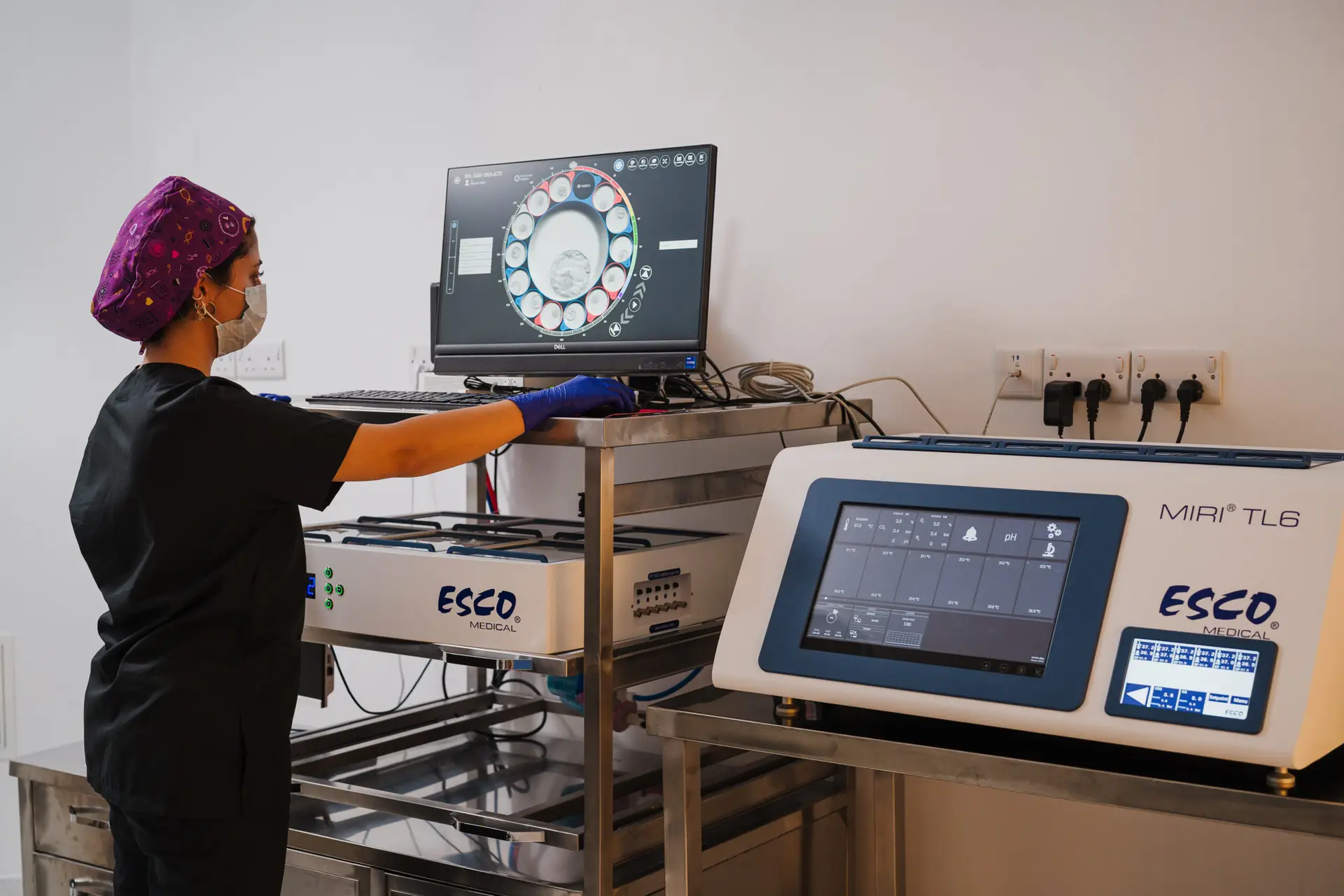
The process usually begins with a detailed fertility consultation. The medical team reviews the intended parents’ history, fertility test results, previous IVF attempts, donor needs, and personal goals. If IVF is suitable, eggs are fertilized with sperm in the laboratory to create embryos. These embryos may come from the intended parents’ own genetic material or from donor eggs, donor sperm, or donor embryos. Once embryos are created, the next steps depend on the surrogacy plan, agency process, medical suitability, and legal pathway.

Cyprus IVF Hospital supports the medical fertility side and collaborates with partner agencies for surrogacy arrangements, which helps patients receive structured support without overstating the hospital’s direct role in surrogate matching. Surrogacy can be an important option for women who cannot carry a pregnancy due to medical conditions, uterine factors, repeated pregnancy loss, previous hysterectomy, or serious health risks. It may also be considered by some single intended parents or couples who require a gestational carrier, depending on applicable regulations and agency criteria.
🩺 Types of Surrogacy Pathways
- Gestational Surrogacy – An embryo is created through IVF and transferred to a surrogate who carries the pregnancy, with no genetic link between the surrogate and the baby.
- Surrogacy with Own Eggs and Partner Sperm – The intended mother’s eggs and intended father’s sperm are used to create embryos before transfer planning.
- Surrogacy with Donor Eggs – Donor eggs may be used when egg quality, ovarian reserve, age-related fertility decline, or previous IVF outcomes make donor eggs medically appropriate.
- Surrogacy with Donor Sperm – Donor sperm may be considered when sperm quality, male-factor infertility, or personal circumstances require this option.
- Surrogacy with Donor Embryos – Donor embryos may be an option for intended parents who need both egg and sperm donation support.
- IVF with Embryo Freezing Before Surrogacy – Embryos may be created and frozen while the intended parents complete agency, legal, and logistical steps before transfer planning.
🩺 Who Is a Good Candidate?
Surrogacy may be suitable for intended parents who are unable to carry a pregnancy safely or successfully. Each case should be reviewed individually by the fertility team and relevant surrogacy professionals.
✔️ Women who cannot carry a pregnancy due to medical reasons
✔️ Patients with uterine absence, uterine damage, or severe uterine factors
✔️ Individuals with repeated pregnancy loss after medical evaluation
✔️ Patients with serious health risks that make pregnancy unsafe
✔️ Women who have had a hysterectomy but still wish to have a child through IVF
✔️ Intended parents with previous failed IVF attempts where carrying pregnancy is not possible
✔️ Patients requiring donor eggs, donor sperm, or donor embryos
✔️ Couples who need a gestational carrier as part of their family-building journey
✔️ Intended parents who understand that surrogacy requires legal and agency guidance
✔️ International patients seeking coordinated fertility support in Famagusta, North Cyprus

🌍 Why Choose Cyprus IVF Hospital for Surrogacy Support ?
Choosing the right fertility provider is important when planning surrogacy abroad. Cyprus IVF Hospital is located in Famagusta, North Cyprus, and provides fertility services for international patients seeking IVF, donor options, embryo creation, and coordinated reproductive care.

✔️ Fertility-focused hospital in Famagusta, North Cyprus
✔️ Experience with IVF and assisted reproductive treatments
✔️ Support for patients requiring donor eggs, donor sperm, or donor embryos
✔️ Medical coordination for embryo creation and fertility planning
✔️ Collaboration with reputable partner agencies for surrogacy solutions
✔️ International patient communication and treatment guidance
✔️ Personalized treatment planning based on medical history
✔️ Clear fertility pathway for complex family-building cases
✔️ Supportive environment for intended parents traveling from abroad
✔️ Focus on structured care, privacy, and patient guidance throughout the process