







Advanced Hair Restoration for Natural Density, Hairline Balance & Long-Term Confidence
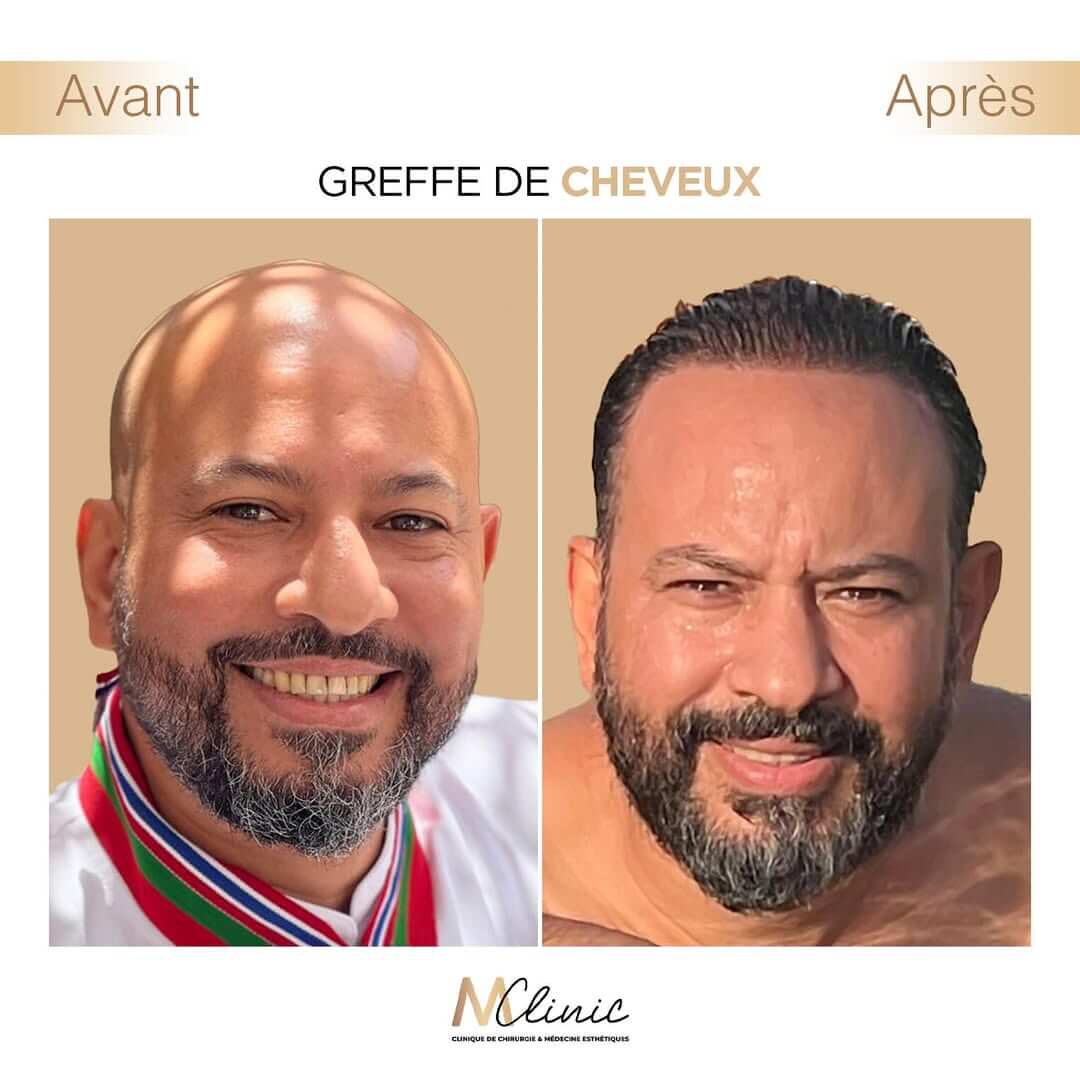
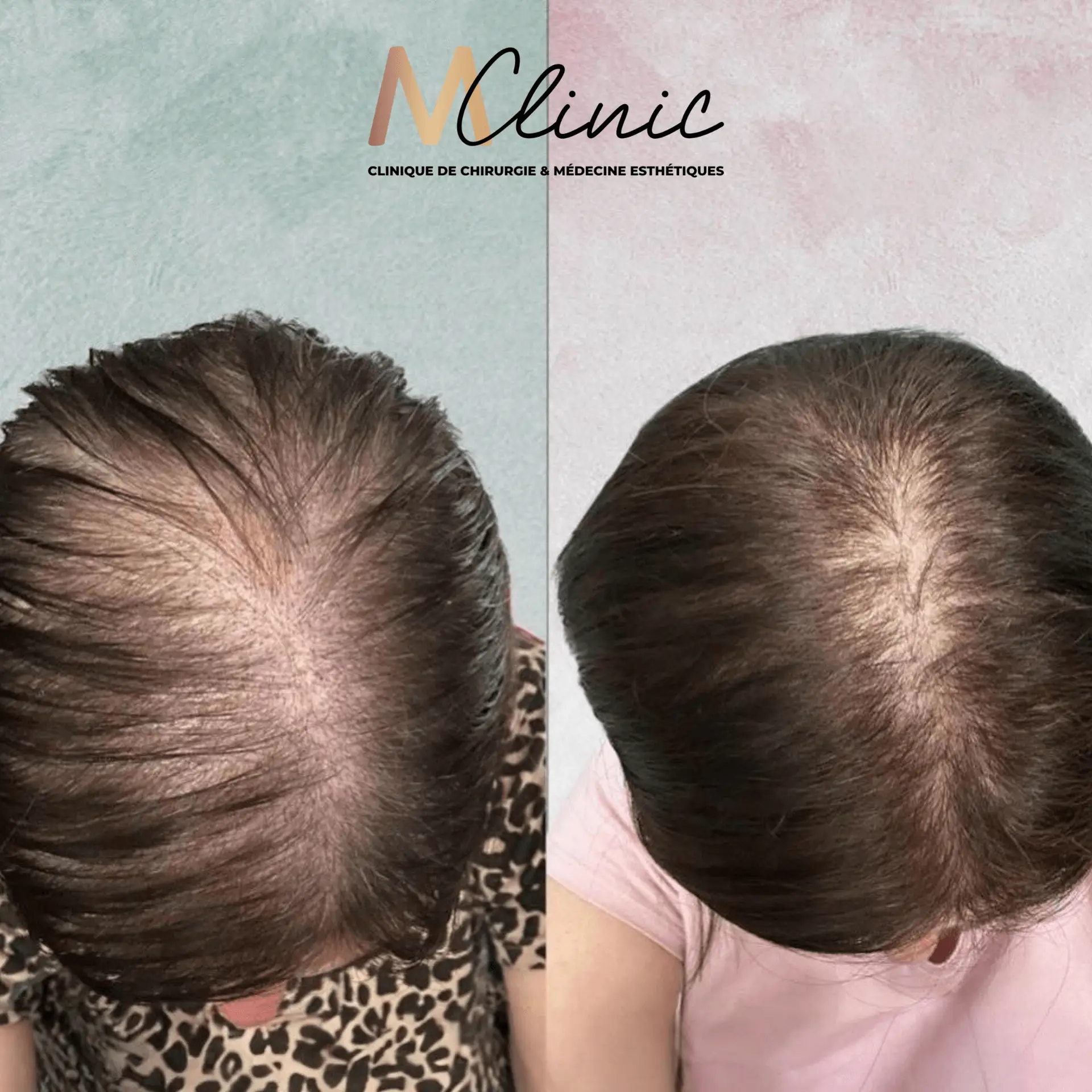
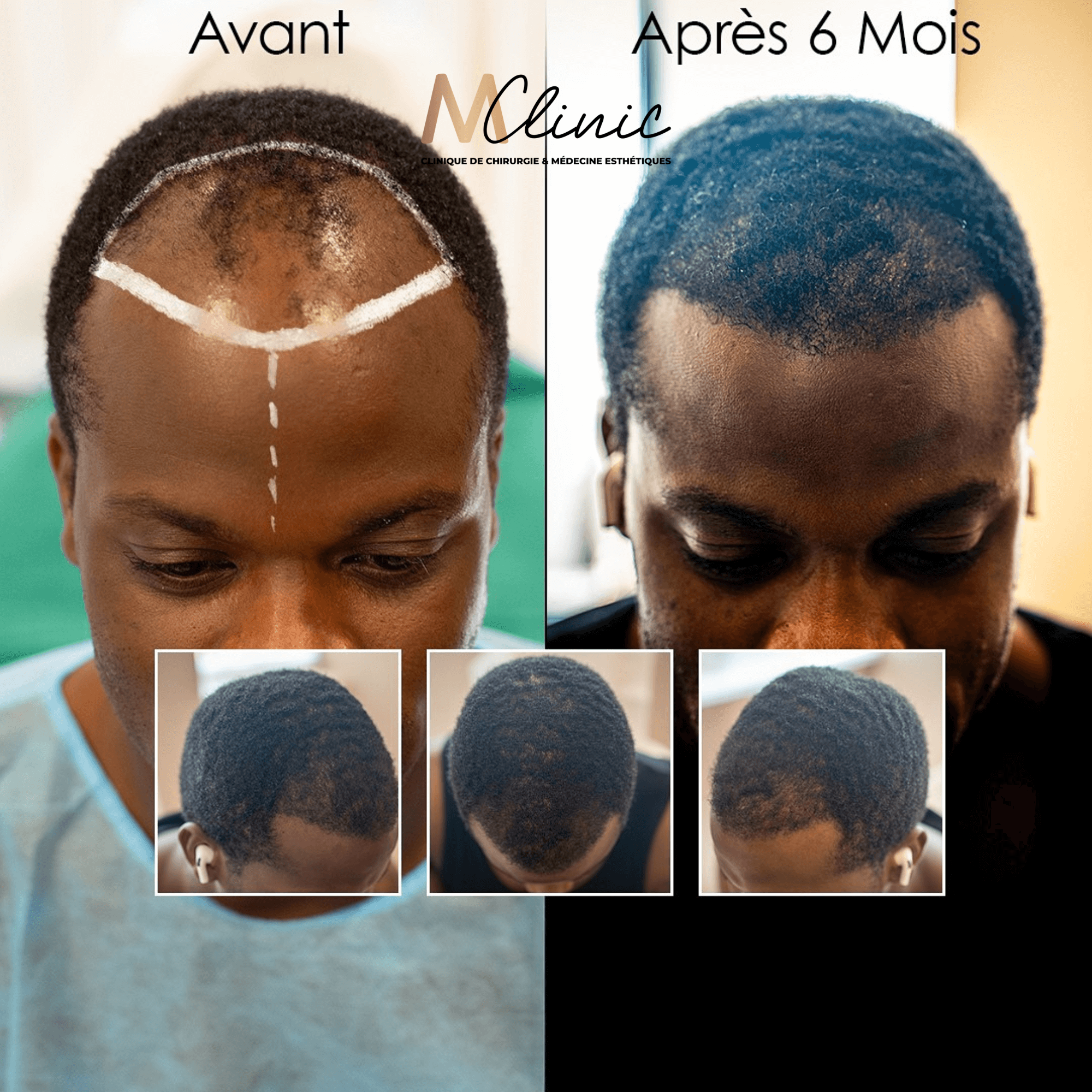
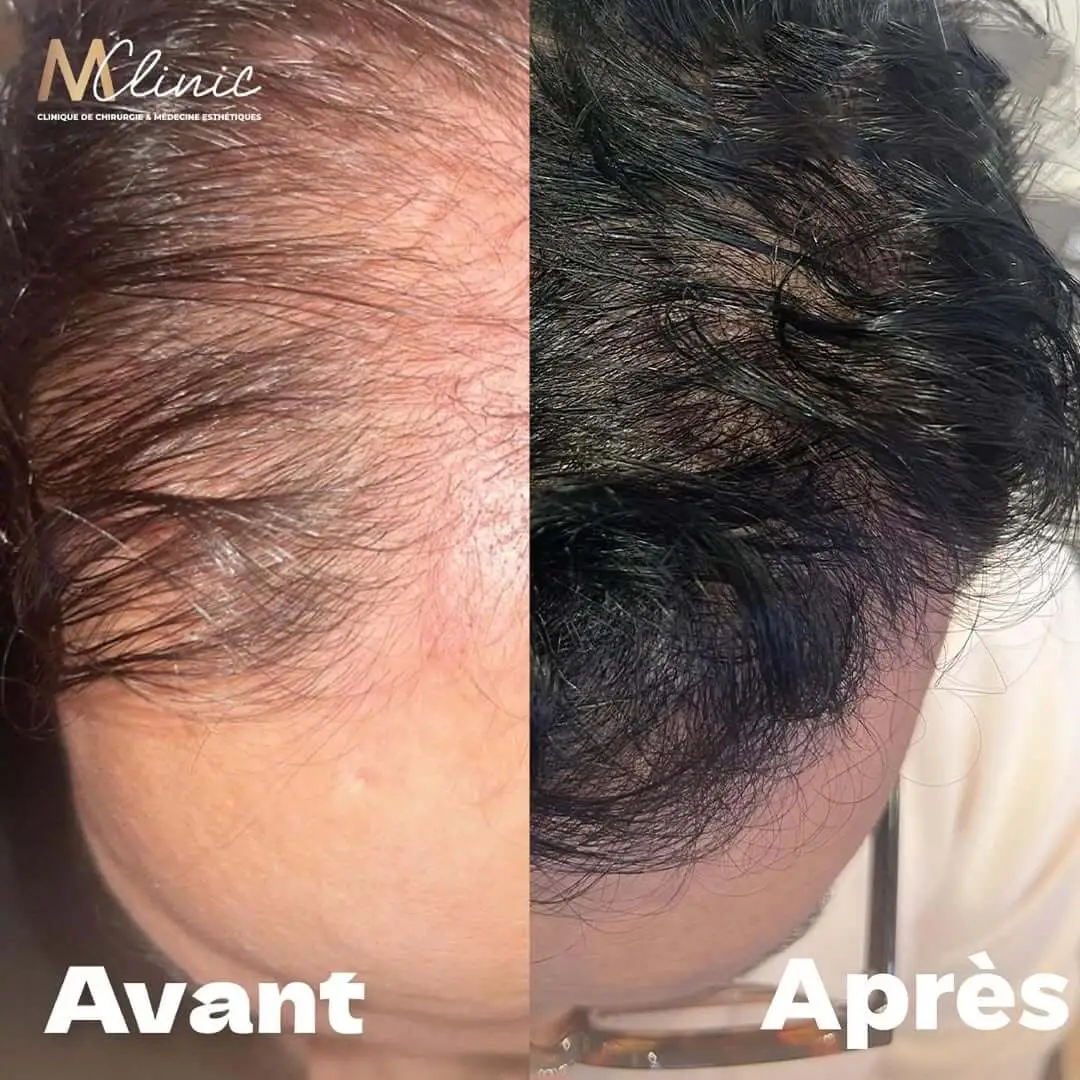
Hair Transplant in Marrakech, Morocco by Mclinic Marrakesh is a hair restoration procedure designed for men and women experiencing hair thinning, receding hairline, bald patches, or progressive hair loss. This treatment focuses on restoring natural-looking hair growth by relocating healthy hair follicles from donor areas to areas affected by hair loss. For many patients, a hair transplant offers a long-term solution that can improve facial balance, restore confidence, and create a fuller, more youthful appearance.
Hair transplantation is especially popular among international patients seeking a discreet, personalized, and medically guided approach to hair restoration. At Mclinic Marrakesh, the treatment planning process is based on each patient’s hair loss pattern, donor hair availability, scalp condition, and aesthetic goals. The objective is not only to increase hair density but also to create a natural hairline that matches the patient’s facial features and age.
🔍 What Is a Hair Transplant?
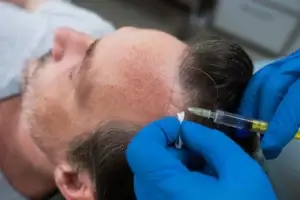
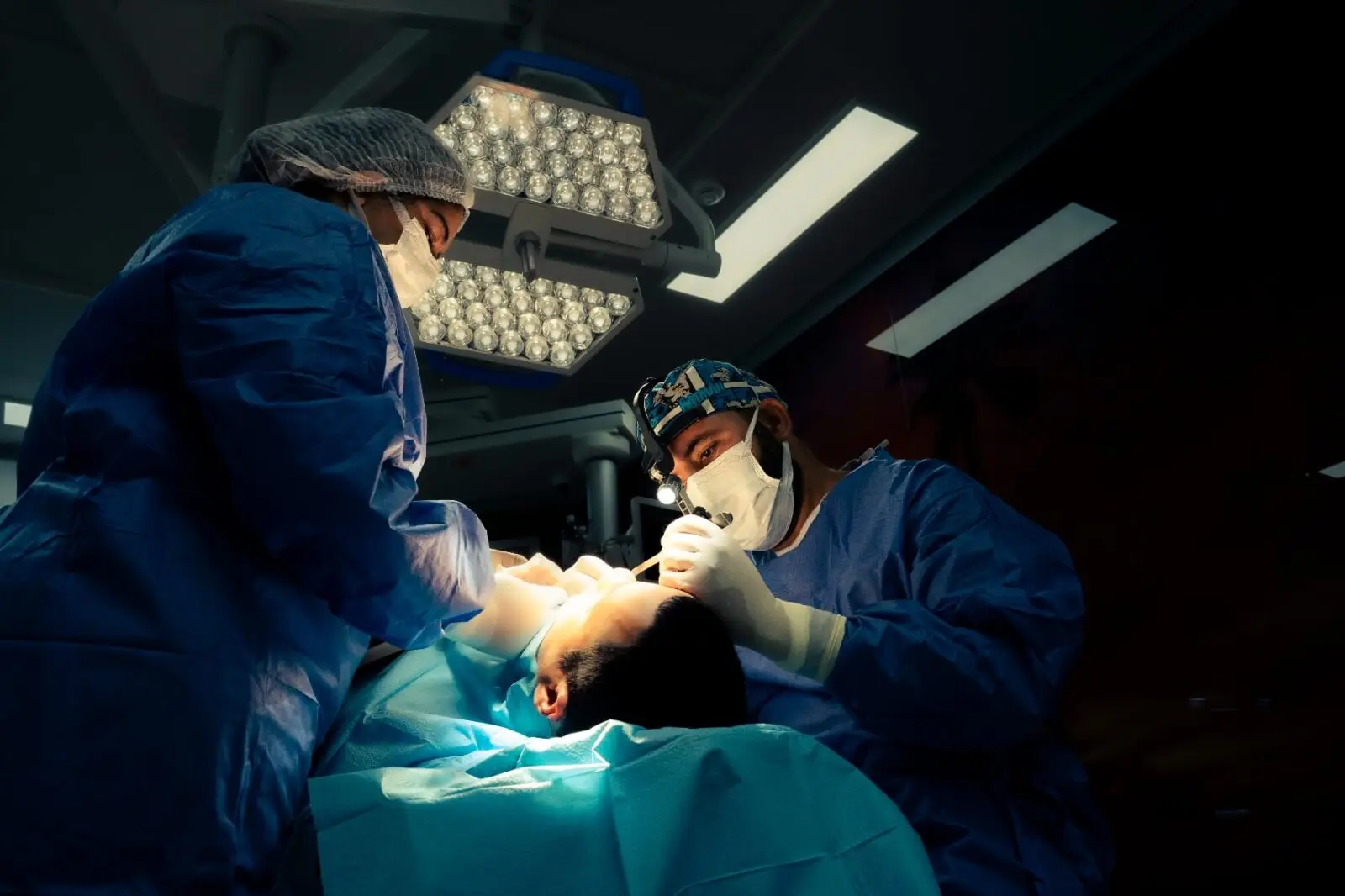
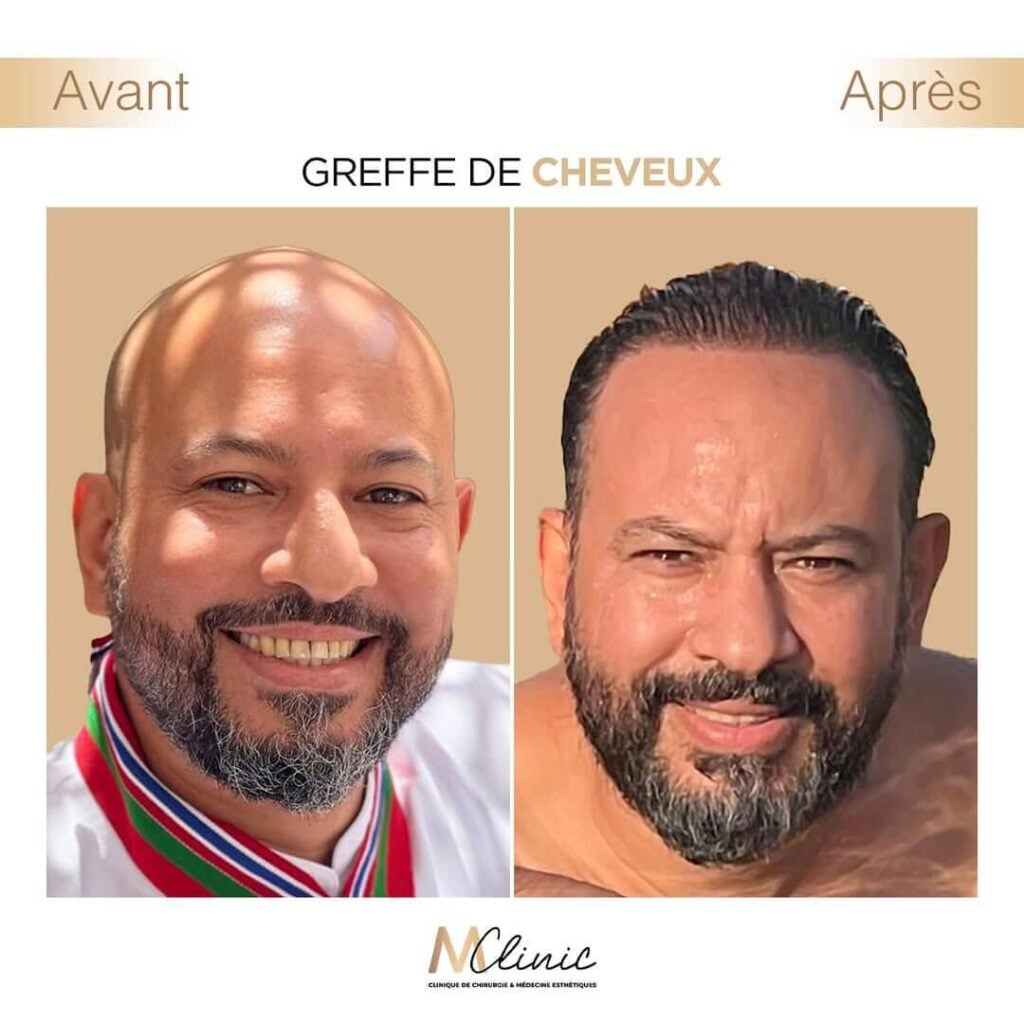
A hair transplant is a surgical hair restoration procedure that moves healthy hair follicles from a donor area, usually the back or sides of the scalp, to areas where hair is thinning or missing. These donor follicles are selected because they are typically more resistant to hair loss. Once implanted, the transplanted follicles can gradually grow new hair in the treated areas. The procedure is planned carefully to achieve natural density, correct hair direction, and balanced hairline design.
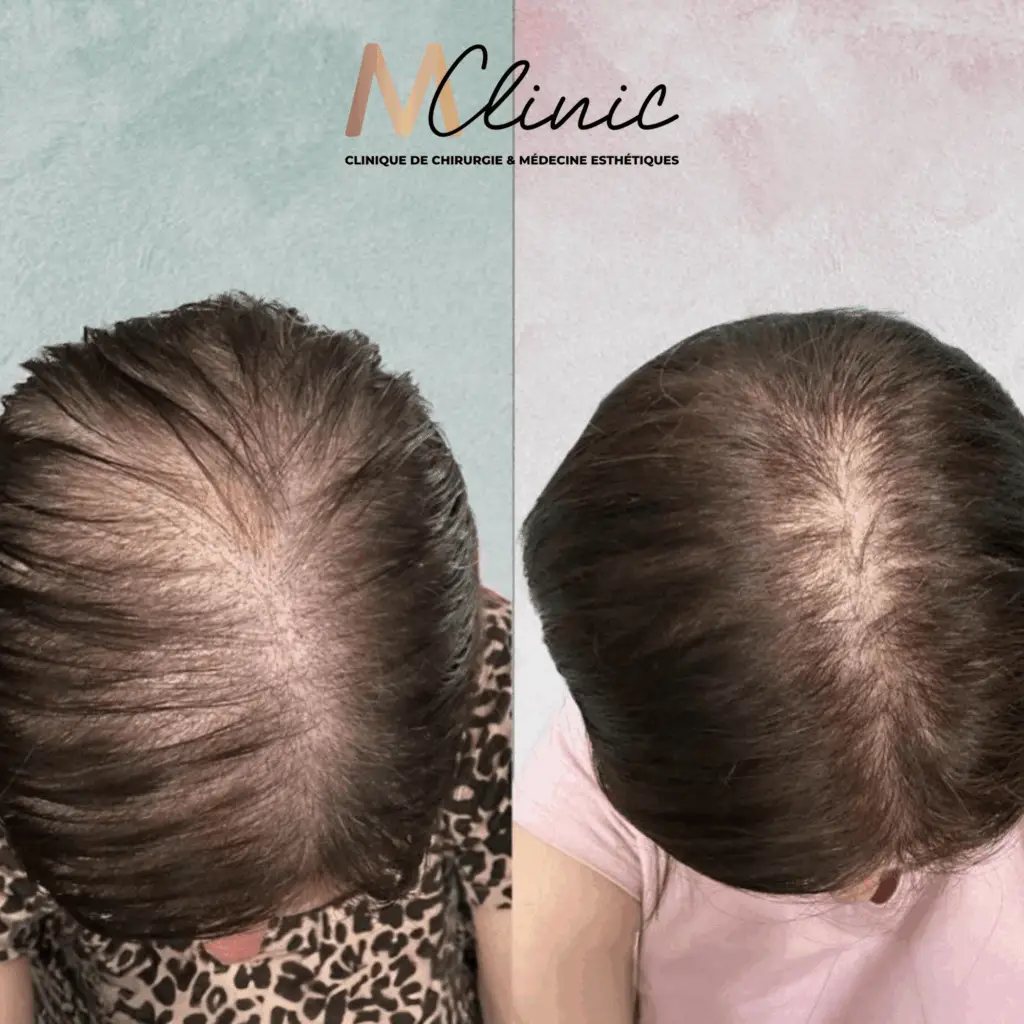
The surgeon or medical team evaluates the patient’s scalp, donor area, hair texture, and degree of hair loss before creating a customized treatment plan. This helps ensure that the final result looks realistic rather than artificial or overly dense.
Hair transplant surgery may be used to restore the frontal hairline, crown area, temples, beard, eyebrows, or other areas depending on the patient’s needs. Results develop gradually because transplanted hair follows a natural growth cycle. Initial shedding can occur before new hair growth begins, and visible improvement usually continues over several months.
Overall, a hair transplant offers a long-term solution for suitable patients with stable hair loss and adequate donor hair. It is not an instant cosmetic change, but a progressive restoration process that requires proper planning, aftercare, and realistic expectations.
🩺 Types of Hair Transplant Procedures
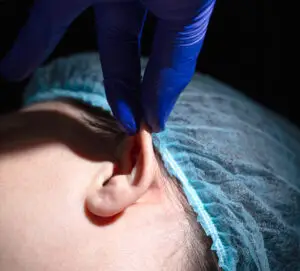
- FUE Hair Transplant – Follicular Unit Extraction involves removing individual hair follicles from the donor area and implanting them into thinning or bald areas. It is widely used because it avoids a linear scar and supports natural-looking results.
- FUT Hair Transplant – Follicular Unit Transplantation involves removing a thin strip of scalp from the donor area and separating it into grafts. This method may be suitable for some patients requiring a larger number of grafts, depending on medical assessment.
- Hairline Restoration – Focuses on rebuilding a receding frontal hairline with careful attention to shape, density, angle, and facial harmony.
- Crown Hair Transplant – Targets thinning or baldness around the crown area, where graft placement must follow the natural circular growth pattern.
- Temple Hair Restoration – Helps improve recession around the temples and can create a more balanced frame for the face.
- Beard Transplant – Uses transplanted follicles to improve beard density, fill patchy areas, or enhance facial hair shape.
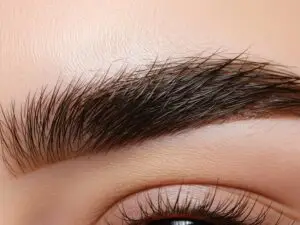
- Eyebrow Transplant – Restores eyebrow fullness using carefully placed follicles for natural direction and shape.
- Corrective Hair Transplant – May help improve the appearance of previous hair transplant results, depending on donor availability and scalp condition.
🩺 Who Is a Good Candidate?
Hair Transplant in Marrakech may be suitable for patients with visible hair thinning, receding hairline, bald patches, or reduced hair density who want a long-term hair restoration solution. Ideal candidates should have realistic expectations and understand that results develop gradually over time.
✔️ Women with suitable hair thinning patterns
✔️ Patients with a receding frontal hairline
✔️ Individuals with thinning around the crown area
✔️ Individuals with adequate donor hair availability
✔️ Patients seeking natural-looking hair density
✔️ Adults in good general health
✔️ Individuals with realistic expectations about growth timelines
✔️ Patients wanting improved facial balance through hairline restoration
✔️ Individuals affected by patchy beard or eyebrow hair loss
✔️ Patients seeking correction after previous hair transplant procedures
✔️ Individuals looking for a gradual and long-term improvement
📝 Consultation & Preparation
A detailed consultation is essential before planning a hair transplant. The medical team assesses the patient’s hair loss pattern, donor area strength, scalp health, age, medical history, and expectations. This evaluation helps determine whether the patient is suitable for hair transplant surgery and which approach may be most appropriate.
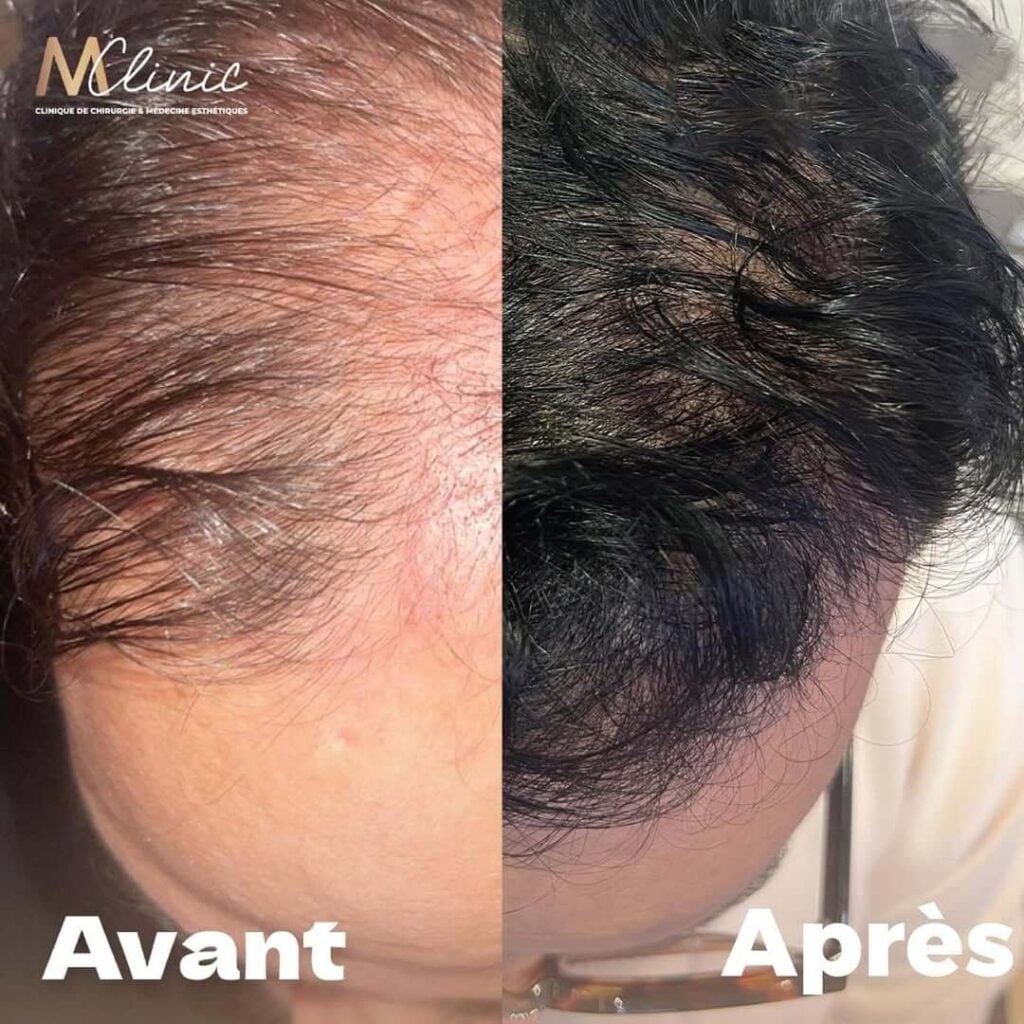
✔️ Review of hair loss history and progression
✔️ Evaluation of donor area density and quality
✔️ Review of previous hair restoration treatments
✔️ Assessment of medical history and medications
✔️ Identification of possible causes of hair thinning
✔️ Explanation of graft planning and placement strategy
✔️ Pre-operative instructions before the procedure
✔️ Guidance on avoiding smoking before treatment
✔️ Advice on stopping blood-thinning medication if medically appropriate
✔️ Discussion of expected growth timeline
✔️ Explanation of temporary shedding after transplantation
✔️ Personalized planning based on facial structure and hair type
✔️ Final confirmation of treatment goals before surgery
🩺 Recovery & Aftercare
Recovery after a hair transplant is usually manageable with proper aftercare and medical guidance. Patients may experience temporary redness, swelling, mild tenderness, scabbing, or sensitivity in the treated and donor areas. These effects are expected during the early healing phase and gradually improve.
✔️ Mild swelling may occur around the forehead or scalp
✔️ Small scabs may form around implanted grafts
✔️ Donor area tenderness can occur temporarily
✔️ Direct sun exposure should be avoided during early healing
✔️ Strenuous exercise may need to be paused temporarily
✔️ Patients should avoid touching or scratching the grafts
✔️ Gentle washing instructions are usually provided
✔️ Smoking and alcohol may need to be avoided during recovery
✔️ Follow-up guidance helps monitor healing progress
✔️ Temporary shedding of transplanted hair may occur
✔️ New growth usually develops gradually over several months
✔️ Final density improvement can take time to fully mature
✔️ Proper scalp care supports long-term results
✔️ Patients should follow all medical aftercare instructions carefully
🌍 Why Choose MClinic Marrakesh for Hair Transplant?
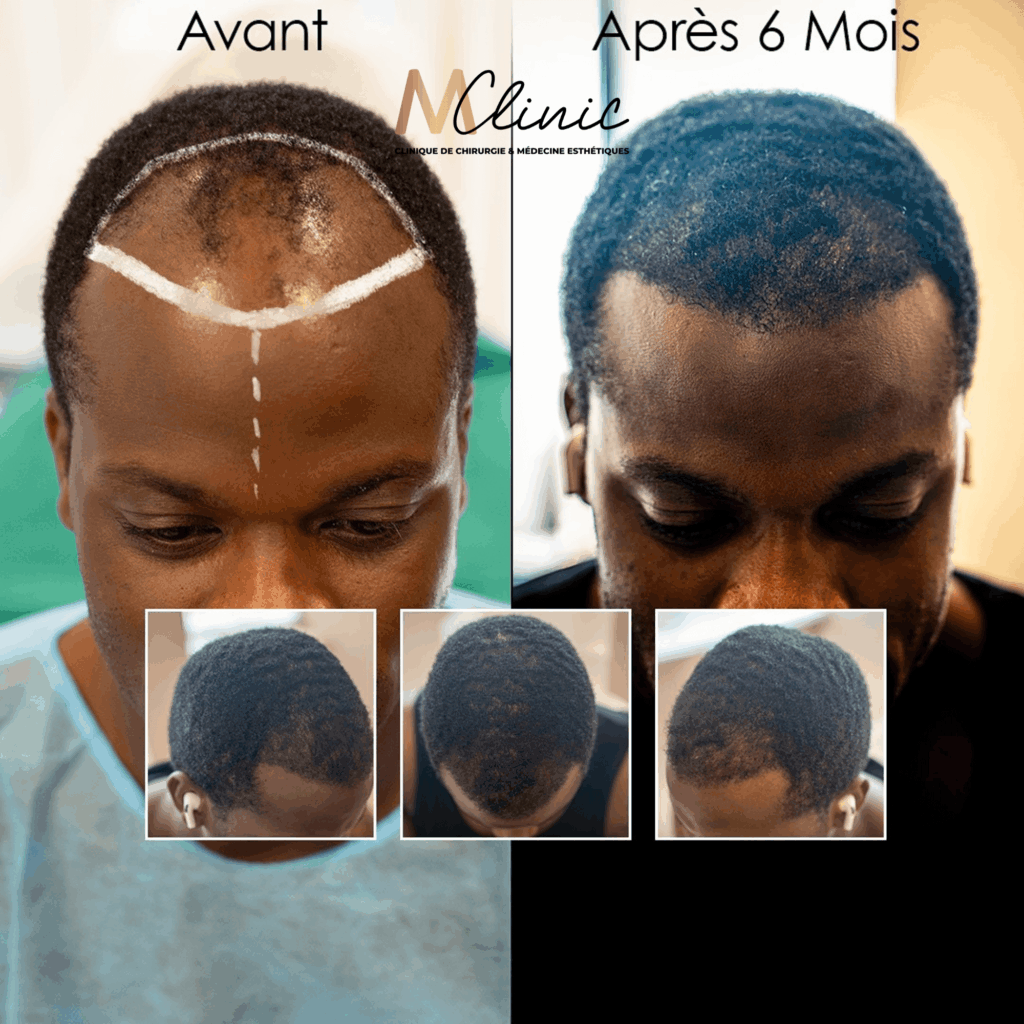
Choosing the right clinic for hair restoration is important because hair transplant results depend on careful planning, donor management, graft handling, and natural placement. Mclinic Marrakesh offers patients in Marrakech a structured medical environment for aesthetic procedures, with treatment planning focused on personalization, safety, and natural-looking outcomes.

✔️ Personalized hair restoration treatment planning
✔️ Careful assessment of hairline design and facial balance
✔️ Focus on natural-looking hair density and direction
✔️ Structured consultation before procedure planning
✔️ Supportive environment for international patients
✔️ Emphasis on realistic expectations and gradual results
✔️ Treatment planning adapted to patient hair type and goals
✔️ Focus on long-term aesthetic improvement
✔️ Professional coordination throughout the patient journey
✔️ Recovery guidance designed to support proper healing