

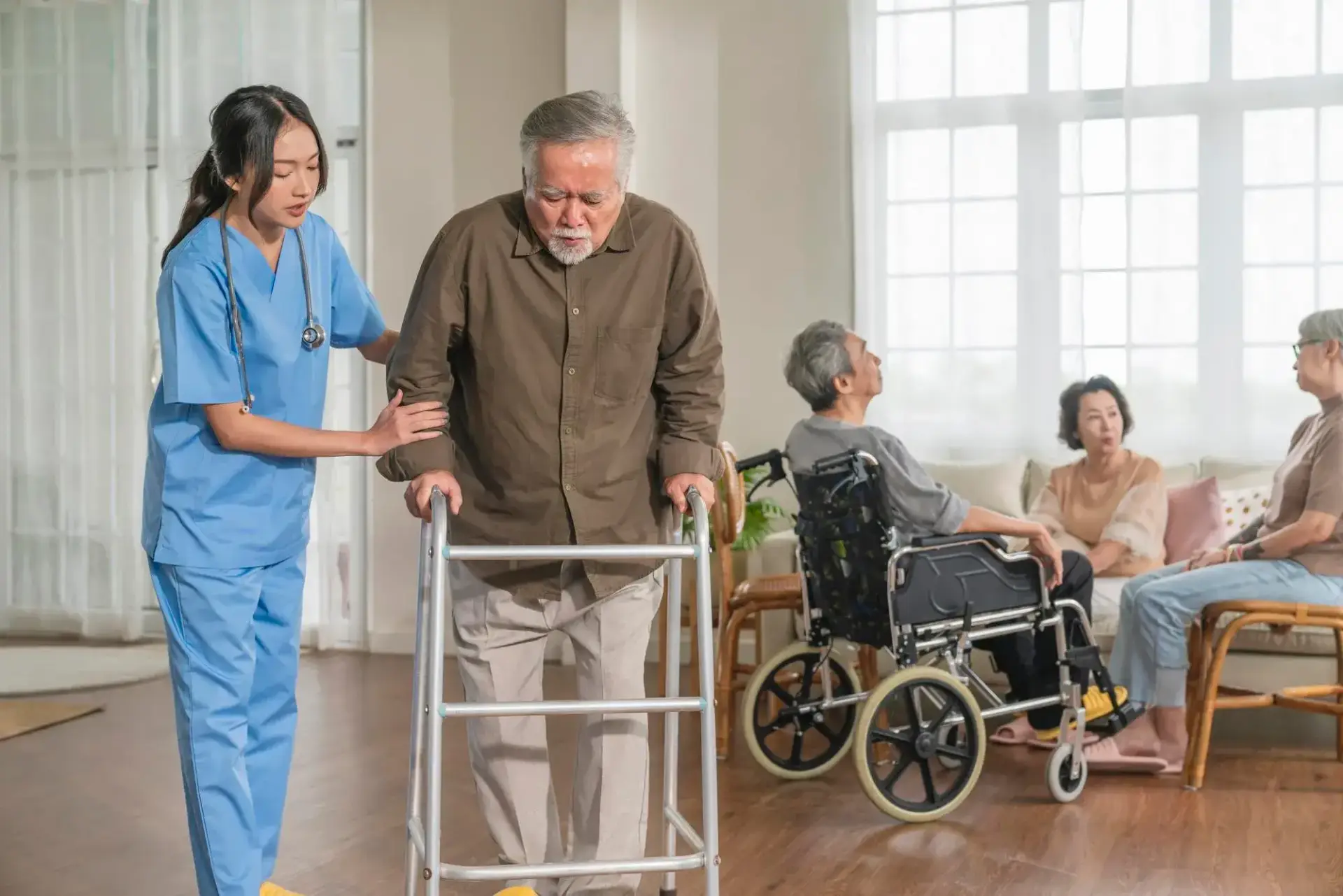
Getting older comes with physical changes that no one can fully prepare for. A fall, a stroke, a joint replacement, or simply the gradual loss of strength and balance can turn daily life into a constant struggle. Geriatric rehabilitation is the medical answer to that struggle — a structured, hands-on recovery program designed specifically for older adults who want to regain function, reduce pain, and live with more independence.
Turkey has quietly become one of the most respected destinations for senior medical care in the world. The country’s rehabilitation hospitals and specialized centers treat thousands of international patients each year, offering a combination of experienced specialists, modern equipment, and personalized care that many patients simply cannot access at home — at least not at this level or this price.
Patients travel to Turkey for geriatric rehabilitation from the UK, Germany, the Netherlands, the Gulf states, and increasingly from North America. The reasons are consistent: shorter waiting times, more intensive daily therapy sessions, access to multidisciplinary teams under one roof, and costs that are a fraction of what private rehabilitation costs in Western Europe or the United States.
What makes geriatric rehabilitation in Turkey particularly strong is the structure of the programs. Rather than a one-hour physiotherapy session twice a week, patients here typically receive multiple hours of hands-on therapy daily, combining physiotherapy, occupational therapy, speech therapy where needed, neurological rehabilitation, and medical supervision — all coordinated by a team that communicates in real time.
Treatment Highlights
- Specialized rehabilitation programs designed for adults over 60, addressing post-surgical recovery, neurological conditions, mobility loss, and age-related decline
- Daily multi-hour therapy sessions combining physiotherapy, occupational therapy, hydrotherapy, and medical supervision
- Suitable for post-stroke recovery, post-hip or knee replacement rehab, Parkinson’s disease management, fall prevention, and general deconditioning
- Turkey’s rehabilitation hospitals meet international accreditation standards, with JCI-accredited facilities available in major cities
- Programs typically run from 2 to 6 weeks depending on the patient’s condition and recovery goals
- Significantly lower costs than equivalent private rehabilitation in the UK, Germany, or the USA — often 50 to 70 percent less
- Multilingual patient coordinators and medical teams experienced in managing international senior patients
- Recovery in a warm climate with comfortable, accessible facilities and strong nursing support
Geriatric Rehabilitation in Turkey — A Detailed Overview
What the Treatment Involves
Geriatric rehabilitation is not a single treatment. It is a coordinated medical program built around the specific physical, cognitive, and functional needs of an older adult. The goal is always to restore as much independence as possible — whether that means walking without assistance after a hip replacement, recovering speech and movement after a stroke, or simply building enough strength and balance to live safely at home again.
In Turkey, these programs are delivered inside dedicated rehabilitation hospitals or specialized units within larger Turkish hospitals. The medical team typically includes a physiatrist (a doctor specializing in physical medicine and rehabilitation), physiotherapists, occupational therapists, neurologists, geriatricians, dietitians, and nursing staff trained in senior care.
Depending on what brought the patient to rehabilitation — surgery, a neurological event, chronic disease progression, or functional decline — the program is customized. A patient recovering from a total knee replacement will follow a different protocol than someone working to regain arm function after a stroke. The intake process always begins with a thorough medical assessment, after which the team builds a structured, goal-oriented plan.
Why Patients Choose Turkey for This
The honest reason most patients and families look abroad for geriatric rehabilitation is access. In many countries, intensive inpatient rehabilitation is either unavailable at the quality level required, stuck behind long waiting lists, or priced beyond what families can realistically afford. Private rehabilitation in the United States or the United Kingdom can cost anywhere from $1,000 to $3,000 per day. A month of that is out of reach for most people.
Turkey offers intensive, medically supervised rehabilitation at a fraction of that cost without sacrificing the quality of care. The country has invested heavily in its healthcare infrastructure over the past two decades, and its rehabilitation sector has benefited directly from that investment. Many facilities use the same equipment and therapeutic approaches found in Germany or Switzerland — the difference is the price tag.
There is also the matter of attention. In busy public hospitals back home, physiotherapy time is rationed. In Turkey’s dedicated rehabilitation centers, patients receive focused, consistent daily therapy — which is exactly what the body needs to recover effectively.
What Outcomes Are Realistic
The results of geriatric rehabilitation depend on the patient’s starting condition, the cause of their functional loss, their age and overall health, and how consistently they engage with the program. That said, most patients completing a well-structured program in Turkey report meaningful improvements — better mobility, reduced pain, greater confidence in movement, and in many post-surgical cases, a return to independent living.
Neurological rehabilitation outcomes take longer and are less predictable, but patients with post-stroke deficits or early-stage Parkinson’s disease can see real functional gains with consistent intensive therapy. The key word is intensive — and that is precisely what Turkey’s programs deliver.
How Much Does Geriatric Rehabilitation Cost in Turkey?
Cost Overview
Geriatric rehabilitation in Turkey is priced significantly below equivalent care in Western Europe or North America. A comprehensive inpatient program including accommodation, daily therapy sessions, medical supervision, and nursing care typically ranges between $3,500 and $12,000 for a two to four week stay, depending on the facility, the complexity of the patient’s condition, and the specific therapies included.
Outpatient and day-program options are available at lower price points for patients who are staying nearby and do not require 24-hour medical supervision.
What Affects the Final Price
- Condition complexity — A patient recovering from a routine joint replacement requires a different (and generally less expensive) program than someone undergoing neurological rehabilitation after a stroke
- Duration of stay — Programs range from 2 weeks to 6 weeks or longer for complex cases
- Facility level — JCI-accredited international hospitals in Istanbul or Ankara charge more than regional rehabilitation centers, though both maintain strong clinical standards
- Therapies included — Hydrotherapy pools, robotic rehabilitation technology, speech therapy, cognitive therapy, and psychological support all affect the overall package cost
- Room type and accommodation standard — Private rooms with family accommodation options cost more than standard rooms
Cost Comparison Table
| Program Type | Turkey | United States | United Kingdom |
|---|---|---|---|
| 2-Week Inpatient Rehab | $3,500 – $6,000 | $28,000 – $42,000 | £14,000 – £22,000 |
| 4-Week Inpatient Rehab | $6,500 – $12,000 | $56,000 – $85,000 | £28,000 – £45,000 |
| Daily Outpatient Session | $80 – $180 | $400 – $900 | £250 – £500 |
| Full Neurological Rehab Package | $8,000 – $15,000 | $70,000+ | £40,000+ |
All figures are general estimates. Final costs depend on individual assessment and program design.
Who Is a Good Candidate for Geriatric Rehabilitation in Turkey?
Suitable Candidates
- Older adults recovering from hip replacement, knee replacement, or other orthopedic surgeries who need structured post-operative rehabilitation
- Patients who have experienced a stroke and are working to recover motor function, speech, or cognitive ability
- Individuals with Parkinson’s disease seeking to manage symptoms, improve balance, and maintain functional independence
- Seniors who have experienced a significant fall or fracture and need to rebuild strength, confidence, and safe movement patterns
- Older adults with general deconditioning — loss of strength and mobility due to prolonged illness, hospitalization, or inactivity
- Patients with neurological conditions such as multiple sclerosis or spinal cord injuries requiring specialized therapeutic intervention
- Family members or caregivers looking for a structured, supervised environment for a parent or relative who needs more intensive support than home-based care can provide
Who May Not Be Suitable
- Patients in an acute medical crisis who require emergency or intensive care rather than rehabilitation
- Individuals with severe cognitive impairment (advanced dementia) where rehabilitation goals cannot be meaningfully engaged
- Patients with active, uncontrolled infections or conditions that make travel medically unsafe
- Anyone whose physician has specifically advised against travel or intensive physical therapy at this time
A proper medical assessment is always required before any program is confirmed. No reputable rehabilitation center will accept a patient without reviewing their medical records and current health status first.
The Patient Journey — From First Inquiry to Going Home Stronger
Step 1 — Initial Inquiry
The process starts with a straightforward inquiry — either through a medical tourism facilitator or directly with a rehabilitation hospital. You describe the patient’s condition, the reason for seeking rehabilitation, and what the goals are.
Step 2 — Medical File Submission
You submit relevant documents: recent medical reports, discharge summaries, imaging results (MRI, X-ray), and a summary of current medications. For post-surgical cases, the operative report is particularly useful. Photos or short videos showing current mobility levels can also help the clinical team assess needs more accurately.
Step 3 — Medical Evaluation and Program Design
The rehabilitation team reviews the submitted information and prepares a preliminary program recommendation with a cost estimate. This is not a generic quote — it is a clinical opinion based on the patient’s actual condition and recovery goals.
Step 4 — Program Approval and Travel Planning
Once the program and pricing are agreed upon, the coordination team assists with practical logistics — connecting patients with visa support if needed, recommending accessible accommodation nearby if the patient is attending as an outpatient, and coordinating airport transfers and arrival support.
Step 5 — Arrival and In-Person Assessment
On arrival in Turkey, the patient undergoes a thorough in-person medical assessment. The rehabilitation physician confirms the program design, makes any adjustments based on the physical examination, and introduces the patient to their therapy team.
Step 6 — Active Rehabilitation Program
Daily therapy sessions begin, typically running from morning through early afternoon. A typical day might include physiotherapy focused on movement and strength, occupational therapy working on daily living tasks, balance training, hydrotherapy if indicated, and regular check-ins with the supervising physician. Progress is tracked and the program is adjusted as the patient improves.
Step 7 — Recovery Monitoring and Family Updates
For families who have accompanied the patient or who are following progress from abroad, the coordination team provides regular updates. Many facilities offer structured family training sessions so that relatives learn how to support continued recovery at home.
Step 8 — Discharge Planning and Home Program
Before leaving, the patient receives a detailed home exercise program and written guidance for their home physician or physiotherapist. The medical team prepares a full discharge summary in English for continuity of care.
Step 9 — Remote Follow-Up
After returning home, most Turkish rehabilitation centers offer remote check-in appointments — video consultations where the team reviews progress, addresses concerns, and adjusts the home program if needed.
Why Turkey Makes Sense for Senior Rehabilitation
Medical Standards
Turkey’s leading rehabilitation hospitals hold international accreditations, including JCI (Joint Commission International) certification — the same standard used to evaluate hospitals in the United States and Europe. The country trains its medical professionals to European standards, and many senior rehabilitation specialists have completed postgraduate training in Germany, Austria, or the UK.
Experience With International Patients
Turkey’s medical tourism sector is well established and organized. Hospitals in Istanbul, Ankara, Antalya, and Izmir regularly treat patients from across Europe, the Middle East, and Central Asia. International patient departments are staffed by coordinators who speak English, German, Arabic, and Russian, and who understand the specific concerns families have when traveling with an elderly relative for medical care.
Cost and Quality in Balance
The value proposition in Turkey is not about finding the cheapest option — it is about accessing a genuinely high standard of care at a price that is sustainable for families. The cost savings compared to private rehabilitation in Western countries are substantial, and those savings do not come at the cost of clinical quality.
Travel Convenience
Turkey is easily accessible from most of Europe with direct flights from dozens of cities. Istanbul’s airports are modern, well-organized, and equipped for passengers requiring mobility assistance. The journey is manageable even for older patients when planned properly.
Recovery Environment
Turkey offers a warm climate, particularly in coastal regions, which many patients find physically and psychologically beneficial during recovery. The hospitality culture in Turkey means that patients are genuinely well looked after — not just medically, but in terms of daily comfort and human warmth.
What Is Typically Included
- Initial medical assessment and admission evaluation
- Customized rehabilitation program designed by the medical team
- Daily physiotherapy, occupational therapy, and applicable specialist sessions
- Medical supervision by a physiatrist or geriatrician throughout the program
- Nursing care and monitoring (for inpatient programs)
- Use of rehabilitation equipment, hydrotherapy pools, and therapeutic technology
- Discharge summary and home exercise program
- Basic remote follow-up after return home
- Coordination support throughout the process
What Is Not Included
- International or domestic flights
- Accommodation outside the hospital (for outpatient patients)
- Travel insurance
- Additional diagnostic tests required after arrival
- Treatments for conditions outside the scope of the rehabilitation program
- Companion or family member accommodation and meals
- Extended stay beyond the agreed program duration
- Personal expenses
Recovery and Aftercare
What to Expect During the Program
For inpatient patients, the first few days often feel demanding. The body is adjusting to an intensive schedule, and fatigue is normal. By the end of the first week, most patients find a rhythm and begin to notice early changes in strength or mobility.
Recovery Timeline After Returning Home
The progress made in Turkey does not stop when the patient leaves. In fact, the home phase is critical. The exercises and movement patterns practiced during the program need to continue consistently. Most patients are advised to maintain a structured home exercise routine for at least three to six months after returning.
Orthopedic rehabilitation patients (post-hip or knee replacement) typically see continued improvement for six to twelve months. Neurological rehabilitation patients may continue making gains for longer, particularly with consistent effort.
Activity Restrictions
During and immediately after the program, patients are advised to avoid high-impact activities, driving (in some cases), and any movements that the therapy team has specifically flagged as premature. These restrictions ease progressively as function improves.
Long-Term Results
Patients who complete a full program and follow through with their home exercise guidance consistently report meaningful long-term improvements. The goal of geriatric rehabilitation is not a temporary fix — it is a durable improvement in function and quality of life.
Risks and Considerations
Geriatric rehabilitation is a low-risk medical intervention when properly managed, but like any medical program, there are considerations worth understanding clearly.
Older adults undergoing intensive therapy may experience temporary muscle soreness, fatigue, or minor discomfort — particularly in the early days of the program. These are expected responses to therapeutic exercise, not signs of harm, and the medical team monitors for them closely.
There is a small risk of falls during rehabilitation. Reputable centers manage this through supervised sessions, appropriate environmental modifications, and careful patient assessment at each stage of the program.
Travel itself carries a degree of physical demand for older patients. Medical fitness for travel should be confirmed by the patient’s home physician before departure, and the coordination team should be informed of any mobility limitations so that appropriate arrangements can be made from the moment of arrival.
Choosing a properly accredited facility with qualified and experienced clinical staff is the most important decision in this process. Not all rehabilitation centers operate to the same standard. Asking for accreditation documentation, reviewing the qualifications of the clinical team, and working with a reputable facilitator significantly reduces the risk of a poor experience.
Finally, realistic expectations matter. Rehabilitation produces meaningful results, but it is a process — not an instant transformation. Patients who engage fully with their program and follow through at home consistently achieve the best outcomes.
Frequently Asked Questions
What is the cost range of geriatric rehabilitation in Turkey?
A comprehensive inpatient geriatric rehabilitation program in Turkey generally costs between $3,500 and $12,000 for a two to four week stay. The exact price depends on the patient’s condition, the therapies required, the facility, and the duration of the program. A detailed cost breakdown is provided after the medical team reviews the patient’s files.
How long does a typical rehabilitation stay in Turkey last?
Most programs run between two and six weeks. Post-surgical rehabilitation for joint replacements often takes two to three weeks, while neurological rehabilitation programs for stroke or Parkinson’s patients are typically longer — four to six weeks or more, depending on the patient’s progress and goals.
Is geriatric rehabilitation in Turkey safe for elderly patients?
Yes, when carried out in an accredited facility with an experienced clinical team. Turkey’s leading rehabilitation hospitals meet international standards of patient safety, infection control, and clinical practice. The multidisciplinary team monitors patients continuously throughout their program.
How much of the improvement is maintained after returning home?
The gains made during the program can be sustained and even built upon — provided the patient follows through with their home exercise program and any outpatient physiotherapy recommended back home. Patients who stay consistent typically continue improving for months after completing the program in Turkey.
Will there be language barriers during treatment?
In established rehabilitation hospitals and international patient facilities, English-speaking staff are available throughout the patient’s stay. Many facilities also have coordinators who speak German, Arabic, and other languages. Medical documents are provided in English for continuity of care at home.
How physically demanding is the rehabilitation program?
The program is structured to match the patient’s current capacity — it is demanding in a purposeful way, not overwhelming. Sessions are designed to push progress while respecting the patient’s limits. Fatigue in the early days is normal and expected, and the team adjusts the program based on daily progress.
What conditions can be treated through geriatric rehabilitation in Turkey?
The most common reasons older adults seek rehabilitation in Turkey include post-hip or knee replacement recovery, stroke rehabilitation, Parkinson’s disease management, fall prevention and balance training, recovery from fractures, and general deconditioning following illness or prolonged hospitalization.
Can a family member accompany the patient?
Yes. Most rehabilitation hospitals welcome a family member or companion to stay nearby or visit regularly. Some facilities offer family rooms or nearby accommodation options. The care team can also arrange structured sessions where family members learn how to support the patient’s recovery at home.
How soon after surgery or a stroke can a patient travel to Turkey for rehabilitation?
This depends on the individual patient’s medical stability and their home physician’s assessment. Post-surgical patients typically travel two to four weeks after surgery, once they are medically cleared for travel. Post-stroke patients should be stable before undertaking the journey, and the timing should be confirmed with both the sending and receiving medical teams.
What follow-up care is available after returning home?
Patients leave with a detailed discharge summary, a home exercise program, and guidance for their local physiotherapist or physician. Most Turkish rehabilitation centers also offer scheduled remote follow-up consultations — video appointments where the team reviews progress and answers questions during the months following the patient’s return.
Ready to Explore Geriatric Rehabilitation in Turkey?
Taking this step for yourself or a family member is not a small decision. It deserves careful thought, the right information, and a team that understands both the medical and the human side of the process.
We work with patients and families to make the entire journey as clear and manageable as possible — from reviewing medical records and matching you with the right facility, to coordinating travel logistics and staying in contact throughout the recovery process. There is no pressure, no rush, and no one-size-fits-all package pushed on you.
If you would like to understand what a geriatric rehabilitation program in Turkey could look like for your specific situation, reach out for a free initial consultation. Share the patient’s details, ask your questions, and let us put together a clear, honest picture of what is possible — including realistic costs, timelines, and outcomes.
Your comfort, safety, and recovery are what this is about.
Explore Tours in Turkey
Discover the best places to visit in Turkey and explore its rich culture, breathtaking landscapes, iconic attractions, and unforgettable travel experiences.

Turkey: Istanbul Guided Tour
Full-Day Private Experience | History, Culture & Comfort Experience Istanbul in One Perfect Day Discover the…

Turkey: Istanbul Combo: Classic City Tour & Bosphorus Cruise
Experience Istanbul Like a VIP. Step into the heart of one of the world’s most fascinating cities with a private,…

Turkey: Full Day Pamukkale Tour
Discover the stunning natural beauty and ancient history of Pamukkale on this private guided tour. Marvel at the…

Turkey: Best of Istanbul Tour with Hagia Sophia Tickets
Step into centuries of history with this expertly guided small group experience through Istanbul’s Old City.…

Turkey: Private Cappadocia Tour: Hot Baloon Ride & Museum
Embark on a private guided journey through Cappadocia, a land of rich history and natural wonder. Your local…

Turkey: Half-Day Istanbul Private Food Tour & Culinary Experience
Taste the Real Istanbul. Experience Istanbul beyond the landmarks — through its rich and vibrant food culture.…
