

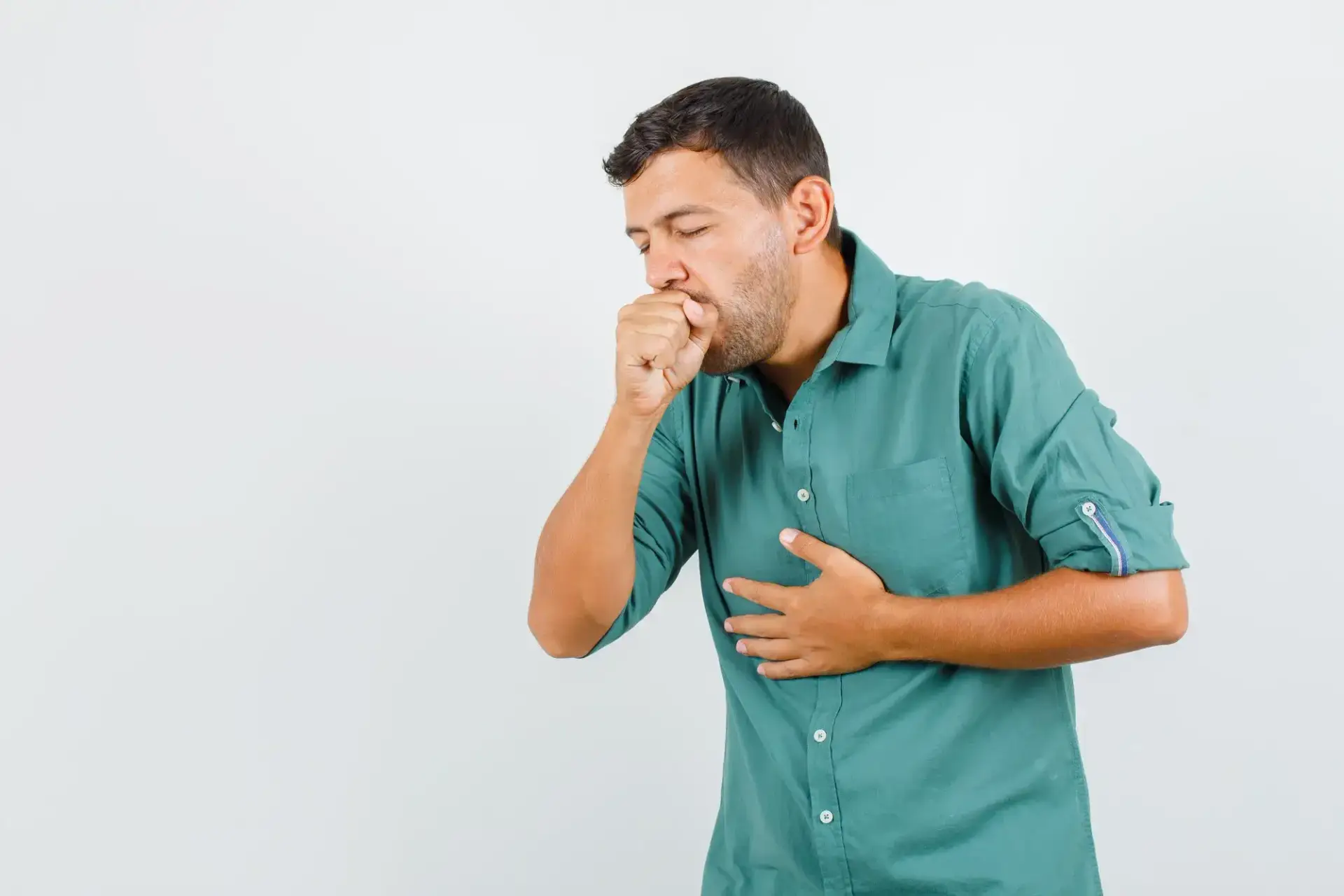
Living with bronchiectasis is not easy. The constant coughing, the recurring chest infections, the breathlessness that follows you through the day — it wears people down. And when the healthcare system in your home country puts you on a waiting list or hands you a bill that feels impossible, it makes sense to look elsewhere.
Turkey has become one of the leading destinations for respiratory and pulmonary care in the region. Patients from the UK, Germany, Gulf countries, and beyond travel to Turkey each year for bronchiectasis management, pulmonary rehabilitation, and advanced diagnostic workups — not because they are desperate, but because they get faster access to better-equipped facilities at a fraction of what they would pay at home.
This page breaks down everything you need to know: what bronchiectasis treatment in Turkey involves, how much it costs, what the process looks like from the moment you reach out to the moment you return home, and how to decide whether this is the right move for you.
There are no guarantees here, no inflated promises. Just clear, honest information to help you make a decision that fits your health and your life.
Bronchiectasis Treatment in Turkey — At a Glance
- Bronchiectasis is a chronic lung condition where the airways become permanently widened and damaged, leading to mucus buildup and repeated infections
- Treatment focuses on managing symptoms, reducing infection frequency, and improving lung function — not on a single cure
- Turkey offers access to JCI-accredited hospitals with pulmonology departments that handle complex respiratory cases daily
- Treatment costs in Turkey are significantly lower than in the USA, UK, or most of Western Europe — without compromising on clinical standards
- Most diagnostic and treatment programs run between 5 to 14 days depending on the complexity of the case
- Both medical management and bronchoscopic procedures are available depending on what your case requires
- International patients receive full coordination support, including translation, transfer, and aftercare planning
- Final costs depend on the extent of investigations, the treatment protocol chosen, and the length of stay required
Understanding Bronchiectasis and Why Patients Seek Treatment Abroad
Bronchiectasis is a long-term condition. The airways in the lungs — the bronchi — become abnormally widened and scarred, which means they cannot clear mucus the way healthy lungs do. Mucus builds up, bacteria grow, and the result is a cycle of infections, inflammation, and progressive lung damage. It is not something that simply goes away, but it is absolutely something that can be managed well with the right care.
Treatment for bronchiectasis is not one-size-fits-all. Some patients need intensive pulmonary physiotherapy programs. Others need bronchoscopic procedures to clear blocked airways. Many need a full diagnostic workup first — high-resolution CT scans, sputum cultures, lung function tests — before a proper management plan can even be built. The challenge in many countries is that getting all of this done, in a coordinated way, within a reasonable time frame, is either very slow or very expensive.
That is why patients travel to Turkey. In a good Turkish pulmonology centre, you can have your full diagnostic evaluation, specialist consultation, a tailored treatment plan, and the first round of active treatment — all within one trip. The infrastructure is there. The specialists are there. And the cost is a fraction of what it would be in the United States or the United Kingdom.
Turkey has invested heavily in its healthcare system over the past two decades. Many hospitals have JCI accreditation, which is the international gold standard for hospital quality. Pulmonology and respiratory medicine departments in cities like Istanbul and Ankara handle high volumes of complex cases, which means the clinical teams are experienced, well-equipped, and used to working with international patients who need efficient, well-organised care.
How Much Does Bronchiectasis Treatment Cost in Turkey?
This is the question most patients ask first, and it is a fair one.
The cost of bronchiectasis treatment in Turkey depends on several factors: how advanced the condition is, what diagnostic tests are needed, which treatment protocols the specialist recommends, and how long the patient needs to stay. That said, here are general ranges to give you a realistic starting point.
General Cost Ranges in Turkey:
| Treatment Component | Estimated Cost in Turkey | Estimated Cost in USA |
|---|---|---|
| Initial pulmonologist consultation | $80 – $200 | $300 – $600 |
| High-resolution CT scan (HRCT) of chest | $150 – $400 | $1,000 – $3,000 |
| Full pulmonary function tests (PFTs) | $100 – $300 | $500 – $1,500 |
| Bronchoscopy (diagnostic) | $600 – $1,500 | $4,000 – $10,000 |
| Bronchoscopy (therapeutic/BAL) | $1,000 – $3,000 | $8,000 – $20,000+ |
| Pulmonary rehabilitation program (per week) | $400 – $1,200 | $2,000 – $6,000 |
| Full diagnostic + treatment package | $2,000 – $6,000 | $15,000 – $50,000+ |
These figures are estimates. They give you a sense of the value Turkey offers, but they are not fixed quotes. Your actual cost will depend on your specific medical situation and what the specialist recommends after reviewing your case.
What drives the price up or down in Turkey includes the hospital tier (JCI-accredited hospitals cost more than local private clinics), the complexity of the procedure, whether sedation or anaesthesia is required, the number of follow-up sessions needed during your stay, and any additional medications or specialist consultations added to the plan.
What does not change is this: even at the higher end of the Turkish pricing range, most patients pay considerably less than they would for the same level of care in the United States, Germany, or the UK — often saving 60% to 80%.
A final cost figure will only come after a qualified pulmonologist has reviewed your medical records, imaging, and history. Any provider who quotes you a firm number before seeing your case is not being responsible.
Who Is a Good Candidate for Bronchiectasis Treatment in Turkey?
Bronchiectasis treatment in Turkey is suitable for a wide range of patients, but not everyone will benefit equally from travelling abroad for care. Here is an honest breakdown.
You may be a good candidate if:
- You have a confirmed or suspected diagnosis of bronchiectasis and need a comprehensive evaluation
- You are currently on antibiotics or maintenance therapy but your symptoms are not well controlled
- You need a bronchoscopic procedure (diagnostic or therapeutic) that has long wait times in your home country
- You are looking for a structured pulmonary rehabilitation programme that is not available or affordable locally
- You have stable bronchiectasis and want a specialist review of your current management plan
- You are in between acute exacerbations and medically fit to travel
- You want access to a full diagnostic workup — CT, lung function, sputum culture, bronchoscopy — in one coordinated trip
You may NOT be a suitable candidate if:
- You are currently experiencing an acute exacerbation (active flare-up with fever, heavy infection, or significant breathlessness)
- You are on supplemental oxygen full-time and cannot manage a long-haul flight safely
- You have severe comorbidities that make international travel a medical risk
- Your condition requires emergency or intensive care management
If you are unsure where you fall, the right first step is to share your medical records with a coordinator and let a pulmonologist assess your situation remotely. You should never travel for treatment without a specialist confirming that you are fit to do so.
Your Step-by-Step Journey as a Patient
Understanding the process from start to finish removes a lot of the anxiety around medical travel. Here is what the journey typically looks like for bronchiectasis patients travelling to Turkey.
Step 1 — Initial Enquiry
You reach out through a medical tourism coordinator or directly to a hospital’s international patient department. You explain your condition, your symptoms, and what you are hoping to achieve from the trip.
Step 2 — Medical File Submission
You send across your existing medical records: previous imaging (CT scans, X-rays), lab results, sputum culture reports, current medications, and any relevant history. The more complete your file, the better the specialist can assess your case.
Step 3 — Remote Specialist Evaluation
A pulmonologist reviews your file and provides an initial opinion — whether travelling is appropriate, what investigations or procedures they recommend, and a preliminary cost estimate.
Step 4 — Treatment Plan and Approval
Once you review the recommended plan and agree to proceed, your travel dates are confirmed. The coordinator helps you with timing, pre-travel instructions, and any specific preparations the specialist requests (such as stopping certain medications before a bronchoscopy).
Step 5 — Travel Planning
You book your flights and accommodation. Many hospitals and coordinators can recommend nearby hotels, some of which have experience hosting medical tourists and offer flexible check-out arrangements.
Step 6 — Arrival and In-Person Consultation
On arrival, you are typically met by a hospital representative or coordinator. Your first in-person consultation with the pulmonologist takes place within the first day or two. This is where the specialist confirms the plan based on examining you directly.
Step 7 — Diagnostics
Depending on your case, you may go through a series of tests: chest CT, lung function tests, blood work, sputum cultures, or a combination. These are usually completed within the first two to three days.
Step 8 — Procedure or Treatment
If a bronchoscopy is scheduled, it typically happens mid-trip. If the focus is pulmonary rehabilitation, sessions begin as scheduled. If the visit is primarily consultative, the specialist provides a detailed written management plan for you to take home.
Step 9 — Recovery and In-Hospital Monitoring
After any procedure, the medical team monitors you before discharge. Bronchoscopy is generally a day procedure with a short recovery period, though the team will confirm when you are ready to leave the hospital.
Step 10 — Pre-Departure Review
Before you fly home, you have a final consultation. You receive your complete medical report, imaging on disc or digital format, discharge summary, prescriptions, and aftercare instructions.
Step 11 — Remote Follow-Up
After returning home, ongoing support is available via video call or email with the specialist or coordinator. Your local doctor receives a full report so your care can continue seamlessly.
Why Turkey for Bronchiectasis Treatment?
Turkey’s position as a medical tourism destination is not accidental. It is the result of years of investment in hospital infrastructure, specialist training, and international patient services.
Hospitals in Istanbul, Ankara, and Izmir routinely handle complex pulmonary cases, including bronchiectasis, interstitial lung diseases, and conditions requiring advanced bronchoscopic intervention. Many of these hospitals hold JCI accreditation, meaning they meet the same quality benchmarks used to evaluate top hospitals in the United States and Europe.
The cost advantage is significant. Turkey’s lower cost of living and healthcare operating costs mean that world-class procedures cost a fraction of what they would in the West — without any reduction in the quality of equipment, medication, or specialist skill.
Geographically, Turkey is accessible from most of Europe, the Middle East, Central Asia, and parts of Africa. Istanbul in particular has one of the busiest international airports in the world, making travel logistics relatively straightforward.
From a recovery perspective, Turkey also offers a comfortable environment. Many patients appreciate the warmth, the hospitality, and the ability to rest well between treatment sessions. The food, the climate, and the culture make the experience less clinical and more human — which matters when you are dealing with a chronic condition.
What Is Typically Included in a Bronchiectasis Treatment Package
- Initial remote consultation and case review
- In-person specialist pulmonologist consultation
- Medical evaluation on arrival
- Recommended diagnostic tests (CT, PFTs, blood work — as per case)
- Bronchoscopy or treatment procedure (where applicable)
- Hospital or clinic fees for the duration of treatment
- Post-procedure monitoring and recovery support
- Discharge summary and full medical report
- Basic remote follow-up after return home
- Coordination and translation support throughout
What Is Not Included
- International flights and airport transfers
- Hotel or accommodation costs (unless part of a specific package arrangement)
- Additional diagnostic tests outside the agreed plan
- Medications prescribed for ongoing home use
- Companion travel or accommodation expenses
- Extended stay costs if recovery takes longer than planned
- Travel insurance (strongly recommended — patients should arrange this independently)
Recovery and Aftercare
Recovery from bronchiectasis treatment in Turkey depends on what was done during the visit.
If the trip was primarily diagnostic and consultative, there is no significant physical recovery needed. Patients generally feel ready to fly home within a day or two of their final consultation.
If a bronchoscopy was performed, most patients feel mild throat discomfort or a slight cough for 24 to 48 hours afterward. Serious side effects are uncommon but the medical team monitors for them. Most patients are discharged the same day or the following morning. Flying is typically safe within 48 to 72 hours of an uncomplicated bronchoscopy, though the specialist will confirm based on your individual response.
For patients undergoing a pulmonary rehabilitation programme, the timeline is longer. A typical programme runs five to ten days, with daily sessions of physiotherapy, breathing exercises, airway clearance techniques, and education. Physical fatigue during this period is normal and expected — the body is being trained to manage its airways more effectively.
Long-term, the results of bronchiectasis management are about reducing flare-up frequency, improving mucus clearance, and protecting remaining lung function. This takes time and consistent effort at home as well. The specialist will give you a home maintenance plan to follow after your return.
Risks and Considerations
No medical treatment, however routine, is without risk. Being honest about this is part of making a good decision.
Bronchoscopy carries a small risk of bleeding, temporary oxygen drop, or, very rarely, infection. These risks are minimised when the procedure is performed in a well-equipped facility by an experienced pulmonologist with proper monitoring in place.
Travelling with a chronic respiratory condition requires preparation. Patients should carry their medication in carry-on luggage, have a summary of their medical history translated if needed, and check with their airline if they have any concerns about oxygen requirements during the flight.
Choosing the right provider matters enormously. Not all hospitals or clinics in Turkey operate to the same standard. Patients should look for JCI-accredited facilities, verified specialist credentials, and transparent pricing with no hidden fees.
Aftercare is not optional. The management of bronchiectasis is ongoing. A successful trip to Turkey is only valuable if the patient continues their airway clearance routine, attends follow-ups with their local doctor, and uses the management plan provided by the Turkish specialist.
Making an informed decision means asking questions, reviewing your case with a qualified specialist before committing, and ensuring you fully understand what the trip will and will not achieve.
Frequently Asked Questions
What is the cost range of bronchiectasis treatment in Turkey?
The cost range for bronchiectasis treatment in Turkey typically falls between $2,000 and $6,000 for a full diagnostic and treatment package, depending on what the case requires. Individual components such as a bronchoscopy alone can range from $600 to $3,000. Final pricing is always confirmed after a specialist reviews your medical file.
How long do I need to stay in Turkey for bronchiectasis treatment?
Most patients plan for a stay of 5 to 14 days. If your visit is primarily diagnostic and consultative, five to seven days is usually enough. If a bronchoscopic procedure is included or if you are doing a pulmonary rehabilitation programme, ten to fourteen days gives a more realistic timeline.
Is bronchiectasis treatment in Turkey safe?
Yes, when carried out in an accredited hospital with qualified pulmonologists. Many hospitals in Istanbul and Ankara hold JCI accreditation and have dedicated international patient departments. Patients should always verify the hospital’s credentials and the specialist’s qualifications before travelling.
How soon can I fly home after a bronchoscopy in Turkey?
Most patients are able to fly home 48 to 72 hours after an uncomplicated bronchoscopy. The specialist will confirm clearance based on how you recover individually. Some patients feel ready sooner; others may need an extra day.
When will I see results from bronchiectasis treatment?
This depends on what was done. After a diagnostic workup, you leave with a clear management plan — the benefit is immediate clarity. After a bronchoscopy or pulmonary rehabilitation programme, improvements in breathing and symptom control typically become noticeable over the following four to eight weeks, with continued improvement if home care is maintained consistently.
Can I travel to Turkey if I am currently having a flare-up?
No. Active exacerbations — fever, heavy infection, significant breathlessness — make travel unsafe. You should be in a stable phase of your condition before travelling. If you are unsure whether you are stable enough, a remote consultation with a pulmonologist can help clarify this before you book anything.
Will I need to bring my existing scans and medical records?
Yes, and it is strongly recommended. Bringing your existing HRCT scans, previous lung function tests, sputum results, and a list of your current medications allows the specialist to build on what is already known rather than starting from zero. This saves time, reduces repeated testing, and improves the quality of the consultation.
Is the bronchoscopy procedure painful?
Bronchoscopy is performed under local anaesthesia with sedation, so patients are relaxed and do not experience pain during the procedure. Afterward, there may be mild throat discomfort or a slight cough for one to two days. Most patients describe the experience as more manageable than they expected.
How long do the results of bronchiectasis treatment last?
Bronchiectasis is a chronic condition, so there is no one-time permanent fix. The results of a well-managed treatment programme — fewer infections, better mucus clearance, improved lung function — can be maintained long-term if the patient continues their home routine, takes prescribed medications consistently, and attends regular follow-ups. Think of the Turkey visit as a strong foundation, not a final solution.
What kind of follow-up care is available after I return home?
Before you leave Turkey, you receive a full discharge summary and management plan that your local doctor can work from. Remote follow-up via video consultation with the Turkish specialist is usually available for the first few months. Your home pulmonologist or GP is kept informed throughout, ensuring your care continues without gaps.
Ready to Take the Next Step?
Bronchiectasis is a condition that demands consistent, well-informed management. If you have been struggling to access the level of care you need — or if the cost at home has become a barrier — Turkey offers a genuine alternative worth exploring.
This is not about making a rushed decision. It is about getting the right information, talking to the right specialists, and building a plan that fits your medical needs and your practical circumstances.
When you reach out, you are not committing to anything. You are starting a conversation — sharing your records, asking your questions, and getting an honest assessment from a qualified specialist who can tell you whether this is the right path for you.
The coordination support available to international patients covers everything from the first email to your final follow-up call after returning home. Every step is handled with care, and you are never left to navigate the process alone.
If you want to understand your options more clearly, the first step is simple: get in touch, share your medical history, and let a specialist give you a real picture of what treatment in Turkey would look like for your specific case.
Explore Tours in Turkey
Discover the best places to visit in Turkey and explore its rich culture, breathtaking landscapes, iconic attractions, and unforgettable travel experiences.

Turkey: Half-Day Istanbul Private Food Tour & Culinary Experience
Taste the Real Istanbul. Experience Istanbul beyond the landmarks — through its rich and vibrant food culture.…
Turkey: Istanbul Combo: Classic City Tour & Bosphorus Cruise
Experience Istanbul Like a VIP. Step into the heart of one of the world’s most fascinating cities with a private,…
Turkey: Full Day Pamukkale Tour
Discover the stunning natural beauty and ancient history of Pamukkale on this private guided tour. Marvel at the…

Turkey: Istanbul Guided Tour
Full-Day Private Experience | History, Culture & Comfort Experience Istanbul in One Perfect Day Discover the…

Turkey: Best of Istanbul Tour with Hagia Sophia Tickets
Step into centuries of history with this expertly guided small group experience through Istanbul’s Old City.…

Turkey: Istanbul Guided Walking Tour – Full Day
Private Walking Experience | History, Culture & Iconic Landmarks Walk Through the Heart of Istanbul. Step into…
More Wellness Articles About Turkey
Keep reading about Wellness care and travel in Turkey.

Amputee Rehabilitation in Turkey Cost and Clinics
Losing a limb changes more than your body; it reshapes how you move through daily life, pursue passions, and…

Allergic Respiratory Diseases Treatment in Turkey Cost and Clinics
Chronic sneezing fits on your morning commute. Wheezing that ruins family hikes. Nasal congestion so unrelenting…

Carpal Tunnel Syndrome in Turkey Cost
If numbness, tingling, and weakness in your hand have started interfering with daily life, you're likely looking…
Medical Tourism Full body Check-Up Cost in Turkey
A full body check-up in Turkey offers international patients comprehensive health screening using advanced…

Leave a Comment
Share your thoughts on this article, or ask us a question -- we'd love to hear from you.