Losing a limb changes more than your body; it reshapes how you move through daily life, pursue passions, and connect with others. Modern amputee rehabilitation bridges that gap, restoring functional independence and confidence. Yet the journey demands specialized expertise, integrated technology, and compassionate support—elements that can be hard to access or afford at home.
That is exactly the advantage of choosing rehabilitation in Turkey. Over the last decade, Turkey’s leading physical-medicine centers have invested heavily in robotic gait labs, advanced prosthetic-fitting suites, and multilingual therapy teams—all at pricing that remains a fraction of the cost in North America or Western Europe.
Patients travel here not only for savings but for outcomes: shorter wait-times, longer one-on-one sessions, and seamless coordination between physiatrists, prosthetists, and occupational therapists. Add Istanbul’s major international airport hubs and the country’s renowned hospitality culture, and you have an environment designed to fast-track recovery while keeping stress low.
Above all, Turkish rehabilitation clinics understand the human side of amputation. From peer-support groups to tailored mental-health counseling, every element is built around holistic healing—not just the limb, but the life that surrounds it.
Treatment Highlights
- Integrated program combining physiotherapy, occupational therapy, prosthetic alignment, and psychological counseling in one facility
- Evidence-based protocols focused on gait re-training, strength rebuilding, and balance restoration for upper- and lower-limb amputees
- Best suited for recent amputees (4+ weeks post-surgery), long-term wearers seeking socket refinements, or anyone preparing for a new high-tech prosthesis
- Destination advantage: English-speaking staff, newest robot-assisted treadmills, and on-site prosthetic workshops shorten adjustment time
- Typical stay: 4–6 weeks residential or 2-week intensive blocks with daily therapy
- Cost positioning: mid-range international pricing—far below U.S. centers while maintaining European medical standards
- Recovery expectations: measurable gains in walking distance, energy efficiency, and Activities of Daily Living (ADL) scores within program length
- Added value: Mediterranean climate and culturally rich surroundings promote active outdoor rehab sessions and psychological well-being
Overview
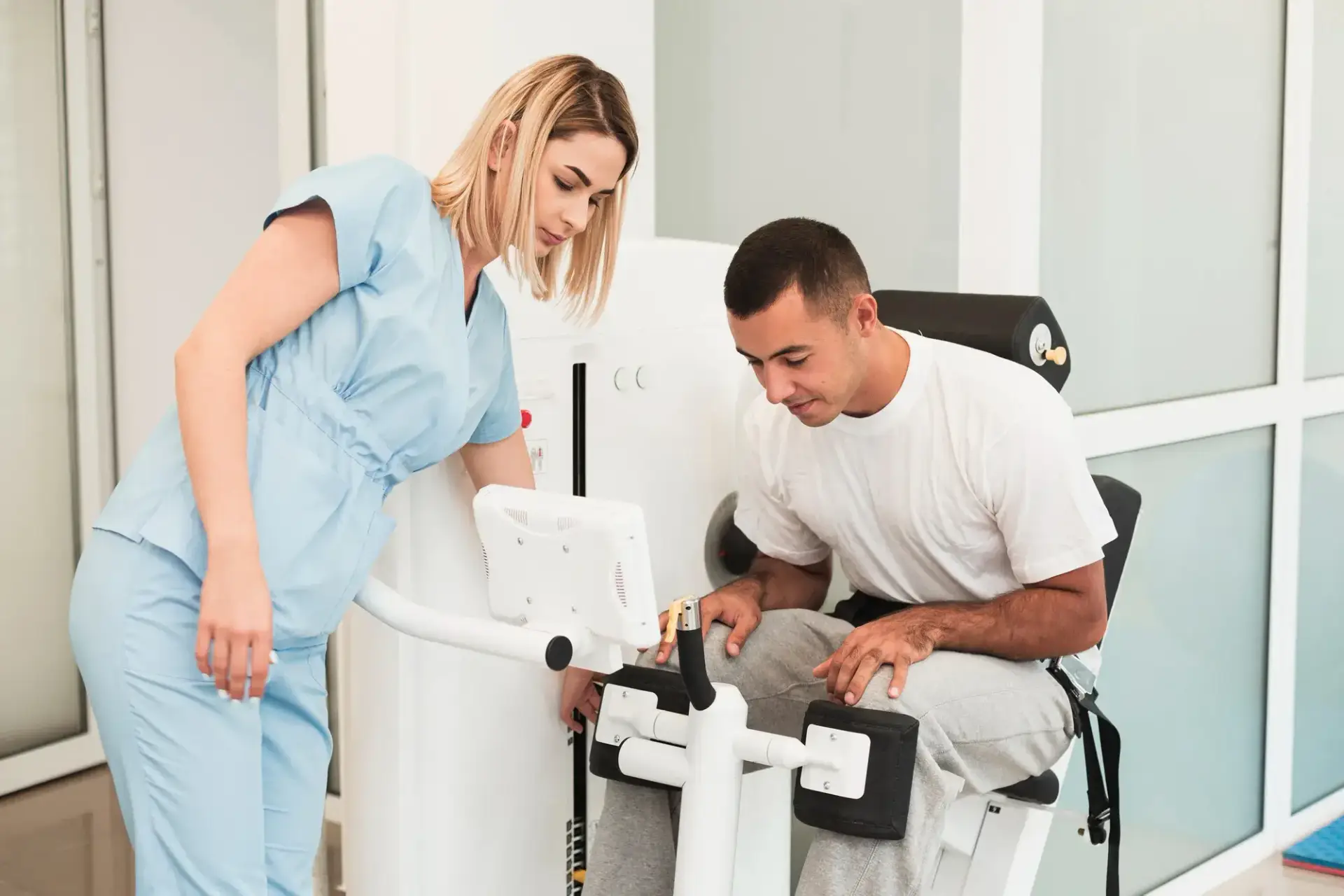
Amputee rehabilitation starts where surgery ends. The process retrains muscles, re-educates the nervous system, and teaches the brain to integrate a prosthetic device as a natural extension of the body. In Turkish centers, programs begin with a thorough physiatric assessment and 3-D gait analysis. Pressure-mapping platforms pinpoint asymmetries, while electromyography measures residual-limb activation. This data feeds a personalized treatment roadmap covering strength, mobility, and prosthetic fit.
Therapy typically moves through three medical phases. Phase 1—Pre-Prosthetic focuses on residual-limb shaping, edema control, and core conditioning to prepare the body for a socket. Phase 2—Initial Prosthetic Training introduces weight-bearing, balance drills, and step-to ambulation on parallel bars. Phase 3—Advanced Functional Rehab scales up to obstacle courses, community-level walking, and task-specific occupational therapy, such as cooking, driving, or vocational skills.
Why do patients cross borders for this? Two reasons stand out: comprehensiveness and cost. Many domestic systems offer only outpatient physiotherapy a few hours per week. Turkish programs provide five to six hours of daily, multidisciplinary therapy under one roof, drastically speeding neuromuscular adaptation. Financially, insurers often cap rehab coverage, forcing early discharge at home. Self-paying abroad allows patients to finish the full clinical pathway at 40–60 % of Western pricing without sacrificing quality.
Outcomes are realistic yet motivating. Studies from Ankara’s university hospitals report average increases of 150–200 meters in the Six-Minute Walk Test after a six-week protocol, plus significant boosts in Prosthesis Evaluation Questionnaire (PEQ) satisfaction scores. While individual results vary, the overarching goal is clear: restore functional independence, reduce secondary complications (back pain, contractures), and empower patients to return to work, sports, and social life sooner.
How Much Does Amputee Rehabilitation Cost in Turkey?
Typical comprehensive programs range from USD 4,000 to USD 8,000 for a four-week residential stay, including daily therapy, prosthetic adjustments, and accommodation in an on-site rehab hotel. Several factors influence your final quote:
- Clinic reputation and JCI or ISO accreditation level
- Complexity of amputation (single vs. multiple limb, upper vs. lower)
- Need for new prosthetic components or high-tech microprocessor knees
- Intensity (standard 4-hour vs. elite athlete 6-hour sessions)
- Extra services—hydrotherapy, virtual-reality training, bespoke myoelectric limbs
Turkey offers value because labor costs are lower, government incentives support medical tourism, and clinics purchase prosthetic parts tax-free. Nevertheless, individual pricing is confirmed only after remote medical review and, where needed, fresh imaging.
| Location | 4-Week Comprehensive Program* | Estimated Savings |
|---|---|---|
| Turkey | USD 4,500 | — |
| United States | USD 18,000 | Up to 75 % |
| United Kingdom | USD 14,000 | Up to 68 % |
*Prices include therapy, socket modifications, basic prosthesis maintenance, and lodging. Flights and new prosthetic devices are separate.
Who Is a Good Candidate for Amputee Rehabilitation?
- Adults or adolescents (12 +) who are 4–8 weeks post-amputation with surgical wounds fully closed
- Long-term amputees experiencing gait issues, socket discomfort, or decreased activity levels
- Candidates for a first-time prosthesis who need intensive pre-fit conditioning
- Individuals upgrading to microprocessor-controlled knees/elbows requiring motor-learning sessions
- People motivated to commit to daily therapy, lifestyle modifications, and home exercise continuation
Potential non-candidates: uncontrolled cardiovascular disease, untreated severe depression, active infection at the residual limb, or cognitive impairments that prevent safe prosthetic use. Definitive suitability is always determined by a physiatrist after reviewing your medical file.
Your Step-by-Step Patient Journey
- Initial Inquiry – Submit a short form outlining amputation level, surgery date, and current mobility.
- Secure File Upload – Share operative reports, wound photos, and any current prosthesis specifications.
- Physiatrist & Prosthetist Review – Specialists assess healing status, muscular condition, and device requirements within 48 hours.
- Personalized Treatment Plan – You receive a day-by-day therapy outline, cost estimate, and recommended length of stay.
- Travel Coordination – Dedicated coordinators assist with e-visa guidance, airport transfer booking, and accessible hotel options for companions.
- Arrival & In-Person Evaluation – Day 1 includes full gait lab testing, residual-limb scanning for socket fit, and goal-setting consultation.
- Treatment Days – Monday to Saturday schedule of physiotherapy, occupational therapy, and prosthetic tuning; psychological counseling twice weekly.
- Recovery Phase – Evenings include hydro massages, peer-support meet-ups, and optional sightseeing adapted for wheelchair or prosthesis users.
- Discharge & Education – Detailed home-exercise booklet, maintenance toolkit for prosthesis, and tele-rehab app account activation.
- Ongoing Remote Support – Monthly video check-ins for six months, free gait-video analysis, and fast-track appointment privileges for future visits.
Why Choose Turkey as Your Rehab Destination?
World-class medical standards—Many rehabilitation hospitals are JCI-accredited, ensuring protocols line up with global best practices.
International patient culture—English, Arabic, and Russian translators are on staff, and patient coordinators navigate everything from pharmacy runs to leisure tours.
Cost-to-quality ratio—Government-backed medical-technology imports keep prosthetic component prices low, while highly trained therapists command modest fees compared to Western counterparts.
Travel convenience—Istanbul Airport welcomes nonstop flights from 300+ cities; wheelchair-friendly transport is pre-arranged.
Healing environment—Mild Mediterranean weather encourages outdoor walking sessions year-round, and coastal resorts like Antalya provide serene spaces for mental rejuvenation.
What’s Included
- Pre-arrival tele-consultation and file review
- In-person physiatrist evaluation and goal setting
- Customized daily physiotherapy & occupational therapy
- Robotic gait training and balance labs
- Socket adjustment and basic prosthetic alignment
- On-site accommodation with half-board meal plan
- Translation, nursing, and case-management support
- Post-discharge tele-rehab for 6 months
What’s Not Included
- International flights and travel insurance
- Off-site hotels or upgrade to luxury suites
- Advanced diagnostic imaging (MRI/CT) if newly required
- Purchase of new high-tech prosthetic components
- Expenses for companions (meals, tours)
- Extra nights beyond planned discharge or holiday extensions
Recovery & Aftercare
Most patients notice meaningful functional gains within the first ten therapy sessions, yet full adaptation takes time. Expect mild muscle soreness and occasional skin irritation around the socket during week 1; clinicians manage this with incremental load adjustments and topical care. By weeks 2–3, walking distance typically doubles, and stair negotiation feels more natural.
Activity restrictions are conservative at first—no high-impact sports, running, or heavy lifting until clearance. Daily home exercises continue for at least 12 weeks post-discharge, focusing on hip/core strength and balance. Virtual check-ins monitor gait via smartphone video; minor alignment tweaks can often be guided remotely.
Long-term results stabilize around 6–12 months, when users report peak confidence, minimal energy expenditure, and return to driving, work, and recreational activities. Periodic socket re-fittings are recommended every 18–24 months or sooner if body weight changes significantly.
Risks & Considerations
All medical procedures carry some risk, and rehabilitation is no exception. Potential issues include residual-limb skin breakdown, delayed prosthetic fit due to volume changes, or overuse injuries in the sound limb or lower back. Selecting a qualified, multidisciplinary team greatly reduces these hazards.
It is equally important to follow your exercise instructions and attend recommended tele-follow-ups. Skipping aftercare can lead to poor alignment, compensatory gait patterns, and secondary joint pain. Finally, ensure any clinic you consider is transparent about credentials, publishes infection-control data, and provides clear channels for patient feedback.
FAQs
1. What is the cost range of Amputee Rehabilitation in Turkey?
Amputee Rehabilitation in Turkey programs fall between USD 4,000 and USD 8,000, depending on clinic tier, therapy intensity, and prosthetic needs. A precise quote is issued once your medical documents and goals are reviewed.
2. How long should I plan to stay in Turkey?
For best outcomes, allocate 4–6 weeks of on-site therapy plus two travel days. Shorter two-week intensive blocks exist but may limit advanced gait training.
3. Is amputee rehabilitation in Turkey safe?
Accredited Turkish rehab centers follow EU standards, maintain strict infection-control protocols, and employ English-speaking therapists, making treatment comparably safe to Western facilities.
4. How soon after surgery can I start the program?
You must have fully closed surgical wounds and medical clearance—usually 4–8 weeks post-amputation—before beginning weight-bearing prosthetic training.
5. What is the typical recovery timeline?
Noticeable improvements in balance and walking often appear within two weeks of intensive therapy, with functional independence milestones reached by week 4 and long-term adaptation continuing up to 12 months.
6. Will I need a companion during my stay?
The program is designed for independent living in accessible rooms, but having a friend or family member can provide emotional support. Companions incur separate accommodation and meal charges.
7. Does the therapy hurt?
Exercises may cause temporary muscle soreness or stump sensitivity, yet pain is uncommon. Therapists adjust intensity daily to keep discomfort within tolerable limits.
8. How durable are the rehabilitation results?
With consistent home exercise and periodic socket checks, improved gait mechanics and strength can last for many years, though fitness maintenance is essential.
9. What about follow-up care after I return home?
Your package includes six months of tele-rehab, gait-video reviews, and priority scheduling should you wish to revisit for upgrades or tune-ups.
10. Are language barriers an issue?
No—clinics employ full-time translators (English, Arabic, Russian, German), and therapy instructions are provided in your preferred language to ensure clarity and comfort.
Ready to Move Forward?
When you feel prepared to reclaim mobility and confidence, our concierge team stands ready to tailor every detail—from medical planning to travel logistics—around your unique goals. Click below or message us anytime for a no-obligation consultation. We will review your medical history, map out a clear pathway to recovery, and remain by your side long after you take your first independent steps toward a fuller life.
Explore Tours in Turkey
Discover the best places to visit in Turkey and explore its rich culture, breathtaking landscapes, iconic attractions, and unforgettable travel experiences.

Turkey: Full Day Pamukkale Tour
Discover the stunning natural beauty and ancient history of Pamukkale on this private guided tour. Marvel at the…
Turkey: Istanbul Combo: Classic City Tour & Bosphorus Cruise
Experience Istanbul Like a VIP. Step into the heart of one of the world’s most fascinating cities with a private,…
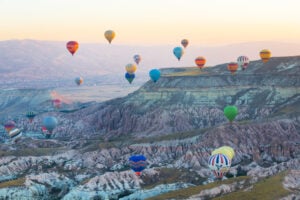
Turkey: Private Cappadocia Tour: Hot Baloon Ride & Museum
Embark on a private guided journey through Cappadocia, a land of rich history and natural wonder. Your local…
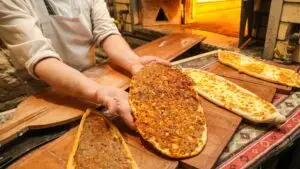
Turkey: Half-Day Istanbul Private Food Tour & Culinary Experience
Taste the Real Istanbul. Experience Istanbul beyond the landmarks — through its rich and vibrant food culture.…

Turkey: Istanbul Guided Walking Tour – Full Day
Private Walking Experience | History, Culture & Iconic Landmarks Walk Through the Heart of Istanbul. Step into…

Turkey: Best of Istanbul Tour with Hagia Sophia Tickets
Step into centuries of history with this expertly guided small group experience through Istanbul’s Old City.…
More Wellness Articles About Turkey
Keep reading about Wellness care and travel in Turkey.
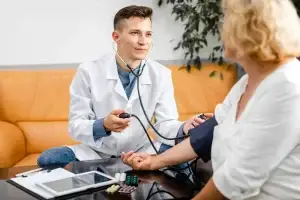
Medical Tourism Full body Check-Up Cost in Turkey
A full body check-up in Turkey offers international patients comprehensive health screening using advanced…
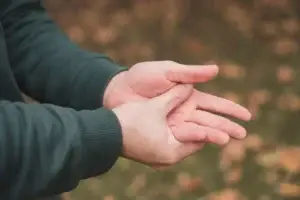
Carpal Tunnel Syndrome in Turkey Cost
If numbness, tingling, and weakness in your hand have started interfering with daily life, you're likely looking…
Bronchiectasis in Turkey Cost and Clinics
Living with bronchiectasis is not easy. The constant coughing, the recurring chest infections, the breathlessness…

Allergic Respiratory Diseases Treatment in Turkey Cost and Clinics
Chronic sneezing fits on your morning commute. Wheezing that ruins family hikes. Nasal congestion so unrelenting…

Leave a Comment
Share your thoughts on this article, or ask us a question -- we'd love to hear from you.