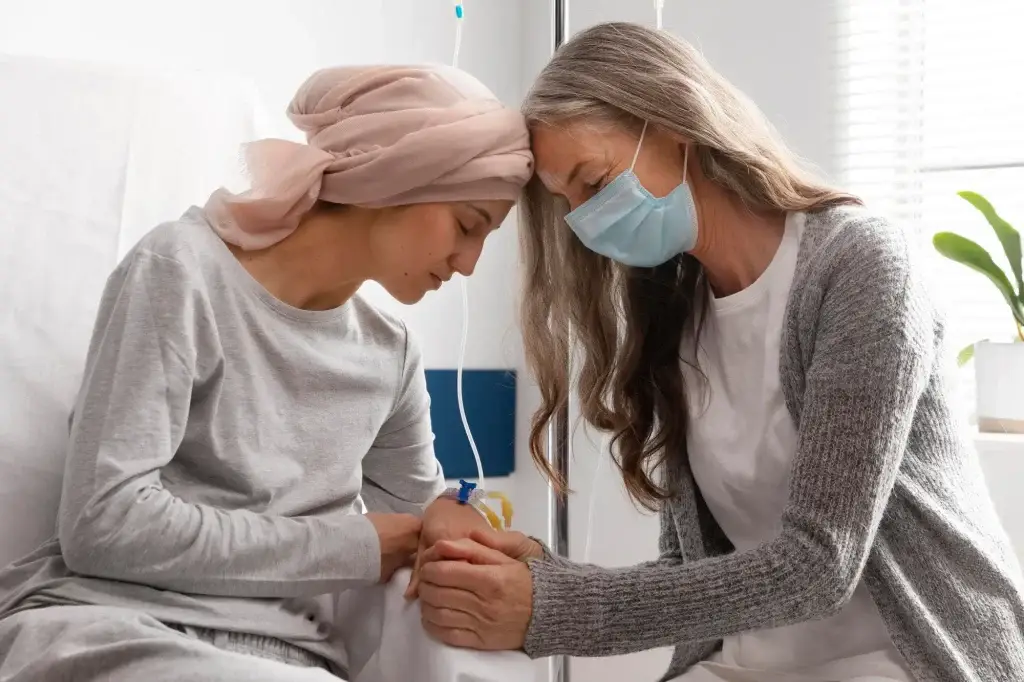


IVF in Singapore – Cost and Success Rate
In-vitro fertilization (IVF) is one of the most effective fertility treatments available for couples and individuals struggling to conceive. Singapore has earned an excellent reputation for its advanced reproductive technology, ethical practices, and highly trained fertility specialists. IVF in Singapore is conducted under strict government supervision and international medical standards, ensuring safety, transparency, and precision. However, due to the country’s high medical costs, IVF in Singapore can be expensive compared to other Asian destinations. Understanding the full cost, success rate, and treatment process helps patients decide whether to undergo IVF locally or explore more affordable options through MyMediTour’s international network. Average Cost of IVF in Singapore. The average IVF cost in Singapore ranges from $10,000 to $20,000 USD per cycle. The cost varies depending on factors such as clinic reputation, the woman’s age, fertility condition, and whether advanced techniques like ICSI or PGT are used. Breakdown of typical IVF expenses in Singapore:. Initial consultation and fertility tests: $1,000 – $1,500. Hormone medications and injections: $3,000 – $6,000. Egg retrieval and lab fertilization: $3,000 – $5,000. Embryo transfer and freezing: $2,000 – $3,000. Additional services (ICSI, PGT-A, donor programs): $2,000 – $5,000. Some clinics offer full IVF packages that include medications, lab work, and transfer, while others charge separately for each phase. For couples requiring multiple cycles, total expenses can exceed $30,000 USD. IVF Success Rate in Singapore. The success rate of IVF in Singapore is among the best in Asia, thanks to modern lab environments and skilled reproductive specialists. The IVF success rate in Singapore generally ranges from 45% to 60% per cycle for women under 35 years old, around 30% to 40% for women aged 35 to 40, and drops to 10% to 20% for women over 40. These high rates are achieved through advanced fertility technologies, strict clinical standards, and experienced reproductive specialists. Success largely depends on factors such as age, egg and sperm quality, embryo health, and overall medical condition. Singapore’s fertility centers are known for their precision, ethical practices, and consistent outcomes, making them among the most trusted in Asia for assisted reproduction. Average success rates by age group:. Under 35 years: 45–60%. 35–40 years: 30–40%. Above 40 years: 10–20%. These results are influenced by egg quality, sperm health, and the woman’s overall reproductive condition. Singapore’s fertility centers use advanced embryo-culture systems, preimplantation genetic testing, and individualized stimulation protocols to enhance success rates while minimizing complications. IVF Process in Singapore. The IVF journey in Singapore follows a step-by-step approach designed to maximize success and ensure patient safety:. Consultation and Diagnosis – Comprehensive fertility testing and counseling to determine the best treatment plan. Ovarian Stimulation – Hormonal injections to stimulate multiple egg production. Egg Retrieval – A minor procedure under anesthesia to collect mature eggs. Fertilization and Embryo Culture – Eggs and sperm are combined in the lab; ICSI may be used for male infertility. Embryo Transfer – The healthiest embryos are placed into the uterus. Pregnancy Test – Two weeks after transfer, a blood test checks for pregnancy. The entire cycle typically takes four to six weeks, and extra embryos can be frozen for future use, lowering future costs. Legal and Eligibility Criteria. IVF treatment in Singapore is regulated by the Ministry of Health under the Private Hospitals and Medical Clinics Act. Only licensed fertility centers can perform IVF and related procedures. Eligibility rules include:. Only married heterosexual couples can legally undergo IVF. Foreign couples are eligible if they meet clinical criteria. Single women and same-sex couples are not permitted to undergo IVF under current law. The upper age limit for women is generally 45 years, depending on the clinic’s discretion. International patients must present marriage certificates and undergo pre-treatment screening before beginning therapy. Factors That Influence IVF Success. Success in IVF depends on several biological and environmental factors:. Age of the woman: Younger women generally have higher chances due to better egg quality. Ovarian reserve: Determines how well the ovaries respond to stimulation. Sperm quality: Poor sperm motility or morphology may reduce fertilization rates. Lifestyle habits: Smoking, obesity, stress, and lack of sleep can affect outcomes. Underlying conditions: Endometriosis, PCOS, or uterine abnormalities can lower implantation success. Doctors often recommend lifestyle changes and pre-treatment counseling to improve success potential. IVF Cost Comparison: Singapore vs Other Countries. CountryAverage IVF Cost per CycleSuccess Rate (Under 35)Key Advantage. Singapore$10,000 – $20,00045–60%High technology, strict regulation. Thailand$5,000 – $8,00040–55%Affordable, top facilities. India$3,500 – $6,00035–50%Economical with expert doctors. Turkey$4,000 – $7,00040–55%Quality care and modern clinics. Mexico$4,500 – $7,50040–60%Close to North America, English-speaking staff. While Singapore offers superior regulation and care, its high costs make neighboring countries attractive alternatives. MyMediTour helps patients connect with trusted fertility centers in these regions, achieving comparable outcomes at lower prices. Insurance and Financial Considerations. For foreigners, IVF treatment in Singapore is not covered by insurance and is ineligible for government co-funding. Citizens and permanent residents may receive partial subsidies under national fertility programs, but international patients must pay full fees. Patients without insurance often turn to medical tourism to access high-quality IVF at lower prices abroad. MyMediTour assists such patients by arranging treatment packages, transparent pricing, and complete medical-travel coordination in top-rated clinics worldwide. Emotional and Psychological Support. IVF can be emotionally demanding, and Singapore’s fertility centers provide psychological counseling, patient education, and group support to help couples cope with stress during the journey. Emotional well-being plays an important role in treatment success, and patients are encouraged to maintain healthy routines, positive communication, and stress-reduction practices throughout their cycle. Benefits of IVF in Singapore. How much does IVF cost in Singapore for a single cycle?. IVF costs in Singapore per fresh cycle (own eggs, own sperm, single embryo transfer): Private fertility clinic — SGD $10,000–$18,000 (approximately USD $7,500–$13,500) for a stimulated IVF cycle including consultations, monitoring scans, ovarian stimulation medications, egg retrieval, fertilisation, embryo culture, and fresh embryo transfer. The largest cost component is typically the ovarian stimulation medication (gonadotrophins), which can range from SGD $2,000–$6,000 depending on the patient's ovarian reserve and the protocol used. Additional costs to budget for: embryo freezing (vitrification) — SGD $800–$1,500; frozen embryo transfer (FET) cycle — SGD $2,500–$5,000; preimplantation genetic testing (PGT-A) — SGD $3,000–$6,000 for 5–8 embryos; donor egg or donor sperm (if required) — adds SGD $5,000–$15,000. Government subsidy (for Singaporean citizens at restructured hospitals): IVF co-funding under the Ministry of Health's Assisted Reproduction Technology (ART) co-funding scheme provides up to SGD $7,700 per fresh cycle and SGD $2,200 per frozen cycle for eligible Singaporean citizens; check MOH's current eligibility criteria as income and age caps apply. MediSave withdrawal: eligible Singapore citizens and PRs can use MediSave to offset SGD $6,000 per cycle (up to 3 fresh and 3 frozen cycles). What is the IVF success rate in Singapore?. IVF success rates in Singapore by age group (National Registry of Diseases Office / Singapore Assisted Reproduction Registry data): Under 35: 45–55% live birth rate per fresh embryo transfer cycle at leading Singapore fertility clinics; Singapore's accredited fertility centres consistently rank among the highest success rates in Asia-Pacific. Age 35–37: 35–45% live birth rate per transfer. Age 38–39: 25–35%. Age 40–42: 15–25%. Over 43: 5–15% with own eggs; significantly higher with donor eggs. Success rate variables: ovarian reserve (AFC/AMH testing before IVF); sperm quality (ICSI recommended for male factor infertility); clinic laboratory quality (embryology lab standards, time-lapse incubators); embryo quality and PGT-A testing; endometrial receptivity. Singapore's fertility clinics submit annual data to the Ministry of Health; accredited clinics publish their clinical pregnancy and live birth rates which are audited — ask for the specific clinic's most recent published data and compare with national averages. Cumulative success rate (using all frozen embryos from one retrieval cycle) can be significantly higher than per-transfer rates — ask your Singapore fertility specialist for your cumulative live birth rate estimate based on your age and embryo count. Which are the top IVF clinics in Singapore?. Leading IVF clinics in Singapore available to international and local patients: KK Women's and Children's Hospital (KKH) — one of Asia's largest maternity and fertility hospitals; both public restructured and private options available; KKH IVF Centre has decades of data and high volume experience; accessible for government co-funding and MediSave. National University Hospital (NUH) — University Women's Clinic and NUH IVF Centre; comprehensive range of fertility treatments including egg donation and surrogacy consultation; restructured hospital with co-funding access. Thomson Fertility Centre — one of Singapore's established private fertility clinics; international patient experience; comprehensive IVF programs including donor egg IVF and PGT-A. Virtus Fertility Centre Singapore — part of Australia's leading fertility group; high-volume private clinic with strong laboratory standards; popular with medical tourists. Raffles Fertility Centre (Raffles Hospital) — private hospital group with full fertility service including IVF; frequently used by expatriate and international patients in Singapore. Singapore Fertility Partners / Sincere IVF — smaller boutique clinics with personalised care; competitive pricing relative to major private hospitals. ISCARE IVF — Czech fertility group with Singapore presence; frozen donor egg cycles at more competitive pricing than fresh donor programs. International patients: most private Singapore fertility clinics have international patient coordinators and offer English-language support; initial consultation can be done by video before the treatment cycle trip. What is the IVF treatment process in Singapore?. The IVF treatment process at Singapore fertility clinics for international patients: Initial consultation (can be virtual): fertility workup including AFC scan, AMH blood test, and partner's semen analysis; review of previous fertility history; treatment protocol planning. Ovarian stimulation (days 2–12 of the cycle): daily self-administered gonadotrophin injections; monitoring scans and blood tests every 2–3 days at the Singapore clinic (or home country clinic with results sent to Singapore specialist). Egg retrieval: transvaginal ultrasound-guided procedure under sedation; 20–30 minutes; day surgery. Fertilisation and embryo culture: conventional IVF or ICSI (intracytoplasmic sperm injection) depending on sperm quality; embryos cultured to day 3 (cleavage) or day 5–6 (blastocyst) stage. Optional PGT-A (preimplantation genetic testing): embryo biopsy on day 5–6; results available in 7–14 days. Fresh embryo transfer: on day 3 or day 5 after retrieval; remaining embryos vitrified (frozen) for future FET cycles. Trip planning for international patients: ovarian stimulation injections can typically be managed from home with monitoring at a local fertility clinic; the Singapore clinic requires the patient to be in Singapore for egg retrieval and ideally embryo transfer (approximately 5–10 days). Frozen embryo transfer (FET) cycles can be planned for a subsequent visit with shorter stay (4–6 days in Singapore). What fertility tests do I need before IVF in Singapore?. Fertility investigations required or recommended before IVF at Singapore fertility clinics: Female partner: Day 2–3 FSH and LH (ovarian reserve markers); AMH (anti-Müllerian hormone — the best single predictor of ovarian reserve and IVF response); antral follicle count (AFC) via transvaginal ultrasound; TSH (thyroid function); prolactin; CBC and blood group; rubella immunity; hepatitis B and C, HIV, VDRL (STI screen); hysteroscopy or saline sonography (SIS) to assess uterine cavity; genetic carrier screening (optional but recommended). Male partner: semen analysis (count, motility, morphology — Kruger strict criteria preferred); sperm DNA fragmentation (SDF) if indicated by prior treatment failure or abnormal semen parameters; CBC and blood group; hepatitis B and C, HIV, VDRL. These tests can often be arranged at a clinic in your home country before arriving in Singapore — most Singapore fertility clinics will review results from accredited overseas labs and advise which tests need to be repeated locally. AMH and AFC are the critical tests — having recent results (within 3–6 months) before the consultation significantly speeds up protocol planning. Can foreigners or expatriates access IVF in Singapore?. IVF access for foreign nationals and expatriates in Singapore: Full access to IVF services: foreign nationals, expatriates, and medical tourists can access IVF at all private Singapore fertility clinics without restriction; Singapore's government-subsidised restructured hospitals (KKH, NUH) are primarily for Singapore citizens and PRs but private wing services are available to all. Legal framework: Singapore's Assisted Reproduction Services (ARS) regulations permit IVF for married heterosexual couples; single women and same-sex couples are not permitted IVF by Singapore law (as of 2024); surrogacy is not permitted in Singapore. Age limits: Singapore ARS regulations cap IVF at 40 years old for women using own eggs (egg freezing can be done until 35 under elective social freezing guidelines; Singapore has specific regulations on elective egg freezing). Donor eggs: available in Singapore; egg donors are anonymous; recipient couples must be married; wait times vary by clinic. Government co-funding and MediSave: only for Singapore citizens and PRs; expatriates and tourists pay full private clinic fees without subsidies. Typical private IVF costs for expatriates and medical tourists: SGD $12,000–$20,000 per fresh cycle all-in; Singapore is more expensive than Malaysia, Thailand, or Czech Republic for IVF but has significantly higher regulatory standards, laboratory quality, and specialist training level. Is Singapore a good destination for IVF medical tourism?. Singapore as an IVF medical tourism destination: Advantages: world-class embryology laboratory standards; highly experienced specialists trained at international programs; rigorous MOH regulatory oversight of all ART clinics with published audit data; English as first working language; excellent infrastructure and safety for international visitors; sophisticated private healthcare system. Limitations: higher cost than Malaysia (Kuala Lumpur: SGD ~$5,000–$9,000/cycle), Thailand (Bangkok: SGD ~$5,000–$8,000/cycle), or Czech Republic (SGD ~$4,000–$7,000/cycle); Singapore's legal restrictions (married heterosexual couples only; donor egg anonymity required) may not suit all patient profiles. Who benefits most from IVF in Singapore: Australian, New Zealand, and Southeast Asian patients for whom Singapore's proximity, cultural familiarity, and English-language care are valuable; patients who want the highest regulatory assurance in Asia without travelling to Australia or the UK; couples who have concerns about clinical standards in lower-cost Asian IVF destinations. For Australian patients: Singapore is a 7–8 hour flight from major Australian cities; ART regulatory standards are similar to or exceed Australian ones; Singapore's costs are higher than Thailand but lower than Australian private IVF. Many Singapore fertility clinics have specific international patient programs with dedicated coordinators, translated documents, and remote monitoring support — ask explicitly about these when comparing clinics. What are the IVF regulations and legal framework in Singapore?. Singapore's IVF regulatory framework — the Assisted Reproduction Services (ARS) guidelines of the Ministry of Health: Eligibility: married heterosexual couples only (as of 2024); single women and same-sex couples are not permitted to access IVF in Singapore. Age limits: women up to 40 years using own eggs for IVF (previously 45; revised downward); egg freezing for medical reasons is allowed beyond this; elective egg freezing (social freezing) is restricted to women age 21–35 under current guidelines. Embryo limits: up to 2 embryos transferred per cycle for women under 35; up to 3 for women 35 and over; fresh and frozen cycles follow the same limit. Donor sperm: permitted; from licensed sperm banks; MOH-approved; anonymous donation. Donor eggs: permitted; anonymous donation; donors age 21–35; screening requirements apply. PGT (preimplantation genetic testing): permitted for medical indications (chromosomal abnormalities, monogenic conditions, HLA matching); PGT-A for aneuploidy screening is available at accredited Singapore labs. Surrogacy: not permitted in Singapore; commercial surrogacy by Singapore citizens overseas is also restricted under current guidance. Storage: embryos stored under strict MOH guidelines; storage period limits and disposal requirements apply. Singapore's fertility clinics are subject to MOH licensing, inspection, and mandatory annual outcome data submission — this regulatory rigour is a major differentiator from less-regulated IVF markets in the region. What should I ask a Singapore fertility clinic at my first consultation?. Key questions to ask at your first IVF consultation at a Singapore fertility clinic: About the clinic's outcomes: "What is your clinic's live birth rate per fresh transfer for my age group in the most recent audited year?" and "What is the national average for comparison?". About your specific profile: "Based on my AMH and AFC, how many eggs do you expect to retrieve, and what is my estimated live birth rate per cycle?" and "What is my cumulative success rate using all embryos from one retrieval?". About treatment planning: "Which IVF protocol do you recommend for me and why?" and "What additional investigations do you recommend before starting?". About costs: "What is the total all-in cost for one fresh IVF cycle including medications, and what add-ons are optional vs. recommended?" and "What does a frozen embryo transfer cycle cost?". About international patient logistics: "Can I do my monitoring scans at a clinic in my home country during ovarian stimulation?" and "How many trips to Singapore are required, and for how many days?". About add-ons: "Do you offer PGT-A, and do you recommend it for my age/history?" and "What is the evidence base for ERA (endometrial receptivity analysis) and do you recommend it for my situation?". About embryo freezing: "If I have excess embryos, how long can they be stored in Singapore, and what are the storage fees?". Advanced reproductive technology and lab facilities. Internationally trained fertility specialists. Ethical, transparent medical system. Low infection rates and high safety standards. Comprehensive post-treatment and counseling support. Patients choose Singapore for its professionalism and reliable healthcare system, even when costs are higher compared to other countries. FAQs. 1. How much does IVF cost in Singapore?. The cost of one IVF cycle in Singapore ranges from $10,000 to $20,000 USD, depending on medication, lab fees, and doctor experience. 2. What is the IVF success rate in Singapore?. Success rates range between 45% and 60% for women under 35, and around 30–40% for women aged 35–40. 3. Can foreigners undergo IVF in Singapore?. Yes, foreigners can access IVF treatment, though local government subsidies are not available to them. 4. How long does an IVF cycle take in Singapore?. A complete IVF cycle usually takes four to six weeks from stimulation to embryo transfer. 5. Is IVF cheaper in other countries?. Yes, countries such as Thailand, India, Turkey, and Mexico offer IVF at 50–70% lower cost while maintaining high quality and success rates. 6. Is IVF covered by insurance in Singapore?. For international patients, IVF is typically not covered by insurance plans, and out-of-pocket payment is required. 7. What is the upper age limit for IVF?. Most fertility clinics in Singapore treat women up to 45 years old, but success rates drop after age 40. Conclusion. IVF in Singapore is recognized for its high success rates, modern laboratories, and ethical medical framework. Fertility clinics in the country maintain world-class standards, offering patients a safe and structured environment for assisted reproduction. However, for uninsured or cost-conscious patients, the high price of IVF can be a challenge. MyMediTour helps international patients find affordable yet high-quality fertility treatment in destinations such as Thailand, India, and Turkey. With personalized support, transparent coordination, and international medical partnerships, MyMediTour makes advanced IVF care accessible to everyone, helping patients achieve their dream of parenthood with confidence and peace of mind. Contact Us at MyMediTour.com • MediTour Facilitators.