

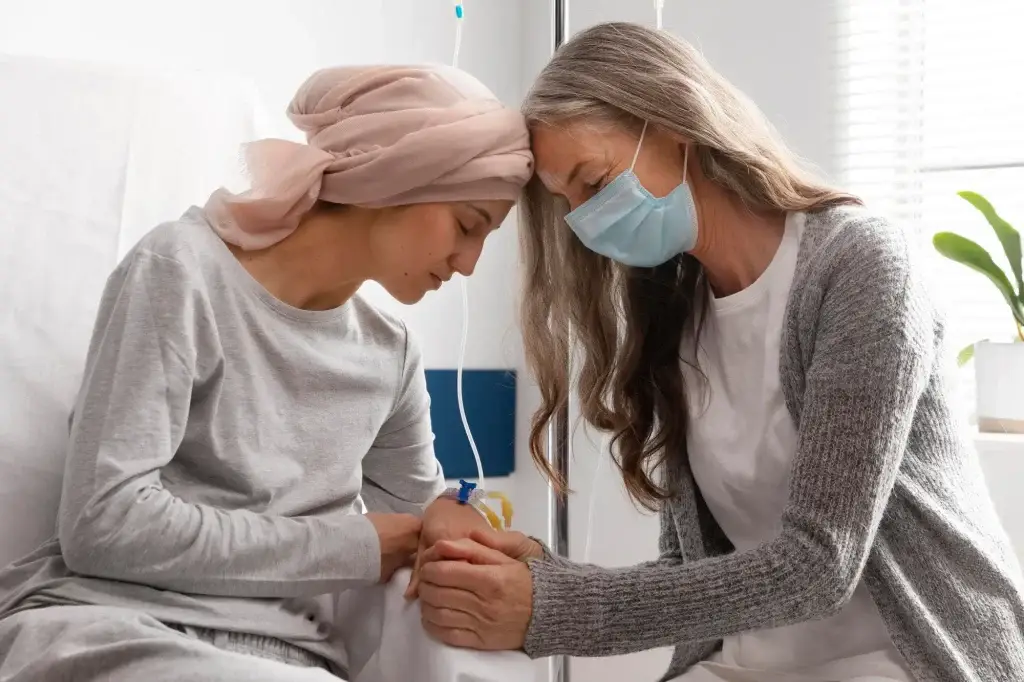
Cancer Treatment in Singapore Cost and Clinics
Cancer treatment in Singapore is delivered at world-class oncology centers including the National Cancer Centre Singapore (NCCS), Singapore General Hospital (SGH), Mount Elizabeth Hospital, Parkway Cancer Centre, and Raffles Cancer Centre—all operating under Joint Commission International (JCI) accreditation and offering comprehensive multidisciplinary oncology care including surgery, radiation, systemic therapy, immunotherapy, targeted therapy, and CAR-T. Singapore is Southeast Asia's premier destination for advanced cancer care, combining internationally trained oncologists, access to the latest treatment protocols, and cutting-edge technology including proton beam therapy and robotic-assisted cancer surgery. Cancer treatment costs in Singapore range from $15,000–$80,000+ depending on cancer type, stage, and modality, compared to $50,000–$200,000+ for equivalent care in the United States (per WHO Cancer Fact Sheet). The WHO recognizes Singapore's healthcare system as one of Asia's most capable for cancer diagnosis and treatment, with outcomes for major cancers (colorectal, breast, lung, prostate, liver) that are comparable to top Western centers. Singapore's oncology sector benefits from proximity to and cultural affinity with Indonesia, Malaysia, the Philippines, and Myanmar, attracting hundreds of thousands of international oncology patients annually. According to Bookimed's 2026 market data, Singapore is the top-ranked Asian destination for cancer treatment among medical tourists prioritizing outcome quality and institutional accreditation. Cancer Treatment Cost in Singapore vs. Other Countries. CountryAverage Cost (USD)Notes. Singapore$15,000 – $80,000+JCI-accredited; Southeast Asia's top oncology destination. United States$50,000 – $200,000+Highest-cost market; top institutional quality. Thailand$10,000 – $50,000JCI hospitals; lower cost than Singapore. India$5,000 – $30,000Most affordable for major cancer protocols. Turkey$8,000 – $40,000Growing oncology infrastructure. Cancer Treatment Modalities in Singapore. Surgery (robotic and minimally invasive): Da Vinci robotic surgery for prostate, colorectal, gynecologic, and thoracic cancers; laparoscopic hepatobiliary surgery for liver and pancreatic cancer; available at SGH, Mount Elizabeth, and Gleneagles. Radiation therapy (IMRT, IGRT, Stereotactic): Intensity-Modulated Radiation Therapy (IMRT), Image-Guided RT (IGRT), and Stereotactic Body Radiotherapy (SBRT/SABR); NCCS and Parkway Cancer Centre operate among the most advanced radiation platforms in Asia. Immunotherapy and targeted therapy: Full access to checkpoint inhibitors (pembrolizumab, nivolumab, atezolizumab), EGFR/ALK inhibitors, HER2-targeted agents, CDK4/6 inhibitors, and PARP inhibitors; same-cycle access to drugs approved by US FDA and EMA. CAR-T and cellular therapy: Singapore's hospitals offer CAR-T cell therapy (axicabtagene ciloleucel, tisagenlecleucel) for eligible hematological malignancy patients; among the first Asian markets outside Japan to routinely deliver commercial CAR-T. Why do international patients travel to Singapore specifically for cancer treatment?. Singapore's oncology infrastructure draws international cancer patients — particularly from Southeast Asia, South Asia, and the Middle East — for a convergence of reasons that are difficult to replicate elsewhere in the region: JCI-accredited hospitals with internationally trained oncologists: Singapore General Hospital, National Cancer Centre Singapore (NCCS), Mount Elizabeth Hospital (Parkway), Gleneagles Hospital, and Raffles Hospital operate at standards comparable to leading Western cancer centers. Technology access: Singapore has the highest concentration of advanced oncology technology in Southeast Asia — Gamma Knife radiosurgery, CyberKnife, proton therapy (at NCCS — the only operational proton therapy facility in Southeast Asia), PET-CT with advanced tracers, and comprehensive molecular pathology. Multidisciplinary tumour boards: major Singapore cancer centers hold weekly MDT meetings where complex cases are reviewed by surgical, medical, and radiation oncology together — this is standard practice in Singapore, not a premium service. Clinical trials access: NCCS and NUH participate in global oncology trials (NCCTG, SWOG, EORTC network affiliations), giving patients access to investigational therapies. English-medium healthcare system — eliminates communication barriers for patients from former British Commonwealth nations across Southeast Asia and South Asia. What cancer types are most commonly treated in Singapore by international patients?. Singapore's oncology sector has developed particular depth in cancers prevalent in its regional patient population: Colorectal cancer — the most common cancer in Singapore (MOH data); NCCS has one of the highest-volume colorectal surgery programs in the region; robotic-assisted colorectal resection for sphincter-preserving surgery is well-established. Liver cancer and hepatocellular carcinoma — high regional prevalence in Southeast and East Asia; Singapore's hepatobiliary surgery and liver-directed therapy (TACE, SIRT/Y-90 radioembolization, ablation) programs are among the region's most advanced. Breast cancer — comprehensive breast oncology centers at NCCS, Mount Elizabeth, and Gleneagles; genetic testing (BRCA1/2), oncotype DX, and HER2-targeted therapy are standard. Lung cancer — molecular profiling for EGFR, ALK, ROS1, PD-L1 and targeted therapy matching is routine at Singapore cancer centers. Nasopharyngeal carcinoma (NPC) — particularly high prevalence in Chinese Southeast Asian patients; IMRT radiotherapy for NPC is an established Singapore oncology specialty. Lymphoma — NUH and SGH have specialized haematological malignancy programs including autologous stem cell transplant capability. Brain tumors — Gamma Knife and CyberKnife stereotactic radiosurgery at Mount Elizabeth Novena and other centers. What oncologist credentials should I verify for cancer treatment in Singapore?. Cancer specialist credentials in Singapore: Singapore Medical Council (SMC) registration — mandatory for all practicing physicians; searchable at moh.gov.sg. Medical Oncologist — Fellowship of the Academy of Medicine Singapore (FAMS) in Medical Oncology, plus completion of the Singapore Medical Oncology training program (internal medicine base + 3 years medical oncology fellowship). Radiation Oncologist — FAMS in Radiation Oncology; Singapore-trained radiation oncologists complete 5-year specialist training including advanced radiotherapy techniques. Surgical Oncologist — FAMS in General Surgery with sub-specialty interest in oncology; or specific surgical subspecialties (Breast Surgery, Hepato-Pancreato-Biliary Surgery, Colorectal Surgery) with oncology focus. NCCS (National Cancer Centre Singapore) staff oncologists — NCCS is the national specialist cancer center; its medical and radiation oncology staff hold FAMS and frequently hold additional training from UK (MRCP, FRCR), US (ABIM, ABR board certification), or Australian (FRACP) institutions. For complex cases, also verify: MDT participation (case presented to a multidisciplinary team?); access to molecular profiling and biomarker testing; participation in clinical trials relevant to the cancer type. What advanced cancer treatment technologies are available in Singapore?. Advanced oncology technologies available at Singapore cancer centers: Proton therapy — National Cancer Centre Singapore (NCCS) operates a proton therapy facility; the only operational proton therapy center in Southeast Asia; indicated for pediatric tumors, skull base tumors, and cases where precise dose distribution minimizing normal tissue radiation is critical. Gamma Knife radiosurgery — stereotactic radiosurgery for brain metastases, meningiomas, acoustic neuromas, and other intracranial targets; available at Mount Elizabeth Novena Hospital and SGH. CyberKnife SBRT — stereotactic body radiotherapy for lung, liver, pancreas, prostate, and spine tumors; available at multiple Singapore centers. IMRT/VMAT — advanced intensity-modulated and volumetric arc radiotherapy; standard at all major Singapore radiation oncology departments. Intraoperative radiotherapy (IORT) — available at selected Singapore centers for breast-conserving surgery and other indications. PET-CT with advanced tracers — including PSMA-PET for prostate cancer staging (more accurate than standard CT/MRI for nodal and metastatic staging). Molecular pathology and next-generation sequencing (NGS) — comprehensive genomic profiling panels at NUH, SGH, and private laboratories; identifies actionable mutations for targeted therapy matching and trial eligibility. How much does cancer treatment cost in Singapore for international patients?. Cancer treatment costs in Singapore for self-pay international patients: Initial oncology consultation (senior consultant): SGD 200–500 ($150–$375). Biopsy and pathology: SGD 500–2,500 ($375–$1,875) depending on complexity and molecular profiling scope. Surgical oncology (major resection — colectomy, mastectomy, hepatectomy): SGD 20,000–60,000+ ($15,000–$45,000+) at private hospitals. Chemotherapy cycles: SGD 3,000–15,000+ per cycle depending on regimen; targeted agents (trastuzumab, bevacizumab, pembrolizumab) significantly increase per-cycle costs. Radiation therapy (curative course — IMRT): SGD 15,000–40,000 ($11,250–$30,000) for a full treatment course at private centers. Proton therapy (NCCS — subsidized for Singapore citizens/PR; international patients pay full cost): significantly higher than photon therapy — consult NCCS directly for international pricing. Compared to the United States: Singapore private hospital oncology costs are 30–60% lower than equivalent US private sector costs. Compared to India or Thailand: Singapore is 2–4× more expensive but offers significantly higher technological capability and access to clinical trials. Singapore's primary regional advantage is quality and technology, not cost. What is the process for getting a second oncology opinion in Singapore?. Obtaining a second oncology opinion in Singapore as an international patient: Documents to bring or send in advance: pathology report with histopathology results and immunohistochemistry panel; all imaging — CT, MRI, PET-CT in DICOM format (digital; on a USB drive, not printed films only); operative report if surgery has already been performed; current medication list and prior treatment records; molecular profiling results if performed. Virtual second opinion — NCCS, Mount Elizabeth (Parkway), and Raffles Hospital International offer remote second opinion services; pathology slides are sent for re-read, imaging files reviewed digitally, and a written report and video consultation provided without the patient travelling to Singapore initially; allows treatment planning decision to be made before committing to travel. In-person second opinion consultation — book directly with the hospital's international patient department; same-day or next-day consultation availability at most private Singapore cancer centers; the initial consultation is typically a comprehensive case review. After the second opinion: the Singapore oncologist provides a written report summarizing their assessment, treatment recommendation, and rationale — this report serves as the basis for deciding whether to proceed with treatment in Singapore or return home with a clearer diagnosis. How do I arrange cancer treatment in Singapore as an international patient?. Practical steps for international patients arranging cancer treatment in Singapore: Contact the hospital's international patient services department directly — each major Singapore cancer hospital has a dedicated international patient center: Parkway International (Mount Elizabeth, Gleneagles, Parkway East); Raffles Medical International; Singapore General Hospital International Medical Services. Documentation submission — send pathology, imaging, and clinical records to the international patient department; they route to the relevant specialist for triage and appointment scheduling; most provide turnaround within 48–72 hours for initial scheduling. Medical visa — Singapore does not require a special medical visa; standard tourist/visitor visa (30 days, extendable); most Singapore hospital international departments provide appointment confirmation letters supporting visa applications if needed. Accommodation — Orchard Road and Novena medical clusters have nearby serviced apartments and hotels with extended-stay rates; some hospitals have preferred accommodation partnerships. Medical concierge — Parkway International and Raffles International offer coordinator services including airport transfer, accommodation booking, and translator services (Mandarin, Bahasa Melayu, Tamil, Hindi, Arabic, and other languages). Ongoing treatment coordination — if multiple treatment cycles are required, discuss the schedule with the Singapore team and coordinate with your home-country oncologist for inter-cycle management locally, returning to Singapore for key assessments or treatment milestones. What clinical trials are accessible to international patients at Singapore cancer centers?. Clinical trial access at Singapore cancer centers for international patients: NCCS (National Cancer Centre Singapore) is Singapore's primary academic cancer center and the main clinical trials hub — affiliated with international cooperative oncology groups; active trials across multiple tumor types including lung, breast, colorectal, and haematological malignancies. NUH (National University Hospital) Cancer Center — academic hospital with active clinical research program including investigator-initiated trials and industry-sponsored Phase II/III trials. Trial eligibility — international patients are eligible for Singapore clinical trials if they meet the trial's inclusion criteria; residency or citizenship is not typically a trial eligibility requirement; however, trial protocols requiring frequent visits may be logistically challenging for international patients. SingHealth (SGH + NCCS) clinical trial portfolio — includes oncology trials across genomics-based precision oncology, immunotherapy combinations, and tumor-specific targeted therapy. To access trials: ask the NCCS or NUH international patient services to assess your eligibility for open trials relevant to your tumor type and genomic profile at the same time as planning your second opinion or treatment consultation. ClinicalTrials.gov — search Singapore as the location for a complete listing of all currently open Singapore cancer trials. How does cancer treatment quality in Singapore compare to Australia and the United Kingdom?. Singapore cancer treatment quality versus Australia and UK benchmarks: Survival outcomes — Singapore's age-standardized 5-year cancer survival rates for colorectal, breast, and lung cancer are comparable to Australian and UK national averages (Singapore Cancer Registry data); for some cancer types (notably NPC treated with IMRT), Singapore centers publish survival outcomes equivalent to leading Western specialist centers. Technology availability — Singapore's technology access (proton therapy, comprehensive molecular profiling, robotic surgery, advanced radiotherapy) is equivalent to or exceeds what is available at standard NHS cancer centers or Australian regional cancer centers; comparable to major UK cancer centers (The Christie, Royal Marsden) and leading Australian centers (Peter MacCallum). Specialist training — FAMS-credentialed Singapore oncologists hold training comparable to UK Royal College (MRCP, FRCR) and Australian (FRACP) credentials; many trained at exactly those institutions. MDT culture — multidisciplinary tumour boards are standard at Singapore JCI-accredited cancer centers, matching NICE (UK) and COSA (Australia) MDT guidelines. For patients from Australia, the UK, or comparable healthcare systems: Singapore provides treatment quality that is genuinely comparable to what they access at home, with the primary advantage being geographic accessibility for Southeast Asian and South Asian patients, alongside a technology access advantage over regional alternatives like Malaysia, Indonesia, or India. Sources. World Health Organization (WHO). Cancer Fact Sheet. Bookimed. Cancer Treatment in Singapore: Prices and Clinics 2026.