

Explore the Blogs about Liposuction Procedures

Expert articles, patient guides, and insights on Liposuction medical tourism.

×
×

Stem Cell Therapy in Dominican Republic Cost and Clinics

Stem cell therapy in the Dominican Republic is offered at specialist regenerative medicine and integrative health clinics in Santo Domingo by physicians trained in stem cell application protocols — at 55–70% below US and European costs for comparable treatments — with the Dominican Republic's growing medical tourism profile and proximity to the US East Coast making it an accessible option for patients seeking regenerative treatments for orthopedic conditions, autoimmune disorders, neurological conditions, and anti-aging protocols. Stem cell therapy involves the administration of mesenchymal stem cells (MSCs) — typically derived from umbilical cord tissue (Wharton's Jelly), adipose (fat) tissue, or bone marrow — to harness their anti-inflammatory and tissue regeneration properties for therapeutic benefit. All-inclusive stem cell treatment packages in the Dominican Republic cost $5,000–$15,000 per treatment protocol, compared to US and European costs of $15,000–$40,000+ for equivalent protocols (per WHO regenerative medicine reference data). Stem cell therapy exists in a regulatory grey zone globally — in the United States, the FDA regulates most stem cell treatments as biological products requiring clinical trial evidence before approval for specific indications; consequently, the treatments widely offered at international stem cell clinics are not FDA-approved for most conditions. Dominican Republic stem cell clinics operate under a different regulatory framework, allowing treatments that are not yet mainstream in the US. Patients considering stem cell therapy in the Dominican Republic should approach with informed expectations: scientific evidence supports stem cell therapy for certain conditions (most strongly for some orthopedic applications, with growing evidence for autoimmune and neurological conditions), but the evidence base for many promoted applications remains investigational. Reputable Dominican stem cell clinics acknowledge this landscape honestly, present realistic patient outcome expectations, and use traceable, quality-controlled stem cell preparations rather than making guarantee-based marketing claims. According to Bookimed's 2026 market data, stem cell therapy is among the requested regenerative medicine treatments at Dominican Republic clinics by international patients from the United States and Canada. When evaluating stem cell clinics in the Dominican Republic, patients should ask specific questions about cell source and processing: Are the stem cells autologous (from the patient's own body) or allogeneic (from a donor)? What is the cell concentration and viability testing protocol? Are cells processed in a certified laboratory? How are they administered (IV, local injection, intrathecal)? These questions help distinguish clinics with rigorous biological quality standards from those making unsubstantiated claims without proper quality control. Why Choose the Dominican Republic for Stem Cell Therapy?. 55–70% cost savings: Stem cell treatment protocols from $5,000–$15,000 in the Dominican Republic versus $15,000–$40,000+ in the US and Europe. Proximity to the US East Coast: 2.5–4 hour flights from Miami and New York — accessible for US patients wanting international stem cell treatment without long-haul travel. Flexible regulatory environment: Treatments not FDA-approved in the US may be offered legally in the Dominican Republic under local regulatory oversight — giving access to protocols outside the US clinical trial framework. Combined with rehabilitation: Dominican Republic stem cell clinics offering orthopedic or neurological treatments can coordinate with physical therapy and rehabilitation facilities for comprehensive treatment programs. English-speaking coordinators: Dominican Republic stem cell clinics serving US patients typically offer English-language patient coordination and clinical communication. Multi-condition protocols: Dominican stem cell clinics offer treatment protocols for a range of conditions — orthopedic (joint degeneration, spinal conditions), autoimmune, neurological, and anti-aging/longevity applications. Stem Cell Therapy Cost in the Dominican Republic vs. Other Countries. CountryAverage Protocol Cost (USD)Notes. Dominican Republic$5,000 – $15,000US East Coast proximity; English-speaking; flexible regulations. United States$15,000 – $40,000+Largely experimental/off-label; limited approved protocols. Colombia$6,000 – $18,000Growing regenerative medicine infrastructure. Mexico$5,000 – $20,000Established stem cell tourism; Tijuana, Mexico City centers. Costa Rica$6,000 – $20,000Established regenerative medicine clinics; quality protocols. Conditions Treated with Stem Cell Therapy in the Dominican Republic. Orthopedic conditions: Osteoarthritis (knee, hip, shoulder), cartilage defects, rotator cuff injuries, spinal disc degeneration — the best-evidenced clinical applications for mesenchymal stem cells; Dominican clinics offering intra-articular or epidural injection protocols for joint and spinal conditions. Autoimmune disorders: Multiple sclerosis, rheumatoid arthritis, lupus, Crohn's disease — stem cells' immunomodulatory properties may reduce inflammatory activity; considered investigational but attracting patient interest; requires thorough individual risk assessment. Neurological conditions: Stroke recovery, Parkinson's disease, ALS — investigational applications with variable evidence; patients seeking neurological applications should have very thorough discussions about realistic expectations and evidence quality before proceeding. Anti-aging and longevity: IV mesenchymal stem cell infusions marketed for cellular regeneration, immune system enhancement, and longevity; evidence largely anecdotal; popular with health-optimized patients seeking biological rejuvenation protocols. Frequently Asked Questions. What stem cell types are used in the Dominican Republic?. The most commonly used stem cells at Dominican Republic clinics are mesenchymal stem cells (MSCs) from two primary sources: umbilical cord tissue (Wharton's Jelly-derived MSCs) — allogeneic cells from screened donor cord tissue, easily scalable in cell count, no procedure required from the patient; and adipose-derived MSCs — autologous cells harvested from the patient's own fat by mini-liposuction, processed and concentrated at the clinic. A third source, bone marrow aspirate concentrate (BMAC), is also used at some orthopedic-focused clinics. Wharton's Jelly MSCs are the most commonly offered at Dominican Republic stem cell tourism clinics due to ease of administration and high cell counts achievable. Ask your clinic to specify: the cell source, the expected cell count and viability percentage, whether cells are tested for sterility and mycoplasma before administration, and the administration route specific to your condition. What types of stem cells are used at Dominican Republic clinics and what is their origin?. Dominican Republic stem cell clinics primarily use mesenchymal stem cells (MSCs) from three sources: umbilical cord tissue (Wharton's Jelly-derived MSCs) — the most widely offered; these are allogeneic cells from screened, tested donor cord tissue, offering high cell counts and no invasive procedure for the patient. Adipose-derived MSCs — autologous cells from the patient's own fat via mini-liposuction, processed the same day; lower allogeneic rejection concern but limited cell count versus cord-derived cells. Bone marrow aspirate concentrate (BMAC) — autologous cells from the patient's own iliac crest, used primarily at orthopaedic-focused clinics for joint applications. Ask any Dominican Republic clinic to specify: cell source, expected viable cell count and viability percentage, sterility and mycoplasma testing protocol, and specific administration route for your condition. What conditions have the strongest evidence base for stem cell therapy available in the Dominican Republic?. The strongest published evidence for mesenchymal stem cell therapy — available at Dominican Republic clinics — exists for orthopaedic applications: intra-articular MSC injection for knee osteoarthritis has multiple randomized controlled trials showing significant pain reduction and functional improvement versus placebo at 6–12 months. Bone marrow MSCs for avascular necrosis (osteonecrosis of the femoral head) have demonstrable clinical benefit. For autoimmune conditions (MS, Crohn's disease, rheumatoid arthritis), MSC trials show immunomodulatory effects with growing evidence — considered investigational but biologically rational. Anti-aging and longevity IV infusion protocols have the weakest evidence base, relying primarily on in vitro and animal studies. Reputable Dominican clinics acknowledge the evidence gradient honestly rather than claiming uniform efficacy across all indications. What questions should I ask a Dominican Republic stem cell clinic before booking treatment?. Critical questions for Dominican Republic stem cell clinic evaluation: What is the specific cell source (Wharton's Jelly, adipose, bone marrow)? What is the guaranteed cell count and viability percentage? How are cells tested for sterility, mycoplasma, and endotoxin? Is the processing laboratory certified (GMP or equivalent)? What is the specific administration route (IV, intra-articular, intrathecal, combination) for my condition? Can you provide published clinical literature or outcomes data for patients with my condition? What follow-up is provided after returning home? What is the complication management protocol if I experience an adverse reaction? Do you have patient testimonials I can contact? Clinics that provide specific, documented answers with transparency about evidence limitations are more trustworthy than those making absolute efficacy promises. How does the Dominican Republic stem cell regulatory framework compare to the United States?. In the United States, the FDA regulates most stem cell preparations as biological drug products (IND — Investigational New Drug) requiring clinical trial completion before commercial approval for specific indications. As a result, most MSC treatments widely offered at international stem cell clinics are not FDA-approved for general clinical use — they require clinical trial enrollment to administer legally in the US. The Dominican Republic operates under a different regulatory framework administered by the Ministerio de Salud Pública — allowing stem cell treatments that are not yet approved in the US to be offered legally in a clinical setting with physician oversight. This regulatory difference gives international patients access to protocols outside the US clinical trial framework, but also means that the same stringent pre-approval efficacy and safety requirements that apply in the US do not apply. Patients should approach with informed expectations about evidence status. How is stem cell therapy administered at Dominican Republic clinics?. Administration routes at Dominican Republic stem cell clinics vary by condition: Intravenous (IV) infusion — cells administered directly into the bloodstream via peripheral IV; the most common route for systemic conditions (autoimmune, neurological, anti-aging protocols); typically takes 30–90 minutes per infusion. Intra-articular injection — cells injected directly into a joint space under sterile conditions, often with ultrasound guidance; used for osteoarthritis and cartilage conditions. Intrathecal injection — cells administered into the cerebrospinal fluid via lumbar puncture; used for some neurological applications; requires physician specialist administration. Intramuscular or local injection — less common; used for localized conditions. Most Dominican Republic protocols involve 1–3 infusion sessions over 3–7 days, sometimes combined with supporting IV therapy (exosomes, growth factors, anti-inflammatory nutrients) to enhance outcomes. What are the potential risks and side effects of stem cell therapy in the Dominican Republic?. Common, transient side effects after MSC therapy at Dominican Republic clinics: mild fever or flu-like symptoms (hours to 1–2 days) — a normal immune response to allogeneic cells; injection site soreness for intra-articular or local injections; temporary fatigue and headache (IV protocols). Rare but serious risks: allergic or anaphylactic reaction (managed with immediate medical protocols at reputable clinical facilities); infection from contaminated cell preparations — the principal argument for rigorous laboratory testing requirements; graft-versus-host disease (GVHD) — rare with MSCs due to their immunomodulatory properties, but a theoretical risk with allogeneic preparations; worsening of certain conditions at treatment onset before improvement (flare response, particularly in autoimmune applications). The risk-benefit profile should be discussed individually based on your specific condition, cell source, and protocol. How long should I stay in the Dominican Republic for stem cell therapy?. Most Dominican Republic stem cell treatment protocols require 3–7 days in-country. Day 1: consultation, baseline assessment, medical history review, and treatment planning. Days 2–5: infusion sessions (typically 1–3 infusions over 3–5 days, sometimes daily for systemic protocols). Day 6–7: follow-up assessment and travel clearance. Some single-infusion protocols (intra-articular injections for joint conditions) can be completed within 2–3 days. Multi-infusion systemic protocols (neurological or comprehensive anti-aging) may require 5–7 days. The short treatment duration and proximity to the US East Coast (2.5–4 hours from Miami/New York) make the Dominican Republic a logistically accessible stem cell treatment destination for US patients compared to destinations requiring 10+ hour travel. How does stem cell therapy in the Dominican Republic compare to Costa Rica and Mexico as alternatives?. The Dominican Republic, Costa Rica, and Mexico are the three primary Latin American stem cell therapy destinations for US patients, all offering access to protocols outside the US regulatory framework. Costa Rica has a longer-established stem cell tourism reputation with English-language-oriented clinics and a nature recovery environment popular with US patients; tends to attract higher-income patients with longer treatment protocols. Mexico (particularly Tijuana and Mexico City) offers the highest US proximity — same-day or next-morning drive or flight for Southern California and Southwest US patients — with the broadest range of stem cell clinics across the quality spectrum. The Dominican Republic offers the best East Coast US logistics (shorter flights than Mexico for New York/Miami patients) with bilingual care oriented to the Dominican diaspora infrastructure. All three require equivalent due diligence on clinic quality and cell preparation standards. What follow-up care is available after stem cell therapy in the Dominican Republic?. Dominican Republic stem cell clinics serving international patients typically provide: a comprehensive medical summary of the treatment administered (cell type, dose, route, date) for your home-country physician; follow-up consultation by video call or WhatsApp at 1 month, 3 months, and 6 months post-treatment to assess response; written protocol recommendations for supporting therapies at home (anti-inflammatory diet, specific supplements, physiotherapy for orthopaedic applications); and documentation for your home-country specialist. Objective outcome assessment — functional scales, pain scores, or biomarker testing — at follow-up timepoints helps evaluate your individual response. Dominican clinics cannot guarantee outcomes, but reputable providers track patient outcomes to improve their protocols over time. What is a realistic cost breakdown for stem cell therapy in the Dominican Republic?. Stem cell therapy packages in the Dominican Republic typically cost $5,000–$15,000 total for the treatment protocol — depending on cell type, cell count, number of infusions, and condition complexity. Wharton's Jelly MSC single IV infusion protocols: $4,000–$8,000. Multi-infusion systemic protocols (3 infusions over 5 days): $8,000–$15,000. Intra-articular joint injection (per joint, with cell preparation): $3,500–$7,000. Add-on supporting therapies (exosomes, NAD+, vitamin C IV) may increase total by $500–$2,000. Beyond the protocol cost, budget flights ($300–$600), accommodation ($500–$1,000 for 5–7 days), and airport transfers ($100–$200). Total trip cost for a single-protocol Dominican Republic stem cell treatment typically ranges $6,000–$17,000 all-in — compared to $15,000–$40,000+ for equivalent protocols in the United States where offered. Sources. World Health Organization (WHO). Regenerative Medicine and Advanced Therapies. Bookimed. Stem Cell Therapy in the Dominican Republic: Prices and Clinics 2026.
Belly Button Repositioning in South Korea Cost and Clinics

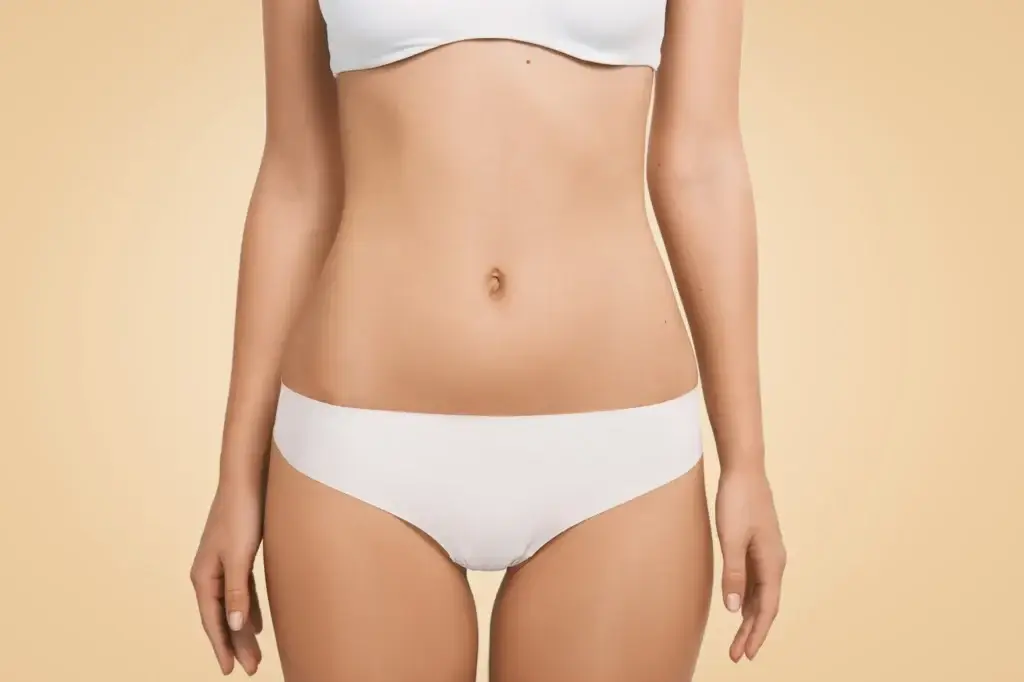
Belly button repositioning surgery (umbilicoplasty) in South Korea is a specialized aesthetic plastic surgery procedure offered at boutique aesthetic clinics and plastic surgery hospitals in Seoul's Gangnam district, surgically reshaping, repositioning, or recreating the appearance of the umbilicus (belly button) to produce a more aesthetically pleasing result — at 40–55% below US specialist clinic costs and 35–50% below UK private rates. Belly button surgery encompasses several related but distinct procedures: correction of an outie umbilicus (umbilical hernia reduction combined with umbilicoplasty), reshaping of a misshapen, wide, or asymmetric belly button, recreation of the umbilicus after abdominoplasty (tummy tuck), and correction of an unsatisfactory post-tummy-tuck umbilical result. South Korea's aesthetic surgery culture — which prioritizes meticulous attention to fine detail and subtle refinement — has produced surgeons with exceptional skill in the delicate technique required to create a natural-looking, aesthetically optimal umbilicus. Belly button repositioning and umbilicoplasty in South Korea costs $1,500–$4,000 all-inclusive depending on complexity, compared to US specialist costs of $3,000–$7,000 and UK private costs of £2,500–£6,000 (per ASPS 2024 statistics). The belly button occupies a visually central and aesthetically significant position on the abdomen — a detail that is disproportionately noticed in swimwear, fitness settings, and intimate contexts. The ideal umbilicus is generally described as a small, vertically oval, slightly hooded opening with a natural depression, located approximately at the midpoint between the lower costal margin and the pubic symphysis at the midline. Deviations from this — including prominent outies, wide or horizontally oriented openings, post-operative distortion, keloid or hypertrophic scarring of the umbilicus, or displacement from the midline after tummy tuck — are a common source of self-consciousness that many patients seek to address. The ISAPS 2023 global statistics confirm South Korea's position as one of the world's leading aesthetic surgery destinations, with meticulous attention to aesthetic detail — including body contouring precision details like umbilicoplasty — a hallmark of Korean plastic surgery practice. Belly button repositioning and umbilicoplasty are typically performed under local anesthesia as short outpatient procedures (30–60 minutes) for isolated umbilical correction — or under general anesthesia as part of a combined abdominoplasty or body contouring procedure. South Korean surgeons performing tummy tucks pay particular attention to umbilical aesthetics, using specific umbilicoplasty techniques to create a natural-looking neoumbilicus in the new skin position — a detail that significantly impacts the final tummy tuck result but is sometimes under-prioritized by surgeons focused only on the larger skin resection. Why Choose South Korea for Belly Button Repositioning?. 40–55% cost savings: Umbilicoplasty from $1,500–$4,000 in South Korea versus $3,000–$7,000 in the US and £2,500–£6,000 in the UK. Detail-focused aesthetic surgery culture: Korean plastic surgery philosophy emphasizes meticulous attention to subtle refinement; belly button aesthetics are treated with the same care as facial procedures — not as a secondary afterthought. Natural-looking result as the goal: Korean surgeons design umbilicoplasty to produce a belly button that looks completely natural — not obviously operated — with appropriate depth, orientation, and contour; extensive before-and-after portfolios available to assess surgeon's specific results. Post-tummy-tuck revision expertise: Korean surgeons frequently see and correct disappointing tummy tuck umbilical results from prior surgery — and are skilled in umbilical revision specifically; a common reason international patients travel to Seoul for umbilicoplasty. Combination with body contouring: Umbilicoplasty commonly combined with tummy tuck, liposuction, or mommy makeover in South Korea — addressing body contouring and umbilical aesthetics together in a single trip. Outpatient local anesthesia procedure: Isolated umbilicoplasty under local anesthesia takes 30–60 minutes; no hospital admission required; patients can fly home within 3–5 days. Belly Button Surgery Cost in South Korea vs. Other Countries. CountryAverage All-Inclusive Cost (USD)Notes. South Korea$1,500 – $4,000Natural result; local or GA; post-tummy-tuck revision available. United States$3,000 – $7,000Surgeon + facility; specialist plastic surgery clinic pricing. United Kingdom (private)$3,200 – $7,700Private plastic surgery; NHS rarely funds umbilicoplasty. Turkey$1,200 – $3,000Lower cost; growing body contouring tourism. Thailand$1,500 – $3,500Established aesthetic surgery destination. Types of Belly Button Surgery Performed in South Korea. Outie to innie correction: Umbilical hernias (true outies — caused by a fascial defect allowing abdominal content to protrude) require hernia repair alongside umbilicoplasty; soft tissue outies (umbilical skin/adipose protrusion without true hernia) can be corrected with simple excision and reshaping under local anesthesia; Korean surgeons assess the type before planning the approach. Shape and orientation correction: Wide, horizontally oriented, or misshaped umbilici reshaped through controlled excision and suture repositioning to create a narrow, vertically oval, naturally hooded appearance; 30–45 minute procedure under local anesthesia. Post-tummy-tuck umbilical revision: Correction of the neoumbilicus position (too high, too low, off-center), shape (too wide, circular, distorted), or scarring after abdominoplasty — one of the most common revision requests at Korean plastic surgery centers; requires precision reshaping within the existing tummy tuck scar. New umbilicus creation (neoumbilicoplasty): For patients who underwent full tummy tuck with umbilicus sacrifice, or after bariatric skin removal procedures, a new umbilicus can be created surgically — using skin infolding, star-shaped incision, and careful suture fixation to simulate natural umbilical anatomy. Frequently Asked Questions. How long is recovery from belly button surgery in South Korea?. Recovery from isolated umbilicoplasty under local anesthesia is very short — most patients experience mild soreness and swelling for 3–7 days, with return to normal activity within 1 week. Sutures are typically removed at 5–7 days. Patients can usually fly home 3–5 days after the procedure. Strenuous abdominal exercise should be avoided for 4–6 weeks. When umbilicoplasty is combined with tummy tuck or other body contouring procedures, recovery follows the larger procedure timeline — typically 2 weeks before flying and 4–6 weeks before return to full activity. Sources. American Society of Plastic Surgeons (ASPS). Plastic Surgery Statistics Report 2024. International Society of Aesthetic Plastic Surgery (ISAPS). Global Aesthetic/Cosmetic Procedures Statistics 2023.

Breast Implant Revision in Turkey Cost and Clinics

Breast implant revision surgery in Turkey is performed at specialist plastic surgery centers in Istanbul, Ankara, and Antalya at 55–70% below UK private and US costs, addressing capsular contracture, implant rupture, implant exchange (size or style change), implant removal, symmastia, double-bubble deformity, asymmetry, and rippling — by board-certified plastic surgeons with specific breast revision expertise. Breast implant revision encompasses any secondary surgical procedure on previously augmented breasts — from simple implant exchange to complex revisional surgery involving capsulectomy, pocket conversion, and revisional techniques for malposition or deformity. Revision surgery is inherently more complex than primary augmentation: the anatomy is altered, scarring affects tissue planes, and the cause of the dissatisfaction must be accurately identified and surgically addressed. Breast implant revision in Turkey typically costs $3,500–$8,000 all-inclusive depending on complexity, compared to UK private costs of £7,000–£18,000 and US costs of $10,000–$30,000 (per ASPS 2024 statistics). The ASPS 2024 statistics and the ISAPS 2023 survey identify breast implant revision as one of the most commonly performed secondary plastic surgery procedures globally — with capsular contracture, implant rupture, and size dissatisfaction as the leading indications. Turkey's established breast surgery centers see a significant proportion of international revision patients — particularly those who had primary surgery at low-cost providers in Turkey or elsewhere and require correction of a complication or a dissatisfactory result. Turkish revision-specialist plastic surgeons conduct thorough pre-operative assessment including clinical examination and breast MRI to characterize the existing implant condition, capsule characteristics, and pocket anatomy before planning the revision approach. According to Bookimed's 2026 market data, breast implant revision is a growing category, with many international patients specifically seeking out Turkish revision specialists for complex secondary cases. The most important pre-operative investigation for breast implant revision is a breast MRI — the most accurate imaging modality for detecting silicone implant rupture (intracapsular or extracapsular), assessing capsular contracture characteristics, and evaluating pocket dimensions. UK patients with implants placed after 2012 are advised by the MHRA to undergo MRI surveillance every 2–3 years; for patients without recent MRI, Turkish revision specialists will typically request MRI before finalizing the surgical plan. Why Choose Turkey for Breast Implant Revision?. 55–70% cost savings: Breast implant revision from $3,500–$8,000 in Turkey versus £7,000–£18,000 in the UK and $10,000–$30,000 in the US. Revision-specialist expertise: Turkish plastic surgeons with specific breast revision expertise — experienced in capsulectomy, pocket conversion (subglandular to submuscular), en bloc removal, implant exchange, and correction of malposition. Premium replacement implants: Mentor MemoryGel, Motiva Ergonomix, Polytech, and Sientra silicone implants available for exchange — premium fifth-generation implants with the best long-term performance data. Full revision range: Total capsulectomy for capsular contracture (Baker III–IV), en bloc capsulectomy for BIA-ALCL risk reduction, implant exchange, pocket conversion, implant removal with or without mastopexy, and correction of malposition. MRI-based pre-operative assessment: Turkish revision specialists review breast MRI before surgical planning — ensuring implant rupture status and capsular characteristics are fully characterized before the revision approach is finalized. All-inclusive revision packages: Surgery, new implants (where applicable), anesthesia, hospital stay, hotel, and transfers included in a single transparent price. Breast Implant Revision Cost in Turkey vs. Other Countries. ProcedureTurkey (USD)UK Private (USD)USA (USD). Implant exchange (bilateral)$3,500 – $6,500$8,000 – $16,000$10,000 – $22,000. Capsulectomy + implant exchange$4,500 – $8,000$10,000 – $20,000$14,000 – $30,000. Implant removal (explantation)$2,500 – $5,000$6,000 – $14,000$8,000 – $20,000. Revision + mastopexy (lift)$5,000 – $10,000$12,000 – $24,000$16,000 – $35,000. Breast Implant Revision Procedures in Turkey. Capsular contracture correction (capsulectomy): Removal of the hardened capsule surrounding the implant (total capsulectomy or partial capsulectomy); combined with implant exchange to the submuscular plane if previously subglandular; pocket irrigation and Betadine protocol to reduce recurrence; Baker grade III–IV contracture indications; 2–3 hour procedure. Implant exchange: Removal of existing implants and replacement with new implants — same or different size, profile, or shape; combined with pocket adjustment if needed; most common revision indication (size change, implant age, style change); 1–1.5 hour procedure. Implant removal (explantation) with or without en bloc capsulectomy: Complete implant and capsule removal; en bloc technique (capsule intact around implant) used for BIA-ALCL risk management or significant implant rupture with extracapsular silicone; mastopexy (breast lift) often combined for optimal aesthetic result after removal; available at Turkish revision-specialist centers. Pocket conversion + implant revision: Conversion from subglandular to submuscular (dual plane) placement to improve upper pole coverage, reduce rippling, or address recurrent contracture; more complex revision requiring longer operative time and recovery; indicated when implant visibility, palpability, or contracture cannot be resolved with same-pocket revision. Frequently Asked Questions. How do I know if I need breast implant revision surgery?. Common indications for breast implant revision include: capsular contracture (hardening and distortion of one or both breasts — Baker grades III and IV), implant rupture confirmed on MRI, significant size dissatisfaction, implant malposition (implant too high, too low, or shifted laterally), rippling visible through the skin, symmastia (implants merging at the centre), or double-bubble deformity. If you have symptoms of implant rupture (shape change, asymmetry, lump) or hardening without obvious cause, a breast MRI should be arranged before any revision surgery to characterize the current implant status. Turkish revision specialists review MRI and clinical history remotely before recommending the appropriate revision procedure. Can I have my implants removed and a breast lift at the same time in Turkey?. Yes — implant removal with simultaneous mastopexy (breast lift) is commonly performed at Turkish plastic surgery centers for patients who wish to have their implants removed while maintaining a lifted, natural breast shape. The combination is more complex than removal alone; the mastopexy component addresses the skin envelope laxity that develops after years of breast augmentation, particularly in patients with larger or heavier implants. Fat grafting can be added simultaneously to replace some of the volume lost with implant removal. Turkish plastic surgeons assess the tissue quality, degree of ptosis, and patient goals to plan the combination most likely to achieve a satisfactory natural result without implants. Sources. American Society of Plastic Surgeons (ASPS). Plastic Surgery Statistics Report 2024. International Society of Aesthetic Plastic Surgery (ISAPS). Global Statistics 2023. Bookimed. Breast Implant Revision in Turkey: Prices and Clinics 2026.

Liposuction in Mexico Cost and Clinics

Liposuction in Mexico provides targeted fat removal from stubborn areas—abdomen, flanks, thighs, arms, back, chin, and knees—at costs 50–65% below US prices, with convenient travel from any North American city. Mexico's CMCP-certified plastic surgeons in Tijuana, Cancún, Mexico City, and Guadalajara perform high-definition liposuction, VASER (ultrasound-assisted), and standard tumescent liposuction as standalone procedures and as components of comprehensive body contouring packages. Liposuction packages in Mexico run $2,000–$4,500 all-inclusive, compared to a US surgeon fee average of $4,040 (per ASPS 2024 data) plus facility and anesthesia costs that typically total $6,000–$12,000. The ISAPS 2023 Global Survey ranks liposuction as the most performed aesthetic surgical procedure worldwide for the third consecutive year, with an estimated 1.9 million procedures performed globally. Mexico's proximity to the US makes it the most frequently chosen international destination for US patients seeking liposuction—combining short travel time with significant cost savings and access to surgeons trained at leading US and Mexican plastic surgery programs. Liposuction Cost in Mexico vs. Other Countries. CountryAverage Cost (USD)What's Typically Included. Mexico$2,000 – $4,500Surgery (specified areas), anesthesia, hotel, transfers, garment, coordinator. United States$6,000 – $12,000Surgeon fee ($4,040 avg per ASPS 2024) + facility + anesthesia; no accommodation. Colombia$1,800 – $4,000Surgery; accommodation extra. Turkey$2,500 – $5,000Surgery, hospital, hotel, transfers included. Thailand$2,500 – $5,000Surgery; accommodation extra at most centers. A note on comparing these figures: Liposuction is priced per area or per liter of fat removed; multi-area treatments cost more. Confirm exactly which areas are included in your Mexican package. The Mexico range reflects Bookimed's 2026 market data. Liposuction Techniques Available in Mexico. Tumescent liposuction: Standard technique; large volumes of saline + epinephrine + lidocaine injected before fat removal via cannula; most widely available and evidence-based. VASER (ultrasound-assisted): Ultrasound energy liquefies fat before aspiration; allows more precise removal and better skin retraction; preferred for high-definition results and fibrous areas. Power-assisted liposuction (PAL): Vibrating cannula reduces surgeon fatigue and improves fat removal efficiency; widely used for large-volume cases. High-definition liposuction: Sculpts athletic definition (six-pack, muscle lines) using VASER; requires highly specialized technique and surgeon experience; available at specialist Mexican centers. What's Typically Included in a Mexican Liposuction Package. CMCP-certified surgeon consultation and body assessment. Liposuction surgery (specified areas and technique). General anesthesia or IV sedation and OR fees. 1 night in hospital or surgical center (for larger procedures). 3–4 nights in a partner hotel. Airport–hotel–clinic transfers. Compression garment and post-operative medications. English-speaking coordinator and remote follow-up. Liposuction Recovery Timeline. TimelineWhat to Expect. Day 1–2Compression garment fitted; significant bruising and swelling; rest. Day 3–5Mobile; drainage from incision sites normal; cleared to fly most surgeons by day 5. Week 1–2Return to desk work; compression garment worn 24 hours. Week 3–4Bruising resolves; swelling still present (80% resolved by week 6). Month 1–3Results taking shape; continue compression garment as advised. Month 3–6Final result visible; swelling fully resolved. Frequently Asked Questions. How much does liposuction cost in Mexico in 2026?. Based on Bookimed's 2026 market data, all-inclusive liposuction packages in Mexico range from $2,000 to $4,500 for standard multi-area treatment—compared to US total costs of $6,000–$12,000. Is liposuction a weight loss procedure?. No—liposuction is a body contouring procedure, not a weight loss treatment. It removes localized fat deposits that are resistant to diet and exercise, improving body proportions. Most surgeons limit total fat removal to 5 liters per session for safety; at typical fat density, this equates to approximately 5 kg of fat. Patients typically lose 1–4 kg of total body weight from liposuction. For patients seeking significant weight reduction, bariatric surgery is the appropriate intervention. What body areas can be treated with liposuction in Mexico?. Liposuction in Mexico treats virtually any area with localized fat deposits: abdomen (upper and lower), flanks ("love handles"), back (upper, mid, and lower), arms (inner and outer), thighs (inner, outer, and anterior), knees, calves, ankles, chin and neck (submental), chest (male gynecomastia and female chest recontouring), and buttocks. Lipo 360° — a comprehensive circumferential treatment of the entire midsection — is one of the most commonly requested combinations at Mexican plastic surgery centers, treating the abdomen, flanks, and back in a single session to create a complete waistline definition. Mexican plastic surgeons perform a comprehensive body composition and fat distribution assessment at the pre-operative consultation to confirm which areas are anatomically appropriate for liposuction versus which require a skin excision procedure (like abdominoplasty). What liposuction techniques are available at Mexican plastic surgery centers?. Mexican CMCPER-certified plastic surgeons offer several liposuction techniques: Tumescent liposuction — the standard; large volumes of dilute saline + epinephrine + lidocaine injected before fat removal to reduce bleeding and enable safe fat extraction; used as the foundation for all techniques. Power-assisted liposuction (PAL) — a motorized cannula oscillates, reducing surgeon effort and improving fat removal in fibrous areas like the back and male flanks. Ultrasound-assisted liposuction (VASER) — ultrasound energy emulsifies fat before aspiration; preferred for high-definition liposuction and fibrous areas; produces excellent skin retraction. High-definition liposuction (HD lipo/VASER Hi-Def) — selective removal of superficial fat to accentuate underlying muscle contours (abs, serratus, obliques); requires specialized training. Laser-assisted liposuction (SmartLipo) — laser energy liquefies fat and stimulates collagen; used for limited areas and skin tightening. Mexican surgeons select the appropriate technique based on treatment area, fat characteristics, and the patient's skin elasticity. Am I a good candidate for liposuction in Mexico?. Ideal liposuction candidates in Mexico: stable body weight within approximately 10kg of goal weight, maintained for at least 3–6 months (liposuction addresses localized fat deposits, not generalized obesity); good skin elasticity — skin that will retract smoothly over the new contours after fat removal (poor elasticity leads to skin laxity after liposuction, which may require a skin excision procedure instead); localized fat deposits that do not respond to diet and exercise (liposuction is for body contouring, not weight loss); BMI below 30–32 for most elective cases; non-smoker or willing to stop smoking 6 weeks before surgery; realistic expectations — liposuction improves body contour and proportion, not skin quality, cellulite, or overall body weight. Patients with loose skin, visible stretch marks, or a post-pregnancy abdomen with diastasis recti are often better served by abdominoplasty than liposuction alone — Mexican surgeons assess this at the pre-operative consultation. What is high-definition liposuction and is it available in Mexico?. High-definition liposuction (HD lipo) is a specialized liposuction technique that sculpts both the deep and superficial fat layers to accentuate underlying muscle definition — creating visible six-pack abdominal definition, serratus anterior lines, oblique shadows, and pectoral borders in men; and waist definition with athletic curve accentuation in women. It is available at specialized Mexican plastic surgery centers, particularly in Mexico City and Guadalajara, with surgeons who have specific HD lipo training. VASER technology is typically used for HD lipo — ultrasound energy selectively emulsifies fat while preserving connective tissue, allowing safe superficial fat removal that would be risky with conventional cannulas. HD lipo requires surgical precision and longer operative time than conventional liposuction; it is appropriate for lean, athletic-build patients who are close to their target physique and want enhanced muscular definition. How much fat can be safely removed during liposuction in Mexico?. The safe upper limit for liposuction fat removal in a single session at accredited Mexican plastic surgery centers is 5 liters of fat aspirate (per the standards established by the American Society of Plastic Surgeons and adopted by CMCPER guidelines). Above this threshold, the risk of fluid shifts, electrolyte imbalances, and systemic complications increases. Removing more than 5 liters is considered large-volume liposuction and requires additional safety precautions — enhanced fluid management, post-operative monitoring, and in some cases admission to an inpatient facility. Multiple liposuction sessions spaced 3–6 months apart are a safer alternative for patients who need more fat removed than the single-session limit allows. Mexican accredited facilities adhere to these safety limits — practices offering unrestricted "unlimited fat removal" in a single session are a significant red flag. What is the recovery timeline after liposuction in Mexico?. Liposuction recovery timeline in Mexico: Day 1: procedure; compression garment applied in the operating room; drain may be placed in larger cases. Days 2–5: hotel recovery; significant swelling and bruising; compression garment continuously. Day 5–7: surgeon wound check; drain removal if applicable; small adits (access incisions) checked. Day 7–10: travel clearance; fly home. Weeks 2–4: desk work resumes; soreness resolving; compression garment 23h/day. Weeks 4–6: light activity; garment transitioned to daytime only. After 6 weeks with clearance: return to full exercise. The final liposuction result is not visible until 3–6 months post-surgery when swelling has fully resolved — patients often see continued improvement for up to 6 months. Compression garment adherence is the single most impactful factor in recovery quality and result. Will liposuction in Mexico treat cellulite?. Liposuction does not reliably treat cellulite. Cellulite (the dimpled skin appearance most common on the thighs and buttocks) is caused by fibrous bands connecting the skin to the underlying fascia — pulling the skin surface inward to create the dimpled appearance. Removing fat beneath these bands does not release them — and in some cases, liposuction can temporarily worsen the appearance of cellulite by reducing the fat cushion beneath the skin while leaving the structural fibrous bands intact. If cellulite improvement is a primary concern, Mexican plastic surgeons may discuss Cellfina (a minimally invasive subcision procedure that releases the fibrous bands) or other cellulite-specific treatments as separate procedures. Liposuction is the correct approach for excess fat and body contour improvement, not for cellulite reduction. How does liposuction cost in Mexico compare to the United States?. Liposuction in Mexico costs $2,500–$5,500 all-inclusive per treatment zone (surgeon, anaesthesia, surgical facility, compression garment, medications, follow-up) — compared to US costs of $5,000–$15,000 for equivalent body contouring depending on area count and technique. Lipo 360° (full midsection treatment) in Mexico costs $4,000–$7,000 all-inclusive versus $8,000–$16,000 in the US. VASER or HD lipo in Mexico runs $5,000–$9,000 versus $10,000–$20,000+ in the US. Savings of 55–65% are achieved at CMCPER board-certified Mexican plastic surgery centers using the same tumescent, PAL, and VASER techniques as US surgeons. The quoted all-inclusive price in Mexico covers all cost components — anaesthesia, facility, garment — without the separate billing layers common in US plastic surgery practices. Can liposuction and Brazilian Butt Lift be combined in Mexico?. Yes — liposuction combined with Brazilian Butt Lift (BBL) is one of the most popular combination procedures at Mexican plastic surgery centers. Fat harvested by liposuction from the abdomen, flanks, back, and thighs is processed and reinjected into the buttocks — simultaneously creating waist definition through fat removal and buttock projection and shape through fat transfer. This combination maximizes the BBL result by providing abundant donor fat volume from multiple harvest sites while delivering body contouring that accentuates the waist-to-hip ratio simultaneously. Mexican plastic surgeons combine liposuction and BBL in a single surgical session with a total procedure time of 3–5 hours at accredited facilities. The same safety protocols apply — BBL fat injection strictly into the subcutaneous layer only, never the gluteal muscle, per CMCPER guidelines following international safety alerts. Are liposuction results permanent in Mexico?. Liposuction permanently removes fat cells from treated areas — adult humans do not generate new fat cells (adipocytes), so the removed cells do not regenerate. In this sense, liposuction results are permanent. However, if significant weight gain occurs after surgery, the remaining fat cells in the treated area (and particularly in untreated areas) will expand — body fat distribution can shift as the previously liposuctioned areas have fewer cells to store fat. Maintaining stable body weight after liposuction is the critical factor in preserving the result. Patients who maintain their post-operative weight within 3–5kg report long-term satisfaction with their liposuction results at 5–10 year follow-up. Liposuction is a body contouring procedure, not a weight loss tool — using it as a substitute for lifestyle changes leads to unsatisfying long-term outcomes. Sources. American Society of Plastic Surgeons (ASPS). 2024 Plastic Surgery Statistics Report. International Society of Aesthetic Plastic Surgery (ISAPS). ISAPS Global Survey 2023. Bookimed. Liposuction in Mexico: Prices and Clinics 2026.

Liposuction in Costa Rica Prices and Clinics

Liposuction in Costa Rica has become a leading choice for patients seeking safe, high-quality body contouring with experienced board-certified surgeons and significantly lower treatment costs compared to the United States and Canada. Modern clinics, accredited surgical centers, and a strong medical tourism infrastructure make Costa Rica a reliable destination for patients who want a slimmer, more contoured figure with a predictable and professional recovery process. This guide explains costs, techniques, candidate suitability, recovery timelines, safety protocols, and what to look for when choosing a clinic. What Is Liposuction?. Liposuction is a surgical body-contouring procedure that removes excess fat from targeted areas that are resistant to diet and exercise. It is not a weight-loss procedure but a sculpting technique designed to improve shape, proportion, and silhouette. Common treatment areas:. Abdomen and flanks. Waistline and back. Outer and inner thighs. Hips and buttock contour. Arms and bra-roll area. Male chest (gynecomastia contouring). Submental (chin/neck). Why Choose Costa Rica for Liposuction?. Board-certified plastic surgeons with high case volume in body contouring. Accredited, modern private surgical centers. Lower treatment costs than the United States or Canada. English-speaking care teams and dedicated patient coordinators. Recovery hotels and structured post-op follow-up. A calm, low-stress environment for early healing. Liposuction Cost in Costa Rica. Liposuction in Costa Rica typically costs between $2,500 and $4,000, depending on the treatment area, the amount of fat to be removed, and the clinic or surgeon selected. Smaller areas like the chin or arms tend to be on the lower end of the range, while more extensive procedures such as abdomen 360° or multiple areas can reach $4,000+. Many clinics also offer package pricing that includes anesthesia, surgical fees, post-operative garments, and follow-up visits, making Costa Rica a popular and cost-effective destination for body contouring procedures. Liposuction pricing depends on the number of areas treated, operating time, technique used, and your BMI. Below are cost ranges:. Type of LiposuctionTypical Range (USD). 1–2 small areas$2,500 – $4,000. Abdomen + flanks$3,500 – $5,500. Lipo 360 (full torso sculpting)$4,500 – $7,500. Lipo with fat transfer (BBL or hip dip filling)$6,000 – $9,500. Add-on areas (arms/inner thighs)+$800 – $1,500 each. Compared to the United States, where Lipo 360 can range from $8,000 to $14,000, Costa Rica offers substantial savings even after travel and accommodation. Liposuction Techniques Used in Costa Rica. Tumescent Lipo (Traditional). The most frequently used approach; safe, versatile, and proven for large and small areas. Vaser Liposuction. Uses ultrasound to emulsify fat before removal, useful for more athletic or definition-based contouring. Power-Assisted Liposuction (PAL). Helps surgeons perform precise, even fat extraction with less trauma to tissues. High-Definition Liposuction (HD). More advanced sculpting, often for athletic shaping or abdominal etching, available at select clinics. What Does a Liposuction Package Typically Include?. Most Costa Rican clinics include:. Pre-operative evaluation and surgical planning. Surgeon fee, anesthesia, and OR charges. Compression garments. Post-operative follow-ups and dressing changes. Airport/hotel transfers (depending on package tier). Some packages also include recovery hotel stays and nurse assistance. Not usually included: flights, extra hotel nights, prescription refills, and lymphatic massage unless stated in writing. Who Is a Good Candidate?. You are likely a suitable candidate if you:. Are close to your ideal weight but have localized fat deposits. Have good skin elasticity and healthy underlying tissue. Are in good medical condition and non-smoking. Understand that contouring, not weight loss, is the primary goal. Higher BMI patients may still be eligible depending on overall health and surgical safety assessment. Recovery Timeline. StageWhat Happens. Days 1–3Swelling, pressure, mild soreness, garment full time. First WeekWalking encouraged, gradual comfort gain. Weeks 2–3Light daily tasks, optional lymphatic drainage massage. Week 3–4Return to desk work, improved mobility. Weeks 6–8Resume light gym and activity, swelling continues to decrease. 3–6 MonthsFinal contouring takes shape with continued tightening. Most patients stay in Costa Rica for 7 to 10 days post-op for early check-ups. Safety Standards in Costa Rica. Reputable clinics follow:. Accredited surgical environments. Certified anesthesia teams. VTE/clot prevention protocols. BMI and operating time guidelines. Sterilization and infection control practices. Patient screening and medical clearance before surgery. Liposuction vs Tummy Tuck: When Each Is Appropriate. ConcernBest Option. Isolated fat deposits, good skin toneLiposuction. Loose skin and stretched musclesTummy tuck. Both excess fat and loose skinLipo + Tummy Tuck. Many patients combine Lipo 360 with abdominoplasty during Mommy Makeover surgery. How to Choose the Right Surgeon in Costa Rica. When evaluating clinics, confirm:. Board certification in plastic surgery. Before-and-after photos of body contouring cases. Experience with your technique type (traditional, Vaser, HD). Clear complication policy. Post-op follow-up structure and accessibility. Garment and massage instructions. Final Thoughts. Liposuction in Costa Rica offers a high standard of medical care, excellent value, and access to surgeons skilled in advanced body-contouring techniques. For patients traveling from North America, Costa Rica combines cost-efficiency with safe facilities, individualized care, and a supportive aftercare system. With proper surgical selection, realistic expectations, and adherence to post-operative instructions, patients can achieve refined, stable, and natural-looking contouring results. Contact MyMediTour for more details.

Liposuction in Brazil Cost and Clinics

Liposuction in Brazil is performed at specialist body contouring and plastic surgery clinics in São Paulo, Rio de Janeiro, and Belo Horizonte by plastic surgeons who trained and practice in the country widely credited as the birthplace of modern aesthetic surgery and body contouring — at 50–65% below US costs and 45–60% below UK costs — with Brazil's extraordinary plastic surgery tradition producing surgeons whose artistic philosophy of body sculpting, high-definition liposuction technique, and natural-looking contouring approach has influenced the global evolution of liposuction as an art form. Brazil performs more aesthetic procedures per capita than any other country in the world, according to ISAPS 2023 global statistics, and liposuction is consistently among the top 2–3 most performed aesthetic procedures in Brazilian plastic surgery centers. All-inclusive liposuction packages in Brazil cost $3,500–$7,000, compared to an ASPS 2024 average US surgeon fee of $4,040 (total cost with facility and anesthesia $6,000–$14,000) and UK private costs of £4,000–£9,000 (per ASPS 2024 statistics). Brazil's liposuction tradition is distinguished by two pioneering contributions: the development of tumescent liposuction technique refinements that have been adopted globally, and the evolution of high-definition liposuction (VASER-HD) as a distinct specialty within body contouring — with Brazilian surgeons leading the world in the application of ultrasound-assisted liposuction to sculpt visible muscular anatomy. Brazilian plastic surgery schools — particularly in São Paulo and Rio de Janeiro — have trained generations of surgeons in the aesthetic philosophy that views the human body as a sculptural form requiring comprehensive three-dimensional assessment: treating not just the area of fat excess, but the overall proportional relationship between waist, hips, thighs, and arms to achieve a harmonious, natural-looking result. According to Bookimed's 2026 market data, Brazil attracts international patients specifically for high-definition liposuction and comprehensive body sculpting packages from the US, Europe, and Latin America. Brazil's medical tourism infrastructure has been growing steadily, with São Paulo home to internationally accredited private hospitals and specialist aesthetic surgery clinics offering international patient coordination, English-language support, and comprehensive all-inclusive packages covering surgery, accommodation, and post-operative care. Travel to Brazil (São Paulo and Rio de Janeiro have direct international flights from the US, UK, and Europe) represents a longer journey than competing destinations like Colombia or Mexico, but patients specifically seeking Brazil for the distinctive Brazilian surgical artistry and high-definition liposuction expertise find the travel worthwhile. Why Choose Brazil for Liposuction?. 50–65% cost savings: All-inclusive liposuction from $3,500–$7,000 in Brazil versus $6,000–$14,000 in the US and £4,000–£9,000 in the UK. World's highest aesthetic surgery volume per capita: Brazil's extraordinary procedural volume (ISAPS 2023) produces surgeons with the case volume and technique refinement developed through a lifetime of high-frequency aesthetic surgery practice. Birthplace of modern body contouring artistry: Brazilian plastic surgery schools have led global innovation in liposuction technique, body proportional assessment, and high-definition sculpting — surgeons trained in the Brazilian tradition bring a distinctive artistic philosophy to body contouring. High-definition VASER liposuction leadership: Brazilian surgeons among the world's most experienced practitioners of VASER high-definition liposuction — revealing muscular anatomy through subcutaneous sculpting in the abdominal, chest, and arm regions. Comprehensive body assessment approach: Brazilian surgical philosophy treats the body as a whole — assessing proportional relationships between all areas and sculpting for overall harmony, not just isolated fat reduction. Post-operative care tradition: Brazil's well-developed post-liposuction care protocols — lymphatic massage, foam compression boards, ultrasound therapy — are embedded in the recovery standard at Brazilian aesthetic surgery centers. Liposuction Cost in Brazil vs. Other Countries. CountryAverage All-Inclusive Cost (USD)Notes. Brazil$3,500 – $7,000World's highest aesthetic volume; HD lipo leadership; artistry. United States$6,000 – $14,000ASPS 2024: $4,040 surgeon fee + facility + anesthesia. United Kingdom (private)$5,100 – $11,500Private plastic surgery; BAAPS-registered surgeons. Colombia$3,000 – $6,500Latin America's body contouring leader; 360° specialization. Turkey$2,500 – $5,000JCI hospitals; competitive pricing. Liposuction Techniques Available in Brazil. Tumescent liposuction: The gold-standard technique — tumescent solution injected to expand and firm the fat layer, then fat removed by suction through small cannulas; Brazilian surgeons refined tumescent technique protocols that are now applied globally; appropriate for standard body contouring of abdomen, flanks, thighs, arms, and back. VASER liposuction: Ultrasound-assisted liposuction using pulsed ultrasonic energy to selectively emulsify fat while preserving surrounding nerves and vessels; produces finer fat emulsification allowing more precise contouring; Brazilian surgeons leading global VASER technique development for both standard contouring and high-definition sculpting. High-definition liposuction (VASER-HD): Advanced sub-dermal sculpting using VASER energy to selectively remove fat in specific patterns that accentuate natural muscular anatomy — abdominal etching to reveal the linea alba and rectus borders, chest contouring, arm etching; a Brazilian surgical specialty with world-leading practitioners in São Paulo. 360° liposuction: Comprehensive circumferential waist treatment — abdomen, flanks, love handles, and lower back in one session; combined frequently with BBL fat transfer for the full body sculpting transformation that defines the Brazilian aesthetic body contouring approach. Frequently Asked Questions. Is Brazil safe for liposuction as an international patient?. Yes — liposuction at board-certified Brazilian plastic surgeons practicing at accredited private hospitals in São Paulo and Rio de Janeiro carries an excellent safety record. Brazil's Conselho Federal de Medicina (CFM) and the Sociedade Brasileira de Cirurgia Plástica (SBCP — Brazilian Society of Plastic Surgery) certify plastic surgeons following rigorous residency and examination standards equivalent to board certification in the US and Europe. International patients should select surgeons with SBCP certification, verified credentials, and extensive liposuction case volume — and choose accredited private hospitals (not office-based procedure rooms) for the surgical facility. The quality of Brazil's best private hospital infrastructure in São Paulo is equivalent to North American and European standards. As with any international medical travel, work only through reputable medical tourism coordinators or directly with established Brazilian plastic surgery centers that have documented experience with international patients, English-language support, and transparent all-inclusive pricing. What liposuction techniques are offered at Brazilian plastic surgery clinics?. Brazilian plastic surgery clinics — home to one of the world's highest per-capita concentrations of plastic surgeons — offer the full spectrum of liposuction techniques: Tumescent liposuction (the standard foundation); VASER ultrasound-assisted liposuction; Power-assisted liposuction (PAL) for fibrous areas; Laser-assisted liposuction; and high-definition body sculpting (HD lipo/VASER Hi-Def) for athletic muscle definition. Brazil is internationally recognized as an advanced center for liposuction technique innovation — Brazilian plastic surgeons developed and refined several body contouring approaches that are now standard globally. The Sociedade Brasileira de Cirurgia Plástica (SBCP) — Brazil's national plastic surgery society — is one of the most rigorous credentialing bodies in the world, requiring extensive training, examination, and ongoing re-certification for member plastic surgeons. How does SBCP board certification verify Brazilian surgeon qualifications for liposuction?. SBCP (Sociedade Brasileira de Cirurgia Plástica) certification is Brazil's gold-standard plastic surgeon credential. The SBCP certification process requires: completion of a recognized medical degree; completion of a residency in general surgery; completion of a plastic surgery residency at an SBCP-recognized training institution (typically 3 years); passage of written and practical SBCP examinations; and ongoing recertification. Brazil also requires that all practicing plastic surgeons be registered with the Conselho Federal de Medicina (CFM — Federal Medical Council) — the legal registration authority for all Brazilian physicians. When selecting a surgeon for liposuction in Brazil, confirming both SBCP membership/certification and CFM registration is the appropriate standard. Verify SBCP membership at sbcp.org.br and CFM registration at cfm.org.br — both databases are publicly searchable. Why do patients specifically travel to Brazil for liposuction?. Brazil's global reputation in liposuction and body contouring is built on several factors: Brazilian plastic surgeons are internationally recognized for aesthetic body sculpting innovation — Brazilian surgeons developed the Brazilian Butt Lift concept and many high-definition body contouring refinements now practiced globally. Brazil's SBCP training requirements produce surgeons with extensive body contouring case volumes. Brazil's culture of beauty and aesthetics creates a high domestic demand that sustains large, high-volume plastic surgery centers with significant experience. Major Brazilian cities — São Paulo, Rio de Janeiro, Curitiba, and Belo Horizonte — have internationally accredited hospitals and plastic surgery centers receiving both domestic and international medical tourists. Cost savings of 50–65% versus US or Western European costs, combined with Brazil's recognized surgical reputation, make liposuction in Brazil a compelling option for medical tourists. What is the recovery timeline for liposuction in Brazil?. Liposuction recovery in Brazil: Day 1: surgery; compression garment applied in the operating room. Days 2–5: hotel or recovery house rest; significant swelling and bruising; compression garment 24h. Days 5–7: surgeon wound check; small access incisions assessed. Day 7–14: continuing recovery; most patients travel home between days 10–14 with surgeon clearance. Weeks 2–4: desk work resumption; compression garment continues. Weeks 4–6: transition garment to daytime; light activity. After 6 weeks with clearance: return to full exercise. Brazilian post-operative care frequently includes lymphatic drainage massage (drenagem linfática) — widely practiced in Brazil and included in many liposuction packages; it accelerates swelling resolution and improves contouring results. Multiple sessions of lymphatic drainage beginning day 2–5 post-surgery are recommended by most Brazilian plastic surgeons and widely available through affiliated clinics. What is lymphatic drainage massage after liposuction in Brazil?. Post-liposuction lymphatic drainage massage (drenagem linfática manual — DLM) is a specialized gentle massage technique that stimulates the lymphatic system to accelerate removal of post-surgical fluid accumulation. After liposuction, fluid collects in the spaces left by removed fat — lymphatic drainage massage mobilizes this fluid toward the lymph nodes for removal, reducing swelling more rapidly than compression garment use alone. Brazil has a highly developed lymphatic drainage therapy culture — certified lymphatic massage therapists (trained in the Vodder, Leduc, or Godoy methods) are widely available in all major Brazilian cities. Many Brazilian liposuction packages include 5–10 lymphatic drainage sessions in the post-operative period. Sessions typically begin 2–5 days post-surgery (once initial wound healing allows) and continue daily or every other day for the first 2–4 weeks. Patients returning home early can continue lymphatic drainage with a certified practitioner in their home country. Can liposuction and BBL be combined in Brazil?. Yes — liposuction combined with Brazilian Butt Lift (BBL) is one of the most commonly performed body contouring combinations in Brazil and a major reason international patients specifically travel there for surgery. Brazil is globally recognized as the origin of the BBL technique — Brazilian plastic surgeons have decades of refinement in fat harvesting, processing, and strategic buttock injection. The combination harvests fat from the abdomen, flanks, back, and thighs via liposuction and reinjected into the buttocks to add volume, improve projection, and create a defined waist-to-hip ratio. Brazilian plastic surgeons follow SBCP guidelines requiring strictly subcutaneous injection (never intramuscular) following global safety reviews. Fat transfer viability of 60–80% at 12 months is expected with proper technique, high-viability graft preparation, and compression protocols that avoid direct pressure on the transferred fat during healing. What safety standards apply to liposuction in Brazil?. Liposuction safety in Brazil is governed by SBCP guidelines, CFM regulations, and ANVISA (Brazil's national health surveillance authority — analogous to the US FDA). Safety standards include: anaesthetic maximum doses for tumescent technique; liposuction volume limits per session (aligned with the 5-liter internationally adopted standard); required facility standards for surgical center accreditation through the Organização Nacional de Acreditação (ONA) — Brazil's hospital accreditation body; and informed consent documentation requirements. When selecting a Brazilian liposuction provider, verify: the surgeon holds SBCP certification and CFM registration; the facility has ONA or international accreditation (JCI accreditation is also held by several major Brazilian hospitals); the procedure takes place in an accredited surgical facility — not an office procedure room — for anything involving general or sedation anaesthesia. How does liposuction cost in Brazil compare to the United States?. Liposuction in Brazil costs approximately $3,000–$6,000 USD equivalent all-inclusive (at current BRL/USD exchange rates) for major body contouring areas — compared to US costs of $5,000–$15,000 for equivalent procedures. Exchange rate dynamics matter significantly for Brazil medical tourism costs: as the US dollar has historically been strong against the Brazilian real, the cost advantage for US dollar-paying patients can be substantial — verifying current exchange rates before budgeting is essential as costs in USD equivalent can shift meaningfully with currency movement. Liposuction combined with BBL in Brazil runs $6,000–$10,000 USD equivalent — versus $12,000–$20,000+ in the US. All-inclusive Brazilian liposuction packages typically include the surgical procedure, compression garments, and a series of post-operative lymphatic drainage massage sessions not included in US surgical packages. How long do I need to stay in Brazil after liposuction?. Plan 10–14 days in Brazil for liposuction. Day 1: consultation, pre-operative assessment, blood work. Day 2: surgery. Days 3–10: hotel or Brazilian recovery house accommodation; daily lymphatic drainage; compression garment management; surgeon wound checks at days 5 and 7. Day 10–14: travel clearance from surgeon; fly home. Recovery houses (casas de repouso) near major plastic surgery centers in São Paulo, Rio de Janeiro, and Curitiba offer post-operative recovery accommodation with nursing support, meal service, and integrated lymphatic drainage therapy — recommended for international patients without local family support networks. Confirm the surgeon's travel clearance timeline at the pre-operative consultation — more extensive procedures or less-than-ideal early healing may extend the recommended Brazil stay to 14 days. What pre-operative preparation is required for liposuction in Brazil?. Pre-operative preparation for liposuction in Brazil: Stop aspirin, NSAIDs, and blood-thinning supplements 2 weeks before surgery. Stop smoking 6 weeks before surgery. Avoid alcohol for 2 weeks before. Reach stable body weight 3–6 months before surgery — liposuction produces best results in patients at stable goal weight. Complete required blood work (CBC, coagulation studies, metabolic panel, HIV, hepatitis screening — required by most Brazilian surgical facilities) — can be completed at arrival or submitted in advance from your home country. Arrange 10–14 days in Brazil; book recovery house or hotel near the clinic. Download WhatsApp before travel — Brazilian surgeons and clinic coordinators use it as the primary communication platform. Arrange a companion or ensure recovery house support — you should not manage post-operative recovery alone without any support in an unfamiliar city. Sources. American Society of Plastic Surgeons (ASPS). Plastic Surgery Statistics Report 2024. International Society of Aesthetic Plastic Surgery (ISAPS). Global Aesthetic/Cosmetic Procedures Statistics 2023. Bookimed. Liposuction in Brazil: Prices and Clinics 2026.

Liposuction in Colombia Cost and Clinics

Liposuction in Colombia is performed by specialist plastic surgeons in Bogotá, Medellín, and Cali — cities recognized globally as the body contouring capitals of Latin America — at 60–70% below US costs and 55–65% below UK private costs, with Colombian surgeons renowned for their mastery of 360° circumferential body sculpting, lipo-sculpture technique, and the artistic approach to body contour that has made Colombia synonymous with exceptional body contouring outcomes. Colombia performs more liposuction procedures per capita than virtually any other country in the Americas, and this extraordinary volume — driven by both domestic demand and a large and growing medical tourism market — has produced plastic surgeons with case experience in body contouring that exceeds most international peers. Liposuction in Colombia costs $1,800–$4,500 all-inclusive for multiple areas, compared to an ASPS 2024 average US surgeon fee of $4,040 per area (total cost $6,000–$12,000) and UK private costs of £3,000–£8,000 (per ASPS 2024 statistics). Colombia's reputation for liposuction specifically is anchored in the technique of 360° liposuction — treating the abdomen, flanks, and back in a single session to sculpt the full circumferential waist and create a defined, hourglass silhouette — which was refined and popularized by Colombian surgeons. The ISAPS 2023 global statistics rank liposuction as the most performed aesthetic procedure worldwide, with Colombia's contribution to Latin American totals reflecting the extraordinary depth of body contouring expertise developed in Colombian cities. Colombian body contouring surgeons approach liposuction as a sculpting art — planning the procedure from multiple access points to achieve symmetric, proportionate fat removal with attention to creating natural transitions between treated and untreated areas. According to Bookimed's 2026 market data, liposuction (frequently combined with tummy tuck or fat transfer) is consistently among the top three most booked procedures by international patients in Colombia. A distinctive feature of Colombian liposuction practice is the routine use of liposuction-harvested fat for simultaneous fat transfer procedures — particularly BBL (Brazilian Butt Lift with fat transfer), breast fat transfer augmentation, and facial fat grafting. Colombian surgeons have extensive experience in atraumatic fat harvest and processing techniques that maximize fat viability for transfer, allowing comprehensive body reshaping — removing fat from areas of excess and adding it to areas the patient wants to enhance — in a single combined session. Why Choose Colombia for Liposuction?. 60–70% cost savings: All-inclusive multi-area liposuction from $1,800–$4,500 in Colombia versus $6,000–$12,000+ in the US and £3,000–£8,000 in the UK. 360° circumferential sculpting expertise: Colombian surgeons pioneered and refined 360° liposuction (treating abdomen, flanks, and back simultaneously) — creating the full hourglass contour that 2D front-only liposuction cannot achieve; a signature technique at leading Bogotá and Medellín clinics. Highest body contouring volume in Latin America: Colombia's extraordinary per-capita liposuction volume produces surgeons with case depth — the ability to judge fat distribution, access point planning, and volume limits that comes only from genuine high-volume practice. Liposculpture philosophy: Colombian surgeons approach liposuction as sculpture — creating natural proportions, smooth transitions, and athletic definition rather than simply removing maximum fat volume; the aesthetic outcome is calibrated to the patient's frame and goals. Combination with fat transfer: Colombia is the ideal destination for patients seeking comprehensive reshaping — liposuction donor areas harvested, fat processed, and grafted to buttocks (BBL) or breasts in the same session; routine practice at leading Colombian body contouring centers. Compression garment tradition: Colombia's body contouring culture has an established post-operative care tradition including high-quality medical-grade compression garments (Colombian brands like Marena, PostQuam), lymphatic massage therapy, and structured recovery protocols. Liposuction Cost in Colombia vs. Other Countries. CountryAverage All-Inclusive Cost (USD, multi-area)Notes. Colombia$1,800 – $4,500360° expertise; fat transfer combination available. United States$6,000 – $12,000ASPS 2024: $4,040 per area surgeon fee + facility. United Kingdom (private)$3,850 – $10,250BAAPS-registered surgeon; NHS does not fund cosmetic liposuction. Turkey$2,500 – $5,000VASER high-def available; JCI hospitals. Mexico$2,000 – $4,500Proximity to US; good multi-area packages. Liposuction Options Available in Colombia. 360° liposuction (lipo 360): Full circumferential treatment of abdomen, flanks (love handles), and back (bra fat/banana rolls) in a single session; creates the waist definition and posterior contour that front-only liposuction cannot achieve; standard offering at all major Colombian body contouring centers; requires general anesthesia and patient repositioning during surgery. VASER ultrasound-assisted liposuction: Ultrasound energy selectively liquefies fat before aspiration; produces better skin retraction and allows more precise contouring than standard tumescent liposuction; preferred at Colombian centers for high-definition body sculpting and for areas where precise contouring matters most (flanks, inner arms, neck). High-definition liposuction (lipo HD): VASER-based sculpting that creates visible athletic definition — abdominal etching (six-pack), oblique definition, gluteal shelf definition; available at specialist Colombian body contouring centers; requires surgeon expertise in athletic anatomy and precise fat removal depth planning. Liposuction + BBL (fat transfer to buttocks): Harvested fat centrifuged and purified; injected into the subcutaneous buttock plane for volume and shape enhancement; subcutaneous-only injection protocol mandatory for safety; Colombian surgeons routinely perform this combination with comprehensive hip-to-thigh sculpting in a single session. Frequently Asked Questions. How many areas can be treated in one liposuction session in Colombia?. Colombian plastic surgeons typically treat 4–6 areas in a single liposuction session, with a safe total fat removal target of 4–5 liters per session for most patients. Common multi-area combinations include: abdomen + flanks + inner thighs + outer thighs (the four classic zones), 360° treatment (abdomen + flanks + back), or 360° plus thighs for comprehensive lower body sculpting. Larger volume cases (patients with more significant total fat excess) may be safely managed within a single session at experienced Colombian centers with appropriate anesthesia monitoring, or staged across two sessions for the safest outcomes. Your Colombian surgeon will advise on the optimal approach based on BMI, total estimated extraction, and your specific anatomy. When will I see the final result of liposuction in Colombia?. Final liposuction results are typically visible at 3–6 months after surgery, once swelling has fully resolved. Most patients see 70–80% of the final result by 6–8 weeks. Immediately after surgery, swelling from the tumescent fluid and trauma makes the treated areas appear larger than before — this is normal and resolves over the following weeks. Compression garment wear for 4–8 weeks post-surgery accelerates swelling resolution and helps the skin retract to the new contours. The key milestones: by week 3 most bruising is gone; by week 6 swelling is substantially reduced; by month 3 the contour is clearly improved; by month 6 the final shape is fully established. Sources. American Society of Plastic Surgeons (ASPS). Plastic Surgery Statistics Report 2024. International Society of Aesthetic Plastic Surgery (ISAPS). Global Aesthetic/Cosmetic Procedures Statistics 2023. Bookimed. Liposuction in Colombia: Prices and Clinics 2026.

Cheapest Countries for Liposuction in the World

Liposuction in the US is priced per treatment area — at $4,000–$10,000 per zone, a combined abdomen, flanks, and thighs procedure can easily exceed $20,000 before anesthesia and facility fees are added. Abroad, full-body liposuction packages covering multiple areas start from $2,500 all-in, and 360° lipo — circumferential treatment of the entire midsection — is routinely offered as a single packaged price. Turkey, Colombia, Mexico, Costa Rica, and Panama have all developed internationally recognized body contouring sectors where board-certified plastic surgeons perform high volumes of liposuction at a fraction of US costs. Price Comparison by Country. CountryAverage CostSavings vs. USWhy It's Affordable. Turkey$1,500–$3,500 per area~65–80%High volume of body contouring procedures, all-inclusive packages common. Colombia$1,800–$3,500~60–78%Bogotá body contouring specialists, combination packages widely available. Mexico$2,000–$4,000~55–75%US-trained AMCPER-certified surgeons, advanced techniques available. Costa Rica$2,500–$4,500~50–70%Boutique surgical centers, English-speaking plastic surgeons. Panama$2,500–$4,000~50–70%Modern private hospitals, competitive package pricing. Turkey — from $1,500 (360° Lipo Packages). Turkey has become a major destination for body contouring tourism, with Istanbul clinics specializing in 360° liposuction — circumferential treatment of the abdomen, flanks, and lower back in a single session. Packages from $1,500 to $3,500 per area typically include surgeon fee, general or tumescent anesthesia administered by an anesthesiologist, operating room, compression garment, drain follow-up, and at least one post-operative visit. VASER ultrasound-assisted liposuction and laser-assisted lipo are widely available at comparable prices. All-in pricing — surgery plus accommodation and transfers — is the norm rather than the exception. Clinics in Turkey. Liposuction Procedures in Turkey. Colombia — from $1,800 (Body Contouring Capital). Bogotá is widely recognized as one of Latin America's leading centers for body contouring, with a high concentration of plastic surgeons experienced specifically in liposuction and fat transfer procedures. Packages at $1,800–$3,500 cover surgeon fee, anesthesia, operating room, compression garment kit, and post-operative care. Combination procedures — lipo with Brazilian Butt Lift (BBL) using transferred fat — are particularly common in Colombia, and surgeons here handle the combined procedure with high volume and experience. SCCP (Colombian Society of Plastic Surgery) board certification is the credential to verify. Clinics in Colombia. Liposuction Procedures in Colombia. Mexico — from $2,000 (US-Trained Surgeons). Mexico's top plastic surgery centers in Guadalajara and Monterrey attract a high proportion of US patients for liposuction, both for the competitive pricing and the short return journey for follow-up appointments. Packages at $2,000–$4,000 include surgeon, anesthesiologist, operating room, compression garment, and post-op visits. AMCPER (Mexican Association of Plastic, Aesthetic, and Reconstructive Surgery) board certification is the gold standard credential for Mexican plastic surgeons. Ultrasound-assisted VASER lipo and laser-assisted SmartLipo are available at leading centers. Clinics in Mexico. Liposuction Procedures in Mexico. Costa Rica — from $2,500 (Boutique Surgical Centers). Costa Rica's plastic surgery centers near San José offer a more intimate experience than the high-volume Turkish or Colombian clinics, with smaller teams and direct surgeon access throughout recovery. Packages at $2,500–$4,500 include surgeon fee, general anesthesia, operating room, a compression garment kit, and follow-up visits. English-speaking board-certified plastic surgeons are standard at established centers, and most clinics coordinate accommodation close to the facility for the standard 5–7 day recovery stay before the flight home. Clinics in Costa Rica. Liposuction Procedures in Costa Rica. Panama — from $2,500 (Modern Private Hospitals). Panama City's medical tourism sector is centered around its modern JCI-accredited private hospitals, which offer liposuction packages at $2,500–$4,000 that include surgeon, anesthesiologist, operating room, and post-operative care. Panama is particularly convenient for patients from South Florida and the southeastern United States, with short direct flights. Combination body contouring procedures — lipo plus a concurrent tummy tuck or arm lift — are available at competitive total pricing. Clinics in Panama. Is Cheap Safe? What to Check Before Booking. Verify board certification specifically in plastic surgery, not general surgery — liposuction performed by non-plastic surgeons carries elevated complication risk. Confirm an anesthesiologist (not just a nurse anesthetist) is managing your anesthesia for any general anesthesia procedure. Ask about the volume of fat being removed — the FDA considers up to 5 liters of aspirate (removed volume) safe in an outpatient setting; larger volumes require hospital admission. If combining with a Brazilian Butt Lift (BBL), confirm the surgeon uses the suprafascial injection technique — fat injected into the gluteal muscle carries significantly higher risk of fat embolism. Ask for your surgeon's specific liposuction case volume and a before/after portfolio specifically for the areas you are treating. What's Usually Included in the Quoted Price. Liposuction packages abroad typically include the surgeon's fee, anesthesia (general or tumescent depending on case), operating room and facility fee, one compression garment, drain management and removal if drains are placed, and at least one post-operative follow-up visit. What is commonly excluded: pre-operative laboratory tests and EKG (usually $100–$300), additional compression garments, lymphatic drainage massage sessions (often recommended for 2–4 weeks post-op, usually $30–$80 per session locally), and any complication-related follow-up care after returning home. Also confirm whether VASER or laser-assisted lipo — if desired — is included in the base price or priced as an upgrade. Frequently Asked Questions. How is liposuction different from CoolSculpting?. Liposuction is a surgical procedure that physically removes fat cells through suction, producing immediate and dramatic results — especially for larger volumes or multiple areas. CoolSculpting is a non-surgical fat-freezing treatment that gradually reduces fat cells over 2–3 months, with more modest results per session. Liposuction costs more upfront but typically achieves in one procedure what would require multiple CoolSculpting sessions. For anyone considering treating multiple areas or significant volume reduction, surgical liposuction almost always delivers better value and results. How many areas can be treated in one session?. Most surgeons will treat 3–5 areas in a single session, depending on the total volume of fat and the patient's overall health status. Common combinations include abdomen plus flanks (love handles), or the full 360° midsection plus inner thighs. Treating too many areas at once increases total anesthesia time and fluid shifts, which raises risk — a reputable surgeon will advise on what is safely achievable in a single session based on your specific anatomy and health profile. What is VASER liposuction and is it worth the extra cost?. VASER liposuction uses ultrasound energy to liquefy fat before suction, which makes it particularly effective for fibrous areas (like the back or male chest) and for high-definition body sculpting. It also results in less trauma to surrounding tissue, which can mean reduced bruising and faster recovery for some patients. Abroad, VASER is typically an upgrade of $300–$800 per area over standard lipo — whether it is worth it depends on your specific anatomy and goals, which your surgeon will assess at consultation. When can I fly home after liposuction?. Most surgeons recommend waiting at least 5–7 days before flying after liposuction. This allows the initial swelling to stabilize and any drains to be removed. During the flight, compression garments should be worn continuously, and moving regularly to prevent blood pooling is important. For procedures involving multiple areas or larger volumes of fat removal, a 7–10 day wait before a long-haul flight is more conservative and advisable. Liposuction versus tummy tuck — which do I need?. Liposuction removes excess fat but does not address loose or excess skin. If your primary concern is stubborn fat deposits without significant skin laxity, liposuction alone may be ideal. If you have loose abdominal skin — particularly after significant weight loss or pregnancy — a tummy tuck (abdominoplasty) removes the excess skin and tightens the abdominal muscles, which liposuction cannot do. Many surgeons perform both procedures simultaneously as a combined mommy makeover or body contouring package, which is more cost-efficient than two separate surgeries. Ready to Get Liposuction at a Fraction of the US Price?. MyMediTour connects you with verified clinics offering transparent pricing and no hidden fees. Get a Free Quote.

Liposuction in South Korea Cost and Clinics

Liposuction in South Korea applies Korean plastic surgeons' renowned precision and natural contouring philosophy to body fat removal—delivering targeted fat elimination from the abdomen, flanks, thighs, arms, back, and face at 40–55% below US prices, in Seoul's internationally accredited aesthetic surgery facilities. Korean liposuction specialists are particularly recognized for high-definition liposuction and VASER techniques that create refined athletic contours, as well as for their expertise in using harvested fat for transplant augmentation (BBL, breast fat transfer, facial fat grafting). All-inclusive liposuction packages in South Korea run $2,500–$6,000, compared to a US surgeon fee of $4,040 (per ASPS 2024 data) plus facility and anesthesia charges that typically total $6,000–$12,000. The ISAPS 2023 Global Survey ranks liposuction as the most performed aesthetic surgical procedure globally for the third consecutive year. South Korea's contribution to global liposuction volume reflects the depth of expertise at Seoul's high-volume clinics—surgeons performing hundreds of liposuction cases annually develop the technical refinement that distinguishes precise contouring from mere fat removal. According to Bookimed's 2026 market data, liposuction is frequently combined with fat transfer procedures (breast, facial, buttocks) at Korean clinics, maximizing value by using the extracted fat for natural augmentation. Liposuction Cost in South Korea vs. Other Countries. CountryAverage Cost (USD)What's Typically Included. South Korea$2,500 – $6,000Surgery (specified areas), anesthesia, hospital stay, hotel, coordinator. United States$6,000 – $12,000Surgeon fee ($4,040 avg per ASPS 2024) + facility + anesthesia; no accommodation. Mexico$2,000 – $4,500Surgery, hospital, hotel, transfers included. Turkey$2,500 – $5,000Surgery, hospital, hotel, transfers included. Thailand$2,500 – $5,000Surgery; accommodation extra at most centers. The South Korea range reflects Bookimed's 2026 market data. Multi-area and high-definition cases fall toward the upper end. Liposuction Techniques Available in South Korea. Tumescent liposuction: Standard technique; large fluid volume pre-injection; most widely available and evidence-based approach; used by the majority of Korean liposuction surgeons. VASER (ultrasound-assisted): Ultrasound energy liquefies fat selectively before aspiration; preferred by Korean high-definition specialists for precise muscle-line definition and improved skin retraction; available at leading Seoul clinics. High-definition liposuction: VASER-based sculpting that creates visible muscle definition (abs, pectorals, deltoids); a Korean specialty drawing on the country's deep aesthetic surgery expertise; requires highly specialized surgeon training. Liposuction + fat transfer combination: Fat harvested during liposuction is processed and grafted to the face, breasts, or buttocks; Korean clinics are recognized globally for the quality of their fat processing and grafting techniques. Recovery Timeline. TimelineWhat to Expect. Day 1–2Compression garment fitted; bruising and swelling; hotel or 1 hospital night for larger cases. Day 3–5Mobile; drainage from incision sites normal; gradually improving. Day 5–7Most patients cleared to fly; compression garment worn continuously. Week 1–2Return to desk work; bruising resolving; swelling present. Month 1–3Results becoming visible; compression garment worn as directed. Month 3–6Final result visible; swelling fully resolved. Frequently Asked Questions. How much does liposuction cost in South Korea in 2026?. Based on Bookimed's 2026 market data, all-inclusive liposuction packages in South Korea range from $2,500 to $6,000 for standard multi-area treatment—compared to US total costs of $6,000–$12,000. Sources. American Society of Plastic Surgeons (ASPS). 2024 Plastic Surgery Statistics Report. International Society of Aesthetic Plastic Surgery (ISAPS). ISAPS Global Survey 2023. Bookimed. Liposuction in South Korea: Prices and Clinics 2026.

Liposuction in Dominican Republic Cost and Clinics

Liposuction in the Dominican Republic is performed at specialist plastic surgery and body contouring centers in Santo Domingo and Santiago by board-certified plastic surgeons with extensive liposuction experience — at 55–65% below US costs and 50–60% below UK private costs — with the Dominican Republic's high-volume plastic surgery culture producing surgeons skilled in body contouring techniques that deliver consistent, well-sculpted results for patients seeking fat reduction in the abdomen, flanks, thighs, arms, and back. Liposuction surgically removes stubborn fat deposits that do not respond to diet and exercise — using a thin cannula inserted through small incisions to suction out fat cells permanently from the treated area. All-inclusive liposuction packages in the Dominican Republic cost $2,500–$6,000 (depending on the number of areas treated), compared to an ASPS 2024 average US surgeon fee of $4,040 (total cost with facility and anesthesia $6,000–$14,000) and UK private costs of £4,000–£9,000 (per ASPS 2024 statistics). The Dominican Republic's plastic surgery culture has been shaped by the Dominican diaspora's long tradition of returning home for cosmetic procedures — creating a body contouring market that emphasizes the curves and proportions that define the Caribbean aesthetic ideal. Dominican plastic surgeons performing high volumes of liposuction procedures have developed particular expertise in waist and hip contouring — combining abdominal liposuction with flank and lower back treatment to create the defined waist-to-hip ratio that is the central goal of Dominican body sculpting. The ISAPS 2023 global statistics rank liposuction as one of the top two most performed aesthetic surgical procedures globally, with Latin America contributing a significant share of total volume. According to Bookimed's 2026 market data, liposuction is consistently the most requested body contouring procedure by international patients at Dominican plastic surgery centers. International patients choosing liposuction in the Dominican Republic should be aware that liposuction results depend significantly on the post-operative care and compression protocol. Dominican plastic surgery centers include structured post-operative lymphatic massage therapy sessions (typically 6–10 sessions starting from day 3–5 post-surgery) as a standard component of liposuction recovery — the lymphatic massage accelerates fluid reabsorption, reduces post-liposuction fibrosis formation, and improves final contouring smoothness. Wearing a properly fitted compression garment continuously for 6–8 weeks post-surgery is equally important: the garment must be worn 23 hours per day initially, then 12 hours per day through week 8, to achieve optimal skin retraction and smooth contouring. Why Choose the Dominican Republic for Liposuction?. 55–65% cost savings: All-inclusive liposuction from $2,500–$6,000 in the Dominican Republic versus $6,000–$14,000 in the US and £4,000–£9,000 in the UK. High-volume body contouring experience: Dominican plastic surgeons performing hundreds of liposuction procedures annually — waist, hip, and thigh sculpting performed at high frequency produces refined technique and consistent aesthetic outcomes. Caribbean aesthetic sculpting expertise: Dominican body contouring philosophy emphasizes defined waist, hip curves, and proportional lower body — appealing aesthetic results for patients seeking Caribbean/Latin silhouette enhancement. Proximity to the US East Coast: Direct flights from New York (3.5 hours), Miami (2.5 hours), Boston (4 hours) — highly accessible for East Coast US patients. Post-operative lymphatic massage included: Dominican liposuction packages typically include lymphatic massage sessions as standard — critical for optimal results and included in the all-inclusive price. 360° liposuction packages: Comprehensive 360° treatment of abdomen + flanks + lower back in one session — full waist transformation rather than isolated area treatment. Liposuction Cost in the Dominican Republic vs. Other Countries. CountryAverage All-Inclusive Cost (USD)Notes. Dominican Republic$2,500 – $6,000360° available; lymphatic massage included; US East Coast proximity. United States$6,000 – $14,000ASPS 2024: $4,040 surgeon fee + facility + anesthesia. United Kingdom (private)$5,100 – $11,500Private plastic surgery; BAAPS-registered surgeons. Colombia$3,000 – $6,500Latin America's body contouring leader; high volume. Turkey$2,500 – $5,000JCI hospitals; competitive pricing. Liposuction Areas and Techniques in the Dominican Republic. 360° liposuction (full waist): Comprehensive treatment of abdomen, flanks, and lower back in one session — creates a circumferential waist reduction rather than isolated area improvement; the most commonly requested liposuction configuration at Dominican body contouring centers. VASER liposuction: Ultrasound-assisted liposuction using ultrasonic energy to emulsify fat before suctioning — produces finer emulsification allowing more precise contouring, particularly in fibrous areas (back, flanks); allows more refined results in the sub-dermal plane for high-definition abdominal etching at experienced centers. High-definition liposuction: Advanced contouring technique targeting the sub-fascial and sub-dermal planes to accentuate natural muscular anatomy — particularly abdominal etching to reveal the linea alba and rectus muscle borders; requires advanced VASER or Laser-Assisted Liposuction (LAL) equipment and high-volume technique experience. Combined with BBL: Liposuction of donor areas (abdomen, flanks, thighs, lower back) combined with fat transfer to the buttocks — the Brazilian Butt Lift; Dominican surgeons experienced in simultaneous 360° contouring and BBL for comprehensive body reshaping. Frequently Asked Questions. How long should I stay in the Dominican Republic after liposuction?. Plan 10–14 days in the Dominican Republic after liposuction. Surgery day is typically day 2 (after day 1 pre-operative consultation). Hospital discharge is day 1–2 post-surgery. Lymphatic massage begins day 3–5, with sessions every 1–2 days through the end of the stay. Surgeon clearance for travel is typically given at day 10–12 after the final pre-departure wound check. After returning home, continue compression garment wear for 6–8 weeks total. Swelling peaks at week 1–2 then progressively subsides; approximately 60% of swelling resolves by week 6, 80% by 3 months, and the final liposuction result is fully visible at 6 months when all inflammation has resolved and skin has retracted to its final position. Is liposuction a weight loss treatment at Dominican Republic clinics?. No — liposuction is a body contouring procedure, not a weight loss treatment. The volume of fat safely removable in one session is limited to approximately 5 litres of total aspirate (fat + fluid) to stay within safe limits and avoid complications including fluid imbalance and haemodynamic instability. This translates to 2–4kg of actual fat in most patients — a meaningful contouring improvement but not significant weight reduction. Liposuction permanently removes fat cells from the treated area, making those areas resistant to future fat accumulation, but it does not prevent new fat gain in untreated areas if caloric intake exceeds expenditure. The best liposuction candidates in the Dominican Republic are within 10–15kg of their goal weight, with isolated stubborn fat deposits in specific anatomical areas that do not respond to diet and exercise. What body areas can be treated with liposuction at Dominican Republic plastic surgery centers?. Dominican plastic surgery centers offer liposuction of all standard anatomical areas: abdomen (upper and lower); flanks and love handles; lower back and bra-roll; hips and outer thighs; inner thighs; knees; upper arms; axillary (armpit) area; chin and neck (submental liposuction); chest (male gynecomastia treatment); and calves. The most commonly requested combination is 360° (abdomen + flanks + lower back) — the full circumferential waist treatment that is Dominican body sculpting's signature approach. Multiple areas can be treated in a single session within safe aspiration volume limits — your Dominican surgeon will assess what is achievable based on your anatomy and the safe total aspirate volume for your body weight. What is VASER liposuction and is it available in the Dominican Republic?. VASER (Vibration Amplification of Sound Energy at Resonance) liposuction uses ultrasonic energy to selectively emulsify fat cells before suctioning — making fat removal easier, allowing finer sculpting in fibrous areas (back, flanks, male chest), and enabling high-definition abdominal etching (HD lipo) that reveals muscular anatomy. VASER causes less trauma to surrounding blood vessels and nerves than standard liposuction, potentially reducing bruising and improving skin retraction. VASER liposuction is available at leading Dominican plastic surgery centers; it costs more than standard tumescent liposuction and is recommended specifically when high-definition etching or fibrous area treatment is the goal. For standard fat reduction and contouring, tumescent power-assisted liposuction (PAL) delivers excellent results at lower cost. How much fat can be safely removed in one liposuction session in the Dominican Republic?. The standard safety limit for outpatient liposuction in the Dominican Republic and internationally is 5 litres of total aspirate (fat plus tumescent fluid) per session. Removing more than 5 litres of total aspirate substantially increases the risk of fluid imbalance, haemodynamic instability, and haematocrit changes requiring transfusion. For patients needing more extensive fat removal, Dominican plastic surgeons stage the procedure over two sessions a few weeks apart. This safety threshold applies regardless of the patient's total body fat volume — it is a per-session physiological limit. Reputable Dominican surgeons adhere to this limit strictly; clinics offering to remove very large volumes in a single session as a selling point should be approached with caution. What is the role of skin elasticity in liposuction results in the Dominican Republic?. Skin elasticity is one of the most important determinants of liposuction results. After fat is removed, the skin must retract to conform to the new contour — patients with good skin elasticity (typically younger patients, patients with minimal prior weight fluctuations, or those with naturally firm skin) achieve smoother results with better skin retraction. Patients with reduced skin elasticity (older patients, those with significant prior weight loss, or stretch marks indicating skin laxity) may develop laxity or irregular contouring after liposuction because the skin cannot retract sufficiently. In these cases, Dominican plastic surgeons may recommend combining liposuction with a skin-excision procedure (tummy tuck, thigh lift, or arm lift) to remove the excess skin that liposuction alone cannot address. This is assessed during the pre-operative consultation. When can I return to work and exercise after liposuction in the Dominican Republic?. Desk work and light activity: return at 10–14 days post-liposuction (after flying home from the Dominican Republic). Manual labour and physical work: return at 3–4 weeks. Light exercise (walking, stationary cycling, swimming): cleared at 3–4 weeks with surgeon confirmation. Moderate exercise (yoga, light weights): at 4–6 weeks. High-intensity exercise (running, heavy weights, high-impact): at 6–8 weeks with full surgeon clearance. Compression garments are worn during exercise throughout the first 8 weeks. Pushing back to exercise too soon increases swelling and bruising and can disrupt healing — the internal tissue healing that produces smooth contouring continues for 3–6 months post-surgery, making patient compliance with recovery restrictions as important as the surgery itself. Are liposuction results permanent after surgery in the Dominican Republic?. Liposuction permanently removes fat cells from treated areas — fat cells do not regenerate, so the treated areas resist future fat accumulation more than untreated areas. However, remaining fat cells throughout the body (including smaller numbers that remain in treated areas) can enlarge if caloric intake consistently exceeds expenditure after surgery. Significant weight gain (5kg+) after liposuction will distribute new fat throughout the body, partially including treated areas, reducing the contouring benefit. Maintaining a stable body weight within ±5kg of the post-operative weight is the most important factor in preserving long-term liposuction results. Dominican plastic surgeons advise treating liposuction as a permanent contouring investment that requires weight maintenance to preserve its value. What are the most common liposuction complications and how are they managed in the Dominican Republic?. Common liposuction complications at Dominican plastic surgery centers include: seroma (fluid accumulation under the skin — the most common complication, managed with compression, aspiration if needed, and lymphatic massage); contour irregularities (waviness or divots in the skin surface — managed with compression garment use and lymphatic massage; revision liposuction for persistent significant cases); temporary numbness in treated areas (resolves over weeks to months); prolonged swelling (particularly in lower extremities — managed with elevation and continued compression); and skin laxity in patients with pre-existing reduced elasticity. Deep venous thrombosis (DVT) and pulmonary embolism are rare but serious risks in longer cases — managed with prophylactic compression stockings during surgery and early ambulation post-operatively at Dominican surgical centers. How many lymphatic massage sessions are recommended after liposuction in the Dominican Republic?. Dominican plastic surgery centers typically include 6–10 lymphatic drainage massage (LDM) sessions in their liposuction packages — beginning 3–5 days post-surgery when initial wound healing allows gentle pressure. Lymphatic massage accelerates the reabsorption of post-surgical fluid, reduces fibrosis formation (the hardened areas that can develop under the skin after liposuction), improves skin retraction over treated areas, and shortens the swelling resolution timeline. After leaving the Dominican Republic, continuing lymphatic massage weekly for 6–8 weeks is strongly recommended — available from certified lymphatic massage therapists in most cities globally. Manual lymphatic drainage (MLD) is the correct massage technique; deep tissue massage in the healing phase is contraindicated. How do I choose a safe liposuction provider in the Dominican Republic?. Choosing a safe liposuction provider in the Dominican Republic: verify the surgeon is SDCPRE board-certified (not merely a physician offering liposuction without plastic surgery specialty training); confirm surgery takes place at a licensed private hospital or accredited surgical facility with ICU capability — not an office-based suite; request before-and-after photographs from 50+ liposuction patients; choose all-inclusive packages that explicitly include hospital admission (not day-surgery-only) for large-volume or multi-area procedures; avoid unusually low pricing (below $2,000 for 360° liposuction) that suggests compromises on surgeon credentials, facility standards, or material quality; and complete a virtual consultation before booking to assess the surgeon's communication quality, transparency about risks, and realistic assessment of your candidacy. Sources. American Society of Plastic Surgeons (ASPS). Plastic Surgery Statistics Report 2024. International Society of Aesthetic Plastic Surgery (ISAPS). Global Aesthetic/Cosmetic Procedures Statistics 2023. Bookimed. Liposuction in the Dominican Republic: Prices and Clinics 2026.

Best Countries for Plastic Surgery in the World

Plastic surgery in the United States carries some of the highest procedure costs in the world — rhinoplasty averages $7,000–$15,000, breast augmentation $8,000–$15,000, and tummy tuck $9,000–$18,000, not counting anesthesia and facility fees that often add $3,000–$6,000. Internationally accredited hospitals and plastic surgery clinics in Turkey, South Korea, and Costa Rica offer the same surgical techniques, comparable implant systems, and international-standard safety protocols at 50–80% of those costs — with aesthetic outcomes that have driven consistent growth in medical tourism to all three destinations. Cost Comparison: Plastic Surgery Procedures by Country. ProcedureUnited StatesTurkey (Istanbul). Rhinoplasty (Nose Job)$7,000–$15,000$2,000–$5,000. Breast Augmentation$8,000–$15,000$2,800–$5,000. Tummy Tuck (Abdominoplasty)$9,000–$18,000$3,500–$6,000. Liposuction (per area)$3,000–$8,000$1,500–$4,000. Facelift (Rhytidectomy)$12,000–$25,000$3,500–$7,000. South Korea (all procedures)—Pricing via MyMediTour. Costa Rica (all procedures)—Pricing via MyMediTour. Turkey pricing from published 2026 clinic packages. US pricing represents combined surgeon + facility + anesthesia average. All prices USD. 🇹🇷 Turkey — Europe's Largest Plastic Surgery Hub. Turkey has emerged as the world's most popular destination for cosmetic and plastic surgery tourism, driven by a mature ecosystem of licensed clinics, experienced surgeons, established aftercare infrastructure, and pricing that routinely undercuts Western European and North American rates by 60–80%. Istanbul is the center of this ecosystem, with clinics that range from boutique medical tourism platforms to full multi-specialty hospital settings. MyMediTour works with Esvita Clinic and Avicenna Hospital in Istanbul, as well as Medical Park Hospitals Group, which operates a dedicated plastic and reconstructive surgery department across its 25+ hospital network. Esvita Clinic specializes in international patient coordination for aesthetic procedures: rhinoplasty, blepharoplasty (eyelid surgery), tummy tuck, liposuction, gynecomastia surgery, facelift, eyebrow lift, breast lift, breast augmentation, and Brazilian Butt Lift. With 12 years of experience, 8-language support, and a 95% patient satisfaction rate, Esvita's model is built around end-to-end logistics — hotel coordination, clinic transfers, pre-operative review, and post-procedure follow-up — making it practical for patients who need a managed experience rather than navigating Istanbul's medical landscape independently. Avicenna Hospital brings hospital-grade infrastructure to plastic surgery: on-site ICU, anesthesiology, and internal medicine create a safety net that stand-alone clinics cannot offer, particularly relevant for body procedures performed under general anesthesia. Turkey's strength in rhinoplasty deserves specific mention: Istanbul has become one of the world's leading centers for open rhinoplasty, with a concentration of surgeons who perform hundreds of nose reshaping procedures annually. The combination of surgical volume, competitive pricing ($2,000–$5,000 all-inclusive), and experience with diverse ethnic nasal anatomy has made Turkey a primary destination for rhinoplasty tourism from the UK, Europe, the Middle East, and increasingly North America. Clinics in Turkey. Procedures Available in Turkey. 🇰🇷 South Korea — Global Leader in Facial Aesthetics and Reconstructive Precision. South Korea has earned its reputation as the world's most aesthetically sophisticated plastic surgery destination, with a domestic market for cosmetic procedures that is among the highest per-capita globally and a medical education system that produces surgeons who specialize in the surgical subtleties that differentiate good outcomes from outstanding ones. Asan Medical Center — the largest hospital in South Korea, ranked the country's number one hospital by Newsweek for seven consecutive years (2019–2025) — offers plastic and reconstructive surgery as part of a comprehensive multi-specialty environment that few other institutions worldwide can match. Asan Medical Center's plastic surgery department covers both cosmetic and reconstructive procedures, and the institution's strengths in microsurgery and supermicrosurgery translate directly into outcomes quality for complex reconstructive cases, breast reconstruction after cancer surgery, and procedures that require vascular precision. For patients seeking facial plastic surgery — rhinoplasty, blepharoplasty, facial contouring — South Korea's surgeons are internationally recognized for their attention to proportional harmony and their experience across Asian, Western, and mixed facial anatomies. Pricing at Asan Medical Center is not standardized and is quoted individually through MyMediTour's consultation process. South Korea's additional appeal for plastic surgery tourism lies in its recovery environment: Seoul's hospitality infrastructure, proximity to medical facilities, and culture of aesthetic medicine (where post-procedure recovery clinics and skincare support are standard) create a complete ecosystem for cosmetic recovery. For patients who want both cosmetic surgery and access to hospital-level reconstructive capability, Asan Medical Center represents one of the strongest options globally. Clinics in South Korea. Procedures Available in South Korea. 🇨🇷 Costa Rica — JCI-Accredited Plastic Surgery Close to Home. For North American patients, Costa Rica offers the most logistically convenient combination of quality and cost savings in plastic surgery. Clínica Bíblica Hospital — founded in 1929 and accredited by JCI, Accreditation Canada International, and ISO 9001 — provides plastic and reconstructive surgery within a full hospital environment that includes on-site cardiology, internal medicine, and intensive care. For body procedures performed under general anesthesia (tummy tuck, breast augmentation, liposuction, combined procedures), having that clinical infrastructure available is a meaningful safety differentiator compared to stand-alone cosmetic clinics. Costa Rica's plastic surgery appeal for Americans extends beyond price: flights from the US eastern seaboard are 3–5 hours, no significant jet lag is involved, and English-speaking surgical teams reduce the communication friction that sometimes accompanies surgery abroad. The country's stable healthcare reputation and established medical tourism infrastructure mean patients can plan recovery stays with confidence. Plastic surgery pricing at Clínica Bíblica is available on request via MyMediTour's consultation process. Clinics in Costa Rica. Procedures Available in Costa Rica. How to Choose the Right Country for Plastic Surgery. Procedure type matters for destination choice: For rhinoplasty and facial aesthetics, Turkey and South Korea have the deepest surgeon expertise pools. For body procedures (tummy tuck, breast augmentation, liposuction), Turkey offers the best price-to-volume ratio; Costa Rica offers proximity with hospital-grade safety. For complex reconstructive work, South Korea's Asan Medical Center and Costa Rica's Clínica Bíblica both have multi-specialty hospital environments. Review portfolios specific to your anatomy: Plastic surgery outcomes are aesthetic — before-and-after results on similar body types and facial structures to yours are more informative than general reviews. Ask clinics for portfolios of patients with similar starting points. Accreditation for body procedures under general anesthesia: Rhinoplasty can be performed under IV sedation in outpatient settings. Tummy tuck, full breast augmentation, and liposuction require general anesthesia and carry higher anesthetic risk. Choose a hospital-affiliated or JCI-accredited facility for any procedure requiring general anesthesia. Recovery time before flying: Body procedures typically require 7–14 days before long-haul flying (swelling, drainage, blood clot risk under general anesthesia). Facial procedures vary: rhinoplasty patients often wait 10–14 days before flying. Plan in-country recovery time conservatively. Combined procedures and the total cost equation: If combining multiple procedures (breast augmentation + liposuction, rhinoplasty + blepharoplasty), Turkey's combination packages often represent better value than booking procedures separately in the US or performing them in two trips. Confirm whether combination surgery is appropriate and safe given the total anesthesia time. Communication and follow-up: Plastic surgery outcomes are assessed weeks to months post-procedure. Ensure the clinic provides photo-based remote follow-up and has a clear protocol if you develop concerns after returning home. MyMediTour maintains coordinator contact throughout the post-procedure period. Frequently Asked Questions. Is plastic surgery abroad as safe as in the United States?. Safety in plastic surgery abroad depends primarily on the accreditation status of the facility, the qualifications of the surgeon, and the anesthetic protocols used — not the country itself. JCI-accredited facilities like Clínica Bíblica in Costa Rica and hospital settings like Avicenna Hospital and Asan Medical Center operate under quality standards that match or closely parallel US accreditation. The risk in unaccredited clinics anywhere — including in the US — is much higher. The research done before choosing a provider matters far more than the country chosen. How do I verify a plastic surgeon's qualifications abroad?. Ask for the surgeon's board certification from the relevant national or regional board (Turkish Plastic, Reconstructive and Aesthetic Surgery Society; Korean Society of Plastic and Reconstructive Surgeons), their fellowship training history, and their annual procedure volume for the specific operation you're considering. Ask to see a portfolio of before-and-after results from patients with similar goals. MyMediTour coordinators assist with gathering this information during the consultation process. What is the minimum age for plastic surgery abroad?. Most responsible plastic surgeons require patients to be 18 years old for elective cosmetic procedures, with some making exceptions for rhinoplasty and otoplasty at 16–17 with parental consent if facial development is complete. Breast augmentation with implants is generally restricted to 18+ in most countries. Age requirements and parental consent protocols vary by procedure and destination — confirm directly during the consultation process. Can I combine multiple plastic surgery procedures in one trip?. Combining procedures is common in medical tourism and can be cost-effective and time-efficient — but combining them in a single anesthetic session requires careful evaluation of total anesthesia time, blood loss risk, and recovery complexity. Most surgeons set a safe upper limit around 6 hours of total operative time for combined procedures. Combinations like breast augmentation and liposuction, or rhinoplasty and blepharoplasty, are frequently performed together. A mommy makeover (breast lift + tummy tuck + liposuction) is the most common multi-procedure combination offered at Turkey clinics. How do I handle complications if they develop after I return home?. Before traveling, identify a local plastic surgeon at home who can manage post-operative concerns if needed — some are willing to do this for a fee. Ensure your overseas clinic provides complete operative notes, photos, and implant details (brand, size, catalog number for breast augmentation). MyMediTour coordinates documentation and maintains follow-up contact through the recovery period. If complications develop, your overseas surgical team should be reachable for guidance and records transfer. Ready to Explore Plastic Surgery Abroad?. MyMediTour coordinates plastic surgery consultations with all listed clinics — at no upfront cost. Our patient coordinators compare options across destinations, review your case, and manage every step from first enquiry to post-surgery follow-up. Get a Free Consultation.

Liposuction in Turkey Cost and Clinics

Liposuction in Turkey is one of the most frequently performed body contouring procedures at Turkish plastic surgery centers, attracting tens of thousands of international patients annually from the UK, Germany, the Gulf, and Scandinavia who seek board-certified surgeons, JCI-accredited hospital facilities, and all-inclusive packages at 60–70% below home-country costs. Liposuction in Turkey typically costs $2,000–$4,500 as an all-inclusive package depending on the number of areas treated, compared to the US average surgeon fee of $4,040 per the ASPS 2024 Statistics Report — with total US costs reaching $7,000–$12,000 when facility and anesthesia are included. Modern liposuction techniques including VASER ultrasound-assisted liposuction (UAL) and power-assisted liposuction (PAL) are widely available at Turkish clinics as standard offerings. According to the ISAPS 2023 Global Survey, liposuction remains the most performed surgical aesthetic procedure worldwide, with Turkey ranking among the top producers by total volume. Turkish plastic surgeons are particularly experienced in high-definition (HD) liposuction for athletic body sculpting and in combination procedures — liposuction is routinely combined with tummy tuck, BBL, arm lift, and breast surgery in Turkey's comprehensive body contouring packages. The country's high surgical volumes translate to refined technique and predictable outcomes for standard liposuction cases. Patient selection and pre-operative assessment are critical for liposuction safety. Turkish JCI-accredited hospitals perform thorough pre-op screening including blood work, coagulation studies, and anesthesia assessment. According to Bookimed's 2026 market data, liposuction is among the top three most-requested aesthetic procedures at Turkish clinics for international patients, with consistently high patient satisfaction scores at verified JCI-affiliated centers. Why Choose Turkey for Liposuction?. Advanced technology as standard: VASER ultrasound-assisted liposuction and power-assisted liposuction (PAL) are standard offerings at Turkish plastic surgery centers, not premium add-ons — enabling more precise fat removal and better skin contraction versus traditional suction-only techniques. Multi-area packages: Turkish clinics price liposuction by package (e.g., abdomen + flanks + inner thighs as one package) rather than strictly per area, making multi-zone treatment significantly more cost-effective than in the US or UK where each area is billed separately. High-definition liposuction availability: HD lipo (VASER Hi-Def) for athletic abdominal sculpting and muscular definition is available at specialist Turkish body contouring centers; caters to patients seeking more than simple fat removal. All-inclusive packages: Surgery, hospital stay, hotel, transfers, compression garments, and medications are included; no hidden fees; total cost known upfront before travel. JCI hospital infrastructure: Full surgical facility with anesthesiologists, recovery room, and inpatient monitoring; same operating environment as a US or UK private hospital. Combination surgery efficiency: Liposuction combined with tummy tuck, BBL, or mommy makeover in one session is Turkey's most requested combination; reduces total anesthesia exposure versus staging separately. Liposuction Cost in Turkey vs. Other Countries. CountryAverage All-Inclusive Cost (USD)Notes. Turkey$2,000 – $4,500All-inclusive; VASER/PAL standard; JCI hospitals. United States$7,000 – $12,000ASPS 2024: surgeon fee $4,040 + facility + anesthesia. United Kingdom$5,000 – $9,000Private clinic pricing. Colombia$2,500 – $5,000Competitive; high-volume destination. Mexico$2,500 – $5,500Accessible for US/Canadian patients. South Korea$3,000 – $6,000High expertise; premium pricing vs. Turkey. What Does the Price Include in Turkey?. Surgeon fee and anesthesiologist fee. Hospital or clinic facility fee (operating room, recovery room, overnight stay). Pre-operative tests (blood panel, coagulation screen, ECG). Compression garment (worn 4–6 weeks post-op). Post-operative medications (antibiotics, anti-inflammatory, pain relief). Hotel accommodation (typically 4–5 nights). Airport–hotel–clinic transfers. Patient coordinator and translation support. Liposuction Techniques Available in Turkey. VASER ultrasound-assisted liposuction (UAL): Ultrasonic energy emulsifies fat cells before suction, allowing more precise removal and better skin retraction than traditional liposuction; reduces blood loss and bruising; standard technique at leading Turkish plastic surgery centers; preferred for HD liposuction and fibrous areas (back, flanks, male chest). Power-assisted liposuction (PAL): Motorized cannula vibrates at high frequency to break up fat with less manual effort; faster procedure times and less surgeon fatigue; smoother results in large-volume cases; available at most Turkish clinics as an alternative to VASER. Traditional tumescent liposuction: Tumescent fluid (saline + epinephrine + lidocaine) injected to minimize bleeding and provide local anesthesia; standard suction cannula; most cost-effective technique; appropriate for smaller, well-localized fat deposits. High-definition (HD) liposuction: VASER-based technique that removes fat in precisely defined anatomical layers to accentuate muscular definition (abdominal rows, obliques, chest); requires an experienced HD specialist; available at dedicated Turkish body contouring centers. Liposuction + fat transfer (BBL or breast): Harvested fat is processed and re-injected into the buttocks (BBL) or breasts; Turkey is one of the highest-volume BBL destinations globally; fat transfer combined with lipo is priced as a bundled package. Liposuction Recovery Timeline in Turkey. Day 1 (clinic/hospital): Procedure under general or local anesthesia with sedation (1–4 hours depending on areas); overnight stay at clinic if general anesthesia used; compression garment fitted immediately post-op. Day 2–5 (hotel recovery): Swelling, bruising, and soreness peak on days 2–3; walking encouraged to prevent DVT; small amounts of fluid may drain from incision sites (normal); compression garment worn 24/7. Day 5–7 (pre-departure): Follow-up with surgeon; cleared to fly home; swelling significant but manageable; most patients return to desk work 5–7 days post-op. Week 2–6: Progressive swelling reduction; compression garment worn for 4–6 weeks; lymphatic massage (manual drainage) recommended from week 2; bruising resolved by week 3–4. Month 3–6: Final result visible at 3–6 months when swelling fully resolves; skin retraction continues up to 6 months; result is permanent for fat cells removed (though remaining fat cells can still enlarge with weight gain). Frequently Asked Questions. How many areas can be treated in one liposuction session in Turkey?. Most Turkish plastic surgeons can treat 4–6 areas in a single session safely, depending on the total estimated fat volume to be removed. The standard safety threshold is approximately 5 liters of total aspirate (fat + fluid); above this volume, inpatient monitoring is required. Common combination areas include abdomen + flanks + inner thighs + knees, or back + outer thighs + arms. Your surgeon will assess what is safely achievable based on your body composition and overall health during your pre-operative consultation. Is liposuction in Turkey permanent?. The fat cells removed by liposuction are permanently eliminated and do not regenerate. However, the remaining fat cells in treated and untreated areas can still enlarge if you gain weight after surgery, which can partially or fully offset your results. Maintaining a stable weight through diet and exercise after liposuction is the key to preserving long-term results. Patients within 10–15% of their ideal body weight at the time of surgery achieve the most durable outcomes. How long do I need to stay in Turkey for liposuction?. Most patients stay 5–7 days in Turkey for liposuction. Simpler single-area cases under local anesthesia may allow a 4-day stay; multi-area liposuction under general anesthesia typically requires 6–7 days to allow for the overnight hospital stay, early recovery, and a pre-departure follow-up with your surgeon. If liposuction is combined with tummy tuck or mommy makeover, plan for 8–10 days minimum. What is the difference between VASER and regular liposuction?. Traditional liposuction uses mechanical force (a moving cannula) to dislodge and suction fat. VASER (Vibration Amplification of Sound Energy at Resonance) uses ultrasonic energy to selectively emulsify fat cells before suction, leaving surrounding blood vessels, nerves, and connective tissue largely intact. The clinical result is less bruising, less blood loss, more even fat removal, and better skin retraction compared to traditional methods. VASER is particularly advantageous in fibrous areas (male back and flanks, female outer thighs) and for high-definition sculpting where precision is paramount. Sources. American Society of Plastic Surgeons (ASPS). Plastic Surgery Statistics Report 2024. International Society of Aesthetic Plastic Surgery (ISAPS). Global Statistics 2023. Bookimed. Liposuction in Turkey: Prices and Clinics 2026.

Lipo 360 and BBL Cost in Dominican Republic

Lipo 360 combined with Brazilian Butt Lift (BBL) in the Dominican Republic is the signature body contouring combination at Dominican plastic surgery centers — performed in a single surgical session by board-certified plastic surgeons who use the fat harvested during the 360° circumferential liposuction simultaneously to augment and shape the buttocks — at 55–65% below US costs and 50–60% below UK costs, making comprehensive total body sculpting accessible to patients seeking dramatic waist definition and buttock enhancement in one transformative procedure. Lipo 360 treats the entire waist circumference — abdomen, flanks, love handles, and lower back — creating a dramatically narrowed, defined waist that provides the visual contrast with the enhanced buttock projection that defines the S-curve silhouette. All-inclusive Lipo 360 + BBL packages in the Dominican Republic cost $5,000–$9,000, compared to US costs of $13,000–$22,000 and UK private costs of £10,000–£20,000 for the equivalent combination (per ASPS 2024 component procedure data). The Lipo 360 + BBL combination is the most popular body contouring package at Dominican plastic surgery centers — reflecting the Dominican body aesthetic tradition that prizes the defined waist, full hips, and rounded posterior projection that characterizes the Caribbean silhouette ideal. Dominican plastic surgeons performing high volumes of this combination have refined the sculpting technique to maximize fat harvest from the donor area while creating the most visually dramatic waist definition — understanding that the waist-narrowing effect of the 360° liposuction is as important to the final result as the buttock fat transfer volume. The ISAPS 2023 global statistics confirm BBL as one of the fastest-growing aesthetic procedures globally, with Latin American and Caribbean centers driving significant procedural volume. According to Bookimed's 2026 market data, the Lipo 360 + BBL combination is the single most requested package at Dominican body contouring centers from international patients. Candidates for Lipo 360 + BBL in the Dominican Republic should have adequate donor fat volume — the combination requires sufficient fat in the abdominal and flank areas to harvest, process, and transfer meaningful volume to the buttocks (generally a minimum BMI of 22–24 is recommended for candidates expecting significant BBL augmentation). Patients with very low body fat (BMI below 20) may have insufficient donor volume for meaningful fat transfer after liposuction and may be better served by buttock implants or a modified smaller-volume BBL. Candidates should be within 5–10kg of their goal weight before surgery — significant weight loss after BBL reduces the transferred fat proportionally. Why Choose the Dominican Republic for Lipo 360 + BBL?. 55–65% cost savings: All-inclusive Lipo 360 + BBL from $5,000–$9,000 in the Dominican Republic versus $13,000–$22,000 in the US. Caribbean S-curve artistry: Dominican body sculpting tradition targets the defined waist and full posterior proportions of the Caribbean silhouette — dramatic, curvaceous results aligned with Latin aesthetic ideals. One surgical session: Full body transformation — 360° waist sculpting and buttock augmentation — in a single procedure, one anesthetic, one recovery period. Proximity to the US East Coast: 2.5–4 hour flights from Miami and New York — minimal travel burden for one of the most physically demanding body contouring recoveries. Established recovery infrastructure: Lymphatic massage, foam boards, BBL pillows, compression garments, and recovery hotels all well-established at major Santo Domingo plastic surgery centers. Subcutaneous-only BBL injection: Board-certified Dominican surgeons using subcutaneous injection protocols — the highest safety standard; verify explicitly with your surgeon before booking. Lipo 360 + BBL Cost in the Dominican Republic vs. Other Countries. CountryAverage All-Inclusive Cost (USD)Notes. Dominican Republic$5,000 – $9,000360° lipo + BBL; US East Coast proximity; Caribbean aesthetic. United States$13,000 – $22,000ASPS 2024 component fees + facility + anesthesia. United Kingdom (private)$12,800 – $25,600Limited combined procedure experience; separate billing. Colombia$5,000 – $9,000Latin America's BBL leader; world-class 360° + BBL artistry. Turkey$5,500 – $10,000JCI hospitals; growing Lipo 360 + BBL demand. Lipo 360 + BBL Recovery in the Dominican Republic. Day of surgery: 3–5 hour procedure; 1 night hospital admission; surgical drains placed in liposuction sites; foam boards applied to flanks and back to prevent liposuction contour irregularities; BBL foam donut pillow. Days 2–5: Hospital discharge; rest in recovery hotel; walk carefully from day 1; drains managed; no sitting on buttocks (sit only on thighs with BBL pillow); lymphatic massage begins day 3–5 with daily sessions. Days 6–14: Continue lymphatic massage every 1–2 days; swelling peaks then begins reducing; surgeon check at day 7–10; travel clearance typically at day 12–14; fly home with BBL pillow for flight. At home (weeks 2–8): Continue compression garment 23h/day for 4 weeks then 12h/day through week 8; continue lymphatic massage weekly if available; no direct buttock sitting without BBL pillow for 6 weeks; full activity at 8 weeks. Frequently Asked Questions. How much fat is needed for a good BBL result?. As a general guideline, a meaningful BBL augmentation requires injecting at least 300–400cc per buttock (total 600–800cc injected) for a noticeable result, and 600–1,000cc per buttock for a significant transformation. After accounting for fat reabsorption (20–40% reabsorbed in the first 3 months), you need to harvest and process approximately 20–30% more than the target injection volume. This means the liposuction must yield at least 800–1,200cc of viable fat after processing for a meaningful result — which requires sufficient donor fat in the treatment areas. Patients with very lean physiques (BMI under 20) often have insufficient donor fat for meaningful BBL transfer, while patients with a BMI of 24–28 and fat distributed in the abdomen and flanks are typically excellent candidates. Your Dominican plastic surgeon will assess your donor fat availability during the pre-operative consultation — either in person or via photographs — to confirm BBL candidacy and provide realistic expectations for the achievable augmentation volume. What is the difference between Lipo 360 alone and Lipo 360 combined with BBL in the Dominican Republic?. Lipo 360 alone removes fat from the entire waist circumference — abdomen, flanks, love handles, and lower back — to narrow and define the waist without adding buttock volume. The removed fat is discarded. Lipo 360 + BBL uses that same liposuctioned fat: after processing, it is transferred to the buttocks to simultaneously sculpt the waist AND augment the posterior — achieving the S-curve silhouette transformation in a single operation. The combination leverages the fat that must be removed for waist sculpting as the resource for buttock augmentation — no additional donor site is needed. For patients wanting both a narrower waist and enhanced buttock projection, the combination delivers both goals more efficiently and cost-effectively than two separate procedures. How much waist reduction is achievable with Lipo 360 in the Dominican Republic?. Typical waist circumference reduction from Lipo 360 in the Dominican Republic ranges from 2–6cm (approximately 1–2.5 inches) of waist narrowing — depending on the volume of fat in the treatment area, the patient's skin elasticity, and how much fat can be safely removed in one session. The visual impact of waist reduction on the overall silhouette is significant: 3–4cm of circumferential waist reduction combined with the added buttock projection from BBL fat transfer can create a dramatically changed waist-to-hip ratio even before any weight loss. Results vary by anatomy — Dominican surgeons provide realistic estimates based on pre-operative assessment of your specific fat distribution and skin quality. What is the minimum donor fat required for a meaningful BBL as part of Lipo 360 + BBL in the Dominican Republic?. A meaningful BBL augmentation requires injecting at least 300–400cc per buttock (600–800cc total) — meaning the Lipo 360 harvest must yield at least 800–1,200cc of viable fat after processing (accounting for 20–40% reabsorption). For context, 800cc of viable fat requires harvesting approximately 1,200–1,600cc of total aspirate from the liposuctioned areas. Patients with a BMI of 23–28 with fat concentrated in the abdomen and flanks typically have sufficient donor volume for a meaningful BBL combined with effective Lipo 360 contouring. Very lean patients (BMI below 21) should discuss with their Dominican surgeon whether available donor volume can achieve their augmentation goals or whether gluteal implants are more suitable. How long should I plan to stay in the Dominican Republic for Lipo 360 + BBL?. Plan 12–16 days in the Dominican Republic for Lipo 360 + BBL. Day 1: arrival, pre-operative consultation, blood work, anaesthesia assessment. Day 2: surgery (3–5 hours). Days 3–4: hospital stay, drain management, initial recovery. Days 5–12: recovery hotel with daily or every-other-day lymphatic massage; surgeon check at day 7. Day 12–14: final pre-departure examination, travel clearance, fly home. Staying the full recommended time allows the most important lymphatic massage sessions to be completed in-country, the drains to be removed at optimal timing, and your surgeon to confirm healing is progressing normally before you travel — rushing home early increases complication risk and reduces final result quality. Is the Lipo 360 + BBL combination procedure performed in one surgical session in the Dominican Republic?. Yes — the full Lipo 360 + BBL combination is performed in a single 3–5 hour surgical session in the Dominican Republic, under general anaesthesia. The procedure flows sequentially: the patient is positioned first prone (face-down) for posterior and flank liposuction; then supine (face-up) for abdominal and anterior liposuction; fat is processed during positioning changes; then the patient returns to prone positioning for bilateral fat injection into the buttocks. The single-session approach means one anaesthesia exposure, one recovery period, and a single in-country stay — making the combination significantly more efficient than two separate procedures. Dominican surgeons with high Lipo 360 + BBL volume perform this sequence efficiently within the safe total surgical time window. What is the Caribbean aesthetic ideal that Dominican surgeons target with Lipo 360 + BBL?. The Caribbean aesthetic ideal that Dominican body contouring surgeons target with Lipo 360 + BBL is the S-curve silhouette — characterized by a dramatically narrow, defined waist that creates strong visual contrast with wider, fuller hips and a rounded, projecting posterior. This differs from the goal of simply "adding volume" to the buttocks — the Dominican sculpting philosophy treats the waist and buttock as a unified proportion system, where the dramatic waist narrowing achieved through 360° liposuction is as aesthetically important as the added posterior projection from fat transfer. The visual impact of the result comes from both the reduced waist and the enhanced buttock, creating the curved hourglass-to-inverted-triangle lower body that defines the Caribbean silhouette. What are the specific post-operative care requirements for Lipo 360 + BBL in the Dominican Republic?. Post-operative care requirements after Lipo 360 + BBL in the Dominican Republic combine the protocols for both components: for the liposuction (waist) component — faja compression garment worn 23h/day for 6–8 weeks; foam boards inside the faja at flank/lumbar areas for 3–4 weeks; daily lymphatic massage starting day 5; elevation when resting. For the BBL (buttock) component — no faja coverage over the buttocks; no direct sitting on the buttocks for 2 weeks; BBL pillow for all sitting through 6 weeks; sleep face-down or on side for 2–4 weeks; no sitting directly in chairs without BBL pillow for 6 weeks. The two protocols are fully compatible — the faja from the waist down (leaving the buttocks uncovered) and the BBL pillow for sitting are used simultaneously. How does the Lipo 360 + BBL comparison in the Dominican Republic versus Colombia work?. Dominican Republic and Colombia are the two most comparable Lipo 360 + BBL destinations in Latin America, with similar all-inclusive pricing ($5,000–$9,000), board-certified surgeons, and established post-operative care infrastructure. Colombia has the higher total Lipo 360 + BBL surgical volume — Colombian surgeons in Bogotá and Medellín perform this combination at extraordinary frequency, with individual surgeons performing 500–1,000+ BBL combinations annually. The Dominican Republic offers the geographic advantage for US East Coast patients: direct flights 2.5–4 hours (vs. 4.5–6 hours to Colombia), no visa requirement, and English-Spanish bilingual clinical communication oriented to the Dominican diaspora. Both deliver comparable results at comparable prices; proximity and surgeon selection should drive the decision. When will I see the final Lipo 360 + BBL results after returning from the Dominican Republic?. The Lipo 360 + BBL result timeline in the Dominican Republic: at 6 weeks (when the compression garment is removed), the waist sculpting result is largely visible with 60–70% of swelling resolved. At 3 months, the BBL fat reabsorption is complete — the volume remaining at 3 months is the permanent established result. At 6 months, virtually all swelling has resolved from both the liposuction and BBL components, and the skin has fully retracted to its final position — this is the appropriate time to evaluate the result definitively. At 12 months, final assessment confirms the mature outcome. Dramatic waist definition is often the first transformation patients notice during recovery; buttock projection becomes fully apparent after the no-sitting restriction lifts at 6–8 weeks. What happens if I gain weight after Lipo 360 + BBL done in the Dominican Republic?. After Lipo 360 + BBL in the Dominican Republic, weight gain distributes differently than before surgery. The liposuctioned waist areas have fewer fat cells and resist fat accumulation more than pre-surgery — new fat storage shifts toward untreated areas (face, arms, chest, thighs). The transferred BBL fat cells behave like any other body fat — they enlarge with weight gain. Moderate weight gain (3–5kg) may actually enhance the BBL result by expanding the transferred fat proportionally. However, significant weight gain (10kg+) will add volume to the buttocks beyond the intended aesthetic, while also adding volume to untreated body areas, partially reducing the dramatic waist-to-hip ratio that makes the result visually striking. Maintaining stable weight within ±5kg of the post-operative weight preserves the result long-term. Sources. American Society of Plastic Surgeons (ASPS). Plastic Surgery Statistics Report 2024. International Society of Aesthetic Plastic Surgery (ISAPS). Global Aesthetic/Cosmetic Procedures Statistics 2023. Bookimed. BBL in the Dominican Republic: Prices and Clinics 2026.

Best Countries for Liposuction in the World

Liposuction is the most performed cosmetic surgery procedure in the world — not because it is a shortcut to weight loss, but because stubborn pockets of fat in the abdomen, flanks, thighs, arms, chin, and back genuinely do not respond to diet and exercise in the way that generalized body fat does. These deposits are determined largely by genetics. Liposuction removes them precisely and permanently. In the United States, a single area costs $4,000–$6,000, and patients targeting multiple areas routinely pay $10,000 or more. Abroad, the same procedure — at accredited hospitals with board-certified plastic surgeons — starts at $1,500 per area, with multi-area packages available for $4,000–$7,000. The savings over a multi-area US procedure can exceed $8,000. Country Cost Comparison. CountryCost per AreaSavings vs. USKey Advantage. Turkey$1,500–$3,500~65%High volume, VASER and laser lipo available, JCI hospitals. Colombia$1,800–$3,500~60%360° liposuction specialists, body sculpting expertise. Mexico$2,000–$4,000~55%All-inclusive multi-area packages, short US travel. Panama$2,500–$4,000~50%Dollarized pricing, English-speaking care. Costa Rica$2,500–$4,500~47%US-trained surgeons, luxury recovery options. Turkey — Advanced Lipo Technology at the Lowest Price. Turkey's plastic surgery centers are well-equipped with advanced liposuction modalities — including VASER (ultrasound-assisted), laser-assisted, and power-assisted liposuction — that were once exclusive to premium US practices. Istanbul clinics routinely perform both conventional tumescent liposuction and high-definition body sculpting, which uses VASER technology to accentuate the underlying muscle definition beneath the skin's surface. For men seeking abdominal etching or women targeting saddle bags, inner thighs, and flanks simultaneously, Turkish surgical packages offer excellent value: $1,500–$3,500 per area, with multi-area discounts commonly available. JCI-accredited hospitals in Istanbul and Ankara provide the facility-level safety infrastructure that complex multi-area liposuction sessions require. Clinics in Turkey. Liposuction Options in Turkey. Colombia — The Body Sculpting Capital of the Americas. Colombian plastic surgeons have developed a global reputation specifically for body contouring and sculpting — a specialization driven by decades of high patient demand and a cultural emphasis on defined, contoured physiques. The technique of 360° liposuction — treating the abdomen, flanks, and back in a single session to create a fully circumferential contoured result — was popularized in Colombia and remains a signature offering at leading Bogotá and Medellín clinics. Liposuction in Colombia costs $1,800–$3,500 per area, with comprehensive multi-area sculpting packages typically ranging from $4,500–$7,000 depending on the number of areas treated. The combination of surgical artistry, competitive pricing, and experienced teams makes Colombia a premier destination for body contouring. Clinics in Colombia. Liposuction Options in Colombia. Mexico — Multi-Area Packages for US Patients. Mexico's medical tourism centers in Monterrey, Guadalajara, and Mexico City have refined the all-inclusive liposuction package specifically for the US patient market. Pricing of $2,000–$4,000 per area includes tumescent anesthesia (local or general, depending on the area count), a sterile surgical theater, post-operative compression garments, and follow-up care. Clinics regularly offer multi-area bundle pricing — treating three or four areas for a flat package rate rather than per-area billing — which significantly reduces per-area cost for patients targeting multiple body zones. The short flight time from the US makes Mexico a particularly practical choice for patients targeting relatively limited areas (one to two) who prefer a shorter overall trip duration. Clinics in Mexico. Liposuction Options in Mexico. Panama — Straightforward Pricing, English-Speaking Care. Panama City's private surgical centers offer liposuction at $2,500–$4,000 per area in a dollarized, English-speaking medical environment. The practical advantages for US patients are notable: no currency conversion, no language barrier, and direct flights from most major US hubs. Panama's plastic surgery sector has grown significantly over the past decade and attracts internationally trained surgeons who have returned from US or European training programs to establish practices in Panama City's modern private hospitals. For patients looking at a single treatment area or two, Panama offers a clean, efficient medical travel experience with predictable costs. Clinics in Panama. Liposuction Options in Panama. Costa Rica — Precision Sculpting with Luxury Recovery. Costa Rica's liposuction specialists — many trained in the United States or Europe — offer a boutique surgical experience where patients are not processed through high-volume factory-style operations. At $2,500–$4,500 per area, Costa Rica sits at the higher end of the international range, but that premium buys access to surgeons who take a precision-oriented approach to contouring rather than a volume-maximizing one. For patients targeting delicate areas such as the chin, neck, or inner arms — where precision matters more than anywhere else in liposuction — Costa Rica's depth of surgical skill justifies the additional cost. Clinics in Costa Rica. Liposuction Options in Costa Rica. How to Choose the Right Country for Liposuction. Define your target areas clearly: The number and location of treatment areas is the biggest driver of cost and complexity. Treating multiple adjacent areas in one session is generally more efficient than separate sessions — confirm your surgeon is comfortable with multi-area procedures if that is your goal. Ask about the liposuction technology available: Standard tumescent liposuction, VASER ultrasound-assisted, and laser-assisted lipo all have different applications. VASER is preferable for high-definition sculpting; standard tumescent is excellent for larger volume removal. Choose a surgeon who selects the technique based on your anatomy, not their equipment inventory. Confirm compression garment protocols: Consistent compression garment wear for 4–8 weeks post-surgery is critical to the final result. Confirm the clinic provides appropriate garments and instructions before discharge. Plan for swelling timelines: Final results from liposuction are not visible for 3–6 months as swelling resolves. Do not judge results at six weeks and expect the full picture only after six months. Verify the anesthesia approach: Small single-area liposuction may be performed under local tumescent anesthesia; multi-area or large-volume procedures typically require general anesthesia and a fully equipped surgical facility. Confirm the anesthesia approach and the anesthesiologist's credentials before proceeding. Frequently Asked Questions. What is the difference between liposuction and a tummy tuck?. Liposuction removes subcutaneous fat (the layer under the skin) but does not address loose or excess skin, nor does it repair separated abdominal muscles. A tummy tuck (abdominoplasty) removes excess skin, tightens the abdominal wall muscles, and often includes some liposuction as part of the procedure. If your primary concern is stubborn fat with good skin elasticity, liposuction alone may be sufficient. If you have loose, overhanging skin — particularly after pregnancy or significant weight loss — a tummy tuck, or a combination of both procedures, is generally the appropriate solution. How many areas can be treated in a single liposuction session?. Most surgeons recommend limiting total fat removal to 5 liters (approximately 11 lbs) in a single session to minimize the risk of fluid imbalance and post-operative complications. In practice, this typically allows four to six areas (such as abdomen, flanks, inner thighs, and outer thighs) to be treated simultaneously. Larger volume or more extensive sculpting may be staged across two sessions. Your surgeon will assess the total anticipated volume during your pre-operative consultation and plan accordingly. What is the recovery timeline after liposuction?. Most patients return to desk work within one week and moderate activity within two to three weeks. Compression garments must be worn consistently for four to eight weeks. Swelling peaks around three to five days post-surgery and then gradually subsides, though the treated areas will continue to look swollen for several weeks. The majority of swelling is gone by three months, but the final, settled result is typically visible at six months. Flying home is generally safe after five to seven days for single-area procedures, and after seven to ten days for multi-area sessions. Will the fat come back after liposuction?. Liposuction permanently removes fat cells from treated areas — those cells cannot regenerate. However, if you gain weight after the procedure, the remaining fat cells in treated and untreated areas will expand. The body may also preferentially deposit new fat in untreated areas. To maintain results, a stable weight is important. Most patients who maintain their pre-surgery weight see long-term, permanent improvement in the treated areas. What compression garments do I need after liposuction?. Compression garments are essential post-liposuction — they reduce swelling, support skin retraction, and help the tissues conform to the new contour. Most surgeons recommend a Stage 1 garment (firmer, worn 24/7) for the first three to four weeks, followed by a Stage 2 garment (lighter compression) for an additional four weeks. Your clinic will provide the Stage 1 garment; bring a Stage 2 garment from home for the weeks after your return. Garments should be seamless, cover all treated areas, and apply consistent (not tourniquet-level) pressure. What is 360° liposuction and who is it for?. 360° liposuction (also called circumferential liposuction or lipo 360) treats the entire mid-section — abdomen, flanks, and back — in a single session to create a fully contoured, hourglass-shaped result rather than addressing only the front of the body. It is particularly effective for patients whose excess fat is distributed around the entire trunk rather than concentrated in one area. Colombia is particularly known for this technique. It requires general anesthesia and repositioning during surgery, so it demands an experienced surgical team and a fully equipped operating theater. Ready to Explore Liposuction Abroad?. Compare verified clinics, get transparent pricing, and connect with board-certified surgeons — all through MyMediTour. Get a Free Consultation.

Liposuction in Dubai Cost and Clinics

Liposuction in Dubai is performed at internationally accredited cosmetic surgery hospitals, specialist plastic surgery centers, and medical aesthetic clinics by board-certified plastic surgeons and cosmetic surgeons trained at leading US, UK, and European institutions — with Dubai's world-class surgical facilities, internationally credentialed surgeons, and position as the GCC's premier medical tourism hub making it a leading destination for body contouring surgery. Liposuction is a surgical procedure that removes localized fat deposits through small incisions using a cannula and suction — reshaping the contours of the abdomen, flanks, thighs, arms, back, chest, neck, and other areas that are resistant to diet and exercise. Liposuction in Dubai costs $2,500–$8,000 depending on the number of areas treated and technique used, compared to the ASPS 2024 US surgeon fee benchmark of $4,040 (with total costs $6,000–$12,000 including facility and anesthesia) and UK private costs of £3,500–$9,000, according to the American Society of Plastic Surgeons (ASPS) 2024 Statistics Report and Bookimed's 2026 market data. Dubai's plastic surgery sector serves a high-volume, diverse international patient base — with patients from across the UAE, GCC, South Asia, East Africa, and Europe accessing Dubai's combination of surgical expertise, modern hospital infrastructure, and the city's reputation for discretion, luxury, and privacy. Leading Dubai plastic surgery centers including Dubai Cosmetic Surgery, Medcare Hospital, American Hospital Dubai, and a range of specialist cosmetic surgery clinics offer liposuction as a standalone procedure and as a component of combination body contouring — combined with tummy tuck (abdominoplasty) in a body lift, with fat transfer (BBL, breast fat transfer), or as part of a mommy makeover. High-definition liposuction — using VASER ultrasound-assisted liposuction and precise cannula sculpting to enhance muscle definition and create athletic abdominal contours — is a technique in significant demand among Dubai's patient demographic and is offered by specialist high-definition liposuction surgeons at Dubai cosmetic surgery centers. According to the ISAPS 2023 Global Survey, liposuction is the world's most frequently performed cosmetic surgical procedure — a consistent benchmark for the high global demand driving Dubai's body contouring surgical volume. Patient selection and safety are paramount in Dubai's regulated cosmetic surgery environment. DHA-licensed plastic surgeons assess patients for BMI (ideal candidates are within 30% of ideal body weight), skin elasticity (adequate skin tone for post-liposuction contraction), and the appropriateness of the requested areas — patients with very poor skin elasticity may be better served by combined liposuction and skin excision (tummy tuck, body lift, brachioplasty) rather than liposuction alone. Reputable Dubai plastic surgeons conduct thorough preoperative assessments, use tumescent technique for all liposuction to minimize blood loss and improve recovery, and provide appropriate postoperative compression garment guidance and follow-up care within the required Dubai visit duration. Why Choose Dubai for Liposuction?. Internationally trained plastic surgeons: Dubai's plastic surgeons board-certified by ABPS (American Board), EBOPRAS (European Board), or equivalent — international certification standards in a DHA-regulated environment. Cost advantage over US and UK: Liposuction in Dubai at $2,500–$8,000 total vs. $6,000–$12,000 in the US — meaningful savings for multi-area treatment without compromising on surgical standards. High-definition liposuction available: VASER ultrasound-assisted HD liposuction for athletic muscle-definition results — specialist technique available at Dubai's leading cosmetic surgery centers. Privacy and discretion: Dubai's combination of world-class hotels, serviced apartments, and medical tourism infrastructure enables patients to recover discreetly away from their home social environment. Combination procedures: Liposuction combined with tummy tuck, BBL, mommy makeover, or high-def sculpting in a single surgical session at Dubai's cosmetic surgery centers. DHA-regulated surgical environment: Dubai Health Authority oversight of cosmetic surgery facilities, surgeon credentialing, and anaesthesiology standards. Liposuction Cost in Dubai vs. Other Countries. CountryAverage Cost (USD)Notes. Dubai$2,500 – $8,000Multi-area; DHA-regulated; international surgeon certification. United States$6,000 – $12,000ASPS 2024 surgeon fee $4,040 + facility/anesthesia. United Kingdom (private)£3,000–£7,500 (~$3,840–$9,600)NHS not available for cosmetic liposuction. Turkey$1,500 – $5,000High cosmetic surgery volume; JCI hospitals available. Colombia$2,000 – $5,000Latin America's leading cosmetic surgery destination. Liposuction Techniques Available in Dubai. Tumescent liposuction: Standard of care for all liposuction in Dubai — large volume of tumescent solution (dilute lidocaine and epinephrine) injected into the fat layer before suction; vasoconstriction from epinephrine minimizes blood loss; local anaesthetic effect reduces postoperative pain; allows more precise fat removal with less trauma; used as the foundation technique alongside all other modalities. VASER ultrasound-assisted liposuction: Ultrasonic energy delivered through a probe liquefies fat cells before suction — gentler on surrounding nerves and vessels than standard cannula; particularly suited to fibrous areas (back, male chest, flanks) and high-definition sculpting; allows more precise fat removal for HD contouring; available at specialist Dubai HD liposuction surgeons. Power-assisted liposuction (PAL): Mechanically vibrating cannula breaks up fat mechanically during suction — reduces surgeon fatigue in large-volume cases; commonly used in conjunction with tumescent technique for efficient fat removal from large areas. High-definition (HD) liposuction: Advanced sculpting technique using VASER, precise cannula work, and detailed anatomical knowledge to enhance natural muscle definition — creating six-pack abdomen, enhanced pectoral definition, lateral chest contouring; requires highly experienced specialist HD surgeon; available at select Dubai cosmetic surgery centers. Frequently Asked Questions. How long does liposuction recovery take in Dubai?. Liposuction recovery in Dubai follows a standard timeline: the first 3–5 days involve the most significant swelling, bruising, and soreness — patients wear compression garments continuously and limit activity; most patients are comfortable moving around their Dubai hotel or apartment from day 2–3. Days 5–14 see a progressive decrease in swelling and discomfort; sutures (if placed) are removed at 7–10 days; compression garments are worn continuously for 4–6 weeks and then transitioning to daytime-only for a further 2–4 weeks. International patients should plan for a minimum 7–10 day Dubai stay to cover surgery, the initial recovery period, and a postoperative review before flying home; flight comfort is good at 7–10 days for most liposuction cases (compressive stockings recommended for long-haul flights). Final results are not visible until 3–6 months post-surgery when swelling has fully resolved — the treated areas continue to improve gradually during this period as residual fluid reabsorbs. Maintaining a stable weight after liposuction preserves results long-term; weight gain after liposuction redistributes to untreated areas, altering the body proportions the surgery achieved. What liposuction techniques are offered at Dubai plastic surgery centers?. Dubai's DHA-licensed plastic surgeons at JCI-accredited hospitals offer the full range of liposuction technologies: Tumescent liposuction — the universal foundation; dilute saline-epinephrine-lidocaine infiltration before aspiration. Power-assisted liposuction (PAL) — motorized oscillating cannula for fibrous areas and larger volumes. VASER ultrasound-assisted liposuction — ultrasound energy emulsifies fat selectively before aspiration; produces excellent skin retraction; used for high-definition body contouring. High-definition liposuction (HD lipo/VASER Hi-Def) — selective superficial fat removal to accentuate muscular definition; available at specialist body contouring centers in Dubai. Laser-assisted liposuction (SmartLipo, SlimLipo) — laser liquefies fat and stimulates collagen; used for smaller areas and skin tightening. J-Plasma/Renuvion — subdermal radiofrequency + helium plasma for skin tightening combined with liposuction; available at advanced Dubai body contouring centers. Dubai's plastic surgery infrastructure — JCI-accredited hospitals, TBPS/ABMS-equivalent DHA board-certified surgeons, and international-standard facilities — positions it as a high-quality liposuction destination for GCC-region and international patients. What DHA surgeon credentials should I verify for liposuction in Dubai?. Liposuction surgeon credentials in Dubai: DHA (Dubai Health Authority) specialist or consultant license in plastic surgery — mandatory for all practicing surgeons in Dubai; searchable at dha.gov.ae. MOHAP (UAE Ministry of Health and Prevention) specialist classification — consultant grade is preferred for complex body contouring procedures. Board certification from the surgeon's training country — ABPS (American Board of Plastic Surgery), FRCS(Plast) (UK), EBOPRAS (European Board of Plastic Reconstructive and Aesthetic Surgery), MCh Plastic Surgery (India), or equivalent. Arab Board of Plastic Surgery — Gulf and Middle Eastern training credential. Specific body contouring experience — ask for annual liposuction case volume and VASER/HD lipo experience specifically if high-definition results are desired; body contouring specialization requires high case volumes to develop and maintain technical proficiency. Before-and-after photographs — request 20+ liposuction patient photographs with body areas similar to your own; photographs should show results at minimum 3–6 months post-procedure (when swelling has resolved). How does liposuction cost in Dubai compare to the United Kingdom and United States?. Liposuction costs at Dubai plastic surgery centers: Single zone (abdomen, flanks, or thighs): AED 12,000–22,000 ($3,260–$5,990) all-inclusive. Lipo 360° (full midsection): AED 18,000–35,000 ($4,900–$9,500). VASER or HD lipo: AED 20,000–40,000 ($5,450–$10,900). Compared to UK private sector: single zone £4,000–£8,000; Lipo 360° £7,000–£15,000. US: single zone $5,000–$12,000; Lipo 360° $10,000–$20,000. Dubai is broadly comparable to UK private pricing and below US pricing for equivalent liposuction at board-certified surgeons in JCI-accredited facilities. For GCC-region patients (Saudi Arabia, Kuwait, Bahrain, Qatar, Oman, Bahrain) and South Asian and East African patients, Dubai's geographic accessibility — short-haul flight, no visa requirements for GCC nationals — combined with its JCI-accredited hospital infrastructure and English-speaking DHA-licensed surgeons makes it the most practical market for body contouring surgery without UK or US travel. What is the recovery timeline for liposuction in Dubai?. Liposuction recovery in Dubai: Day 1: procedure; compression garment applied; discharge to hotel or home. Days 2–5: hotel or home rest; significant swelling and bruising; compression garment 23–24h/day. Days 5–7: wound check at surgeon's clinic; small access incisions assessed; drain removal if placed. Day 7–14: travel clearance assessment; fly home or to home country. Weeks 2–4: desk work; compression garment continued. Weeks 4–6: light activity; garment transitioned. After 6 weeks: full activity with clearance. The final liposuction result is not visible until 3–6 months when swelling has completely resolved. Dubai-based post-operative care includes lymphatic drainage massage sessions — available through Dubai wellness clinics — which are increasingly recommended by Dubai plastic surgeons and included in surgical packages at high-end centers. For GCC patients returning home to Saudi Arabia, Kuwait, or Bahrain, post-operative compression garment management and follow-up can continue with local care providers using the Dubai surgeon's written post-operative protocol. Is liposuction available at Dubai hospitals or is it only done at private clinics?. Liposuction in Dubai is performed at both JCI-accredited hospitals with plastic surgery departments and at licensed private plastic surgery clinics and day surgery centers: JCI-accredited hospital settings — American Hospital Dubai, Mediclinic City Hospital, Saudi German Hospital Dubai, Dubai Hospital (government): full anaesthesia, ICU backup, complete monitoring; preferred for larger volumes, combination procedures, or patients with medical comorbidities. Licensed private plastic surgery clinics and day surgery centers — accredited outpatient surgical facilities; appropriate for standard liposuction under local tumescent anaesthesia (awake liposuction) or short-duration general anaesthesia for smaller areas; lower overhead than full hospitals. DHA-licensed outpatient surgical facilities in Dubai must meet minimum standards for equipment, monitoring, and emergency capability set by the DHA's health facility licensing requirements. For liposuction beyond single small zones or under general anaesthesia, a fully equipped accredited surgical center or hospital setting is strongly preferred over non-accredited clinic environments for safety standards compliance. What are the specific liposuction considerations for patients living in Dubai?. Liposuction-specific considerations for Dubai residents and visitors: Dubai's climate — extreme summer heat (40–50°C, June–September) is not an appropriate period for elective surgery recovery; the heat increases swelling, garment discomfort, and wound healing stress; plan liposuction during Dubai's cooler months (October–April). Air conditioning — Dubai's intensely air-conditioned environments reduce swelling slightly but may cause excessive skin surface drying; adequate hydration and moisturization of healing skin. Post-operative compression garment — compression garments worn in Dubai's summer heat are extremely uncomfortable; October–April surgery timing avoids this. Sun exposure — post-liposuction access incision scars must be protected from Dubai's intense direct sun exposure for 12 months; sun protection factor 50 and scar-covering garments are essential. Flying — Dubai's hub position (Emirates, Etihad routes) allows easy planning for flying patients from Europe, Asia, and Africa; confirm DVT prophylaxis protocols with the Dubai surgeon for return long-haul flights within the first 2 weeks post-procedure. Can liposuction in Dubai be combined with other procedures?. Liposuction combinations in Dubai: Tummy tuck + liposuction (lipoabdominoplasty) — the most common combination; circumferential liposuction of the flanks and back with abdominoplasty for midsection transformation. BBL (Brazilian Butt Lift) + liposuction — fat harvested by liposuction from the midsection and transferred to the buttocks; available at Dubai body contouring centers with surgeons experienced in subcutaneous fat transfer technique. Breast augmentation + liposuction — body contouring plus breast enhancement in one session. Body contouring combinations (Mommy Makeover equivalents) — tummy tuck + breast surgery + liposuction for comprehensive post-pregnancy or post-weight-loss transformation. Safety parameters for combinations in Dubai are the same as globally: total anaesthesia time under 6–8 hours; BMI under 32–35; non-smoker; appropriate medical workup. Dubai's JCI-accredited hospitals with multi-specialty surgical teams are equipped to manage extended combination procedure sessions — coordination between plastic surgery and anaesthesiology for these cases follows internationally recognized safety protocols. What pre-operative preparation is required for liposuction in Dubai?. Pre-operative preparation for liposuction in Dubai: Blood work — CBC, coagulation studies, metabolic panel, HIV, hepatitis screening required by all DHA-licensed surgical facilities; can be completed at arrival in Dubai or submitted from a home-country laboratory in advance. Reach stable body weight 3–6 months before surgery — liposuction achieves best long-term results in patients at their stable goal weight. Stop aspirin, NSAIDs, and blood-thinning supplements 2 weeks before. Stop smoking 6 weeks before. Avoid alcohol 1 week before. Arrange 10–14 days in Dubai including recovery time. Purchase compression garments in advance (Dubai surgical centers provide the garment, but having a second set is useful for daily washing). Arrange transport from the surgical facility on the procedure day — you should not drive or use public transport alone immediately post-liposuction; arrange a driver, private transfer, or family/companion escort. Sources. American Society of Plastic Surgeons (ASPS). Plastic Surgery Statistics Report 2024. International Society of Aesthetic Plastic Surgery (ISAPS). Global Statistics 2023. Bookimed. Liposuction in Dubai: Prices and Clinics 2026.

Costa Rica: A Premier Destination for Medical Tourism

Affordable Healthcare in a Tropical Paradise. Costa Rica is more than just a traveler's paradise known for its lush rainforests and pristine beaches—it has also established itself as a leading destination for medical tourism. With its combination of world-class healthcare services, significant cost savings, and the opportunity to recover in an idyllic setting, Costa Rica offers a holistic approach to medical care. This article provides a detailed overview of why Costa Rica is an increasingly popular choice for international patients seeking high-quality, affordable medical treatments. A Healthcare System Ranked Among the Best. Costa Rica’s healthcare system consistently ranks as one of the top in Latin America. According to the World Health Organization (WHO), Costa Rica is a standout performer, providing high-quality care comparable to that in developed countries. Its dual public-private healthcare system ensures patients have access to advanced medical services. Private hospitals, in particular, are known for their state-of-the-art facilities and internationally trained staff. Many doctors and specialists have completed education or training in the United States or Europe, ensuring they meet global medical standards. Institutions like Clinica Biblica and Hospital CIMA have earned Joint Commission International (JCI) accreditation, a benchmark for excellence in patient care and safety. Cost Savings That Make Healthcare Accessible. For many international patients, the cost of medical procedures in their home countries is prohibitive. Costa Rica provides a solution, offering treatments that cost 50–70% less than in the United States while maintaining high standards of care. Examples of Cost Savings in Costa Rica:. Heart Bypass Surgery: $24,000 in Costa Rica vs. up to $130,000 in the U.S. (Savings: 70–80%). Hip Replacement: $12,000 in Costa Rica vs. up to $43,000 in the U.S. (Savings: 60–70%). Dental Implant: $800 in Costa Rica vs. $2,500 in the U.S. (Savings: 68%). Facelift Surgery: $4,000 in Costa Rica vs. $12,000 in the U.S. (Savings: 66%). These cost advantages make Costa Rica particularly attractive for uninsured or underinsured patients in the United States, where healthcare expenses can be overwhelming. A Wide Range of Medical Services. Costa Rica offers a comprehensive array of medical services to meet the diverse needs of international patients. Among the most sought-after procedures are:. Cosmetic and Plastic Surgery: Facelifts, tummy tucks, and liposuction are performed by experienced surgeons at a fraction of U.S. costs. Dental Treatments: Known for top-tier dental care, Costa Rica specializes in implants, veneers, and full-mouth restorations. Orthopedic Procedures: From knee and hip replacements to sports injury treatments, Costa Rica is a leader in orthopedic care. Cardiology and Cardiovascular Surgery: Hospitals in Costa Rica are equipped to handle complex heart surgeries with outcomes comparable to those in the U.S. General Surgeries: Hernia repairs, bariatric surgeries, and other common procedures are performed with high success rates. These services are supported by advanced diagnostic and treatment technologies, ensuring patients receive the best possible care. World-Class Facilities and Expertise. Costa Rica’s private hospitals rival those in the United States and Europe. Facilities such as Clinica Biblica, Hospital CIMA, and Hospital La Catolica are well-equipped with the latest medical technologies. These institutions emphasize patient safety, quality assurance, and personalized care. Costa Rica’s medical professionals are another significant advantage. Many doctors are bilingual and have received training abroad, bringing expertise and global perspectives to their practices. This combination of advanced facilities and skilled professionals creates a seamless experience for international patients. A Stress-Free Recovery in Paradise. One of the unique advantages of choosing Costa Rica for medical tourism is the ability to recover in a serene and beautiful environment. The country’s tropical climate, stunning landscapes, and commitment to wellness make it an ideal place for recuperation. Patients can recover while enjoying:. Tenorio National Park, Costa Rica Beaches: Costa Rica’s Pacific and Caribbean coasts offer tranquil settings for relaxation. Wellness Retreats: Many resorts and spas cater specifically to medical tourists, offering holistic recovery programs. Monteverde, Costa Rica Eco-Tourism: Nature lovers can explore rainforests, waterfalls, and wildlife reserves as part of their post-procedure healing journey. Poas Volcano National Park, Costa Rica This blend of healthcare and leisure enhances the overall experience, making recovery as enjoyable as the treatment itself. Convenience and Accessibility. Costa Rica’s proximity to the United States and Canada makes it a convenient destination for medical tourism. Direct flights from major cities such as Miami, Houston, and Los Angeles take only a few hours. The country also offers visa-free entry for U.S. and Canadian citizens, simplifying travel logistics. Additionally, Costa Rica’s use of the U.S. dollar in many establishments and its bilingual medical staff make it easier for international patients to navigate their treatment journey. Government Support for Medical Tourism. The Costa Rican government actively supports the medical tourism industry, recognizing its economic and social benefits. Initiatives include:. Investment in Healthcare Infrastructure: The government partners with private entities to maintain high standards of care. Marketing Efforts: Costa Rica promotes itself as a safe and reliable medical tourism destination through global campaigns. These efforts ensure that the country remains competitive in the global medical tourism market. San Carlos La Fortuna Town - Arenal Volcano la Fortuna Church in Costa Rica Safety and Peace of Mind. Costa Rica is one of the safest countries in Central America, offering international patients peace of mind during their medical journey. The country’s stable political environment, excellent infrastructure, and high standards of healthcare regulation make it a trustworthy choice for medical tourists. Considerations for Medical Tourist. While Costa Rica offers numerous advantages, patients should take the following steps to ensure a successful experience:. Research Providers: Choose accredited hospitals and experienced doctors with positive reviews. Plan for Recovery: Allow adequate time for rest and follow-up care before traveling home. Understand Costs: Confirm procedure pricing and inquire about additional fees or services. Purchase Travel Insurance: Ensure coverage for medical emergencies and complications. Why Choose Costa Rica for Medical Tourism?. Costa Rica’s unique combination of high-quality healthcare, affordability, and natural beauty makes it a standout choice for medical tourism. Whether seeking life-changing surgeries, cosmetic enhancements, or dental care, patients can trust Costa Rica to deliver exceptional results. Its world-class facilities, experienced professionals, and commitment to patient satisfaction set it apart as a premier destination. For those looking to combine top-tier medical care with a rejuvenating recovery experience, Costa Rica offers the perfect blend of health and paradise. With its reputation for excellence and significant cost savings, it’s no wonder that thousands of international patients choose Costa Rica every year for their medical needs.

Brazil is a Leading Destination for Medical Tourism: Unmatched Quality, Affordability, and Experience

Discover why patients worldwide are choosing Brazil for transformative medical treatments. Medical tourism is booming globally, and Brazil has positioned itself as one of the top destinations for international patients seeking high-quality healthcare. Renowned for its exceptional expertise in cosmetic surgery, competitive pricing, and state-of-the-art facilities, Brazil offers a unique blend of world-class medical services and vibrant cultural experiences. The Numbers Behind Brazil’s Medical Tourism Boom. Brazil’s medical tourism market has seen consistent growth, attracting patients from the United States, Europe, and neighboring Latin American countries. Over 6.5 million medical procedures are performed annually in Brazil, with more than 1.5 million dedicated to plastic surgeries. This makes Brazil the world’s second-largest market for aesthetic procedures, trailing only the United States. The country also hosts one of the highest concentrations of Joint Commission International (JCI) accredited hospitals in Latin America. Institutions like São Paulo’s Albert Einstein Hospital and Hospital das Clínicas uphold rigorous international standards, ensuring that patients receive safe and effective care. Brazil’s healthcare infrastructure is globally recognized, with facilities offering a wide range of treatments at highly competitive prices. Cost Savings Without Compromising Quality. For international patients, the cost of medical treatments in Brazil is one of its biggest draws. Procedures in Brazil can cost 30–80% less than in the United States or Europe. For example:. Facelifts: $6,000–$8,000 in Brazil compared to $12,000+ in the United States. Breast Augmentation: $5,000 in Brazil versus $10,000 in Western nations. Liposuction: $3,500 in Brazil versus $6,000–$8,000 in the United States. Dental care and orthopedic surgeries also see significant cost advantages. A dental implant costing $3,000 in the U.S. can be performed for under $1,000 in Brazil. Orthopedic surgeries like knee replacements or spine surgeries cost up to 50% less than in developed nations. This affordability is complemented by Brazil’s emphasis on quality care. The country’s private healthcare facilities are equipped with modern technologies, and its surgeons often receive training in top medical schools worldwide, ensuring they are up-to-date with the latest techniques. Unparalleled Expertise in Cosmetic and Plastic Surgery. Brazil’s reputation as the “World Capital of Cosmetic Surgery” is well-earned. The country performs over 13% of all cosmetic procedures globally, making it a leader in aesthetic medicine. Brazilian surgeons are renowned for their skill, innovation, and artistry, with many gaining international acclaim. Some of the most sought-after procedures include:. Liposuction and Body Contouring: Brazil is a pioneer in advanced techniques like high-definition liposuction. Breast Augmentation and Reconstruction: Known for natural-looking results, these surgeries are highly popular. Facelifts and Rhinoplasty: Brazilian surgeons are celebrated for their expertise in facial aesthetics. The Brazilian Society of Plastic Surgery ensures that surgeons adhere to stringent standards, providing patients with confidence in the quality and safety of their treatments. Paulista Avenue at dusk in São Paulo, São Paulo, Brazil A Diverse Range of Medical Treatments. While Brazil is celebrated for its cosmetic surgery expertise, it also offers a wide variety of other medical treatments:. Dental Procedures: From routine check-ups to complex implants, Brazilian dental care is affordable and high-quality. Orthopedic Surgeries: Cutting-edge techniques in joint replacements and spine surgeries are widely available. Fertility Treatments: Brazil’s fertility clinics are gaining international recognition for their success rates and affordability. General Surgeries: Procedures such as bariatric surgery, cardiac surgery, and cancer treatments are provided at globally competitive rates. These services are delivered in modern facilities equipped with advanced diagnostic and treatment technologies. Combining Healthcare with Tourism. Nature Pools At Port Of Chickens In Pernambuco Brazil. Brazil offers a unique advantage for medical tourists by combining treatment with an opportunity to explore one of the most culturally rich and naturally stunning countries in the world. Cities like Rio de Janeiro and São Paulo provide a mix of vibrant urban life and world-class healthcare facilities. Patients can recover while enjoying the serene beaches of Copacabana or the lush landscapes of the Amazon. Tourists at Iguazu Falls, one of the world's great natural wonders, on the border of Brazil and Argentina. Many hospitals and clinics in Brazil cater specifically to medical tourists, offering concierge services that include airport transfers, multilingual staff, and personalized care packages. Balneario Camboriu, Santa Cataria, Brazil This seamless integration of healthcare and leisure ensures a stress-free experience for international patients. Botany Garden At Curitiba In Parana Brazil. Why Choose Brazil for Medical Tourism?. Brazil offers an unmatched combination of affordability, expertise, and world-class facilities, making it a top destination for medical tourism. Whether you’re seeking transformative cosmetic surgery, life-saving treatments, or holistic recovery experiences, Brazil provides exceptional care tailored to your needs. With its rich culture and natural beauty, Brazil not only offers medical solutions but also an opportunity to rejuvenate and explore. For patients looking to combine healthcare with an unforgettable experience, Brazil stands out as a premier choice in the global medical tourism landscape.

Why Panama is a Rising Star in Medical Tourism

Affordable, High-Quality Healthcare in the Heart of Central America. Panama is quickly gaining recognition as one of the top destinations for medical tourism. With its blend of affordable healthcare, internationally accredited hospitals, and skilled professionals, Panama offers a compelling option for patients seeking medical treatments abroad. Beyond healthcare, Panama’s beautiful landscapes and vibrant culture add an attractive dimension to the recovery experience. This detailed article explores why Panama is becoming a hub for medical tourists, using insights from reputable sources. Quality Healthcare That Meets International Standards. Panama’s healthcare system is known for its high standards, especially in private hospitals. Several of Panama’s leading medical institutions are affiliated with internationally renowned organizations. For example, Hospital Punta Pacífica in Panama City, often considered the country’s premier medical facility, is affiliated with Johns Hopkins Medicine International. This partnership ensures that the hospital maintains rigorous standards in patient care and medical innovation. The country also boasts a significant number of doctors and specialists trained in the United States or Europe. Many Panamanian medical professionals are bilingual, making it easier for international patients to communicate and feel comfortable throughout their treatment journey. Affordable Procedures Compared to the United States. Cost is a significant factor driving medical tourists to Panama. Procedures in Panama are typically 40–70% cheaper than in the United States, offering patients substantial financial relief without compromising quality. Cost Comparisons Between Panama and the U.S.:. Hip Replacement Surgery: $12,000 in Panama compared to $40,000 in the U.S. Facelift: $2,500 in Panama versus $10,500 in the U.S. Dental Implants: $1,500–$2,000 per implant in Panama compared to $3,000–$5,000 in the U.S. These savings are particularly appealing for uninsured or underinsured patients in the U.S., where the cost of healthcare remains prohibitively high. Popular Treatments in Panama. Panama offers a diverse range of medical procedures, ensuring that patients can find the care they need. The most sought-after treatments include:. Cosmetic and Plastic Surgery: Facelifts, liposuction, and tummy tucks are available at a fraction of U.S. prices, performed by highly skilled surgeons. Dental Procedures: Panama is a leading destination for dental implants, veneers, and full-mouth restorations, offering high-quality services at significantly reduced costs. Orthopedic Surgeries: Procedures such as knee and hip replacements are widely available and are performed with advanced techniques. Fertility Treatments: Panama is emerging as a hub for affordable and effective IVF treatments. General Surgeries: Bariatric surgeries, cardiovascular treatments, and other major procedures are performed in state-of-the-art facilities. World-Class Facilities. Panama’s medical infrastructure is on par with that of many developed nations. Its private hospitals are equipped with the latest medical technologies, ensuring patients receive cutting-edge treatments. Some of the most prominent facilities include:. Hospital Punta Pacífica: Known for its affiliation with Johns Hopkins Medicine International and its focus on advanced medical procedures. Clinica Hospital San Fernando: Another leading facility with a reputation for excellent patient care. Hospital Nacional: A multi-specialty hospital offering a wide range of treatments. These facilities cater to international patients with multilingual staff, concierge services, and personalized care plans. Convenience and Accessibility. Located in Central America, Panama is easily accessible from the United States, Canada, and other countries. Direct flights from major cities like Miami, Houston, and New York take only a few hours, making it a convenient choice for patients seeking treatment abroad. Additionally, Panama’s use of the U.S. dollar as its official currency simplifies financial transactions for American visitors. The country also offers visa-free entry for citizens of many nations, streamlining the process for medical tourists. Patients can often schedule consultations and procedures with little lead time, making Panama an excellent option for those seeking prompt medical care. Combining Healthcare with Leisure. Panama’s allure goes beyond its healthcare system. Patients traveling to Panama for medical treatments often take advantage of the country’s stunning natural beauty and rich culture. Popular attractions include:. Panama Canal: A marvel of engineering and a must-see destination for visitors. Casco Viejo: The historic district of Panama City, featuring colonial architecture and vibrant nightlife. Beaches and Islands: From Bocas del Toro to San Blas, Panama’s pristine beaches offer a serene environment for recovery. Boquete: A picturesque highland town known for its cool climate and lush landscapes. Recovering in such beautiful surroundings enhances the overall experience for medical tourists, blending treatment with relaxation. Safety and Infrastructure. Panama is one of the safest countries in Central America, making it an appealing choice for international travelers. The country’s modern infrastructure, including well-maintained roads, reliable public transportation, and top-notch accommodations, further supports its reputation as a medical tourism hub. Many hospitals offer packages that include airport pickups, and follow-up care, ensuring a seamless experience for patients. Government Support for Medical Tourism. The Panamanian government actively promotes medical tourism as a key component of its economy. Incentives such as tax breaks for healthcare providers serving international patients and investments in medical infrastructure have positioned Panama as a competitive destination in the global healthcare market. These initiatives ensure that Panama’s medical tourism sector continues to grow and improve. Why Choose Panama for Medical Tourism?. Panama’s combination of affordable healthcare, world-class facilities, and a welcoming environment makes it a top choice for medical tourists. Whether you’re seeking life-changing surgeries, cosmetic enhancements, or dental care, Panama provides exceptional value and quality. The opportunity to recover in one of the world’s most beautiful and culturally rich countries is an added bonus. For patients considering medical tourism, Panama stands out as a destination that delivers excellence in healthcare, substantial cost savings, and an unforgettable travel experience.

About Our Liposuction Medical Tourism Guides

Browse our in-depth library of Liposuction articles, patient stories, and expert guides. We cover everything from procedure overviews and cost comparisons to recovery tips and destination spotlights — helping you make confident, well-informed decisions about Liposuction medical tourism.

What Our Liposuction Articles Cover

1 In-depth Liposuction procedure guides written by medical tourism specialists
2 Real patient stories and Liposuction success stories from around the world
3 Cost comparisons across top medical tourism destinations
4 Expert advice on choosing a qualified clinic and surgeon
5 Recovery timelines, aftercare tips, and travel logistics

Liposuction Medical Tourism: Common Questions

Which countries are best for Liposuction medical tourism?

Popular destinations for Liposuction medical tourism include Turkey, Colombia, Thailand, and Mexico — each offering accredited clinics, experienced surgeons, and competitive pricing. Browse our destination guides to compare your options.

How much can I save on Liposuction abroad?

International patients typically save 40–70% on Liposuction procedures compared to prices in the UK, US, or Australia, even after accounting for travel and accommodation costs.

Is it safe to have medical procedures abroad?

Safety depends on the clinic and surgeon you choose. Our articles cover how to verify credentials, what questions to ask, and how to prepare for treatment abroad to ensure you get the best outcome.