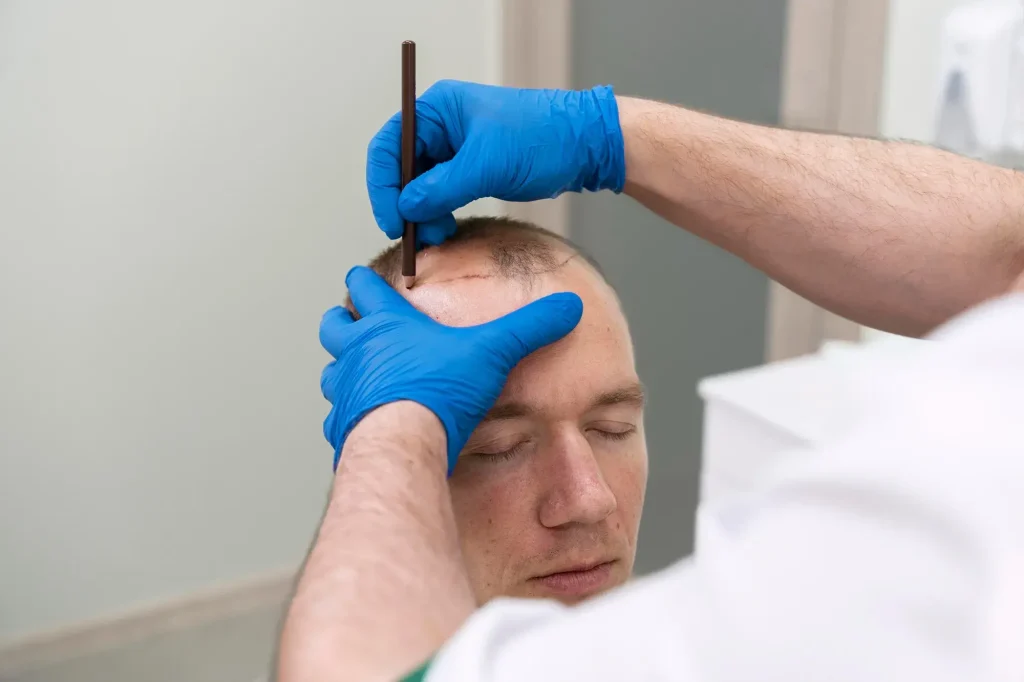

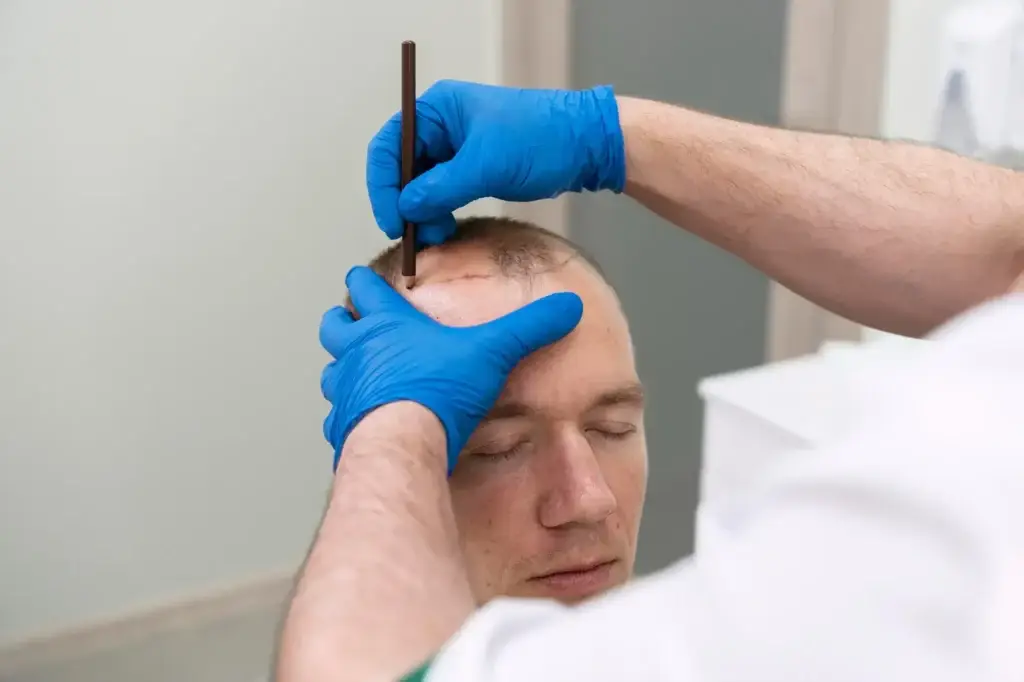
Cheapest Countries for Hair Transplant in the World
Turkey is the undisputed world capital of hair transplant surgery — performing over 500,000 FUE procedures annually — and graft-inclusive packages from $1,500 have made it the first destination most people research. But the price advantage is not exclusive to Turkey. Greece, Colombia, Mexico, and Costa Rica all offer accredited FUE hair transplant procedures at $1,500–$5,500, compared to $8,000–$20,000 for the same graft count in the United States. The technology is identical: the same sapphire blades, the same DHI implanter pens, the same PRP protocols — at a fraction of the cost. Price Comparison by Country. CountryAverage CostSavings vs. USWhy It's Affordable. Turkey$1,500–$3,500~80–90%Highest global volume, all-in packages, specialist hair clinic districts. Morocco$2,000–$4,500~70–80%Accredited private clinics, dermatologist-supervised procedures. Spain$2,000–$4,000~70–80%EU-trained hair transplant specialists, PRP combination packages available. Mexico$2,500–$5,000~60–75%US proximity, international patient coordinators, same-day return flights possible. Thailand$3,000–$5,500~55–70%English-speaking surgeons, specialized clinics, PRP often included. Turkey — from $1,500 (World's Hair Transplant Capital). Istanbul's dedicated hair transplant clinic districts perform more FUE procedures than any other city on earth, and the volume drives pricing that no other market can match. All-inclusive packages from $1,500 to $3,500 cover the graft assessment consultation, extraction, sapphire FUE or DHI implantation, PRP session, a post-operative care kit (shampoo, lotion, spray), hotel accommodation near the clinic, airport and clinic transfers, and 12-month telemedicine follow-up. Stimulation medication is not required — there are no drugs involved, making the travel logistics straightforward. Clinics in Turkey. Hair Transplant Procedures in Turkey. Morocco — (Affordable Hair Restoration). Morocco’s hair restoration clinics offer modern transplant procedures performed under the supervision of qualified medical professionals, including dermatologists and plastic surgeons. Packages at $2,000–$4,500 may include an initial medical consultation, graft assessment, FUE extraction and implantation, PRP treatment, and post-operative care. Morocco can be an attractive option for patients seeking experienced hair restoration specialists combined with the appeal of a Mediterranean and North African recovery destination. Depending on the clinic and surgeon, both DHI and FUE techniques may be available. Clinics in Morocco. Hair Transplant Procedures in Morocco. Spain — from $2,000 (Trichology-Led Clinics). Spain’s hair restoration centers offer modern FUE and DHI procedures performed by qualified medical professionals, with many clinics using advanced sapphire and specialized implantation instruments. Packages at $2,000–$4,000 may include an initial consultation, graft assessment, extraction and implantation, and in some cases a PRP session as part of post-procedure care. Many Spanish clinics also provide personalized hairline design consultations with the treating surgeon or specialist, allowing the treatment plan to be tailored to the patient’s facial features, hair characteristics, and restoration goals. Clinics in Spain. Hair Transplant Procedures in Spain. Mexico — from $2,500 (Convenient for North Americans). Mexico City's hair restoration clinics combine competitive pricing with logistical convenience for US-based patients — short flights, no major time zone adjustment, and easy return visits if needed. Packages at $2,500–$5,000 include graft assessment, FUE or DHI procedure, PRP, post-op kit, and telemedicine follow-up. International patient coordinators at leading Mexico City clinics speak English and manage the full experience from initial consultation through the 12-month growth check. Same-day outbound flights after the procedure are feasible for patients flying to nearby US cities. Clinics in Mexico. Hair Transplant Procedures in Mexico. Thailand — from $3,000 (Specialist Clinics). Thailand’s hair transplant sector offers specialized clinics where patients can receive FUE and DHI procedures with a focus on personalized treatment and specialist involvement. Packages at $3,000–$5,500 may include an initial consultation, FUE extraction and DHI implantation, PRP, a post-operative care kit, and follow-up support. Many clinics cater to international patients and have English-speaking medical staff, making communication more convenient for overseas visitors. Thailand’s established medical tourism infrastructure and experienced specialists make it an appealing option for patients seeking hair restoration combined with a comfortable recovery stay. Clinics in Thailand. Hair Transplant Procedures in Thailand. Is Cheap Safe? What to Check Before Booking. Confirm the surgeon — not just technicians — performs the extraction step. In some high-volume clinics, technicians extract the grafts while the surgeon only designs the hairline; graft survival rates are higher when a physician handles extraction. Ask how grafts are counted — insist on total grafts (follicular units), not total hairs; a quote of "3,000 hairs" may be only 1,500 grafts. Verify the technique offered — FUE (follicular unit extraction) leaves no linear scar; FUT (strip) does — most patients prefer FUE unless a very large session is needed. Request before-and-after photos specifically for patients with your Norwood loss pattern and hair type (straight, wavy, or curly hair has different density requirements). Ask about the clinic's graft survival rate reporting — what percentage of transplanted grafts typically grow at 12 months, and do they offer any guarantee language. What's Usually Included in the Quoted Price. Hair transplant packages abroad almost universally include the initial graft assessment and hairline design consultation, FUE extraction and implantation on procedure day, one PRP (platelet-rich plasma) session (either same-day or within the recovery period), a post-operative care kit containing specialist shampoo, lotion, and saline spray, and at minimum 12 months of telemedicine follow-up to monitor growth. All-inclusive packages in Turkey typically also include hotel accommodation for 1–2 nights and airport-to-clinic transfers. What is usually not included in the base price: additional PRP sessions recommended at 3 and 6 months, finasteride or minoxidil (medical hair loss prevention therapy), and any beard or eyebrow grafting if added to the scalp session. Frequently Asked Questions. What is the difference between FUE, DHI, and sapphire FUE?. All three are FUE-based techniques — individual follicular units are extracted from the donor area without a strip incision. The difference is in the implantation step. Standard FUE creates channels with a steel punch then places grafts manually. Sapphire FUE uses a sapphire-tipped blade to create smaller, more precise channels with less tissue trauma. DHI (Direct Hair Implantation) uses a Choi implanter pen that extracts and implants simultaneously, allowing higher-density placement without pre-made channels. DHI is generally preferred for frontal hairline work; sapphire FUE for larger sessions covering the crown. How many grafts do I need?. The number of grafts needed depends on your Norwood hair loss classification and your desired coverage density. As a rough guide: Norwood 2–3 (receding hairline) typically requires 1,500–2,500 grafts; Norwood 4 (significant crown and frontal loss) 2,500–4,000 grafts; Norwood 5–6 (extensive loss) 4,000–6,000+ grafts across multiple sessions. A skilled surgeon assesses your donor density and hair caliber before confirming what is achievable — setting realistic expectations is part of an ethical consultation. What is the timeline for results?. The transplanted grafts enter a shock shedding phase 2–6 weeks after the procedure — this is normal and expected. New hair growth begins emerging at 3–4 months, becomes visibly noticeable at 6 months, and the final result is typically assessed at 12 months post-procedure. At 12 months, most patients see 70–90% of transplanted grafts actively growing. A small number of grafts may continue emerging or thickening up to 18 months. How soon can I fly home after the procedure?. Most surgeons recommend waiting 3–5 days before flying home. The grafts are fragile for the first 72 hours — during this period, direct pressure, friction, and significant changes in air pressure should be avoided. After 72 hours, the grafts are anchored and short-haul flights are generally safe. For long-haul flights, 5 days is a more conservative and advisable wait. You will fly home with visible redness and small crusting around the implanted grafts — this resolves within 7–14 days. Will I need a second session?. Many patients with Norwood 5–7 hair loss benefit from two sessions spaced 12–18 months apart, as donor supply limits what can be safely harvested in one sitting and the scalp needs time to heal between large sessions. Patients with Norwood 2–4 loss are often fully addressed in a single session. Hair loss is also progressive — some patients who had a successful transplant at 35 return for a complementary session at 45 to address new recession. Medical hair loss therapy (finasteride, minoxidil) after the transplant significantly slows future loss and is worth discussing with your surgeon. Ready to Get a Hair Transplant at a Fraction of the US Price?. MyMediTour connects you with verified clinics offering transparent pricing and no hidden fees. Get a Free Quote.