







Advanced Hernia Treatment for Abdominal Wall Repair, Reduced Surgical Trauma & Faster Recovery
Laparoscopic Surgery for Hernias in Brazil by Dr. Kaiser Jr. offers a minimally invasive approach to repairing selected inguinal, umbilical, recurrent, and other abdominal wall hernias. Instead of relying on a large surgical incision, laparoscopic hernia repair uses small access points and a camera system that allows the surgeon to visualize the abdominal wall and repair the weakened area with precision. For appropriate patients, this approach can reduce tissue trauma and support a more comfortable return to normal activities. Dr. Kaiser Jr. uses individualized surgical planning to determine whether laparoscopic, robotic, or open hernia repair is most appropriate according to the type, location, size, and complexity of the hernia.
🩺 What Is Laparoscopic Surgery for Hernias?
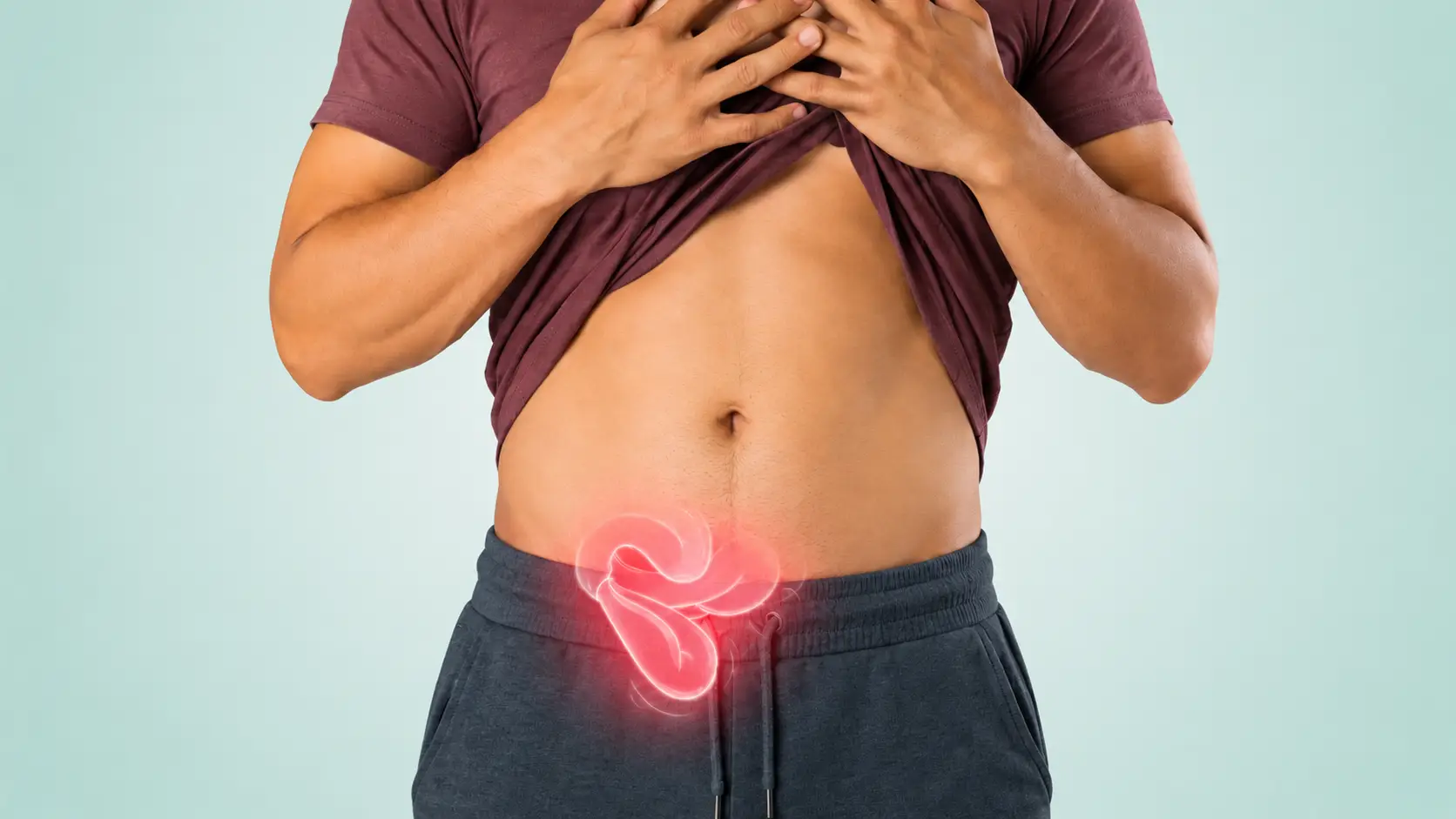
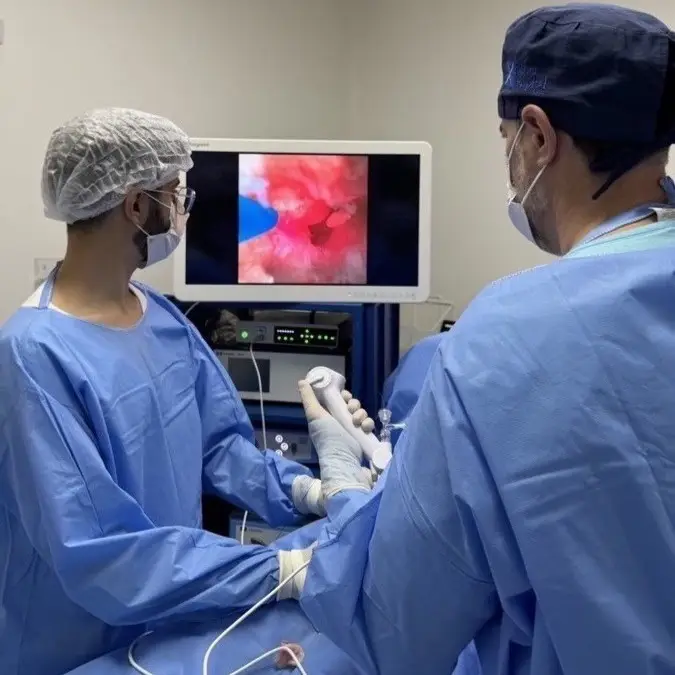
Laparoscopic hernia surgery is a minimally invasive procedure that repairs abdominal wall defects through small incisions using a camera-guided laparoscope.

It allows the surgeon to reposition herniated tissue and reinforce the weakened area when needed. For inguinal hernias, the main laparoscopic techniques are TAPP (Transabdominal Preperitoneal) and TEP (Totally Extraperitoneal). Both strengthen the groin from behind the abdominal wall using different surgical routes. This approach is often used for bilateral or recurrent hernias and can also treat umbilical and incisional hernias. The choice of technique depends on the patient and hernia characteristics. Overall, laparoscopic repair aims to restore abdominal wall strength with less tissue disruption and a typically faster recovery.
🩺 Types of Laparoscopic Hernia Surgery
- TAPP Laparoscopic Inguinal Hernia Repair – The surgeon enters the abdominal cavity and reaches the preperitoneal space to repair the inguinal hernia and reinforce the weakened area.
- TEP Laparoscopic Inguinal Hernia Repair – The hernia is repaired through the preperitoneal space without entering the main abdominal cavity. TEP is another established minimally invasive option for appropriate inguinal hernias.
- Laparoscopic Recurrent Hernia Repair – Patients who develop an inguinal hernia again after a previous repair may be considered for a laparoscopic approach depending on the technique used previously, anatomy, and individual clinical findings.
- Laparoscopic Umbilical Hernia Repair – Minimally invasive surgery can be used for selected adult umbilical hernias. The appropriate reinforcement strategy is determined according to the size and characteristics of the defect.
- Laparoscopic Incisional Hernia Repair – Hernias that develop through or near a previous surgical incision may sometimes be treated using a minimally invasive technique. Suitability depends on the size, location, previous operations, abdominal wall condition, and complexity of the hernia.
🩺 Who Is a Good Candidate?
Laparoscopic hernia surgery may be suitable for adults with symptomatic or clinically significant abdominal wall hernias who are medically fit for minimally invasive surgery. The final recommendation depends on the location and complexity of the hernia, previous operations, general health, and findings during the surgical evaluation.
✔️ Patients with an adult umbilical hernia requiring surgical repair
✔️ Individuals with bilateral inguinal hernias
✔️ Patients with selected recurrent hernias after previous treatment
✔️ Individuals with selected incisional or abdominal wall hernias
✔️ Patients experiencing discomfort, pressure, or a noticeable bulge related to a hernia
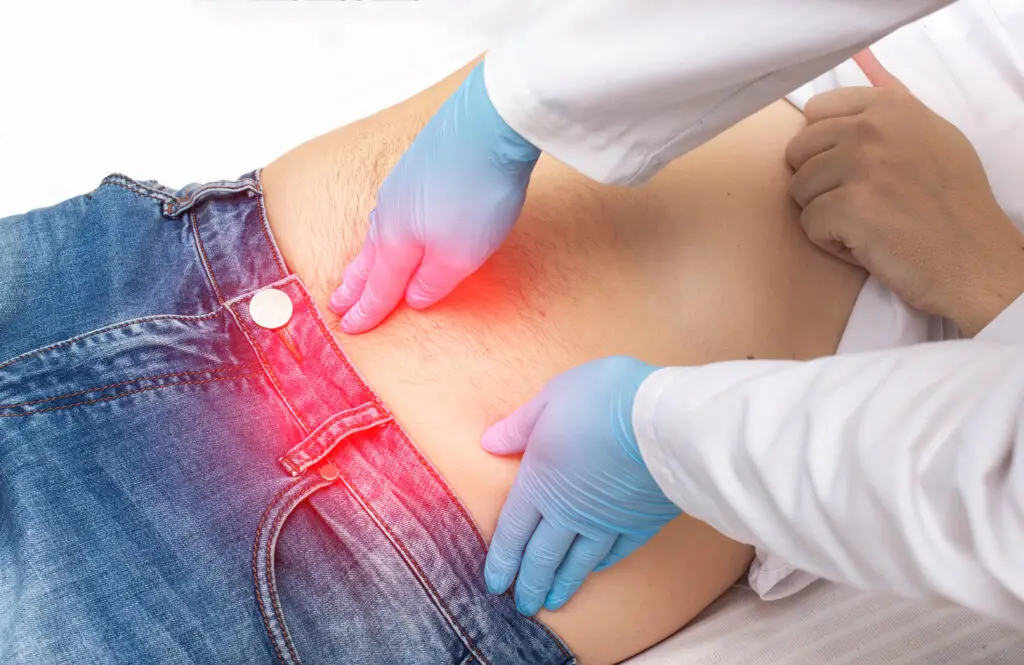
📝 Consultation & Preparation
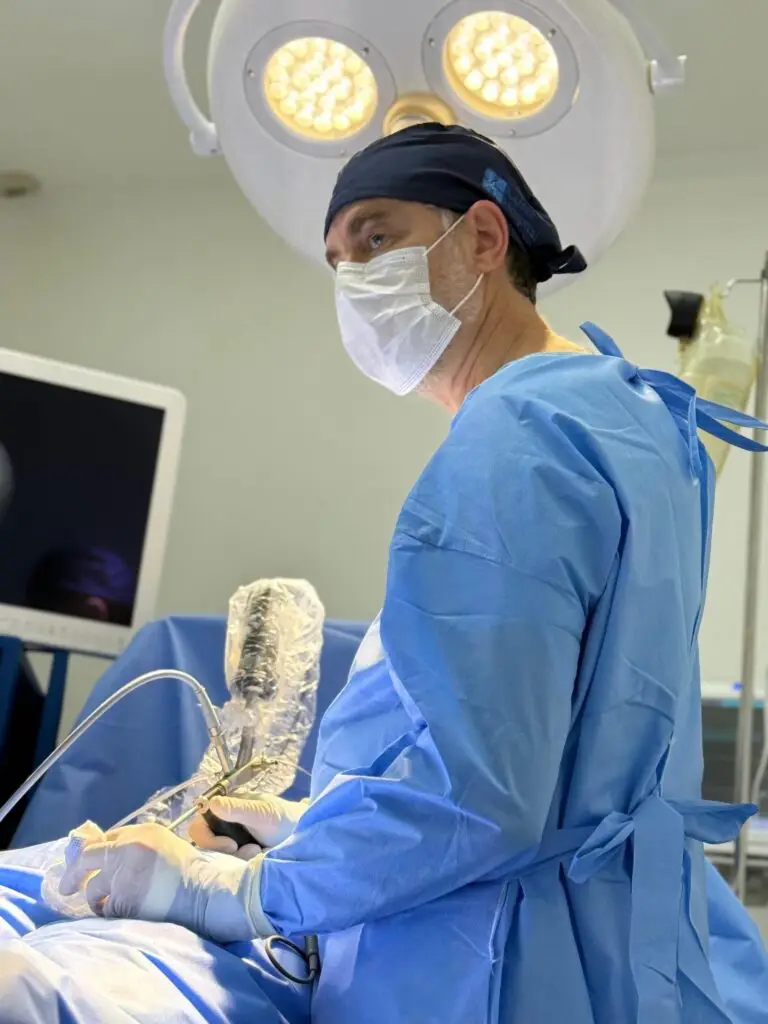
Before laparoscopic hernia surgery in Brazil, Dr. Kaiser Jr. evaluates the hernia carefully to determine the most appropriate surgical technique. Preparation is individualized because previous abdominal operations, medications, underlying medical conditions, and the characteristics of the hernia can influence treatment planning.
✔️ Detailed examination of the location, size, and characteristics of the hernia
✔️ Review of previous hernia repairs or abdominal surgeries
✔️ Assessment of symptoms and how the hernia affects daily activities
✔️ Review of current medications, supplements, allergies, and medical conditions
✔️ Discussion of laparoscopic, robotic, and open repair options when relevant
✔️ Imaging such as ultrasound or CT scanning when clinically necessary
✔️ Preoperative laboratory tests and additional medical evaluation when required
🩺 Recovery & Aftercare
Recovery after laparoscopic hernia surgery is generally progressive and individualized depending on the type and complexity of the hernia, with many eligible patients treated by Dr. Kaiser Jr. in a One Day Surgery model allowing same-day or within-24-hour discharge based on clinical recovery.
✔️ Mild soreness, swelling, or bruising around the surgical area can occur during early recovery
✔️ Prescribed pain medication should be used according to medical instructions
✔️ Surgical incisions should be kept clean and cared for according to postoperative instructions
✔️ Heavy lifting and strenuous abdominal activity should be avoided until medically cleared
✔️ Patients should gradually resume work and normal activities according to the type of repair

🌍 Why Choose Dr. Kaiser Jr. and His Surgical Hospitals for Laparoscopic Hernia Surgery in Brazil?
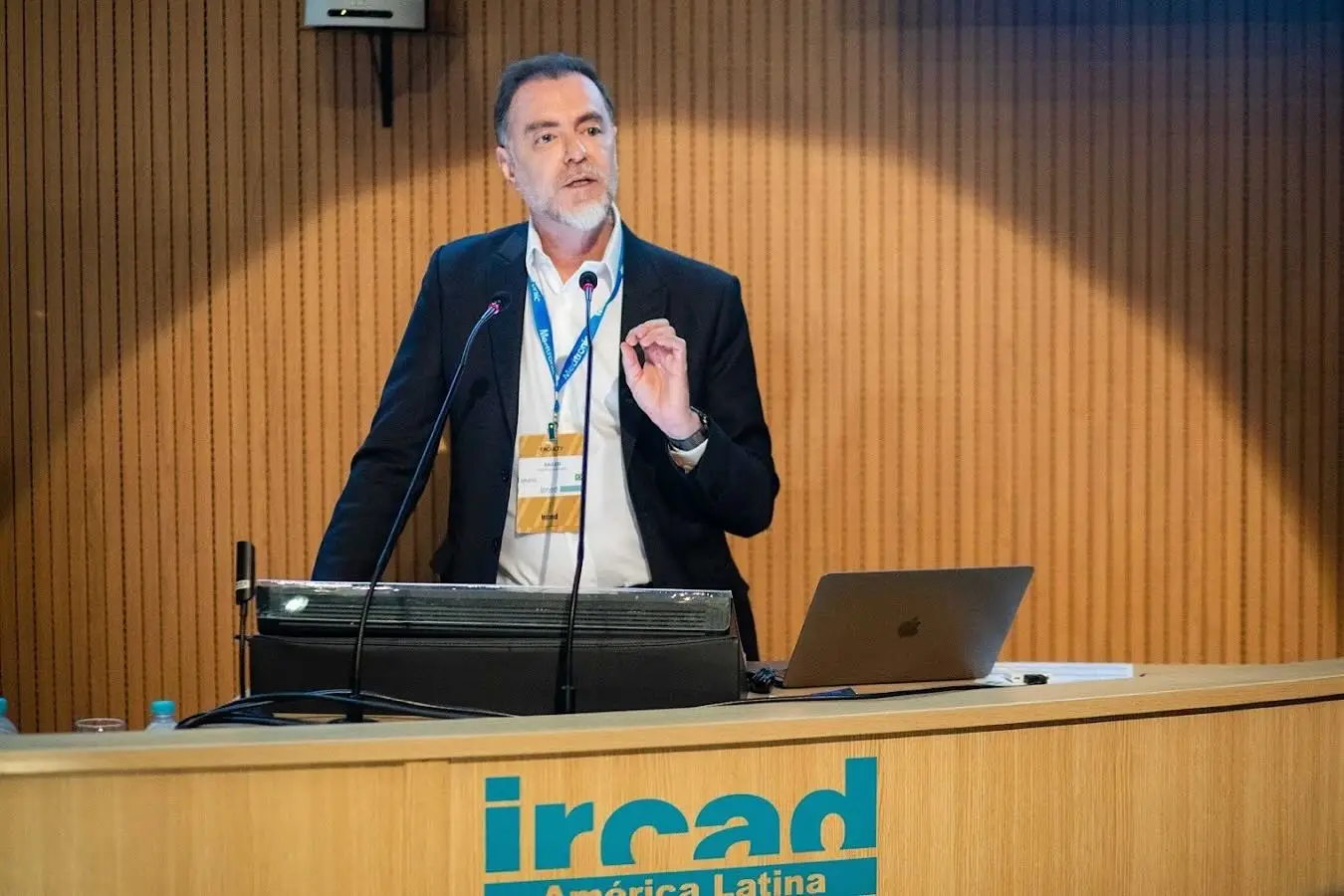
Choosing an experienced surgical team and hospital is key for hernia treatment abroad. Prof. Dr. Roberto Kaiser Jr., with over 30 years of experience, performs minimally invasive inguinal, umbilical, and incisional hernia repairs using laparoscopic and robotic techniques at leading hospitals in São Paulo and São José do Rio Preto, including Hospital Israelita Albert Einstein and Hospital São Luiz Rede D’Or, with individualized care and structured recovery for Brazilian and international patients.

✔️ Experience with minimally invasive and laparoscopic surgical techniques
✔️ TAPP and TEP approaches available for appropriate inguinal hernia cases
✔️ Laparoscopic and robotic options for selected hernia repairs
✔️ Individualized selection of the most appropriate surgical technique
✔️ Treatment of inguinal, umbilical, recurrent, and selected incisional hernias
✔️ Surgery performed at established hospital facilities in Brazil