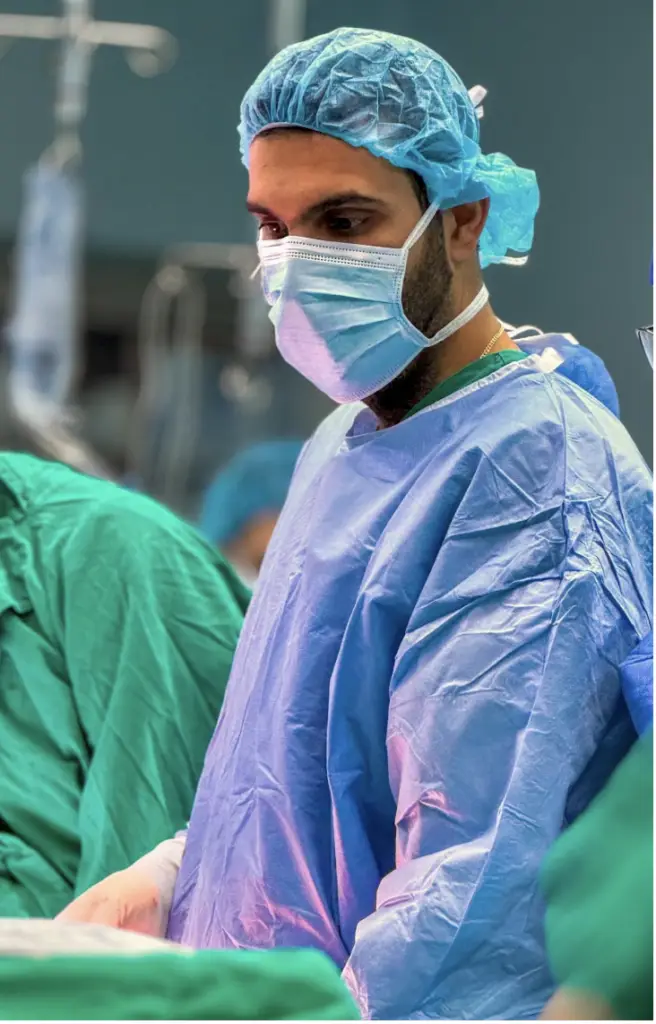
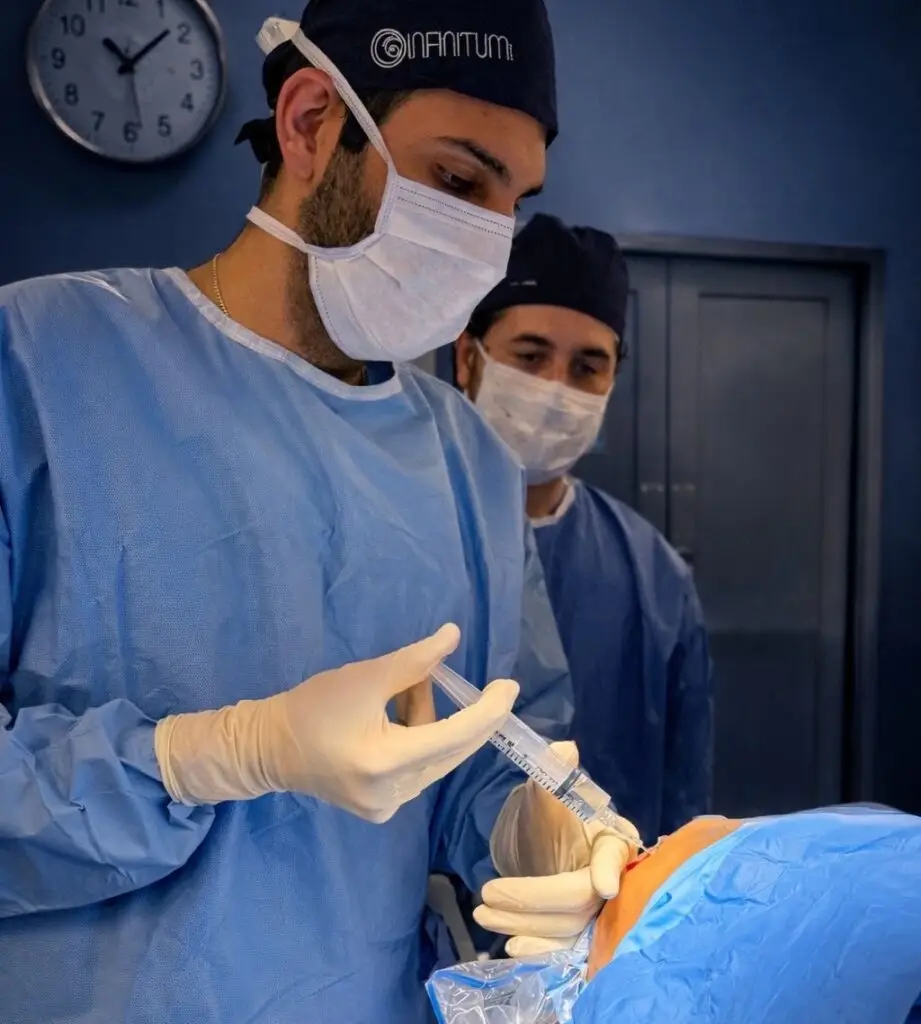
Dr. Aria Alexander Ravery Morovati

Orthopedic Surgery in San José, Costa Rica

Orthopedic surgeon based in San José, Costa Rica, with specialized training in hip and knee reconstruction, hip and knee arthroplasty, orthopedic trauma and fracture care.

Specialized Orthopedic Care Focused on Function, Mobility and Quality of Life

Why Choose Dr. Aria Ravery?

Dr. Aria Ravery Morovati is a strong option for patients seeking specialized orthopedic care in Costa Rica because his practice is highly focused on the procedures most relevant to international orthopedic patients: total hip replacement, anterior approach hip replacement, total knee replacement, robotic-assisted knee replacement, complex hip and knee reconstruction, orthopedic trauma, fracture care, knee arthroscopy and sports injury treatment.

His fellowship training in Hip and Knee Arthroplasty at Toronto Western Hospital and the University of Toronto gives his profile a strong international foundation in modern joint replacement. This is especially important for patients with advanced hip or knee osteoarthritis, walking limitation, chronic pain, deformity, stiffness, prior trauma or reduced quality of life caused by joint disease.

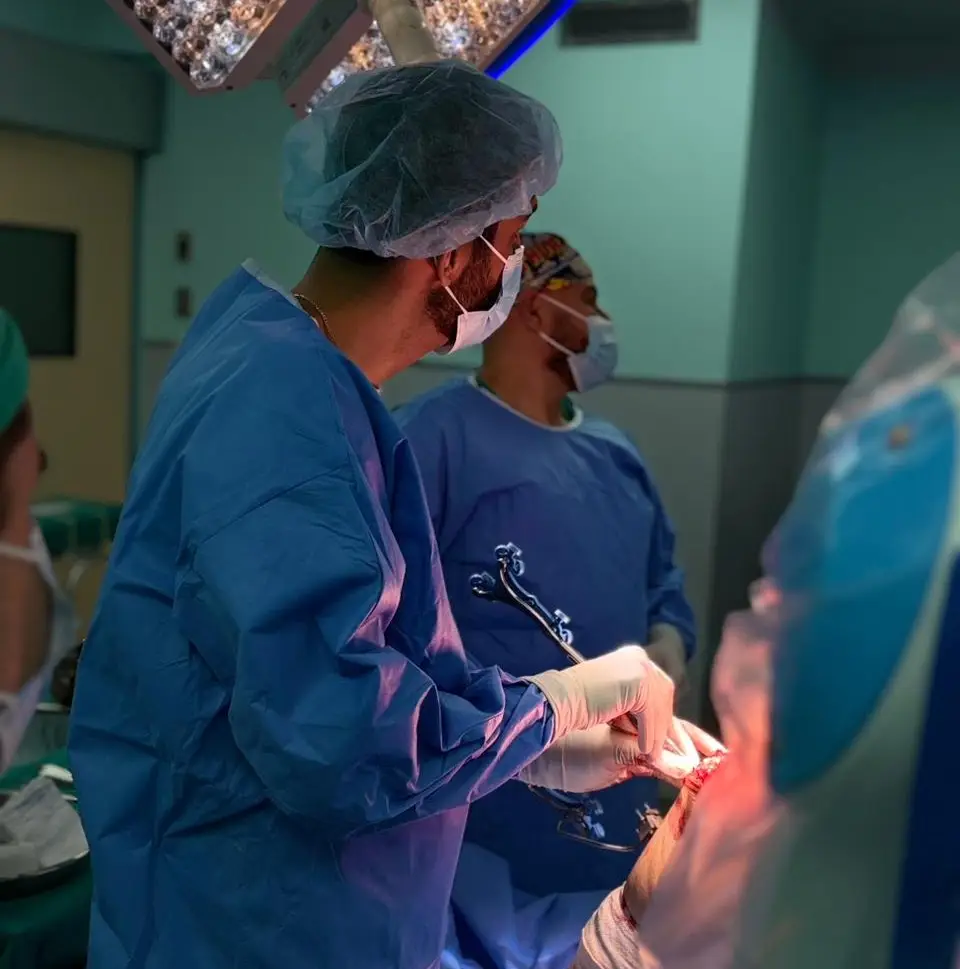
Dr. Ravery’s experience with anterior approach total hip arthroplasty is an important advantage for selected hip replacement patients. This technique is designed around a modern surgical pathway that may support a more muscle-sparing approach, careful implant positioning and earlier functional recovery when the patient is an appropriate candidate.

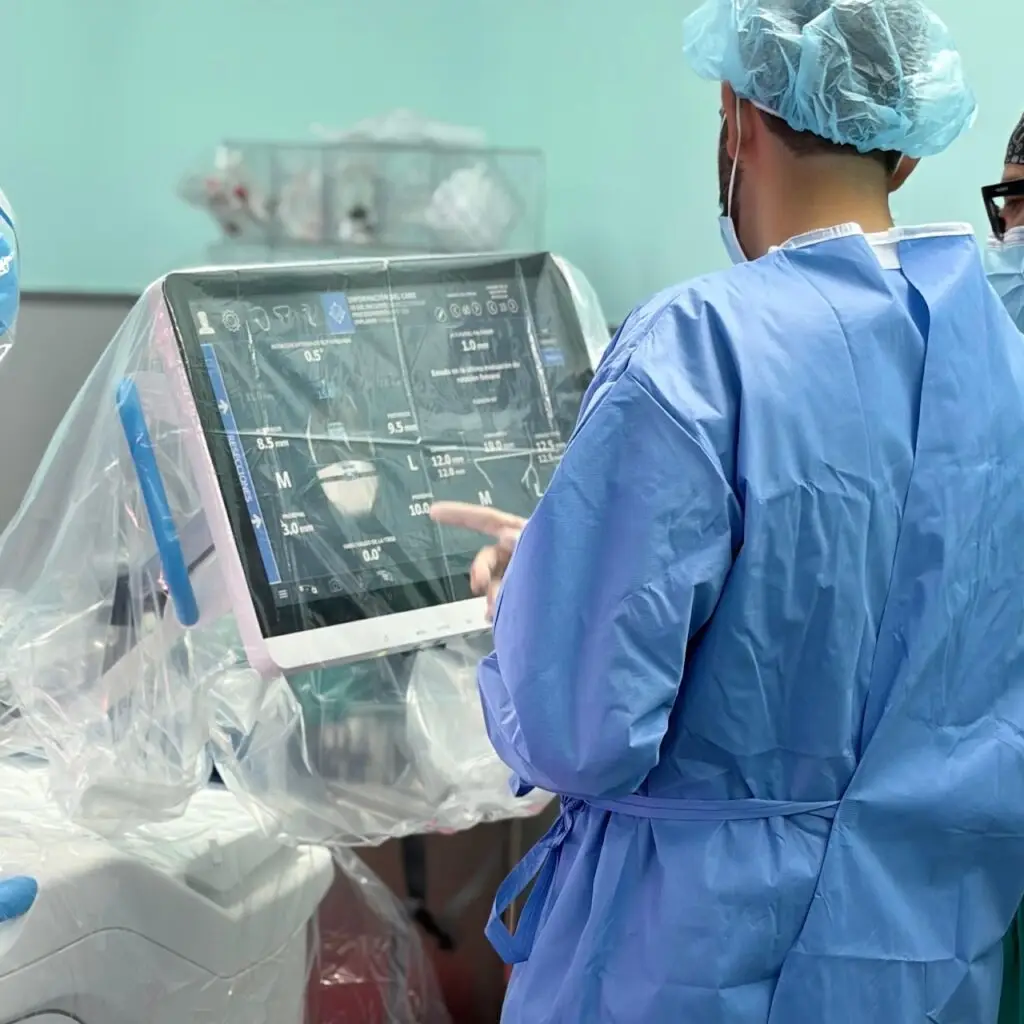
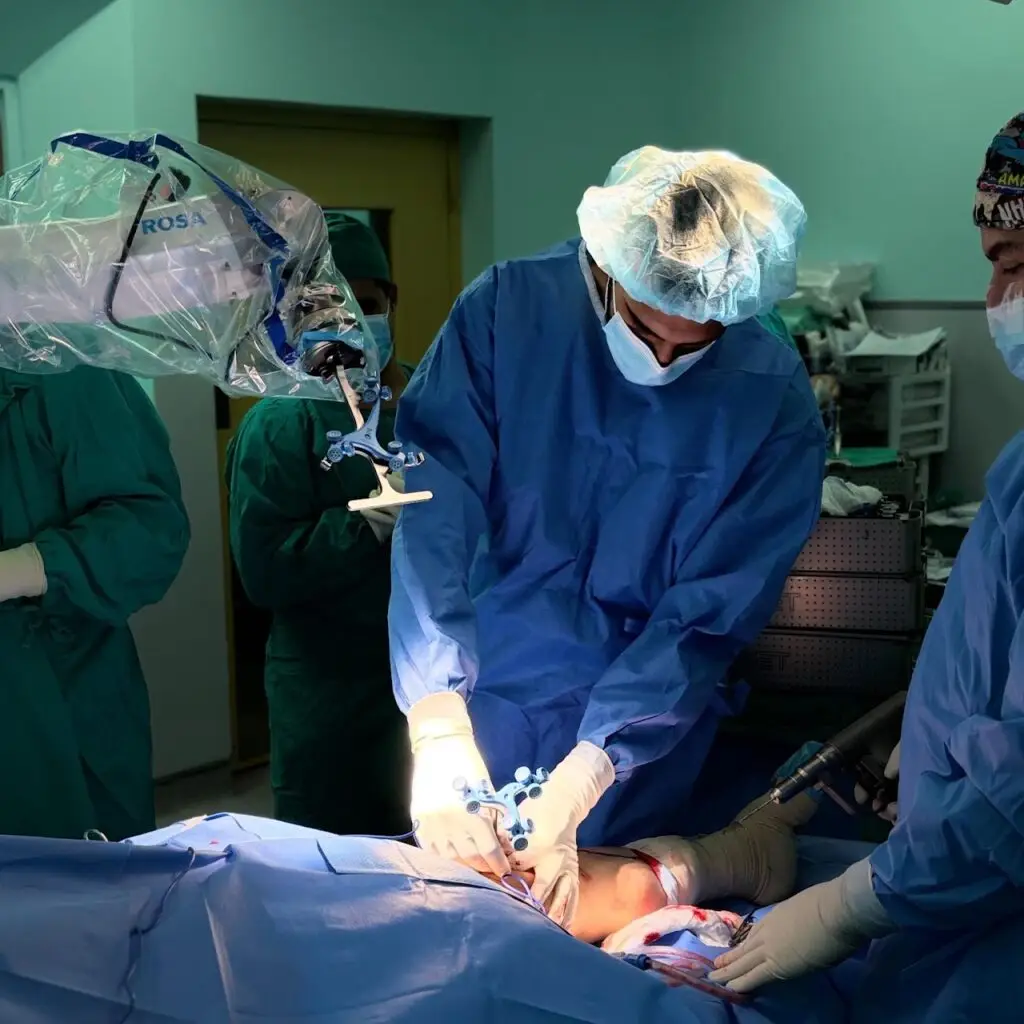
For knee replacement patients, his experience with robotic-assisted total knee arthroplasty allows treatment planning to incorporate advanced technology, individualized alignment and precise implant positioning. Robotic assistance does not replace the surgeon; it supports the surgeon’s planning and execution while the surgeon remains fully in control of the procedure.

His orthopedic trauma background also adds value for patients with fractures, post-traumatic joint damage or more complex reconstruction needs. Some patients require more than a standard joint replacement, especially when previous injuries, altered anatomy, deformity or advanced degeneration make the case more complex.

Dr. Ravery speaks English and Spanish, which helps international patients communicate clearly about their symptoms, imaging, surgical options, recovery expectations and follow-up plan. His primary surgical affiliation with Hospital Internacional La Católica in San José, Costa Rica also gives patients access to a hospital-based setting for orthopedic procedures that require operating room support, anesthesia, nursing care and recovery planning.

Through MyMediTour, patients receive support before, during and after treatment, including imaging organization, consultation coordination, hospital communication, travel timing, accommodation guidance, recovery expectations and follow-up communication after returning home.


Orthopedic Surgery in San José, Costa Rica

Dr. Aria Alexander Ravery Morovati – Hip, Knee and Orthopedic Trauma Specialist

Dr. Aria Alexander Ravery Morovati is an orthopedic surgeon based in San José, Costa Rica, with specialized training in hip and knee reconstruction, hip and knee arthroplasty, orthopedic trauma and fracture care.

His practice is especially relevant for patients dealing with advanced hip or knee arthritis, chronic joint pain, mobility loss, fractures, sports injuries, meniscal injuries, ACL injuries, failed conservative treatment or complex joint problems. Dr. Ravery’s care model focuses on evidence-based, individualized surgical planning using contemporary orthopedic techniques and technology.

His primary areas of focus for medical tourism include:

✔️ Total Hip Replacement
✔️ Anterior Approach Hip Replacement
✔️ Total Knee Replacement
✔️ Robotic-Assisted Knee Replacement
✔️ Complex Hip and Knee Reconstruction
✔️ Orthopedic Trauma and Fracture Surgery
✔️ Knee Arthroscopy
✔️ Sports Injury Treatment

Dr. Ravery completed fellowship training in Hip and Knee Arthroplasty at Toronto Western Hospital and the University of Toronto in Canada, with advanced exposure to modern joint replacement techniques, direct anterior hip replacement and robotic-assisted hip and knee arthroplasty. His official website also highlights orthopedic trauma, arthroscopy, sports medicine and joint reconstruction among his surgical services.

His clinical approach is built around three core ideas:

  • Care should be individualized, not based on a one-size-fits-all surgical plan.
  • Technology should support better planning, precision and recovery, but the surgeon’s judgment remains central.
  • The goal of orthopedic treatment is not simply to correct an X-ray; it is to help the patient walk, move, work, travel and live with less pain.


For international patients, this is important because orthopedic surgery requires planning before, during and after travel. The quality of the result depends not only on surgery, but also on imaging review, diagnosis, implant planning, rehabilitation and realistic recovery expectations.

Through MyMediTour, international patients can explore care with Dr. Ravery with support for medical record collection, imaging organization, consultation coordination, hospital planning, travel timing, recovery expectations and follow-up communication in Costa Rica.

Education and Fellowship Training

Costa Rican Medical Training with Advanced Arthroplasty Fellowship in Canada

Dr. Ravery’s academic and professional background reflects a structured path toward orthopedic specialization and hip and knee reconstruction.

His training includes:

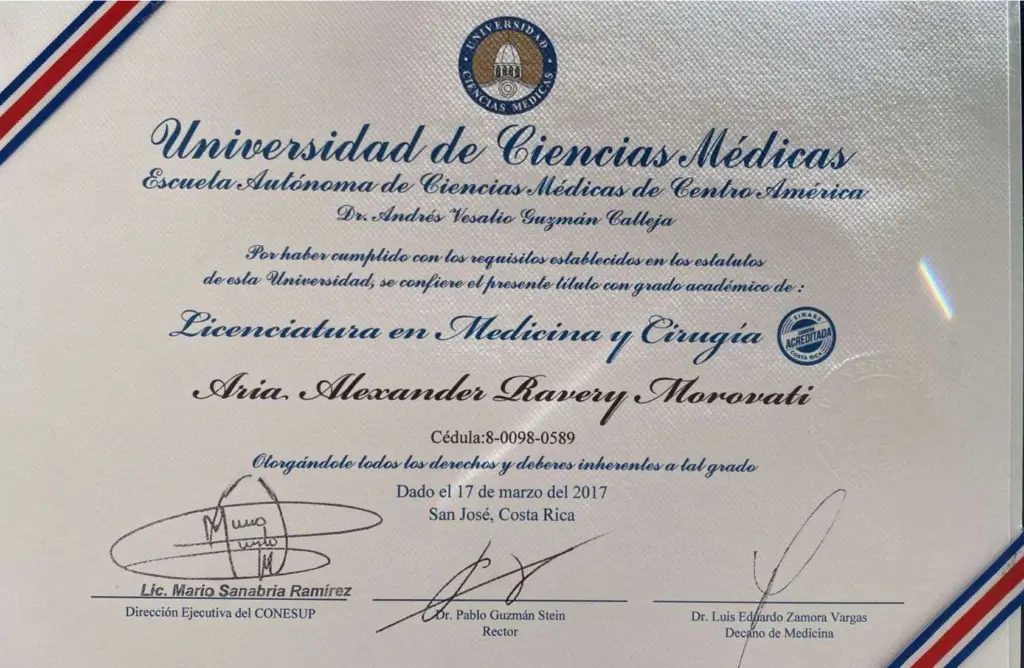
✔️ Doctor of Medicine – University of Costa Rica
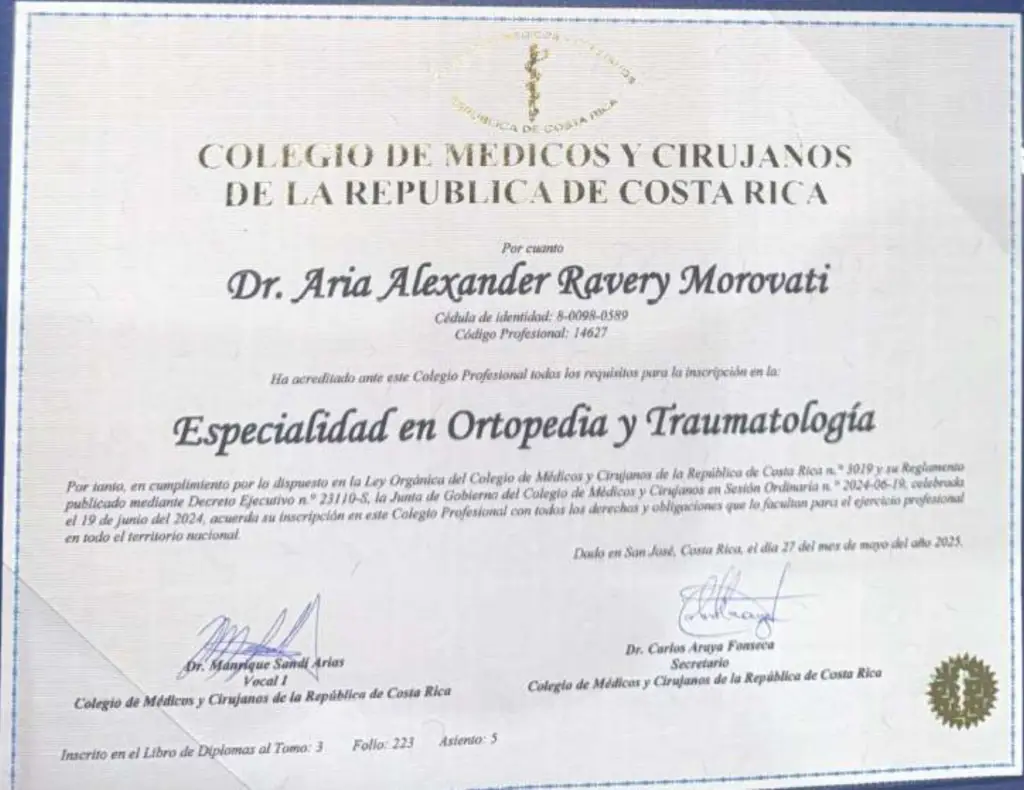
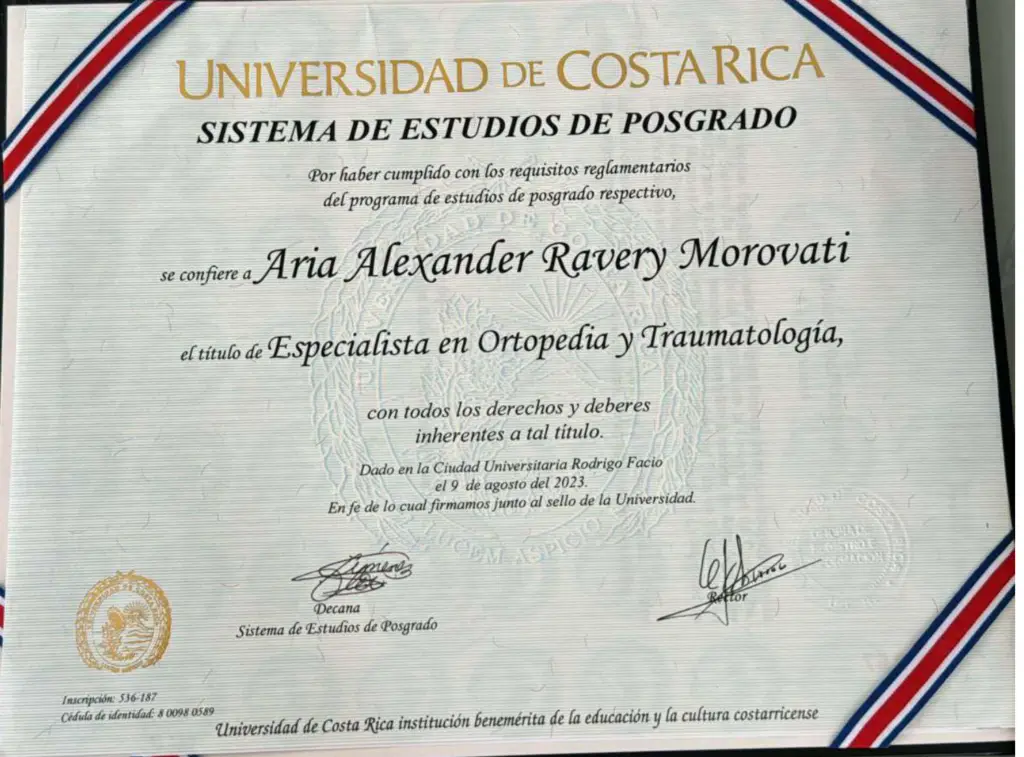
✔️ Postgraduate training in Orthopedics and Traumatology – University of Costa Rica / Costa Rican healthcare system
✔️ Orthopedic and trauma surgical experience within the Costa Rican healthcare system
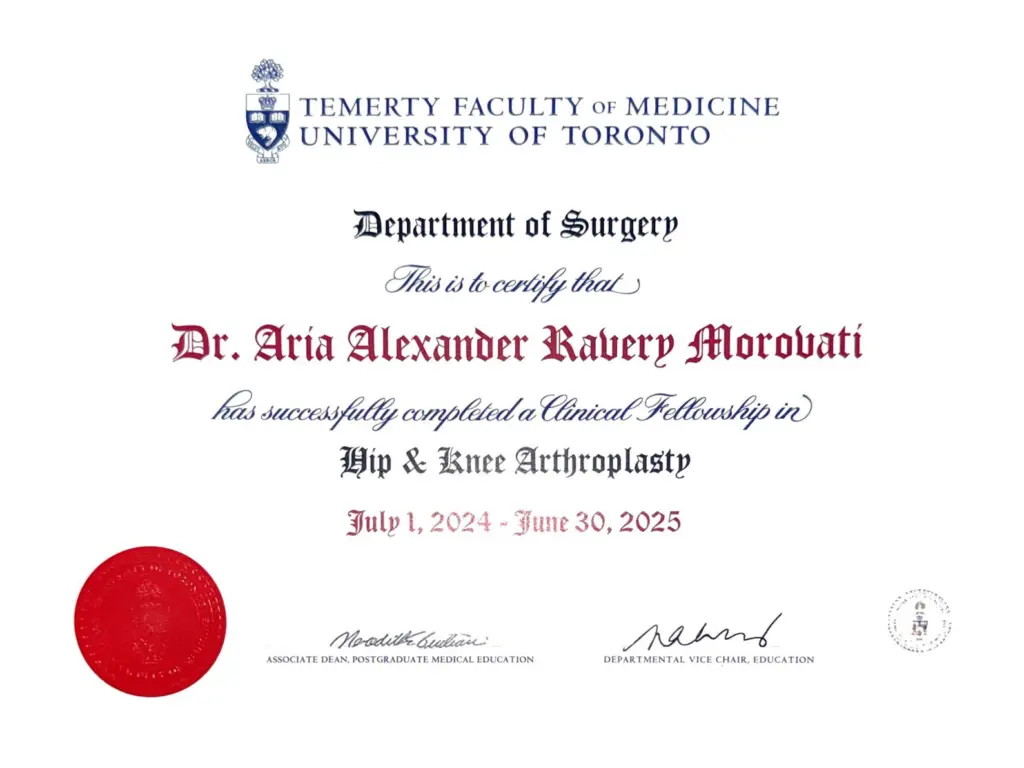
✔️ Fellowship in Hip and Knee Arthroplasty – Toronto Western Hospital, University of Toronto, Canada
✔️ Advanced experience with anterior approach total hip arthroplasty
✔️ Advanced experience with robotic-assisted knee arthroplasty
✔️ Current role as Coordinator of the Costa Rica Chapter of Hip and Knee Arthroplasty

This training pathway is important because hip and knee arthroplasty is a highly specialized area. Patients with advanced arthritis, bone deformity, prior injury, failed conservative treatment or complex reconstruction needs require more than general orthopedic evaluation. They need surgical planning that considers implant choice, alignment, bone quality, mobility goals, medical risk and rehabilitation.

Dr. Ravery’s website also highlights fellowship training at Toronto Western Hospital and the University of Toronto, along with his focus on modern joint replacement techniques and robotic-assisted hip and knee arthroplasty.

Professional Background and International Communication

Bilingual Orthopedic Care for Local and International Patients

Dr. Ravery provides care for both local and international patients and communicates in English and Spanish. This is especially important for medical tourism because orthopedic patients must clearly understand their diagnosis, imaging, surgical options, implant plan, rehabilitation schedule and travel restrictions.

His professional profile includes:

  • Orthopedic and trauma surgical experience in Costa Rica
  • Specialized focus on hip and knee arthroplasty
  • Fellowship training in Canada
  • Coordination role within the Costa Rica Chapter of Hip and Knee Arthroplasty
  • Care for patients with hip, knee and musculoskeletal conditions
  • Interest in providing international patients access to specialized orthopedic care in Costa Rica

His primary hospital affiliation for surgical care is Hospital Internacional La Católica in San José, Costa Rica. This should be the main facility emphasized on the MyMediTour page.

For international patients, direct communication with the surgeon can help reduce uncertainty. Patients traveling for joint replacement or trauma care often have detailed questions about pain, implants, surgical approach, walking after surgery, physical therapy, airport travel and when they can safely return home.

Areas of Specialization

Hip Replacement, Knee Replacement, Trauma and Sports Injury Care

Dr. Ravery’s practice covers several major orthopedic areas, with the strongest emphasis on hip and knee arthroplasty.

His primary specialization areas include:

✔️ Hip Replacement
✔️ Knee Replacement
✔️ Orthopedic Trauma
✔️ Sports Medicine and Arthroscopy

Within hip replacement, his work includes:

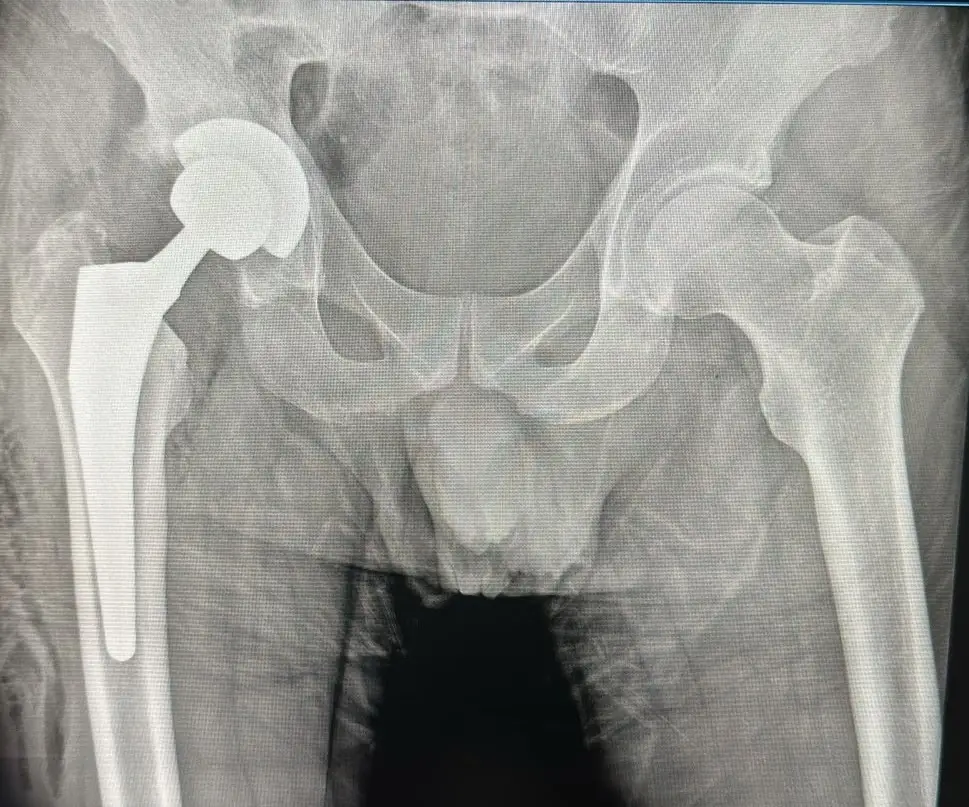
  • Total hip arthroplasty
  • Primary hip replacement
  • Anterior approach total hip arthroplasty
  • Complex hip reconstruction
  • Evaluation and treatment of degenerative hip disease

Within knee replacement, his work includes:

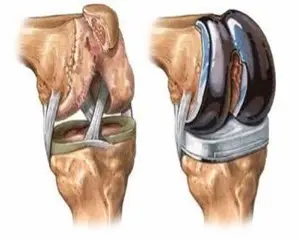
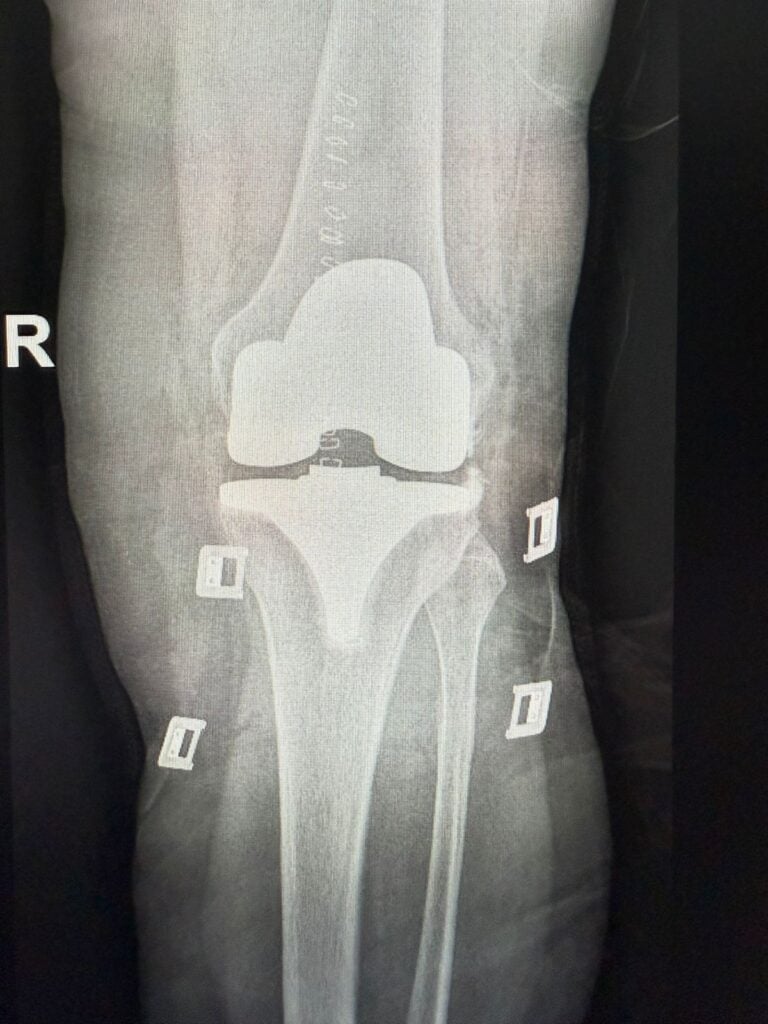
  • Total knee arthroplasty
  • Primary knee replacement
  • Partial knee replacement
  • Robotic-assisted knee arthroplasty
  • Complex knee reconstruction
  • Treatment of advanced knee osteoarthritis
  • PRP and hyaluronic acid injections

His broader orthopedic work includes fracture care, selected pediatric trauma, knee arthroscopy, meniscal injuries, ACL injuries and sports-related orthopedic injuries.

Total Hip Replacement

Modern Hip Arthroplasty for Arthritis, Degeneration and Mobility Loss

Total hip replacement, also known as total hip arthroplasty, is one of Dr. Ravery’s primary areas of medical tourism focus. This procedure is designed for patients whose hip joint has been severely damaged by osteoarthritis, degenerative disease, post-traumatic changes or other conditions that cause pain, stiffness and loss of mobility.

Patients may need evaluation for hip replacement when they experience:

✔️ Hip pain that limits walking
✔️ Pain that interferes with sleep or daily activity
✔️ Stiffness when standing, sitting or climbing stairs
✔️ Difficulty putting on shoes or getting into a car
✔️ Advanced hip osteoarthritis on imaging
✔️ Loss of independence because of hip disease
✔️ Failed improvement with injections, therapy or medications

Hip replacement planning requires careful review of X-rays, bone structure, leg length, deformity, medical history and the patient’s recovery goals. The objective is not only to replace the damaged joint, but to help the patient regain safer movement, better function and improved quality of life.

For international patients, hip replacement should be planned around the full timeline: pre-operative consultation, imaging review, hospital stay, early walking, physical therapy, post-operative check and return travel clearance.

Anterior Approach Hip Replacement

Anterior Approach Total Hip Arthroplasty for Selected Patients

Anterior approach total hip arthroplasty is one of the surgical techniques Dr. Ravery specifically wants emphasized for international patients. This approach accesses the hip from the front of the body and may be considered for selected patients based on anatomy, diagnosis, surgical goals and medical factors.

Dr. Ravery’s fellowship training in Canada included advanced exposure to the direct anterior approach for total hip replacement, and his website identifies this as part of his modern joint replacement training.

The anterior approach may offer potential advantages in selected cases, including:

  • A muscle-sparing surgical interval
  • Earlier functional recovery for some patients
  • Potentially less soft-tissue disruption
  • Modern implant positioning strategy
  • A technique often considered by patients seeking faster mobility after hip replacement

Not every patient is a candidate for anterior approach hip replacement. The decision depends on body habitus, bone structure, deformity, prior surgery, hip anatomy and the surgeon’s evaluation.

Total and Partial Knee Replacement

Knee Arthroplasty for Advanced Knee Osteoarthritis

Total knee replacement and partial knee replacement are key parts of Dr. Ravery’s orthopedic focus. These procedures are designed for patients with severe knee osteoarthritis, joint degeneration, deformity, stiffness, pain and walking limitation.

Dr. Ravery’s services include total and partial knee replacement, robotic knee surgery and revision joint surgery for complex cases. His procedure page identifies knee replacement as an advanced treatment for severe knee osteoarthritis, with a focus on mobility and durability.

Knee replacement evaluation may be appropriate when patients have:

✔️ Daily knee pain that affects walking
✔️ Difficulty climbing stairs or standing from a chair
✔️ Bow-legged or knock-kneed deformity
✔️ Stiffness or reduced range of motion
✔️ Advanced arthritis visible on X-rays
✔️ Failed non-surgical care
✔️ Pain despite medications, injections or therapy

Total knee replacement may be recommended when arthritis affects multiple compartments of the knee. Partial knee replacement may be considered when damage is limited to one area and the patient’s ligaments, alignment and activity goals support a more limited reconstruction.

The final decision depends on imaging, ligament stability, deformity, weight-bearing alignment, medical risks and the patient’s recovery goals.

Robotic-Assisted Knee Replacement

Technology-Assisted Precision for Total Knee Arthroplasty

Robotic-assisted knee replacement is one of the procedures Dr. Ravery specifically wants emphasized for medical tourism. Robotic technology is used to support surgical planning and precision, but the surgeon remains fully in control of the operation.

Robotic-assisted joint surgery uses three-dimensional anatomical information to help create a personalized surgical plan. The robotic system assists the surgeon in real time, supporting precise bone preparation and implant placement. Dr. Ravery’s robotic joint surgery education explains that the robot does not operate independently; it works under the complete control of the orthopedic surgeon.

Potential advantages of robotic-assisted knee replacement may include:

✔️ More personalized pre-operative planning
✔️ Improved implant alignment
✔️ Precise bone preparation
✔️ Better soft-tissue balance
✔️ More accurate positioning based on patient anatomy
✔️ Potential for improved stability and functional recovery in selected patients

For patients with advanced knee osteoarthritis, robotic-assisted total knee arthroplasty can be an important option when the goal is a precise reconstruction tailored to the patient’s anatomy.


Complex Hip and Knee Reconstruction

Advanced Planning for More Difficult Joint Replacement Cases

Some patients need more than a standard joint replacement. Complex hip and knee reconstruction may be required when arthritis is severe, deformity is advanced, previous trauma has changed the anatomy, the joint has lost alignment or the patient has had prior surgery.

Dr. Ravery’s profile includes complex hip reconstruction and complex knee reconstruction, with a focus on modern primary hip and knee replacement techniques, anterior approach hip arthroplasty, robotic-assisted knee arthroplasty and contemporary orthopedic trauma surgery.

Complex reconstruction may be relevant for patients with:

  • Severe joint deformity
  • Bone loss or abnormal bone structure
  • Post-traumatic arthritis
  • Prior fracture around the hip or knee
  • Failed previous surgery
  • Significant stiffness or instability
  • Advanced degenerative joint disease
  • Complex alignment issues

This kind of orthopedic care requires detailed planning. The surgeon must review imaging, anatomy, bone quality, implant options, medical risk and rehabilitation expectations before recommending surgery.

For medical travelers, complex reconstruction requires especially careful coordination because the patient may need additional imaging, a longer stay, more follow-up and a more structured rehabilitation plan.

Orthopedic Trauma and Fracture Surgery

Surgical and Non-Surgical Fracture Care for Adults and Selected Pediatric Cases

Orthopedic trauma is another important part of Dr. Ravery’s practice. His trauma work includes upper and lower extremity fractures, adult orthopedic trauma, selected pediatric trauma, and both surgical and non-surgical fracture management.

His website identifies trauma and fracture surgery of the upper and lower extremities among his surgical procedures, and his trauma resources discuss the importance of immobilization, protecting the injured area, avoiding attempts to realign the bone, controlling bleeding when present and seeking prompt medical evaluation when fracture is suspected.

Fracture care may involve:

✔️ X-rays or CT scans
✔️ Immobilization or splinting
✔️ Conservative treatment when appropriate
✔️ Surgical fixation when required
✔️ Follow-up imaging
✔️ Pain and swelling control
✔️ Rehabilitation after healing begins

Common fracture and trauma scenarios include wrist fractures, ankle fractures, shoulder injuries, hip fractures, fractures after falls, sports trauma and high-energy injuries.

Sports Medicine and Knee Arthroscopy

Meniscal Injuries, ACL Injuries and Sports-Related Orthopedic Care

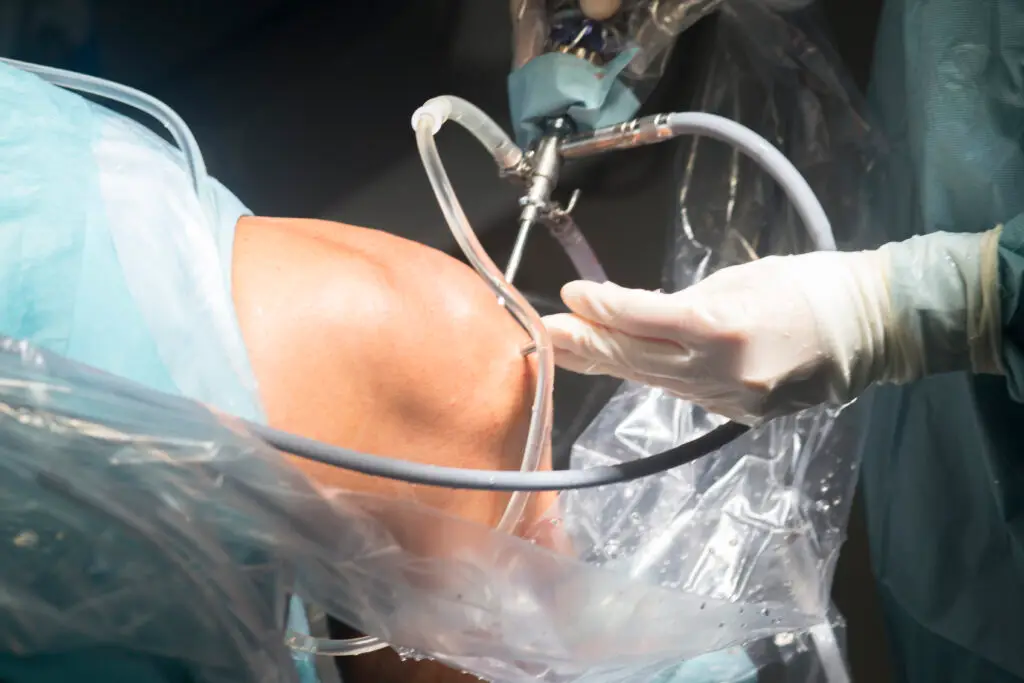
Dr. Ravery treats selected sports-related orthopedic injuries, with particular focus on knee arthroscopy, meniscal injuries, ACL injuries and sports-related musculoskeletal problems.

Sports injuries may affect athletes, active adults, travelers, recreational runners, gym users, weekend athletes and patients who want to remain mobile despite injury. Symptoms may include swelling, catching, locking, instability, weakness, sharp pain, reduced motion or the feeling that the knee “gives way.”

His website identifies arthroscopy and sports medicine among his procedures, including anterior cruciate ligament injuries, meniscal tears and rotator cuff injuries.

Sports injury care may include:

  • Physical examination and stability testing
  • MRI review
  • Non-surgical treatment when appropriate
  • Knee arthroscopy for selected meniscal or intra-articular conditions
  • ACL injury evaluation
  • Rehabilitation planning
  • Prevention strategies for return to sport

Dr. Ravery’s trauma and prevention resources also emphasize ACL prevention concepts, including strengthening the hamstrings and gluteal muscles, safe landing mechanics and proprioception training to improve knee stability.

Joint Injections and Conservative Orthopedic Care

PRP, Hyaluronic Acid and Non-Surgical Treatment Options

Not every orthopedic problem requires surgery. Dr. Ravery offers joint injections, conservative orthopedic evaluation and treatment planning for patients who may benefit from non-surgical care before considering an operation.

His treatment profile includes PRP injections and hyaluronic acid injections, especially for selected knee and joint conditions. His website also describes joint and soft tissue injections using options such as corticosteroids, hyaluronic acid and platelet-rich plasma / PRP for areas including the knee, shoulder and hip.

Non-surgical care may be considered for:

✔️ Early or moderate knee osteoarthritis
✔️ Hip, knee or shoulder pain
✔️ Tendinitis or bursitis
✔️ Mild sports injuries
✔️ Patients not ready for surgery
✔️ Patients who need symptom control before rehabilitation
✔️ Patients who are not ideal surgical candidates

The purpose of conservative care is not to postpone necessary surgery forever. The goal is to match the treatment to the patient’s diagnosis, pain level, imaging, function and long-term needs.

For medical travelers, injections may be part of a smaller orthopedic trip or part of a broader evaluation before deciding whether joint replacement is necessary.

Diagnosis and Treatment Planning

Matching the Right Orthopedic Plan to the Right Patient

Orthopedic care should begin with a clear understanding of the problem. Pain may come from cartilage loss, ligament injury, meniscal damage, fracture, tendon disease, muscle weakness, nerve irritation, deformity, inflammation or prior surgical complications.

For international patients, the first step is usually medical record and imaging review before travel. This helps determine whether the patient should consider surgery, injections, rehabilitation or further testing.

Patients should prepare:

✔️ Recent X-rays
✔️ MRI or CT scans when available
✔️ Written radiology reports
✔️ Prior surgery records
✔️ Implant details if a prior replacement was performed
✔️ Medication list
✔️ Allergy information
✔️ Medical history and cardiac history
✔️ A clear description of pain, mobility limits and daily function
✔️ Photos or videos of walking if requested

Treatment planning may include:

  • Conservative care
  • PRP or hyaluronic acid injections
  • Knee arthroscopy
  • Total hip replacement
  • Anterior approach hip replacement
  • Total or partial knee replacement
  • Robotic-assisted knee replacement
  • Complex reconstruction
  • Fracture surgery
  • Rehabilitation planning

The goal is responsible procedure selection. A patient should not travel for surgery without knowing why that procedure is recommended, what the alternatives are and what recovery will require.

Recovery and Rehabilitation

Mobility, Strength and Safe Return to Daily Life

Recovery after orthopedic surgery depends on the procedure, the patient’s condition, pain control, mobility, wound healing and rehabilitation. Dr. Ravery’s rehabilitation content emphasizes that post-operative rehabilitation is fundamental after orthopedic surgery because it helps restore mobility, rebuild strength, control pain and inflammation, prevent complications and support safe return to activity.

A rehabilitation plan may include:

✔️ Early walking when medically appropriate
✔️ Range-of-motion exercises
✔️ Progressive strengthening
✔️ Gait training
✔️ Pain and swelling control
✔️ Education for stairs, sitting and standing
✔️ Home exercise instructions
✔️ Fall-prevention planning
✔️ Follow-up visits
✔️ Safe return-to-travel guidance

For hip and knee replacement, rehabilitation is what turns surgery into functional improvement. For fracture patients, it helps restore movement after immobilization or fixation. For sports injury patients, it helps rebuild strength and reduce the risk of reinjury.

Surgical Facility

Hospital Internacional La Católica in San José, Costa Rica

Dr. Ravery’s primary hospital affiliation for surgical care is Hospital Internacional La Católica in San José, Costa Rica.

This facility should be the main hospital emphasized on the MyMediTour profile because it is the surgical setting he specifically identified for international patients. It is especially relevant for orthopedic procedures that require hospital-based care, anesthesia, operating room support, imaging, nursing, post-operative monitoring and recovery planning.

For patients traveling from abroad, the hospital setting is an important part of the decision. Joint replacement and fracture surgery require not only the surgeon, but also operating room standards, anesthesia support, implant logistics, nursing care, post-operative monitoring and rehabilitation planning.

Why Travel to Costa Rica for Orthopedic Surgery?

Specialized Orthopedic Care in a Practical Medical Tourism Destination

Costa Rica is a strong destination for patients seeking elective orthopedic surgery, especially procedures such as total hip replacement and total knee replacement. Dr. Ravery’s medical tourism content highlights Costa Rica as a destination for specialized medical care, high standards, advanced technology, recovery-friendly infrastructure and competitive value compared with many North American and European options.

For orthopedic patients, Costa Rica offers practical advantages:

✔️ Access to specialized orthopedic care
✔️ Private hospital infrastructure
✔️ Modern surgical planning resources
✔️ Rehabilitation options
✔️ Hotels and apartments suitable for recovery
✔️ Convenient access for many U.S., Canadian and Latin American patients
✔️ A peaceful environment for recovery

Medical travel should be planned around the clinical timeline, not only the flight schedule. Patients considering hip replacement, knee replacement, robotic-assisted knee arthroplasty or fracture surgery should allow time for consultation, imaging review, surgery, early mobilization, wound check, rehabilitation planning and safe return travel.

For MyMediTour patients, Costa Rica is especially relevant because it combines orthopedic care with a travel environment that can support recovery when the itinerary is planned responsibly.

Visa, Entry Requirements and Travel Planning

Preparing for Orthopedic Medical Travel to Costa Rica

Patients traveling to Costa Rica should confirm passport, visa and entry requirements before booking. Costa Rica requires foreign nationals to present a valid passport or travel document, a visa when required, proof of economic means, a return or onward ticket and no impediment to entering the country. The maximum legal stay is determined by the immigration agent at entry, with first-group countries eligible for up to 180 calendar days.

Patients should prepare:

✔️ Valid passport
✔️ Visa documents when required
✔️ Return or onward ticket
✔️ Appointment confirmation
✔️ X-rays, MRI or CT scans
✔️ Written radiology reports
✔️ Medication list
✔️ Allergy information
✔️ Prior surgery reports
✔️ Implant information when relevant
✔️ Accommodation details
✔️ Companion or caregiver plan
✔️ Emergency contact information

For orthopedic surgery, travel should not be rushed. Patients need enough time for consultation, pre-operative testing, surgery, hospital recovery, early walking, wound check, rehabilitation planning and clearance before flying home.

Through MyMediTour, patients receive support with medical record collection, imaging organization, consultation coordination, hospital planning, travel timing, accommodation guidance, visa reminders, recovery expectations and follow-up communication before and after treatment with Dr. Ravery.

Similar Orthopedics Clinics in Costa Rica

Compare other trusted Orthopedics providers operating across Costa Rica.

Orthopedics Guides for Patients Travelling to Costa Rica

Articles and insights on Orthopedics care and travel in Costa Rica.