
“The most rewarding moment is when the post‑operative bra comes off and a patient straightens her shoulders in the mirror.”
After coordinating more than 500 cosmetic‑surgery trips over the past decade, I have seen how a breast lift with prosthesis (mastopexy‑augmentation) can restore confidence for women whose breasts have lost volume or begun to sag. The procedure reshapes existing tissue, re‑positions the nipple, and adds a modern silicone implant for long‑lasting upper‑pole fullness. Many travelers now choose Turkey for this surgery because the country pairs internationally accredited hospitals with costs that are typically 60–70 percent lower than those in North America or Western Europe.
This article delivers an evidence‑based overview—grounded in practical experience, supported by current data, and transparent about benefits and risks—so you can make an informed decision.
Why Combine a Lift with an Implant?
Correcting Shape and Volume in One Operation
A lift alone removes excess skin and tightens tissue, but it cannot fully replace lost fullness at the top of the breast. Adding an implant:
- Restores upper‑pole projection so cleavage looks natural even without a push‑up bra.
- Reduces future revision risk by supporting the new breast envelope internally.
- Allows precise size matching between breasts if one side has more ptosis.
Performed together, the combined surgery avoids two separate recoveries and anesthesia sessions.
Why Are Women Choosing Turkey?
Five Evidence‑Based Drivers
- Accredited Facilities – Over 50 Turkish cosmetic surgery hospitals hold Joint Commission International (JCI) accreditation, benchmarking them against United States safety standards.
- Experienced Surgeons – Many lead consultants complete 200–300 breast cases per year and undertake fellowships in Europe or North America before returning home.
- Cost Transparency – Package prices are published in English and cover implants, anesthesia, hotel, and transfers.
- Short Wait Times – Virtual consultations, laboratory work, and surgery can be scheduled within a single week.
- Destination Comfort – Direct flights to Istanbul from hundreds of airports and Mediterranean recovery weather enhance the healing experience.
Understanding Costs
Breast lift with prosthesis in Turkey fall between US $4,000 and US $6,500. This usually covers the surgeon’s fee, cohesive-gel implants, hospital theater and anesthesia, one private hospital night, four- or five-star hotel accommodation, post-op garment, medications, local transfers, and translator support.
| Location | Typical All‑Inclusive Price* | Savings vs. United States |
|---|---|---|
| Turkey | US $4,000–US $6,500 (lift + implant) | 60–75 % |
| United States | US $13,000–US $18,500 (often surgeon fee only) | — |
*Packages normally cover surgeon, implants (Motiva, Mentor, or Polytech), hospital theater, a private hospital night, four‑ or five‑star hotel, medications, post‑operative garment, ground transport, and translator support.
What Drives the Final Quote?
- Implant Brand and Type – Ergonomic cohesive‑gel implants cost more than standard smooth round models and may add several hundred dollars.
- Degree of Ptosis – Inverted‑T (anchor) lifts demand longer theater time than vertical “lollipop” incisions.
- Surgeon Reputation – Senior surgeons or academic professors may bill 10–20 percent above the base package price.
- Add‑Ons – Platelet‑rich plasma scar therapy, antibacterial mesh, or extra hotel nights raise the overall cost.
Who Makes a Good Candidate?
- Stable weight (plus or minus two kilograms for six months) and body‑mass index under thirty.
- Breasts that appear deflated or nipples sitting below the inframammary fold.
- Sufficient skin elasticity to support an implant.
- No uncontrolled chronic illness such as diabetes or hypertension.
- Non‑smokers or willing to stop four weeks before and after surgery.
- Realistic about scarring and long‑term maintenance.
Not ideal: uncontrolled autoimmune disease, active breast infection, planned pregnancy within one year, or inability to commit to follow‑up. Pre‑operative ultrasound or mammography is requested for patients over forty or those with a relevant family history.
Step‑by‑Step Treatment Timeline
- Online Inquiry – Share photographs (front, oblique, side) and a health questionnaire via secure portal.
- Tele‑Consultation – The surgeon reviews goals, explains incision pattern, and provides a provisional plan.
- Formal Quote – A fixed package cost is issued; you pay a modest deposit to lock the surgical slot.
- Travel Arrangements – A coordinator books the hotel, local transfers, and sends visa and flight tips.
- Arrival in Istanbul or Antalya (Day 1) – Airport pick‑up, hotel check‑in, evening rest.
- Pre‑Operative Evaluation (Day 2) – Blood panel, electrocardiogram, chest imaging if indicated, three‑dimensional implant sizing, consent signing.
- Surgery (Day 3) – General anesthesia, two‑ to three‑hour procedure. Drains placed if necessary.
- Hospital Night (Day 3 evening) – Continuous monitoring; early walking encouraged.
- Hotel Recovery (Days 4‑6) – Daily nurse visits for dressing change, drain removal, and arm‑mobility instruction.
- Final Check (Day 7) – The surgeon clears you to fly and provides a fit‑to‑fly letter, medications, and scar‑care instructions.
- Return Home – Wear a support bra around the clock for six weeks; virtual follow‑ups occur at one, three, six, and twelve months.
Recovery Expectations
| Time Point | What to Expect | Activity Level |
|---|---|---|
| 24 hours | Chest tightness and moderate soreness | Walk short distances |
| 72 hours | Swelling peaks; bruising visible | Light home activity |
| 1 week | Drains removed in most cases; pain mostly a dull ache | Desk work possible |
| 2 weeks | Bruising fading; can raise arms overhead briefly | Light driving |
| 6 weeks | Implant “drop and fluff” begins | Gym for lower body; no high‑impact moves |
| 3–6 months | Final shape emerges; scars turn from pink to pale | Full exercise |
Risks and How to Mitigate Them
Research by professional plastic‑surgery societies shows that complications from surgery abroad often involve infection, hematoma, or wound‑healing delays. Treating severe complications once back home can become costly and stressful. To reduce risk:
- Verify the surgeon’s board certification and hospital JCI status.
- Schedule at least seven full days in Turkey to allow an in‑person review before flying home.
- Purchase travel health insurance that covers surgical complications.
- Follow lift‑friendly travel tips such as wearing loose clothing, booking an aisle seat, and walking every hour during the flight.
Balancing Cost and Quality—A Realistic Perspective
Package savings are substantial, but they should never overshadow safety. All surgery carries inherent risks; overseas travel adds variables such as flight‑related thrombosis and limited legal recourse. Informed preparation, choosing accredited centers, and following all aftercare instructions dramatically improve outcomes and peace of mind.
Frequently Asked Questions
- What is the cost range for a breast lift with prosthesis in Turkey?
Most 2026 packages fall between four‑thousand and six‑thousand five‑hundred United States dollars, inclusive of implants, hospital stay, hotel, and ground transfers. - How many days should I plan to stay?
Seven days is the current minimum: arrival, pre‑operative work‑up, surgery, a hospital night, several hotel recovery days, and a final clearance visit. - Is the surgery safe in Turkish hospitals?
JCI‑accredited centers operate to international standards, and infection rates are comparable to Western facilities when proper aftercare is followed. - When can I return to office work?
Light, desk‑based duties are usually possible after ten to fourteen days, provided you avoid lifting and keep wearing the support bra. - How soon will I see the final result?
Visible lift is immediate, but implants fully settle over three to six months as swelling subsides and tissues soften. - Will I need to replace the implants later?
Manufacturers issue lifetime device warranties, yet most surgeons recommend monitoring and potential exchange at ten to fifteen years or if imaging shows shell issues. - Does the combined procedure hurt more than a lift alone?
Discomfort is moderate and well‑controlled with oral pain relief; patients usually rate pain three to four out of ten by day three. - Can I breastfeed afterward?
Many women can, but the ability is not guaranteed. Discuss incision placement and glandular dissection with your surgeon before committing. - What if complications occur once I’m back home?
Most packages include virtual follow‑up; however, any urgent issue should be seen in person by a local board‑certified plastic surgeon or emergency department. - How do I verify a surgeon’s credentials?
Request the doctor’s registration with the Turkish Medical Association, international board memberships, and proof of hospital admitting privileges before paying a deposit.
Final Thoughts and Next Steps
A breast lift with prosthesis can be life‑changing, provided the decision is grounded in thorough research, realistic expectations, and professional guidance. Turkey offers real advantages—cost, convenience, and experienced surgeons—but these benefits must be balanced against travel logistics and diligent aftercare.
If you are considering this journey, arrange a detailed virtual consultation with a JCI‑accredited clinic, review before‑and‑after photographs of similar cases, and secure travel insurance specific to elective surgery. A well‑structured plan ensures that when you straighten your shoulders post‑operation, the reflection in the mirror matches the confidence you deserve.
Authored by a medical‑tourism coordinator with ten years of experience arranging cosmetic‑surgery travel to Türkiye, Europe, and the Gulf region. All medical facts verified against peer‑reviewed sources and the official guidance of recognized plastic‑surgery associations.
Featured Plastic Surgery Procedures in Turkey
Procedures discussed in this article, available across Turkey.
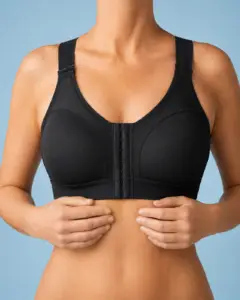
Breast Augmentation in Istanbul, Turkey by Medical Park Hospitals
Enhance your confidence and restore natural curves with advanced breast implant surgery at Medical Park. At…

Rhinoplasty in Istanbul, Turkey by International Plus
Reshape, Refine & Breathe Better — Expert Rhinoplasty in Istanbul. Experience world-class Rhinoplasty in…

Breast Reduction Surgery in Istanbul, Turkey by Avicenna Hospital
Achieve Better Comfort, Improved Body Proportion, and Enhanced Confidence with Breast Reduction Surgery. Breast…
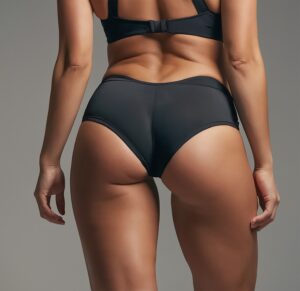
Brazilian Butt Lift (BBL) in Istanbul, Turkey by Memorial Hospital
Natural, Safe & Expertly Performed Butt Enhancement Using Your Own Fat. A Brazilian Butt Lift (BBL) at…
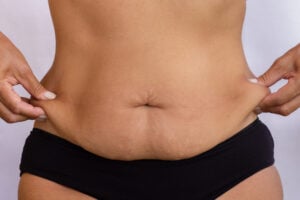
Tummy Tuck (Abdominoplasty) in Istanbul, Turkey by International Plus
Restore a Flatter Abdomen and Stronger Core with Advanced Body Contouring. Abdominoplasty (Tummy Tuck) is a…
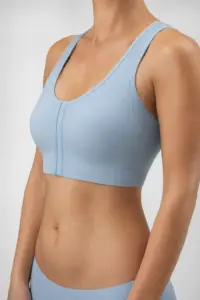
Breast Augmentation Surgery in Istanbul, Turkey by Avicenna Hospital
Enhance Your Figure with Personalized Breast Augmentation Surgery in Istanbul. Breast Augmentation Surgery is a…
Recommended Plastic Surgery Clinics in Turkey
Trusted clinics specializing in Plastic Surgery across Turkey.

Medical Park Hospital
Medical Park Hospital. Turkey’s Largest Private Hospital Network for Advanced Care. Medical Park Hospital is the…

Dr. Gurkan Kayabasoglu
Dr. Gürkan Kayabaşoğlu. Istanbul’s Leading Facial Plastic Surgery Specialist. Dr. Gürkan Kayabaşoğlu is a facial…
Esvita Clinic
Esvita Clinic. Hair Transplant, Plastic Surgery & Dental Treatments in Istanbul. Esvita Clinic offers…
International Plus
International Plus. Turkey’s Premium Provider for Aesthetic, Dental, Bariatric & Hair Restoration Care.…
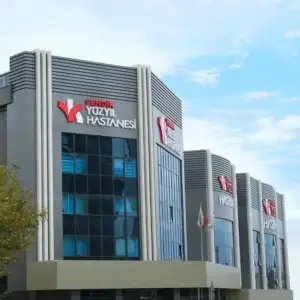
Pendik Yüzyıl Hospital
Pendik Yüzyıl Hospital. Comprehensive Healthcare in Istanbul's Asian Side. Pendik Yüzyıl Hospital is a…

Memorial Hospital
Memorial Hospital. Turkey’s Leading Network for Advanced Medicine. Memorial Hospital is Turkey’s most…
Explore Tours in Turkey
Discover the best places to visit in Turkey and explore its rich culture, breathtaking landscapes, iconic attractions, and unforgettable travel experiences.

Turkey: Best of Istanbul Tour with Hagia Sophia Tickets
Step into centuries of history with this expertly guided small group experience through Istanbul’s Old City.…
Turkey: Istanbul Combo: Classic City Tour & Bosphorus Cruise
Experience Istanbul Like a VIP. Step into the heart of one of the world’s most fascinating cities with a private,…

Turkey: Istanbul Guided Walking Tour – Full Day
Private Walking Experience | History, Culture & Iconic Landmarks Walk Through the Heart of Istanbul. Step into…

Turkey: Full Day Pamukkale Tour
Discover the stunning natural beauty and ancient history of Pamukkale on this private guided tour. Marvel at the…

Turkey: Istanbul Guided Tour
Full-Day Private Experience | History, Culture & Comfort Experience Istanbul in One Perfect Day Discover the…

Turkey: Half-Day Istanbul Private Food Tour & Culinary Experience
Taste the Real Istanbul. Experience Istanbul beyond the landmarks — through its rich and vibrant food culture.…
More Plastic Surgery Articles About Turkey
Keep reading about Plastic Surgery care and travel in Turkey.

Breast Implant Revision in Turkey Cost and Clinics
Considering a breast implant revision can feel daunting—especially if your first surgery didn’t deliver the…

Brazilian Butt Lift BBL with Implants in Turkey Cost
A shapely silhouette is more than a trend—it is a reflection of self-confidence. The Brazilian Butt Lift with…

Brow Lift in Turkey Cost and Clinics
Aging, stress, and genetics can all contribute to sagging eyebrows, forehead wrinkles, and a tired facial…

Breast Augmentation in Turkey Cost and Clinics
Turkey has become one of the world’s top destinations for affordable and high-quality cosmetic surgery, especially…

Best Countries for Plastic Surgery in the World
Plastic surgery has become a global industry — and millions of people travel abroad every year to enhance their…

Breast Reduction in Turkey Cost and Clinics
Turkey has become one of the world’s leading destinations for cosmetic and reconstructive breast surgery,…

Leave a Comment
Share your thoughts on this article, or ask us a question -- we'd love to hear from you.