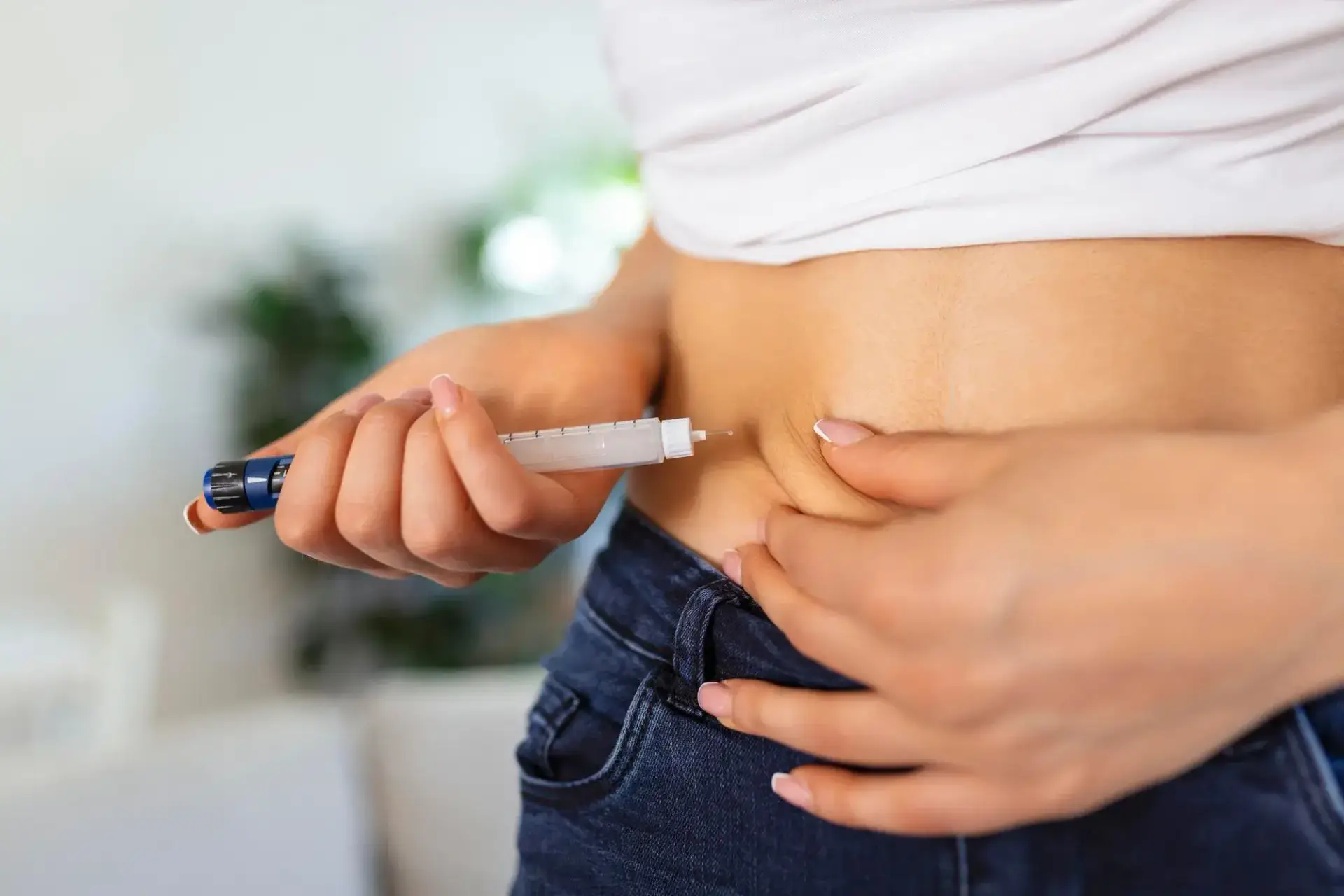
Losing weight is hard. For many people, it is not about willpower or discipline — it is about hunger signals that never switch off, a stomach that empties too fast, and a body that keeps asking for more food even when it does not need it. Gastric Botox, also called stomach Botox, addresses this at the source. It is a non-surgical endoscopic procedure where Botulinum Toxin is injected directly into the stomach muscles to slow down gastric movement and reduce hunger.
Turkey has become one of the most visited countries in the world for this procedure — and for good reason. The country has built a serious medical infrastructure over the past two decades, with hospitals that meet international accreditation standards and physicians who have trained across Europe and the United States. Patients from the UK, Germany, the Gulf, and North America travel to Istanbul and other major Turkish cities specifically for weight management procedures, including gastric Botox, at a fraction of what they would pay at home.
What makes this option particularly attractive is that it requires no surgery, no general anesthesia in most cases, no hospital stay, and no lengthy recovery. The entire procedure typically takes under 30 minutes. Patients can return to their hotel the same day and fly home within a few days. For someone who cannot afford the downtime of bariatric surgery or simply does not want to go under the knife, gastric Botox in Turkey is a practical, medically supported alternative worth serious consideration.
This page walks you through everything you need to know — the real costs, who qualifies, what the experience looks like from the first inquiry to the flight home, and what results you can realistically expect.
Treatment Highlights
- Non-surgical procedure — done through endoscopy, no incisions, no general anesthesia in most protocols
- Targets hunger at the source — Botulinum Toxin relaxes stomach muscles, slows digestion, and reduces appetite
- Ideal for patients with a BMI between 27–40 who want weight loss support without surgery
- Turkey offers significant cost savings — typically 60–75% less than the UK, USA, or Germany
- Short stay required — most patients complete the process in 3–5 days
- Minimal recovery — patients return to normal activity within 24–48 hours
- Clinically supported for weight management — often combined with nutritional support and lifestyle guidance
- Results typically last 4–6 months — repeat sessions are possible for continued effect
Gastric Botox: A Clear, Patient-Friendly Overview
What the Procedure Actually Is
Gastric Botox is an endoscopic procedure in which Botulinum Toxin Type A — the same medical compound used in facial aesthetics — is injected into the muscular walls of the stomach. Unlike facial Botox, which targets small surface muscles, stomach Botox works on the larger muscle groups responsible for gastric contractions and emptying speed.
When these muscles are treated, two things happen. First, the stomach empties more slowly, which means food stays in the stomach longer and the patient feels full for an extended period after eating. Second, the muscles that contribute to hunger contractions become less active, which reduces the frequency and intensity of hunger signals. The result is a noticeable reduction in appetite that supports calorie reduction without the patient having to fight constant cravings.
The procedure is performed using an endoscope — a flexible tube with a camera and injector — passed through the mouth and into the stomach. There is no cutting, no stapling, and no permanent alteration to the digestive system. Most clinics in Turkey perform this under mild sedation rather than full general anesthesia, which further reduces risk and speeds up recovery.
Patients travel to Turkey for this procedure because the combination of medical quality and cost is difficult to match anywhere in Europe or North America. Turkish clinics handling international patients operate with experienced teams, English-speaking coordinators, and modern endoscopy suites. The experience is not budget care — it is quality care delivered at a more accessible price.
Expected outcomes are realistic rather than dramatic. Most patients lose between 10–20 kilograms over the 4–6 month active period of the treatment, particularly when they follow the dietary guidance provided alongside the procedure. It is not a standalone solution but a powerful support tool for patients who are serious about changing their eating habits.
How Much Does Gastric Botox Cost in Turkey?
How Much Does Gastric Botox Cost in Turkey?
The cost of gastric Botox in Turkey typically falls between $600 and $1,500 USD, depending on several factors. This compares to prices of $3,000–$5,000 or more in the United States, and £2,500–£4,000 in the United Kingdom. For many patients, the savings alone cover the entire cost of flights and accommodation with money left over.
What affects the price:
- Clinic location and standard — Istanbul’s internationally accredited hospitals tend to charge more than smaller regional clinics, though both can offer strong outcomes
- Dosage used — the number of Botox units injected varies by patient body weight and stomach size, which directly affects cost
- Inclusion of packages — some clinics bundle the consultation, procedure, post-op check, and dietary plan into a single price; others charge separately
- Doctor experience — a gastroenterologist with extensive international experience may charge a premium, which is often worth it
- Additional services — airport transfers, interpreter support, nutritional coaching, and follow-up consultations may be included or added separately
Cost Comparison Table
| Country | Estimated Cost (USD) |
|---|---|
| Turkey | $600 – $1,500 |
| United States | $3,000 – $5,000 |
| United Kingdom | $3,200 – $4,500 |
| Germany | $2,800 – $4,000 |
| UAE | $2,000 – $3,500 |
These figures are general estimates. Final pricing is always confirmed after a medical evaluation, as dosage, clinic protocol, and any additional requirements can affect the total. Any reputable clinic will provide a clear, itemized quote before you commit to anything.
Who Is a Good Candidate for Gastric Botox?
Who Is a Good Candidate for Gastric Botox?
Gastric Botox is not suitable for everyone, and a proper medical assessment is essential before the procedure is confirmed. That said, there is a broad range of patients who respond well to this treatment.
You may be a suitable candidate if:
- Your BMI is between 27 and 40
- You have struggled to lose weight through diet and exercise alone
- You are not ready for or do not want bariatric surgery
- You do not have active gastric ulcers or severe gastrointestinal conditions
- You are not pregnant or breastfeeding
- You are committed to making dietary changes alongside the procedure
- You are in generally good health with no contraindications to Botulinum Toxin
- You have realistic expectations about gradual, supported weight loss
You may NOT be a suitable candidate if:
- You have a known allergy or sensitivity to Botulinum Toxin
- You have active stomach ulcers or inflammatory bowel disease
- Your BMI is above 40, in which case bariatric surgery may be more appropriate
- You are taking certain muscle-relaxant medications
- You have a neuromuscular condition that Botox could worsen
- You are primarily seeking rapid, dramatic weight loss without lifestyle changes
The final decision always rests with the treating physician after reviewing your medical history, current medications, and health status. A credible clinic will never confirm your suitability without this evaluation.
Your Patient Journey: From First Inquiry to Flying Home
Your Step-by-Step Patient Journey
Step 1 — Initial Inquiry
The process starts with reaching out to a medical tourism coordinator or directly to a clinic. You share your general health background, your weight loss history, and your goals. This first conversation is about understanding whether gastric Botox is the right direction for you.
Step 2 — Medical File Submission
You will be asked to provide basic documents — recent blood work, a list of current medications, and information about any existing conditions. Some clinics also request recent photos or a short medical questionnaire. This allows the physician to do an initial review before your trip.
Step 3 — Doctor Evaluation and Quote
A gastroenterologist reviews your file and provides a preliminary assessment, along with a detailed cost breakdown. This is where you get clarity on whether the procedure is appropriate for you and what the full package will include.
Step 4 — Treatment Plan Approval
Once you review and agree to the treatment plan and pricing, the clinic schedules your procedure and confirms your dates. Most coordinators will also help you plan your travel timeline around the procedure day.
Step 5 — Travel Planning
Istanbul is one of the most connected cities in the world, with direct flights from most major European, Middle Eastern, and North American hubs. Travel coordination support — including airport pickup, hotel recommendations near the clinic, and a full itinerary — is typically offered by the clinic team.
Step 6 — Arrival and In-Person Consultation
On arrival, you meet the medical team in person. The physician conducts a final assessment, reviews your file, and confirms the treatment plan. This is your opportunity to ask any questions before the procedure.
Step 7 — Procedure Day
The endoscopic procedure itself takes 20–30 minutes. You are placed under mild sedation, the endoscope is passed through your mouth, and Botulinum Toxin is injected into the stomach wall at targeted points. You wake up in a recovery area and are typically discharged within a few hours.
Step 8 — Recovery Phase in Turkey
Most patients rest at their hotel for 24–48 hours. Mild bloating or an unsettled stomach is possible but generally short-lived. The clinic team remains reachable throughout your stay. A follow-up check is usually done before you fly home.
Step 9 — Return Home
Most patients fly home within 3–5 days of arrival. You leave with a full dietary plan, a schedule for remote follow-ups, and contact details for the medical team should any questions arise after your return.
Step 10 — Remote Support and Follow-Up
Reputable clinics maintain contact with international patients after they return home. Progress check-ins, dietary adjustments, and guidance on a second session (if planned) are all handled remotely through video calls or messaging platforms.
Why Turkey for Gastric Botox?
Why Patients Choose Turkey for Gastric Botox
Turkey’s position as a leading destination for medical tourism is not accidental. It is the result of sustained investment in healthcare infrastructure, a large pool of internationally trained physicians, and a regulatory environment that holds hospitals to measurable standards. Many Turkish hospitals handling international patients hold JCI accreditation — the same standard applied to top hospitals in the United States and Europe.
For gastric Botox specifically, Turkish gastroenterologists have performed high volumes of endoscopic procedures and are experienced in treating patients from diverse backgrounds with varying medical profiles. The language barrier is rarely a concern in major cities, where clinics serving international patients employ English-speaking coordinators and often multilingual medical staff.
The cost advantage is significant — but it does not come at the cost of clinical quality. Turkey offers a genuinely competitive standard of care at a price that reflects lower operational costs, not lower medical standards. Add to this Istanbul’s excellent international airport connections, a well-developed hospitality sector, and a city that is genuinely comfortable for medical tourists, and the overall experience is hard to fault.
What Is Typically Included
What Is Typically Included in a Gastric Botox Package in Turkey
- Pre-procedure consultation with the gastroenterologist
- Medical assessment and suitability evaluation
- The endoscopic gastric Botox procedure
- Botulinum Toxin medication and all procedure materials
- Clinical nursing care and sedation on procedure day
- Post-procedure monitoring and discharge
- Follow-up check before departure
- International patient coordination support throughout
- Basic dietary guidance and post-procedure instructions
What Is Not Included
What Is Not Included
- International flights and airport taxes
- Hotel or accommodation (unless specified in a full package)
- Additional diagnostic tests not included in the standard evaluation
- Treatments outside the agreed package scope
- Companion travel and personal expenses
- Extended stay costs if recovery takes longer than planned
- Repeat sessions or top-up procedures
Recovery and Aftercare After Gastric Botox
Recovery and Aftercare: What to Expect
Recovery from gastric Botox is one of the procedure’s strongest selling points. Because there is no surgery, the physical recovery is minimal. Most patients experience mild discomfort, bloating, or a slightly unsettled feeling in the stomach for the first 24–48 hours. This passes quickly for the majority of patients.
In the first 48 hours, you should follow a soft or liquid diet as advised by your medical team. Avoid strenuous activity, alcohol, and anything that might irritate the stomach. Rest is recommended but bed rest is not typically necessary.
Over the first two weeks, appetite reduction becomes more noticeable. The stomach begins to slow its emptying process, and patients report feeling full more quickly and staying full for longer periods. This is when dietary changes matter most — the procedure creates a window, and how you use that window determines your results.
Activity restrictions are minimal. Most patients return to light daily activity within one to two days and resume normal exercise within a week. Heavy lifting and intense physical training should be avoided for the first two weeks.
Long-term results develop over the 4–6 month active period of the Botox. Patients who follow the recommended dietary plan and use this period to build new eating habits typically see the most meaningful and lasting changes. Weight lost during the active period can be maintained beyond it through the habits developed during treatment.
Follow-up care is conducted remotely for international patients, with video check-ins and dietary coaching available through the clinic team.
Risks and Important Considerations
Risks and Honest Considerations
Gastric Botox is considered a low-risk procedure with a strong safety profile when performed by qualified practitioners in a proper clinical setting. That said, no medical procedure is entirely without risk, and patients deserve an honest picture.
Possible side effects include:
- Temporary nausea or stomach discomfort in the days following the procedure
- Mild bloating or changes in bowel movement frequency
- Rare cases of headache related to sedation
- In very rare cases, difficulty swallowing or reflux-like symptoms
Serious complications are rare but can include adverse reactions to sedation or Botulinum Toxin. These risks are minimized by thorough pre-procedure screening and the experience of the clinical team.
Choosing the right provider matters enormously. The endoscopic technique requires skill and proper equipment. A thorough medical assessment before the procedure reduces the risk of complications significantly. Patients should avoid providers who offer the procedure without a detailed consultation or who are unable to answer specific questions about their protocols and qualifications.
Aftercare compliance also plays a significant role in safety and outcomes. Patients who follow the post-procedure dietary guidelines and attend their follow-up appointments — even remotely — tend to have better outcomes and fewer complications.
The best outcomes come from informed patients working with experienced, transparent medical teams. Take the time to ask questions, read the terms clearly, and make sure you understand what the procedure can and cannot do before you travel.
Frequently Asked Questions
What is the cost range of Gastric Botox in Turkey?
Gastric Botox in Turkey generally costs between $600 and $1,500 USD, depending on the clinic, the dosage required, and what is included in the Turkish package. This is significantly lower than the $3,000–$5,000 commonly charged in the United States or equivalent prices in the UK and Germany. Your exact quote will be confirmed after a medical review of your case.
How long do I need to stay in Turkey for Gastric Botox?
Most patients plan for a stay of 3 to 5 days. This allows time for the arrival consultation, the procedure itself, a rest day, a follow-up check, and a comfortable departure without feeling rushed. Some patients extend their stay to explore Istanbul, which is a genuinely enjoyable city to recover in.
Is Gastric Botox in Turkey safe?
When performed by a qualified gastroenterologist in an accredited facility using approved Botulinum Toxin, the procedure has a strong safety record. Turkey has a large number of internationally accredited hospitals and experienced physicians. The key is doing proper due diligence on your chosen clinic before you travel.
How long does recovery take?
Most patients feel back to normal within 24 to 48 hours. There is no surgical recovery, no wound care, and no extended rest period required. You will follow a soft diet for a short period and avoid strenuous exercise for about a week, but daily life resumes quickly.
When will I start seeing results?
Appetite reduction typically becomes noticeable within the first one to two weeks as the Botox takes full effect. Weight loss results develop over the following months, with most patients reporting their most significant progress between weeks four and twelve.
Can I fly after the procedure?
Yes. Most patients fly home within three to five days of the procedure without any issues. There are no specific restrictions on flying after gastric Botox, though your medical team will confirm clearance before your departure.
Is Gastric Botox suitable if I only want to lose a small amount of weight?
It can be, yes — but it is most commonly recommended for patients who have a meaningful amount of weight to lose and have struggled with appetite control. If your goal is modest, your physician will discuss whether this procedure is the most appropriate option or whether dietary support alone might achieve your goals.
Is the procedure painful?
The procedure is performed under mild sedation, so you will not feel discomfort during the injection process. Some patients experience a slightly bloated or tender feeling in the stomach for one to two days afterward, but this is generally mild and manageable without strong pain medication.
How long do the results of Gastric Botox last?
The effects of Botulinum Toxin in the stomach last approximately 4 to 6 months. Many patients choose to have a repeat session to maintain the benefit, particularly if they are still working toward their target weight. Habits built during the active period can help maintain results independently afterward.
What follow-up care is available after I return home?
Reputable clinics in Turkey offer remote follow-up support for international patients through video consultations, messaging platforms, and dietary coaching. You will leave with a full aftercare plan and direct contact with the medical team. Any concerns after your return can be addressed remotely in most cases.
Ready to Take the Next Step?
Start With a Conversation, Not a Commitment
Deciding to travel for a medical procedure is a significant step, and it deserves careful thought, good information, and the right support. If you are seriously considering gastric Botox in Turkey, the most useful thing you can do right now is speak with a coordinator who can review your situation honestly and help you understand whether this is the right path for you.
There is no pressure, no cookie-cutter package, and no expectation that you will commit before you are ready. A quality medical tourism experience starts with a thorough consultation — one that takes your health history, your goals, and your concerns seriously before anything else is discussed.
You deserve clear answers, realistic expectations, and a team that is with you from your first question to your last follow-up. Reach out today and take the first step toward understanding what is genuinely possible for you.
Featured Weight Loss Surgery Procedures in Turkey
Procedures discussed in this article, available across Turkey.

Gastric Sleeve Surgery in Istanbul, Turkey by Avicenna Hospital
Advanced Bariatric Surgery for Sustainable Weight Loss, Improved Health & Long-Term Lifestyle Transformation.…
Gastric Balloon in Istanbul, Turkey by International Plus
A Non-Surgical Weight Loss Solution with Lasting Benefits. The Gastric Balloon, also known as an intragastric…
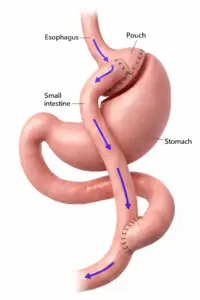
Gastric Bypass (R-YGB) in Istanbul, Turkey by Memorial Hospital
Advanced, Minimally Invasive Gastric Bypass Surgery for Safe, Effective & Long-Term Weight Loss. Gastric…

Transit Bipartition in Istanbul, Turkey by International Plus
A Revolutionary Surgery for Obesity and Type-II Diabetes. Transit Bipartition is a cutting-edge surgical treatment…

Biliopancreatic Diversion with Duodenal Switch (BPD-DS) in Istanbul, Turkey by Medical Park Hospitals
A Highly Effective Bariatric Solution for Severe Obesity. Obesity is a life-threatening condition that can cause…
Gastric Bypass Surgery in Istanbul, Turkey by Avicenna Hospital
Advanced Weight Loss Surgery for Sustainable Results, Metabolic Health Improvement, and Long-Term Lifestyle…
Recommended Weight Loss Surgery Clinics in Turkey
Trusted clinics specializing in Weight Loss Surgery across Turkey.

Memorial Hospital
Memorial Hospital. Turkey’s Leading Network for Advanced Medicine. Memorial Hospital is Turkey’s most…
International Plus
International Plus. Turkey’s Premium Provider for Aesthetic, Dental, Bariatric & Hair Restoration Care.…

Medical Park Hospital
Medical Park Hospital. Turkey’s Largest Private Hospital Network for Advanced Care. Medical Park Hospital is the…
Pendik Yüzyıl Hospital
Pendik Yüzyıl Hospital. Comprehensive Healthcare in Istanbul's Asian Side. Pendik Yüzyıl Hospital is a…

Liv Hospital
Liv Hospital. Turkey’s Premier Destination for Advanced Medicine & International Healthcare. Liv Hospital…
Avicenna Hospital
Avicenna International Hospital Istanbul. Istanbul’s Established Private Hospital Network for Advanced Medical…
Explore Tours in Turkey
Discover the best places to visit in Turkey and explore its rich culture, breathtaking landscapes, iconic attractions, and unforgettable travel experiences.

Turkey: Private Cappadocia Tour: Hot Baloon Ride & Museum
Embark on a private guided journey through Cappadocia, a land of rich history and natural wonder. Your local…
Turkey: Istanbul Combo: Classic City Tour & Bosphorus Cruise
Experience Istanbul Like a VIP. Step into the heart of one of the world’s most fascinating cities with a private,…

Turkey: Best of Istanbul Tour with Hagia Sophia Tickets
Step into centuries of history with this expertly guided small group experience through Istanbul’s Old City.…

Turkey: Istanbul Guided Tour
Full-Day Private Experience | History, Culture & Comfort Experience Istanbul in One Perfect Day Discover the…

Turkey: Istanbul Guided Walking Tour – Full Day
Private Walking Experience | History, Culture & Iconic Landmarks Walk Through the Heart of Istanbul. Step into…
Turkey: Half-Day Istanbul Private Food Tour & Culinary Experience
Taste the Real Istanbul. Experience Istanbul beyond the landmarks — through its rich and vibrant food culture.…
More Weight Loss Surgery Articles About Turkey
Keep reading about Weight Loss Surgery care and travel in Turkey.
Gastric Sleeve Surgery in Turkey Cost and Clinics
Gastric sleeve surgery has become one of the most sought-after weight loss surgery options in Turkey, thanks to…
Biliopancreatic Diversion Surgery in Turkey Cost and Clinics
Choosing a weight-loss surgery is a life-defining decision, especially when your health, mobility, and confidence…

Bariatric Surgery in Turkey Cost and Clinic
Bariatric surgery has become a life-changing solution for individuals struggling with obesity, offering a pathway…

Gastric Balloon Surgery in Turkey Cost and Clinics
Gastric balloon surgery has become a popular non-surgical weight loss solution, particularly for individuals…
Gastric bypass in Turkey Cost and Clinics
Gastric bypass surgery, particularly the Roux-en-Y technique, is a widely recognized and effective method for…

Weight Loss Surgery in Turkey Cost and Clinics
Weight loss surgery, also known as bariatric surgery, is a life-changing option for individuals struggling with…

Leave a Comment
Share your thoughts on this article, or ask us a question -- we'd love to hear from you.